U.S. Army Specialist Joseph P. Collette died on March 22, 2019 from enemy fire in Afghanistan while on a combat mission. This poem is written to honor him along with all others who have fallen.
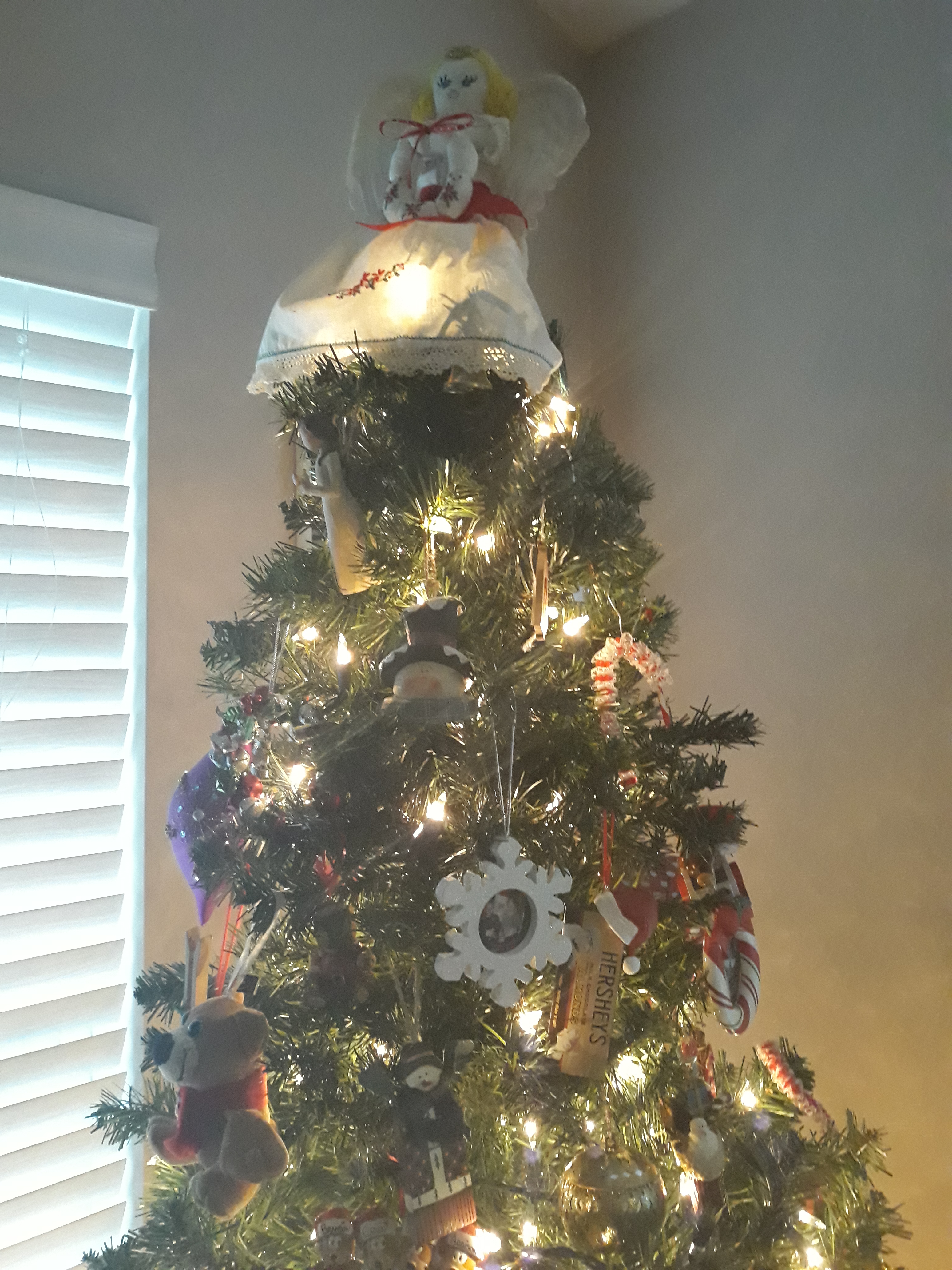
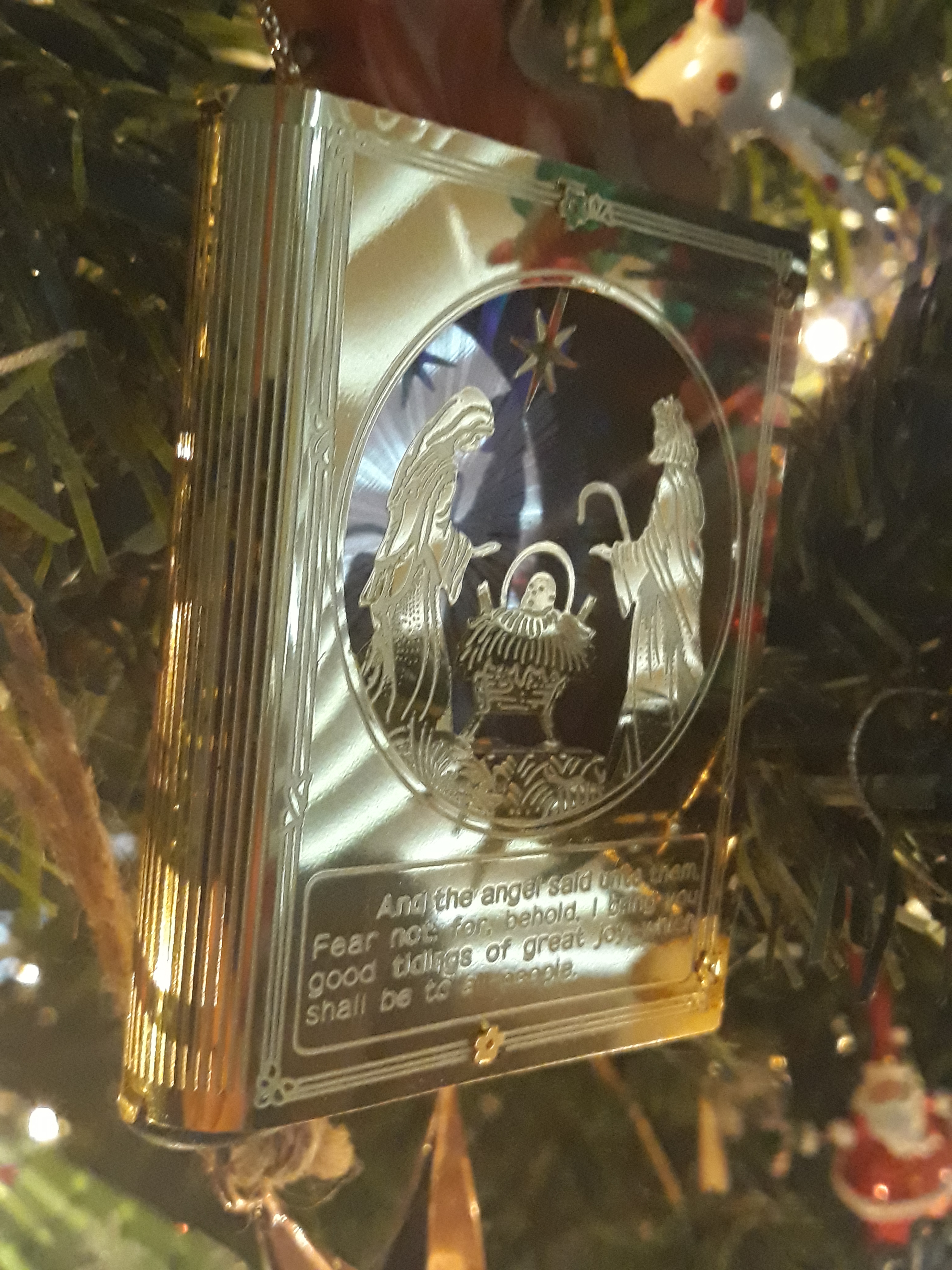
In viewing our decorated Christmas tree, there are so many blessings to be found. It is the inspiration behind this sonnet-styled poem. The photographs found at the end of this post come from our tree, which is loaded with so many memories.
This poem is dedicated to the many lives which have come and gone along the tracks of the Great Northern Railroad from years ago. Perhaps you can feel the living spirit still riding the Empire Builder passenger train across the Hi-Line of Montana.
This poem’s theme is inspired by Bob Hope, one of America’s greatest entertainers. He excelled in vaudeville, Broadway shows, radio, film, and television. He may be best known for the many shows he did for American troops overseas. In 1938, Hope and Shirley Ross performed the song “Thanks for the Memory” in the film “The Big Broadcast of 1938.” Adapting lyrics in future years as needed, the song became Hope’s signature song whenever he performed. Here are a few lines from “Thanks for the Memory.” Enjoy!
Thanks for the memory Of rainy afternoons, swingy Harlem tunes Motor trips and burning lips and burning toast and prunes How lovely it was Thanks for the memory Of candlelight and wine, castles on the Rhine The Parthenon, and moments on the Hudson River line How lovely it was Many’s the time that we feasted And many’s the time that we fasted Oh well, it was swell while it lasted We did have fun, and no harm done So thanks for the memory Of crap games on the floor, nights in Singapore You might have been a headache, but you never were a bore I thank you so much
This poem takes a different route from much of my usual poetry. It begins with the word “incessant” and carries this meaning throughout the poem with various synonyms. Using free verse, the number of syllables remains consistent with seven in the odd-numbered lines and ten in the even-numbered ones. Thanks for reading and enjoy!
Under the night sky, Hollywood’s best shine bright
Notable scenes from drive-ins come to the screen
Danny and Sandy from “Grease” making the scene
Winning combination fuels drive-ins’ success
Love of movies plus cars, who would ever guess?
Practicing social distancing, cars spread out
Another summer night, film-inspired blowout
Family piles into the station wagon
Good thing we traded that tiny Volkswagen
Mom and Dad, reservations in the front seat
Wearing pajamas, kids view from the back seat
Transporting all of us to a place of fun
Kids become quiet . . . fall asleep, one by one
Comfy family night under twilight’s stars
Slice of Americana, with movie stars
Courtesy of Pinterest.
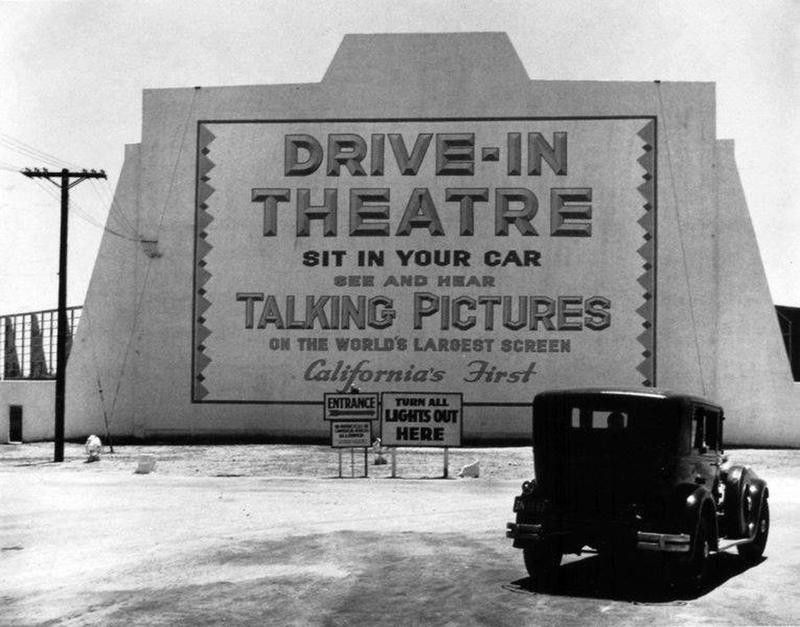
Practicing social distance before anyone knew what it meant, America’s drive-ins have been a fixture since arriving in New Jersey in 1933. Following World War II, the American landscape exploded with new drive-ins. By 1952, outdoor movie attendance exceeded indoor theaters for the first time. During the 1950s, the number of drive-ins peaked at 5,000 or so.