Patience Delivers
Creator’s spirit
Coloring breathless landscape—
One more falling leaf
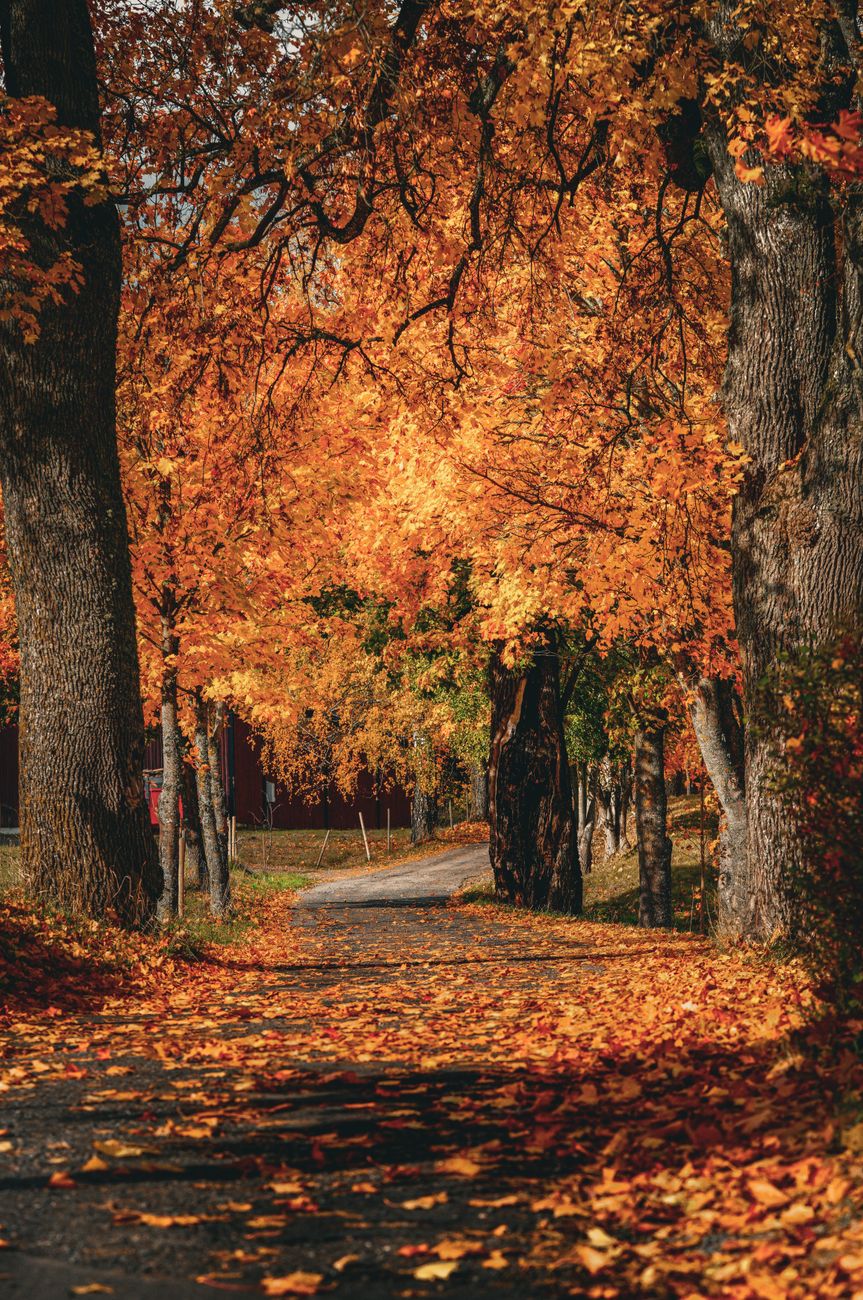
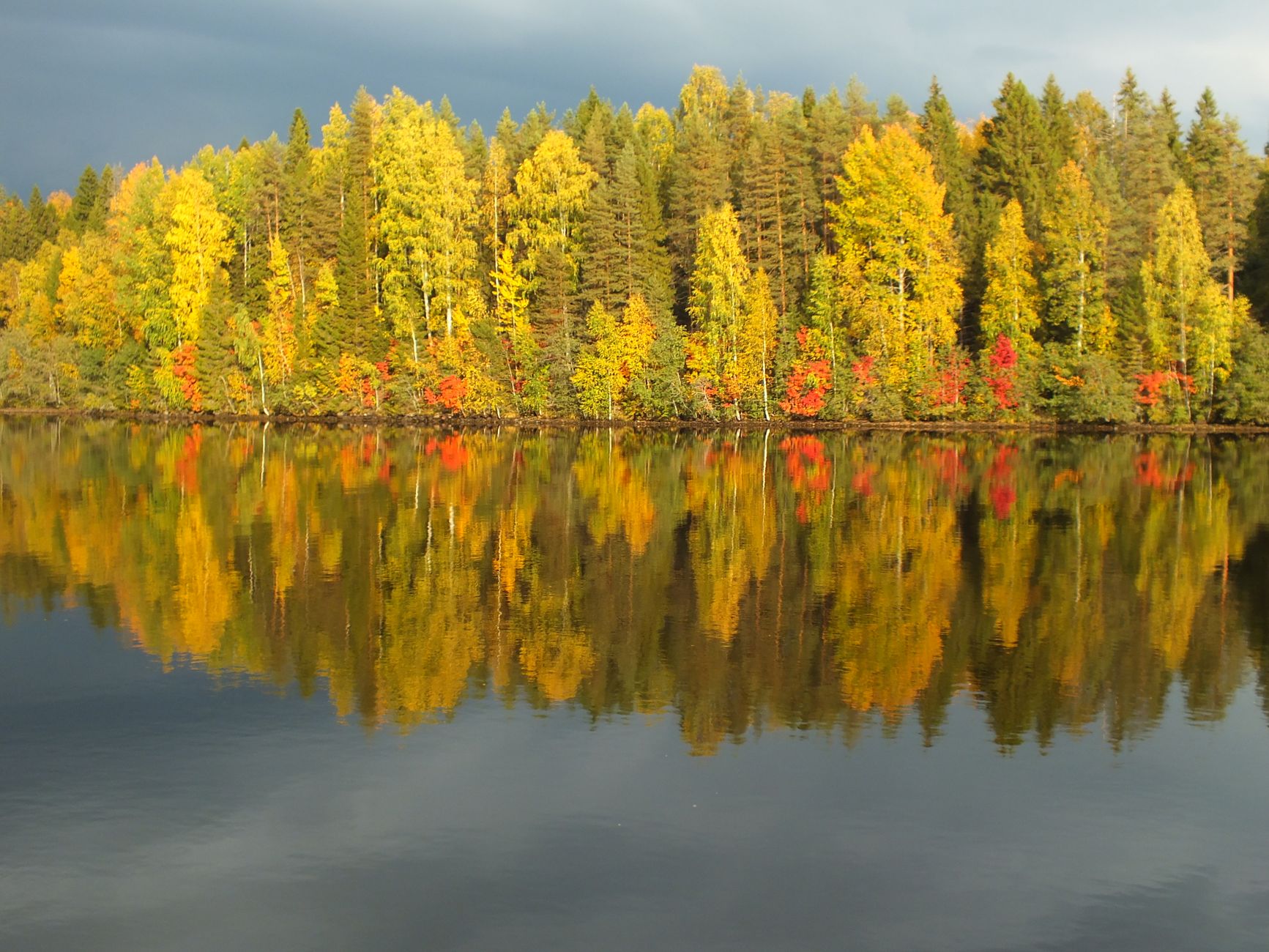
Postcard Sent
October’s colors
Timeless, never forgotten—
Fall’s welcome parade
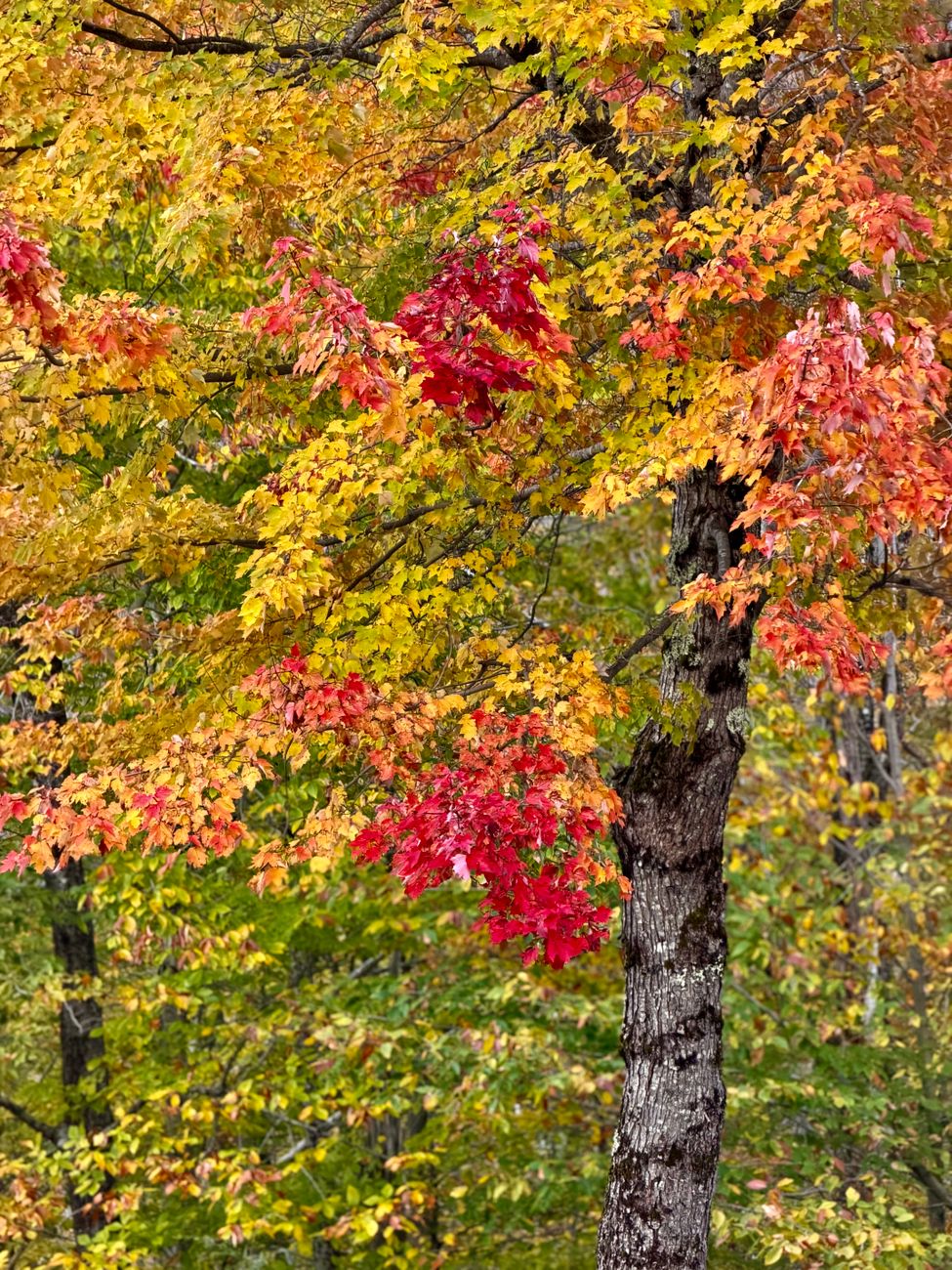
Top of World
Autumn sinking in
Kaleidoscope of color—
Taking breath away
Patience Delivers
Creator’s spirit
Coloring breathless landscape—
One more falling leaf
Postcard Sent
October’s colors
Timeless, never forgotten—
Fall’s welcome parade
Top of World
Autumn sinking in
Kaleidoscope of color—
Taking breath away
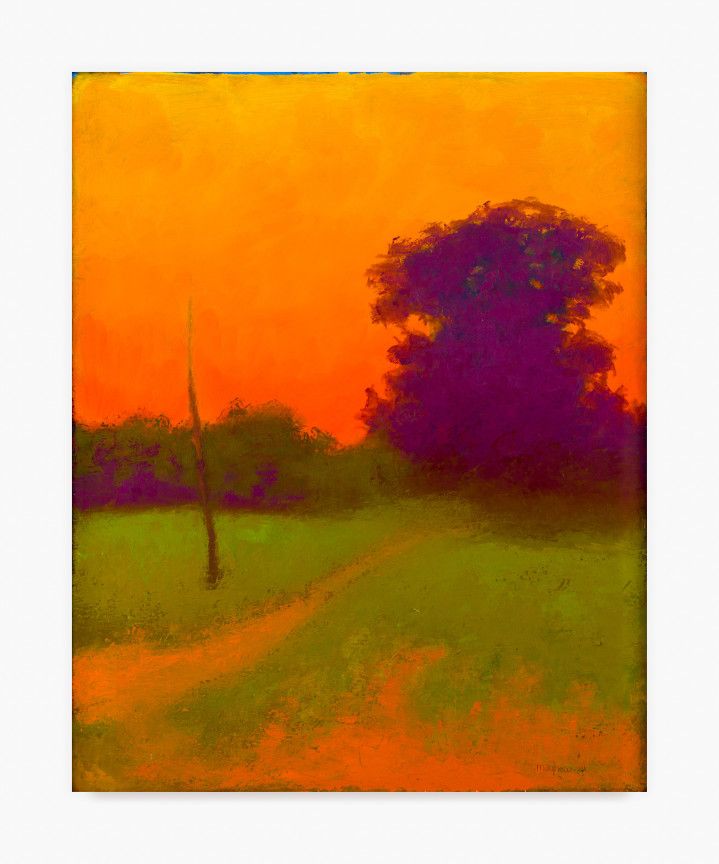
What value does ethnicity have to do with one’s universal creative consciousness. Nature is constantly reinventing itself, and that is how I relate to ethnicity.
What I do with landscapes is internalize my emotional interpretation of desire, hope, fear, and love. So, instead of a landscape, it’s a mindscape.
Richard Mayhew (1924-2024) was an American artist. His abstract landscapes convey inner states and feelings.

Nature lives forever
By her Creator’s hand
Nourishing spirit guides
Sunrise greeting each day
Life revolves ‘round her grace
Lighting earthly journey
Gentle winds bring comfort
Music from nature’s band
Breathing with its rhythm
Grassy plains stretching far
Lofty mountains border
Sharing abounding life
Beauty arrives by air
Birds of many colors
Singing nature’s chorus
Majestic trees arise
Redwoods reaching heavens
Scaling fate’s boldest heights
Creator’s view from clouds
Seeing creatures below
Serving nature’s purpose
Rivers ever flowing
Dogged spirit guiding
Reaching each shining sea
God’s time always endures
Creation spawns nature
Breathing, living, endless

Originally published March, 2021.
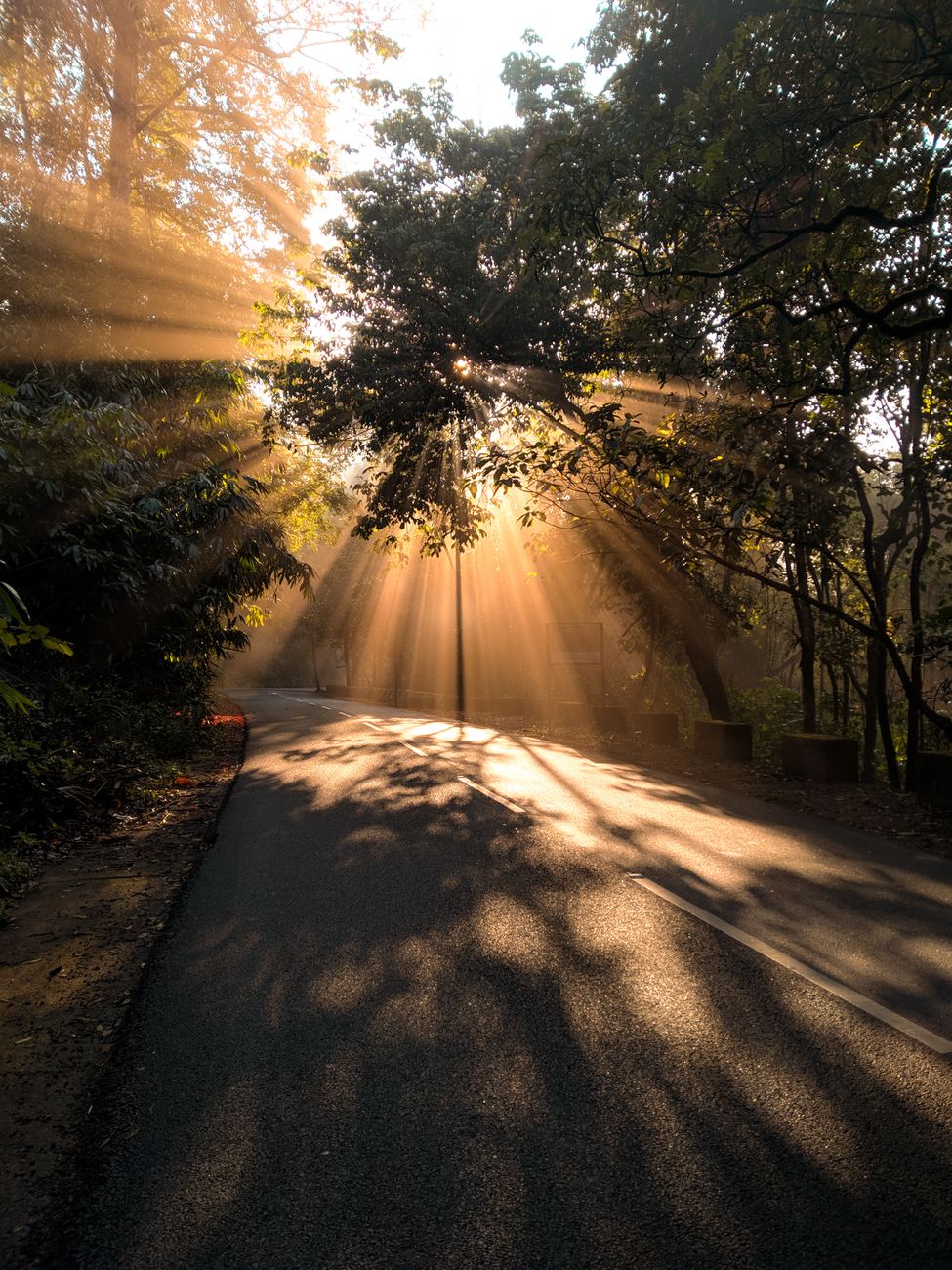
Border of wooded green
Gateway of shadows
Dancing in morning’s light
Every step aglow
Invitation of peace
Each precious shadow
Marking nature’s footprint
From its depths, hope flows
Another adventure
Wrapped in each shadow
Leaving hint of darkness
Tomorrow shall grow
Life scurries all about
Hidden in shadows
Following daily script
Future always knows
Moonlight gathers above
Night discards shadows
Offering timely grace
Destiny borrows
Evolving
Creation unfolds
Stalwart mountains echo hope—
Valley’s breath of peace
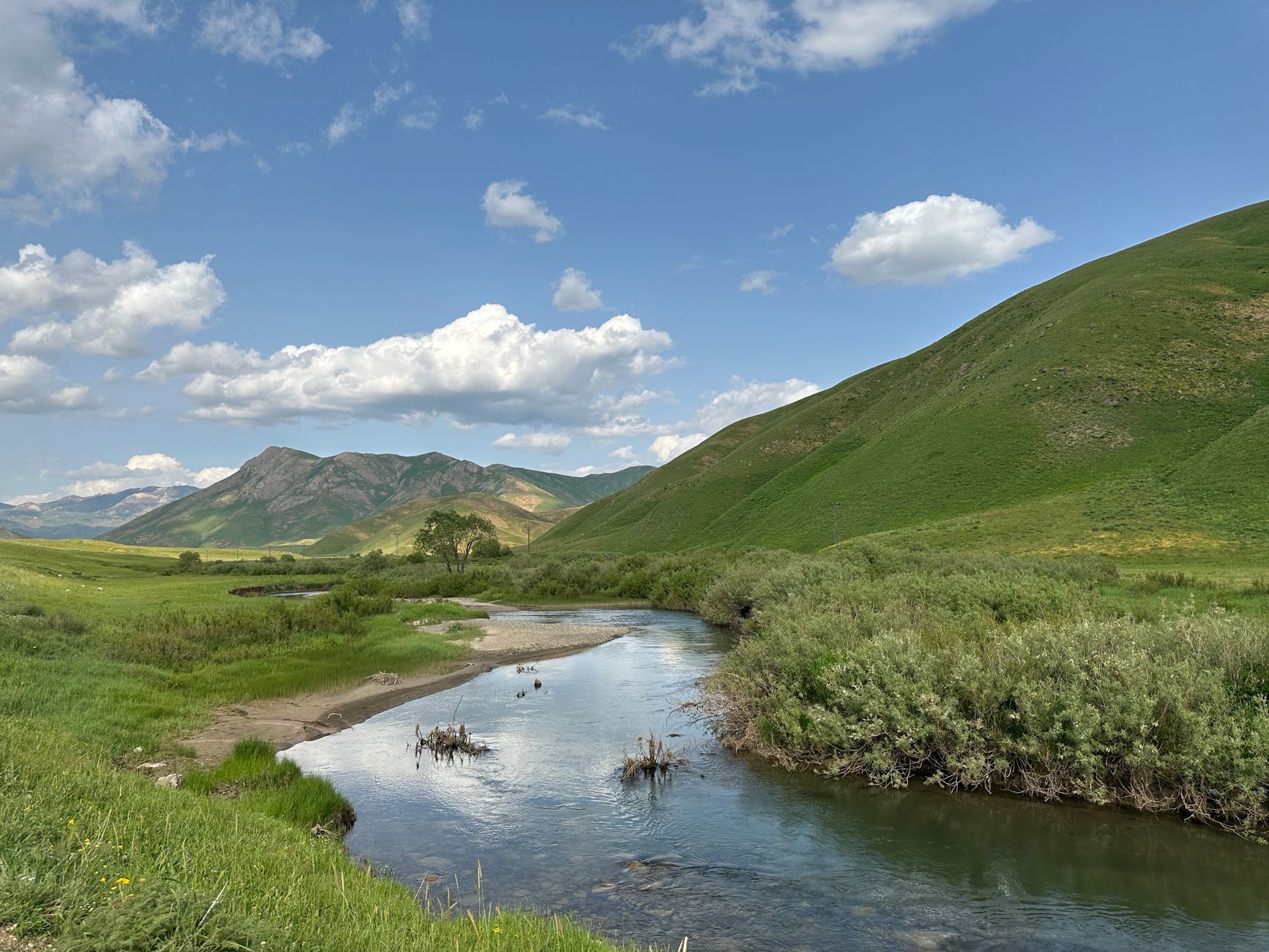
Revealing
River’s distant past
Creation flowing as one—
Energy of life
Abounding
Darkness slips away
Light’s innocence beams above—
Creation’s bouquet
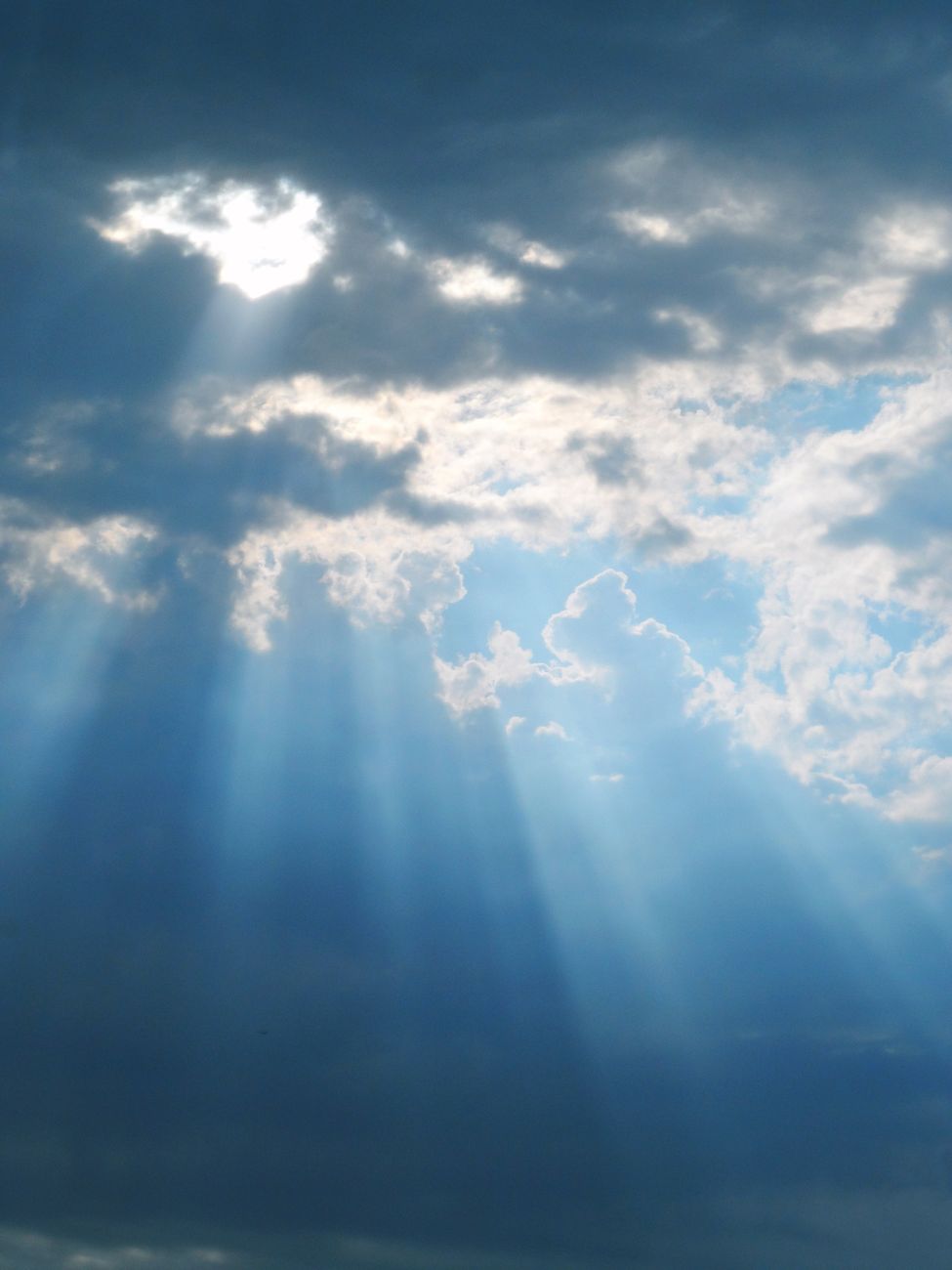
Refreshed
Tender morning rain
Nourishing landscape’s spirit—
Heavenly bounty
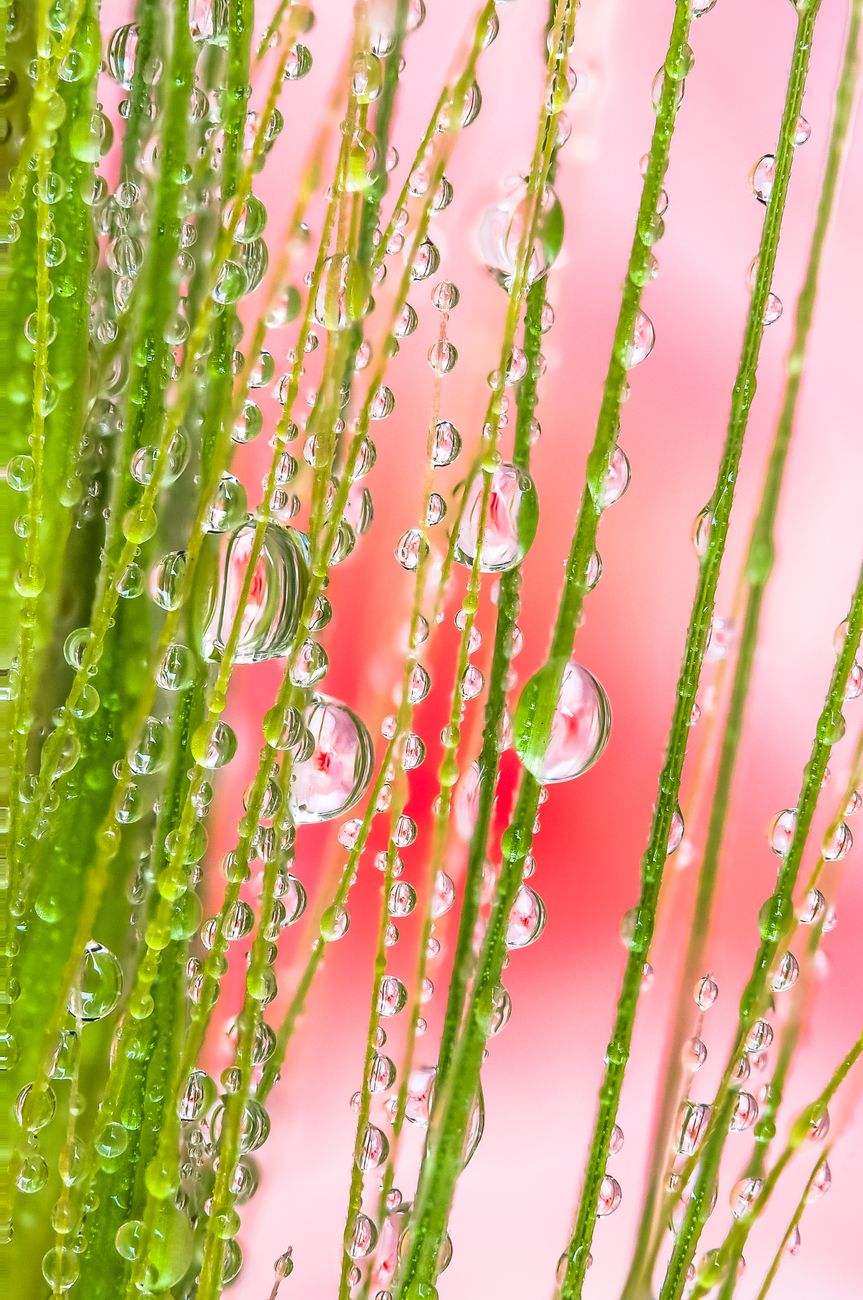
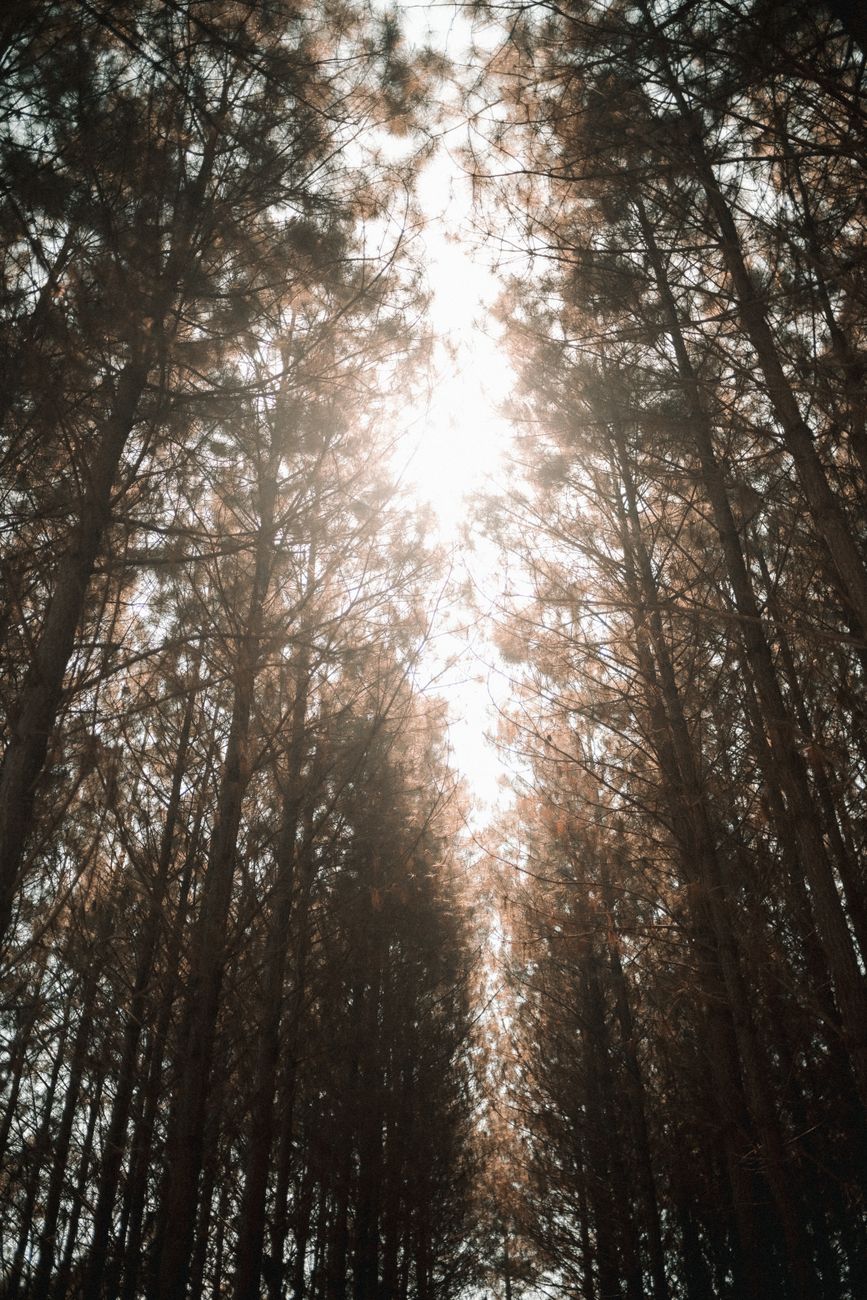
Embodied
View of morning sky
Peeking above lofty trees—
Life rises to light
Anticipated
Chill of morning air
Catching each northerly breeze—
Summer winks at fall
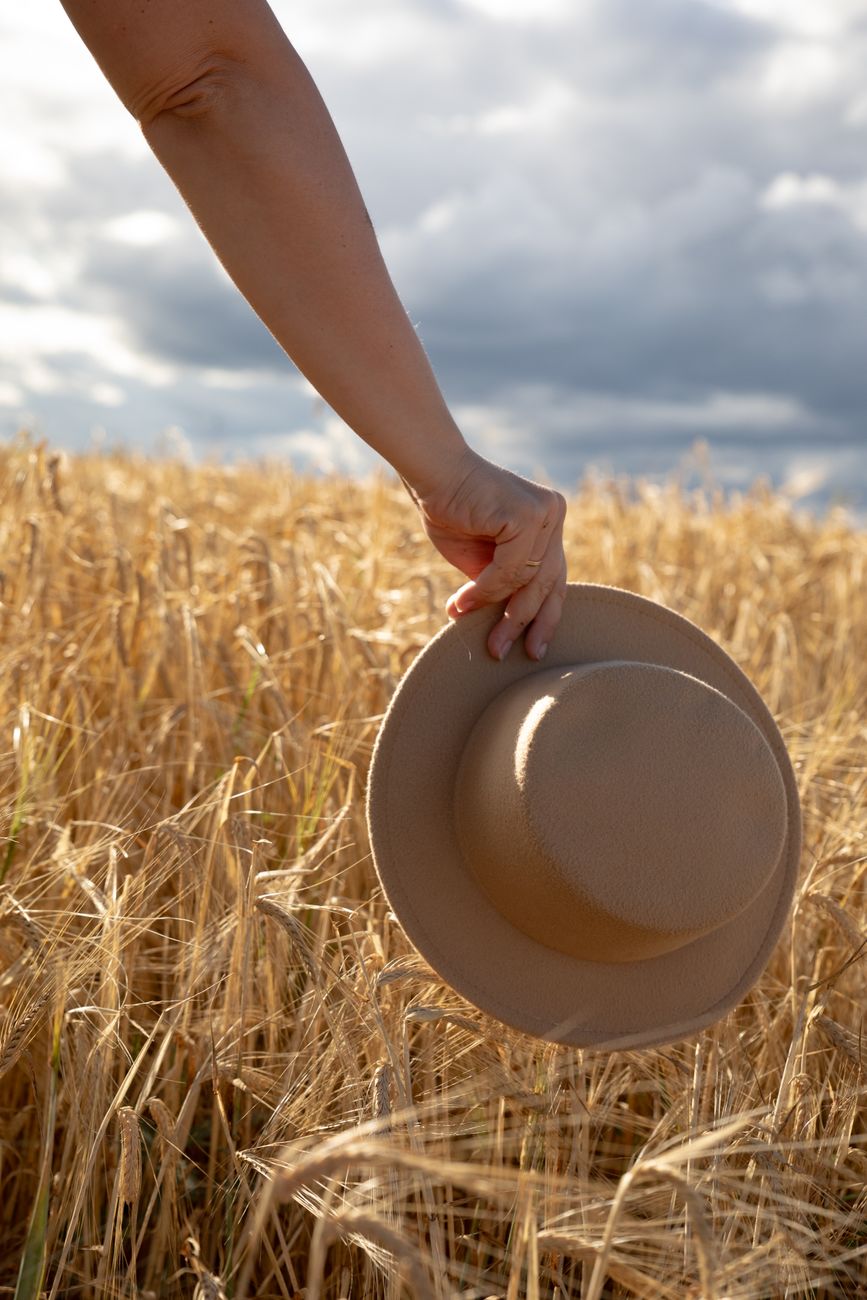
Rhythm’s Balance
Thinnest clouds gather
Horizon’s comforting song—
Rainfall’s gentle pace
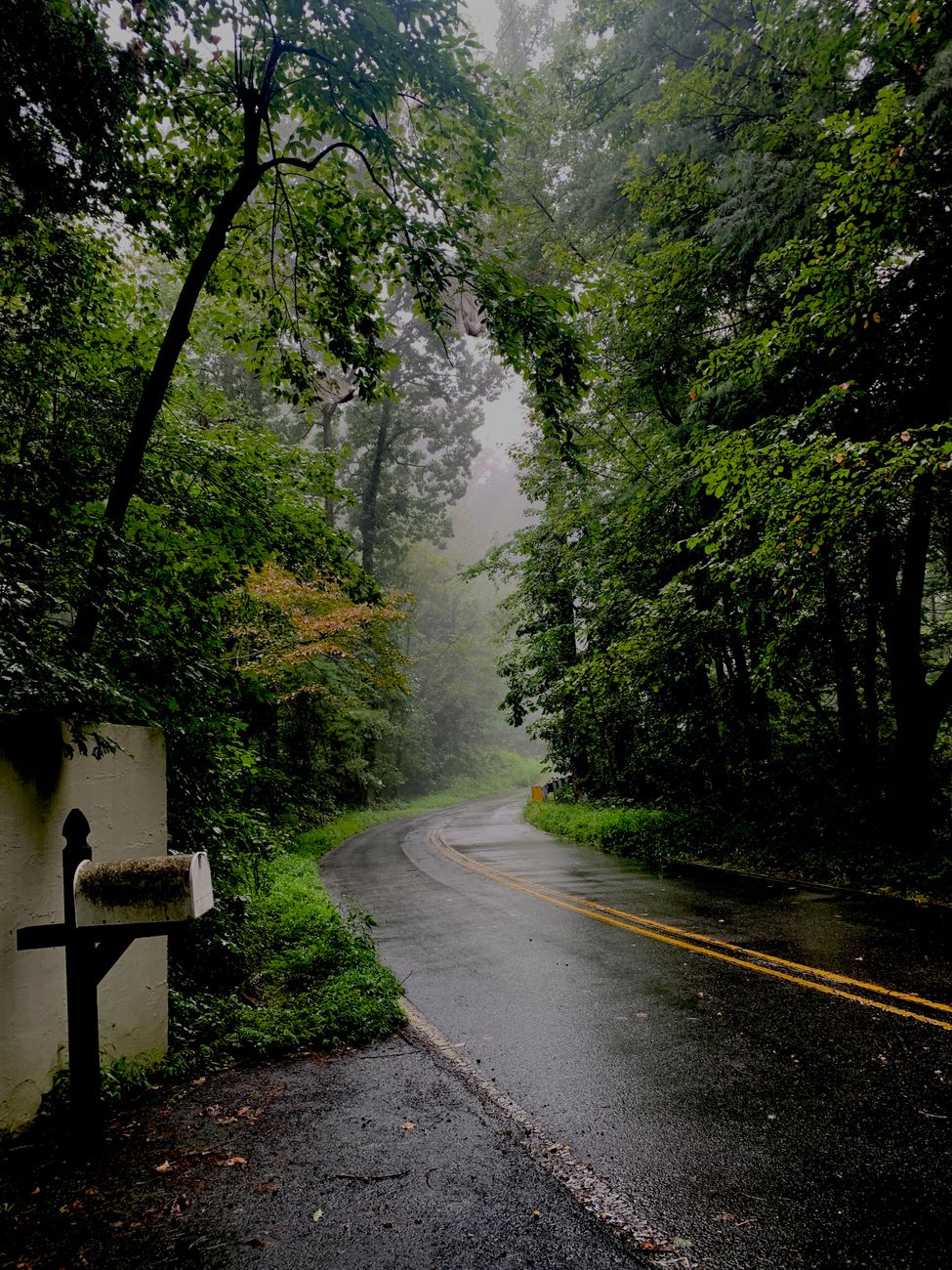
Fabric’s Serenity
Landscape’s loving touch
Daughter of darkness sleeping—
Tranquility’s breath
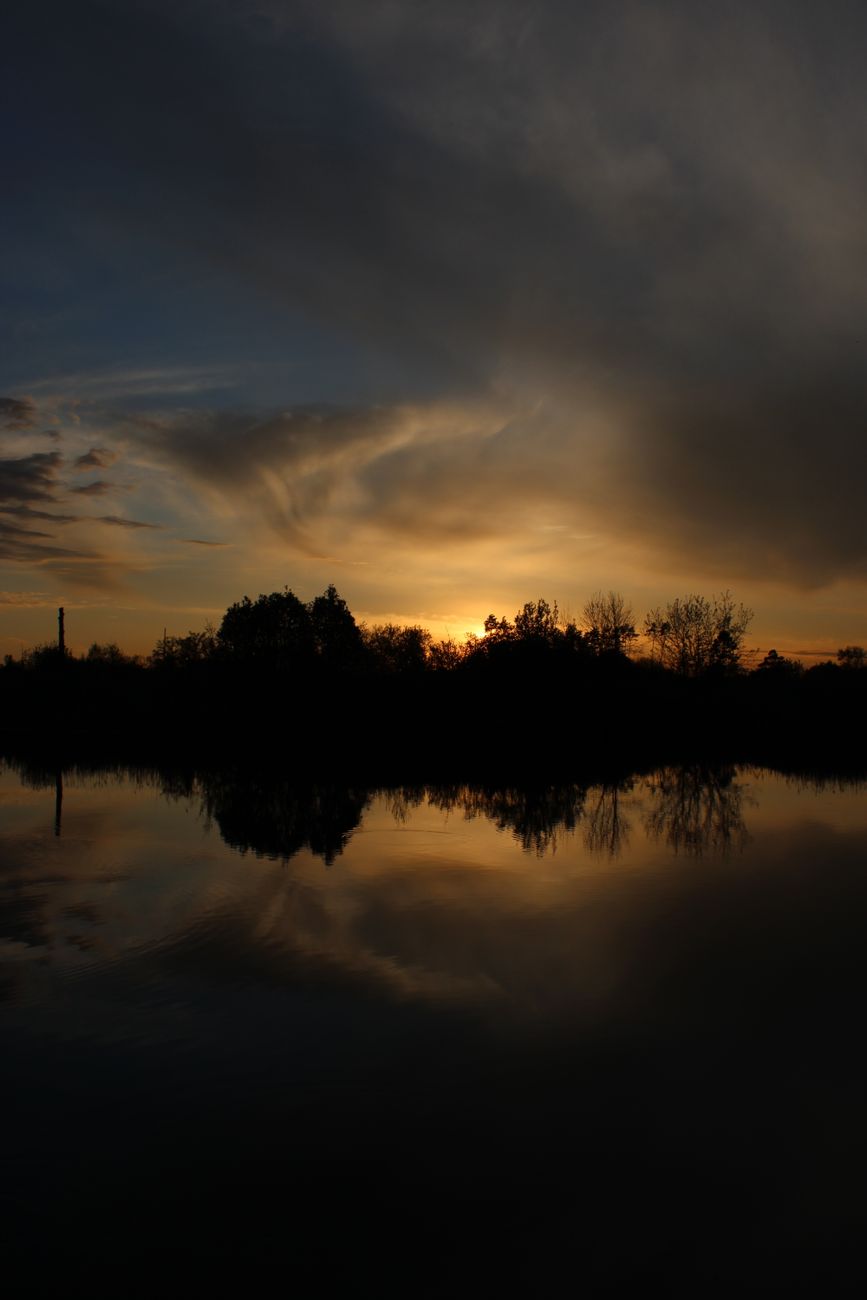
Overnight’s Transition
Nightly darkness fades
Morning’s quiet peace rises—
Transforming earth’s heart
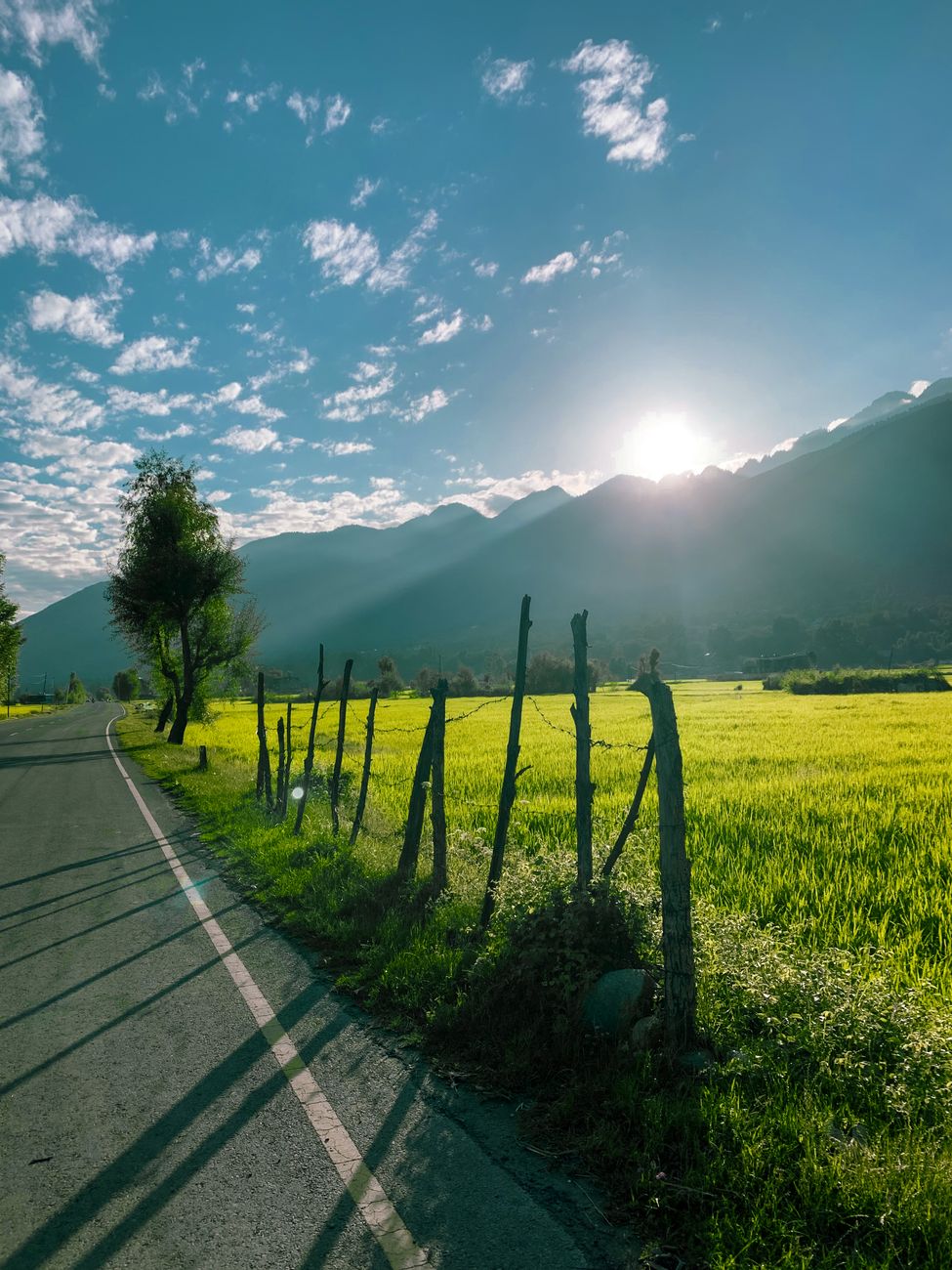
Preciousness
Morning’s rising face
Energizing peace below—
Fresh outlook embraced
Boundless
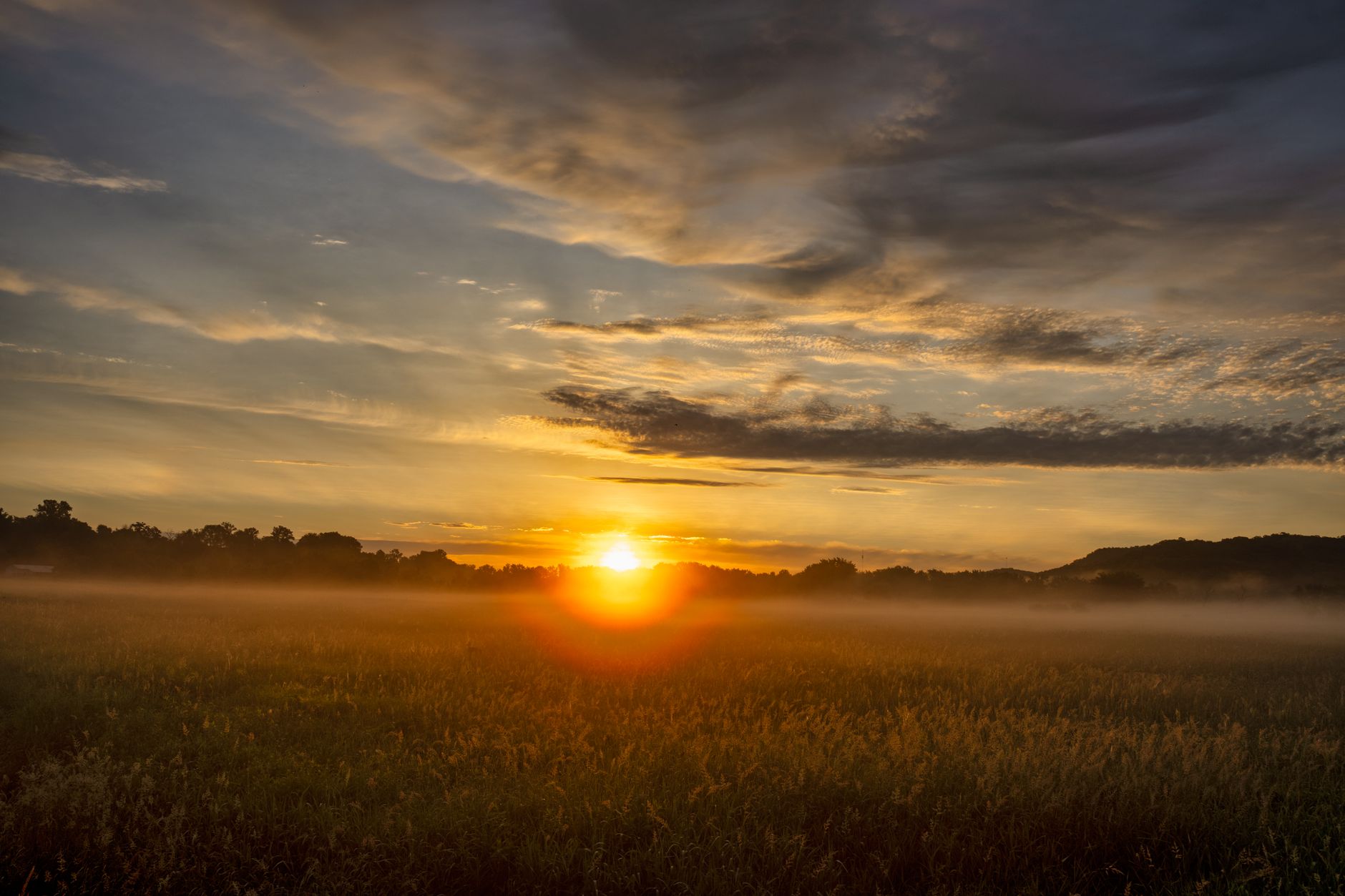
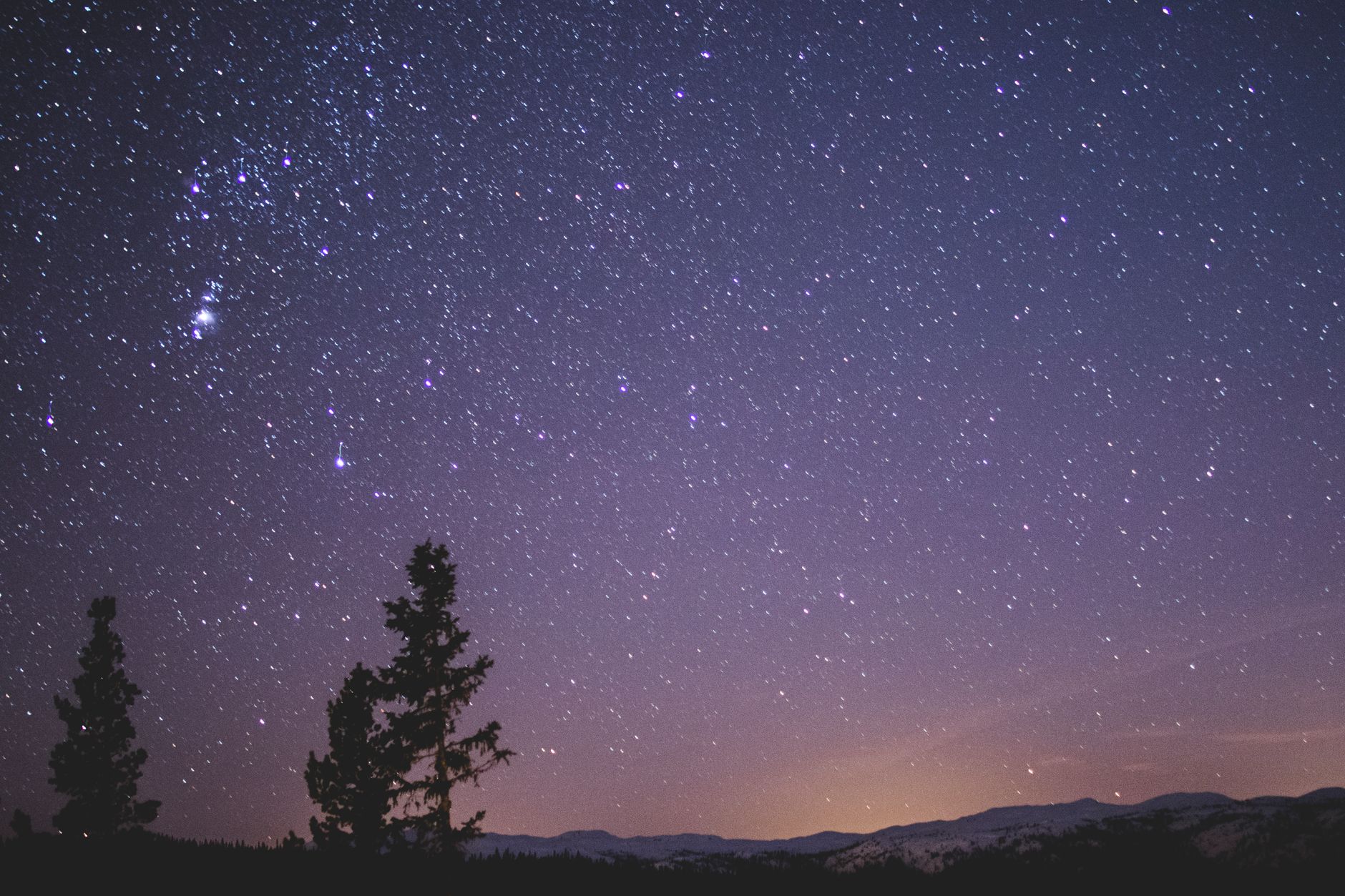
Clear night sky arrives
Breathing with infinite peace—
Tomorrow on deck
Permanence
Intimacy felt
Transforming peace covers earth—
Creator’s presence

Early morning’s reversing wind
No longer facing fierce headwind
Life takes comfort in day ahead
Thrilled to be awake, out of bed
Skipjack sailing away from home
Leaving Choptank’s berth, free to roam
Adventure waiting, take it on
Facing nature, ready with brawn
Pride of Maryland’s Eastern Shore
Nathan of Dorchester explores
With summer day’s life-giving breeze
She skims across these waves with ease
Distant river shoreline fading
Chesapeake Bay, now invading
Each crew member tackles his tasks
Loving this boat, each effort basks
With warm breezes, life’s sails now fill
Each port of call, sharing goodwill

The inspiration for this poem comes from my travels to Maryland’s Eastern Shore along the Choptank River at Cambridge. While I haven’t sailed on the Skipjack Nathan of Dorchester (yet), it is something I would enjoy experiencing during a future summer trip back to my wife’s hometown.
Originally published March, 2021.

Nature, after all, is still the grand agent in making poets.
Poetry is the attempt which man makes to render his existence harmonious.
Thomas Carlyle (1795-1881) was a Scottish-born essayist, historian, and philosopher. He was a leading writer of the Victorian era.

