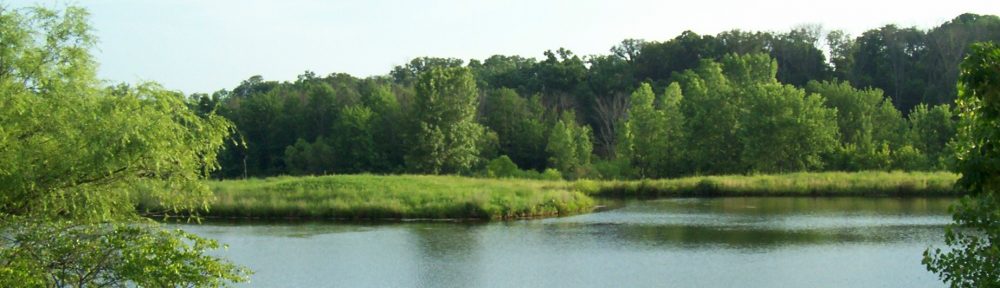
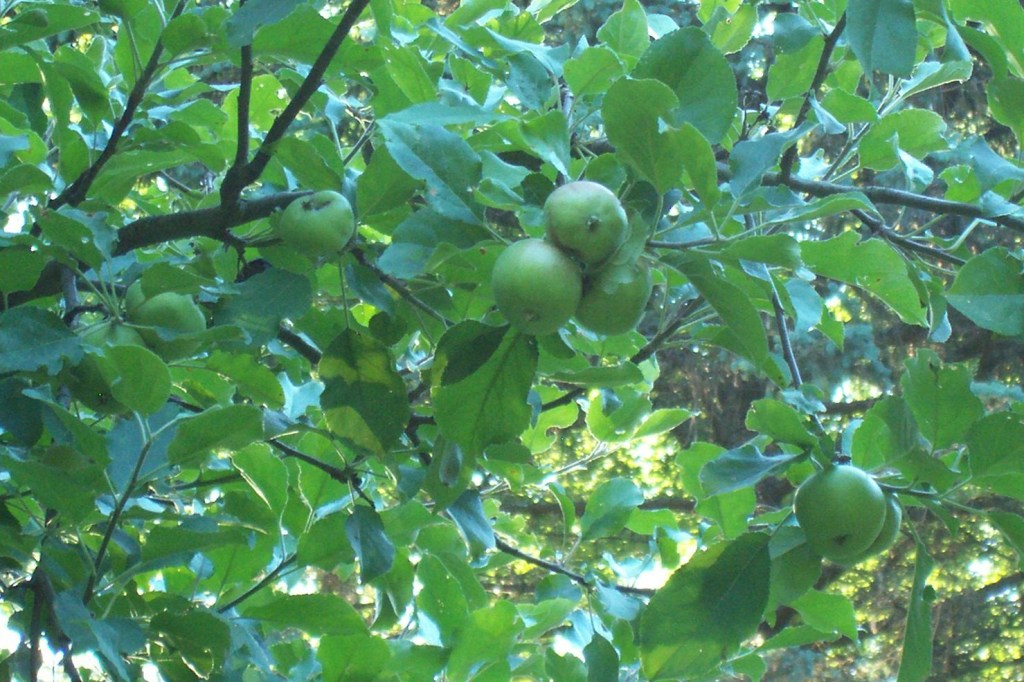
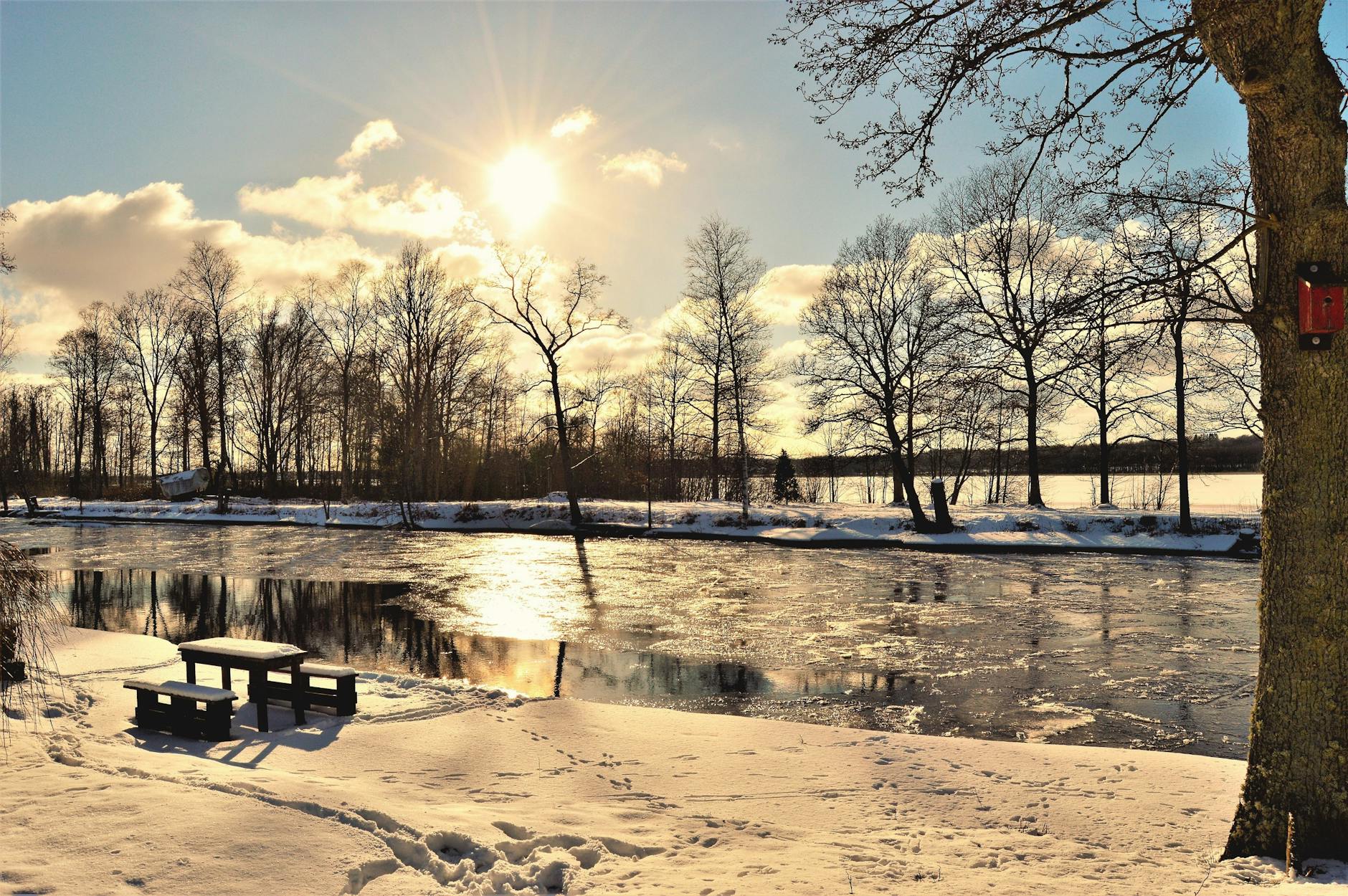
One of my favorite places to walk is a short drive from my home. Walnut Woods Metro Park (the Woods) is a special place to find nature’s treasures along its easy to moderate trails. The photographs shown with this poem were taken a few days ago. Enjoy!
Peaceful Walnut Creek meanders along the northern border of park.
Early morning light beckons
Putting on worn hiking shoes
Overcast skies hold back rain
Nature waits with charming views
Driving to a park, the “Woods”
Tranquility always waits
Peace and beauty reaching out
Eager feet, needing no skates
Step by step, walking farther
Park’s vastness, shouting with joy
Around each bend, nature smiles
Many sights and sounds deploy
Morning excursion teases
Birds sing back and forth on cue
Precious blossoms smelling sweet
Coffee can’t top nature’s brew
Time seems to pause with each step
Today’s time comes to an end
Ticket punched for return trip
These “Woods” remain a best friend
A few signs of spring’s early blossoms still can be found, but they will soon be gone.
This informative post will be published on Saturday in place of my regular one. You are invited to participate with the opening question.
Brain Teaser Question
What is special about these words: job, polish, herb? (Hint: Each word has at least another pronunciation.)
(answer found at the end of this post)
Featured Facts
A member of the beetle family, the venerable ladybugs are colorful and harmless. Gardeners love them because they enjoy eating aphids.
Here are a few unique details about ladybugs:
Color: Most commonly in the U.S. with shiny red body with black spots.
Description: Small, round, winged beetle with black legs and antennae
Habitat: Meadows, fields, and gardens
Diet: Both larvae and adults eat aphids and other small insects
There are approximately 5,000 species of ladybugs worldwide. Their Latin scientific name of Coccinellidae means little red sphere. The seven-spotted ladybug is native to Europe, and it was brought to the United States in the mid-1900s to help farmers control aphid populations.
The life cycle of ladybugs begins with a female laying a cluster of 20-300 eggs on the underside of a leaf near an aphid colony. Within a week, the eggs will hatch into larvae. During the next 10-15 days, the larvae feed on aphids before moving into the pupal stage and later adulthood.
In many cultures, ladybugs are considered good luck. In the Middle Ages, these beetles rid grapevines of insect pests. To show their appreciation, farmers called them the “Beetle of Our Lady” in a reference to the Virgin Mary. They are sometimes called ladybirds, lady beetles, and lucky bugs.
The usual lifespan for ladybugs is 2-3 years, and they must survive against numerous predators. Birds are the number one foe, but they also must contend with frogs, wasps, spiders, and dragonflies. In the winter, they hibernate in rotting logs and under rocks, as colonies numbering in the thousands.
top row: enlarged look at a ladybug, ladybug preparing for flight. bottom row: colony of ladybugs on a leaf, single ladybug feasting on an aphid, small insect at the top of a plant seems unaware of the hunter below. (photographs courtesy of pinterest.)
Answer to Brain Teaser Question
They are pronounced differently when the first letter is capitalized: Job, Polish, Herb.