Trivia’s Facts and More (4/11)

Photo by Pixabay on Pexels.com

This informative post will be published on Saturday in place of my regular one.  You are invited to participate with the opening question.

Brain Teaser Question

You go at red and stop at green.  What are you eating?

(answer found at the end of this post)

Featured Facts

As a dues-paying member of the Baby Boomer generation, this 70-year old can remember many things from the past.  Perhaps others in this age group or older will enjoy a trip down memory’s lane.  

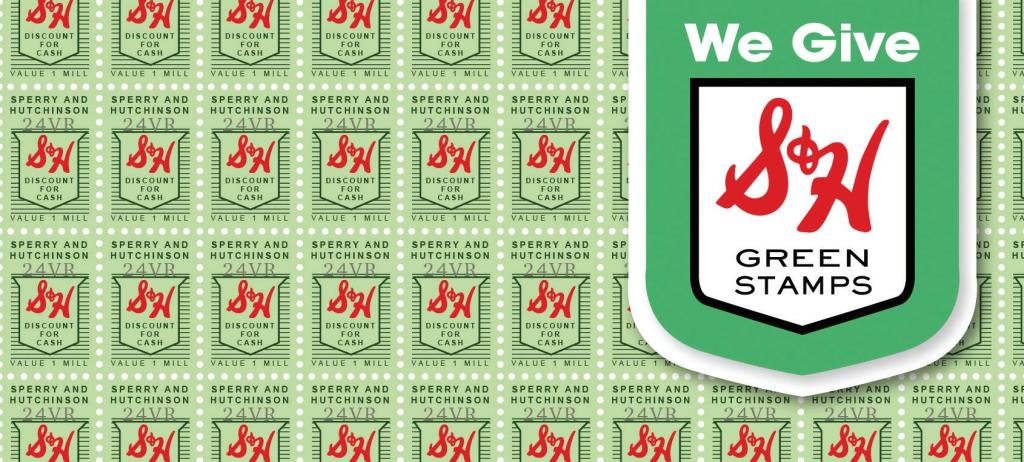
S & H Green Stamps

With another week, one can be found licking each stamp and filling one more book for rewards at the grocery store.
Original “Miracle on Ice”

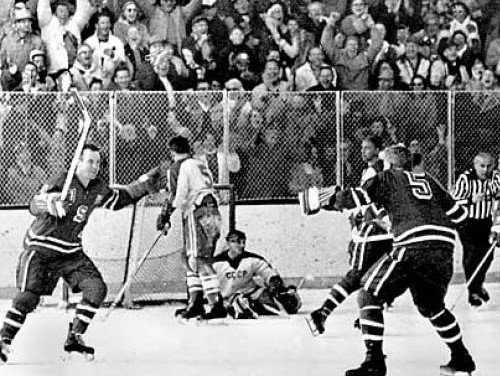
The United States mens ice hockey team experienced the first “Miracle on Ice” in 1960 at the Winter Olympics hosted by Squaw Valley, California. The American team brought home America’s first gold medal in the sport.

Howdy Doody

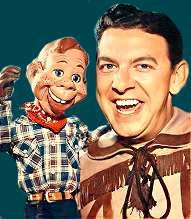
Buffalo Bob with his sidekick and marionette puppet, Howdy Doody.  “The Howdy Doody Show” debuted with its first episode in 1947.
Home Milk Delivery

Fresh milk delivered to your doorstep.  Notice the glass bottles, which will eventually be replaced with cartons.

Rotary Telephone

Remembering the challenge of dialing a telephone number, especially when it contained an extra zero or two.


Mail-Order Catalogs

First introduced in 1888 by Sears & Roebuck, shopping by catalog became a part of American life.  Their first Christmas catalog came out in 1933.  The one pictured is from 1966.

Wide World of Sports

Many can remember being glued to the television set on Saturday with the weekly broadcast of ABC’s “Wide World of Sports.”  Perhaps you can remember the introduction which highlighted the “thrill of victory” and the “agony of defeat.”

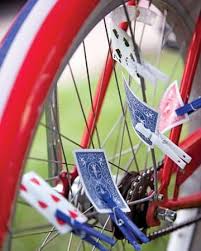
Bicycle Becomes Motorcycle

Many children added baseball cards or playing cards to their bicycle spokes.  Racing down the street, their bikes sounded more like well-tuned motorcycles.  

Transistor Radio

Arriving in the 1950s and popularized during the 1960s and 1970s, the transistor radio became the first portable audio device.  Teenagers loved them!

Typewriter

Many can remember learning how to type on a manual typewriter.  Today’s younger generations really have no experience with this invention, which can be traced back to the late 1800s.  Pictured is a more modern version of the typewriter, the IBM Selectric.

Answer to Brain Teaser Question

A watermelon.
Trivia’s Facts and More (3/21)

Photo by Pixabay on Pexels.com

This informative post will be published on Saturday in place of my regular one.  You are invited to participate with the opening question.
Brain Teaser Question

You leave home, take three left turns, and return home.  Who are the two masked men waiting for you?  (Hint:  America’s pastime)

(answer found at the end of this post)

Featured Facts

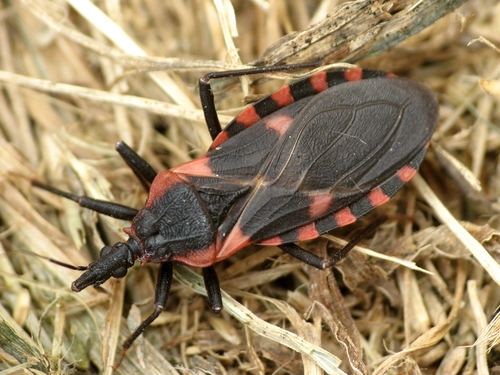
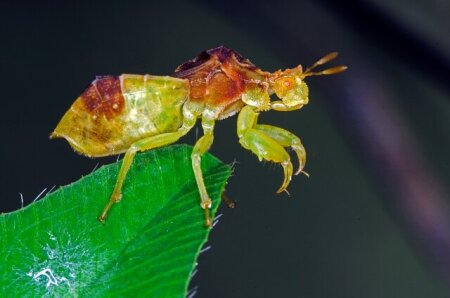
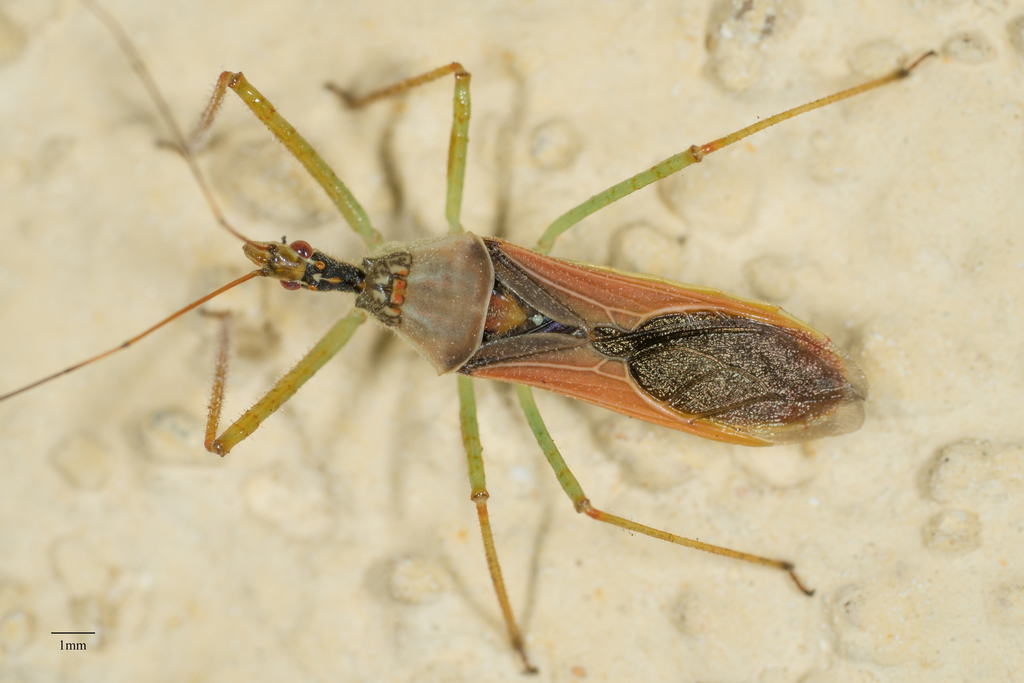
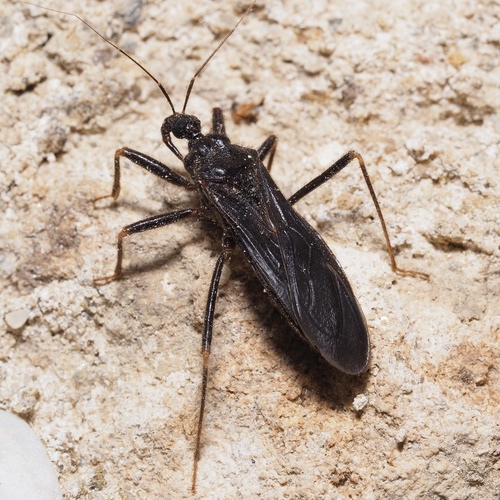
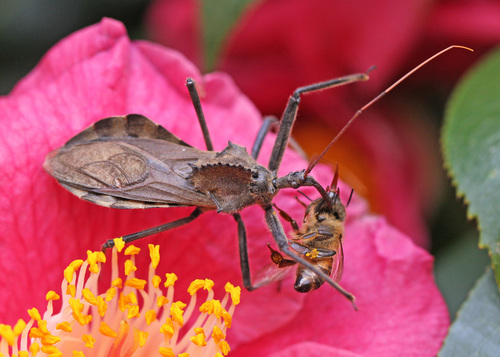
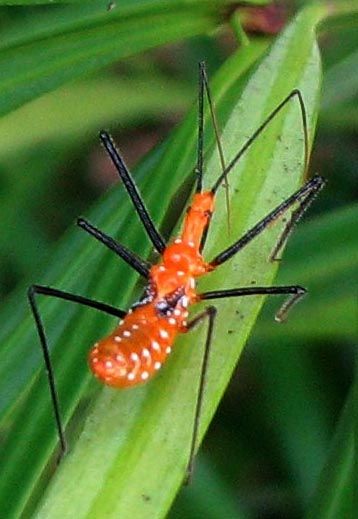
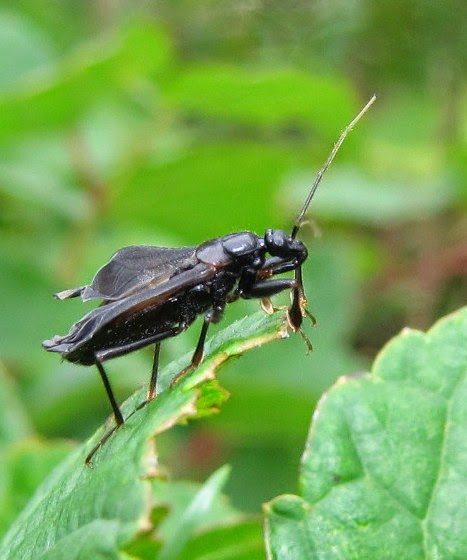
The insect world is filled with unusual creatures, but one category of them includes a carnivorous selection of silent hunters, who are almost stealth-like in their tactics.  These insects are sometimes called assassin bugs.

Here are a few interesting facts about assassin bugs:

  • Family:  Reduviidae
  • Size:  Length varies from a few millimeters to several centimeters 
  • Predatory behavior:  Capture and subdue other insects
  • Global environment:  All continents except for Antarctica

Assassin bugs use a hunting strategy that is based upon ambush tactics.  They hunt a wide variety of prey, ranging from the smallest aphids to caterpillars.

These bugs blend in with the surrounding environment as they patiently wait for their next victim.  These ingenious hunters possess piercing-sucking mouth parts.  A needle-like stylet is their weapon of choice.

Assassin bugs live in a variety of environments, ranging from deserts to rain forests to woodlands to urban gardens.  They are sometimes discovered by humans on plants, under rocks, among leaves, on tree trunks, and hidden in ground cover.  Their camouflage colors of browns and greens provide unsuspecting cover.  Other bugs feature vibrant reds and blacks, which alert predators to their toxicity.  

Their strong raptorial fore legs allow for grasping and holding prey firmly.  The stylet injects a cocktail of poisonous venom to paralyze the victim.  Additional enzymes liquefy the prey’s internal tissues.  The assassin bug proceeds to suck up the victim’s insides for nourishment–leaving only an empty husk.

Assassin bugs are relatively harmless to humans.  Discomfort from a bite usually lessens in a few hours or days.  Their main predators include birds, spiders, lizards, and even some small mammals.

There are over 7,000 species worldwide.  The photo gallery features a small collection of assassin bugs found in the United States.

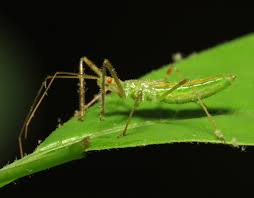
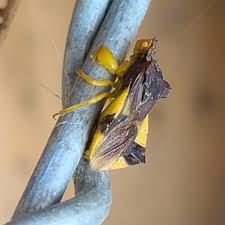
Types of assassin bugs.  Top left and moving clockwise:  black corsair, eastern bloodsucking conenose, jagged ambush bug, leafhopper assassin bug, orange assassin bug, pennsylvania assassin bug, pale green ASSASSIN bug, north america wheel bug, masked hunter.  (All images courtesy of Pinterest)


Answer to Brain Teaser Question

The umpire and the catcher (from the game of baseball).

Trivia’s Facts and More (3/14)

Photo by Pixabay on Pexels.com

This informative post will be published on Saturday in place of my regular one.  You are invited to participate with the opening question.
Brain Teaser Question

When I was four, my sister was twice my age.  Now I’m 50.  How old is my sister?
(answer found at the end of this post)

Featured Facts

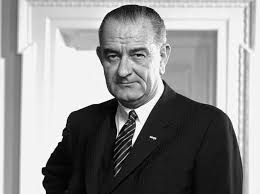
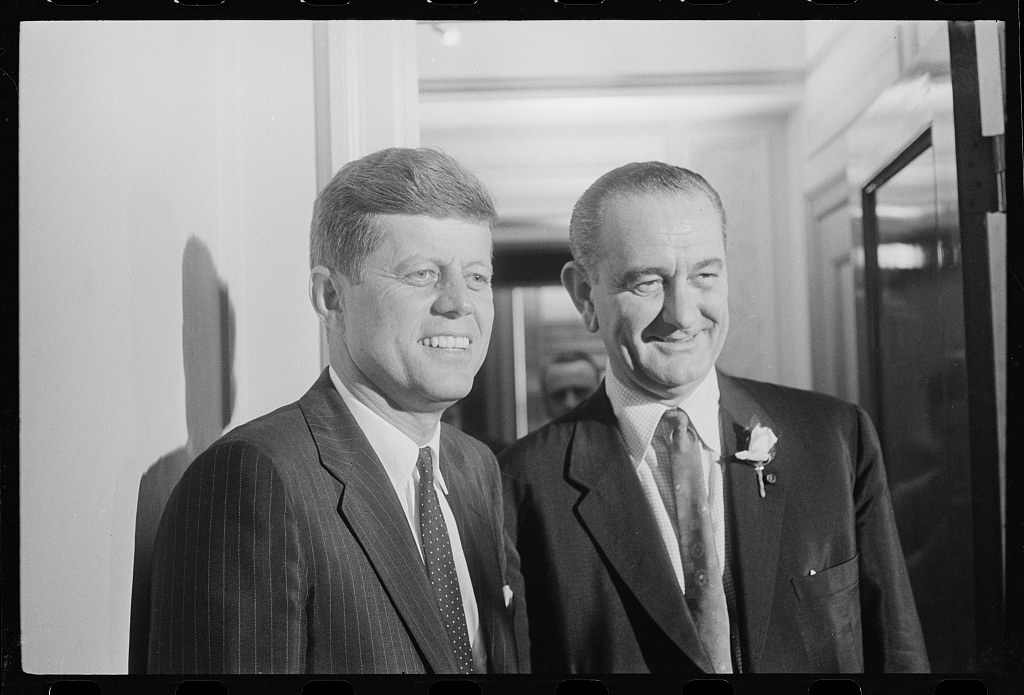
Hailing from the state of Texas, Lyndon Baines Johnson becomes America’s 36th President upon the assassination of President John F. Kennedy on November 22, 1963.  He will finish Kennedy’s term of office as well as being elected to one of his own.

Here are a few interesting facts about President Johnson:

  • Nickname:  LBJ
  • Political Party:  Democratic
  • Birth:  August 27, 1908 in Stonewall, Texas
  • Death:  January 22, 1973 in Johnson City, Texas
  • Occupations:  Teacher, rancher
  • College Attended:  Southwest Texas State
  • Spouse:  Claudia Alta “Lady Bird” Taylor Johnson

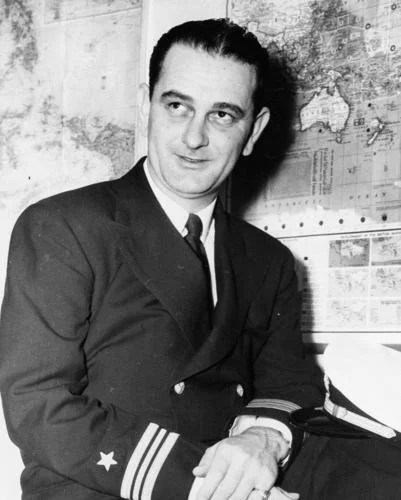
Johnson is elected to the U.S. House of Representatives in 1936.  He serves until 1948 when he is elected to the United States Senate.  In 1941, he enters active duty with the U.S. Navy, but he is recalled along with other members back to Congress.  He is awarded a Silver Star for gallantry when he survives an attack by Japanese aircraft.

In 1948, Johnson successfully campaigns to be a U.S. Senator.  He earns the nickname of “Landslide Lyndon” following the election.  Of the 988,000 ballots cast, he wins by a margin of only 87 votes.  History later proves that he will be elected with the mandate of a true landslide.  

In the U.S. Senate, Johnson’s powers of persuasion come into play.  He becomes the youngest-ever Senate Majority Leader in 1955.  Many will experience the “Johnson Treatment” as he shepherds vital legislation through the Senate.

The Presidential Election of 1960 arrives, and Johnson has aspirations to become President.  He eventually settles to be the running mate of John F. Kennedy, a fellow Senator from Massachusetts.  Following a successful campaign, whose success is aided by Johnson’s name on the ticket, Kennedy is elected President.

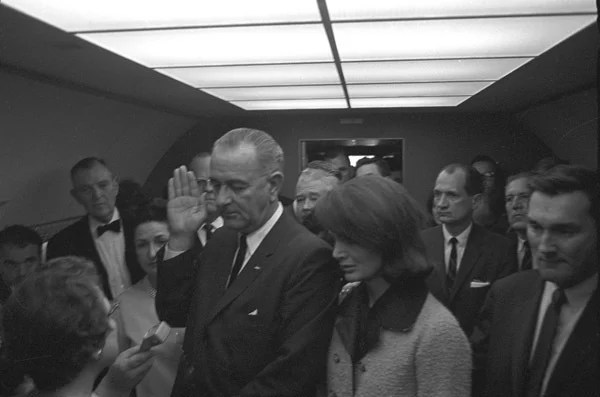
One of the darkest days in American history occurs when Kennedy is killed in Dallas, Texas.  At the age of 55, Johnson is sworn in as the new President.  He sets an ambitious legislative agenda to achieve his dream of America’s Great Society. 

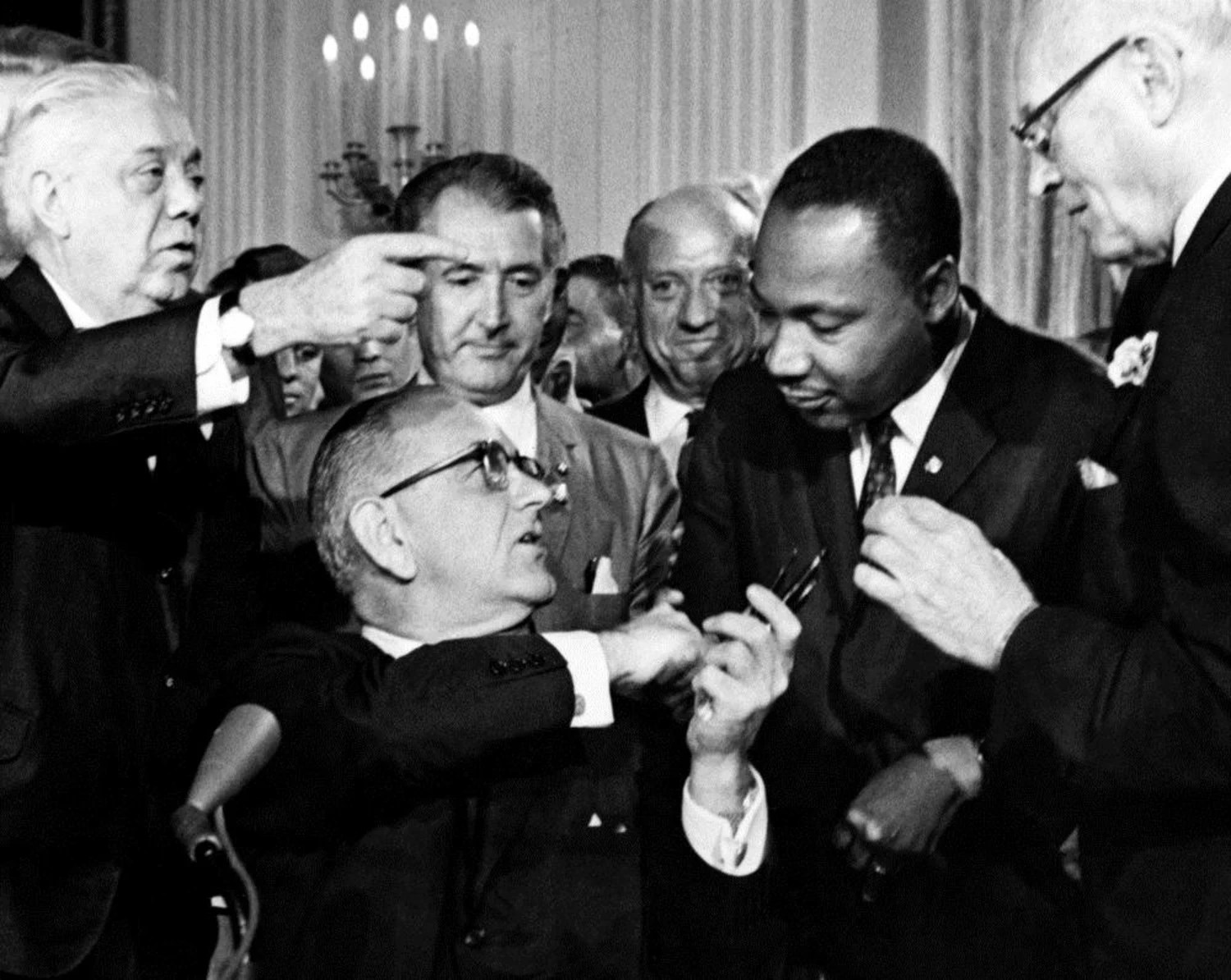
Johnson declares a war on poverty, illiteracy, unemployment, and racial discrimination.  In 1964, he signs the landmark Civil Rights Act into law.  In 1965, the federal programs of Medicare and Medicaid are established. 

Johnson campaigns in 1964 for a term of his own in the Oval Office.  His monumental landslide victory over Republican Barry Goldwater brings out these eye-opening statistics:  more than 61 percent of the popular vote, 44 states carried, and an Electoral College margin of 486-52.

As Johnson’s term of office begins in 1965, the focus on his Great Society reforms slides into the background.  The Vietnam War escalates with troop strength growing from about 16,000 to over 500,000.  As the war becomes more and more of a stalemate, a national outcry rises up against it.  Eventually Johnson decides to suspend his campaign for re-election in the early months of 1968.

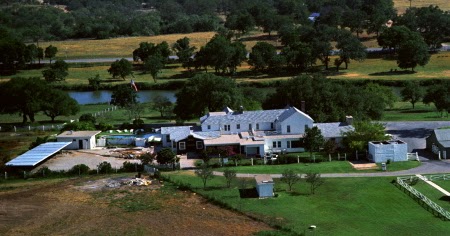
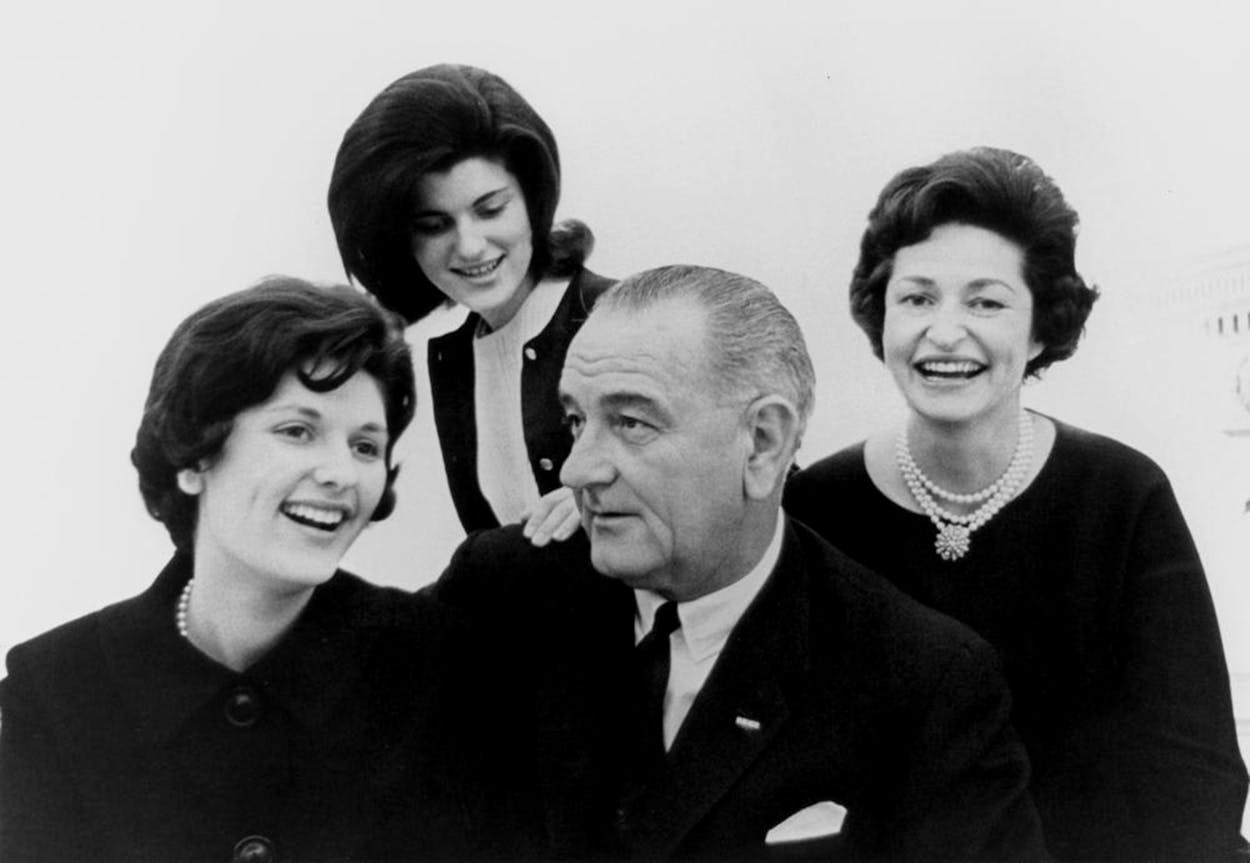
Top left and moving clockwise.  LBJ’s imposing stature, signing civil rights legislation with martin luther king at his side, campaigning in 1960, with fellow senator john f. Kennedy, world war II naval officer, with daughters (linda and luci) and wife (Lady bird), johnson ranch near johnson city, and swearing in ceremony aboard aircraft in dallas (JACQUELINE kennedy stands at his side).   (All images courtesy of Pinterest)


Answer to Brain Teaser Question

She is 54.

Trivia’s Facts and More (2/28)

Photo by Pixabay on Pexels.com

This informative post will be published on Saturday in place of my regular one.  You are invited to participate with the opening question.

Brain Teaser Question

What has a head, a tail, is brown, and has no legs?

(answer found at the end of this post)

Featured Facts

The American state of Georgia is admitted to the Union on January 2, 1788.  It becomes the fourth of the original thirteen states to ratify the U.S. Constitution.

Here are a few interesting facts about Georgia:

  • Capital City:  Atlanta
  • Nickname:  Peach State
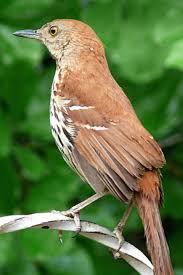
  • State Bird:  Brown Thrasher
  • State Flower:  Cherokee Rose
  • State Motto:  Wisdom, Justice, and Moderation

During the English colonial era, George is founded in 1732 by James Oglethorpe.  He envisions the colony as a fresh start for debt-ridden people.  The colony is named after England’s King George II. 

Agriculture has long played an important role in the state’s economy.  Cash crops include peanuts, peaches, pecans, and cotton.  Natural resources, including timber and resins such as turpentine, have led to greater industry and manufacturing.  In terms of land area, the state is the largest east of the Mississippi River.

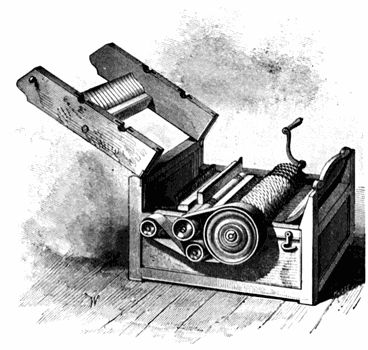
In 1793, a significant invention from Savannah greatly increases the output of cotton.  Eli Whitney’s cotton gin cleans more cotton in one hour than the labors of 50 workers.

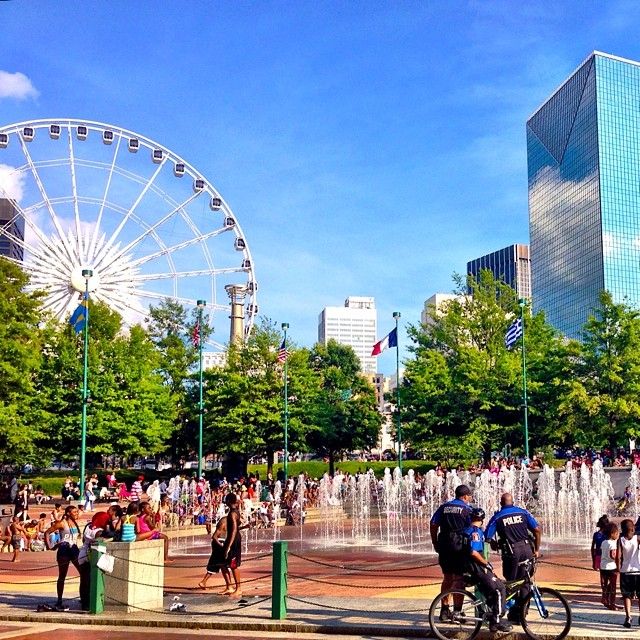
Atlanta hosts the 1996 Summer Olympics.  The Centennial Olympic Park remains as one of the leading sites visited by tourists.  Atlanta provides a home for four different professional sports teams:  Braves (baseball), Falcons (football), Hawks (basketball), and United (soccer).  

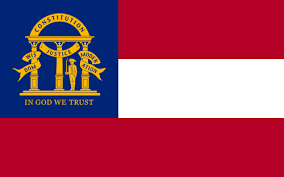
Revised in 2003, the current Georgia state flag offers a unique design with tributes to its history and past:

  • Three horizontal stripes in alternating colors of red, white, and red
  • A blue canton featuring thirteen white stars circling around the state’s gold-colored coat of arms
  • The state motto of Wisdom, Justice, and Moderation is displayed along with the words “In God We Trust”

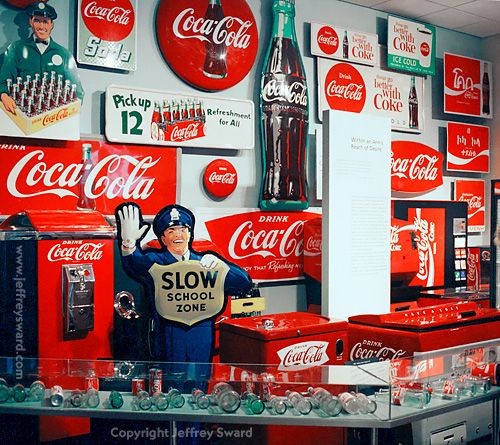
Atlanta pharmacist and chemist, John Pemberton, invents Coca-Cola in 1886.  Patrons flock to Jacob’s Pharmacy to purchase a glass for five cents.  The product is originally marketed as a temperance drink and medicinal tonic.  Today, the World of Coca-Cola houses a museum which is dedicated to the company’s long history.

In 1836, the Georgia Female College is founded in Macon.  It becomes the first American college dedicated to providing post-secondary education for women.  Today, the institution is known as Wesleyan College.

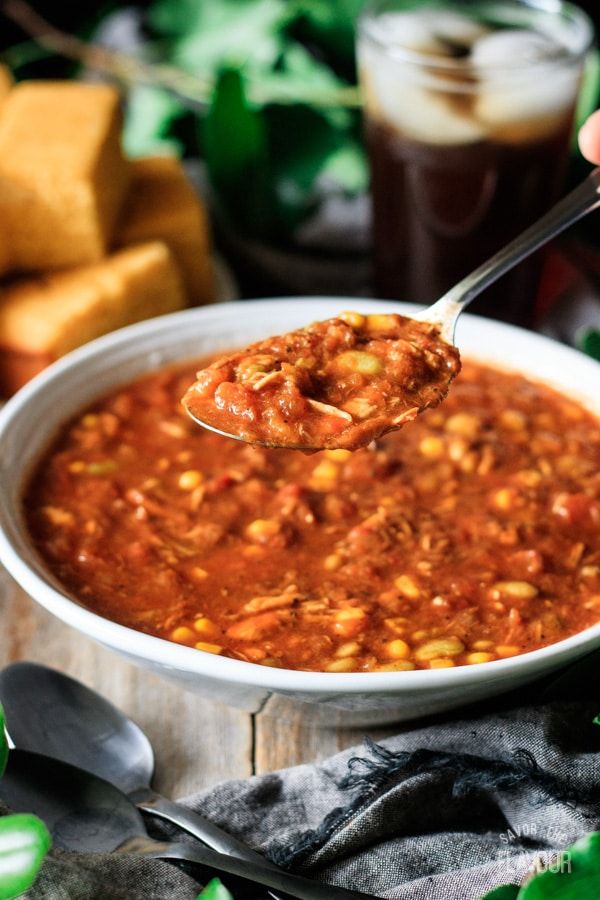
Both the states of Georgia and Virginia take credit for a delicious sample of southern cuisine.  Brunswick Stew features shredded beef, chicken and pork, along with potatoes and other vegetables.  Slow-cooking brings together flavors of the barbecue and tomato base  Years ago, more traditional versions offer wild game.  Squirrel, rabbit, and an occasional opossum find their way into the soup.  [I discovered this tasty soup at a small soup and salad restaurant in my hometown of Billings, Montana.]

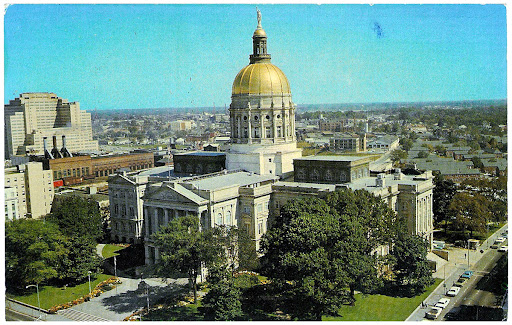
row 1:  state capitol in atlanta, state bird brown thrasher.  row 2:  centennial olympic park in atlanta, state flag, brunswick stew.  row 3:  museum exhibit from world of coca-cola, state flower cherokee rose, eli whitney’s original cotton gin.  (All images courtesy of Pinterest)


Answer to Brain Teaser Question

A penny.

Trivia’s Facts and More (2/21)

Photo by Pixabay on Pexels.com

This informative post will be published on Saturday in place of my regular one.  You are invited to participate with the opening question.

Brain Teaser Question

“The quick brown fox jumps over the lazy dog.”  What is the guiding characteristic of this sentence?

(answer found at the end of this post)

Featured Facts

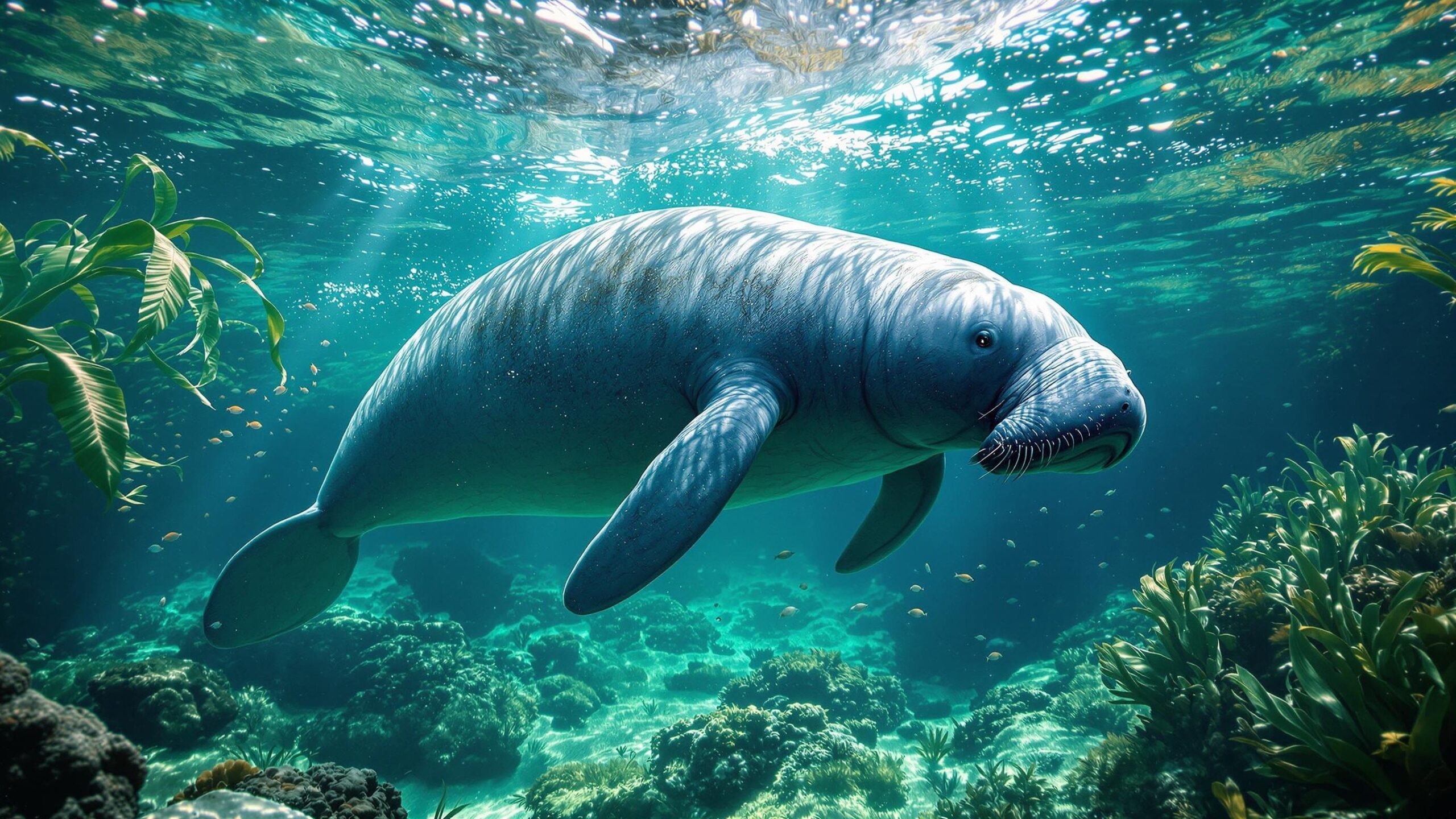
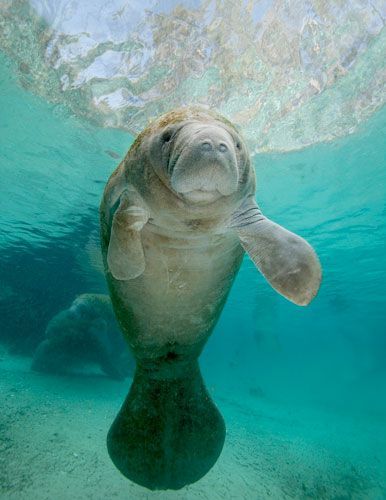
One of nature’s most recognized and threatened marine mammals is the manatee.  In American waters, manatees are commonly found along the Gulf coast, Florida’s shallow waters, and the southeastern coast.

Here are a few interesting facts about the manatee:

  • Length:  Average adults stretch out nearly 10 feet
  • Weight:  Average adults tip scales at 800-1,200 pounds (some over 2,000)
  • Swimming Speed:  About 15 mph
  • Diet:  Water grasses, weeds, and algae
  • Lifespan:  In the wild, few live past 30 years

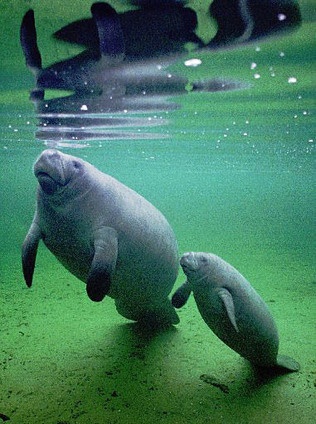
Because of their slow-moving and gentle nature, manatees are frequently called sea cows.  They enjoy grazing peacefully in warm, shallow waters.  Their days are filled with three primary activities:  eat, travel, and rest.  

While resting, adult manatees can stay submerged underwater for 15-20 minutes.  Their big, flat tail helps propel them through the water, almost effortlessly.  A pair of short forelimbs, called flippers, help to steer and hold vegetation.

Calves are born underwater, and the mother must guide the newborn to the surface for life’s first breath of air.  A calf is dependent upon its mother for 1-2 years.

Mating occurs most frequently during spring or summer.  Adult bulls and cows do not form permanent pairings.  A low reproductive rate is evident because one calf is usually born to a cow every 2-5 years.  Gestation takes up to one year, and a newborn calf usually weighs 60-70 pounds at birth.

Most American manatees winter near Florida because of the warmer waters.  During the summer months, many migrate to other waters.  Some have navigated to coastal waters near Texas and Massachusetts.

The biggest threat to manatees is death caused by mankind.  A variety of dangers exist:  watercraft collisions, litter, poaching, contact with flood gates and canal locks, and entanglements with fishing lines and hooks.

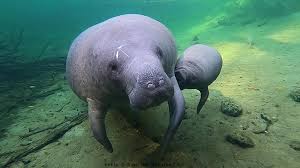
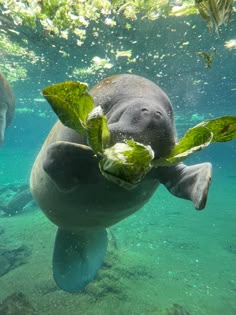
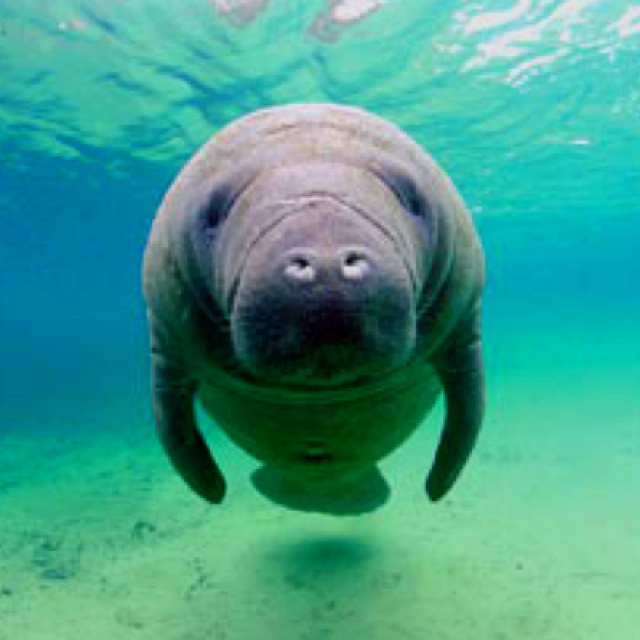
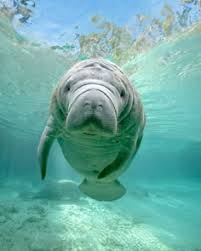
row 1:  female cow with calf.  row 2:  adult holding vegetation and swimming.  row 3:  various images of adults.  (All images courtesy of Pinterest)


Answer to Brain Teaser Question

Defined as a pangram or holoalphabetic sentence.  The sentences contains all 26 letters of the alphabet.

Trivia’s Facts and More (2/14)

Photo by Pixabay on Pexels.com

This informative post will be published on Saturday in place of my regular one.  You are invited to participate with the opening question.

Brain Teaser Question

What word is pronounced the same if you take away four of its five letters?

(answer found at the end of this post)

Featured Facts

The “Peace Garden State” of North Dakota is admitted to the American Union as the 39th state on November 2, 1889.  

Here are a few interesting facts about North Dakota:

  • Capital City:  Bismarck
  • Most Populated City:  Fargo (over 135,000)
  • State Bird:  Western Meadowlark
  • State Flower:  Wild Prairie Rose
  • Motto:  Liberty and Union, Now and Forever, One and Inseparable

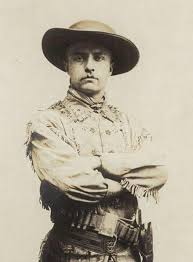
North Dakota is known by several nicknames.  It is often referred to as the “Peace Garden State” because the International Peace Garden straddles its border with the Canadian province of Manitoba.  “Flickertail State” makes references to the Richardson ground squirrels, who flick their tails while running.  Inspired by American President Theodore Roosevelt’s time spent in North Dakota, the state is sometimes called the “Roughrider State.”  Lastly, the “Sioux State” honors the Native American people, the Dakota.

Agriculture plays an enormous role in the state’s economy.  It is the nation’s leading producer of sunflowers.  Nearly 50 percent of the nation’s spring wheat is harvested annually in North Dakota.  Most of American pasta is made from the state’s durum wheat.  Nearly two million head of cattle are raised in the state.  The state’s population is just over 800,000.

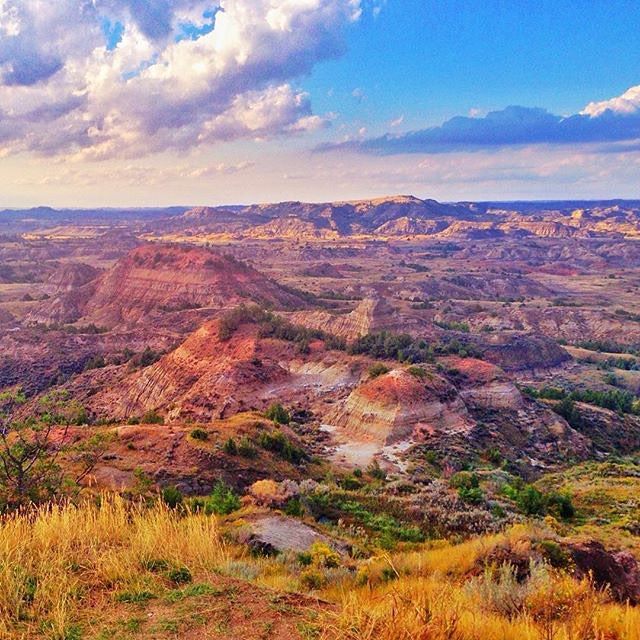
The territory is added to the United States sovereign lands with the Louisiana Purchase in 1803.  The region is home to several Native American tribal groups, which occupy four reservations.  A great deal of contrast exists between the landscapes of the western and eastern borders.  The West is filled with badlands and cottonwood trees.  The East resembles that of Minnesota’s topography and rainfall.

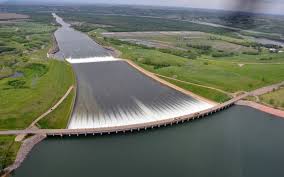
The Red River separates western Minnesota from eastern North Dakota.  Fertile farm land is found on both sides of the river.  Lake Sakakawea on the Missouri River is created in 1954 with the completion of the Garrison Dam.  The lake’s name honors Native American guide, Sacagawea, who assists Lewis and Clark’s Corps of Discovery when they travel through the region.  

North Dakota provides land for one national Park, the Theodore Roosevelt National Park.  The southern unit is located near the town of Medora, and the northern unit is nearby the community of Watford City.  

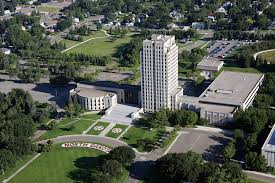
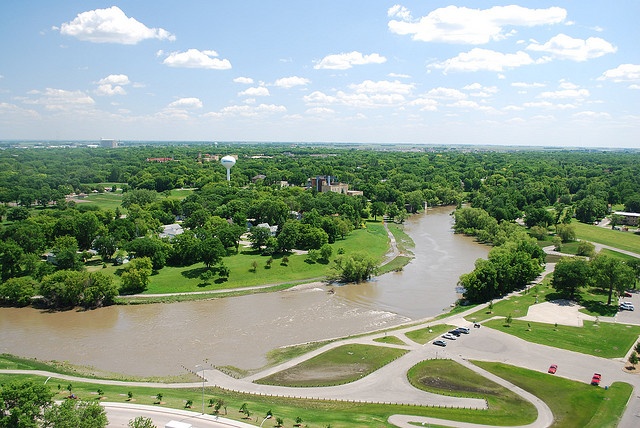
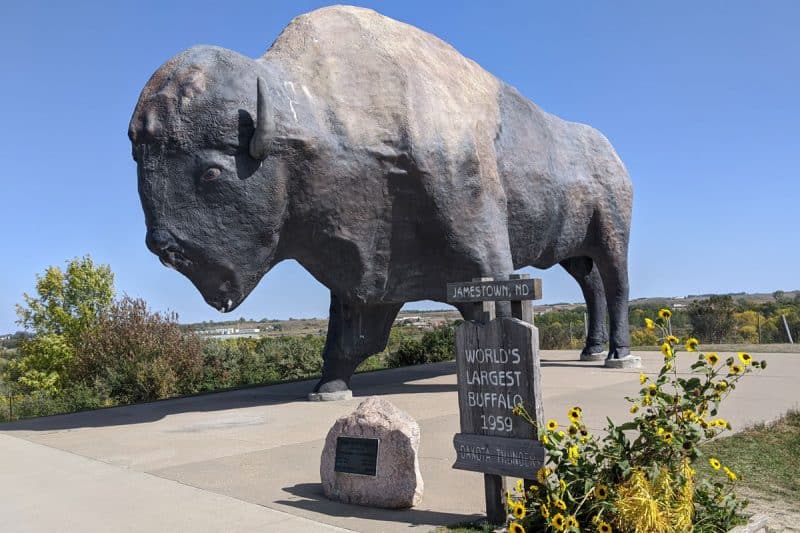
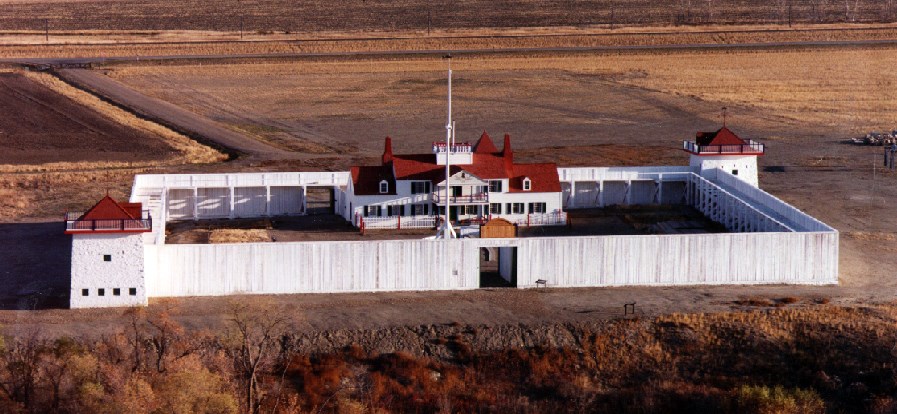
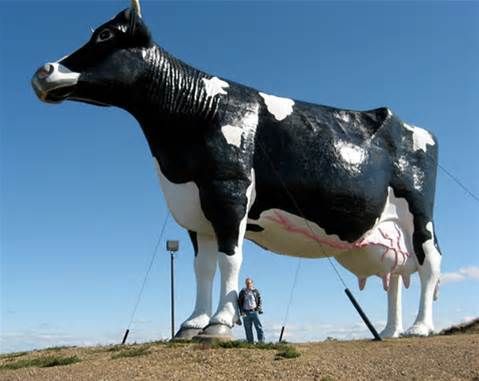
top left and MOVING clockwise:  state capitol in bismarck, built with 19 stories; portrait of american president theodore roosevelt from his days as a cowboy; fort union historical site near the confluence of the missouri and yellowstone rivers; New salem’s “salem sue” celebrates the area’s dairy industry; Jamestown’s home for the world’s largest sculpture of an american bison; dramatic image of oil activity in the bakken formation near the city of willison; ethnic foods:  norwegian lefse and german kuchen; spring wheat harvest time; painted canyon near the community of medora; garrison dam spillway at lake sakakawea; red river border between fargo and moorhead, minnesota.


Answer to Brain Teaser Question

Queue.

Trivia’s Facts and More (1/24)

Photo by Pixabay on Pexels.com

This informative post will be published on Saturday in place of my regular one.  You are invited to participate with the opening question.

Brain Teaser Question

Waiting in a young girl’s bedroom, I have hands but cannot hold, a mouth but cannot speak, and eyes but cannot see.  What am I?

(answer found at the end of this post)

Featured Facts

John Fitzgerald Kennedy is elected President of the United States and assumes the nation’s highest office in 1961.  He becomes the 35th President and youngest ever elected.

Here are a few interesting facts about President Kennedy:

  • Political Party:  Democratic
  • State Represented:  Massachusetts
  • Birthdate:  May 29, 1917 in Brookline, Massachusetts
  • Death:  November 22, 1963 in Dallas, Texas
  • College:  Harvard University (graduated June, 1940)
  • Other Elected Offices:  U.S. House of Representatives (1947-1953), U.S. Senate (1953-1961)

Born in the family home, Kennedy becomes the first President born in the 20th century.  His middle name of Fitzgerald is his mother’s maiden name.  His parents are Joseph and Rose.

Kennedy’s senior thesis at Harvard University is published in 1940 as a book, Why England Slept.  It recounts the international landscape before World War II, and the rise of fascist Germany and Italy.  He contrasts their rise to power with the strategy of appeasement from the rest of Europe.  

As war clouds appear over America, Kennedy is drafted while in college.  After receiving a deferment while finishing his degree, he enters the U.S. Navy and is commissioned as a Lieutenant.  He is assigned to command PT-109 as part of a torpedo boat squadron in the Pacific Theater.

Following the war, Kennedy turns to politics.  He runs for and earns a seat in the U.S. House of Representatives during the election of 1946.  After serving three terms in Congress, he is elected to two terms in the U.S. Senate (1953-1961).

Facing recovery time following back surgery, Kennedy authors a book which is published in 1956.  Well-received, his Profiles in Courage earns a Pulitzer Prize for biography in 1957.

Encouraged by his parents, family and others, Kennedy pursues the Presidency in the election of 1960.  Facing Richard M. Nixon, the Republican nominee, Kennedy carries a razor-thin margin of 112,803 in the popular vote of slightly over 68 million ballots.  He narrowly wins the Electoral College 303 to 219.

Using less than 1,900 words, Kennedy’s inaugural address lasts just over 16 minutes.  His ending words continue to be immortalized even today:

My fellow American:  ask not what your country can do for you–ask what you can do for your country.

Despite his abbreviated term of office, Kennedy oversees many significant developments and world events:

  • His “New Frontier” vision for America brings a revitalized approach to both domestic and foreign policy
  • Establishes the Peace Corps in 1961
  • Sets a goal for America to successfully land a man on the moon by the end of the 1960s
  • Successfully leads the nation through the tumultuous moments of the Cuban Missile Crisis in October, 1962

On a sunny day in Dallas, Texas on November 22, 1963, President John F. Kennedy is assassinated.  His tragic death marks the fourth such event of an American President (Abraham Lincoln, James Garfield, William McKinley).

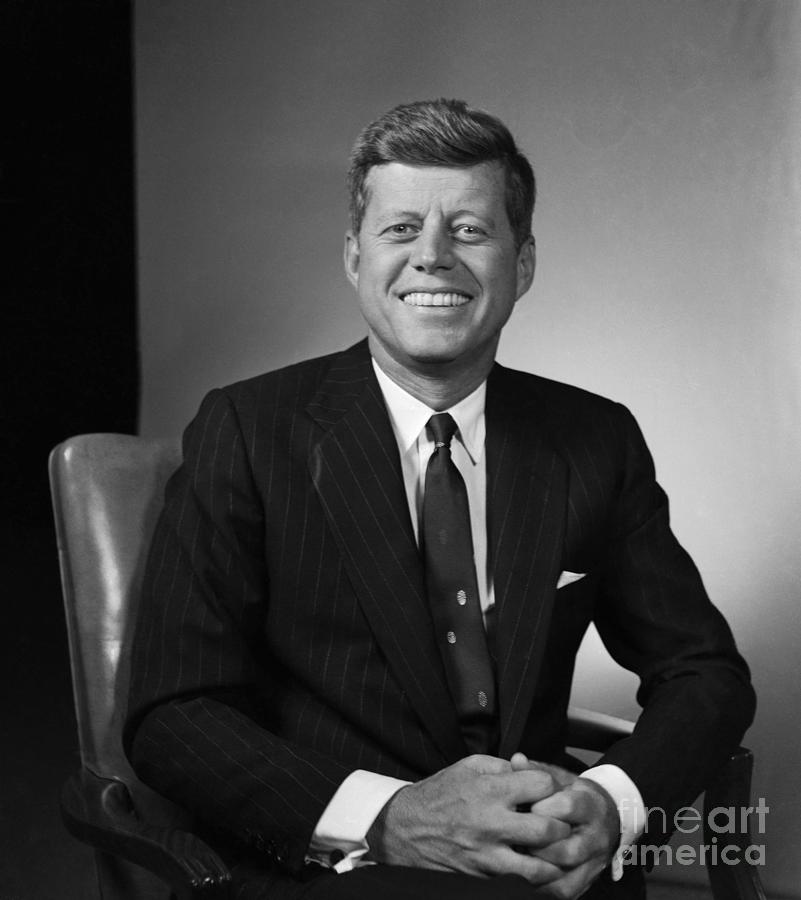
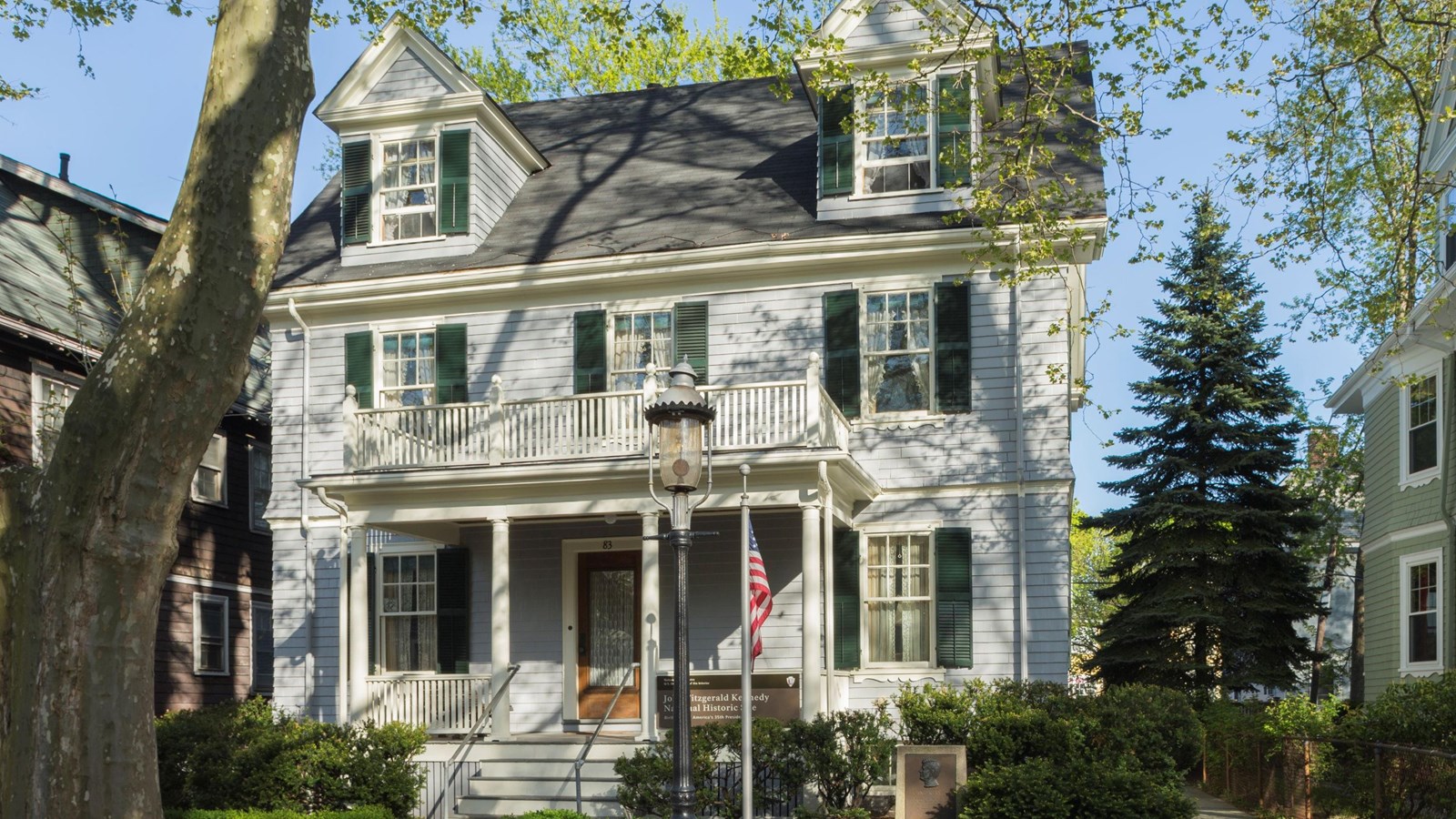
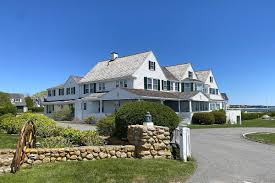
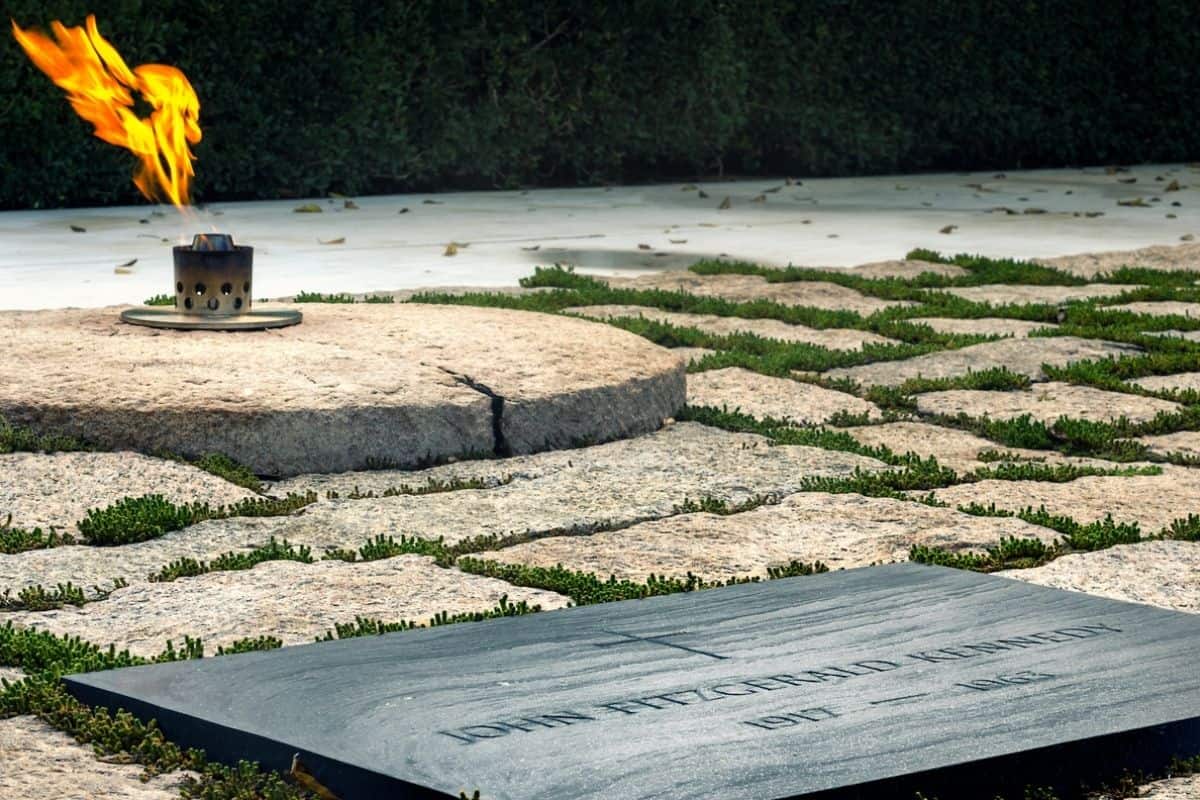
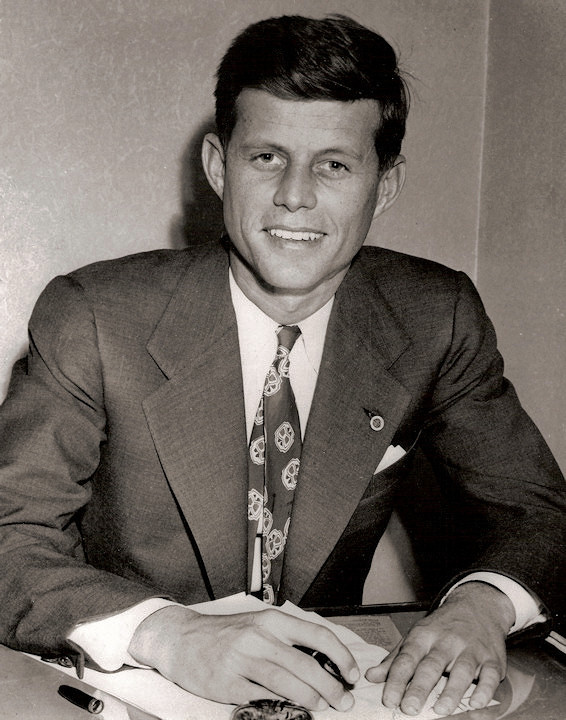
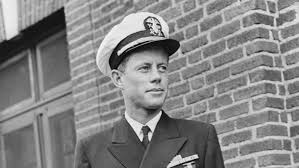
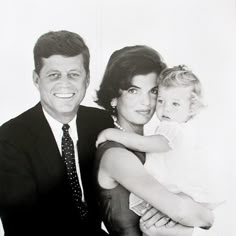
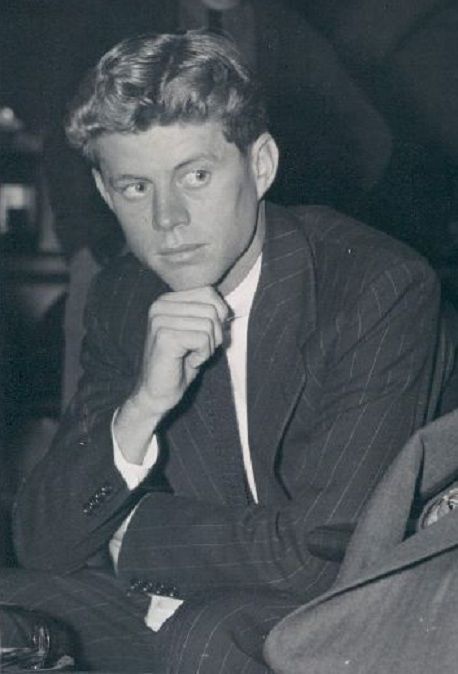
top left and MOVING clockwise:  presidential portrait, birthplace at brookline family home, kennedy compound at hyannis port, gravesite at arlington national CEMETERY, member of congress, youthful years, with wife jacqueline and daughter caroline, u.s. navy lieutenant, sharing his passion for sailing.  (Courtesy of Pinterest)


Answer to Brain Teaser Question

A doll.

Trivia’s Facts and More (1/10)

Photo by Pixabay on Pexels.com

This informative post will be published on Saturday in place of my regular one.  You are invited to participate with the opening question.

Brain Teaser Question

There are two ducks in front of a duck, two ducks behind a duck, and a duck in the middle.  How many ducks are there?

(answer found at the end of this post)

Featured Facts

Under the newly written U.S. Constitution, Delaware becomes the “first state” to ratify it on December 7, 1787).  

Here are a few interesting facts about Delaware:

  • Capital City:  Dover
  • Largest City:  Wilmington (population of 70,898 from 2020 Census)
  • State Nicknames:  First State, Diamond State
  • State Flower:  Peach Blossom
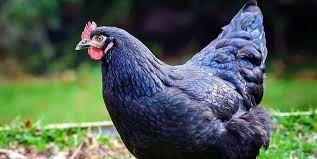
  • State Bird:  Blue Hen (also the mascot for the University of Delaware)
  • State Motto:  Liberty and Independence

The state’s name is attributed to exploer Samuel Argall, who names the bay and river after Virginia Governor, Thomas West, Lord De La Warr.

In terms of land area, Delaware is second smallest American state.  Only Rhode Island has fewer square miles.  Three counties make up the state:  New Castle, Kent, and Sussex.

In the 1600s, Scandinavian settlers arrive, and they bring with them plans for a log cabin.  New Sweden is recognized as the first permanent colony on Delaware soil (founded in 1638).

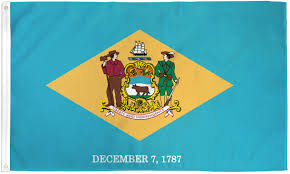
The current state flag is adopted in 1913.  It includes the official state seal enclosed in a buff diamond on a colonial blue background.  

There is no general sales tax in the state, which attracts out-of-state shoppers.  The state is joined by Montana, New Hampshire, Oregon, and Alaska as the other states without such a tax.  Delaware’s friendly legal environment offers a preferred location for businesses to incorporate under its state laws.

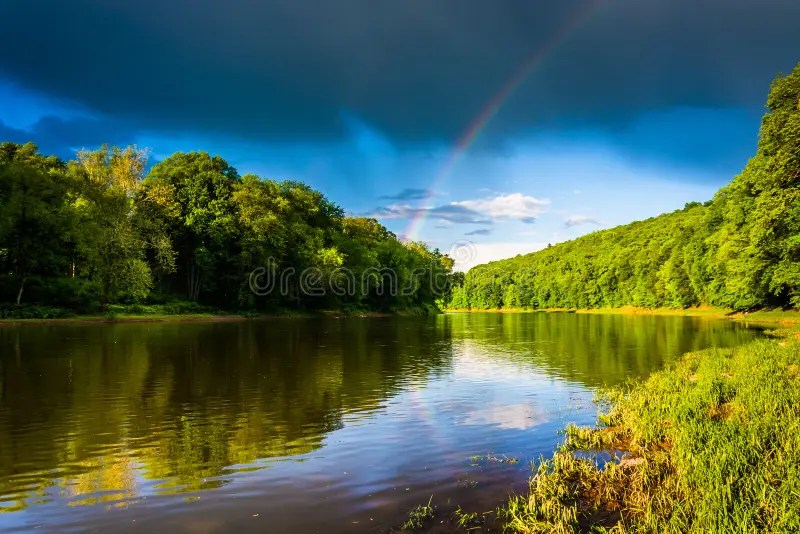
The Delaware River forms a natural boundary between the states of Delaware and New Jersey.  During the American Revolutionary War, General George Washington and his troops cross the river in December, 1776, to surprise Hessian troops near Trenton.

Thomas Jefferson is given credit for one of Delaware’s nicknames:  the Diamond State.  He describes Delaware as a jewel among the American states because of its strategic location along the Atlantic coastline.

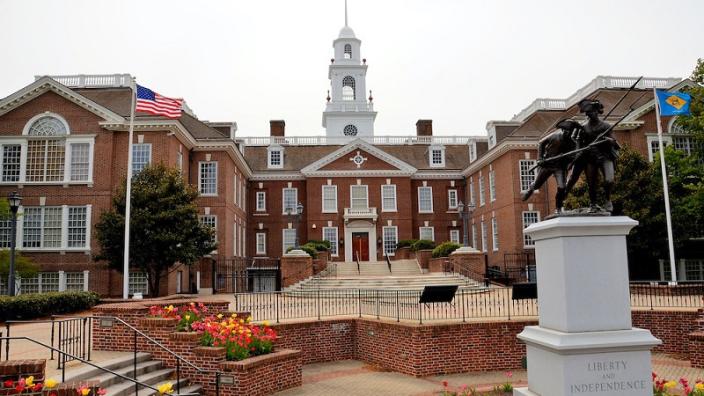
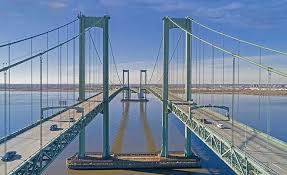
top left and MOVING clockwise:  dover international speedway, state capitol and legislative square in dover, rehoboth beach boardwalk, scenic delaware river, downtown view of wilmington, state flower peach blossom, state bird blue hen, state flag, delaware memorial bridge.  (Courtesy of Pinterest)


Answer to Brain Teaser Question

Three ducks.

Trivia’s Facts and More (12/20)

Photo by Pixabay on Pexels.com

This informative post will be published on Saturday in place of my regular one.  You are invited to participate with the opening question.

Brain Teaser Question

How many people is “two pairs of twins twice”?

(answer found at the end of this post)

Featured Facts

Arkansas becomes the 25th state in the American Union on June 15, 1936.  The name “Arkansas” is a name used by French explorers, and it refers to the Quapaw native people.

Here are a few interesting facts about Arkansas:

  • Capital City:  Little Rock
  • State Bird:  Mockingbird
  • State Flower:  Apple Blossom
  • State Motto:  Regnat Populus (The People Rule)
  • Major Rivers:  Arkansas and Red

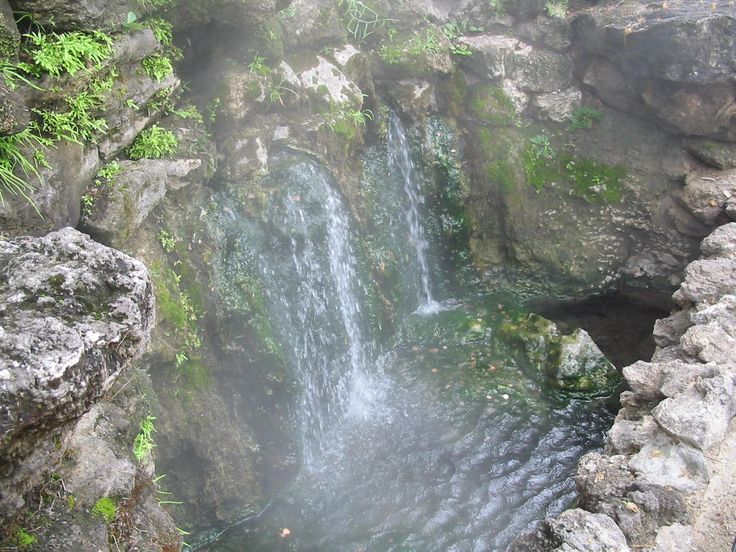
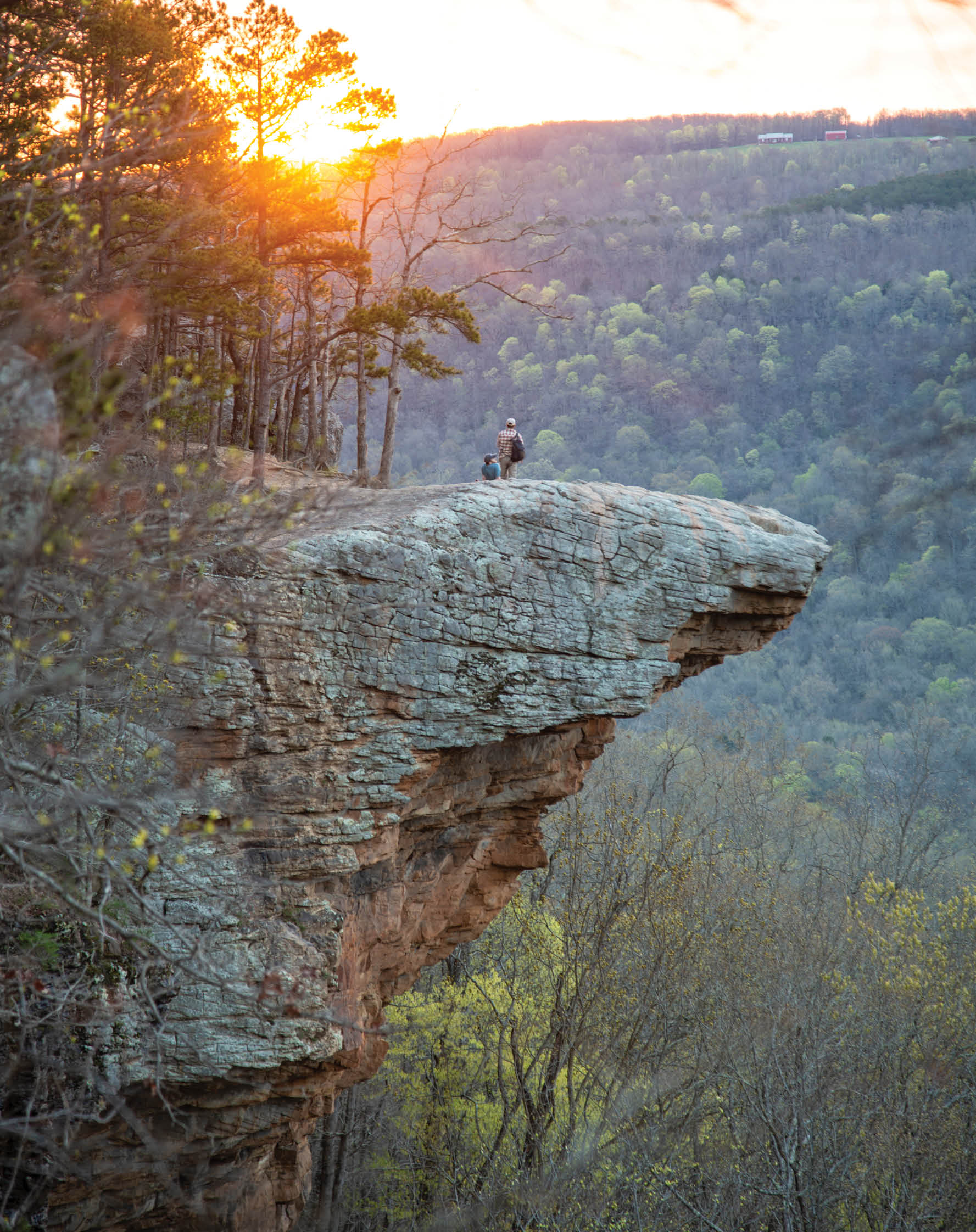
Arkansas uses two different nicknames:  Land of Opportunity and The Natural State.  The Natural State recognizes the state’s diverse landscape of mountains, lakes, hot springs, and forests.  Numerous natural hot springs can be found, and they welcome people who visit with hopes of finding relief from certain illnesses.

In 1803, the United States greatly expands its land size when the Louisiana Purchase is bought with France.  As part of these new lands, Arkansas becomes a territory in 1819.  The state features many key battlefield sites from the American Civil War.

In 1932, Hattie Caraway becomes the first American woman elected to the United States Senate.  The 42nd President of the United States, Bill Clinton, is born in Hope (1946).

The state’s economy has transformed from its reliance on agriculture to a more diversified one.  Corporations founded in Arkansas have led the way, such as Walmart and Tyson Foods.

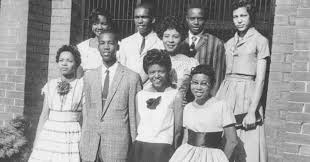
In 1957, landmark school integration is enforced by the federal government.  With a U.S. Army escort, nine courageous African-American students attend a now integrated high school in Little Rock, and become known as the “Little Rock Nine.”

During World War II, two major Japanese internment settlements are established at Rohwer and Jerome.

top left and MOVING clockwise:  little rock nine, hot springs national park, Ozark mountains, apple blossom, mockingbird, state capitol in little rock, Ouachita mountains, japanese internment settlement in rohwer, u.s. senator hattie caraway.   (Courtesy of Pinterest)


Answer to Brain Teaser Question

Eight (2 x 2 x 2)

Trivia’s Facts and More (12/13)

Photo by Pixabay on Pexels.com

This informative post will be published on Saturday in place of my regular one.  You are invited to participate with the opening question.

Brain Teaser Question

I see you, you see me.  I have three eyes.  Whenever I blink, I command you to stop or go.  What am I?

(answer found at the end of this post)

Featured Facts

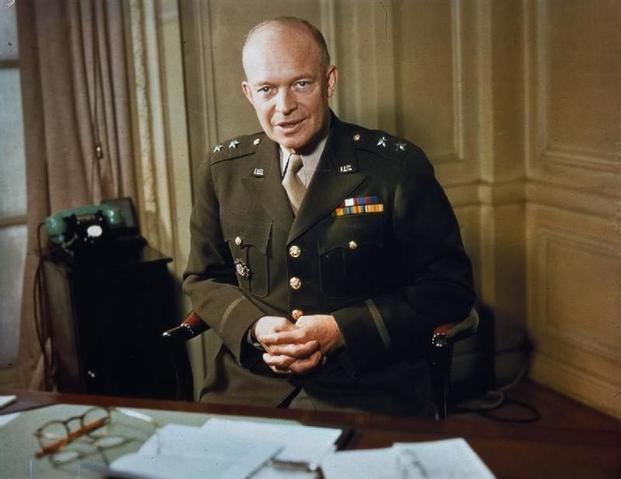
Dwight D. Eisenhower enters the Presidential Election of 1952 in his very first candidacy for any political office, and he easily earns victory to become America’s 34th President.

Here are a few interesting facts about President Eisenhower:

  • State Represented:  Pennsylvania
  • Political Party:  Republican
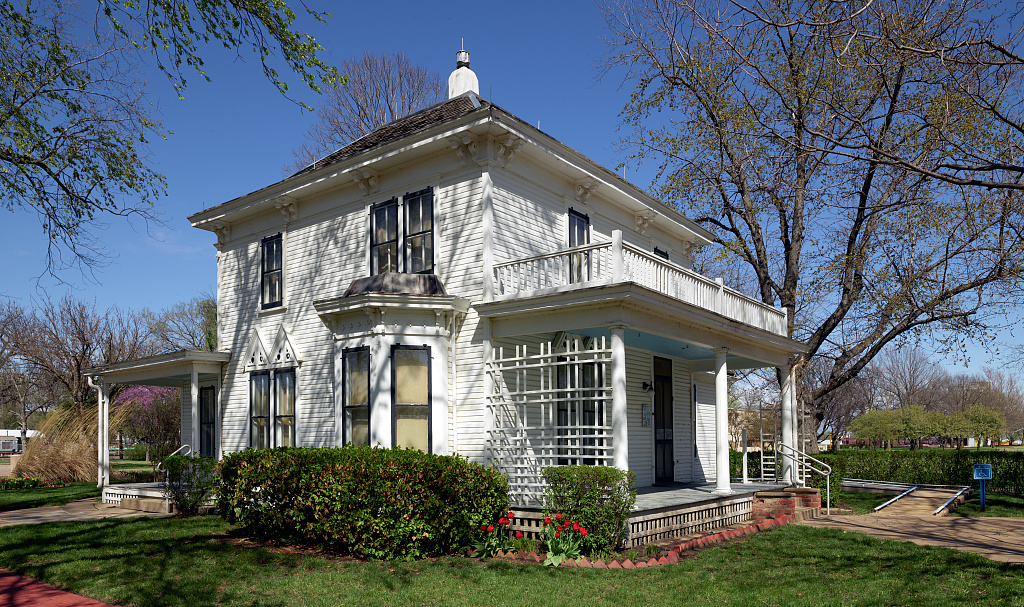
  • Birth:  October 14, 1890 (Dennison, Texas)
  • Death:  March 28, 1969 (Washington, DC)
  • Occupation:  Soldier
  • College:  U.S. Military Academy at West Point

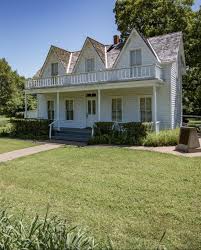
Nicknamed Ike, President Eisenhower spends most of his childhood in Abilene, Kansas.  He learns at a young age the value of hard work and his family’s strong religious traditions.

Eisenhower is re-elected in 1956, and he defeats Democratic candidate Adlai Stevenson just as he did in 1952.  During these two terms of office, Richard M. Nixon serves as the nation’s Vice President.

Eisenhower’s pre-presidential life is filled with several notable achievements:

  • Supreme Commander of the Allied Forces during World War II
  • Commander of NATO forces in Europe following World War II
  • Authors a book in 1948 (Crusade in Europe)
  • President of Columbia University (1948-1953)

During his first term as President, Eisenhower secures an armistice to stop the war between North and South Korea.  Following the darkness of war in Europe and Asia, he presides over a nation which desires more quiet times at home.  His previous military leadership brings strengths to his Presidency in terms of organization and the ability to persuade others to work with him.

Eisenhower’s administration initiates the construction of the Interstate Highway System, which becomes the largest public works project in American history.  The first miles of highway begin to transform the nation’s roads in 1956, while the project continues until completion in 1992. 

He extends the federal government’s power in bringing about school integration in Little Rock, Arkansas in 1957.  The integration of Little Rock Central High School finally occurs when Eisenhower sends the U.S. Army’s 101st Airborne Division to escort nine African-American students (the Little Rock Nine) into the school.

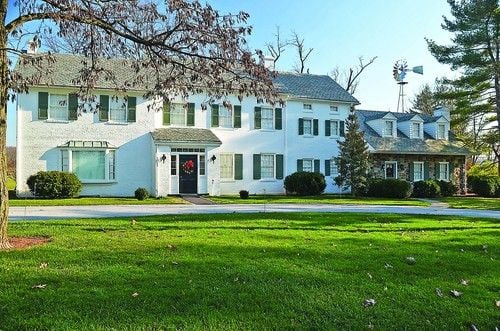
In 1950, Eisenhower purchases a home and farm outside of Gettysburg, Pennsylvania.  The connection between Gettysburg’s place in the history of America’s Civil War complements his military background.

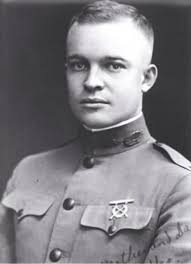
top left and MOVING clockwise: presidential portrait, young officer in the U.s. army, with wife mamie in their early years, childhood home in abilene, birthplace home in dennison, world war ii general, gettysburg farm and home, with president-elect john f. kennedy.  (Courtesy of Pinterest)


Answer to Brain Teaser Question

A traffic light.