Haunting Storm

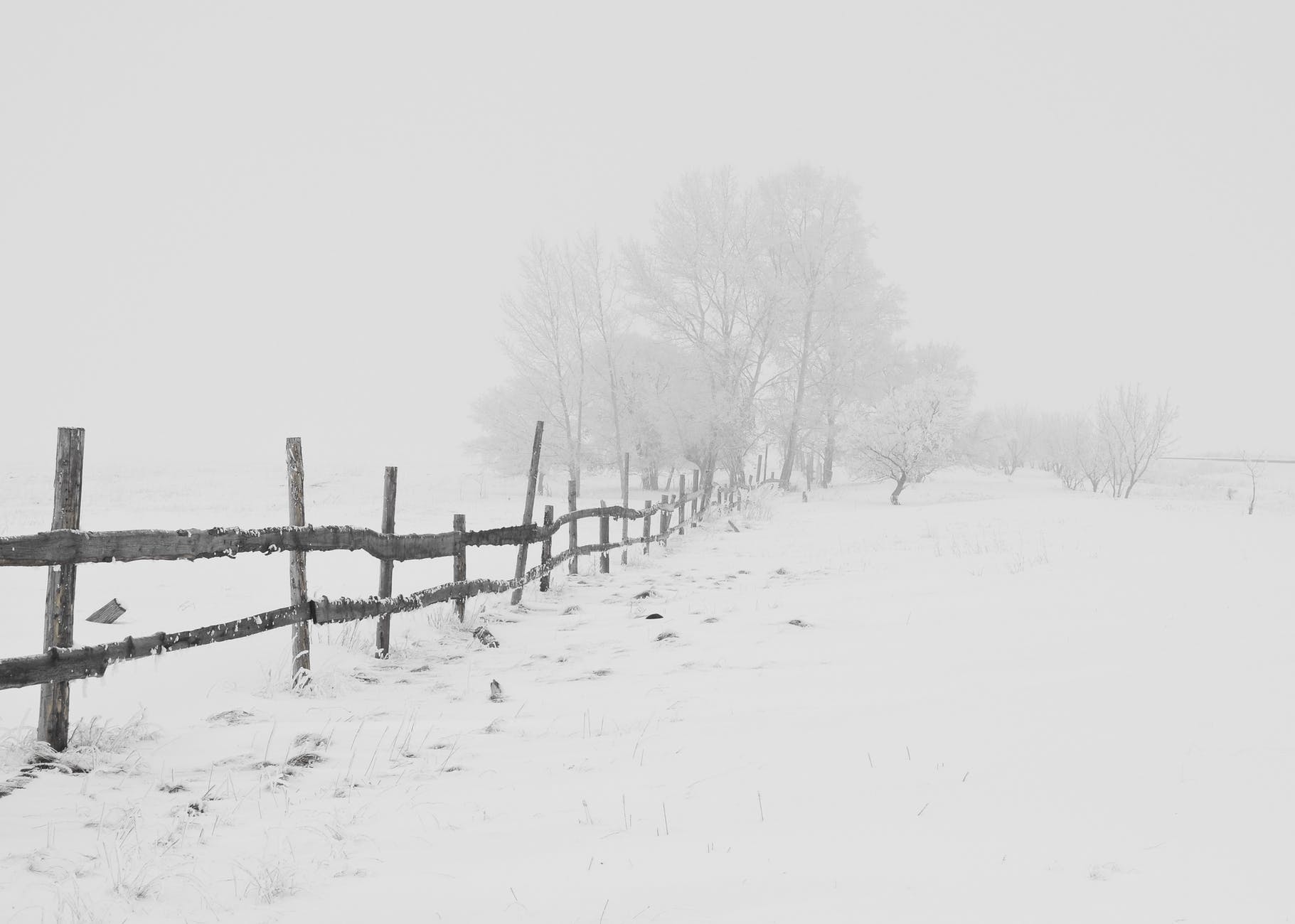
Photo by Pixabay on Pexels.com

Pleasant, mid-winter day

Warm winds decide to stay


Touch of spring thaws the air

Ideal life, not a care


Hidden, in frigid North

Cold destined to call forth


Prairie living unaware

Grass uncovered, and bare


Few cowboys work the range

Life will soon see big change


Barren land, overgrazed

Cattle wander, unfazed


Calmness warns of trouble

Winter’s wrath comes double


Arctic-fed winds stir up

Wet snow creates pileup


Haunting storm now arrives

Few cattle will survive


Blizzard smothers this land

Conditions, out of hand


Cowboys wait out fierce storm

Snow and cold, nasty swarm


Waiting, hours become days

Prairie, now winter’s maze


Cattle’s cries go unheard

Snow-blinded, vision blurred


Storm’s cruel hand, plays its cards

Life stops, prairie graveyards 


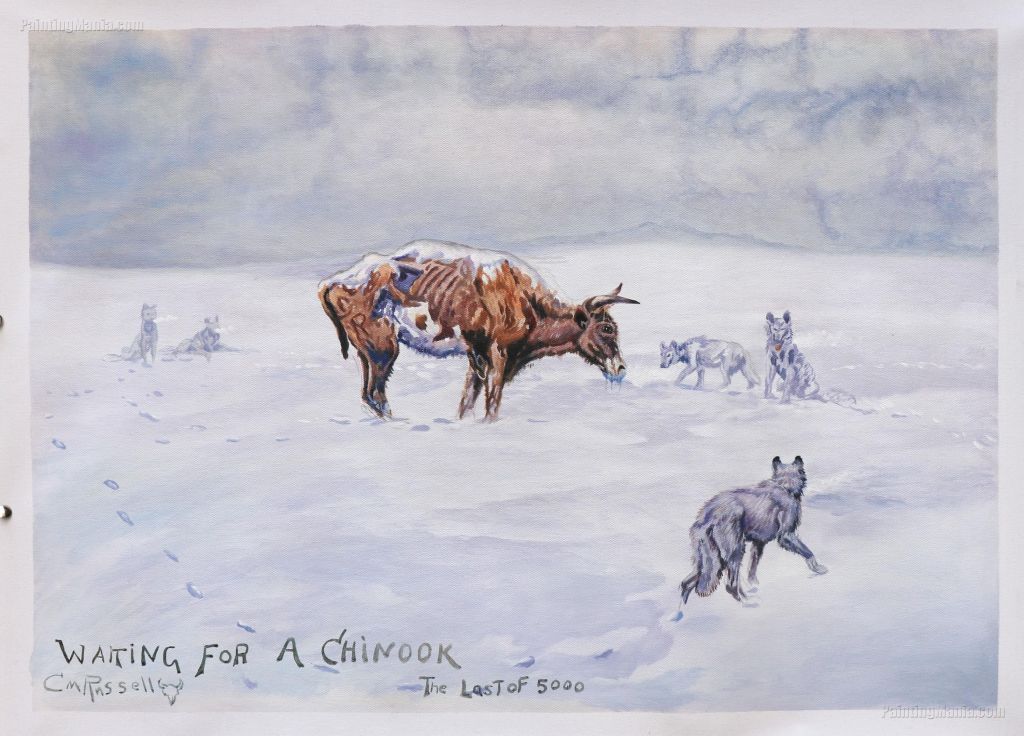
Montana artist Charles M. Russell captures the shattered blow of winter’s fury in “Waiting for a Chinook” (“Last of Five Thousand”) as depicted in this watercolor. (Courtesy of Pinterest)

This poem attempts to capture the daunting winter of 1886-1887 on the prairies in the Montana Territory when the Open Range’s cattle industry collapsed from its near annihilation.  Russell’s artwork says even more than words can describe.

Coming Home

This poem is dedicated to the many lives which have come and gone along the tracks of the Great Northern Railroad from years ago.  Perhaps you can feel the living spirit still riding the Empire Builder passenger train across the Hi-Line of Montana.

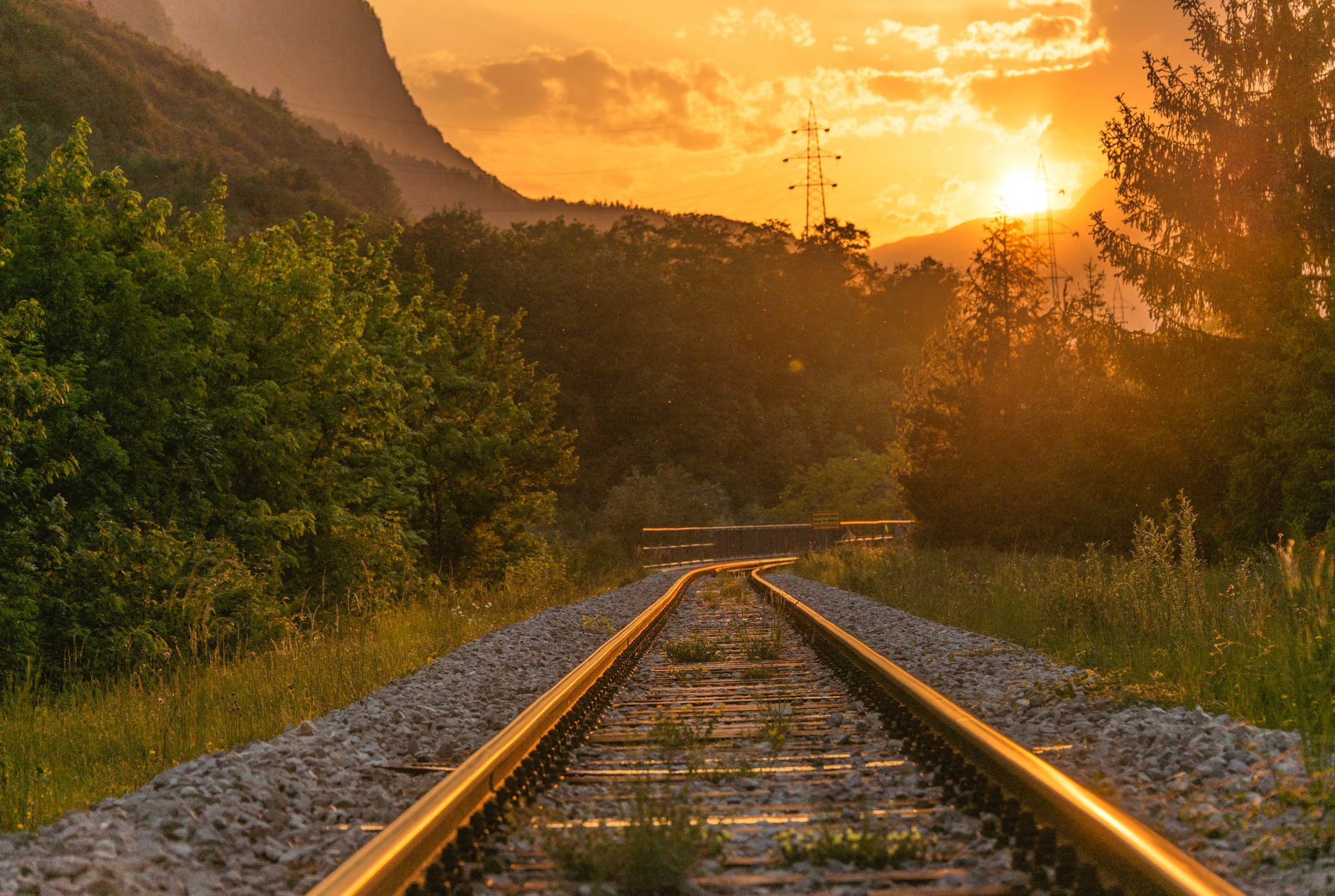
Photo by Felix Mittermeier on Pexels.com

Feeling a bit like heaven

Blessed Big Sky, almost home

Paradise spelled as two words

Riding free, spirit’s train roams


Scanning God’s creative touch

Mountains shaped by nature’s hand

Valleys carved out by rivers

Dreaming of this treasured land


Stirring up past memories

Iron horse roaring at top speed

Long ago, been here before

Coming home, spirits now freed


Flashing by Hi-Line’s vast farms

Cropland caresses these tracks

Golden fields of wheat ripen

Waiting for harvest’s comeback


Fading daylight turns to night

Darkness covers Montana’s peace

Town lights twinkle here and there

Thinking back to life’s past lease


Climbing through Marias Pass

Glacier Park saying good-bye

Big Sky’s wonder never fades

Ageless spirit, dropping by


Photo by Krivec Ales on Pexels.com

Under the Big Sky

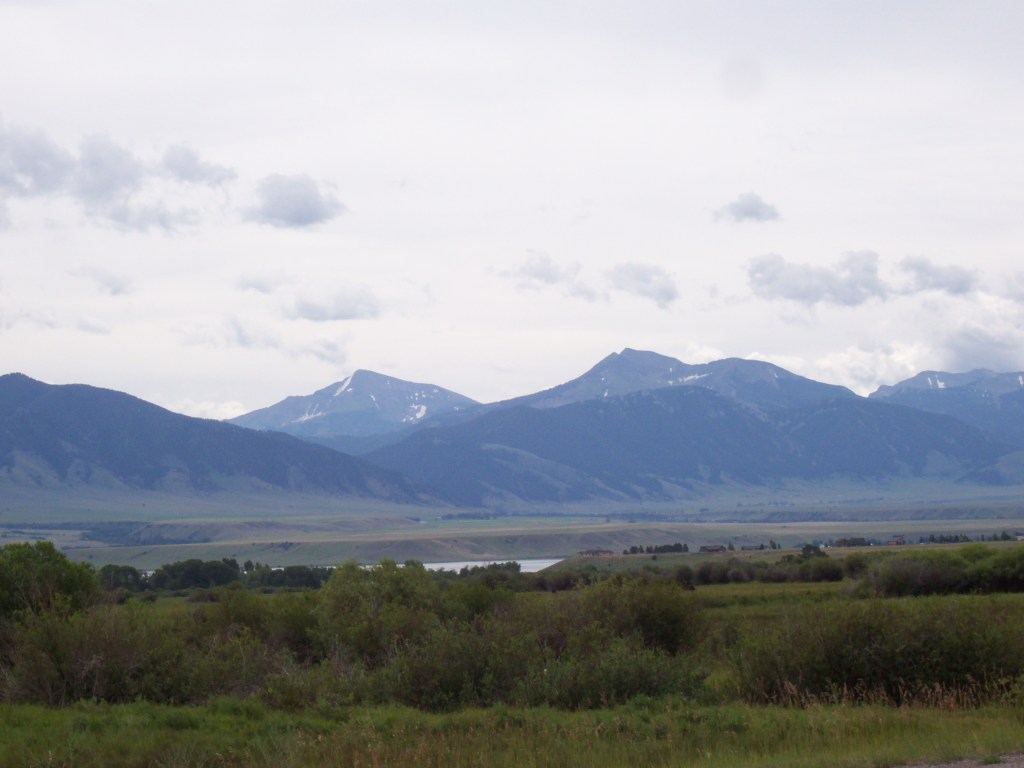
Looking westward toward southwestern Montana’s Tobacco Root Mountains, with the Madison River flowing through the valley below.

God’s creation under the Big Sky

Treasured landscape covers this vast land

Immense prairies flow into mountains

Few places on earth looking this grand


Rugged backbone of the continent

Chiseled spine of the Rocky Mountains

Stray mountain ranges dotting the plains

Cascading streams flowing as fountains


Three distinct rivers form its headwaters

Mighty, boundless Missouri River

Eastward, collecting the Yellowstone

Precious mountain rains move downriver


White-tail and mule deer camp in thickets

Pronghorns graze in the midst of grasslands

Mountain valleys gather elk and bears

Ducks and geese pilot into wetlands


Frequently titled the Treasure State

Montana shines under its Big Sky

People flocking to witness its gems

You just might meet a Buckeye nearby


Montana’s Yellowstone River continues its eastward journey, eventually flowing into the Missouri River.

I could probably write something about my native state of Montana every day.  It will always be a very special place to me.  Watch out, you just might run into a Buckeye returning to the Big Sky.

Big Sky Treasures #2

Growing up under the Big Sky and spending about 50 years living there certainly makes me a citizen for life.  This short feature will put the spotlight on how gold fever rushed miners and others into three different regions during the 1860s into the Last, Best Place called Montana. 

During America’s Civil War, Montana seemed a bit more preoccupied with gold than war.  Three separate gold strikes poured people into western mountain valleys overnight.

Each region was designated with a geographic name as well as the town which sprung up in the midst of gold fever.

  • Grasshopper Creek in 1862 (Bannock)
  • Alder Gulch in 1863 (Virginia City)
  • Last Chance Gulch in 1864 (Helena)

Montana became a territory in 1864 when President Abraham Lincoln signed the Congressional legislation into law.  Each of these three gold mining communities would serve for a time as territorial capital.

Bannock (Territorial Capital 1864-1865)

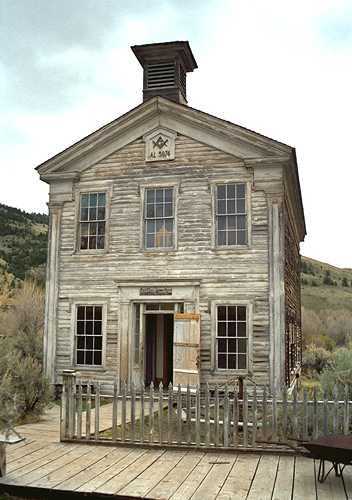
This boom town started from Montana’s first significant gold strike.  Along an unassuming creek, hundreds of miners made the trek into Montana.  Today, Bannock is a ghost town, but a state park preserves the town’s structures.

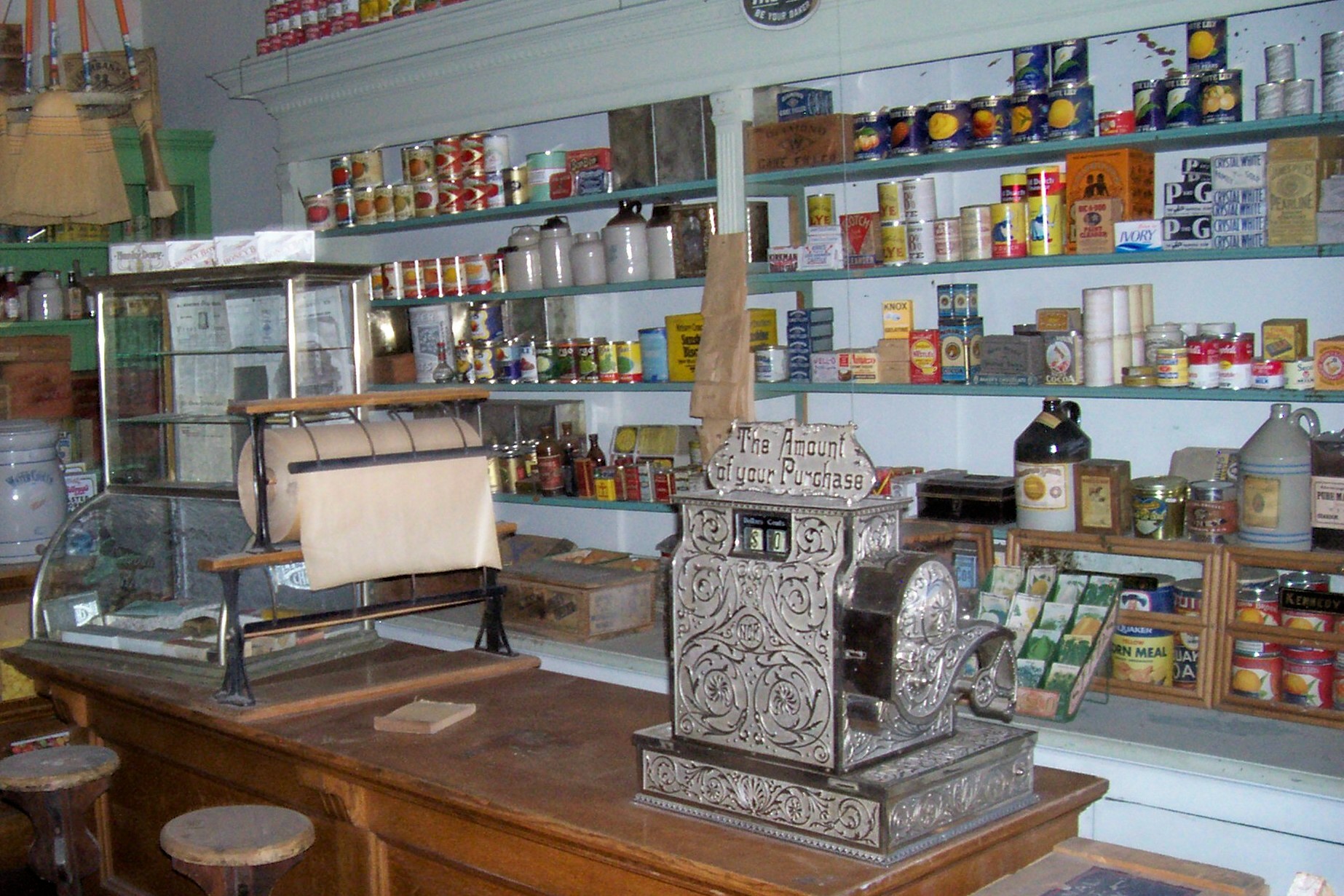
These Bannack pictures (courtesy of Pinterest) show the exterior of a Masonic Temple and the interior of another building.  

Virginia City (Territorial Capital 1865-1875)

One of the world’s largest placer gold strikes proved much richer than Montana’s first discovery along Grasshopper Creek.  While Bannack declined, Virginia City thrived.  Today, the town serves as the county seat of Madison County with the historic courthouse formerly being the territorial capitol.

These photos were taken during a summer, 2016 trip to Montana which included an opportunity to visit Virginia City.  The Madison County Courthouse (formerly the Territorial Capitol) is on the left.  Virginia City is a unique community with the 21st Century living alongside of the preserved historical district as shown in the photo on the right (the inside of a business as it looked back in the gold rush days).

Helena (Territorial Capital 1875-1889)

A forlorn group of prospectors decided to pan for gold.  Their “last chance” before moving on proved to be the discovery which turned the region into a mad scramble of miners and businesses.  The gulch later became a meandering avenue (the original Main Street) in Helena, Montana’s capital city when statehood became a reality in 1889.

The above images (courtesy of Pinterest) show the contrast of Last Chance Gulch from earlier times on the left with the modern walking mall of today.

Thanks for visiting as Big Sky Buckeye appreciates your readership.  Stay tuned for future posts about the Last, Best Place of Montana.
Sunrise to Sunset

Photo by Pixabay on Pexels.com

Summer sunrise lights up the vast Montana prairie

Fields of grain smelling like sweetest confectionery


Farmers and ranchers always start up their days early

Full and hearty breakfast, making any man feel burly


This morning’s itinerary calls for baling hay

Alfalfa windrows cannot wait around all day


With tractor pulling an old baler, creating perfect bales

Gentle morning breeze fills out the air like a ship’s sails


Midday arrives, there’s time for a quick, tasty bite

Wife packs dinner with her usual special delights


Afternoon heat and wind suspend all baling for now

Starting up the swather, cutting hay as time allows


Thinking about next week, wheat looking to ripen by then

Combine stands ready and dependable, just like Big Ben


About an hour before sundown, pick-up truck returns home

Just enough daylight to check a few cows where they roam


Supper bell will be ringing soon, so need to finish now

Washing up, sitting down with wife, enjoy hearty chow


Praying together, evening transcends with the setting sun

Thankful for the Lord’s help with another day’s work done

Photo by Johannes Plenio on Pexels.com

Big Sky Memories

I must admit that I have been feeling a bit homesick in thinking of my native state of Montana, where much of my family still lives.  This poem and photographs share some past memories of experiencing these awesome wonders of the Big Sky state, and I look forward to visiting when Covid-19 finally takes a backseat.

Looking downstream, the scenic Madison River as seen along U.S. Highway 287 between Hebgen Lake and the delightful community of Ennis.

Dreaming often of Montana’s Big Sky

Feeling more like an eagle, flying high


Revisiting wide open eastern plains

Watching combines harvesting ripened grains


Driving switchbacks on the Beartooth Highway

Topping amazing heights, wishing to stay


Floating the Yellowstone, like yesterday

Spending time with old friends, lasting all day


Scaling Baldy Mountain, there’s just one goal

Reaching the “M” without taking a roll


Fishing the scenic Madison once more

Joining Herb and his grandson, trout in store


Exploring limestone caverns underground

Enjoying mysteries, yet to be found


Walking the Bear Paw Mountains near Chinook

Learning Nez Perce history, without books


Motoring down the “Going to the Sun”

Chasing this highway to the setting sun


Flying over this amazing “Last Best Place”

Returning soon for another sweet taste

From the summer of 2018, climbing the trail to the largest block “M” in the country. The “M” stands for Montana State University, where I graduated from 40 years earlier.

Big Sky Treasures

2019 July Montana Trip 006

While traveling Interstate 90, a photo opportunity at a rest area in eastern Montana offers a look at the landscape.

Growing up in Montana and spending about 50 years living there certainly makes me a citizen for life.  This short feature will shine the spotlight on three questions about the “Last Best Place” called Montana.

Here are three questions which will be answered in a moment or two.  Good luck with your responses.  Bonus points are awarded for anyone who scores a perfect 100%, without searching on the Internet.

  • What is the coldest temperature ever recorded in the lower 48 states of the United States?  Where did it occur?
  • What are the two most popular nicknames used for Montana?  What is the background behind each name?
  • What is the most sparsely populated county in Montana?

The coldest temperature ever recorded is -70F on January 20, 1954.  The location was Rogers Pass, which is located on Montana Highway 200 along the Continental Divide at an elevation of 5,610 feet.  The thermometer malfunctioned because of the extreme cold, and a laboratory tested the broken thermometer to make a final determination on how cold it was on that January night.

4dfc751b11ab1eda2c4e735056bb77ba

Source:  Pinterest.

Montana’s two most popular nicknames are the Treasure State and the Big Sky Country.  The Treasure State has gained a presence because of Montana’s rich gold and silver deposits.  The Big Sky Country was popularized to promote tourism in the state.  With permission of author A. B. Guthrie, the state acquired the use of his best-selling novel’s title The Big Sky.  Guthrie’s writing was honored with a Pulitzer Prize for fiction in 1950.

Last of all, the most sparsely populated county (out of 56) is Garfield County.  Depending on the population figures used, the statistics may vary just a bit.  The county covers 4,849 square miles (of Montana’s 147,164) with an estimated population of 1,268, which equals an astonishing .261 people per square mile.  For comparison’s sake, the state of Connecticut has a land size of 4,858 square miles, with a population density of approximately 738 people per square mile.

Thanks for your participation.  Stay tuned for future posts about the “Last Best Place” of Montana.

Haiku Series #45 (Montana)

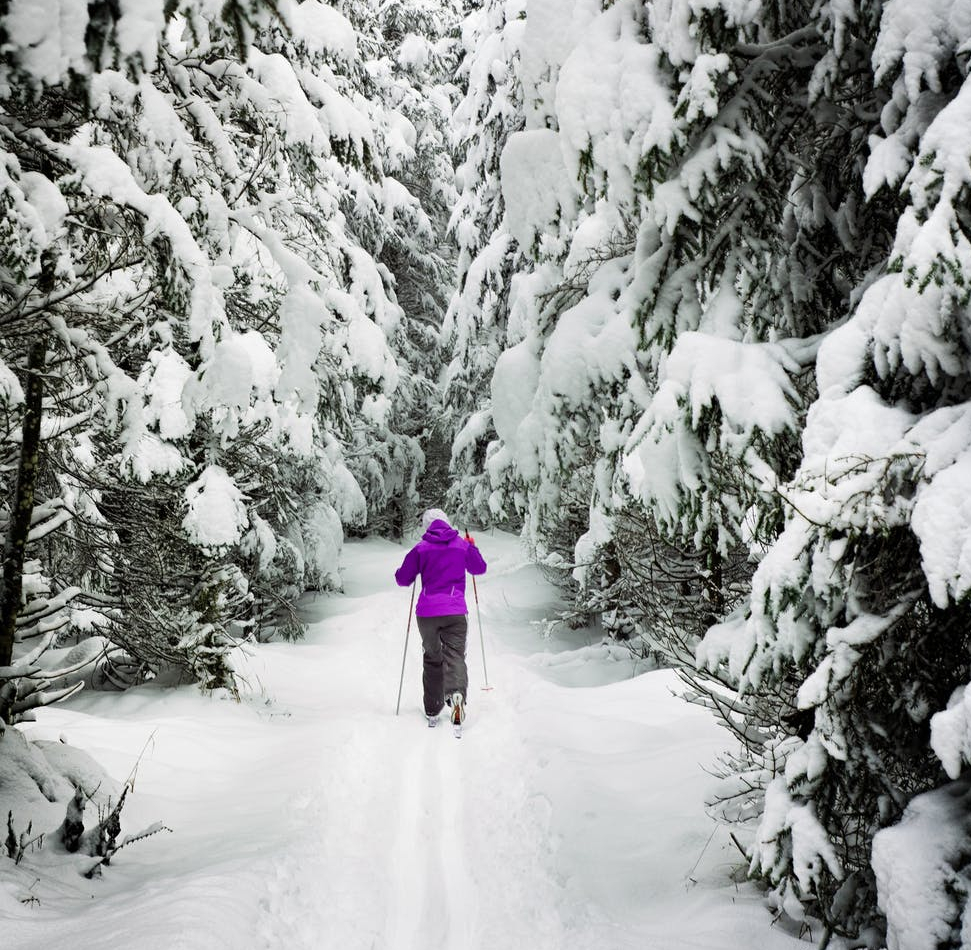
Winter Tranquility

Peace and solitude

Cross-country skiing beckons—

Awesome Montana

pexels-photo-877864.jpeg

Photo by Simon Matzinger on Pexels.com


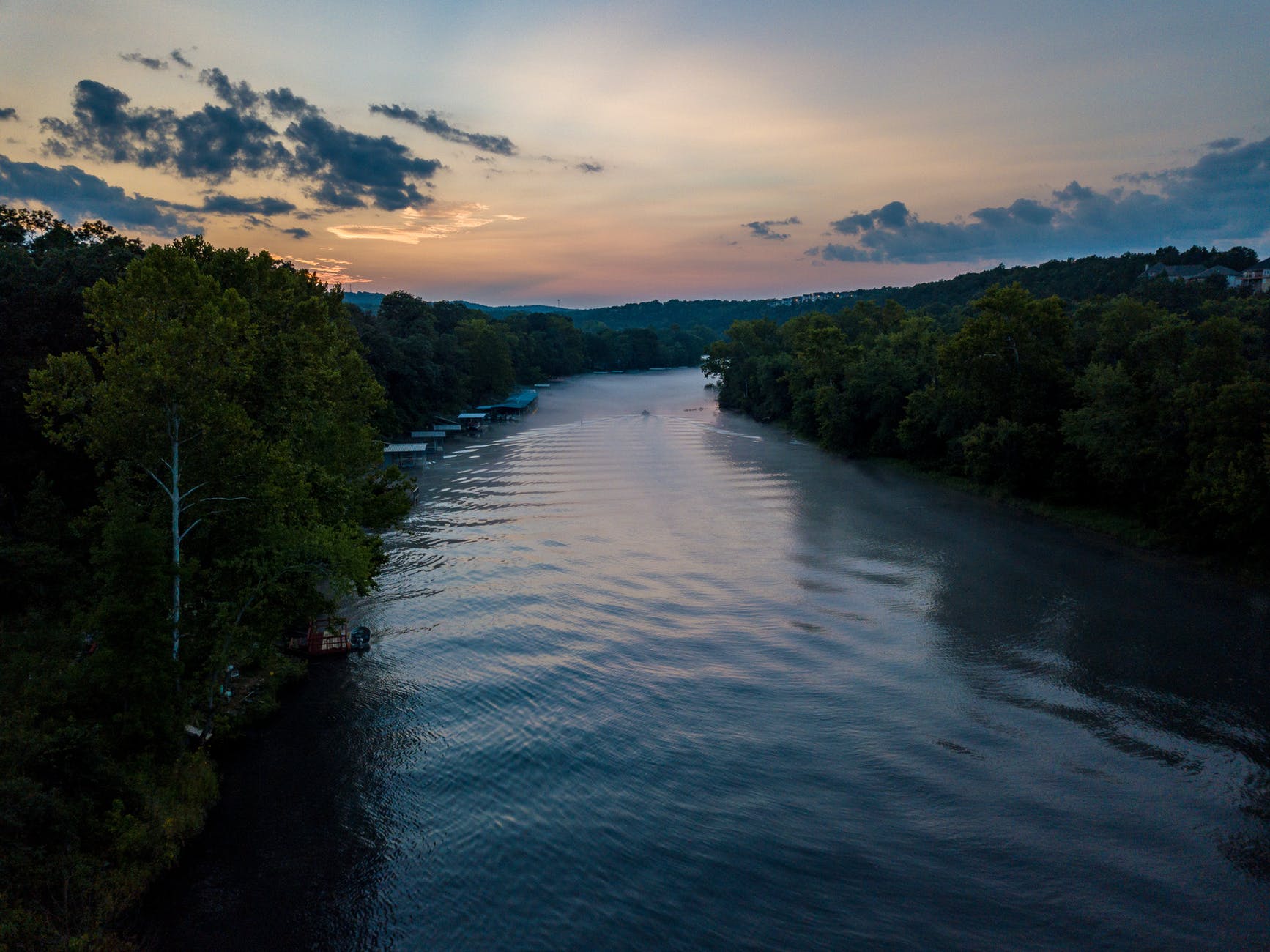
River’s Birth

Three rivers join up

Mighty Missouri River—

Headwaters . . . God’s gift

aerial photography of body of water

Photo by Devon Schreiner on Pexels.com


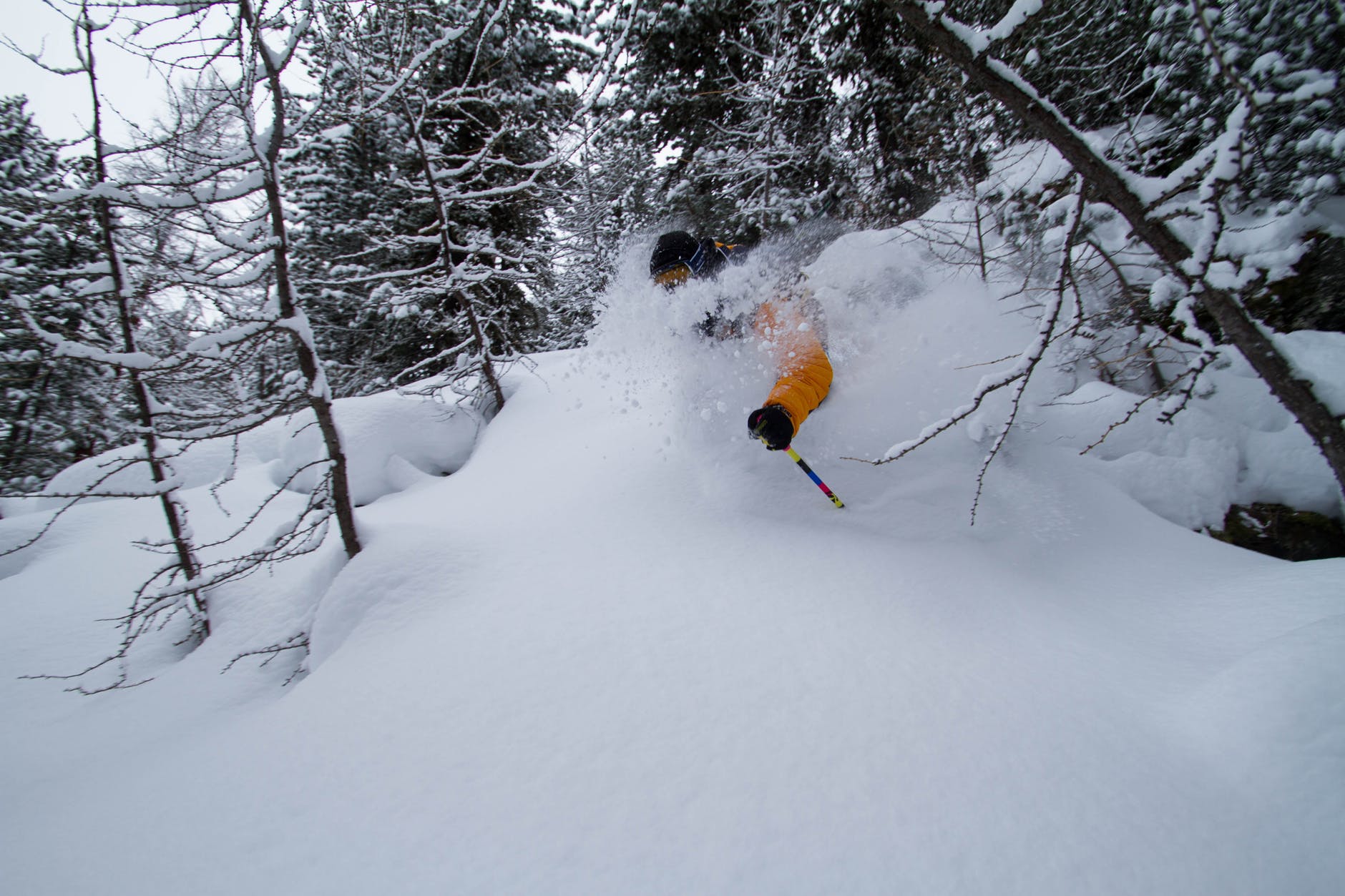
Winter Paradise

Lone Mountain summit

Powder blowing all around—

Skiing the Big Sky


action activity adventure cold

Photo by Riccardo Bresciani on Pexels.com

Haiku Series #16 (Montana Prairie)

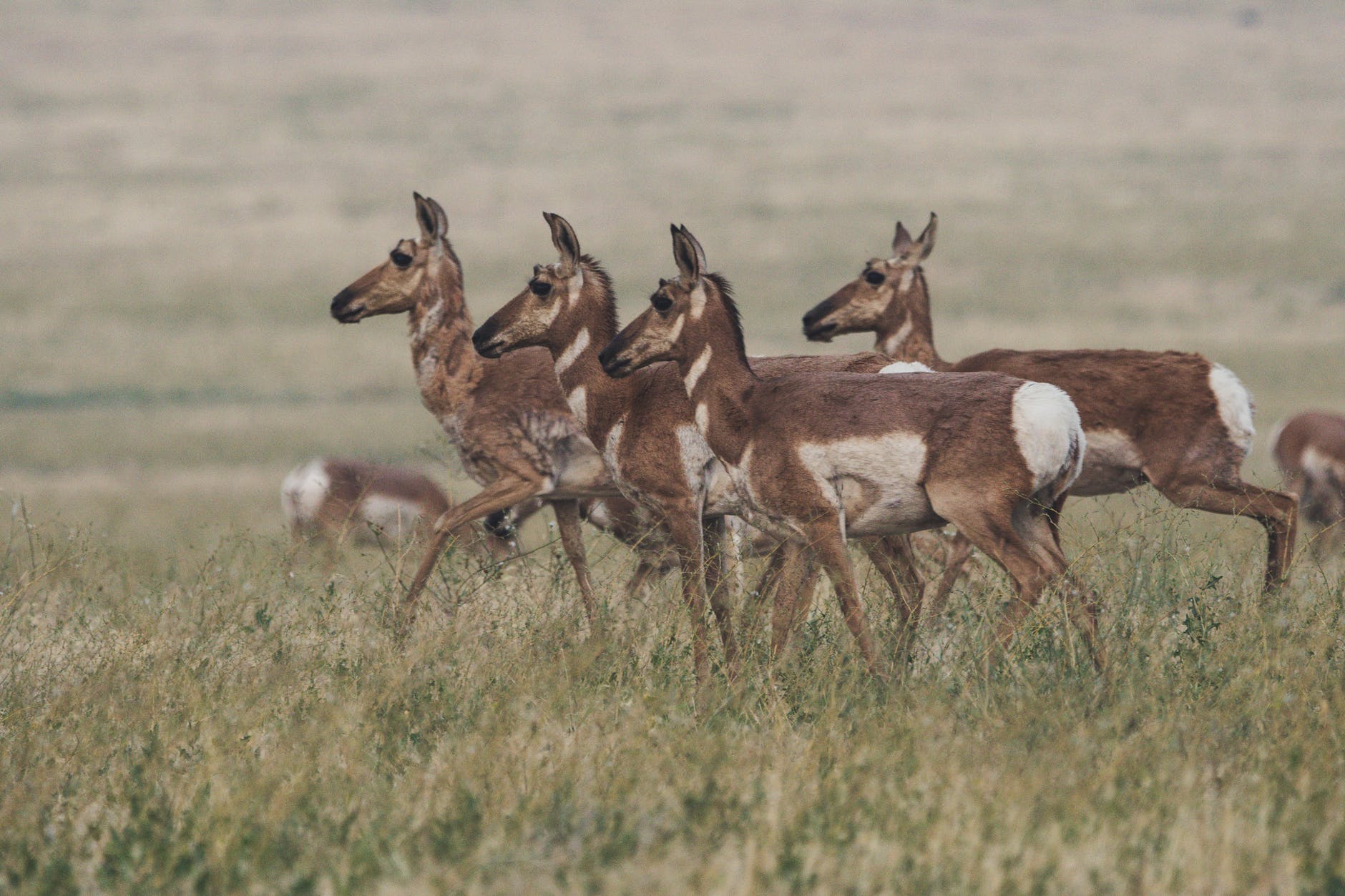
Fleeting Speed

Prairie-fueled sprinter

Solitary wanderer—

Pronghorn speeds away

herd of brown doe walking on field

Photo by Brett Sayles on Pexels.com


Harvest

Gentle breeze blowing

Rippling waves of amber grain—

Harvest time awaits

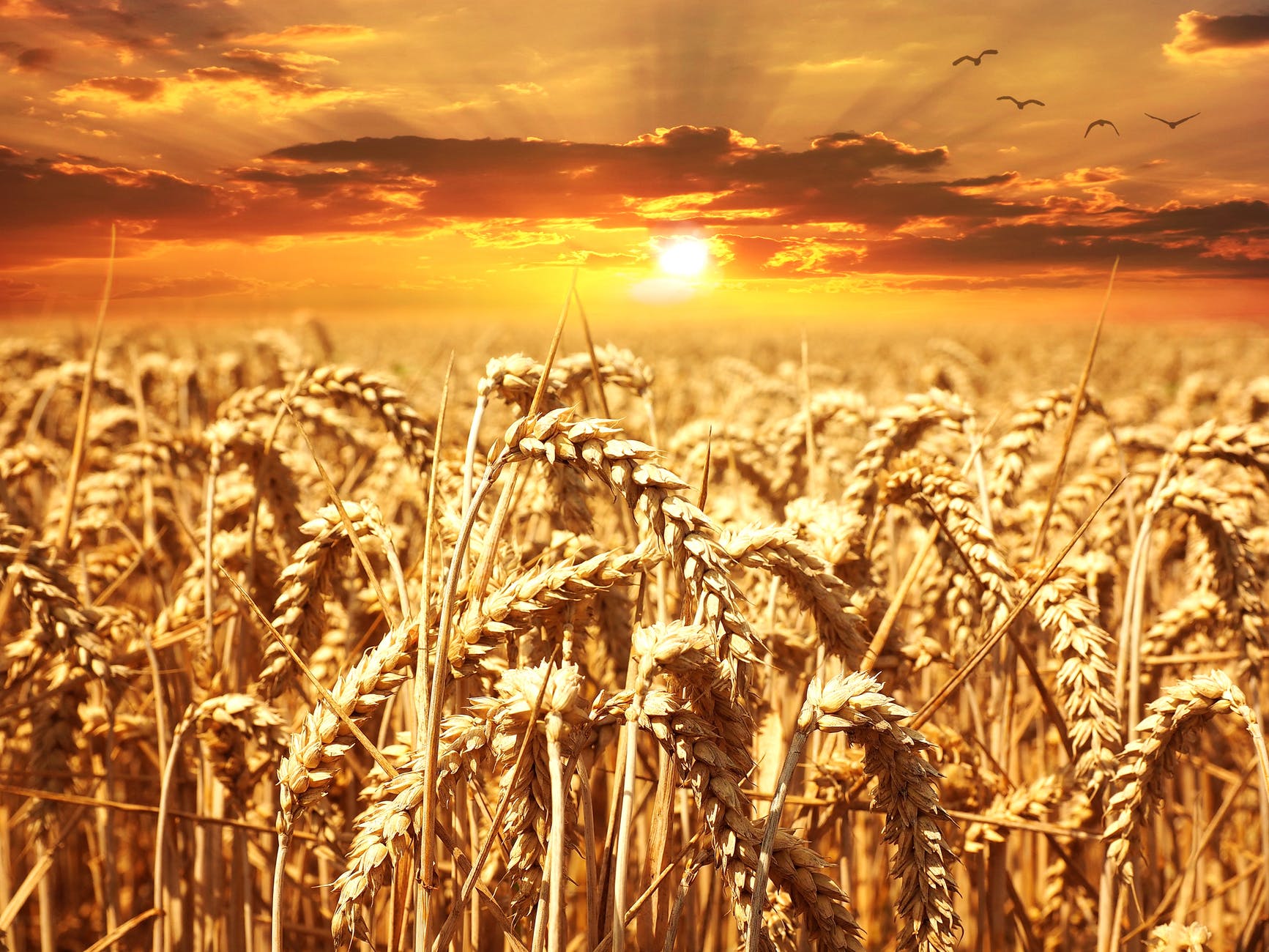
sunset cereals grain lighting

Photo by Pixabay on Pexels.com


Summer Storm

Dark thunderclouds form

Bringing devastating harm—

Escaping storm’s wrath

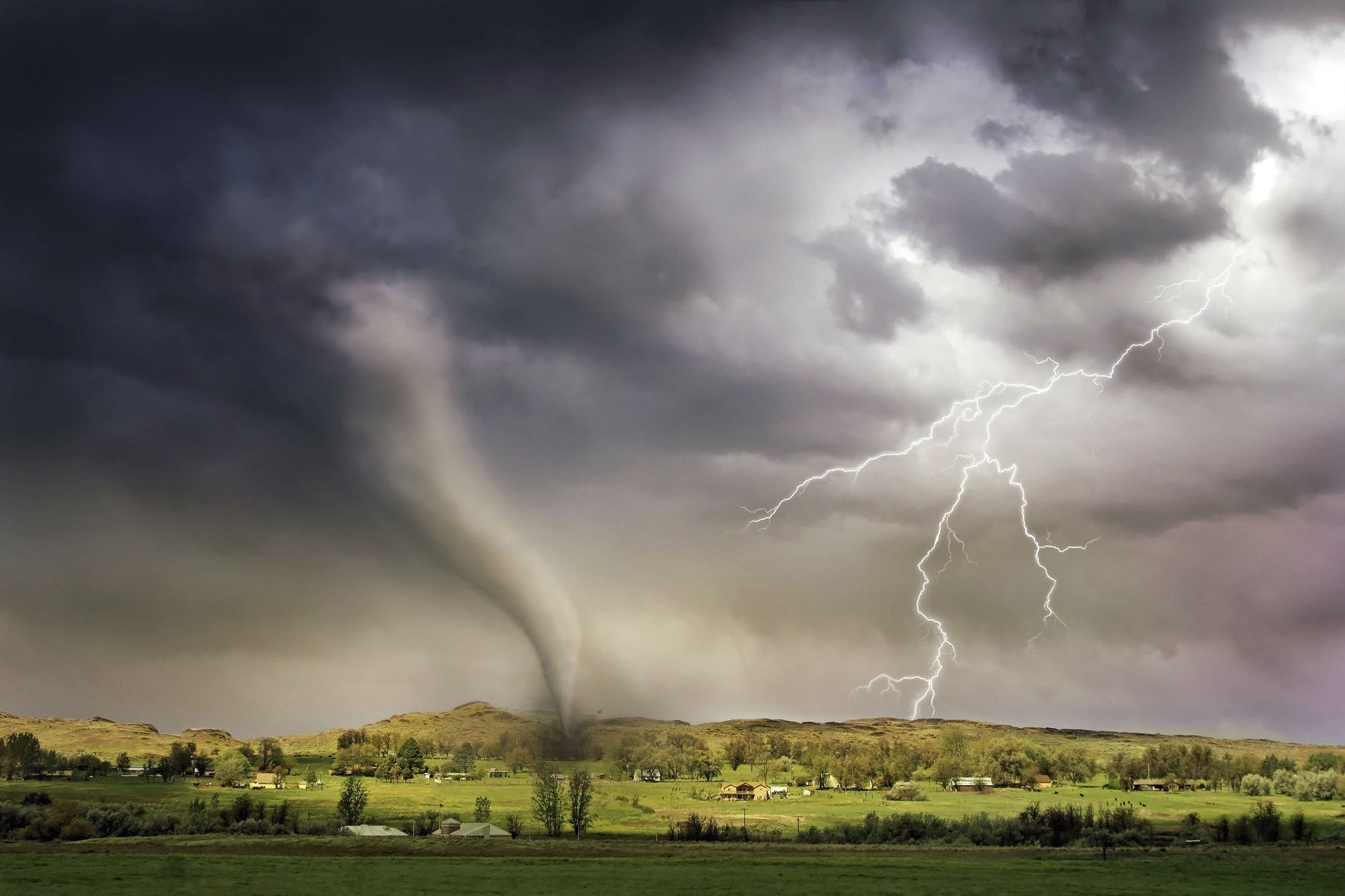
lightning and tornado hitting village

Photo by Ralph W. lambrecht on Pexels.com

Experience Counts

fishing landscape nature man

Photo by Pixabay on Pexels.com

Traveling back to Montana, Phil and Phyllis arrive from back East.  They’ve brought their teenage grandson along to fish the Gallatin River.

Staying at the Rainbow Ranch, they plan to fly fish right along the river, which runs adjacent to the property.  The Ranch employs a fishing guide during the summer months.  Bert knows all of the best spots to fish on the Gallatin, and he is always bragging about his fishing prowess.  As he always reminds people, “experience counts.”

Complaining under his breath, Bert takes the trio of fishing pilgrims to the river.  He always frowns upon city folks who come out to the Gallatin to fish.  Mumbling under his breath, “All novices . . . they have no clue about fishing a river.”

Bert sets up Phil and his grandson, and they begin making tentative casts on to the river.  Each has fished very little, and their inexperience offers a bit of amusement for Bert.

Meanwhile, Phyllis moves down the river a few paces from Bert.  She calls out to Bert, “I wonder who will catch the first fish?”

Bert replies, “A piece of ‘rainbow trout’ cake my dear!”

Bert begins to cast several times with little luck, not even a bite.  He glances down the river bank at Phyllis, and reminds himself he has plenty of time to catch the “first” fish.

Phyllis spies a perfect hole in front of two rocks.  She casts her line perfectly into her chosen spot.  Hmm, Bert didn’t even see her awesome cast because he is too busy with his own fishing.

Strike!

Phyllis’ line goes taut.  She has a “granddaddy” rainbow trout hooked on her line.

Bert looks over at her with dismay.  Phyllis laughs and continues reeling in her prize catch.  Glancing over at Bert, she shouts, “Experience counts, you know.”

As she lands a hefty, beautiful rainbow trout in the tall grass along the river bank, she tells Bert more of her story, “I fished these same waters years ago as a little girl.  My daddy taught me well.  I practically grew up on this river.”

Bert realizes he has been had.  If he does catch a trout today, it will likely taste more like crow.