Waking at midnight, I glance at the open bedroom window filled with what I think is early morning light. Throwing off the covers and rubbing sleep from my eyes, I hurry to the window with wonderment and then surprise.
Wandering outside in my robe and slippers, I discover the backyard is filled with an enormous oak tree. I think to myself, “Where did this tree come from? It’s never been here until now.”
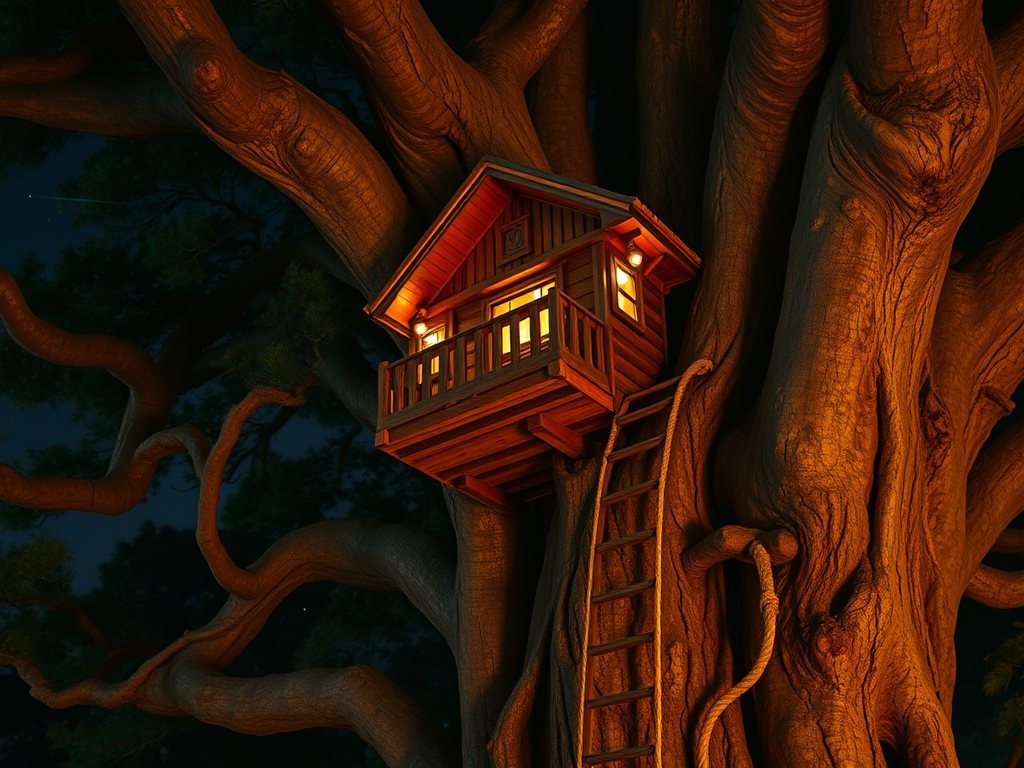
Nestled under a full canopy of branches, rests a delightfully engineered tree house. From a window, a young boy’s voice beckons me, “Come on up.”
“But how?” I ask.
Without any explanation, a gentle breeze sweeps me up, and I am standing next to a handsome boy, Steven. He welcomes me to his house, and goes on to say, “I don’t often give tours during darkness in the middle of the night.”
Steven and I walk together, just the two of us, at midnight, in his magnificent tree house. I have never seen anything like his personal Shangri-La.
Each of the three small rooms is filled with a young boy’s playthings and imagination. One room overflows with games of every description, which are stacked neatly upon a shelf. On the table is a half-finished puzzle, which the two of us finish together before I begin battling another yawn.
Another room invites us in to experience beautiful music. The atmosphere feels like a concert hall filled with symphonic, harmonized sound. We relax and listen while sitting in comfy bean bag chairs, but I am beginning to feel just a bit drowsy.
The final room offers a kaleidoscope of color, with different designs on each wall and the ceiling. The floor is painted with shades brighter than any rainbow. Steven encourages me to touch any color, and it instantly changes to a more dreamy moment.
As my personal tour of Steven’s tree house wraps up, he tells me, “I hope to see you again some night. Always wake up preciously at midnight, and I’ll be here.”
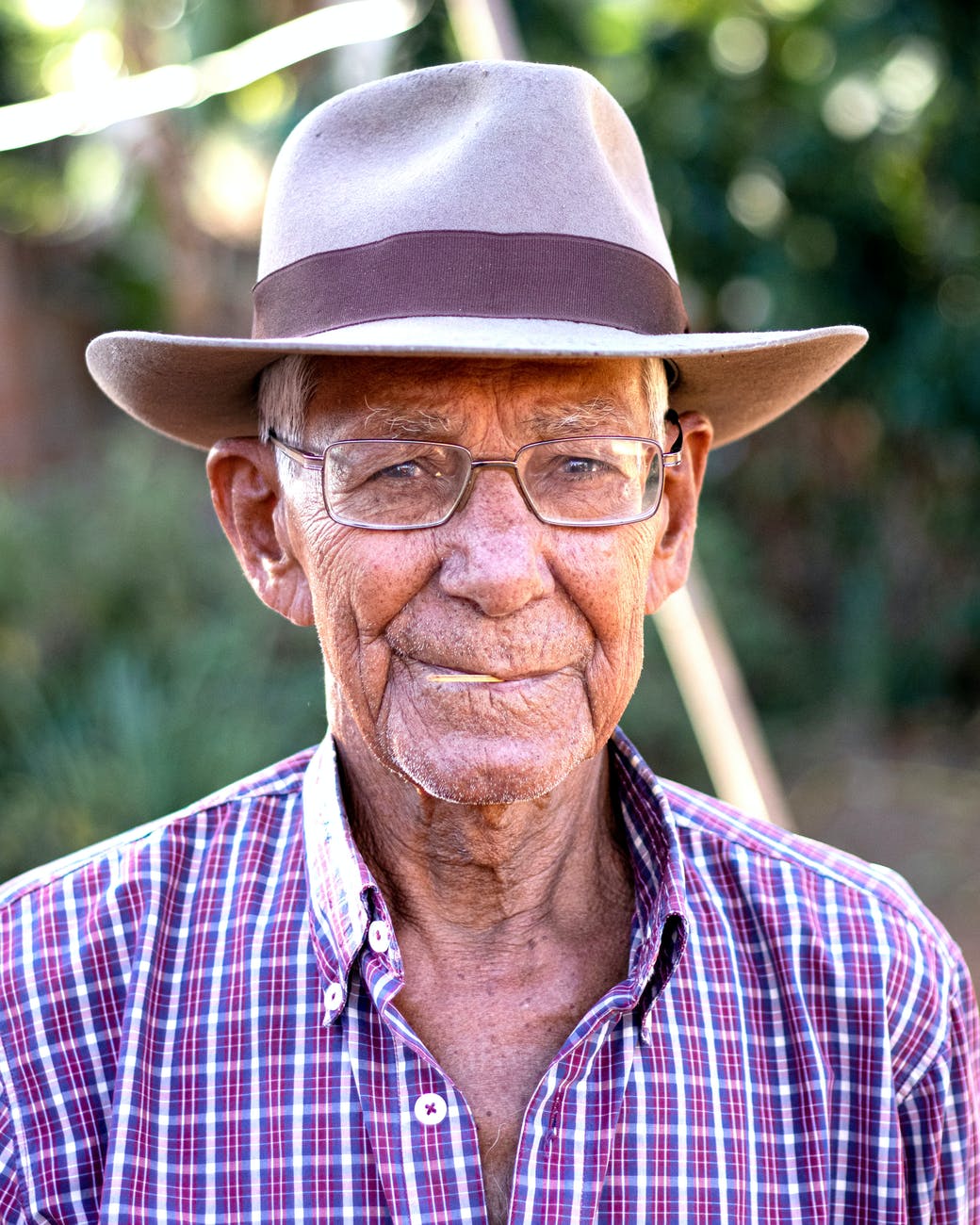
The moonlight’s stardust carefully returns grandpa back to sleep; now in his bed . . . still wearing his robe and slippers.
Under the night sky, Hollywood’s best shine bright
Notable scenes from drive-ins come to the screen
Danny and Sandy from “Grease” making the scene
Winning combination fuels drive-ins’ success
Love of movies plus cars, who would ever guess?
Practicing social distancing, cars spread out
Another summer night, film-inspired blowout
Family piles into the station wagon
Good thing we traded that tiny Volkswagen
Mom and Dad, reservations in the front seat
Wearing pajamas, kids view from the back seat
Transporting all of us to a place of fun
Kids become quiet . . . fall asleep, one by one
Comfy family night under twilight’s stars
Slice of Americana, with movie stars
Courtesy of Pinterest.
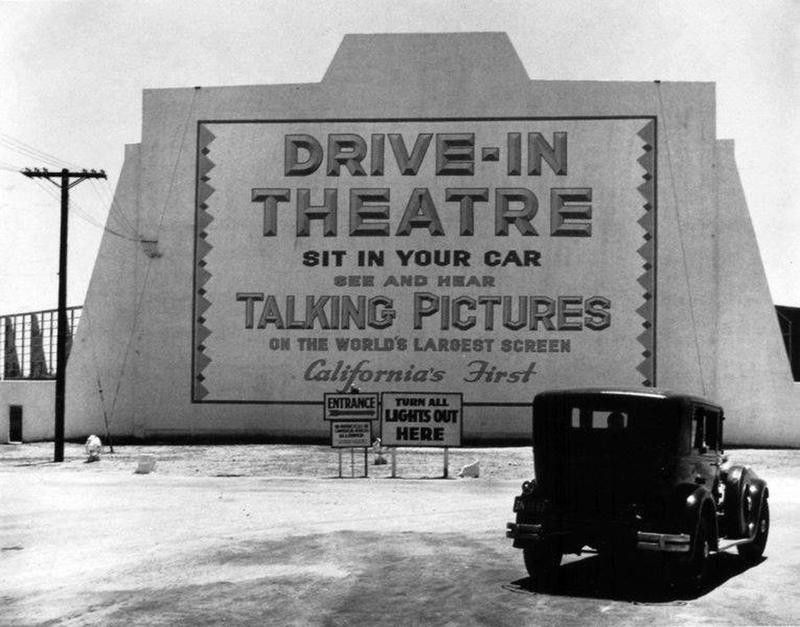
Practicing social distance before anyone knew what it meant, America’s drive-ins have been a fixture since arriving in New Jersey in 1933. Following World War II, the American landscape exploded with new drive-ins. By 1952, outdoor movie attendance exceeded indoor theaters for the first time. During the 1950s, the number of drive-ins peaked at 5,000 or so.
Growing up with a band of brothers, there was a common refrain at my childhood home, “What’s for breakfast?”
However, in order to answer this question, one must return to dinner the night before.
Our mother, in her desire to provide our growing, young bodies with nutrition, decided to try a new vegetable for dinner. Do diced beets from a can catch your fancy?
Being used to green beans, peas, and corn, my brothers and I looked at the beets with their strange color and unappetizing smell, and we knew these little morsels would taste just awful.
All of us went on strike at dinnertime . . . refusing to eat any of the beets.
Our father wasn’t a happy camper with our decision. In fact, he became quite animated that we should all try a sample at dinner. Yet, we refused to budge.
Finally, our enlightened father drew a line in the sand (or on the table), “If you don’t try these beets tonight, you can have them for breakfast in the morning.”
Morning arrived, and instead of our usual Cream of Wheat or Quaker Oatmeal, our breakfast menu consisted of those horrible red beet squares. My brothers and I held fast—NO BEETS!
Our mother was paying close attention to her sons. Never again did she include beets with a meal.
To this day, I still won’t eat beets, no matter how they are prepared. I think my brothers probably feel the same way. Do you have a least favorite vegetable?
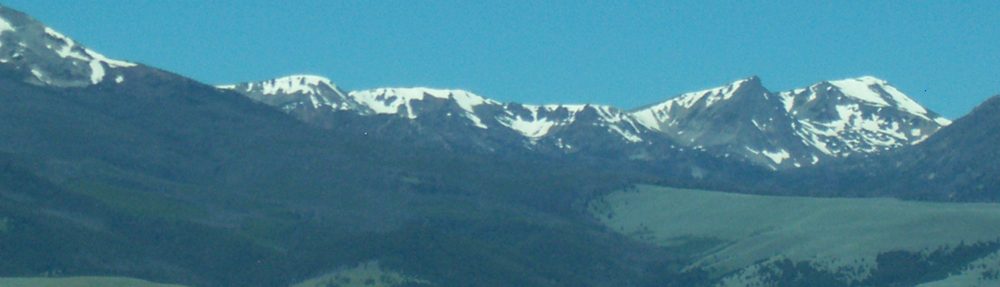
This poem gives you a quick glimpse into my childhood family. Growing up under Montana’s Big Sky was a blessing for my brothers and sister. The memories will last a lifetime.
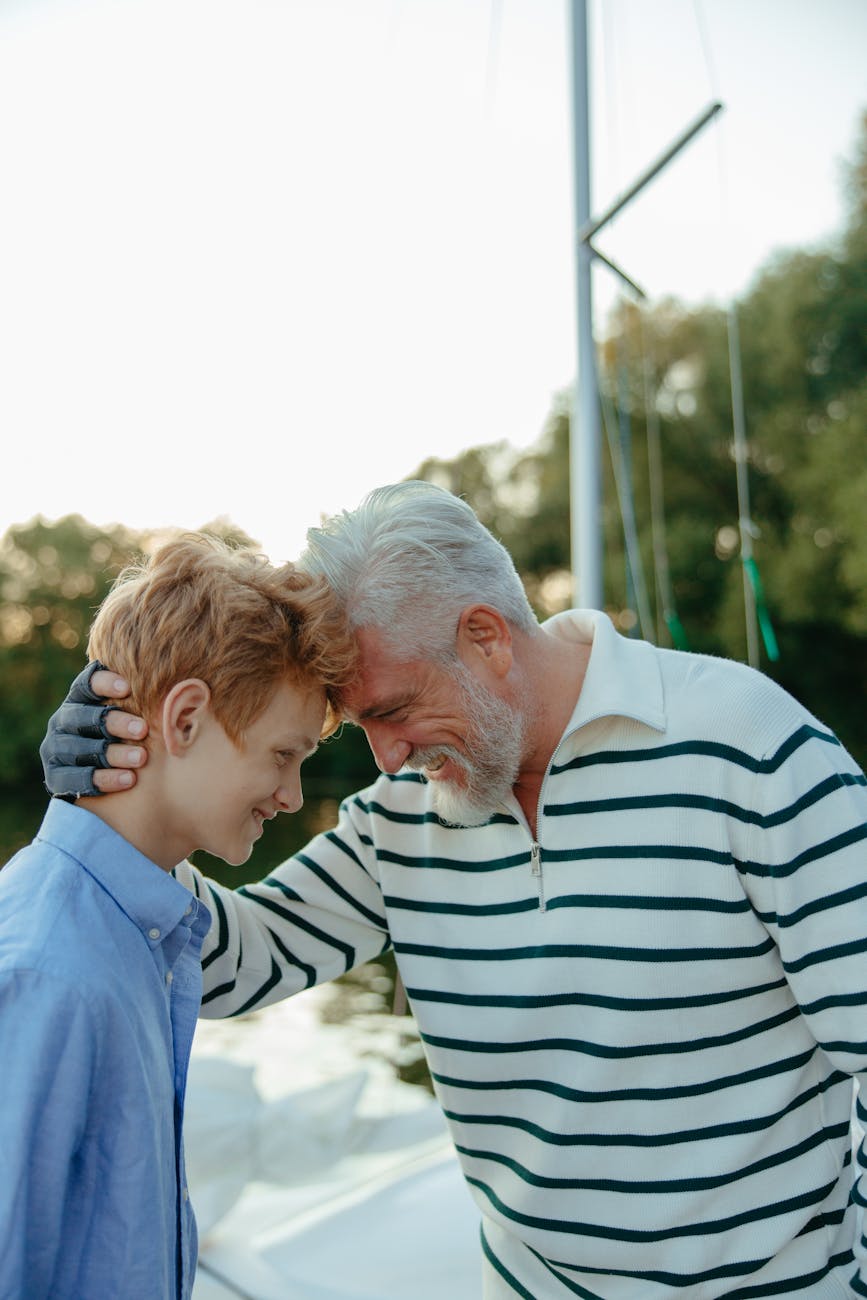
There is an enduring tenderness in the love of a mother to a son that transcends all other affections of the heart.
There is an emanation from the heart in genuine hospitality which cannot be described, but is immediately felt and puts the stranger at once at his ease.
American Washington Irving (1783-1859) ranks as one of his country’s most renowned authors. His amazing short stories of “Rip Van Winkle” and “The Legend of Sleeping Hollow” remain all-time classics. Ironically, his final resting place is at the Sleeping Hollow Cemetery in New York state.
If you don’t use your experience, your past is wasted, and you are betraying yourself.
I think the sense of family and family achievement, plus the discipline which I received there from that one-room school were really very helpful in what I did later on.
Born in Derry, New Hampshire, Alan Shephard (1923-1998) was an American astronaut, naval aviator, test pilot, and businessman. In 1961, he became the first American to travel into space. In 1971, he became the fifth person (and the oldest) to walk on the Moon at the age of 47.