
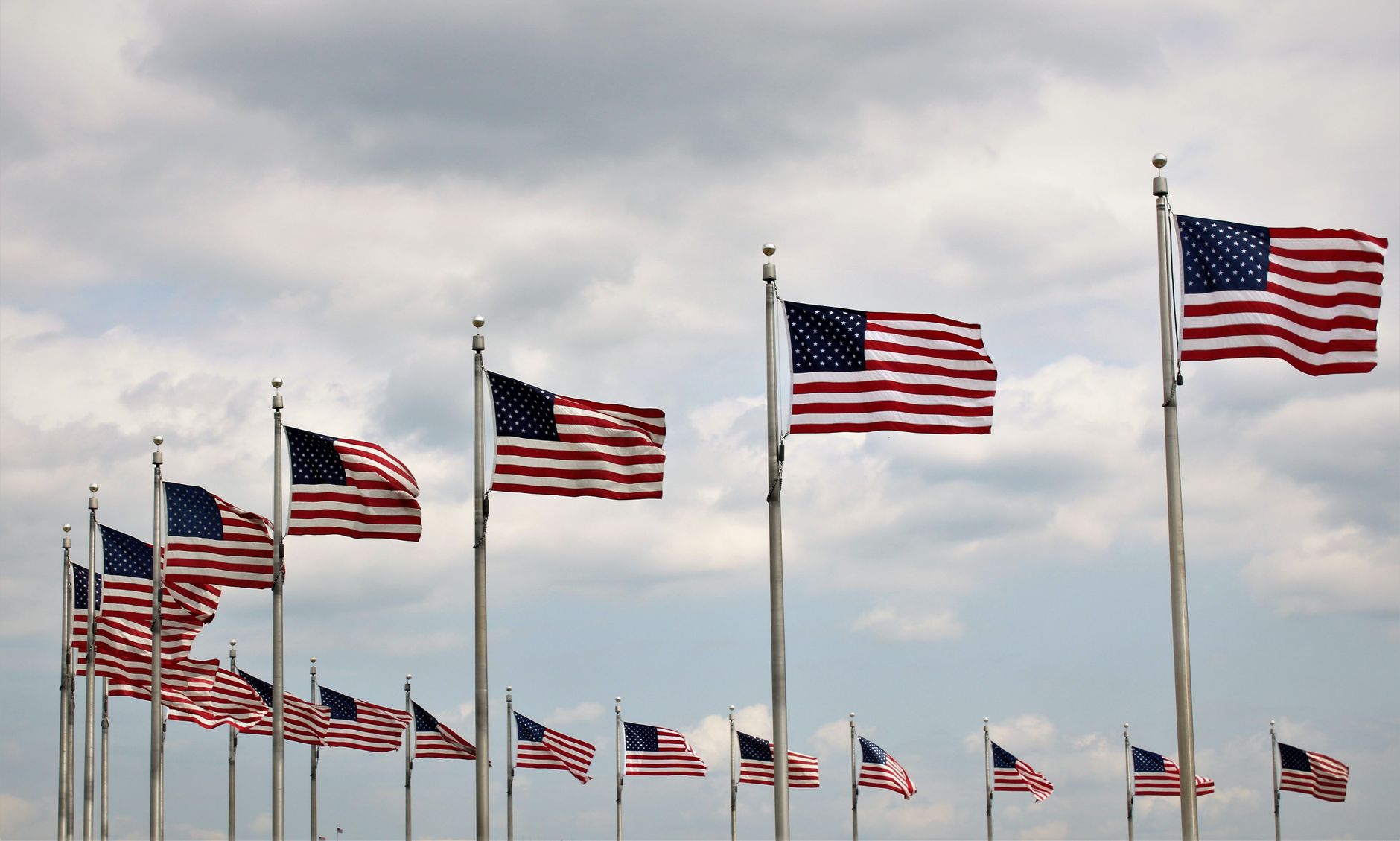
America’s “Flag Day”

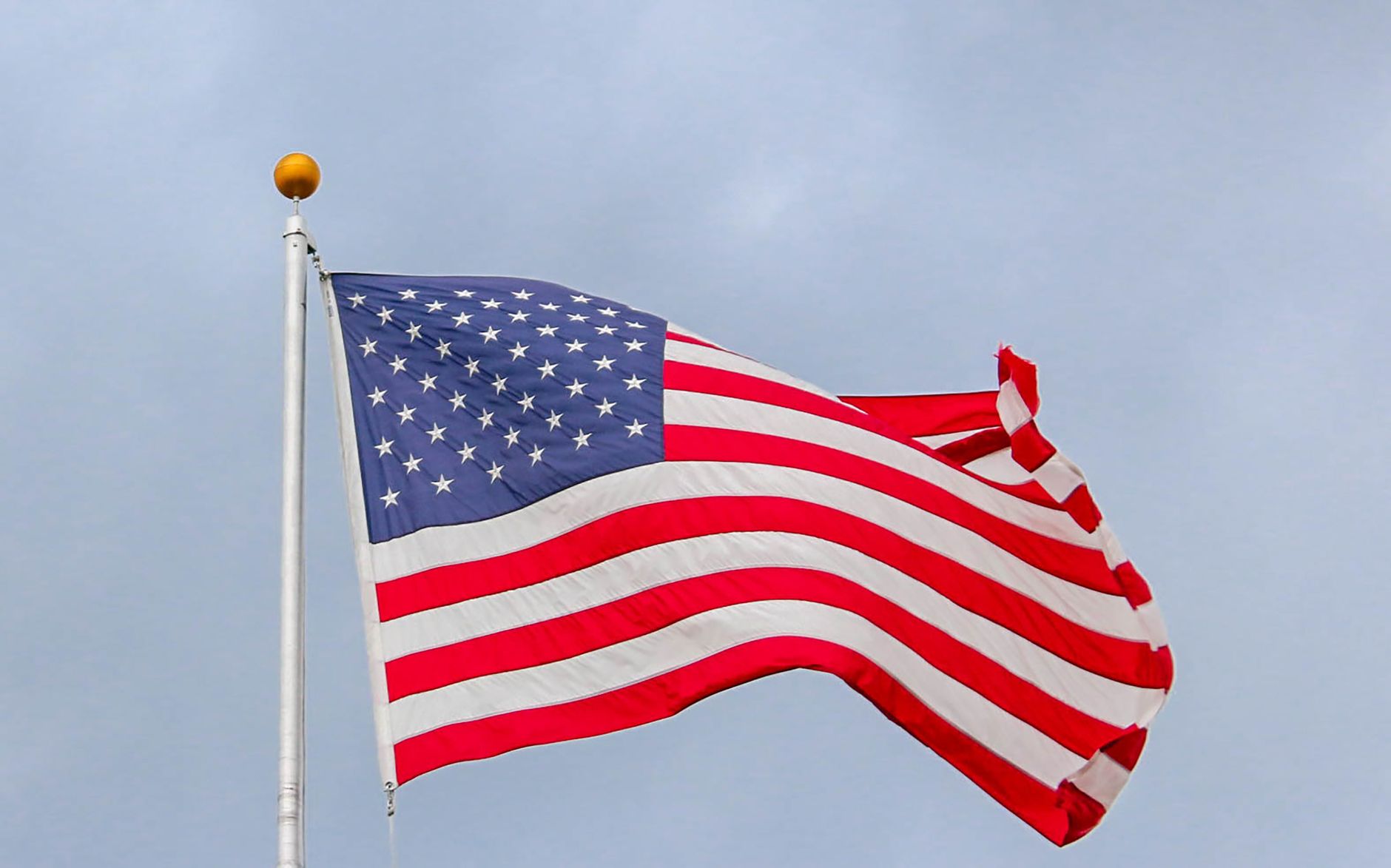
Photo by Ivan Drau017eiu0107 on Pexels.com

June 14 commemorates Flag Day as the date when the United States approves the design of its first national flag.

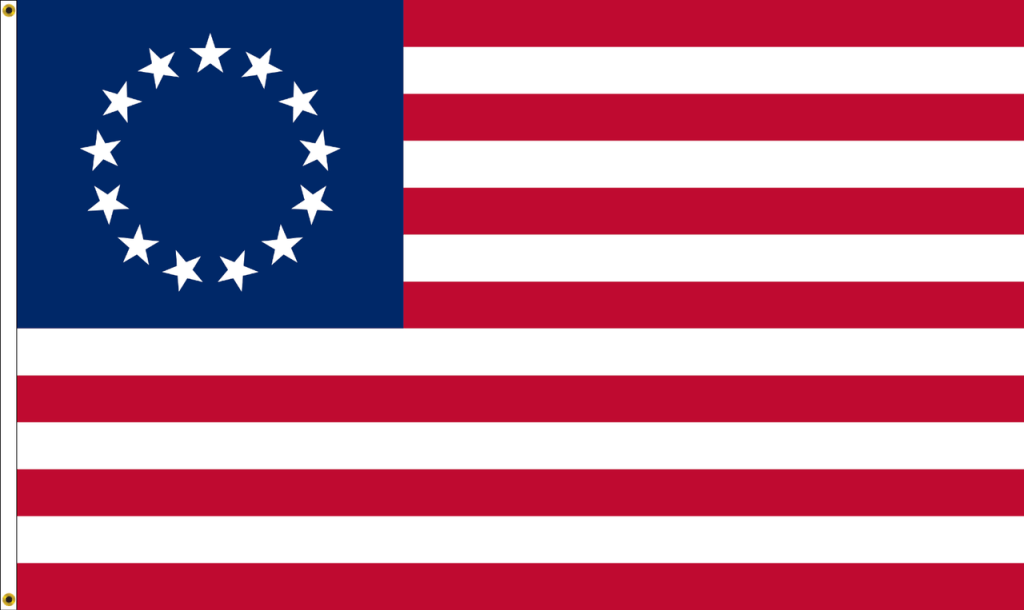
On June 14, 1777, the Continental Congress approves the first American flag. Created by General George Washington’s instructions, Betsy Ross sews her nation’s inaugural flag with 13 stripes, alternating in red and white, with a blue field behind a constellation of 13 stars.
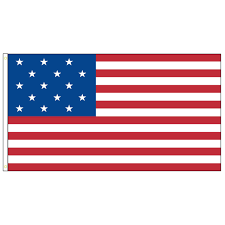
In 1795, the states of Vermont and Kentucky enter the American Union. The “Star-Bangled” Banner flag contains 15 stars as well as 15 stripes.

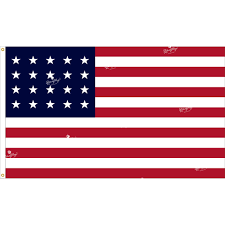
The U.S. Congress enacts its final Flag Resolution with the number of stripes finalized at 13. At this time there are 20 stars for the 20 states.
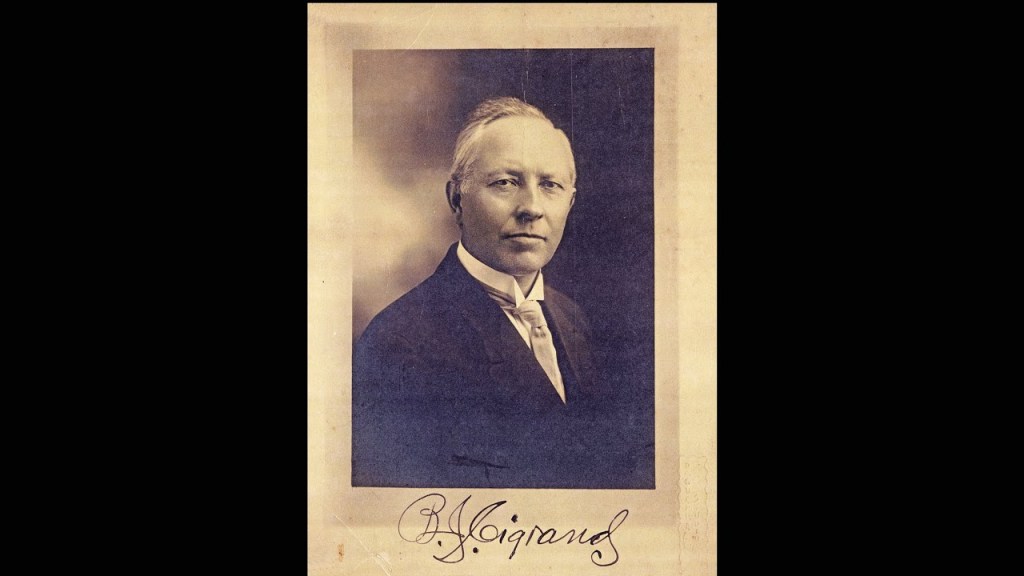
In 1885, Wisconsin schoolteacher, Bernard J. Cigrand, encourages his students to observe June 14 as “Flag Birthday.” He later writes an essay, which is published in a Chicago newspaper, urging Americans to celebrate the flag on June 14.

In 1916, President Woodrow Wilson signs a proclamation designating June 14 as the official date for Flag Day. By now, the flag contains 48 stars for the nation’s 48 states.
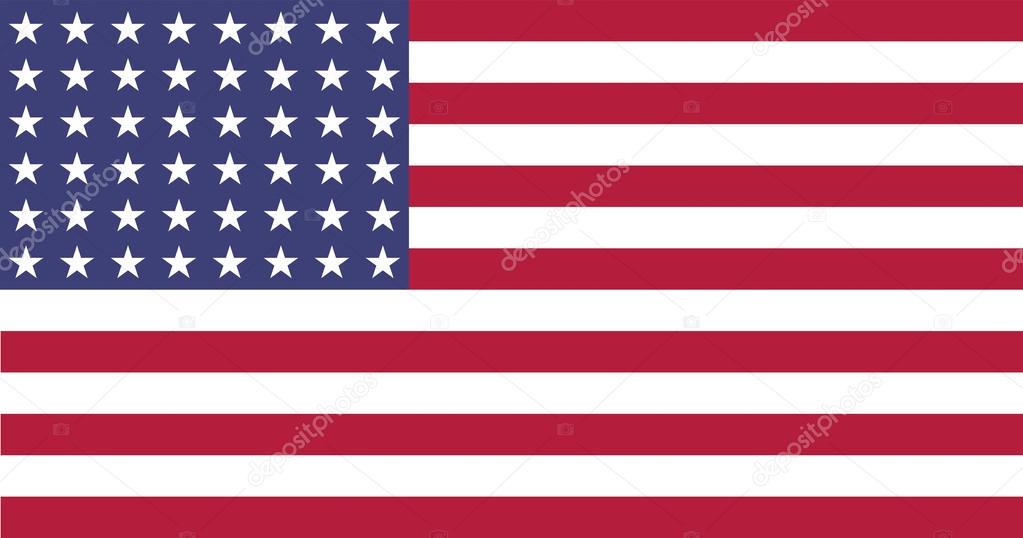
In 1948, the U.S. Congress permanently establishes June 14 as Flag Day. President Harry S. Truman signs the legislation. The flag continues to feature 48 stars.

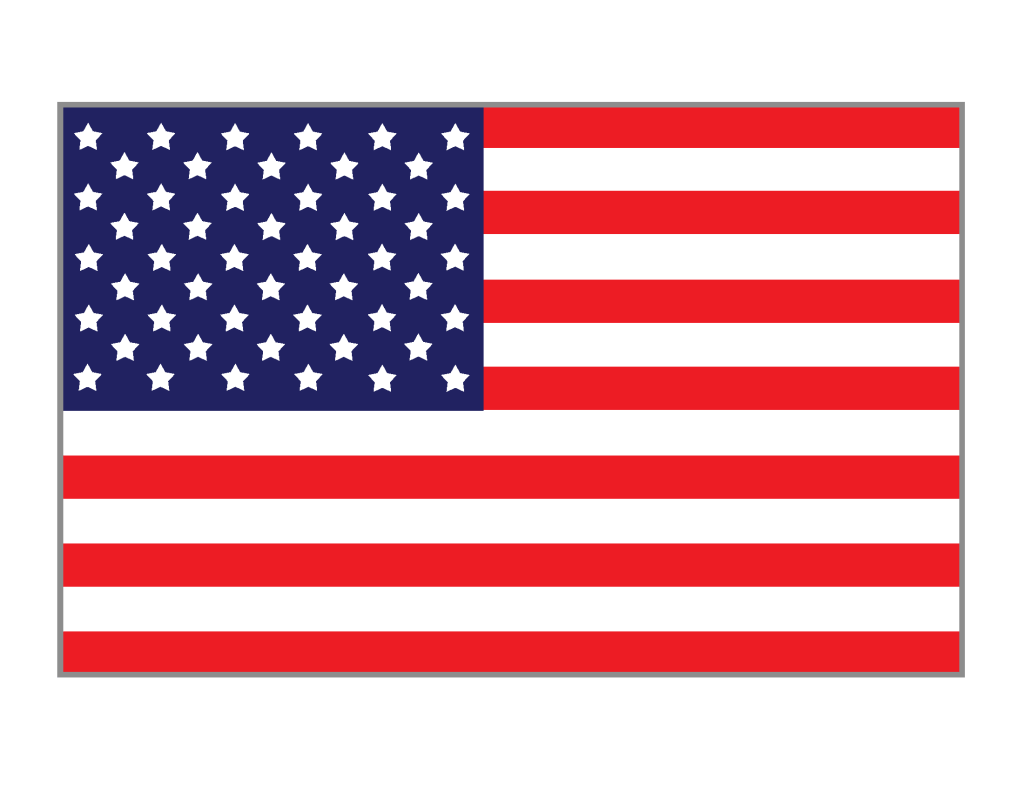
In 1959, with the admission of Alaska and later Hawaii, the updated flag features 50 stars for its 50 states.
American Flag Quotes

Photo by Element5 Digital on Pexels.com

Henry Ward Beecher (1813-1887) American pastor and social reformer

Our flag means all that our fathers meant in the revolutionary War. It means all that the Declaration of Independence meant. It means justice. It means liberty. It means happiness Every color means liberty. Every thread means liberty. Every star and stripe means liberty.

John Philip Sousa (1854-1932) American composer and conductor

A flag appears ‘mid thunderous cheers, The banner of the Western land. The emblem of the brave and true.

Adrian Cronauer (1938-2018) American radio personality and USAF Sergeant

Our flag is not just one of many political points of view. Rather, the flag is a symbol of our national unity.

George M. Cohen (1878-1942) American playwright, composer, actor, singer

“You’re a Grand Old Flag”

You’re a grand old flag,
You’re a high flying flag
And forever in peace may you wave.
You’re the emblem of
The land I love.
The home of the free and the brave.
Ev’ry heart beats true
‘neath the Red, White and Blue,
Where there’s never a boast or brag.
Should auld acquaintance be forgot,
Keep your eye on the grand old flag.

Monday Memories: Enduring Words

In the United States, the “Pledge of Allegiance” has been recited countless times in school classrooms, at the beginning of meetings, sporting events, and other instances.  The original 29 words were inspired by the writings of Francis Bellamy (from 1892) and became official in 1923.  In 1954, the words, “under God” were added.  These 31 words mean much more than just a mere collection of words.  

Photo by Jonathan Meyer on Pexels.com

I pledge allegiance


We the People, commit to stand

With loyalty across this land


To the flag


Stars and Stripes shall forever fly

Old Glory standing proud and high


Of the United States of America


Solidarity, stand as One

United, never be undone


And to the Republic


A more perfect Union shall spring

Shining democracy will ring


For which it stands


Tested, resilient, and upright

Faithful courage, nation’s birthright


One nation under God


Built upon God’s eternal love

Divine guidance comes from above


Indivisible


Inseparable and lasting

Forged by trial and fire’s casting


With liberty


Covering this land of the free

Freedom from sea to shining sea


And justice for all


Conquers inequities with care

Truth and righteousness come to bear 


Courtesy of Pinterest.

I have posted this video before, but it is worth a second look.  Here is American comedian, Red Skelton, sharing his interpretation of the words’ meaning in the “Pledge of Allegiance.”  

Originally published January, 2021.

Buckeye Snapshots (Issue #6)

Panoramic view of the grounds at the 1901 Pan-American Exposition. (courtesy of Pinterest)

Ohio has used one of the most unique flags found in America’s 50 states.  Few state flags have experienced such a journey in its making.

Admitted to the Union in 1803, Ohio would not have an official state flag until 1902.  Its inventor, John Eisenmann, was given the task of creating a flag for Ohio’s exhibit building at the 1901 Pan-American Exposition in Buffalo, New York.

Trained as an architect, Eisenmann realized that a flag was necessary to recognize Ohio at this exposition.  He wanted something unique in its design to fly over the building which he was designing.

The shape was called a swallow tail burgee.  Burgees were associated with boating and yachting.  It has remained the only state flag in the United States to not be a rectangle.

Colors and shapes symbolized a variety of meanings about the Buckeye State.

The colors of red, white, and blue resembled those of the American flag as well as the U.K. Union Jack.  Ohio was an extension of the original thirteen English colonies with roots in the territories of Virginia, New York, Massachusetts, and Connecticut. 

Thirteen stars, which were grouped in a circle, represented the original thirteen American states.  Four lone stars signified that Ohio was the 17th state admitted to the Union.

A large, white circle with a red center signified an “O” for Ohio.    The blue triangle symbolized Ohio’s hills and valleys while the five white and red stripes refer to its roads and waterways.  “Five” was a significant number because it referred to the original states from the Northwest Territory:  Ohio, Michigan, Indiana, Illinois, and Wisconsin.

Buckeye Snapshots take a look at Ohio’s places, events, and people.  Previously published posts are linked below.  In case you may have missed one, enjoy a visit.

Enduring Words

In the United States, the “Pledge of Allegiance” has been recited countless times in school classrooms, at the beginning of meetings, sporting events, and other instances.  The original 29 words were inspired by the writings of Francis Bellamy (from 1892) and became official in 1923.  In 1954, the words, “under God” were added.  These 31 words mean much more than just a mere collection of words.  

Photo by Jonathan Meyer on Pexels.com

I pledge allegiance


We the People, commit to stand

With loyalty across this land


To the flag


Stars and Stripes shall forever fly

Old Glory standing proud and high


Of the United States of America


Solidarity, stand as One

United, never be undone


And to the Republic


A more perfect Union shall spring

Shining democracy will ring


For which it stands


Tested, resilient, and upright

Faithful courage, nation’s birthright


One nation under God


Built upon God’s eternal love

Divine guidance comes from above


Indivisible


Inseparable and lasting

Forged by trial and fire’s casting


With liberty


Covering this land of the free

Freedom from sea to shining sea


And justice for all


Conquers inequities with care

Truth and righteousness come to bear 


Courtesy of Pinterest.

I have posted this video before, but it is worth a second look.  Here is American comedian, Red Skelton, sharing his interpretation of the words’ meaning in the “Pledge of Allegiance.”