America’s “Flag Day”

Photo by Ivan Drau017eiu0107 on Pexels.com

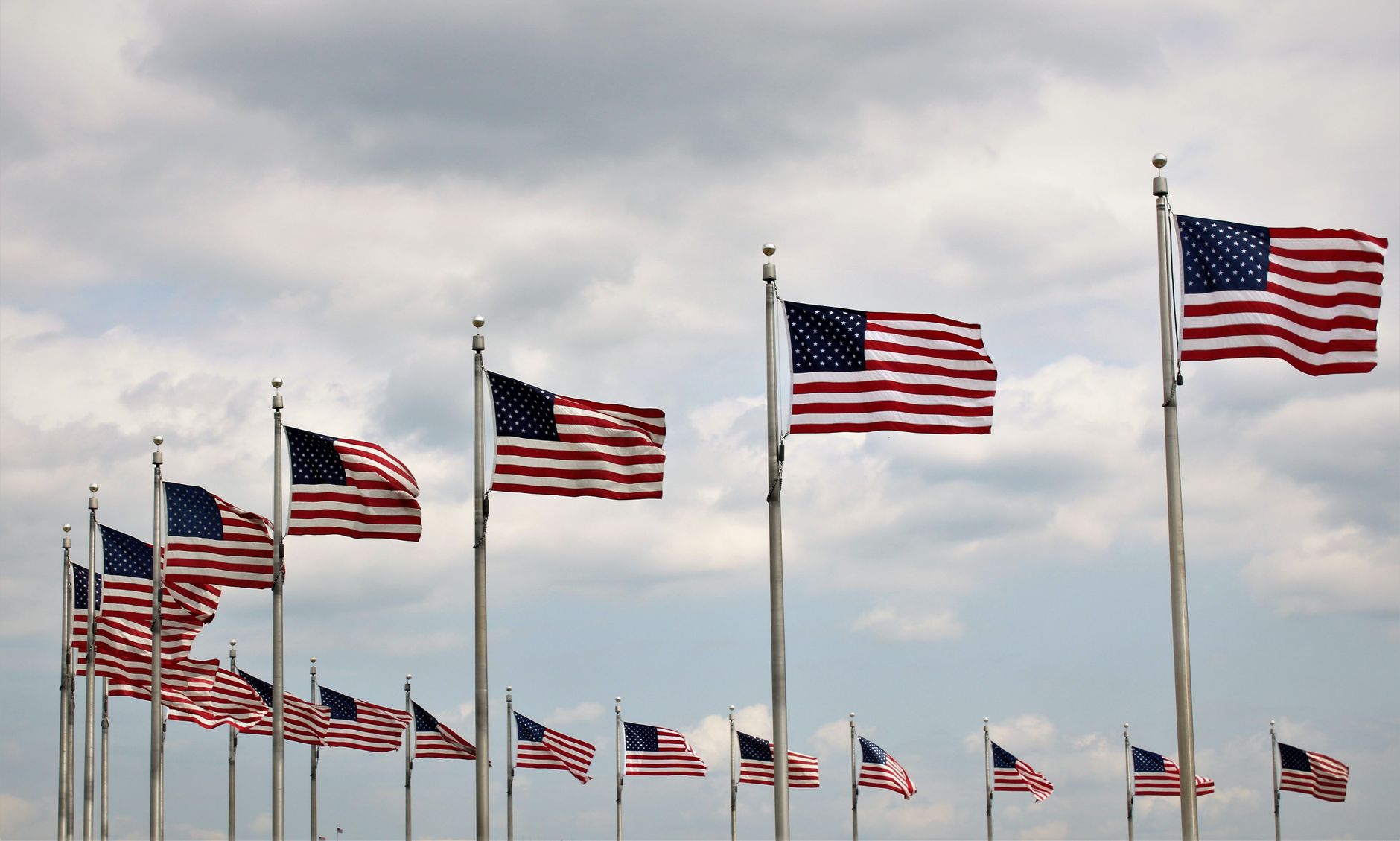
June 14 commemorates Flag Day as the date when the United States approves the design of its first national flag.

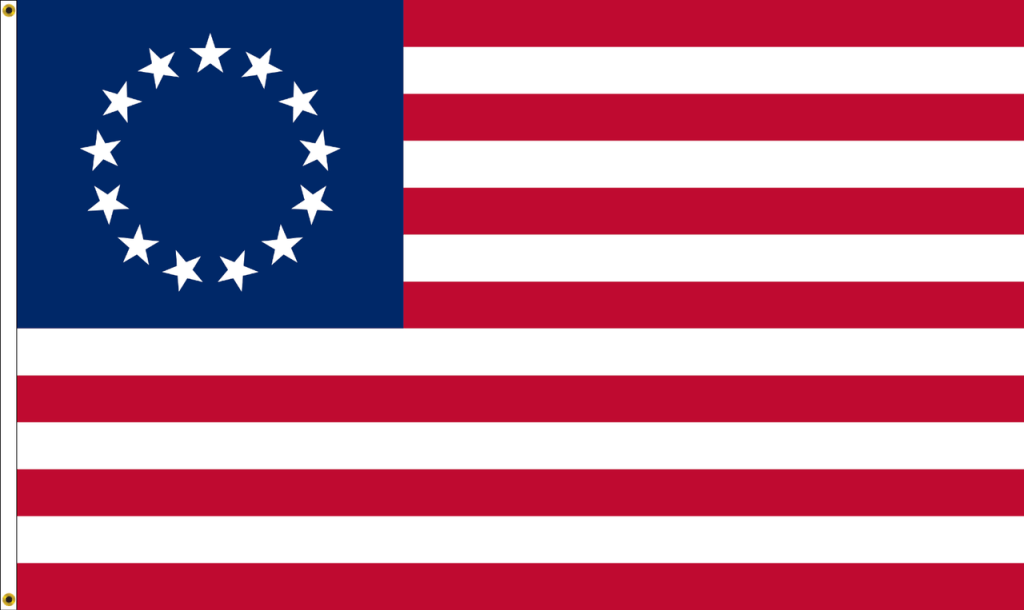
On June 14, 1777, the Continental Congress approves the first American flag. Created by General George Washington’s instructions, Betsy Ross sews her nation’s inaugural flag with 13 stripes, alternating in red and white, with a blue field behind a constellation of 13 stars.
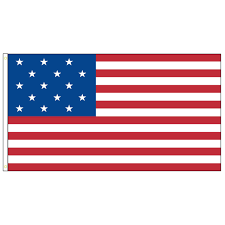
In 1795, the states of Vermont and Kentucky enter the American Union. The “Star-Bangled” Banner flag contains 15 stars as well as 15 stripes.

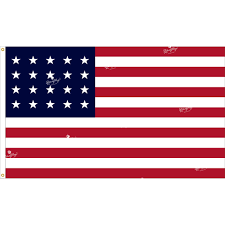
The U.S. Congress enacts its final Flag Resolution with the number of stripes finalized at 13. At this time there are 20 stars for the 20 states.
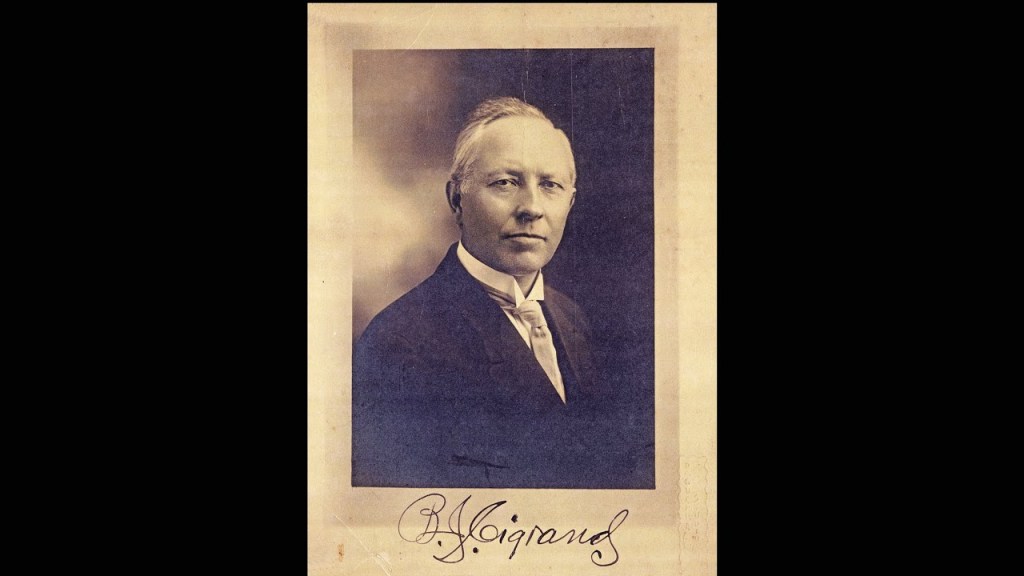
In 1885, Wisconsin schoolteacher, Bernard J. Cigrand, encourages his students to observe June 14 as “Flag Birthday.” He later writes an essay, which is published in a Chicago newspaper, urging Americans to celebrate the flag on June 14.

In 1916, President Woodrow Wilson signs a proclamation designating June 14 as the official date for Flag Day. By now, the flag contains 48 stars for the nation’s 48 states.
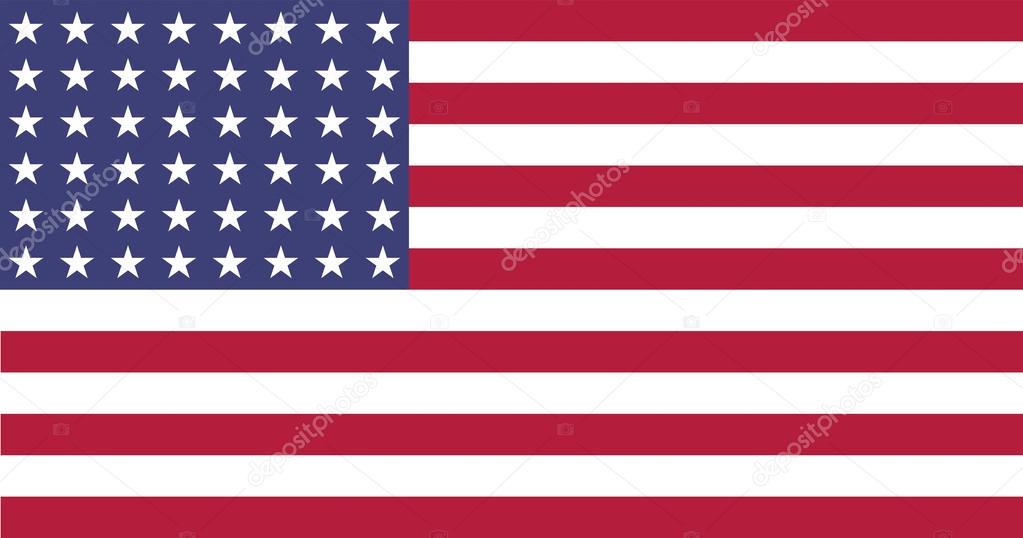
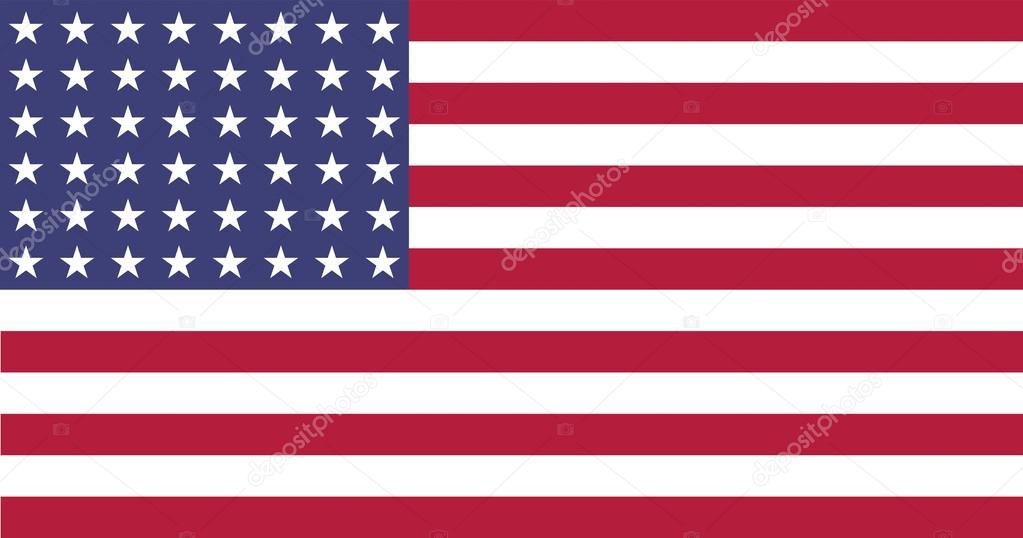
In 1948, the U.S. Congress permanently establishes June 14 as Flag Day. President Harry S. Truman signs the legislation. The flag continues to feature 48 stars.

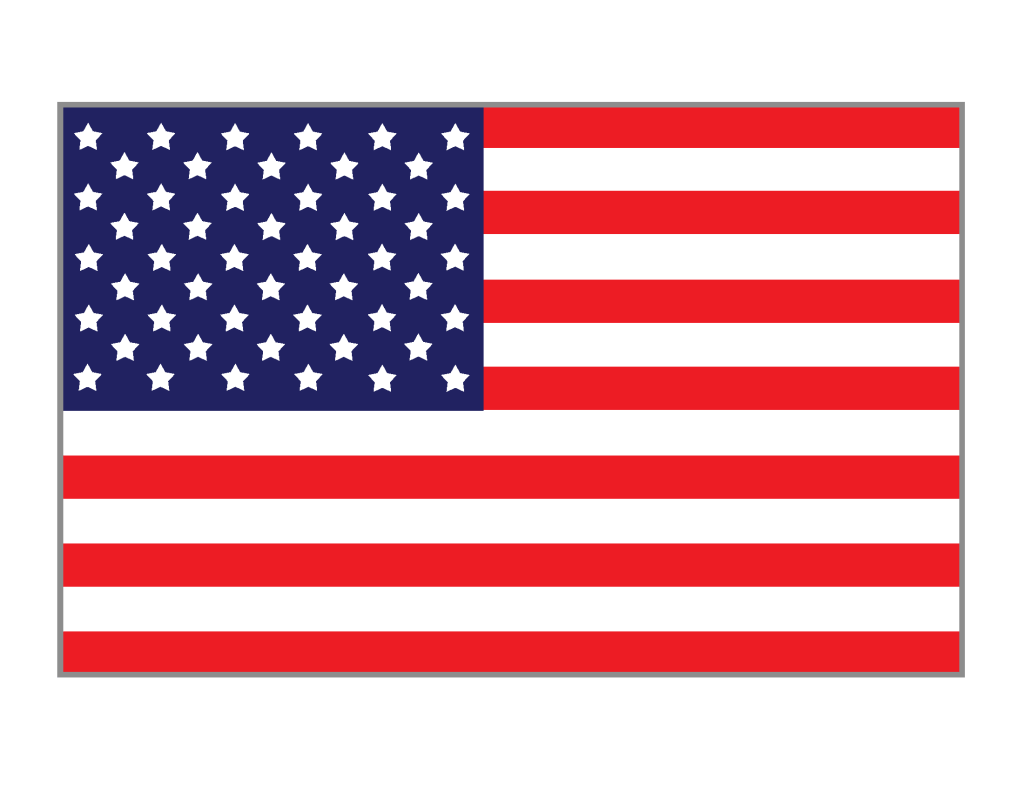
In 1959, with the admission of Alaska and later Hawaii, the updated flag features 50 stars for its 50 states.
Trivia’s Facts and More (6/28)

Photo by Pixabay on Pexels.com

This informative post will be published on Saturday in place of my regular one.  You are invited to participate with the opening question.

Brain Teaser Question

I am an odd number.  Taking away a letter, and I become even.  What number am I?

(answer found at the end of this post)

Featured Facts

Nicknamed the “Lone Star State”, Texas is admitted to the American Union on December 29, 1845, as the 29th state.  

Here are a few interesting facts about Texas:

  • Capital City:  Austin
  • Most Populous City:  Houston
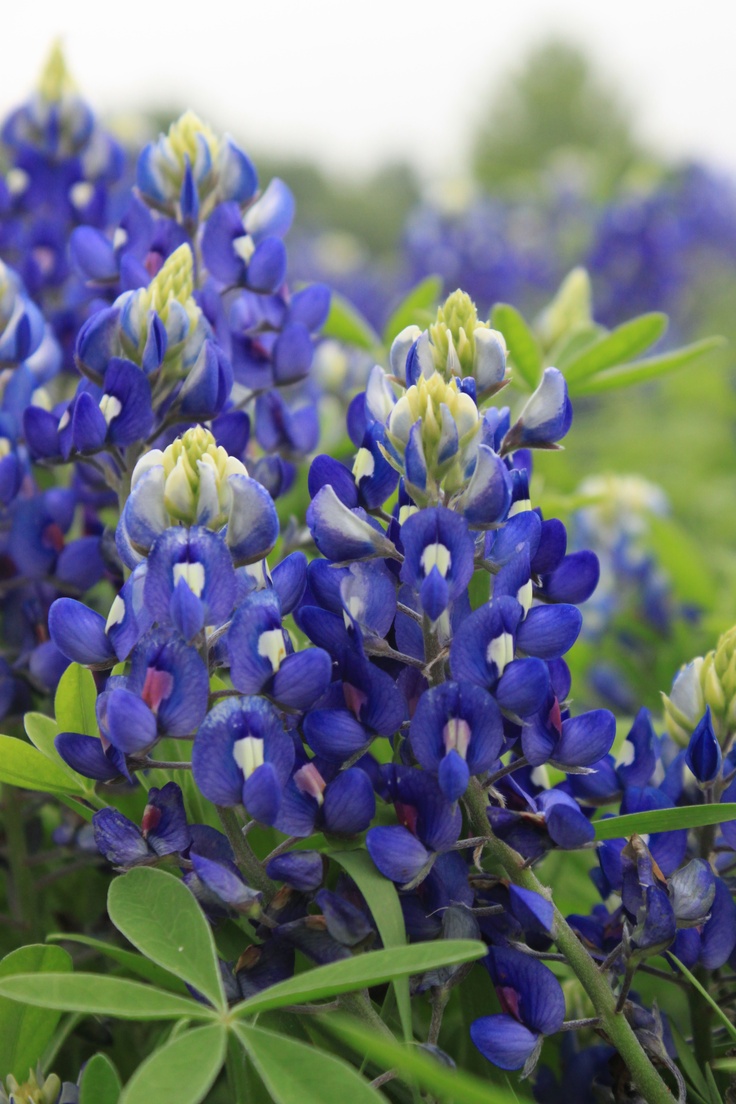
  • State Flower:  Bluebonnet
  • State Bird:  Mockingbird
  • State Motto:  Friendship

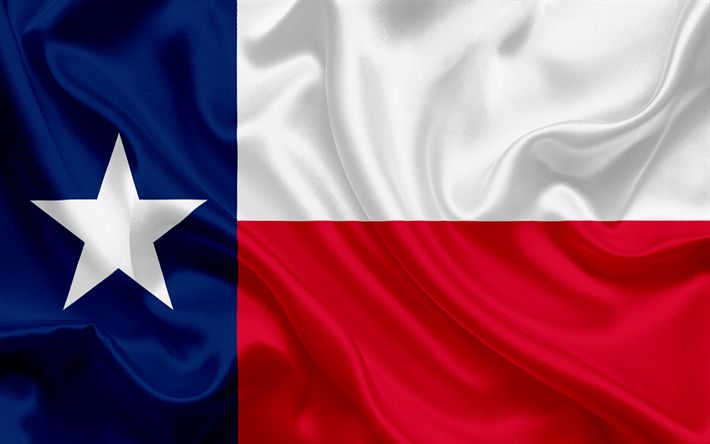
The state flag of Texas immortalizes its motto with the colors of blue for loyalty, white for strength, and red for bravery.  Its single star design is traced back to the days of the independent Texas Republic from 1836-1846.

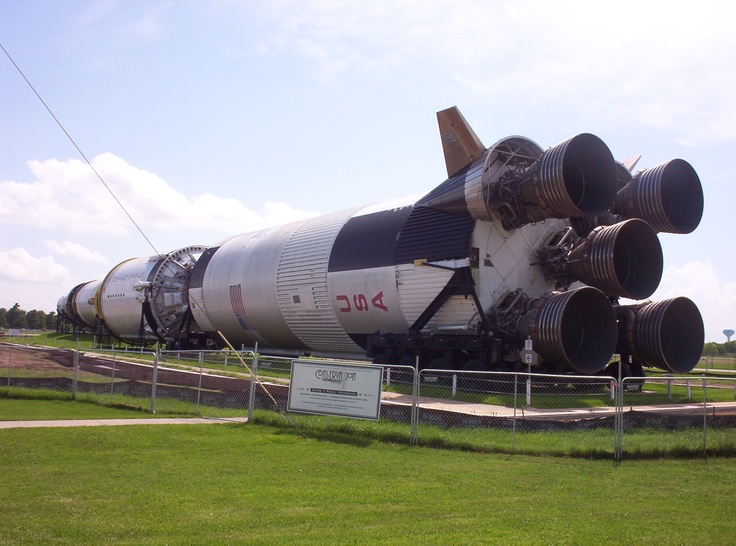
The Johnson Space Center is located in Houston, and it opened in 1964.  NASA’s flight control is found in the Mission Control Center.  The entire site is also called the Manned Spacecraft Center, and it is named after President Lyndon Johnson.

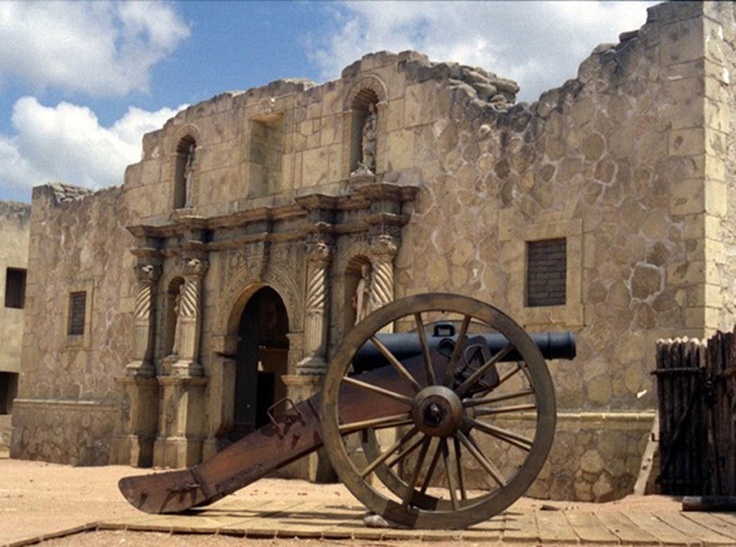
The city of San Antonio has grown up around one of the most treasured sites in Texas, the Alamo.  The Alamo was at the center of the fight for Texas independence from Mexico in 1836.  Built in 1718 as a Spanish mission, it is later transformed into a military fort.

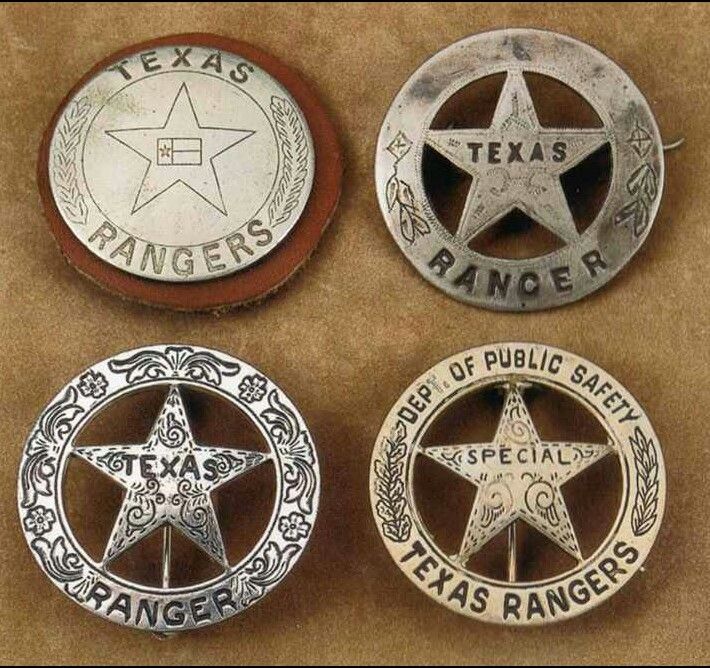
The infamous Texas Rangers are the oldest law enforcement agency in North America.  In 1923, Stephen Austin organizes the first group of Texas Rangers (ten in number).  

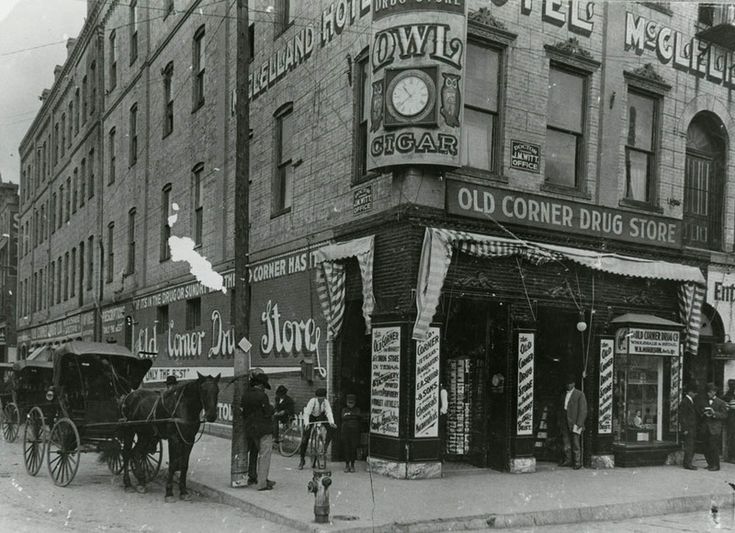
The popular soft drink Dr. Pepper traces its history to Waco and Morrison’s Old Corner Drug Store.  In need of carbonated drinks to be served at the drug store’s soda fountain, pharmacist Charles Alderton creates the recipe for this refreshing soda in 1885.

Two American Presidents have birthplaces in Texas:  Dwight D. Eisenhower (Denison) and Lyndon B. Johnson (Stonewall).  

top left and MOVING clockwise: rio Grande river at big bend national park, texas bluebonnet, apollo moon mission’s saturn v rocket (outside johnson space center), historical collection of texas rangers badges, state capitol in austin, morrison’s old corner drug store (in waco), flag of the lone star state, scene outside of the alamo.  (Courtesy of Pinterest)


Answer to Brain Teaser Question

Seven.

Warren G. Harding Quotes

Photo by Aaron Kittredge on Pexels.com

America’s present need is not heroics but healing; not nostrums but normalcy; not revolution but restoration.  [Speech on May 14, 1920]

The success of our popular government rests wholly upon the correct interpretation of the deliberate, intelligent, dependable popular will of America.  [Inaugural Address on May 4, 1921]

Warren G. Harding (1865-1923) was the 29th President of the United States.