
Putting first things first is an issue at the very heart of life.
Most of us spend too much time on what is urgent and not enough time on what is important.
Stephen Covey (1932-2012) was an American educator, author, and speaker.
Putting first things first is an issue at the very heart of life.
Most of us spend too much time on what is urgent and not enough time on what is important.
Stephen Covey (1932-2012) was an American educator, author, and speaker.
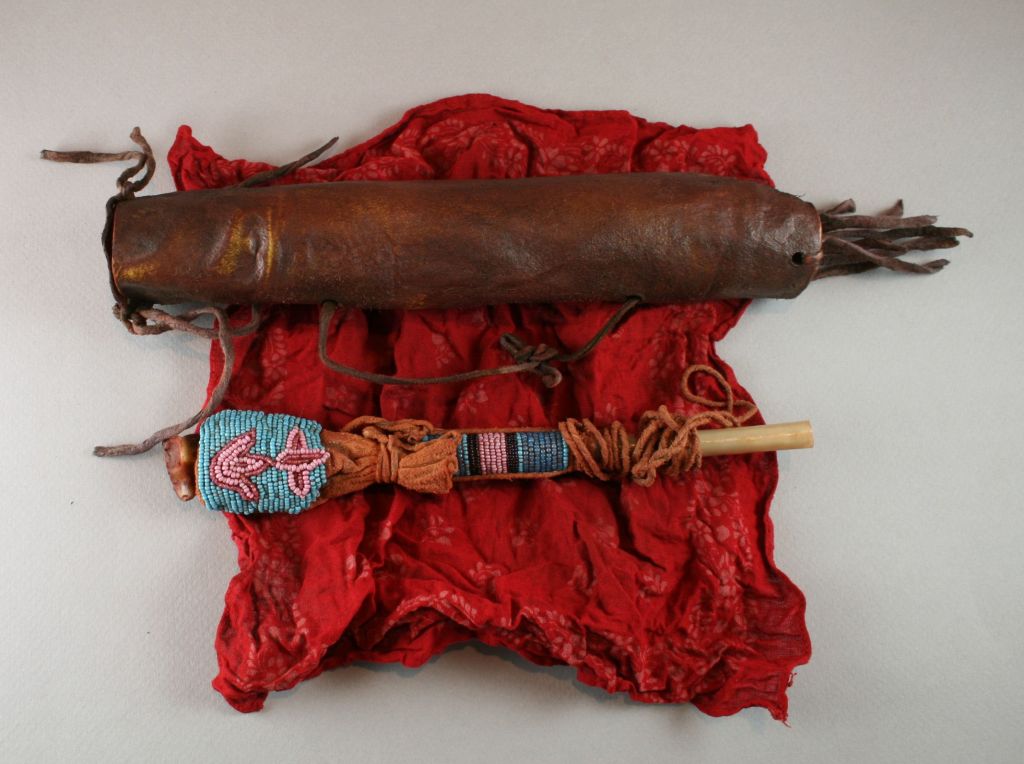
The inspiration for this poem comes from an essay written by William E. Farr, “Troubled Bundles, Troubled Blackfeet: The Travail of Cultural and Religious Renewal.” This essay is part of a larger collection of writings that link Montana’s past with its future in the book, MONTANA LEGACY.

Facing an uncertain world
Life asking questions of “when”
Intertribal wars threaten
Hostile danger setting in
Preserving Blackfeet culture
Each passing generation
Saving sacred heritage
Hold for next generation
Ritual artifacts cache
Spiritual lives won’t rest
Supernatural visions
Medicine dreams will attest
Honoring warrior life
Holy treasures speaking out
Collected and safeguarded
Sacred bundles carry clout
Filling with key elements
Common and natural sought
Feathers, hides, shells, horns added
Teeth, wood, bones . . . each with a thought
Passing on these rituals
Mother Earth, Creative Sun
Guarding life’s sacred relics
Legacy, father to son
Originally published November, 2020.
Photo by Kerry on Pexels.com
At times, peace in man’s world seems fleeting and short-term. Our short-sighted actions leave the next generation with quite a darkness to overcome.
Do you write a daily journal? This inspiring thought comes from my journal, and much of what is written in my journal comes from reading and commenting on other bloggers’ posts. Thanks to many of you for adding so much to my journal.
(Updated May 19)

Peace is the only battle worth waging.
Man is the only creature who refuses to be what he is.
Albert Camus (1913-1960) was a French philosopher, author, and journalist. In 1957, at the age of 44, he received the Nobel Prize in Literature.

Witnessing God’s mercy
Praises of joy heard above
Rejoicing in His presence
Angels’ voices share love
Flowing with love-filled peace
God’s divine plan offers hope
Turning back enemy’s breath
Grace flows down Zion’s slope
Gathering Shepherd’s flock
Each sinner trusts light ahead
Exulting in God’s glory
Fed from love’s daily bread
Coming to Calvary
Christ bearing salvation’s key
Raising love beyond heavens
Debts nailed to brutal tree
Embracing righteousness
Darkness no longer pursues
Proclaiming risen Good News
Savior’s love, always true

Photo by Kerry on Pexels.com
Christ encourages each of us to share our praises with others. Indeed, there will be much light to embrace.
Do you write a daily journal? This inspiring thought comes from my journal, and much of what is written in my journal comes from reading and commenting on other bloggers’ posts. Thanks to many of you for adding so much to my journal.
(Updated May 18)

Our culture says, “Don’t let anyone push you around,” but Jesus teaches that it is the merciful, the weak, and the peacemakers who are successful in God’s Kingdom.
From Matthew 5:5-9: “Blessed are the meek, for they will inherit the earth. Blessed are those who hunger and thirst for righteousness, for they will be filled. Blessed are the merciful, for they will receive mercy. Blessed are the pure in heart, for they will see God. Blessed are the peacemakers, for they will be called children of God.”
Charles Stanley (1932-2023) was an American pastor and Christian writer. He was dedicated to leading a teaching ministry.

This informative post will be published on Saturday in place of my regular one. You are invited to participate with the opening question.
What word in the English language has three consecutive double letters?
(answer found at the end of this post)
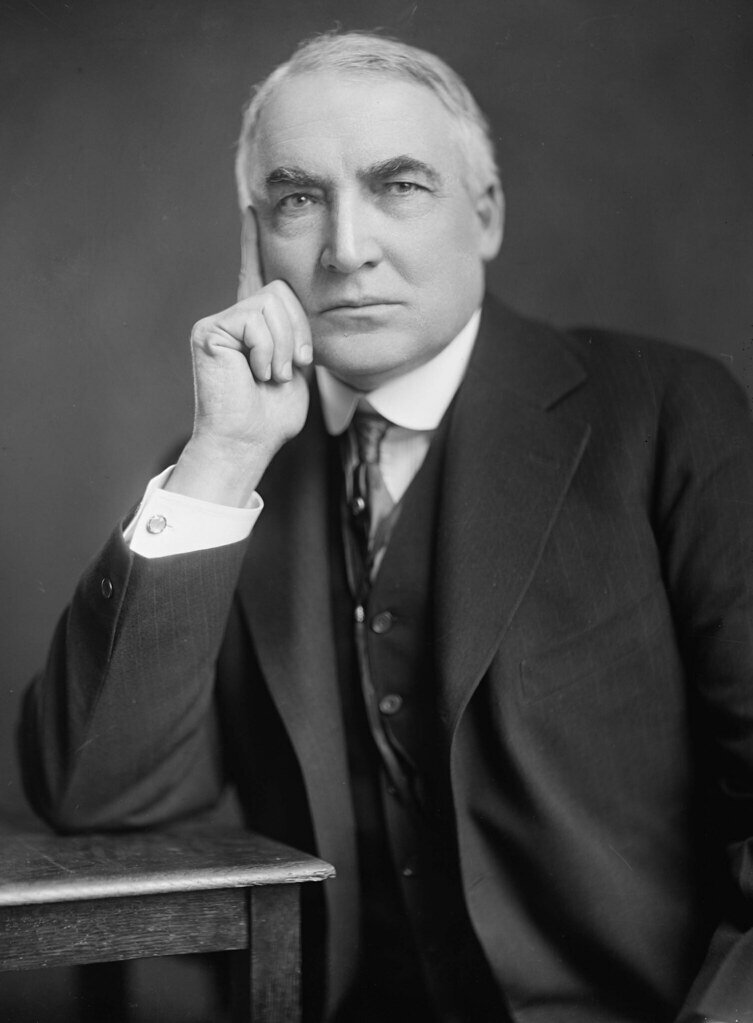
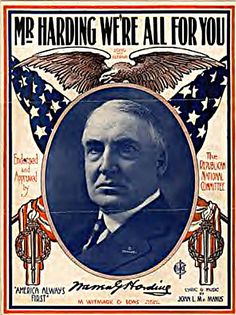
A native of Ohio, Warren G. Harding becomes the 29th President of the United States. He remains the final one of eight Presidents with roots in the Buckeye state.
Here are a few interesting facts about President Harding:
Harding’s career before entering politics centers around his partnership in The Marion Star newspaper, which is purchased when he is 19 years of age. Marion, Ohio remains his adult home for the rest of his life.
His political career begins with being elected to the Ohio Senate. He later serves as Ohio’s Lieutenant Governor, but loses in his bid to become the state’s Governor. He is elected United States Senator from Ohio in 1914.
With the Presidential Election of 1920 arriving, Harding is nominated as a compromise candidate for the Republican Party. Ironically, the Democratic candidate is James M. Cox, the current Governor of Ohio. His running mate will be Franklin D. Roosevelt, who later becomes the only American President to serve more than two terms in office.
Following the passage of the 19th Amendment to the U.S. Constitution, this election is the first for American women to vote in. Harding conducts a campaign primarily from the front porch of his Marion home. Thousands of people travel to hear him speak, and the relentless traffic wears out the home’s front lawn (later replaced with gravel).
Harding’s campaign plans revolve around promising a “return to normalcy” following the victory and aftermath of the Great War (later renamed World War I). He favors pro-business reforms along with limited immigration. The election produces a landslide victory for Harding and the Republican Party, with a slightly better than 60 percent of the popular vote.
Harding becomes the first President to speak on radio. He later visits the territory of Alaska, which marks the first ever trip by any American President. One of the landmark nominations of his Presidency is for Chief Justice of the United States Supreme Court. He nominates fellow Ohioan and former President William Howard Taft.
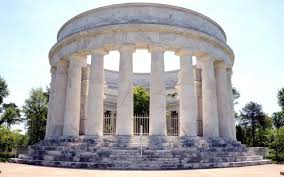
Upon returning from his trip in Alaska, Harding becomes ill. He dies in San Francisco from an apparent heart attack. Vice President Calvin Coolidge takes over the reins of the Presidency.
Following Harding’s death, much more light comes to the corruption that has been brewing within his administration. The Teapot Dome scandal has already been in the news and brings substantial embarrassment to President Harding. His Secretary of the Interior, Albert Fall, and others have been selling government-owned oil leases in Wyoming for political favors. Fall and his cronies will be found guilty and serve prison time.
All of these findings bring darkness to Harding’s abbreviated term of office, even though he escapes any hand in the wrongdoings. However, his reputation as President remains forever damaged. Some of his critics now nickname him “President Hardly.”




Bookkeeper (also bookkeeping)
Photo by Kerry on Pexels.com
Pushing life’s pause button may be a beneficial part of any healing journey.
Do you write a daily journal? This inspiring thought comes from my journal, and much of what is written in my journal comes from reading and commenting on other bloggers’ posts. Thanks to many of you for adding so much to my journal.
(Updated May 17)

America’s present need is not heroics but healing; not nostrums but normalcy; not revolution but restoration. [Speech on May 14, 1920]
The success of our popular government rests wholly upon the correct interpretation of the deliberate, intelligent, dependable popular will of America. [Inaugural Address on May 4, 1921]
Warren G. Harding (1865-1923) was the 29th President of the United States.
 Big Sky Buckeye