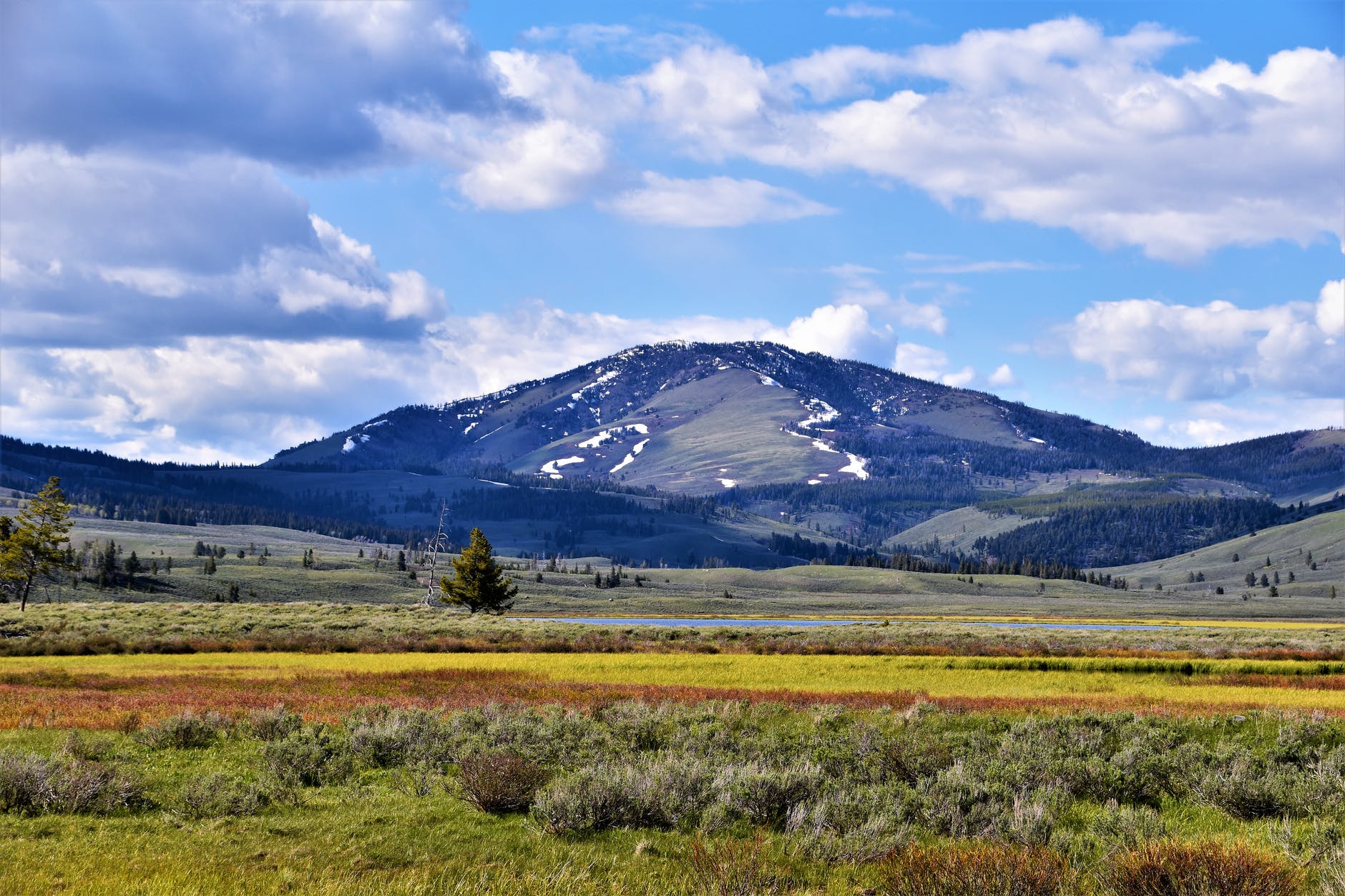
Born in the Big Sky Country of Montana and now living in the Buckeye State of Ohio, Richard is the creative mind behind Big Sky Buckeye. Retired after 40 years of teaching, I enjoy writing, photography, traveling, and following a healthy lifestyle.
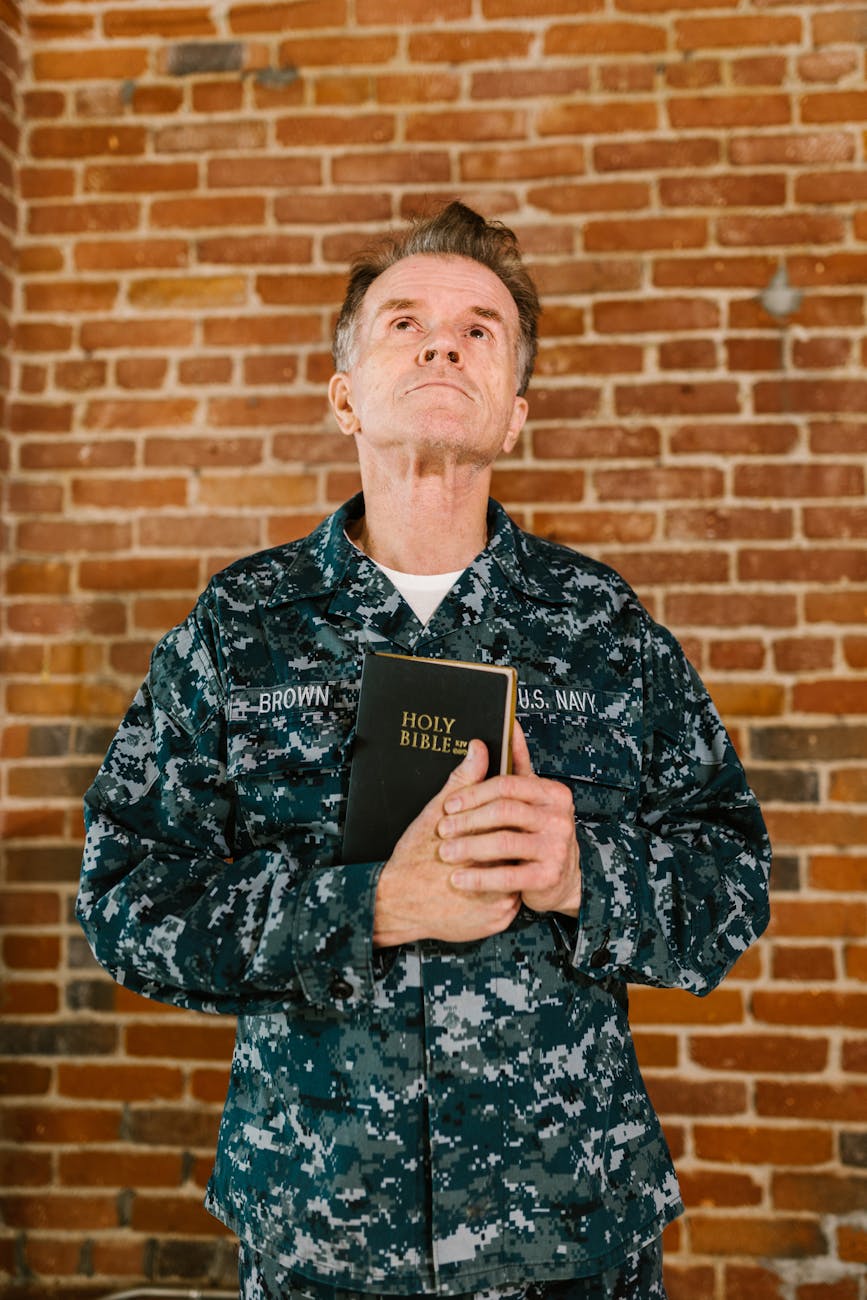
Our culture says, “Don’t let anyone push you around,” but Jesus teaches that it is the merciful, the weak, and the peacemakers who are successful in God’s Kingdom.
From Matthew 5:5-9: “Blessed are the meek, for they will inherit the earth. Blessed are those who hunger and thirst for righteousness, for they will be filled. Blessed are the merciful, for they will receive mercy. Blessed are the pure in heart, for they will see God. Blessed are the peacemakers, for they will be called children of God.”
Charles Stanley (1932-2023) was an American pastor and Christian writer. He was dedicated to leading a teaching ministry.
This informative post will be published on Saturday in place of my regular one. You are invited to participate with the opening question.
Brain Teaser Question
What word in the English language has three consecutive double letters?
(answer found at the end of this post)
Featured Facts
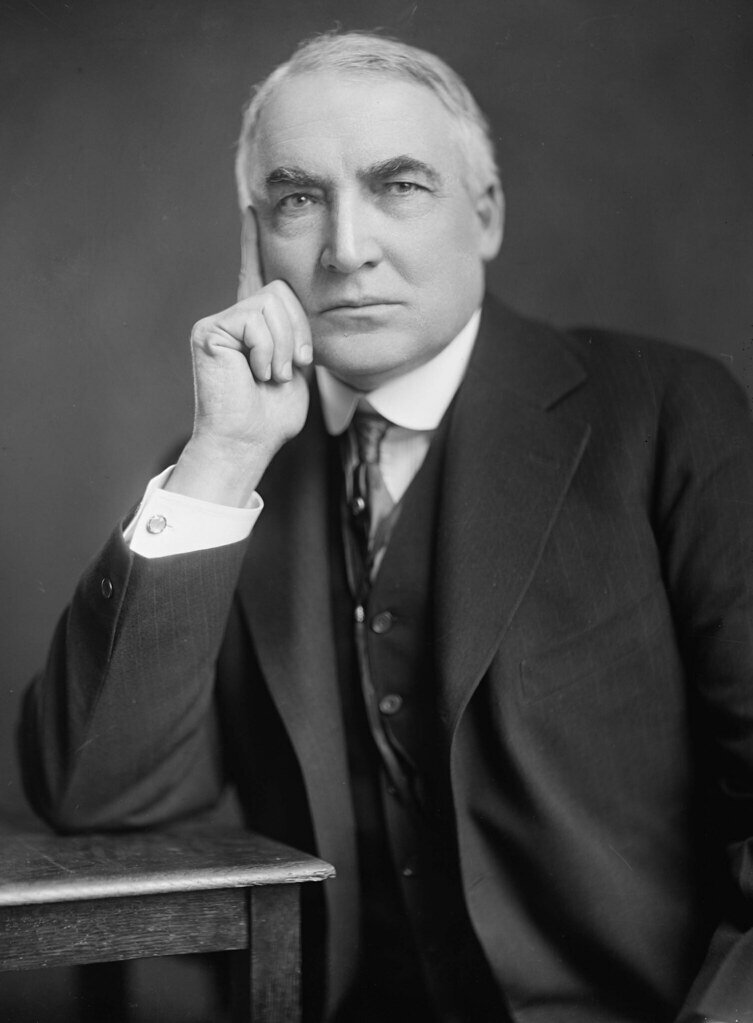
A native of Ohio, Warren G. Harding becomes the 29th President of the United States. He remains the final one of eight Presidents with roots in the Buckeye state.
Here are a few interesting facts about President Harding:
Political Party: Republican
Birth: November 2, 1865 in Blooming Grove, Ohio
Death: August 2, 1923 in San Francisco, California
Harding’s career before entering politics centers around his partnership in The Marion Star newspaper, which is purchased when he is 19 years of age. Marion, Ohio remains his adult home for the rest of his life.
His political career begins with being elected to the Ohio Senate. He later serves as Ohio’s Lieutenant Governor, but loses in his bid to become the state’s Governor. He is elected United States Senator from Ohio in 1914.
With the Presidential Election of 1920 arriving, Harding is nominated as a compromise candidate for the Republican Party. Ironically, the Democratic candidate is James M. Cox, the current Governor of Ohio. His running mate will be Franklin D. Roosevelt, who later becomes the only American President to serve more than two terms in office.
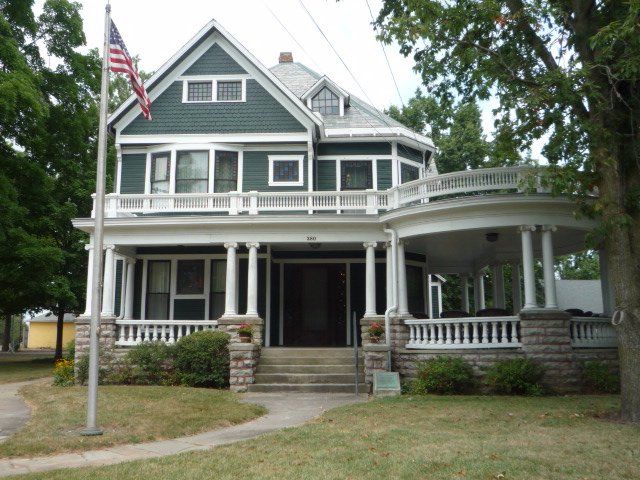
Following the passage of the 19th Amendment to the U.S. Constitution, this election is the first for American women to vote in. Harding conducts a campaign primarily from the front porch of his Marion home. Thousands of people travel to hear him speak, and the relentless traffic wears out the home’s front lawn (later replaced with gravel).
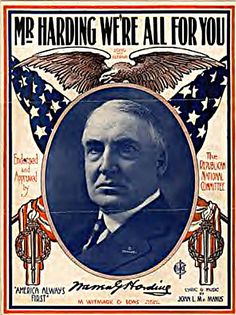
Harding’s campaign plans revolve around promising a “return to normalcy” following the victory and aftermath of the Great War (later renamed World War I). He favors pro-business reforms along with limited immigration. The election produces a landslide victory for Harding and the Republican Party, with a slightly better than 60 percent of the popular vote.
Harding becomes the first President to speak on radio. He later visits the territory of Alaska, which marks the first ever trip by any American President. One of the landmark nominations of his Presidency is for Chief Justice of the United States Supreme Court. He nominates fellow Ohioan and former President William Howard Taft.
Upon returning from his trip in Alaska, Harding becomes ill. He dies in San Francisco from an apparent heart attack. Vice President Calvin Coolidge takes over the reins of the Presidency.
Following Harding’s death, much more light comes to the corruption that has been brewing within his administration. The Teapot Dome scandal has already been in the news and brings substantial embarrassment to President Harding. His Secretary of the Interior, Albert Fall, and others have been selling government-owned oil leases in Wyoming for political favors. Fall and his cronies will be found guilty and serve prison time.
All of these findings bring darkness to Harding’s abbreviated term of office, even though he escapes any hand in the wrongdoings. However, his reputation as President remains forever damaged. Some of his critics now nickname him “President Hardly.”
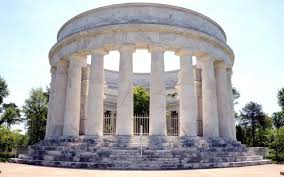
top left and moving clockwise: portrait of president harding, campaign poster from 1920, harding pictured working for his newspaper in marion, harding in his pre-presidency days, pictured with vice president calvin coolidge, harding’s memorial and tomb in marion, harding home in marion. (Courtesy of Pinterest)
Pushing life’s pause button may be a beneficial part of any healing journey.
Do you write a daily journal? This inspiring thought comes from my journal, and much of what is written in my journal comes from reading and commenting on other bloggers’ posts. Thanks to many of you for adding so much to my journal.
America’s present need is not heroics but healing; not nostrums but normalcy; not revolution but restoration. [Speech on May 14, 1920]
The success of our popular government rests wholly upon the correct interpretation of the deliberate, intelligent, dependable popular will of America. [Inaugural Address on May 4, 1921]
Warren G. Harding (1865-1923) was the 29th President of the United States.
We are drawn to our Father’s trusted wisdom, found always in the timeless depth of His Word.
Do you write a daily journal? This inspiring thought comes from my journal, and much of what is written in my journal comes from reading and commenting on other bloggers’ posts. Thanks to many of you for adding so much to my journal.
American baseball legend, George Herman “Babe” Ruth, had a simple philosophy as a hitter: “Never let the fear of striking out get in your way.” In his major league career, he endured many, many strikeouts, but he also hit record numbers of home runs.
Life’s small failures prepare the way for lasting success.
Do you write a daily journal? This inspiring thought comes from my journal, and much of what is written in my journal comes from reading and commenting on other bloggers’ posts. Thanks to many of you for adding so much to my journal.
Burdens are for shoulders strong enough to carry them.
(Both quotes come from Mitchell’s novel, Gone with the Wind)
Margaret Mitchell (1900-1949) was an American novelist and journalist. Her only published novel earned the National Book Award for Fiction in 1936 and the Pulitzer Prize for Fiction in 1937.












 Big Sky Buckeye