
Joy is the serious business of Heaven.
From Philippians 4:4-5: “Rejoice in the Lord always; again I will say, Rejoice. Let your gentleness be known to everyone. The Lord is near.”


Joy is the serious business of Heaven.
From Philippians 4:4-5: “Rejoice in the Lord always; again I will say, Rejoice. Let your gentleness be known to everyone. The Lord is near.”
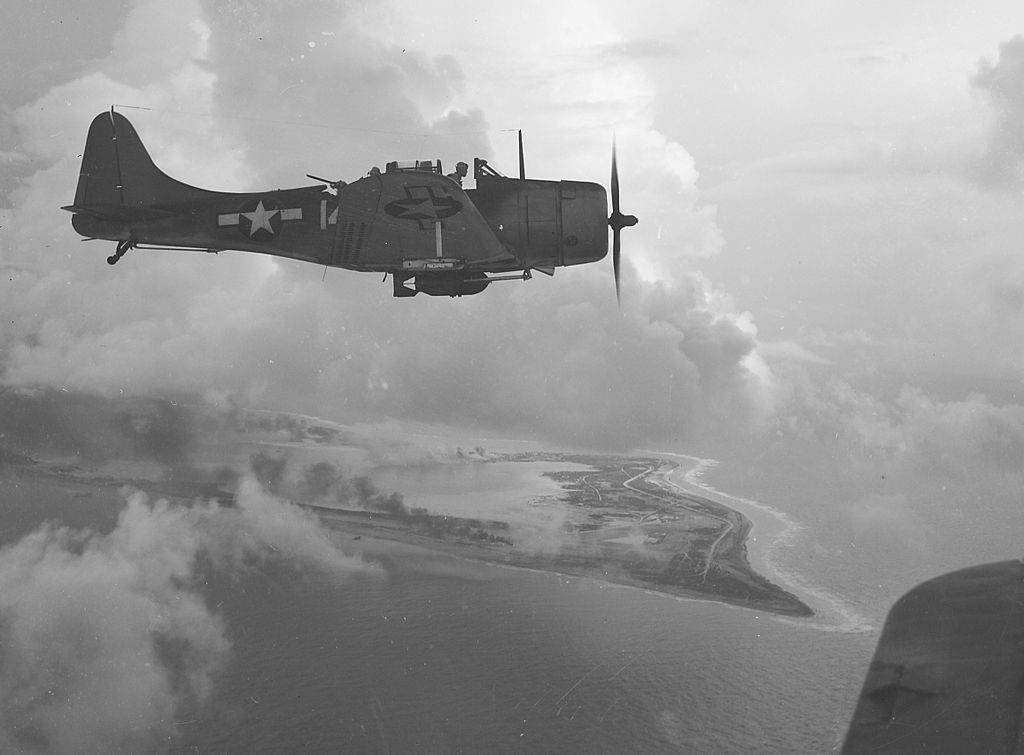
During World War II, countless men and women served unselfishly to preserve freedom and a democratic way of life. From a small Montana homestead came one of these true heroes.
Born in 1914 under the clouds of the Great War (now called World War I), Stanley “Swede” Vejtasa was born in eastern Montana where his family was operating a small farm. While the homestead site and local post office (Paris, Montana) disappeared long gone, certain memories will always remain.
Following graduation from Circle High School (McCone County in Montana), Vejtasa attended classes at both Montana State College (later renamed Montana State University) and the University of Montana.
In 1937, he enlisted in the U.S. Navy with the intention of becoming an aviator. In 1939, he earned his wings at the Naval Air Station in Pensacola, Florida. His first carrier assignment was with the USS Yorktown. In 1942, he was assigned to the USS Enterprise.

Vejtasa’s heroic duty as a carrier pilot earned him three Navy Crosses. He was the only American naval aviator to be awarded medals for both dive bombing and aerial combat.
On May 7, 1942, Ensign Vejtasa earned his second Navy Cross at the Battle of the Coral Sea. Flying a SBD Dauntless dive bomber from the USS Yorktown, he successfully attacked and aided in the sinking of a Japanese aircraft carrier.
On October 6, 1942, Lieutenant Vejtasa earned his final Navy Cross while flying from the USS Enterprise as a fighter pilot. In the Battle of Santa Cruz, he and other pilots provided air cover for the carriers Hornet and Enterprise. Facing intense dogfights with Japanese fighter planes, he remained cool under fire. With courage and precision, the lieutenant shot down seven enemy aircraft.
Captain Vejtasa remained a career officer in the U.S. Navy, and he continued to serve his country until his retirement in 1970.
The following video captured memories of combat as shared by Stanley “Swede” Vejtasa. He described his experiences from the Battle of the Coral Sea.

This informative post will be posted on Saturday along with my usual writing. You are invited to participate with the opening question.
Complete the analogy: MUSIC is to VIOLIN as . . .
(a) NOTES is to COMPOSER (b) SOUND is to MUSICAL INSTRUMENT (c) DRAWING is to CRAYON (d) FURNITURE is to CARPENTRY TOOLS (e) SYMPHONY is to PIANO
(answer found at the end of this post)
The state of South Dakota was granted statehood on November 2, 1889. Many people are familiar with its most famous landmark, Mount Rushmore. Who are the four presidents depicted there, and what order are they arranged? Answers to follow.
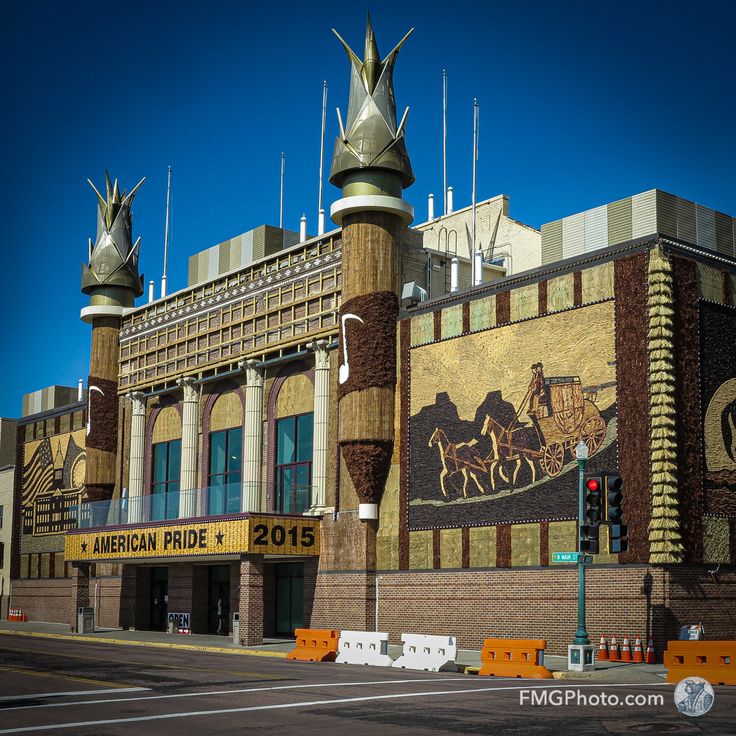
Fewer people have probably heard of the Corn Palace in Mitchell. If one travels on Interstate 90 between Rapid City and Sioux Falls, the journey will go through Mitchell. The exterior of the building is decorated with native corn, grain, and grasses arranged into large murals.
The four Presidents found on Mount Rushmore in the following order are George Washington, Thomas Jefferson, Theodore Roosevelt, and Abraham Lincoln.
“D”
Put MUSIC and VIOLIN in a sentence relating the two words. Music is played on a violin by someone who knows how to play it; just as furniture is created by carpentry tools by a person who knows how to use them. NOTE: Anyone can draw with a crayon, and a symphony is not played with a piano, but with an orchestra.

In our finest hours, though, the soul of the country manifests itself in an indication to open our arms rather than to clench our fists.
Politicians often talk too much and listen too little, which can be self-defeating.
Jon Meacham (born 1969) is an American writer, historian, and American President biographer. He is currently the Canon Historian of the Washington National Cathedral. He has been awarded a Pulitzer Prize for Biography from his published work about American President Andrew Jackson.
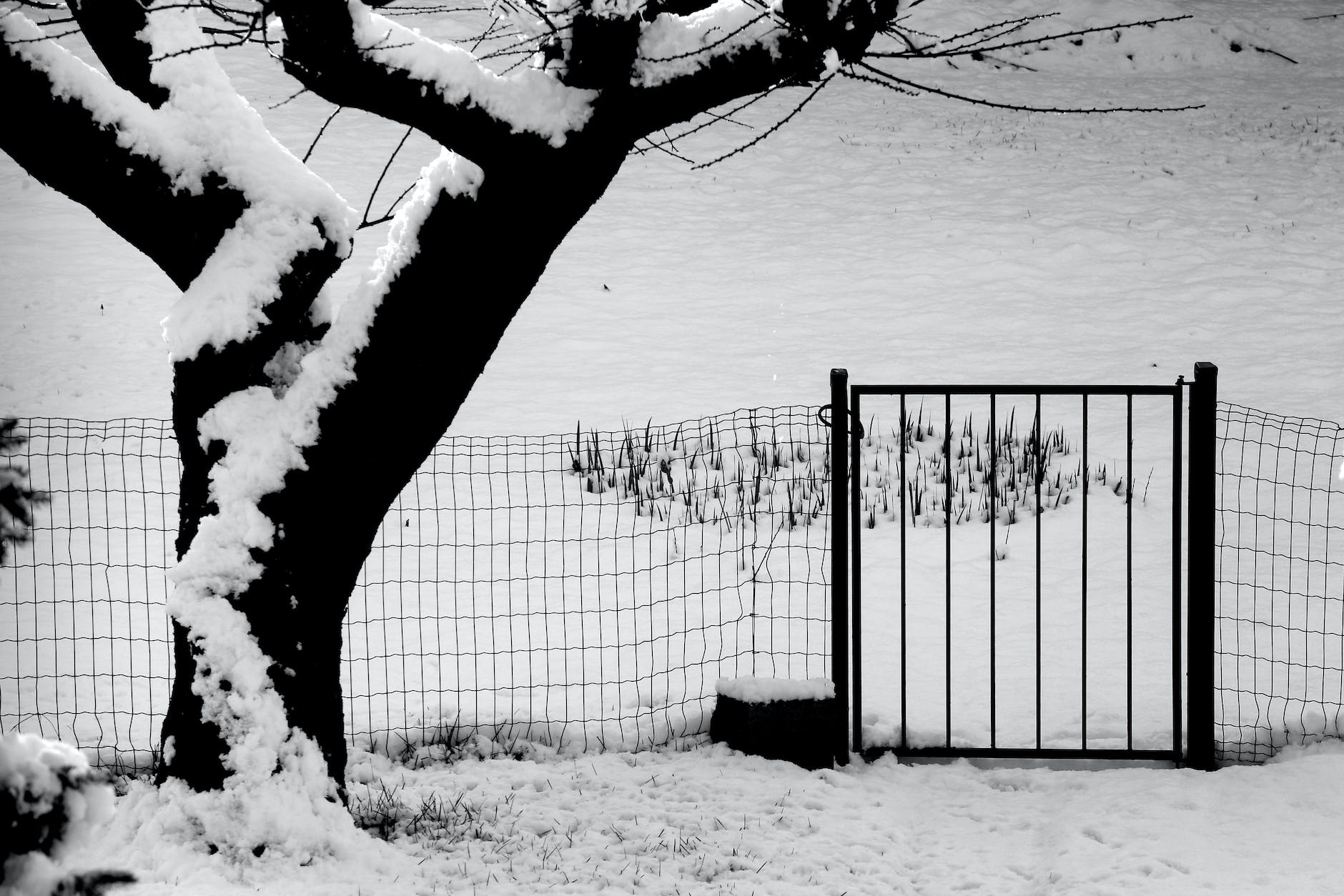
Entering
Narrow gate
Road appears hard
But, leads to new
Life
Walking
With Jesus
Truth’s unshakable hand
Faith defines our future
Life

Receiving
Lord’s grace
Steadfast in faith
Blessed gift of eternal
Life


The preaching that this world needs most is sermons in shoes that are walking with Jesus Christ.
From Romans 6:4: “Therefore we were buried with Him by baptism into death, so that, just as Christ was raised from the dead by the glory of the Father, so we also might walk in newness of life.”
D. L. Moody (1837-1899), also known as Dwight Lyman Moody, was an American evangelist and Christian teacher. He is frequently credited with inspiring modern mass revivalism.

Early morning rain drops in
Landscape thirsts for blessed drink
Graceful flowers dance and spin
Timeless pause while nature thinks
Tender leaf enjoys her bath
Gentle droplets trickle down
Soft grass carpets nature’s path
Destiny wearing her crown
Silence breaks from quiet mist
Terrain transforms with delight
Nature feels like being kissed
Peace fills every pore with light
Sky gracefully opens up
Rays of sunshine descending
Creator fills every cup
Nature never pretending

Simplicity is the ultimate sophistication.
Experience is a truer guide than the words of others.

From Psalm 18:2-3: “The Lord is my rock, my fortress, and my deliverer, my God, my rock in whom I take refuge, my shield, and the horn of my salvation, my stronghold. I call upon the Lord, who is worthy to be praised, so I shall be saved from my enemies.”
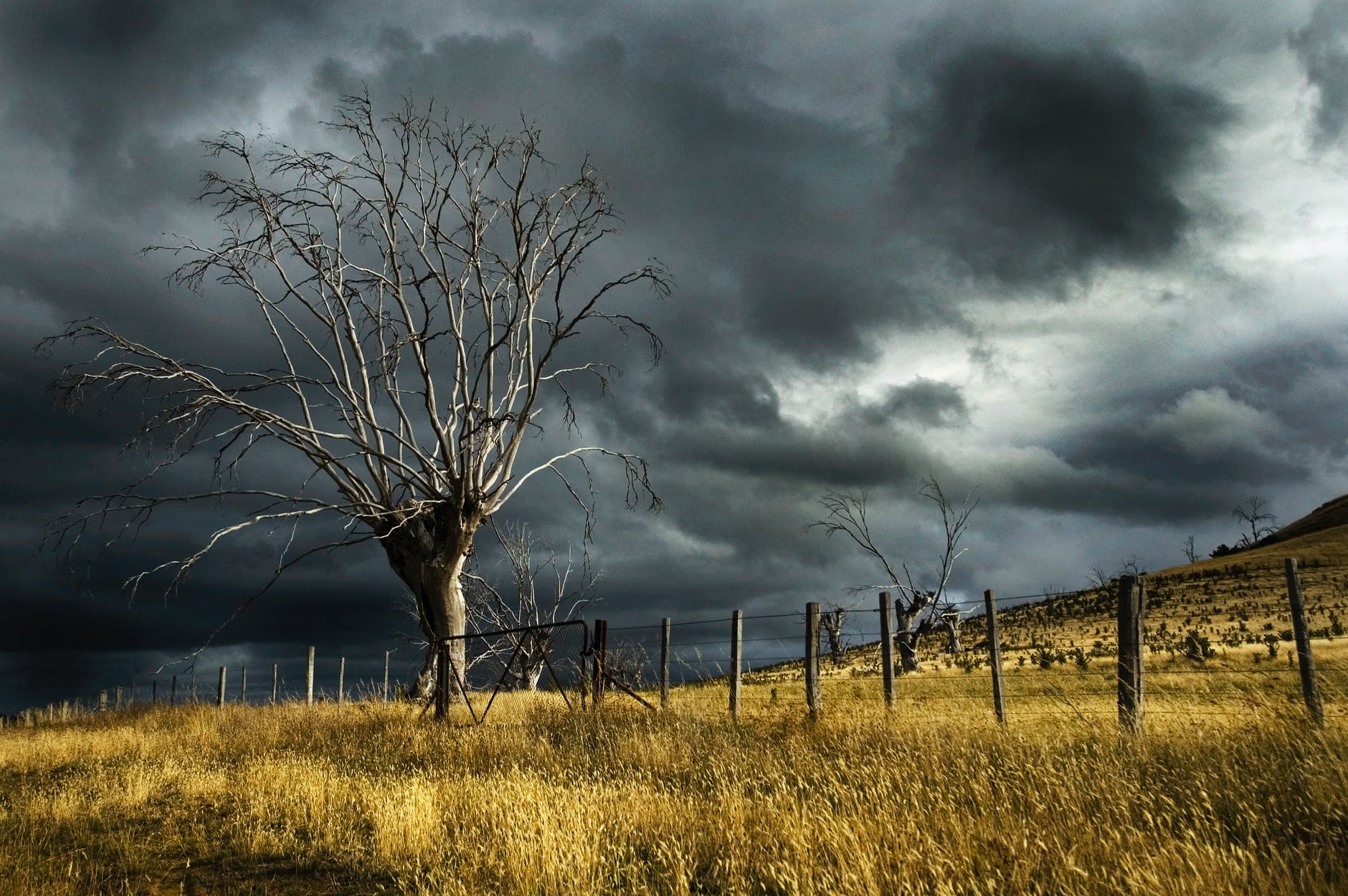
Darkest storms rocking our world
Feeling faith washing away
Turning to Jesus, we hope
His solid rock, never sways
Raging floods rocking life’s peace
Hearing His bold, righteous voice
Turning to Jesus, we kneel
His solid rock, let’s rejoice
Perils rocking daily lives
Seeking comfort in His grace
Turning to Jesus, we pray
His solid rock, let’s embrace
No longer rocking in fear
Stepping over sinking sand
Turning to Jesus, we praise
His solid rock, holds our hand

Edward Mote (1797-1874) was an English pastor and prolific hymn writer. One of his most beloved hymns, “My Hope is Built on Nothing Less,” was composed in 1834.

Only participation in the full life of a local church builds spiritual muscle.
From 1 Corinthians 3:9: “ For we are God’s coworkers, working together; you are God’s field, God’s building.”

