Buckeye Snapshots (Issue #15)

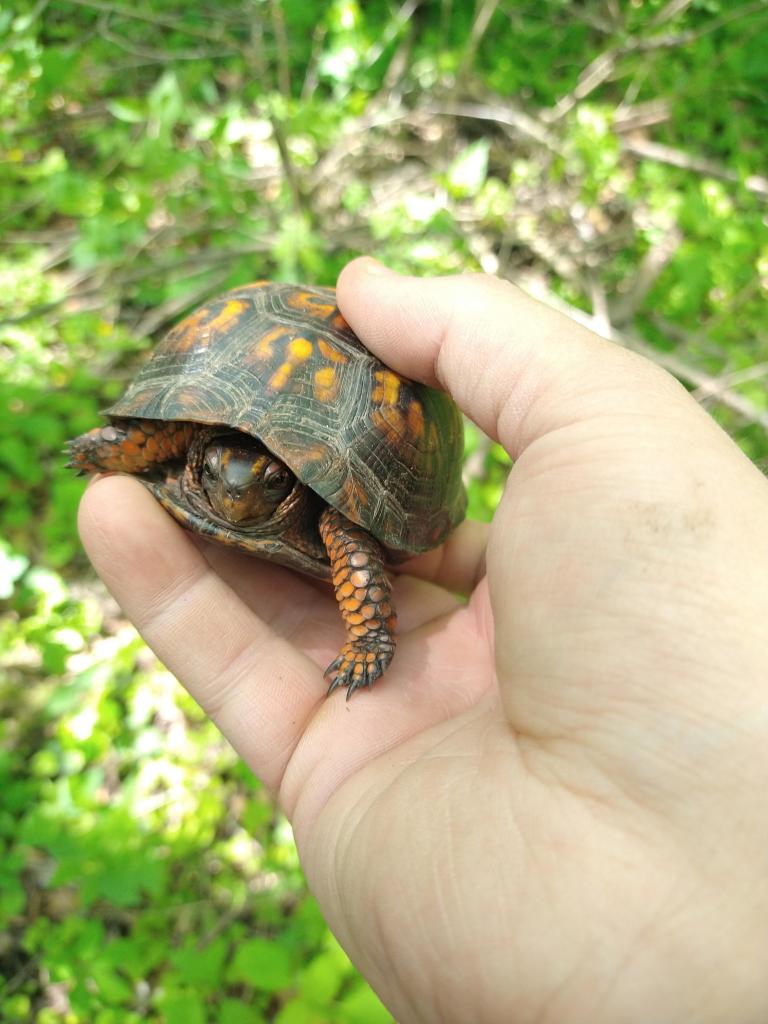
An eastern box turtle resting on a human hand.

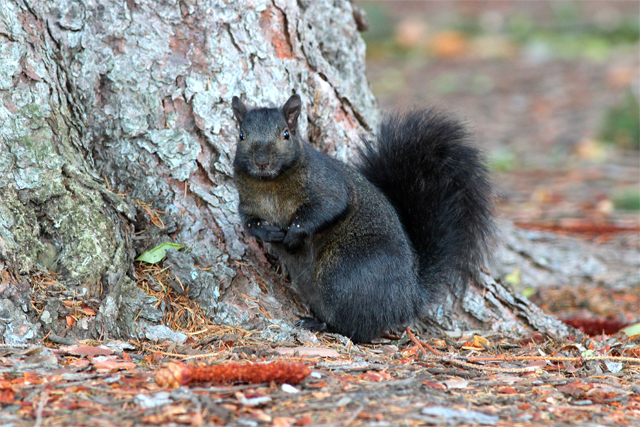
The Buckeye state of Ohio offers a landscape filled with quite a diversity of wildlife.  Two of its more unique creatures include the black squirrel and eastern box turtle.

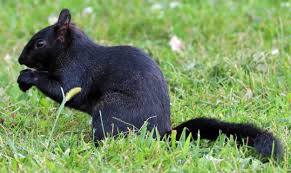
The black squirrel is of the same species as the eastern gray squirrel.  Its distinct black outer coat has evolved because of a mutation in a genetic trait called melanism.  This increase in dark pigment results from an increase of eumelanin production.

Some distinctive characteristics of a black squirrel include:

  • Weight:  between 14-21 ounces
  • Length:  18-22 inches (including the tail)
  • Habitat:  concentrated in urban and suburban environments

A black squirrel finds readily available food sources in habitats with mature trees such as oak, hickory, maple, and walnut.  Each thrives in a human-dominated landscape, where its dark outer color blends with shaded areas.  Trees with a dense canopy provide shelter from predators and weather extremes.

For nesting and shelter, a black squirrel may utilize manmade structures, such as attics, chimneys, and sheds.
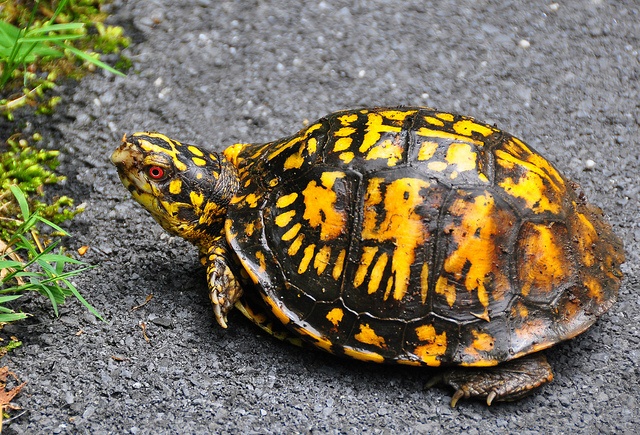
The eastern box turtle lives a less active and more isolated existence than the black squirrel.  This turtle acquires its name from its centrally hinged lower shell which allows it to draw more tightly against the upper shell.  A more effective protection is provided for the turtle.

Some unique characteristics of an eastern box turtle include:

  • Lifespan:  50 to 100 years
  • Size:  between 5-7 inches
  • Diet:  omnivorous (meat, insects, fruits, vegetables)

An eastern box turtle stands out with the high-domed carapace of its upper shell.  The base color is usually dark brown or black with a wide variety of markings.  The shell is accented with streaks and blotches of yellow.  Some shells may display colors of orange or red.

Being terrestrial, this turtle is quite comfortable living on land in open woodlands.  During the summer heat, it will lie hidden beneath rotting logs and decaying leaves.  Only in the coolness of early morning and evening will the eastern box turtle venture out.

During its reproduction cycle, incubation of 3-8 eggs lasts about three months.  This usually occurs between May and July.


All images courtesy of Pinterest.

Monday Memories: Under the Big Sky

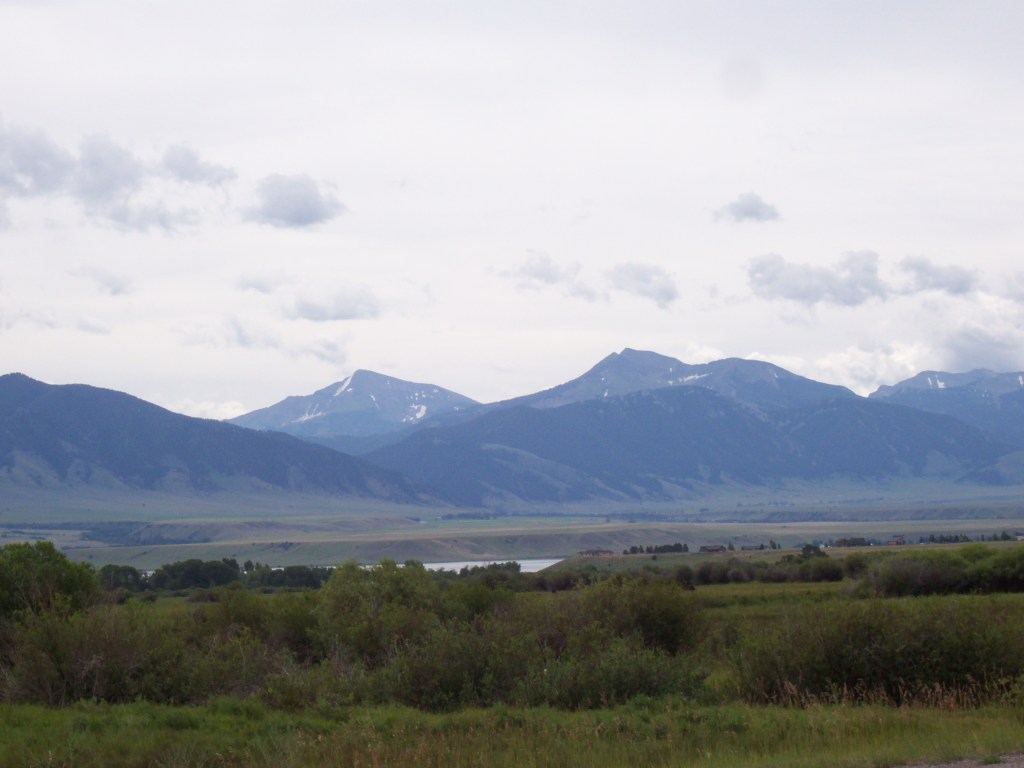
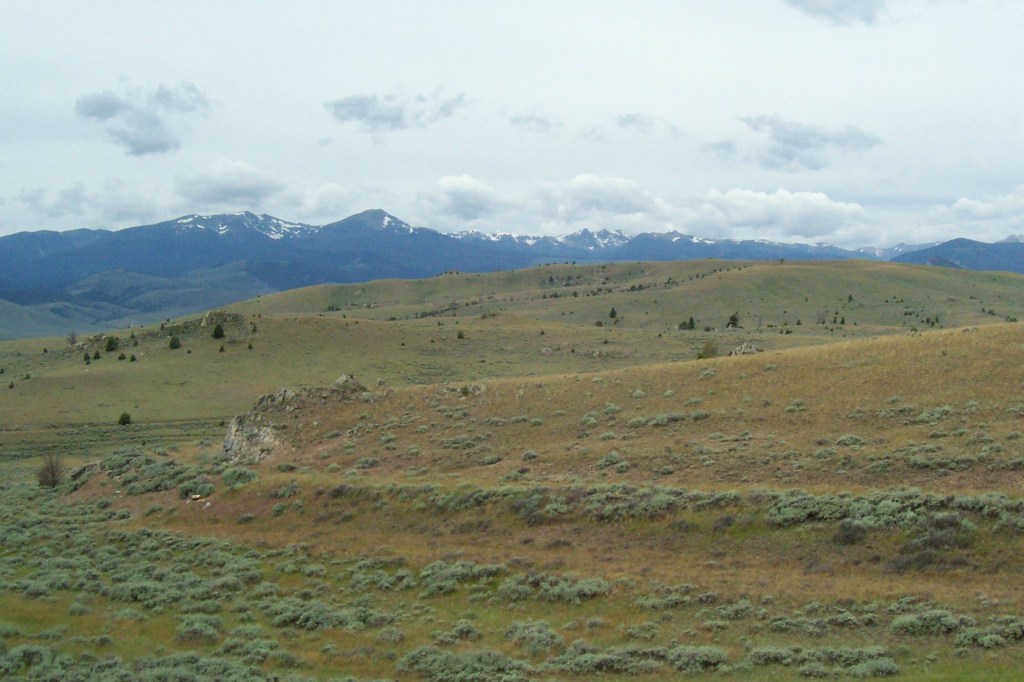
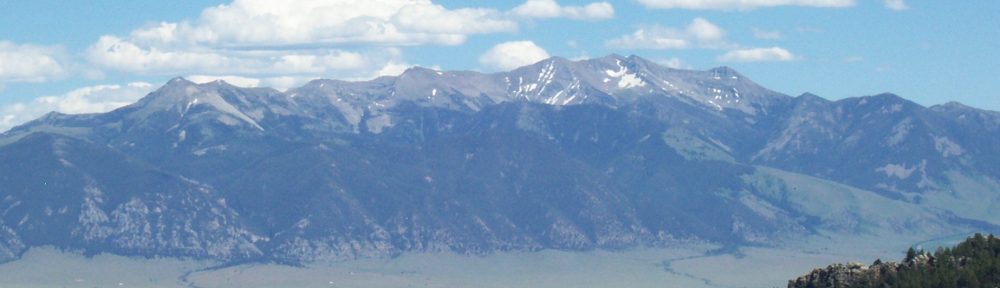
Looking westward toward southwestern Montana’s Tobacco Root Mountains, with the Madison River flowing through the valley below.

God’s creation under the Big Sky

Treasured landscape covers this vast land

Immense prairies flow into mountains

Few places on earth looking this grand


Rugged backbone of the continent

Chiseled spine of the Rocky Mountains

Stray mountain ranges dotting the plains

Cascading streams flowing as fountains


Three distinct rivers form its headwaters

Mighty, boundless Missouri River

Eastward, collecting the Yellowstone

Precious mountain rains move downriver


White-tail and mule deer camp in thickets

Pronghorns graze in the midst of grasslands

Mountain valleys gather elk and bears

Ducks and geese pilot into wetlands


Frequently titled the Treasure State

Montana shines under its Big Sky

People flocking to witness its gems

You just might meet a Buckeye nearby


Montana’s Yellowstone River continues its eastward journey, eventually flowing into the Missouri River.

I could probably write something about my native state of Montana every day.  It will always be a very special place to me.  Watch out, you just might run into a Buckeye returning to the Big Sky.

Originally published December, 2020.

Trivia’s Facts and More (1/14)

Photo by Pixabay on Pexels.com

This informative post will be posted on Saturday along with my usual writing.  You are invited to participate with the opening question.

Brain Teaser Question

What letter would come next in this sequence?

O,  T,  T,  F,  F,  S,  S,  E,  ___

(answer found at the end of this post)

Featured Facts

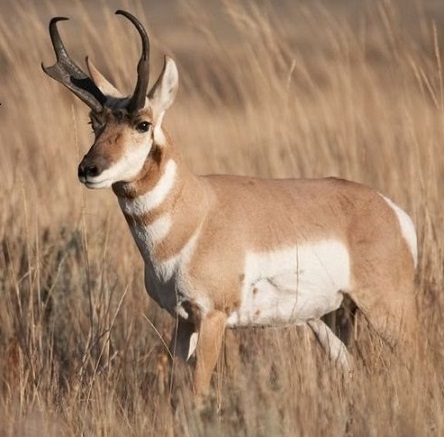
North America is blessed to be home to the second fastest animal in the world.  Second only to Africa’s cheetah, the pronghorn has the ability to reach a speed of 60 miles per hour.

Combining outstanding vision with its extraordinary speed, the pronghorn manages to avoid predators most of the time.  Both males and females have horns.  The male’s horns will grow to a length of 10-12 inches while the female’s remain as small bumps on top of her head.

Here are a few interesting facts about the pronghorn:

  • Able to survive at least a week without water
  • Habitat:  grasslands and deserts
  • Diet:  grass, low shrubs
  • Lifespan:  6-10 years
  • Able to leap up to 15 feet

As herbivores, the pronghorn digests its food twice as it eats, swallows, and then regurgitates the food from its stomach.  The animal then chews up the smaller pieces as cud, which allows for greater absorption of the food’s nutrition. 

The prairies of Montana, the Dakotas, Wyoming, and Nebraska provide the largest year-round range for the pronghorn in the United States.  They will frequently migrate up to 150 miles as they move back and forth between summer and winter feeding grounds.

Answer to Brain Teaser Question

N — for Nine

Trivia’s Facts and More (9/17)

Photo by Pixabay on Pexels.com

This informative post will be posted on Saturday along with my usual writing.  You are invited to participate with the opening question.

Brain Teaser Question

You are competing in a linear race and overtake the runner in second place.  In which position are you now?

(answer found at the end of this post)

Featured Facts

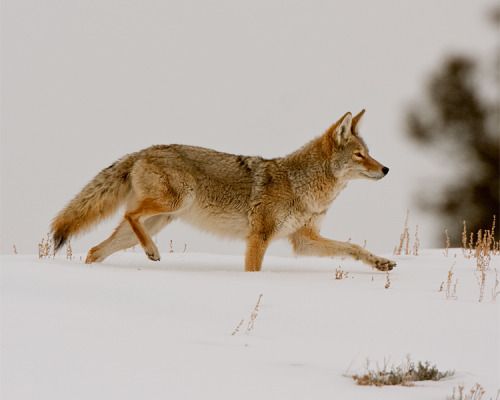
One of North America’s most-enduring animals is the coyote.  Living throughout much of the continent, these adaptive mammals no longer have any primary predators.  Their range has grown steadily over the years, and their population is likely at an all-time high.

The wily coyote will howl at the moon, much like a wolf.  It possesses a bushy tail, very similar to a fox.  Because of these characteristics, coyotes are sometimes mistaken for a wolf or a fox.

Feasting on a diet of rodents, rabbits, birds, reptiles, frogs, small animals, and even deer, the coyote is usually blessed with an abundance of available food.  Fortunately in the world of animation, Wile E. Coyote is still chasing the cunning Roadrunner.

Coyote roaming during wintertime (note the bushy, fox-like tail). (courtesy of Pinterest)

Answer to Brain Teaser Question

Second place.  You overtook the second runner and took his place, therefore you are not in second.

You Don’t Say!

Few people have heard of the famous naturalist and wildlife photographer William Xavier Knox.  His life has been one amazing adventure of finding the unexplored, the unexplained, and the unusual.  Billy’s dreams have become quite legendary.

A few winters ago, Billy survived a scrap with a polar snake up in the Great White North.  He had been hoping to finally capture a picture of the elusive Arctic snake crossing the frozen tundra.  Instead, he nearly fell to his death in a large crevice in the ice.  Fortunately for Billy, his pick axe held firmly while he pulled himself up to safety.

Emulating some of his shutterbug heroes, Billy harbors hopes of becoming a revered wildlife photographer.  With his treasured camera, he is still waiting to capture that “once in a lifetime” shot.

None of Billy’s photography has been published yet.  He relies on “word of mouth” to carry the message of his work.  After all, he figures this is the best approach because he doesn’t want people stampeding into nature’s quiet landscapes.

Unfortunately, few people have met up with Billy.  Even fewer people have ever heard of this almost forgotten wildlife photographer.  Nonetheless, he has huge plans for the future of his work.

A determined Billy is currently traveling across the eastern third of the “Cowboy State” of Wyoming.  The upper plateau and plains are home to many exotic animals. 

A freak of nature, this fearsome critter has never been captured on film.  A cross between a jack rabbit and an antelope has produced a mysterious creature called a Jackalope.  Unfortunately for Billy, someone else has successfully photographed this Jackalope a few days ago.  All Billy can say is, “Geez, another one got away!”

Billy’s next appointment takes him to the Pacific Northwest.  He plans to search the thick rainforests of the mountains for the elusive Pacific Northwest Tree Octopus.

As Billy arrives in the area, he is informed that a website already features his prized target.  When interviewed, Billy disappointedly explains, “Why am I always coming in second when trying to capture these prizes of nature?”

A young girl shows Billy the link to the website:  https://zapatopi.net/treeoctopus/

Winking at him and smiling, she smartly asks Billy, “Do you really believe in these odd species of nature?”

Billy pauses and thinks for a second or two before smiling back, “Well, if I didn’t, there goes my photography career.  Right down into my musty basement, filled with old photographs.”

Billy’s mind is beginning to stir to semi-consciousness.  A gloomy vision clouds his mind, and he begins to wrestle with it.

He is busy photographing school children across the country for those dreaded school portraits.  Someone adds, “You’ll know when he has reached your school.  Just look for his personalized license plate:  CRZYPCS.”

Waking up from his long, overnight nap, a sleepy-eyed Billy wanders out into the kitchen of his family’s Wyoming ranch house.  His grandfather is browsing a book, and he welcomes Billy to their usual morning time together. 

Grandfather asks, “How did you sleep young man?” 

“Just terrible!” replies Billy as he rubs his ten-year old eyes.  “I had a horrible dream about being a school photographer.  You know . . . the one who takes those awful photos for school yearbooks and student portrait packets to send home.”

His grandfather pauses and places the book on the table, “You don’t say!” 

Billy glances at the book, and he smiles up at the author of the book, William Xavier Knox.  His grandfather is a world-renowned wildlife photographer.

Under the Big Sky

Looking westward toward southwestern Montana’s Tobacco Root Mountains, with the Madison River flowing through the valley below.

God’s creation under the Big Sky

Treasured landscape covers this vast land

Immense prairies flow into mountains

Few places on earth looking this grand


Rugged backbone of the continent

Chiseled spine of the Rocky Mountains

Stray mountain ranges dotting the plains

Cascading streams flowing as fountains


Three distinct rivers form its headwaters

Mighty, boundless Missouri River

Eastward, collecting the Yellowstone

Precious mountain rains move downriver


White-tail and mule deer camp in thickets

Pronghorns graze in the midst of grasslands

Mountain valleys gather elk and bears

Ducks and geese pilot into wetlands


Frequently titled the Treasure State

Montana shines under its Big Sky

People flocking to witness its gems

You just might meet a Buckeye nearby


Montana’s Yellowstone River continues its eastward journey, eventually flowing into the Missouri River.

I could probably write something about my native state of Montana every day.  It will always be a very special place to me.  Watch out, you just might run into a Buckeye returning to the Big Sky.

God’s Creatures (Haiku Series #94)

Wake Up

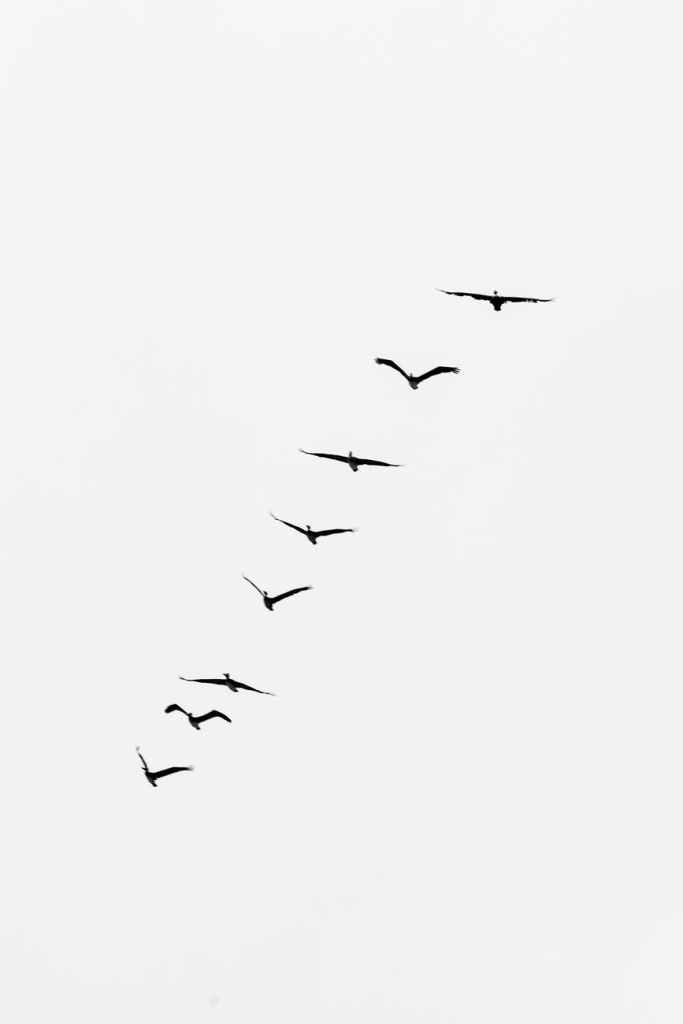
Geese flying overhead

Echoing in morning dawn—

Nature’s alarm clock

Photo by Wendy Wei on Pexels.com

Tasty

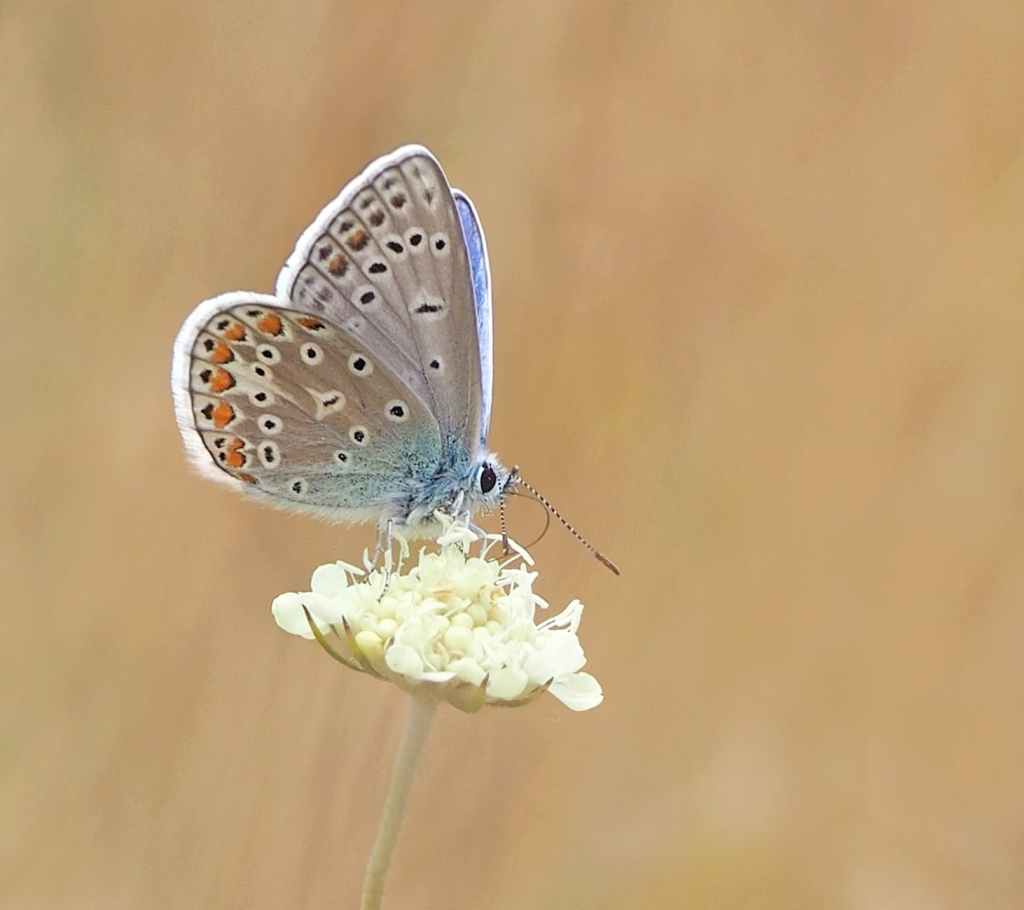
Summer afternoon

Sweetest nectar from milkweed—

Butterflies frolic

Photo by Pixabay on Pexels.com

Under Surveillance

Walking the park trail

Sensing with each cautious step—

Who’s really watching?

Photo by Brett Sayles on Pexels.com

Nature’s Witness (Elfchen Series #23)

Scared

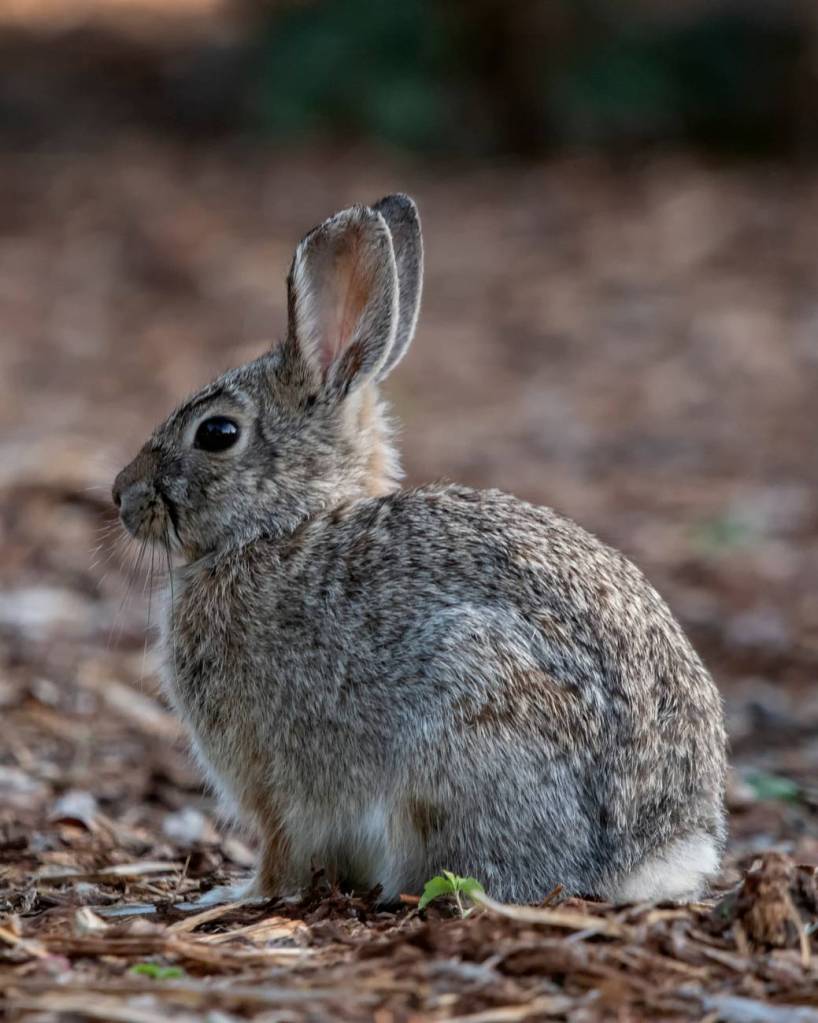
Rabbit

Sensing danger

Heart beating fast

Sitting quiet and still

Invisible

Photo by Frank Cone on Pexels.com

God’s Country

Morning

Glorious sunrise

Big Montana Sky

Prairies, mountains smile forever

Applause

From southwestern Montana, the Tobacco Root Mountains rise above the Madison River valley.

Mystery

Hiking

Park trail

With cautious steps

Who’s watching me now?

Greetings

Photo by anne sch on Pexels.com

Cautious Lookout

pexels-photo-2635229.jpeg

Photo by Miriam Fischer on Pexels.com

Moving along the trail, sweat runs down my back

Suddenly . . . both feet hastily stop in their tracks


Mother deer and fawn walk into my view

My eyes check the scene for any clues


The pair ventures cautiously across

Deserting another doe, feeling lost


My body stands rigid, still, and tall

Not intending to panic them at all


Mother steps back, standing quietly still

Starring back, I am amazed at this thrill


Her young fawn follows with a few steps

Looking to mother for guidance, you bet


Feeling the pleasure of stopping to watch

These two deer pause . . . I feel caught


Time stands still for a few seconds longer

My eyes survey with an inquisitive hunger


Alas, my camera didn’t make this walk

Now, only this writer’s verses will talk


Prudently, the vigilant doe keeps an eye on me

Protecting her fawn from any danger she sees


The two deer meander back into the woods

Probably glad to be done with me for good


This moment in time creates delicious prose

Not often do deer pause briefly, just to pose


The mother proves to be a cautious lookout

When she and her timid fawn wander about


Dear readers, have you experienced any encounters with deer or other wild animals.  You are invited to share your experiences with a comment.  I look forward to reading and replying back.