From James 1:2-4: “My brothers and sisters, whenever you face various trials, consider it all joy, because you know that the testing of your faith produces endurance. And let endurance complete its work, so that you may be complete and whole, lacking in nothing.”
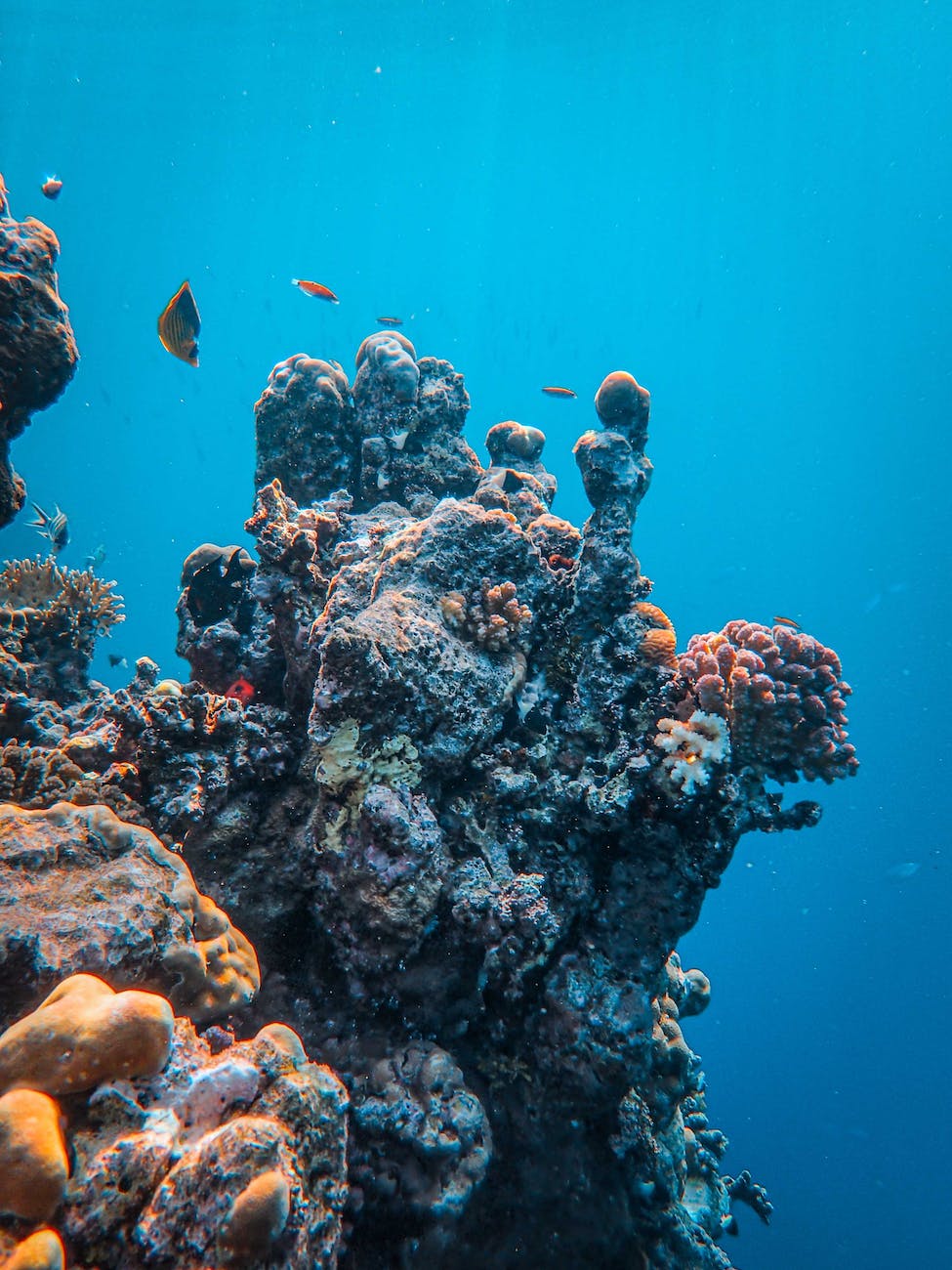
Single stone slows march of time
Needing release from ocean’s waves
Reaching beneath, faith clearly climbs
Mercy of Christ always saves
Patience fills time, every hour
Following brightest light of Christ
Ringing from Heaven’s bell tower
Grace flows from blood sacrificed
Nature’s lasting, treasured gifts
Offering wellspring of Christ’s peace
Awakening from sinful drift
Hope renews from Spirit’s lease
Empty heart fills with Christ’s love
Overflowing confidence shines
Bestowing His Word from above
Trust in following each sign
From Galatians 5:22-24: “By contrast, the fruit of the Spirit is love, joy, peace, patience, kindness, generosity, faithfulness, gentleness, and self-control. There is no law against such things. And those who belong to Christ have crucified the flesh with its passions and desires.”



















 Big Sky Buckeye