Born in the Big Sky Country of Montana and now living in the Buckeye State of Ohio, Richard is the creative mind behind Big Sky Buckeye. Retired after 40 years of teaching, I enjoy writing, photography, traveling, and following a healthy lifestyle.
It is so vital that we become still and let God be God. When we take life’s junk to Him, we shall feel His transforming spirit.
Do you write a daily journal? This inspiring thought comes from my journal, and much of what is written in my journal comes from reading and commenting on other bloggers’ posts. Thanks to many of you for adding so much to my journal.
So we are to live and move and have our being in God, to look at everything in relation to God, because the abiding consciousness of God pushes itself to the front all the time.
From Psalm 25:12: “Who are they who fear the Lord? He will teach them the way that they should choose.”
Oswald Chambers (1874-1917) was a Scottish evangelist and Christian teacher. Following his death from an illness while in Egypt during World War I, his wife took on the task of transcribing the detailed notes she had written from his lectures and sermons. Gertrude Hobbs Chambers’ efforts resulted in the publication in 1924 of MY UTMOST FOR HIS HIGHEST. I frequently read from this devotional, and it has greatly deepened my faith and understanding of God’s Word.
From Psalm 9:1-2: “I will give thanks to the Lord with my whole heart;I will tell of all Your wonderful deeds I will be glad and exult in You;I will sing praise to Your name, O Most High.”
From Psalm 9:9-10: “The Lord is a stronghold for the oppressed,a stronghold in times of trouble. And those who know Your name put their trust in You,for You, O Lord, have not forsaken those who seek You.”
The Lord’s quiet refuge will always provide His safe shelter. Nothing of darkness shall penetrate His sanctuary of light.
Do you write a daily journal? This inspiring thought comes from my journal, and much of what is written in my journal comes from reading and commenting on other bloggers’ posts. Thanks to many of you for adding so much to my journal.
We love to be with the ones we love. So does God. How else do you explain what He did? Between Him and us there was a distance, and He could’t bear it. So He did something about it.
From Philippians 2:6-8: “Who, though he existed in the form of God,did not regard equality with Godas something to be grasped, but emptied Himself,taking the form of a slave, assuming human likeness. And being found in appearance as a human, He humbled Himselfand became obedient to the point of death—even death on a cross.”
This informative post will be published on Saturday in place of my regular one. You are invited to participate with the opening question.
Brain Teaser Question
What runs around the whole yard without moving?
BONUS TEASER: What flowers are kissable?
(answer found at the end of this post)
Featured Facts
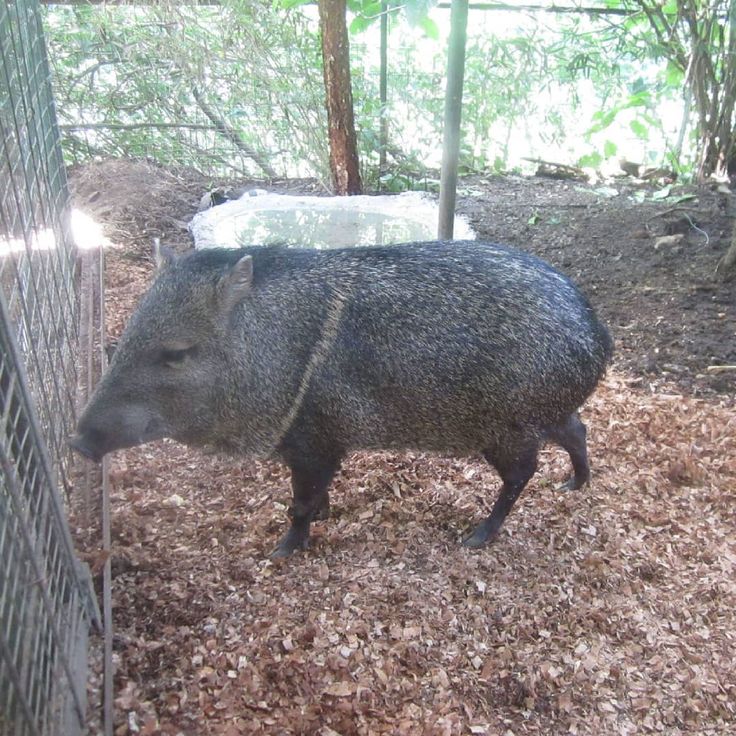
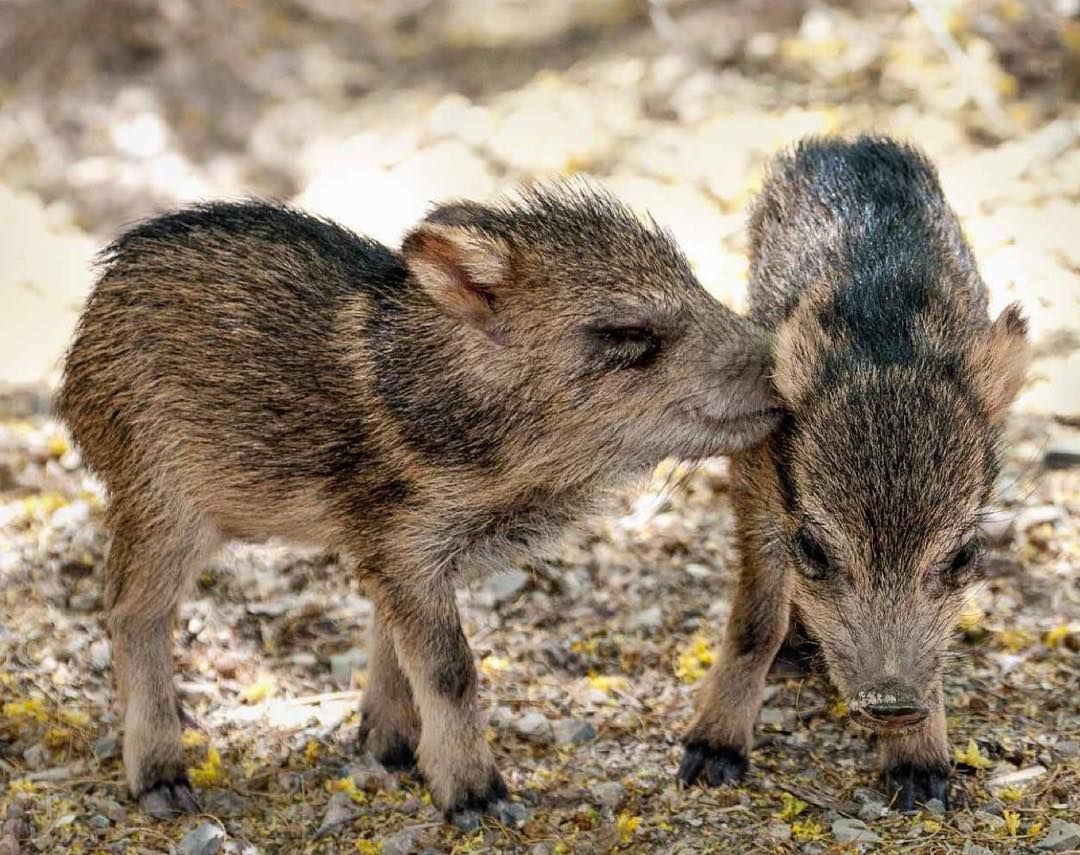
Peccaries or javelinas are one of America’s least-known animals. With a range found in the southwestern desserts and foothills, these creatures are also found in Central and South America.
Here are a few quick facts about peccaries:
Length: 3-4 feet
Weight: 35-60 pounds, but some species may approach 90 pounds
Sprinting Speed: 25 mph
Diet: (considered omnivores) roots, seeds, grasses, fruits, small animals
Lifespan: 8-10 years in the wild (up to 24 years in captivity)
Peccaries resemble domesticated pigs in certain ways with their snorting, woofing, and grunting noises. They possess a pig-like snout, small eyes, small ears along with a robust body with short legs. However, their coarse body hair is in contrast to a pig’s exterior, and they are extremely aggressive in the wild.
Peccaries spend much of their time resting and eating. They typically forage for food during evenings and early morning hours. Their poor eyesight (extremely nearsighted) is offset by good hearing.
Their sharp, straight tusks are razor-sharp, and these allow peccaries to rip into roots and aid in their defense against predators. Common predators include coyotes, mountain lions, and humans.
Peccaries are very social in their structure within each herd. Some herds may contain up to 100 members, but the usual size is closer to 6 to 12. In southern Arizona, small herds of peccaries will sometimes cross through front yards.
clockwise from top left: collared species, white-lipped species, female with piglets, immature duo, herd roaming in arizona. (Images courtesy of Pinterest)
By reducing our own environmental footprint, nature is allowed to enjoy another blessed breath.
Do you write a daily journal? This inspiring thought comes from my journal, and much of what is written in my journal comes from reading and commenting on other bloggers’ posts. Thanks to many of you for adding so much to my journal.
This series of poems (written in the German-inspired style of Elfchen or Elevenie) shares a total of eleven words in each poem, with a sequence by line of one, two, three, four, and one words.
As we continue to walk with the Lord and believe, His mercy is building our blocks of faith.
Do you write a daily journal? This inspiring thought comes from my journal, and much of what is written in my journal comes from reading and commenting on other bloggers’ posts. Thanks to many of you for adding so much to my journal.