Elizabeth is flying in coach seating on her way to Minnesota. She occupies the window seat, and a quiet gentleman has been sleeping in the aisle seat.
The flight attendant offers her refreshment and a snack. She selects a diet Coke and a bag of peanuts. The attendant graciously leaves her the entire can.
As the plane nears its destination, Elizabeth begins to clean up her tray table. There is a little bit of Coke left in the can, and she pushes her empty peanut bag inside of it.
WARNING!
KIDS DON’T TRY THIS WITHOUT ADULT SUPERVISION!
Inside of the can, a surprise chemical reaction is taking place as the salt in the peanut bag mixes with the Coke.
Without warning, Elizabeth experiences Mount Vesuvius at 30,000 feet. Her little napkin is all she has to snuff out the volcano before disaster covers her lap.
What will she do?
Glancing to her right, she spies a blanket covering the sleeping gentleman.
When a writer distills his own voice, another story discovers its own unique narration.
Do you write a daily journal? This inspiring thought comes from my journal, and much of what is written in my journal comes from reading and commenting on other bloggers’ posts. Thanks to many of you for adding so much to my journal.
A good story cannot be devised; it has to be distilled.
There is no trap so deadly as the trap you set for yourself.
Raymond Chandler (1888-1959) was an American-British novelist and screenwriter. In 1932 at the age of 44, he was laid off from his business executive position because of the Great Depression’s economic downturn. This opened a door for his next career move as he pursued writing detective fiction novels.
From 2 Samuel 1:2: “On the third day, a man came from Saul’s camp with his clothes torn and dirt on his head. When he came to David, he fell to the ground and did obeisance [extending respect].”
When facing our own moments of anguish, God uses the situation to strengthen our faith to face tomorrow’s challenges.
Do you write a daily journal? This inspiring thought comes from my journal, and much of what is written in my journal comes from reading and commenting on other bloggers’ posts. Thanks to many of you for adding so much to my journal.
This informative post will be published on Saturday in place of my regular one. You are invited to participate with the opening question.
Brain Teaser Question
A king, a queen, and two twins all rest in a large room. How are there no people in the room?
(answer found at the end of this post)
Featured Facts
Many historians consider Abraham Lincoln to be the greatest of all Presidents of the United States. The 16th President held the Union together during the American Civil War.
Here are a few quick facts about Abraham Lincoln:
Political party: Republican (years earlier with the Whigs)
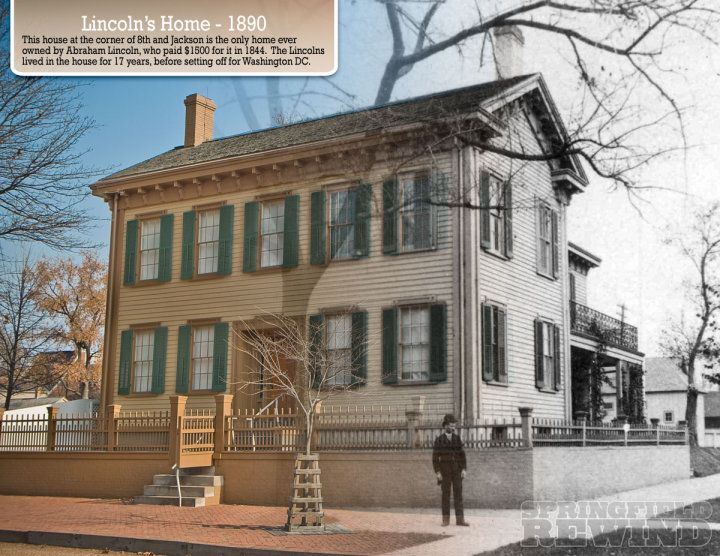
State represented: Illinois (home in Springfield)
LIfespan: 1809-1865
Birthplace: Hodgeville, Kentucky
America’s 16th President was self-educated and practiced law in his adult life. He was the first President elected to two terms in office since Andrew Jackson was re-elected in 1832.
Standing at a height of 6 feet, 4 inches, Lincoln was the tallest President. One of his nicknames was “Honest Abe.” This name was given to him after he repaid a debt that he owed.
At the height of the Civil War, Lincoln’s vision to end slavery in the United States was brought to fruition when his Emancipation Proclamation was issued on January 1, 1863. Because of this event, Lincoln was also nicknamed “The Great Emancipator.”
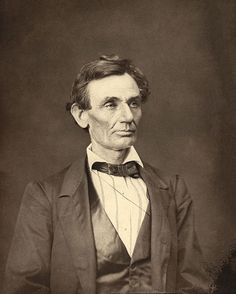
When Lincoln was elected President in 1860, he was still clean-shaven. Upon receiving a letter from 11-year old Grace Bedell from New York state, he decided to follow her suggestion to lengthen his whiskers. Lincoln became the first President to wear a full beard.
Lincoln faced numerous setbacks during his life. These only tempered his attitude and resolve for what would await him when he arrived at the White House in 1861. Many of the southern states were already seceding from the Union before his inauguration.
A summary of some of Lincoln’s most notable setbacks follows.
1832: Defeated in election to the Illinois state legislature
1833: Village store purchased fails (bringing heavy debt to Lincoln and his partner)
1835: His sweetheart, Ann Rutledge, died unexpectedly.
1836: Experienced a nervous breakdown
1843: Defeated in nomination attempt to the U.S. House of Representatives
1854: Defeated in election to the United States Senate
1858: Defeated in election to the United States Senate
It’s ironic that Lincoln defeated his 1858 Senate opponent, Stephen A. Douglas, in the Presidential Election of 1860.
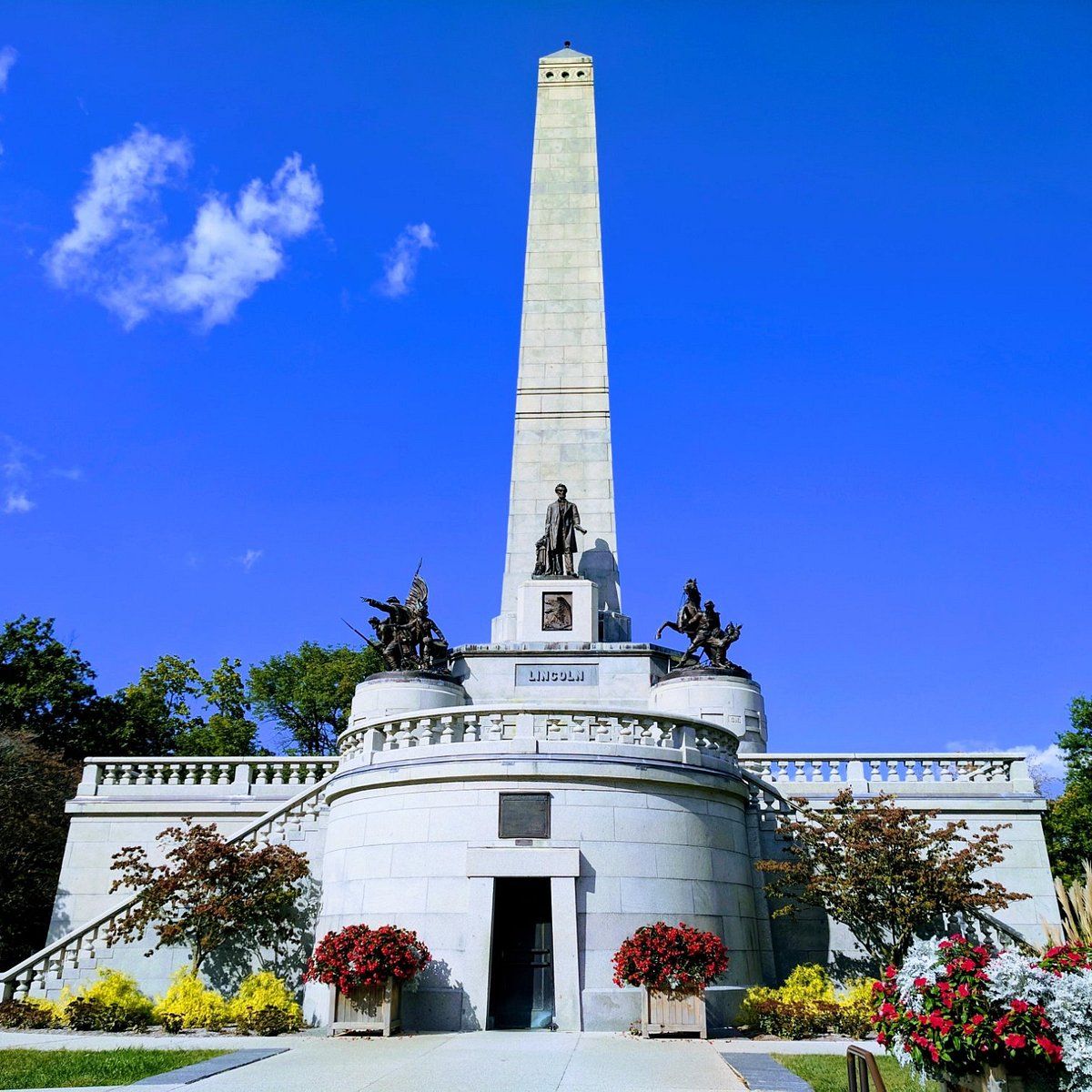
top row: with full beard, lincoln as president. clean-shaven lincoln before his election in 1860. Middle row: in the field, Lincoln meets with Union general george p. Mcclellan. lincoln’s log cabin birthplace in Kentucky and Lincoln family home in Springfield, Illinois. Bottom: Lincoln’s tomb in Springfield. (photographs courtesy of pinterest.)
Do you write a daily journal? This inspiring thought comes from my journal, and much of what is written in my journal comes from reading and commenting on other bloggers’ posts. Thanks to many of you for adding so much to my journal.
This series of poems (written in the German-inspired style of Elfchen or Elevenie) shares a total of eleven words in each poem, with a sequence by line of one, two, three, four, and one words.








 Big Sky Buckeye