Behind the Scenes–Act 7

Photo by Daria Shevtsova on Pexels.com

Welcome to “Behind the Scenes.”  Today, we have returned to visit with Richard, the creative voice behind the writing journey of Big Sky Buckeye. 

Welcome back Richard.  It is a pleasure visit with you again. 

It’s been awhile since we talked with you.  We understand that you enjoy watching films from the 1930s through the 1960s.  Western themes are one of your favorites.

One of my favorite western movies is “The Man Who Shot Liberty Valance.”  John Wayne, James Stewart, and Lee Marvin star in the film.

As I’ve researched more of the backstory behind the film, western writer Dorothy M. Johnson stands out.  Her short story of the same title as the film was the catalyst behind the movie.

Let us take some time to learn a bit more of this writer’s journey into history.

Dorothy Johnson is born in McGregor, Iowa on December 19, 1905.  Her family moves to Whitefish, Montana in 1913.  Her father is in poor health, and after a few years, Johnson is raised entirely by her widowed mother. 

As a teenager, Johnson begins writing professionally for a local newspaper in Kalispell, the Daily Inter Lake.  In 1922, she graduates from Whitefish High School.

Johnson’s sells her short story, “Bonnie George Campbell,” to the Saturday Evening Post in 1930.  She receives $400 for her writing, but her writing journey does not gather much more success for several years.

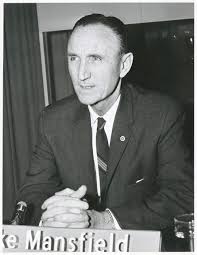
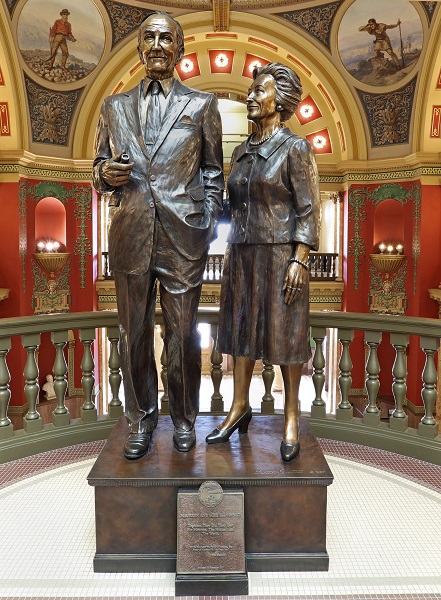
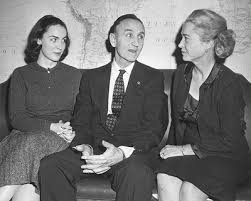
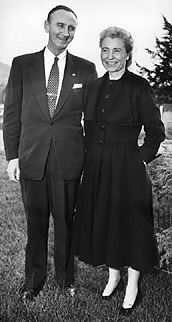
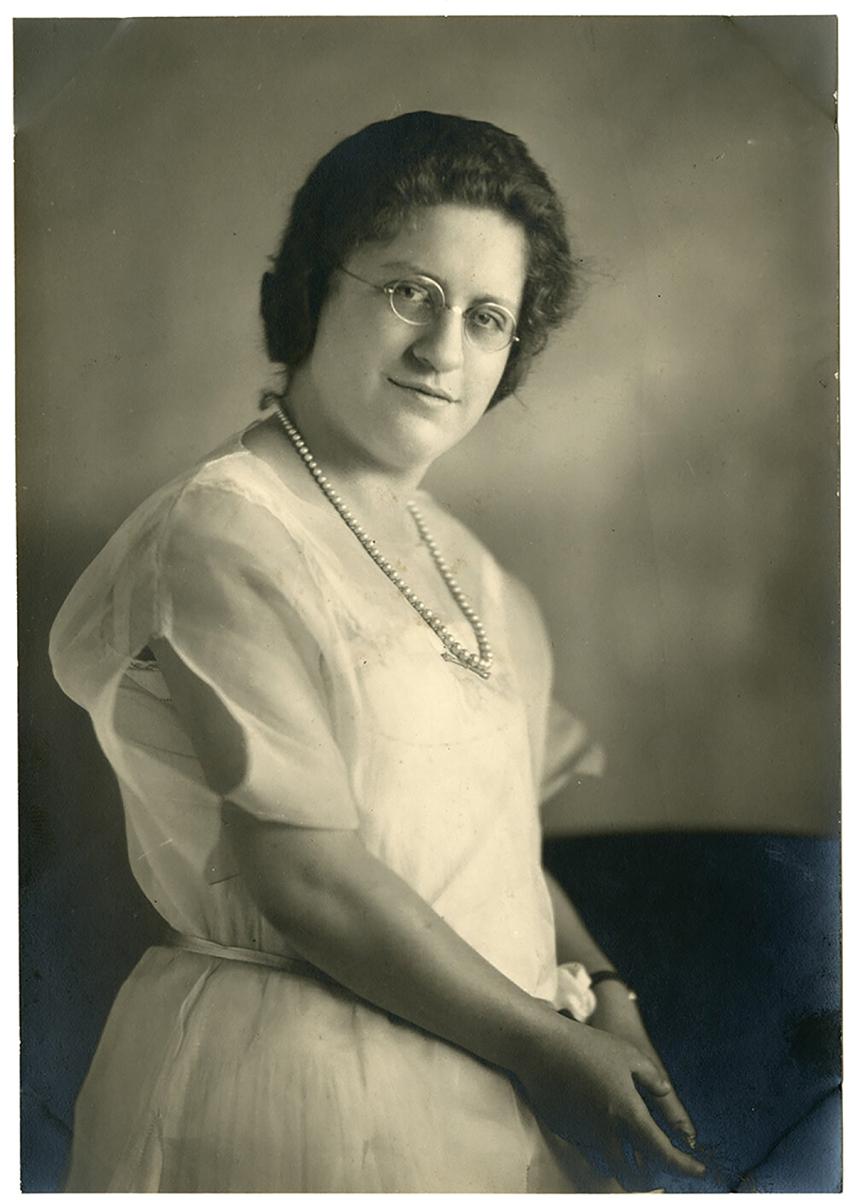
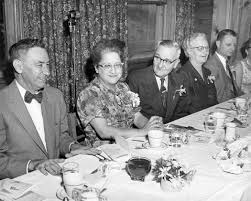
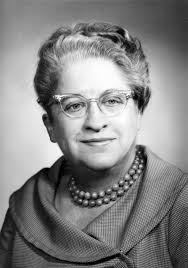
photos of dorothy johnson (courtesy of Pinterest)

During World War II, Johnson serves in the Air Warden Service.  Following the war, she begins writing short stories in earnest.  She embraces the theme of the American West, and her writing begins to transform how readers see this dynamic era.

Three of her short stories stand out.  As mentioned earlier, she publishes “The Man Who Shot Liberty Valance” in 1949.  Two additional short stories join this one as a sort of Western trilogy:  “A Man Called Horse” in 1950 and “The Hanging Tree” in 1957.

Following the success of director John Ford’s “The Man Who Shot Liberty Valance,” Hollywood produces landmark films from Johnson’s pair of standout short stories.

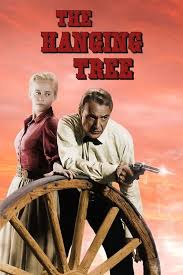
Released in 1959, the film “The Hanging Tree” stars Montana’s native son, Gary Cooper.  He is born in Helena, Montana and lives there for much of his childhood.

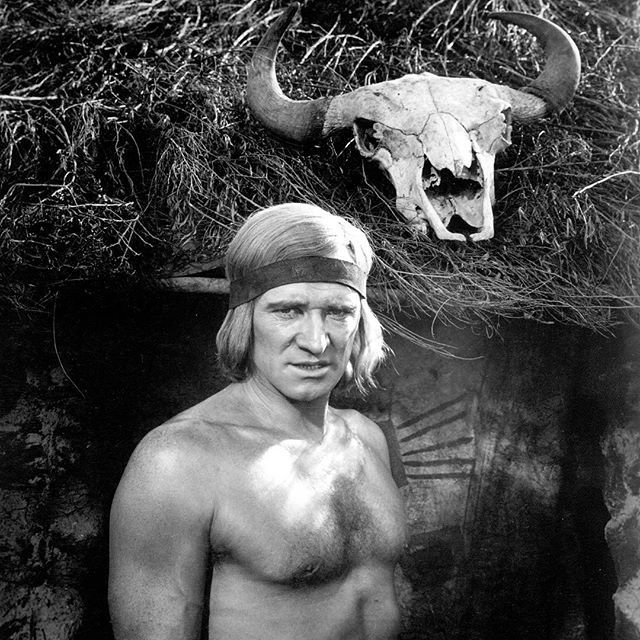
The final film, “A Man Called Horse” stars British actor Richard Harris.  A couple of sequels are produced with Harris as star, but without the input of Johnson. 

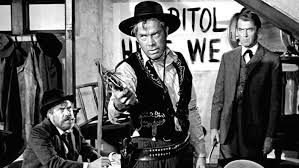
Top left and clockwise:  edmund o’brien, lee marvin, and james stewart in scene from “the man who shot liberty valance”, stars gary cooper and maria schell in publicity post for the “hanging tree”, richard harris in “A man called horse.”  (all images courtesy of pinterest)

Johnson takes a great deal of pride in her work ethic as she thoroughly researches anything she plans to write.  Her desire to capture the genuine elements of the West comes out in her many published works.

While most of Johnson’s novels and short stories deal with authentic western themes, she also publishes several nonfiction books.  She remains in Montana for most of her later adult life.  On November 11, 1984 she dies in Missoula, Montana.

We have appreciated spending time with Richard from Big Sky Buckeye.  Look for more “Behind the Scenes” in future postings.

Monday Memories: Haunting Storm

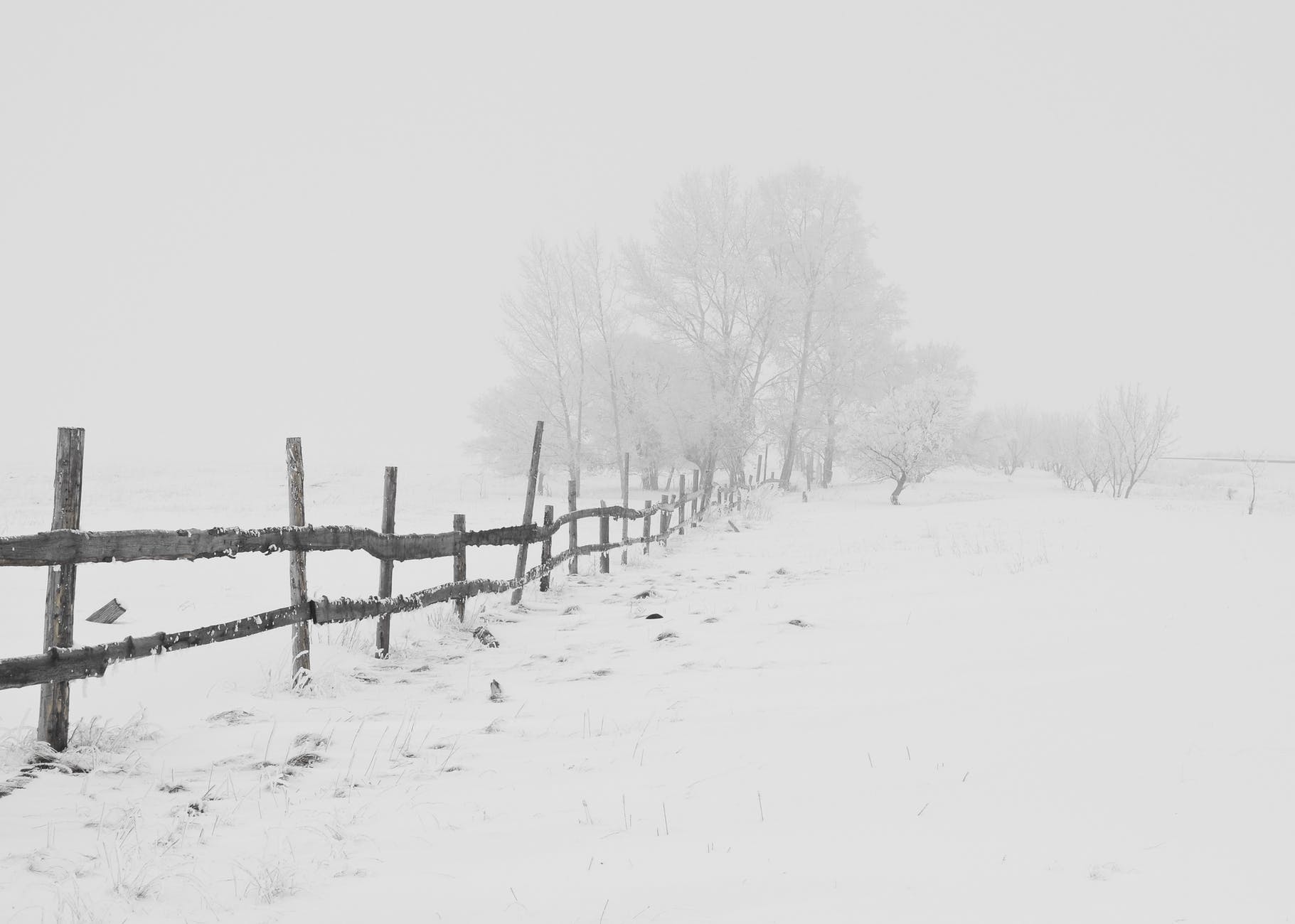
Photo by Pixabay on Pexels.com

Pleasant, mid-winter day

Warm winds decide to stay


Touch of spring thaws the air

Ideal life, not a care


Hidden, in frigid North

Cold destined to call forth


Prairie living unaware

Grass uncovered, and bare


Few cowboys work the range

Life will soon see big change


Barren land, overgrazed

Cattle wander, unfazed


Calmness warns of trouble

Winter’s wrath comes double


Arctic-fed winds stir up

Wet snow creates pileup


Haunting storm now arrives

Few cattle will survive


Blizzard smothers this land

Conditions, out of hand


Cowboys wait out fierce storm

Snow and cold, nasty swarm


Waiting, hours become days

Prairie, now winter’s maze


Cattle’s cries go unheard

Snow-blinded, vision blurred


Storm’s cruel hand, plays its cards

Life stops, prairie graveyards 


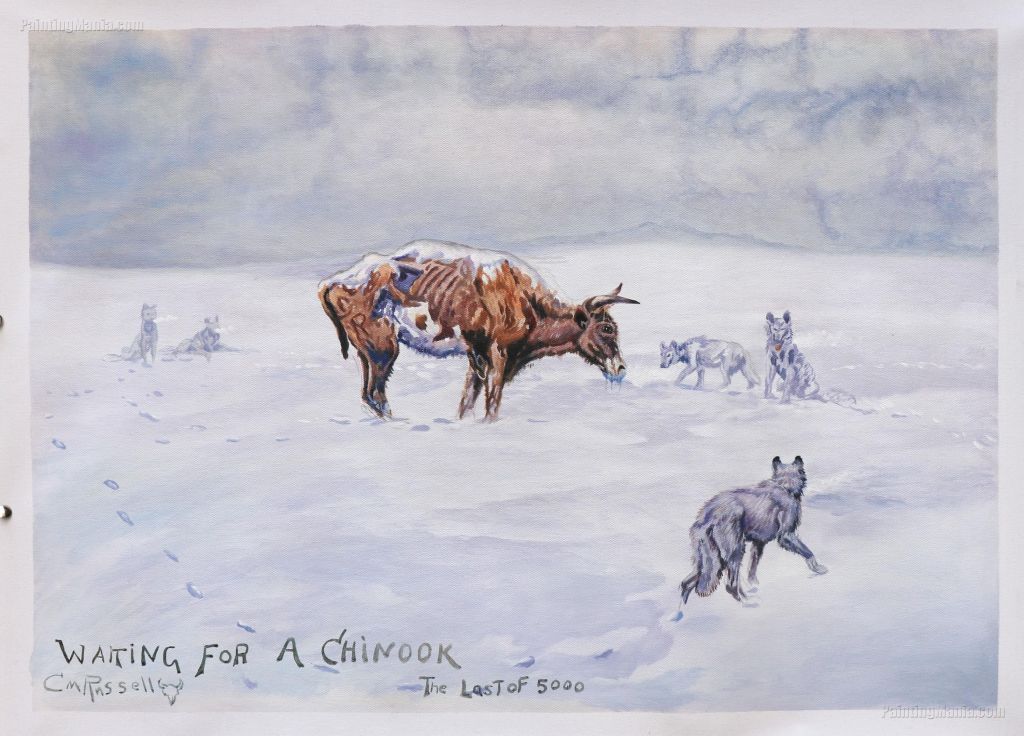
Montana artist Charles M. Russell captures the shattered blow of winter’s fury in “Waiting for a Chinook” (“Last of Five Thousand”) as depicted in this watercolor. (Courtesy of Pinterest)

This poem attempts to capture the daunting winter of 1886-1887 on the prairies in the Montana Territory when the Open Range’s cattle industry collapsed from its near annihilation.  Russell’s artwork says even more than words can describe.

Originally published January, 2021.

Big Sky Treasures #15

Courtesy of Pinterest.

Montana’s land size eclipses every American state except for Alaska, Texas, and California.  With a population of just over 1.1 million people, the Big Sky Country is filled with several urban areas.  However, the real treasures are found in the small communities that dot the landscape from east to west and north to south.

Brockway

In northeastern Montana sits McCone County.  The town of Brockway rests just off of Montana Highway 200 about 13 miles west of Circle, the county seat.

Brockway is founded by three brothers and is named after them.  In 1928, the Northern Pacific Railroad connects the town with Circle and the rest of the region.  With the arrival of rail transportation, the Brockway area eventually becomes one of the largest grain shipping terminals in the state.  Some years, the harvested bushels exceed a million.

For several years, the Pogue family operates the boardinghouse in Brockway.  Now the narrative takes a turn into my personal family tree.

My uncle, Omar Pogue, is born in Brockway.  When he leaves town to attend business school in Billings, he boards with the family of Herman and Annie Peterson.  Eva, their younger daughter (my Dad’s sister), eventually marries Omar during World War II.  He serves in the Army while she assists the Navy as a member of the WAVES (Women Accepted for Volunteer Emergency Service).

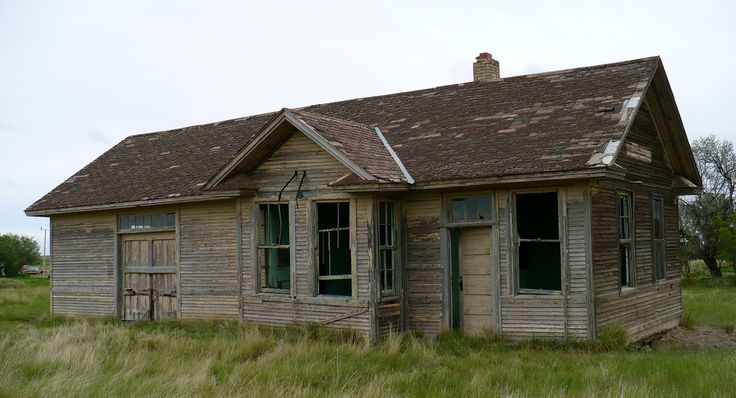
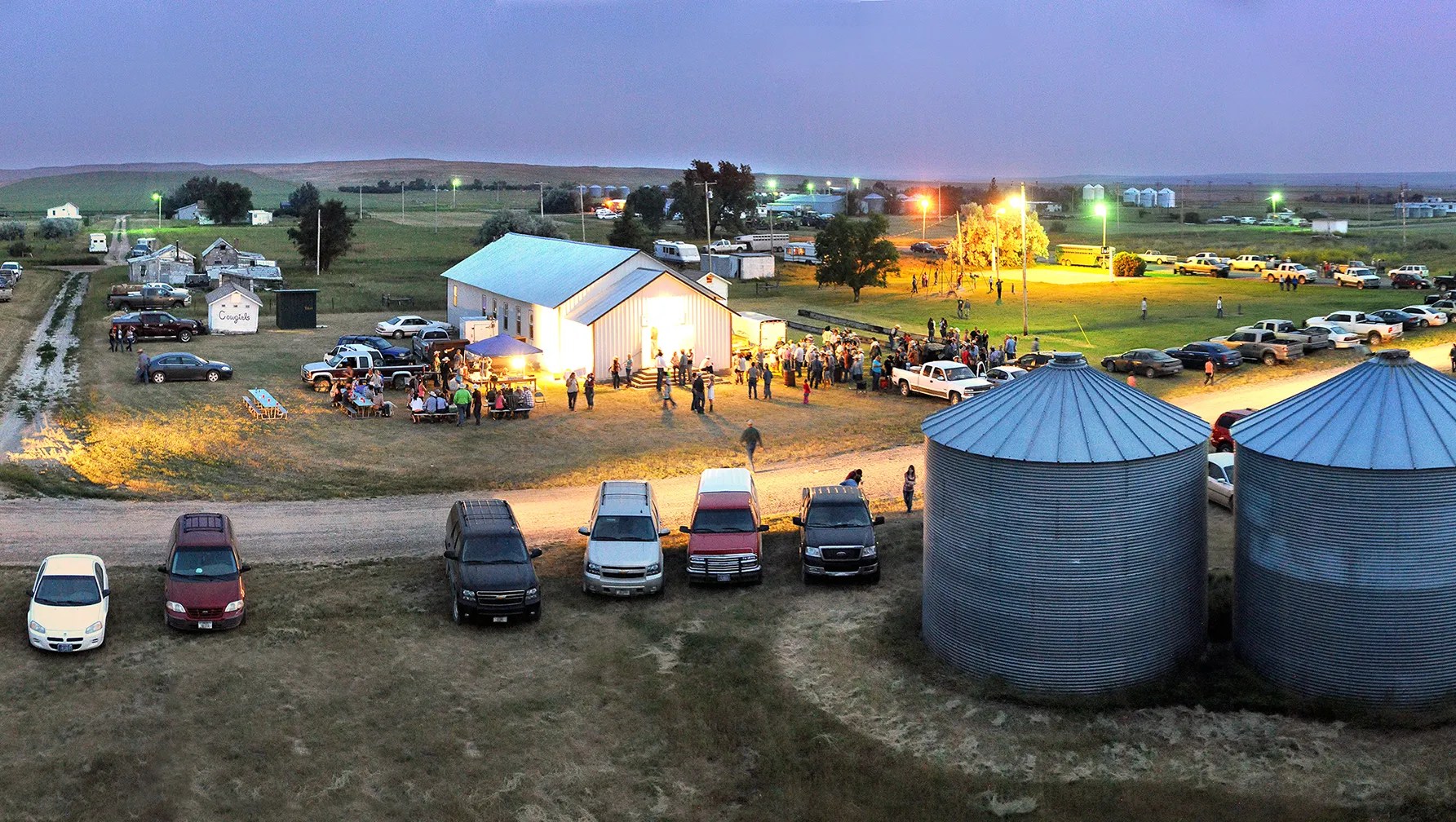
Left:  remnants of brockway’s northern pacific railroad depot.  Right:  action from the brockway dairy day rodeo (started up in 1918).  Both photos courtesy of Pinterest.

Oilmont

Montana’s northern Hi-Line region is punctuated with countless small towns.  Oilmont, one of the smallest, is found north of Shelby, which today is connected with Great Falls to the south and the Canadian border to the north by Interstate Highway 15.

While little is left of the community in the 21st century, photos and memories still share Oilmont’s history and character.

During the 1920s, a wildcat oil well hits a gusher, and both petroleum and natural gas are discovered.  Soon small boomtowns, such as Oilmont and Kevin, spring up nearly overnight.  Near Kevin, a small refinery is built to process the petroleum.

By the 1980s, the Kevin-Sunburst Field has produced over $200 million of crude, along with an ample supply of natural gas.  As the boom silently declines, the town of Oilmont pretty much dries up.  The prairie quietly returns to its traditional economy of farming and ranching, which have never really left.

Now the narrative again takes on a more personal family story.

After graduating from Rocky Mountain College in Billings, Jim Peterson, my Dad, takes a teaching and coaching position at the school in Oilmont.  Moving in the late summer of 1958, the family of three boys transitions into a new home far different from the much larger city of Billings.

The high school enrollment contains about 30 students, and Jim teaches social studies and science.  In addition to his classroom duties, he coaches football (6-man), basketball, and track. 

Jim is employed with the school system for two years.  By the fall of 1960, he and his family (now including four boys) move across the state to the northeastern region where he teaches and coaches at Poplar.

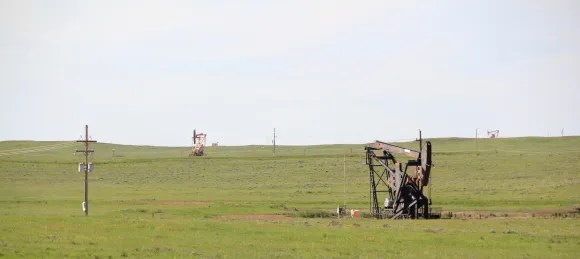
Left:  Oilmont School, boarded up and fading into history.  Right:  oil Activity from the Kevin-Sunburst Field in Toole County.  Both photos courtesy of Pinterst.

Big Sky Treasures #14

Montana’s Madison Range serves up a dynamic background. (Courtesy of Pinterest)

Montana’s landscape features contrasts between numerous scenic mountain vistas and nearly endless, fertile grasslands.  The southwestern region boasts of a “tale of two valleys.”

At the epicenter of these twin valleys lies the Madison Range, which covers an area measuring approximately 80 miles in length and 25 miles across.  The range’s name reflects upon the journey of Meriwether Lewis and William Clark’s Corps of Discovery into the region between 1804 and 1805.  This mountainous mass is named for James Madison, the young nation’s Secretary of State.

The eastern slopes of the Madison Range descend into the Gallatin Valley, which is bisected by the Gallatin River.  In honoring the country’s Secretary of the Treasury, Albert Gallatin, the river is also named by Lewis and Clark.   The western slopes of the Madison Range flow into the Madison Valley, which surrounds the Madison River (also named for James Madison). 

left:  house rock on the gallatin river (courtesy of pinterest).  right:  madison river flows toward its RENDEZVOUS with the headwaters of the MISSOURI river (from my personal collection).

Many wilderness areas offer countless outdoor adventures and experiences.  In the Gallatin Valley, some of these include Bear Trap Canyon, Spanish Peaks, and the Monument Mountains.  The Gallatin River serves as a welcome center for trout fishing as well as providing whitewater excitement for rafters and kayakers.

The Madison Valley features numerous lakes and creeks, which are tied into the Madison River system.  These include Ennis Lake, Hebgen Lake, Beaver Creek, Falls Creek, and Spanish Creek.  Many opportunities await visitors:  blue-ribbon trout fishing, hiking trails, and numerous campgrounds.

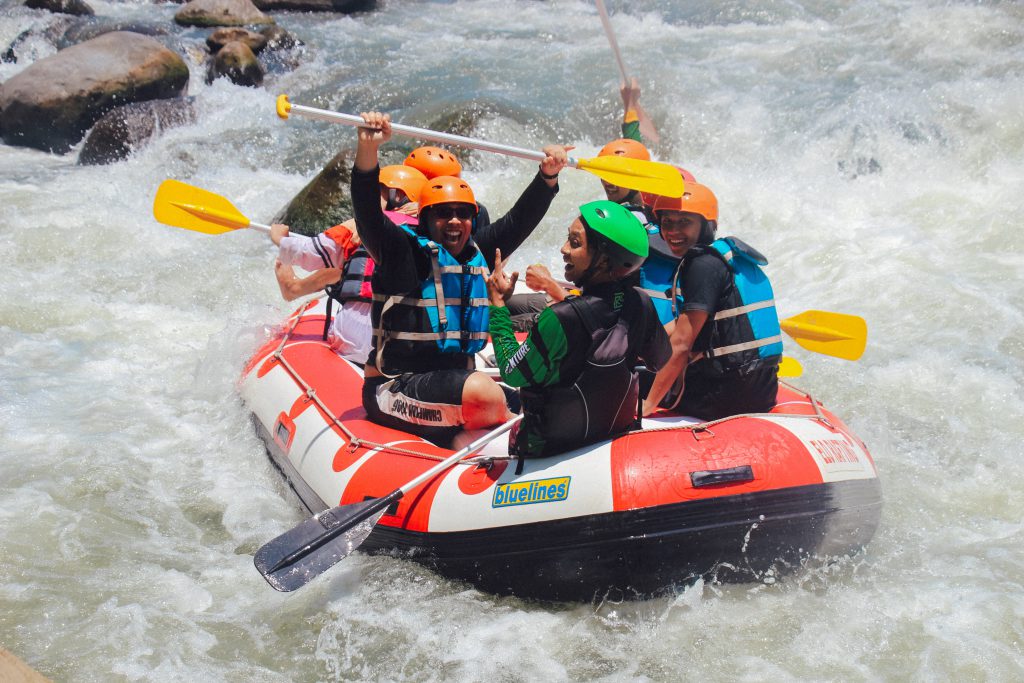
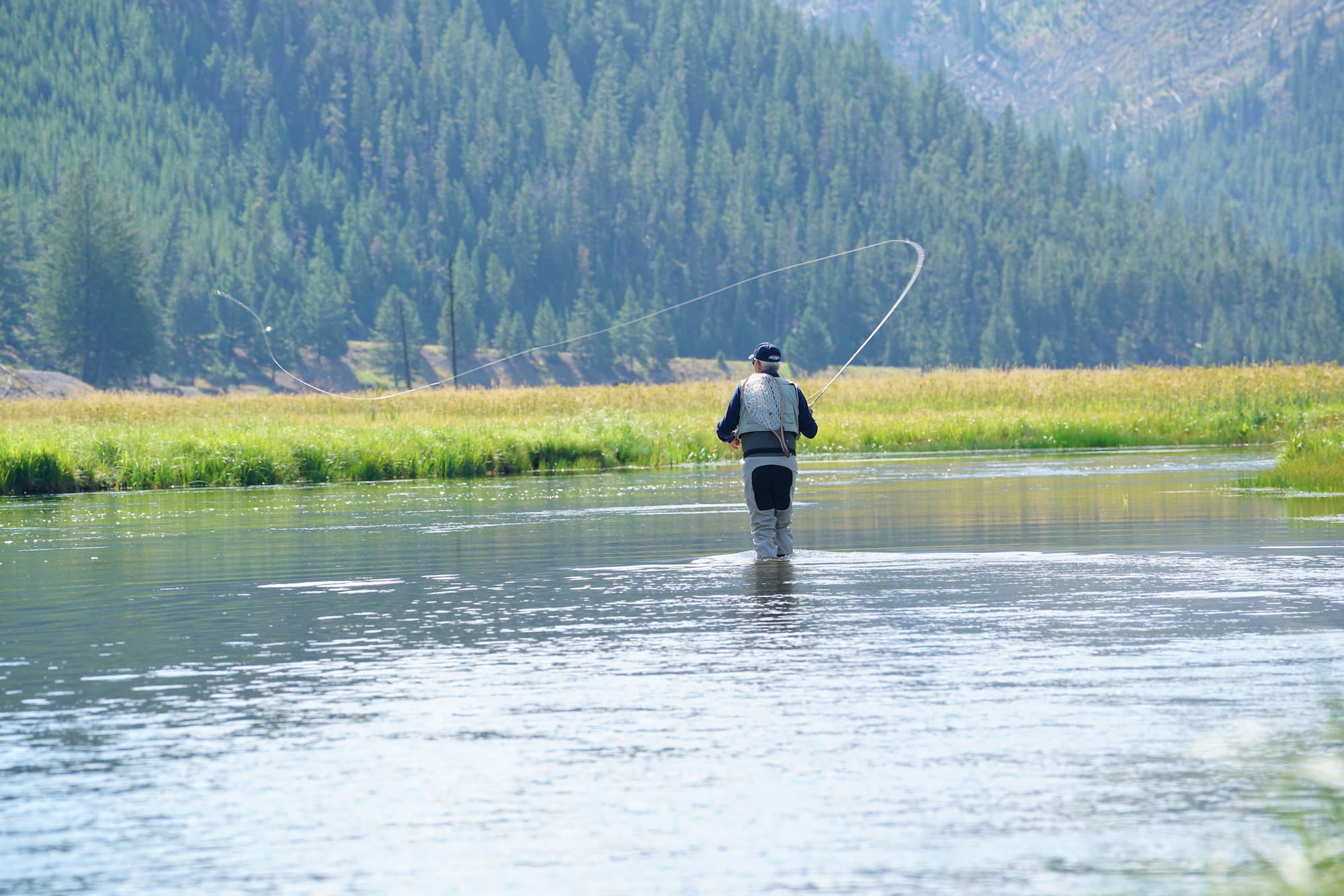
left:  whitewater rafting on the gallatin river.  right:  fly fishing on the madison river.  (both photos courtesy of pinterest)

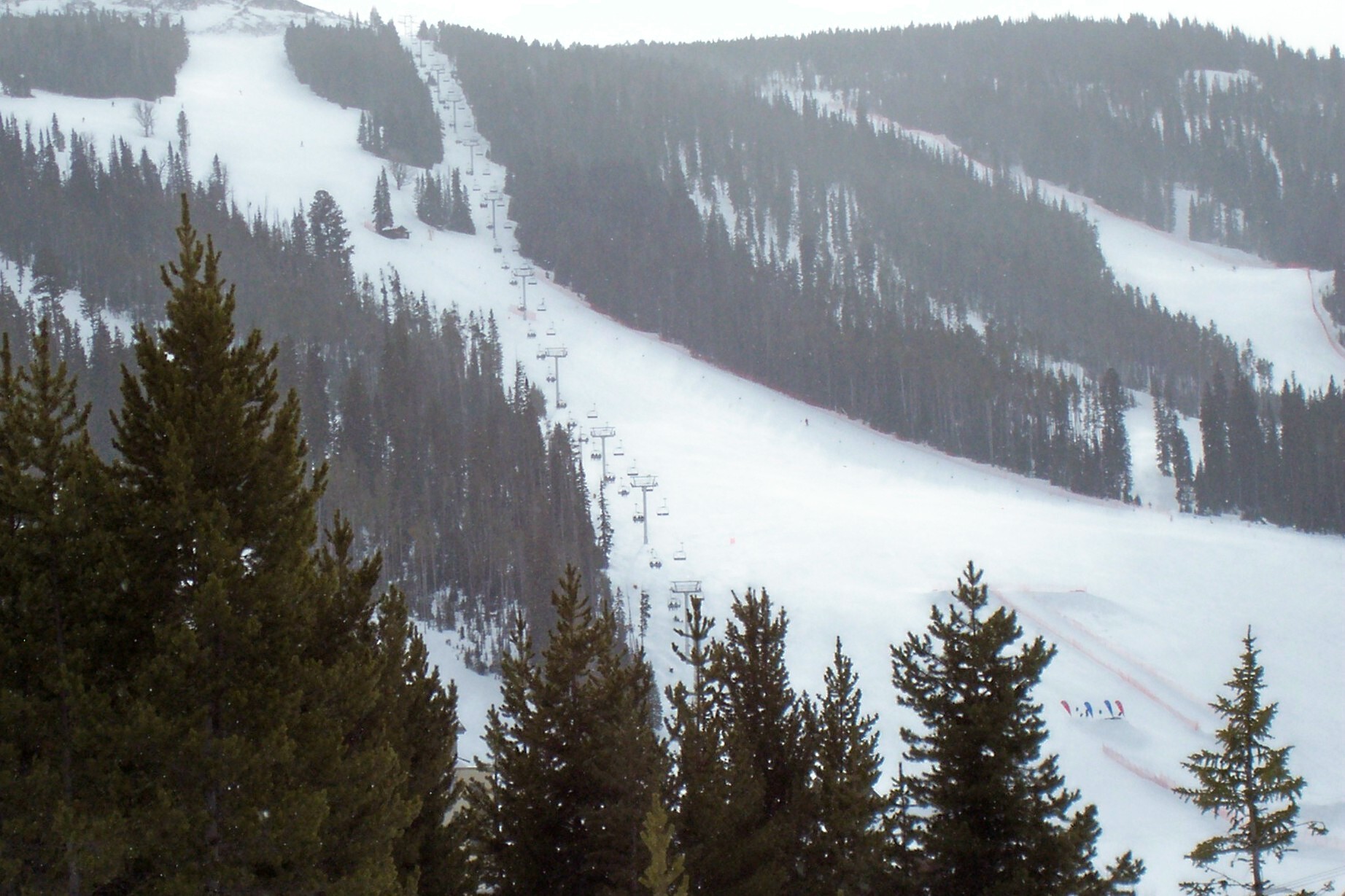
Within the Gallatin Valley, Big Sky Resort remains one of the jewels of America’s best alpine ski areas.  At its heart rises Lone Mountain’s elevation of 11,316 feet.  With a vertical drop of 4,350 feet and nearly 5,800 acres, Big Sky is destined to always be a skier’s paradise.

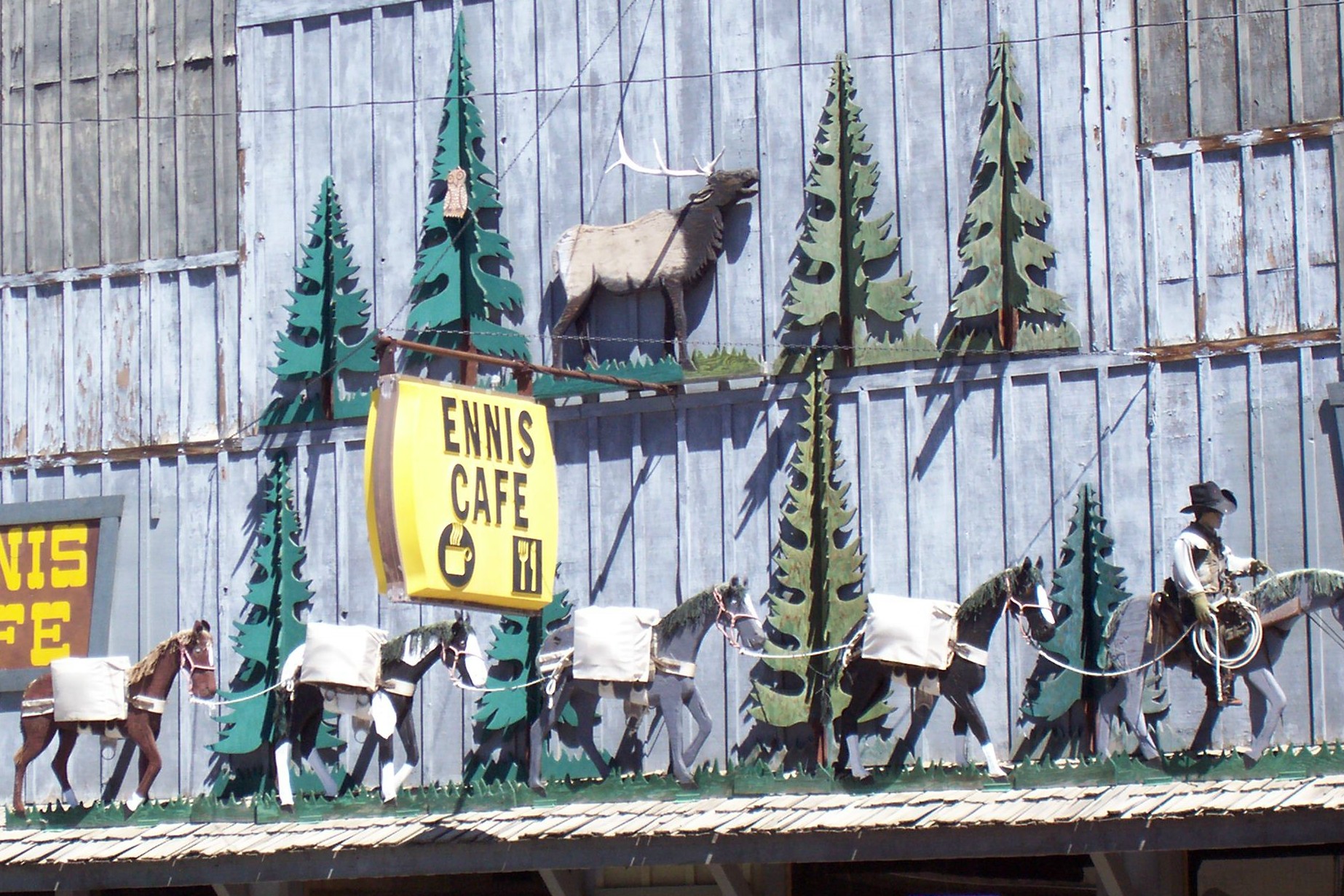
On the other side of the Madison Range lies the charming community of Ennis.  Well-known for its western hospitality and active civic calendar, this town embraces the best of the West.

left:  winter ski run at big sky.  right:  the ennis cafe makes for an excellent meal stop.  (both photos from my personal collection)

One often forgotten detail from the Gallatin River’s history is the fact that many of the memorable river scenes for filmmaker Robert Redford’s “A River Runs Through It” are filmed on this river.  In reality, the book’s main river is the Big Blackfoot, which is located just a few miles from the city of Missoula.

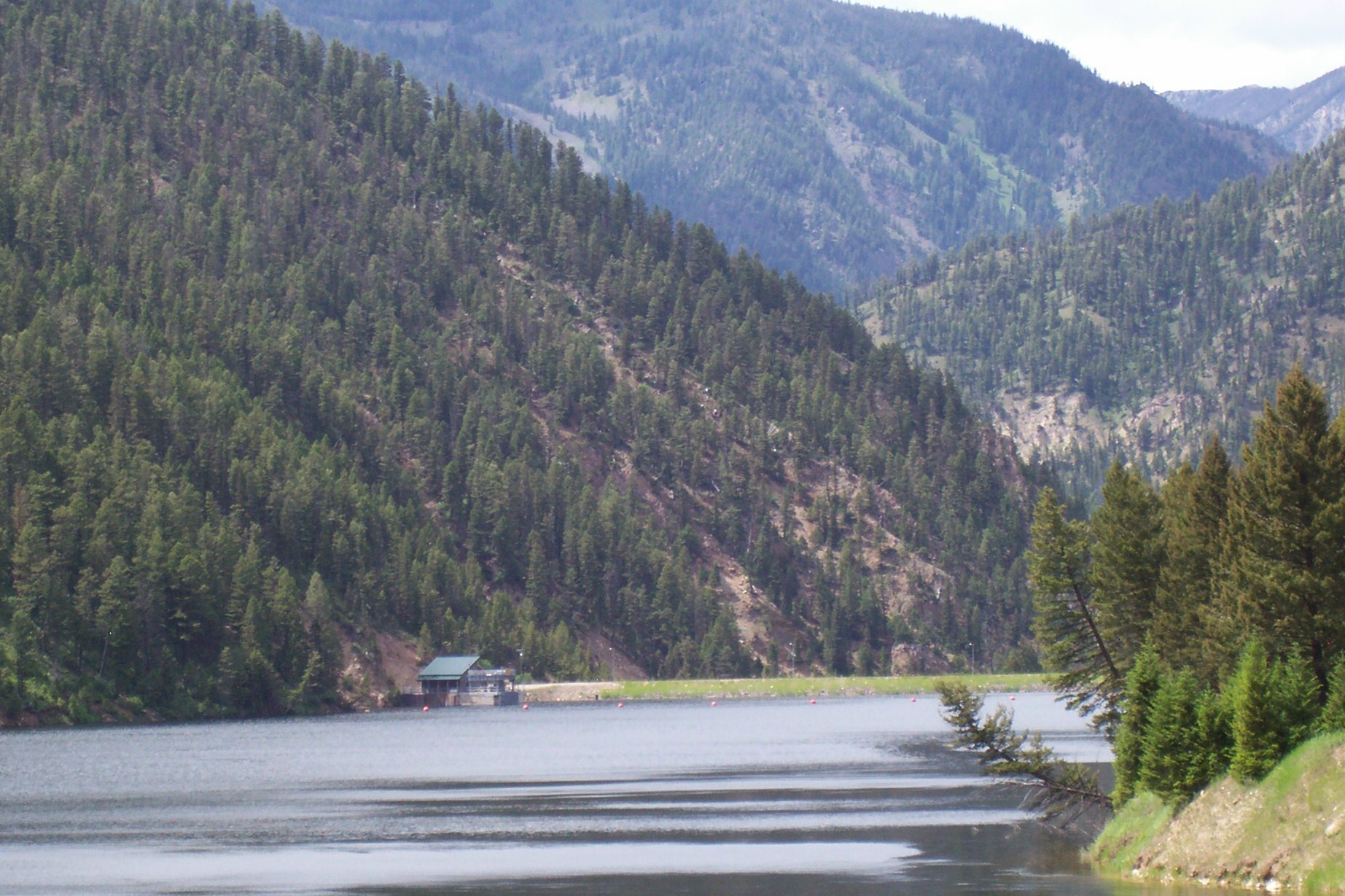
left:  hebgen lake view with the dam in the background.  right:  the spinx mountain peak is a prominent feature above the madison valley.  (both photos from my private collection)

Monday Memories: Coming Home

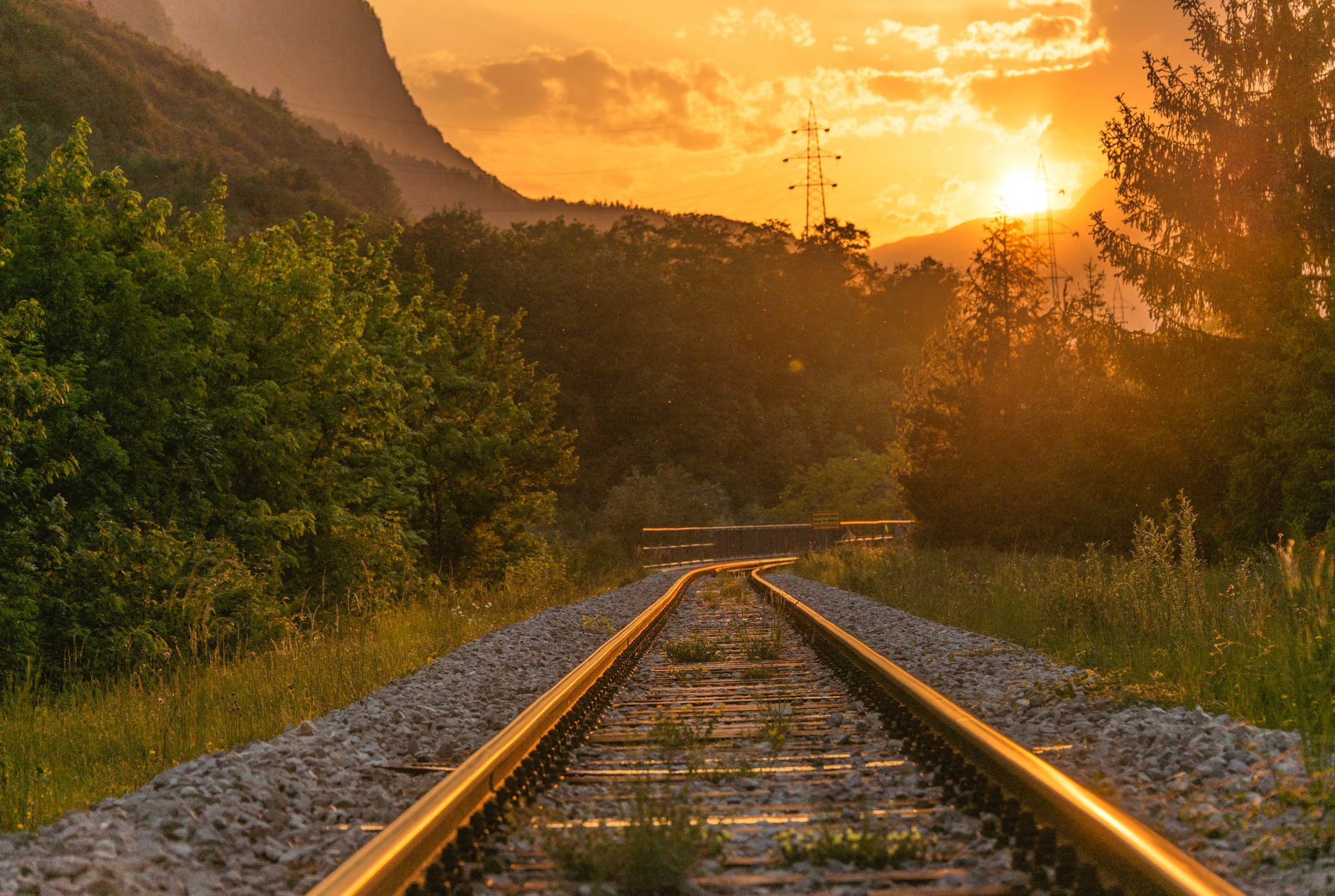
This poem is dedicated to the many lives which have come and gone along the tracks of the Great Northern Railroad from years ago.  Perhaps you can feel the living spirit still riding the Empire Builder passenger train across the Hi-Line of Montana.

Photo by Felix Mittermeier on Pexels.com

Feeling a bit like heaven

Blessed Big Sky, almost home

Paradise spelled as two words

Riding free, spirit’s train roams


Scanning God’s creative touch

Mountains shaped by nature’s hand

Valleys carved out by rivers

Dreaming of this treasured land


Stirring up past memories

Iron horse roaring at top speed

Long ago, been here before

Coming home, spirits now freed


Flashing by Hi-Line’s vast farms

Cropland caresses these tracks

Golden fields of wheat ripen

Waiting for harvest’s comeback


Fading daylight turns to night

Darkness covers Montana’s peace

Town lights twinkle here and there

Thinking back to life’s past lease


Climbing through Marias Pass

Glacier Park saying good-bye

Big Sky’s wonder never fades

Ageless spirit, dropping by


Photo by Krivec Ales on Pexels.com

Originally published December, 2020.

Monday Memories: Under the Big Sky

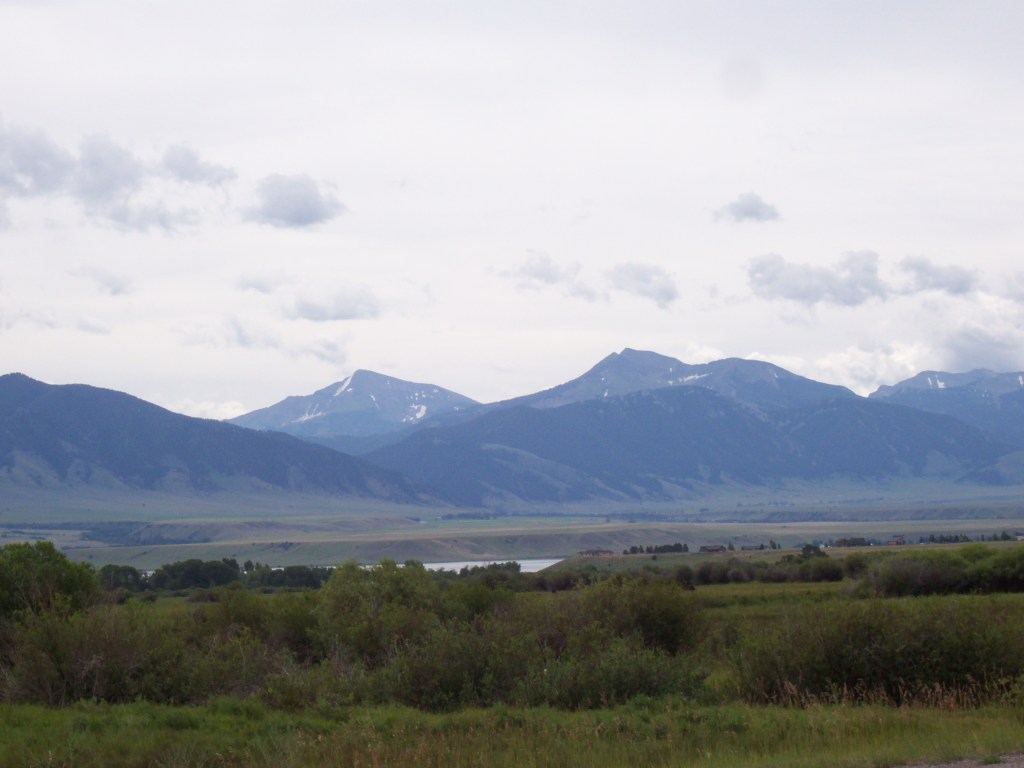
Looking westward toward southwestern Montana’s Tobacco Root Mountains, with the Madison River flowing through the valley below.

God’s creation under the Big Sky

Treasured landscape covers this vast land

Immense prairies flow into mountains

Few places on earth looking this grand


Rugged backbone of the continent

Chiseled spine of the Rocky Mountains

Stray mountain ranges dotting the plains

Cascading streams flowing as fountains


Three distinct rivers form its headwaters

Mighty, boundless Missouri River

Eastward, collecting the Yellowstone

Precious mountain rains move downriver


White-tail and mule deer camp in thickets

Pronghorns graze in the midst of grasslands

Mountain valleys gather elk and bears

Ducks and geese pilot into wetlands


Frequently titled the Treasure State

Montana shines under its Big Sky

People flocking to witness its gems

You just might meet a Buckeye nearby


Montana’s Yellowstone River continues its eastward journey, eventually flowing into the Missouri River.

I could probably write something about my native state of Montana every day.  It will always be a very special place to me.  Watch out, you just might run into a Buckeye returning to the Big Sky.

Originally published December, 2020.

Montana Bound

Summertime at Holter Lake outside of Wolf Creek, Montana.

Never-ending vistas

Discovering each keepsake

Nature’s promised grace

Harmony’s singing at daybreak


Majestic mountain peaks

Reaching to heavens above

Fields’ ripening grain

Easy to witness Creator’s love


Highway’s distant crossroads

Welcoming each blessed guest

Town’s main street alive

Hospitality at its best


Heart searches for its peace

Dreaming . . . now Montana bound

Precious adventures

Journey complete . . . Montana found


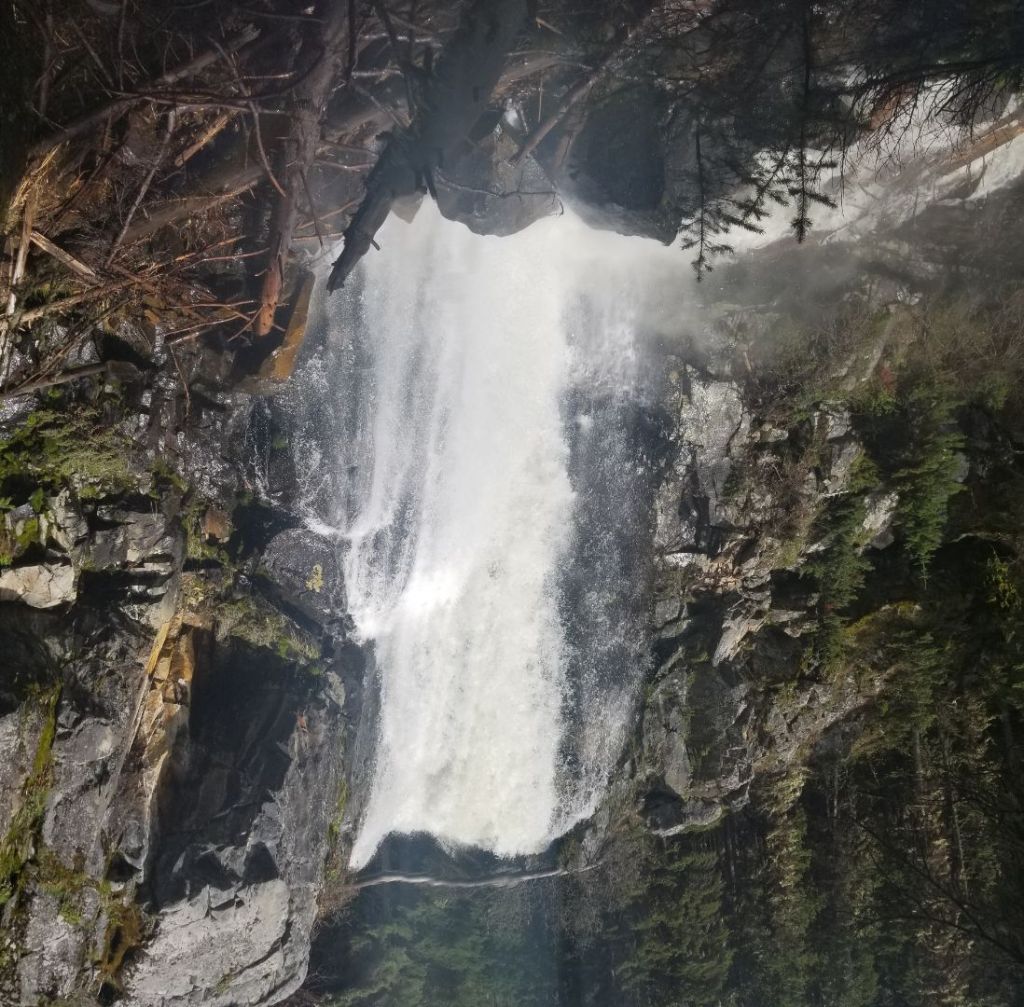
Pioneer Falls in the Madison Range of southwestern Montana. (Photo shared from one of my Montana daughters)

As of July 1, Colleen and I are beginning our travels from our home in central Ohio to Montana.  The Big Sky Country is my native state, and we are eager to see family and friends.  We will return in about 15 days.

Montana Treasures in Song

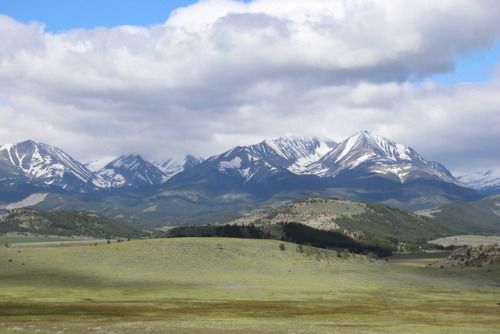
Central Montana’s Crazy Mountains.

Tell me of that Treasure State
Story always new,
Tell of its beauties grand
And its hearts so true.
Mountains of sunset fire
The land I love the best,
Let me grasp the hand of one
From out the golden West.

Written by Charles Cohan, lyrics to “Montana.”


Yes, there’s no place like Montana,
The Big Sky country, my home.
A place to set my spirit free,
A Rocky Mountain melody,
These things are a part of me.

Written by Carleen and LeGrande Harvey, lyrics to “Montana Melody.”

Big Sky Treasures #13

The inaugural edition of the Billings Mustangs (1948). (Courtesy of Pinterest)

The city of Billings, Montana was nicknamed the “Magic City.”  This related to the rapid growth of the city during its infancy.  At the same time, there has always been a bit of “magic” in the community’s baseball history.

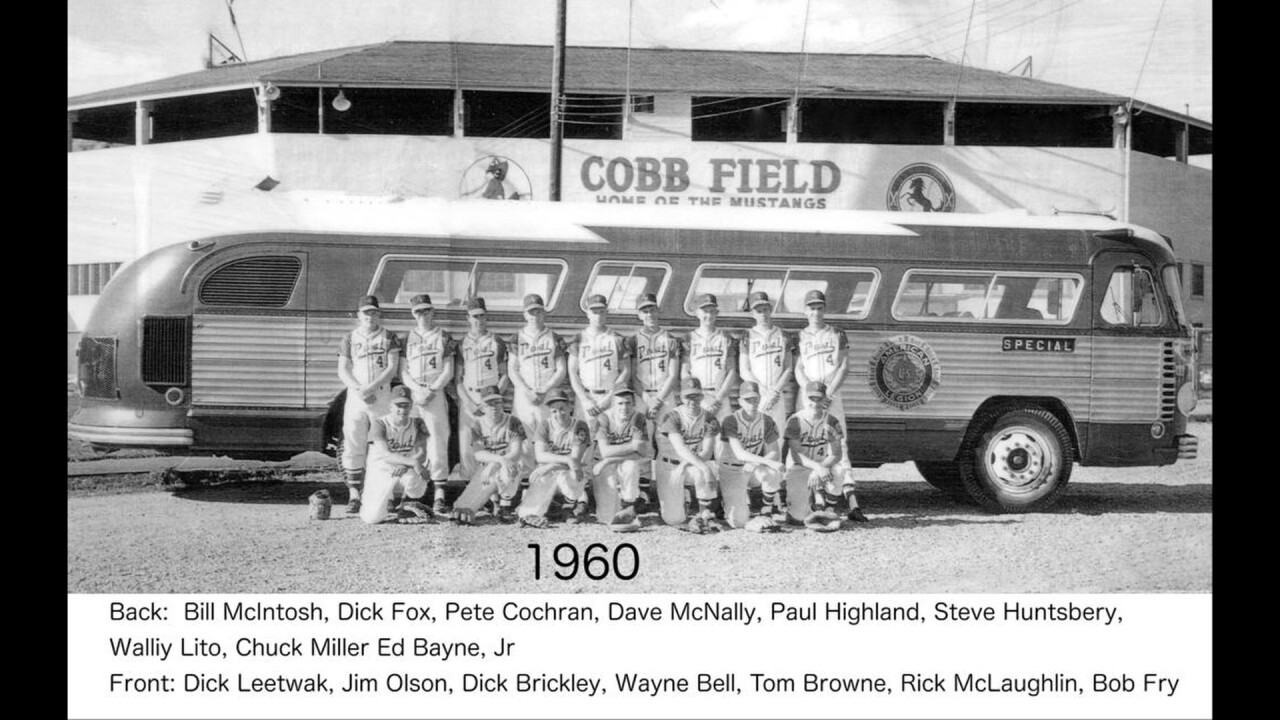
Legendary pitcher for the Baltimore Orioles, Dave McNally, grew up in Billings.  He along with many other “boys of summer” played Little League Baseball and later American Legion ball.

Dave McNally and team photo of his 1960 American Legion baseball team which played in the Little World Series. (courtesy of Pinterest)

In 1948, minor league baseball arrived in Billings through the enterprising spirit of Bob Cobb.  He had spent much of his childhood in Billings before moving to California.  Cobb was the entrepreneur of the famous Brown Derby Restaurant in Hollywood, California.  He had invested in minor league baseball with the Hollywood Stars, who played in the Pacific Coast League.  The Mustangs were destined to be a farm team affiliated with the Hollywood Stars.

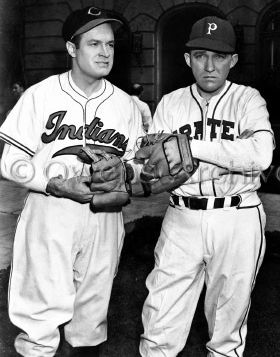
Rubbing elbows with the rich and famous in Hollywood, Cobb enlisted others to invest in his baseball empire in Hollywood and Billings.  Bing Crosby, who also owned a piece of the Pittsburgh Pirates, came onboard.  He was joined by actress Barbara Stanwyck, filmmaker Cecil B. DeMille, actor Robert Taylor, and many others.  Crosby’s ownership with the Pirates would be rewarded when the team won the 1960 World Series.

left to right:  Bob hope and bing Crosby wearing baseball uniforms (Hope was a minority owner of the cleveland indians while crosby owned a stake with the Pittsburgh pirates, hollywood’s brown derby restaurant (1950s), Bob Cobb.

The Mustangs joined the Pioneer League, and they would be affiliated with Major League Baseball (MLB) through 1963.  The Brooklyn Dodgers, Pittsburgh Pirates, and St. Louis Cardinals rotated through the years as they sent young ball players to Billings.

Following the 1963 season, the Mustangs folded up their operations.  However, dreams of more baseball soon finalized when a rookie-level affiliation started up in 1969, and the Mustangs were reborn again in the Pioneer League.  During these early seasons, the Seattle Pilots and later the Kansas City Royals were tied into the Mustangs operation.  The longest affiliation found a lasting partnership with the Cincinnati Reds (1974-2019). 

The Mustangs have won a total of 15 Pioneer League titles.  The team’s most famous alum is Hall of Famer George Brett who played third base during the 1971 season.  He would later play his entire career with the Kansas City Royals.  The 13-time American League all-star also played on a World Series title team in 1985.

In 1989, Brett was interviewed by Sporting News about his memories of playing in Billings.  Some of his remarks included, “The memories are so vivid.  Taking the 13- to 14-hour hour bus trips, getting my $4 per day meal money, and making my $500 a month.”

Hall of Famer George Brett early in his career and later on.  His batting average was .291 during his season with the Mustangs.  (Courtesy of Pinterest)

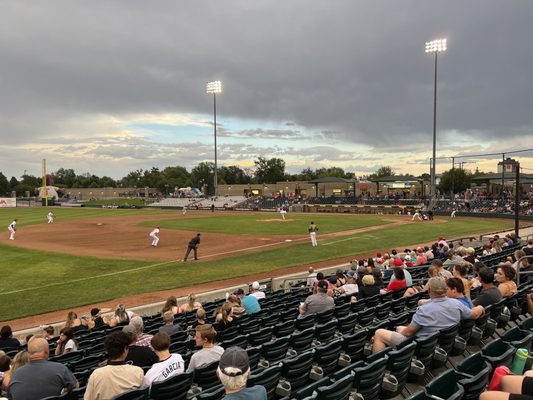
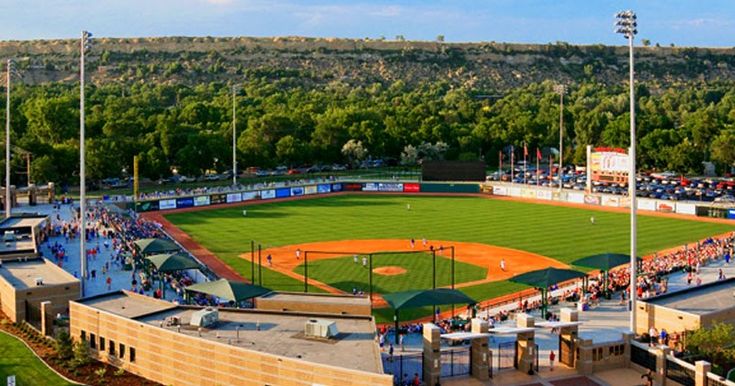
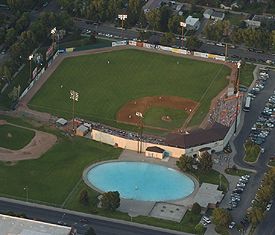
The Mustangs continue to play under an independent affiliation agreement with MLB.  The original ball park was called Cobb Field, which was named after owner Bob Cobb. Many locals mistakenly thought Cobb Field was named after Hall of Fame baseball player, Ty Cobb.  The stadium served the Billings Mustangs and local American Legion teams from 1948-2007.  Today, the teams play at Dehler Park, which was built at the same location of Cobb Field.

Row 1:  Cobb Field.  Row 2:  Dehler Park.  (Courtesy of Pinterest)

Big Sky Photo Gallery

About a month ago, photos taken around my home in the state of Ohio were posted in the Buckeye Photo Gallery.  Today’s gallery brings an invitation to visit Montana’s Big Sky Country, which is my native state.

This past summer (August, 2024), my camera enjoyed a journey filled with capturing the landscape around Madison County in southwestern Montana.  On the left, the Madison River flows downstream from the river’s canyon exit.  Its destination will be the headwaters of the Missouri River, located near the community of Three Forks.  The photo on the right looks downstream on the river, as one moves away from the canyon.  The weather conditions were very windy, and fortunately, the camera remained steady.
An hour’s drive from my hometown of Billings, takes one to Carbon County and the town of Red Lodge.  Both photos capture scenes found on main street.  The photo on the left features the Carbon County Courthouse.  On the right, the corner building has been repurposed into a retail shop on the ground floor.
My wife and I always enjoy visiting the city of Bozeman, which is home to Montana State University.  This community was home to me during my college years (1974-1978).  While Main Street has changed a great deal from my time, the atmosphere remains welcoming with a vibrant commercial district.  The Rockford Coffee Roasters welcomed us for mid-morning refreshments with our youngest Montana daughter and her two-year old son.  Across the street sits the venerable Ellen Theater, which opened in 1919.

Enjoy the contrast of these two photos.  Taken during the summer of 2023, the photo on the left captures a smoky sunrise above the Billings neighborhood where I grew up.  The final photo was taken during the summer of 2021.  A rest area outside of Billings, along Interstate 90, shares a bit of humor as well as functionality for its canine visitors.