Photo by Susanne Jutzeler, suju-foto on Pexels.com
For faith is a mover of mountains–there’s nothing man cannot achieve if he has the courage to try it and then has faith to believe.
From Mark 11:22-23: “Jesus answered them, ‘Have faith in God. Truly I tell you, if you say to this mountain, ‘Be taken up and thrown into the sea,’ and if you do not doubt in your heart but believe that what you say will come to pass, it will be done for you.'”
Helen Steiner Rice (1900-1981) was an American writer who specialized in Christian and inspirational poetry.
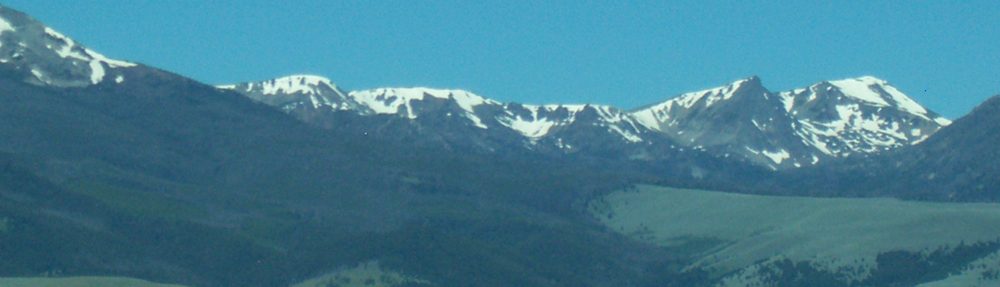
Montana’s Madison Range serves up a dynamic background. (Courtesy of Pinterest)
Montana’s landscape features contrasts between numerous scenic mountain vistas and nearly endless, fertile grasslands. The southwestern region boasts of a “tale of two valleys.”
At the epicenter of these twin valleys lies the Madison Range, which covers an area measuring approximately 80 miles in length and 25 miles across. The range’s name reflects upon the journey of Meriwether Lewis and William Clark’s Corps of Discovery into the region between 1804 and 1805. This mountainous mass is named for James Madison, the young nation’s Secretary of State.
The eastern slopes of the Madison Range descend into the Gallatin Valley, which is bisected by the Gallatin River. In honoring the country’s Secretary of the Treasury, Albert Gallatin, the river is also named by Lewis and Clark. The western slopes of the Madison Range flow into the Madison Valley, which surrounds the Madison River (also named for James Madison).
left: house rock on the gallatin river (courtesy of pinterest). right: madison river flows toward its RENDEZVOUS with the headwaters of the MISSOURI river (from my personal collection).
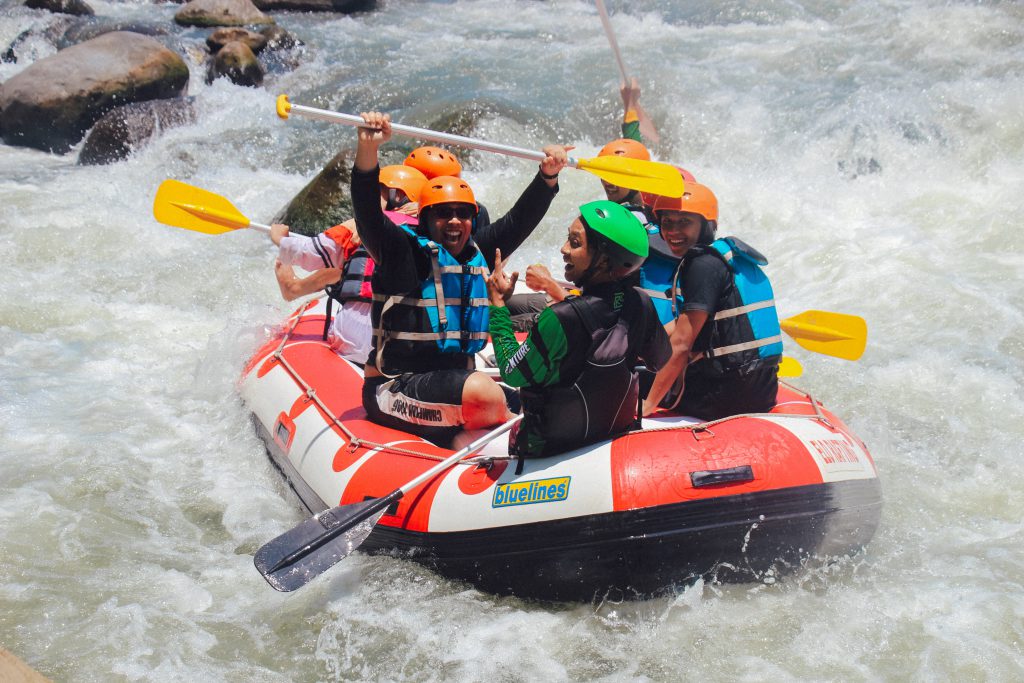
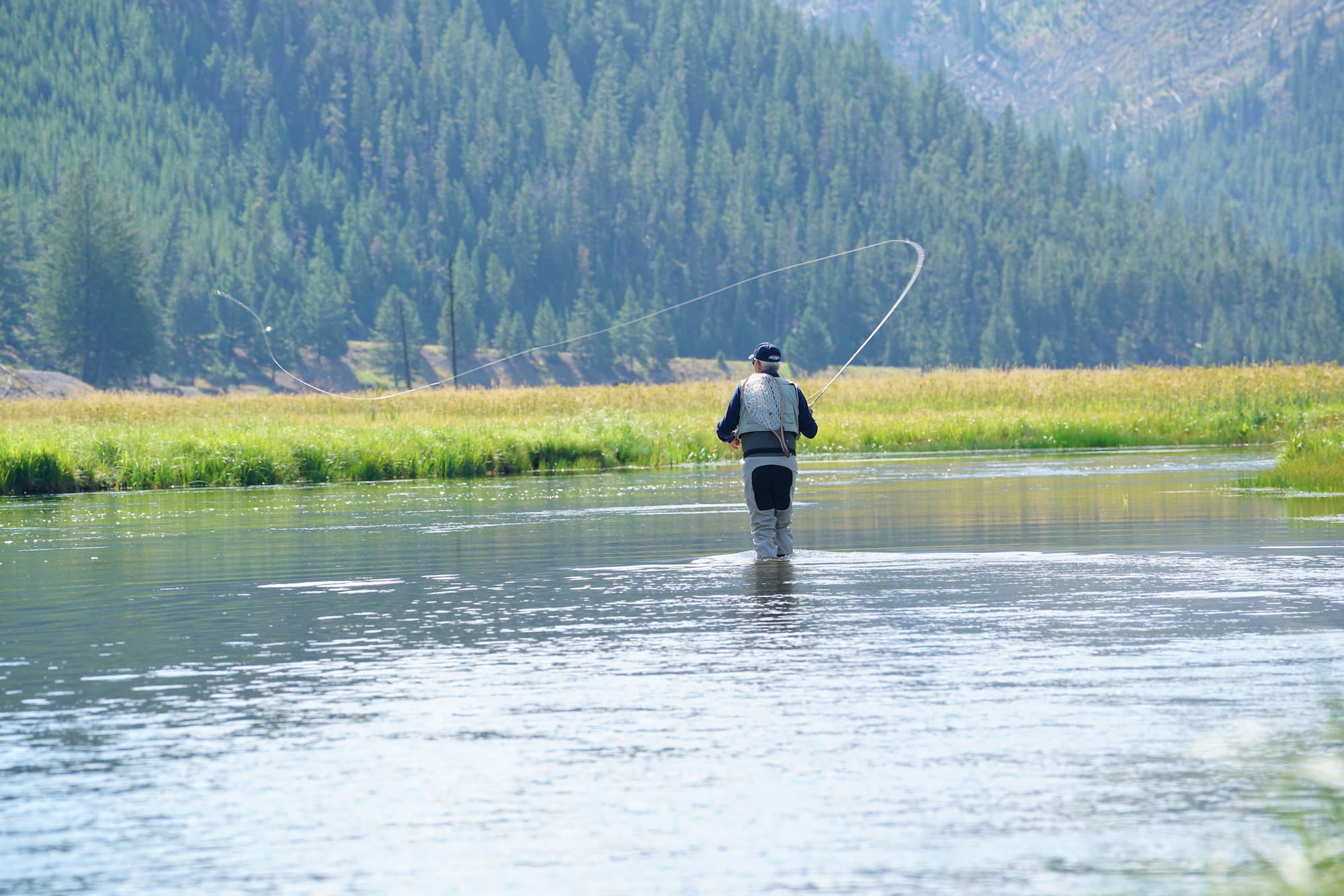
Many wilderness areas offer countless outdoor adventures and experiences. In the Gallatin Valley, some of these include Bear Trap Canyon, Spanish Peaks, and the Monument Mountains. The Gallatin River serves as a welcome center for trout fishing as well as providing whitewater excitement for rafters and kayakers.
The Madison Valley features numerous lakes and creeks, which are tied into the Madison River system. These include Ennis Lake, Hebgen Lake, Beaver Creek, Falls Creek, and Spanish Creek. Many opportunities await visitors: blue-ribbon trout fishing, hiking trails, and numerous campgrounds.
left: whitewater rafting on the gallatin river. right: fly fishing on the madison river. (both photos courtesy of pinterest)
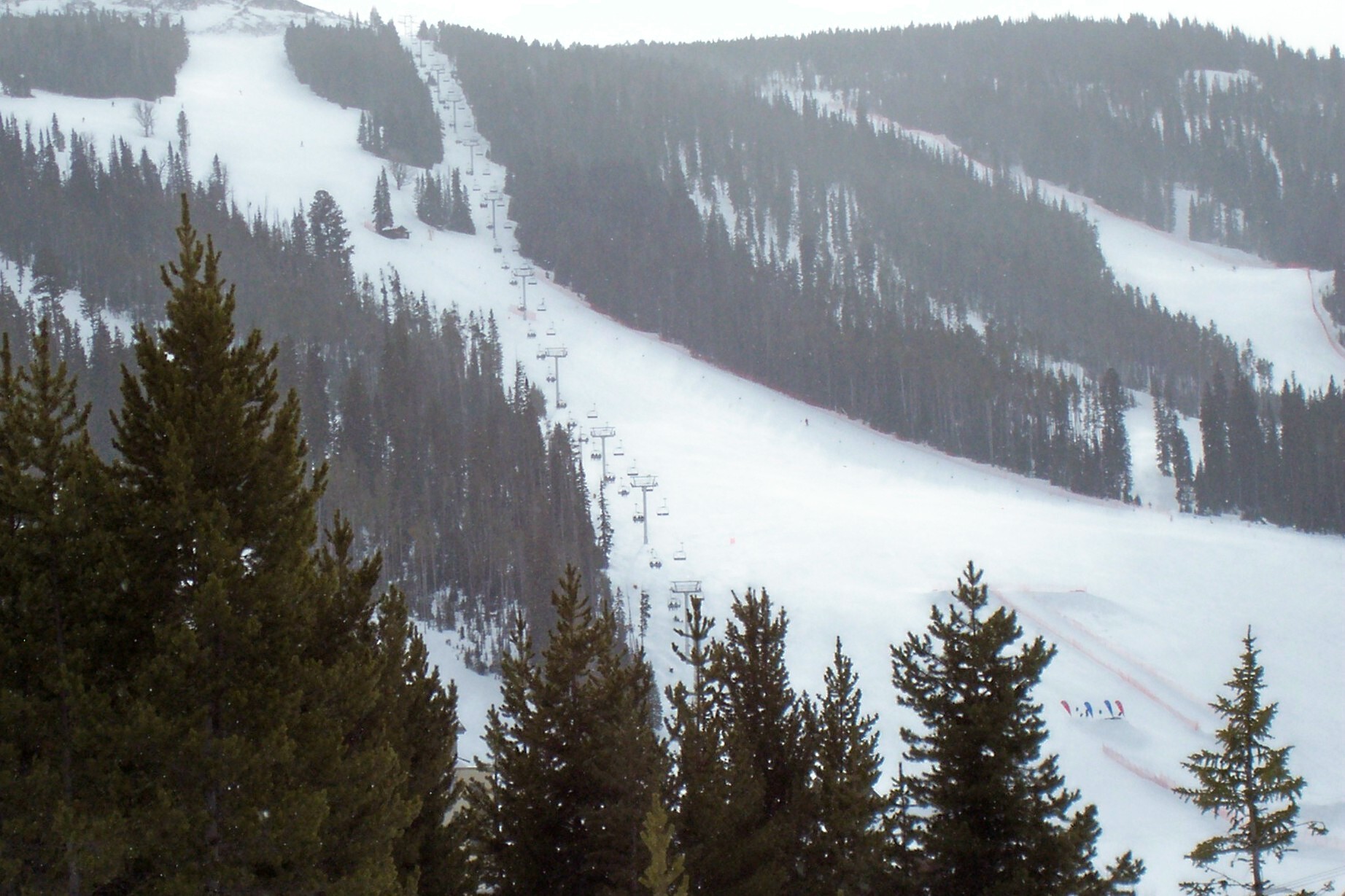
Within the Gallatin Valley, Big Sky Resort remains one of the jewels of America’s best alpine ski areas. At its heart rises Lone Mountain’s elevation of 11,316 feet. With a vertical drop of 4,350 feet and nearly 5,800 acres, Big Sky is destined to always be a skier’s paradise.
On the other side of the Madison Range lies the charming community of Ennis. Well-known for its western hospitality and active civic calendar, this town embraces the best of the West.
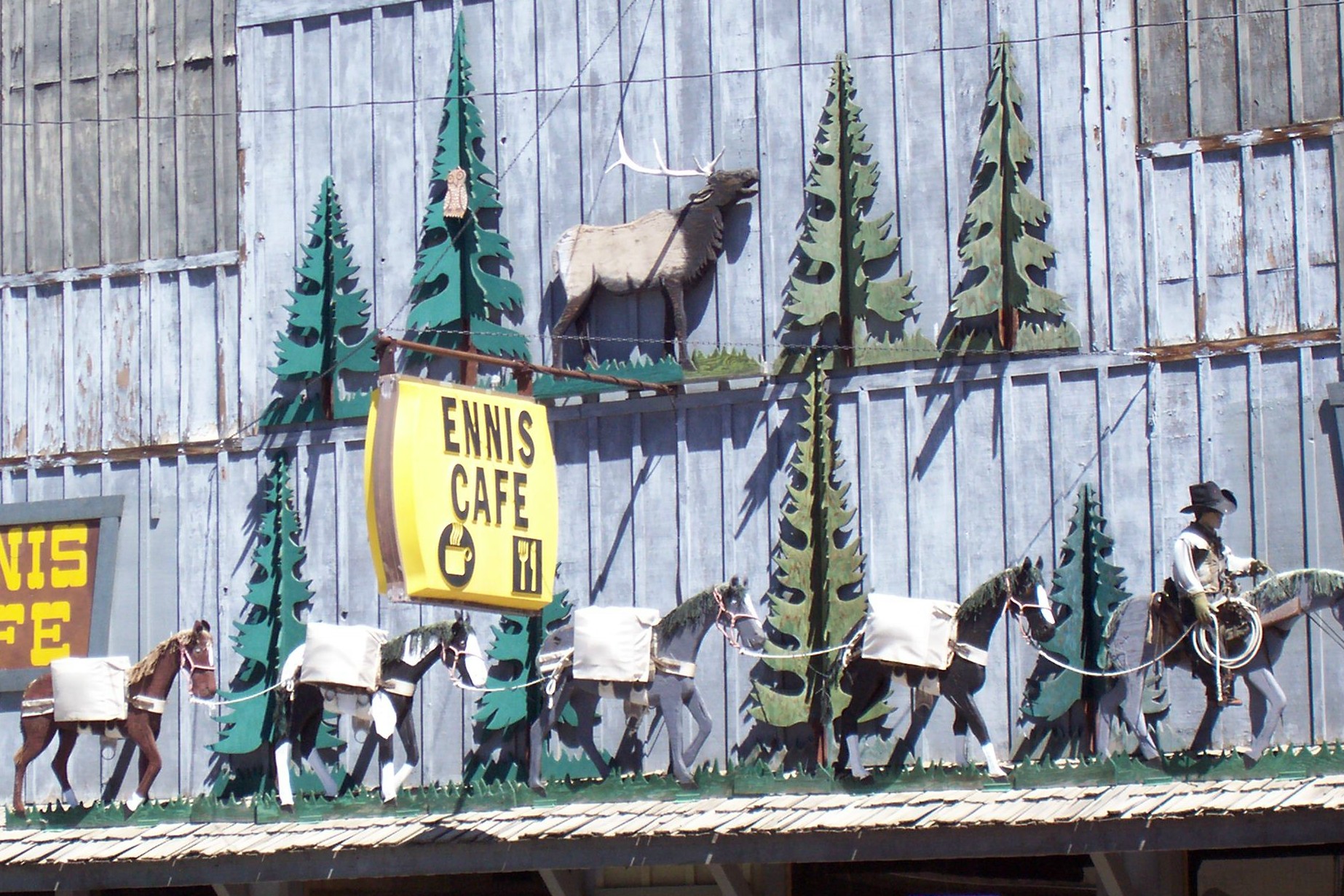
left: winter ski run at big sky. right: the ennis cafe makes for an excellent meal stop. (both photos from my personal collection)
One often forgotten detail from the Gallatin River’s history is the fact that many of the memorable river scenes for filmmaker Robert Redford’s “A River Runs Through It” are filmed on this river. In reality, the book’s main river is the Big Blackfoot, which is located just a few miles from the city of Missoula.
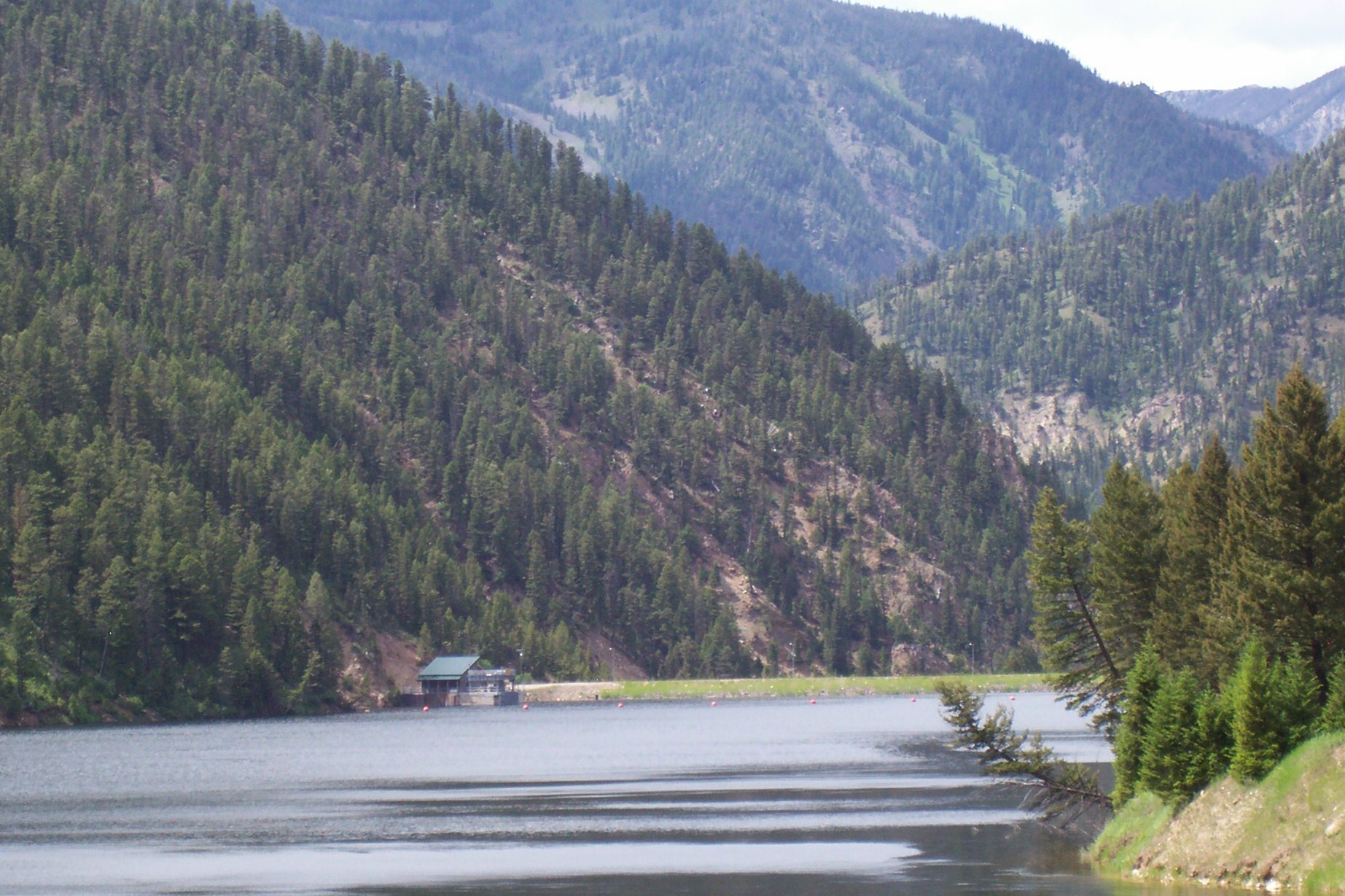
left: hebgen lake view with the dam in the background. right: the spinx mountain peak is a prominent feature above the madison valley. (both photos from my private collection)
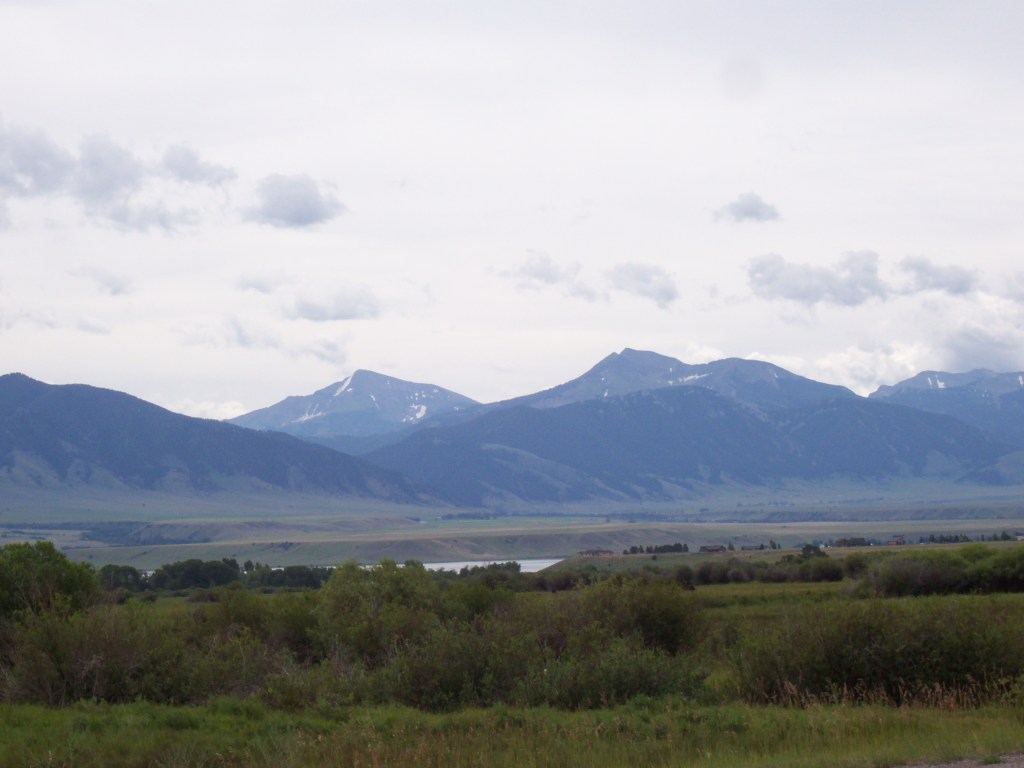
Looking westward toward southwestern Montana’s Tobacco Root Mountains, with the Madison River flowing through the valley below.
God’s creation under the Big Sky
Treasured landscape covers this vast land
Immense prairies flow into mountains
Few places on earth looking this grand
Rugged backbone of the continent
Chiseled spine of the Rocky Mountains
Stray mountain ranges dotting the plains
Cascading streams flowing as fountains
Three distinct rivers form its headwaters
Mighty, boundless Missouri River
Eastward, collecting the Yellowstone
Precious mountain rains move downriver
White-tail and mule deer camp in thickets
Pronghorns graze in the midst of grasslands
Mountain valleys gather elk and bears
Ducks and geese pilot into wetlands
Frequently titled the Treasure State
Montana shines under its Big Sky
People flocking to witness its gems
You just might meet a Buckeye nearby
Montana’s Yellowstone River continues its eastward journey, eventually flowing into the Missouri River.
I could probably write something about my native state of Montana every day. It will always be a very special place to me. Watch out, you just might run into a Buckeye returning to the Big Sky.
Summertime at Holter Lake outside of Wolf Creek, Montana.
Never-ending vistas
Discovering each keepsake
Nature’s promised grace
Harmony’s singing at daybreak
Majestic mountain peaks
Reaching to heavens above
Fields’ ripening grain
Easy to witness Creator’s love
Highway’s distant crossroads
Welcoming each blessed guest
Town’s main street alive
Hospitality at its best
Heart searches for its peace
Dreaming . . . now Montana bound
Precious adventures
Journey complete . . . Montana found
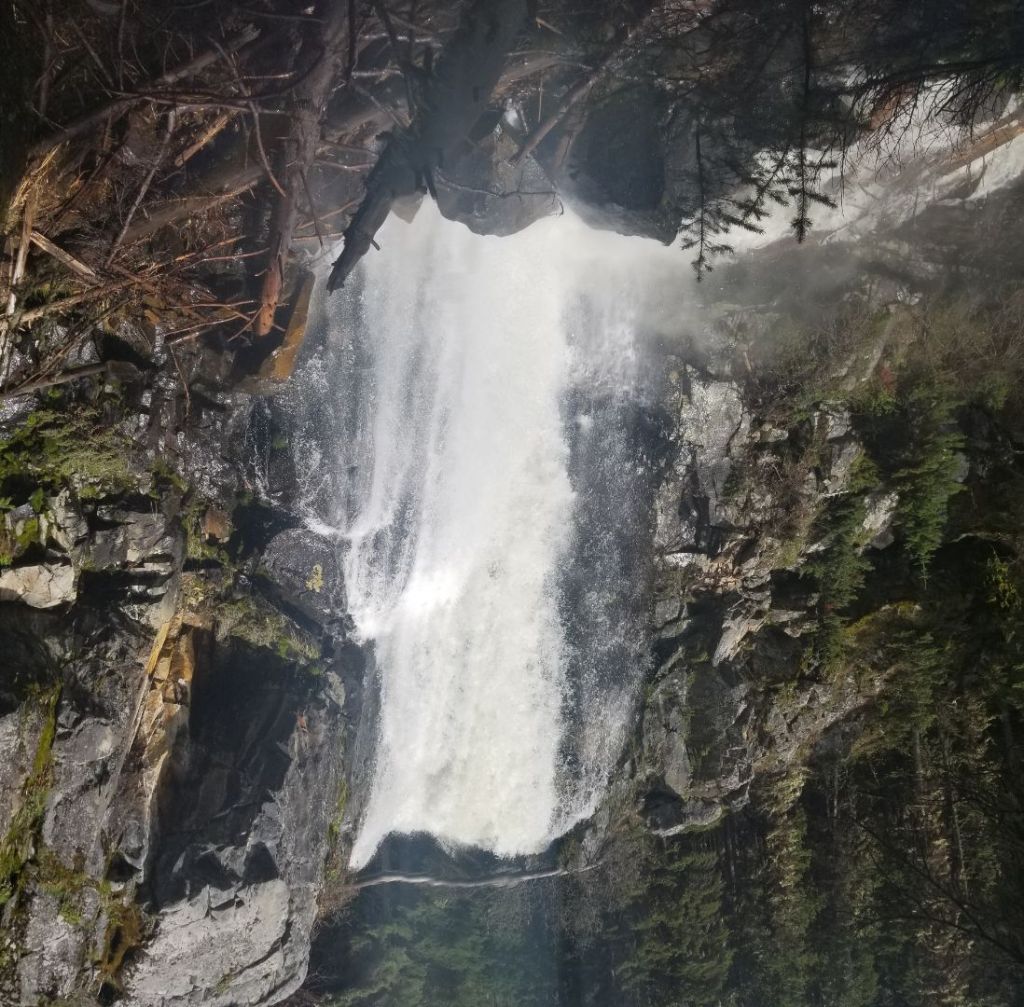
Pioneer Falls in the Madison Range of southwestern Montana. (Photo shared from one of my Montana daughters)
As of July 1, Colleen and I are beginning our travels from our home in central Ohio to Montana. The Big Sky Country is my native state, and we are eager to see family and friends. We will return in about 15 days.
From Mark 11:23: “Truly I tell you, if you say to this mountain, ‘Be taken up and thrown into the sea,’ and if you do not doubt in your heart, but believe that what you say will come to pass, it will be done for you.”
Wherever you live or where your travels take you, you may have a favorite mountain paradise. One of my precious favorites is the Beartooth Mountains in south-central Montana, a stone’s throw away from Yellowstone National Park.
You are invited to share one of your special places in the comments.
Montana’s rugged Beartooth Mountains [photo courtesy of pinterest].
One of Montana’s most treasured gems resides in Glacier National Park. Founded in 1910, the park sits along the Rocky Mountain spine of northwestern Montana with the Blackfeet Reservation nestled to its east.
(Courtesy of Pinterest)
With over 700 miles of trails, the park fulfills any hiker’s paradise. Trails range from easy (Trail of the Cedars), to moderate (Avalanche Lake), to strenuous (Grinnell Glacier). A variety of wildlife populates the park with over 70 types of mammals and over 260 avian species.
With nicknames of “Crown of the Continent” and “Backbone of the World”, Glacier National Park provides quite an experience with some of America’s most exceptional natural wonders. Mountains, scenic vistas, rivers, lakes, and glaciers wait to be captured by any photographer’s camera.
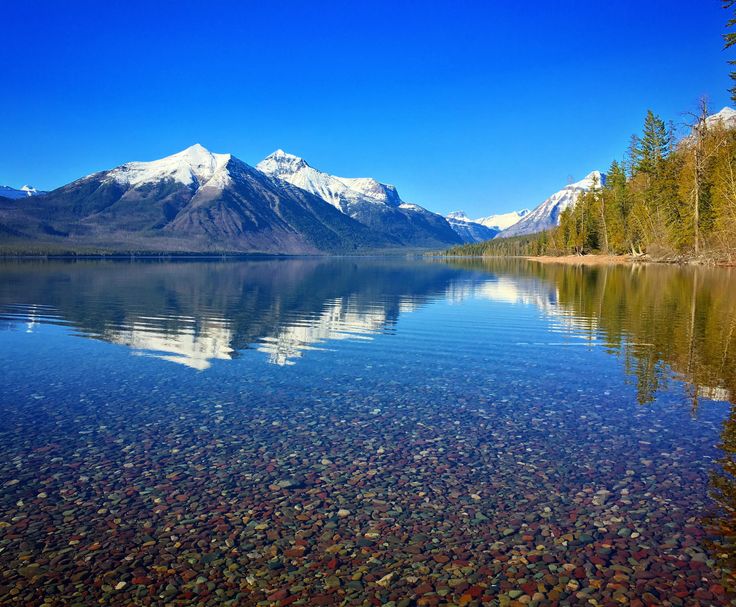
Lake McDonald stands as one the hallmark sights to visit with its crystal-clear waters and mountainous surroundings.
Lake McDonald (courtesy of Pinterest)
The Going-to-the-Sun highway presents an incredible automobile journey, second to none.
One of the grandest hotels in the park is found at Many Glacier Hotel, which is located along Swiftcurrent Lake. It has been open since 1915, and was designed as a series of chalets. When one looks at its two-story structure, it is easy to believe that the location might be Switzerland instead of Montana.
Exterior and interior views of Many Glacier Hotel (courtesy of Pinterest)
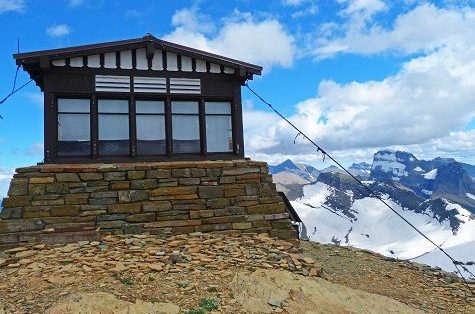
Built in 1936, the Swiftcurrent Fire Outlook offers quite a view. One feels almost like standing on the top of the world.

















 Big Sky Buckeye