Born in the Big Sky Country of Montana and now living in the Buckeye State of Ohio, Richard is the creative mind behind Big Sky Buckeye. Retired after 40 years of teaching, I enjoy writing, photography, traveling, and following a healthy lifestyle.
God teaches us His patience as we learn to harvest the wisdom hidden in His knowledge.
Do you write a daily journal? This inspiring thought comes from my journal, and much of what is written in my journal comes from reading and commenting on other bloggers’ posts. Thanks to many of you for adding so much to my journal.
I know nothing which can so comfort the soul; so calm the swelling billows of sorrow and grief; so speak peace to the winds of trial, as a devout musing upon the subject of the Godhead.
From Isaiah 26:3: “Those of steadfast mind You keep in peace, in peace because they trust in You.“
Charles Spurgeon (1834-1892) was an influential English preacher. Even in modern times, his writings and many sermons have remained a constant source of encouragement to Christians around the world. He has often be referred to as the “Prince of Preachers.”
From Isaiah 30:18: “Therefore the Lord waits to be gracious to you;therefore He will rise up to show mercy to you. For the Lord is a God of justice;blessed are all those who wait for Him.”
From Isaiah 30:20-21: “Though the Lord may give you the bread of adversity and the water of affliction, yet your Teacher will not hide Himself any longer, but your eyes shall see your Teacher. And when you turn to the right or when you turn to the left, your ears shall hear a word behind you, saying, ‘This is the way; walk in it.'”
Our Heavenly Father’s grace breathes every day through our Risen Savior who defeated death at a criminal’s cross.
Do you write a daily journal? This inspiring thought comes from my journal, and much of what is written in my journal comes from reading and commenting on other bloggers’ posts. Thanks to many of you for adding so much to my journal.
There is a place of quiet rest. There is a place of comfort sweet, near to the heart of God. (Taken from the hymn, “Near to the Heart of God.”)
From James 4:8: “Draw near to God, and He will draw near to you. Cleanse your hands, you sinners, and purify your hearts, you double-minded.”
Cleland Boyd McAfee (1866-1944) was an American pastor, Christian theologian, and hymn writer. One of his most renowned hymns is “Near to the Heart of God.” He penned the lyrics after the tragic deaths of his young nieces from diphtheria.
For the final Saturday of each month, a different and unique feature will be published. Today’s narrative takes a look at one of the gems of the metro park system of central Ohio. Saturday’s regular feature, “Trivia’s Facts and More,” will return next week.
Central Ohio is blessed with an extensive metro park system in the surrounding area of Columbus and Franklin County. One of the most remarkable parks to discover is Chestnut Ridge Metro Park.
Located about five miles from the city of Canal Winchester, the park contains the first significant ridge of the Ohio foothills of the larger range of Appalachian Mountains. This particular ridge spans nearly 4,500 feet and rises to a height of just over 1,100 feet above sea level.
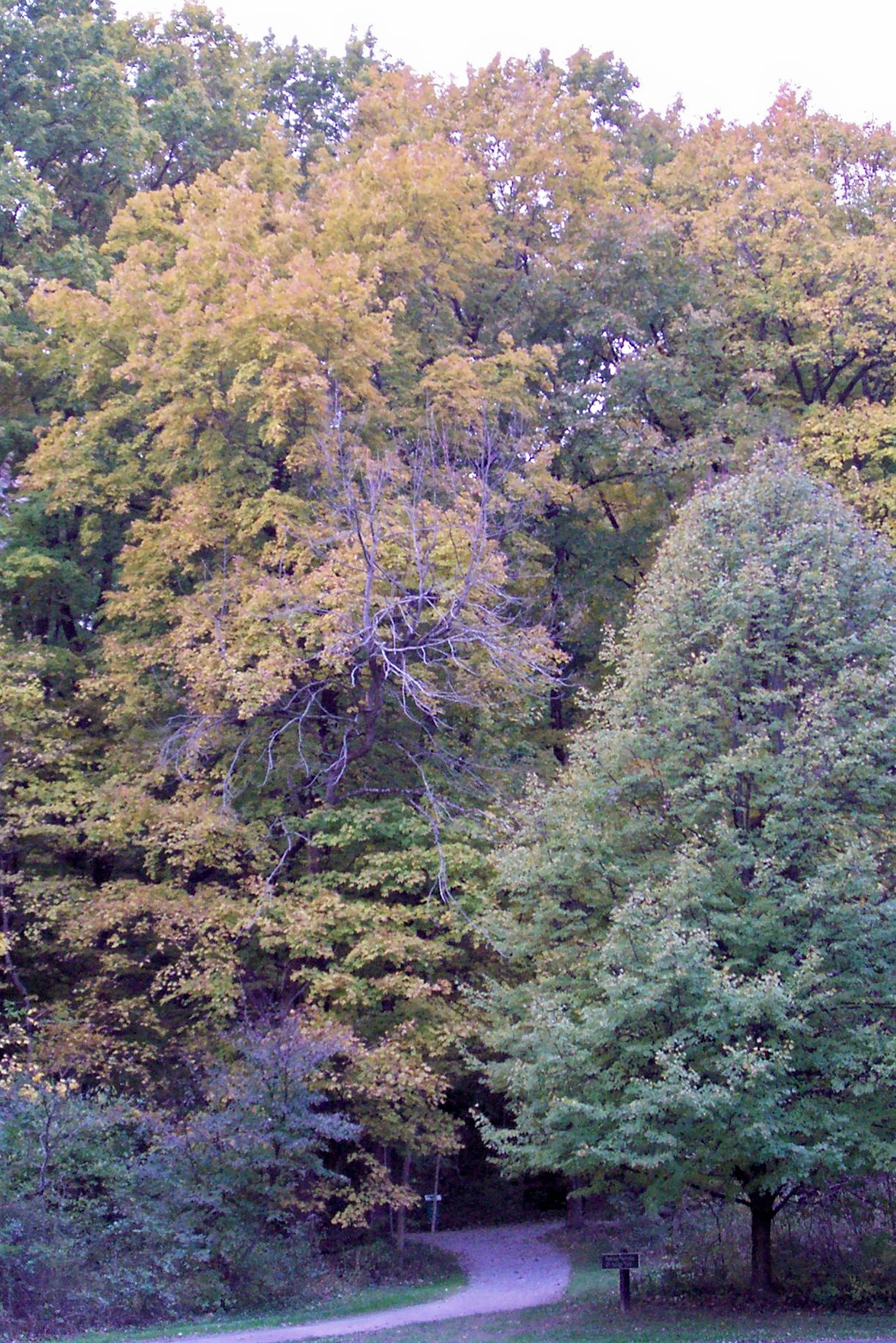
Chestnut Ridge features a variety of trees with the upper ridge containing black oak, shagbark hickory, and northern red oak. The lower slopes are filled with sugar maples and American beech. The park’s size measures about 486 acres, and hidden in its depths are outcroppings of black sandstone.
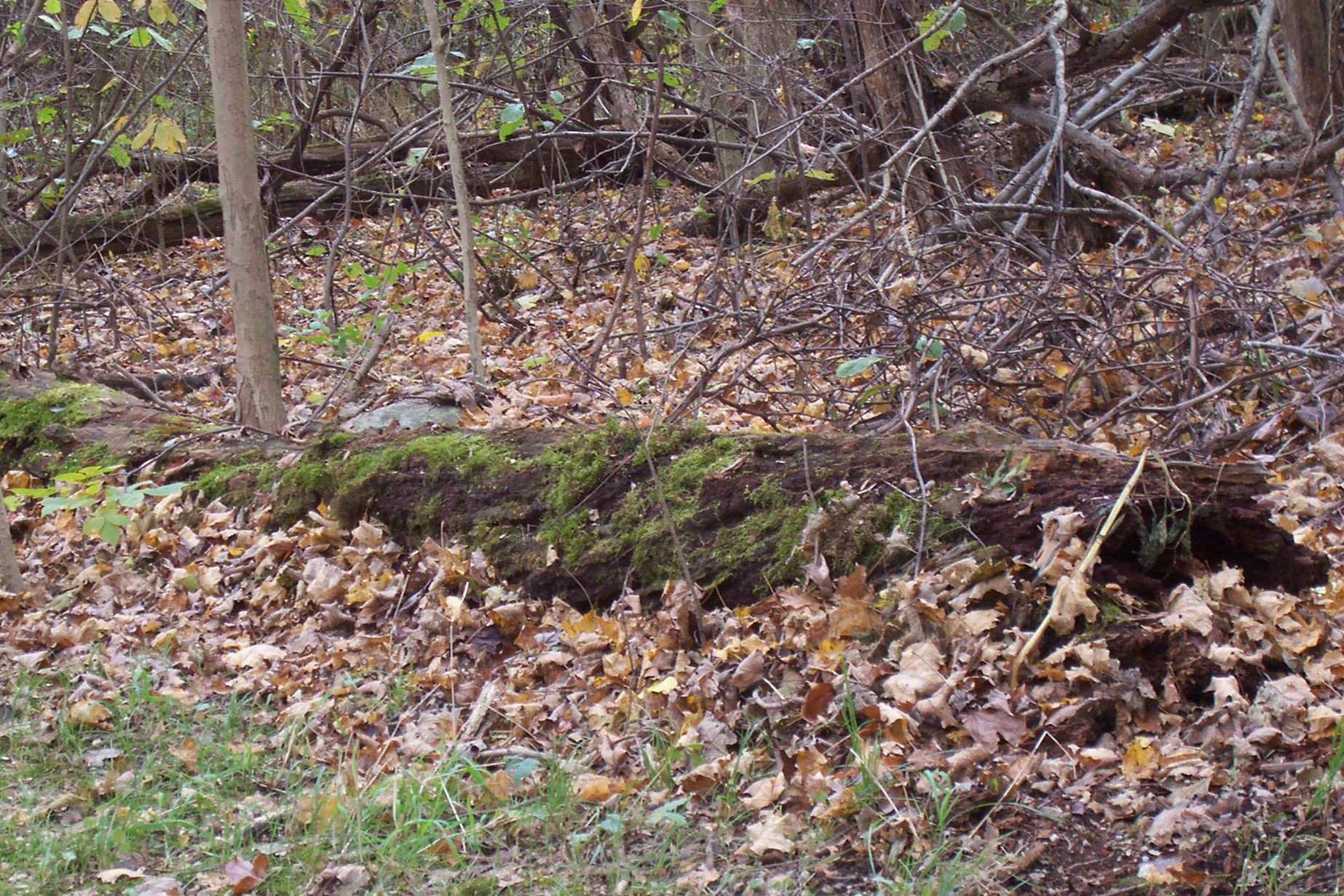
The park features a totally natural setting with fallen logs and splintered tree trunks. Notice the moss growing around the hollowed out tree trunk.
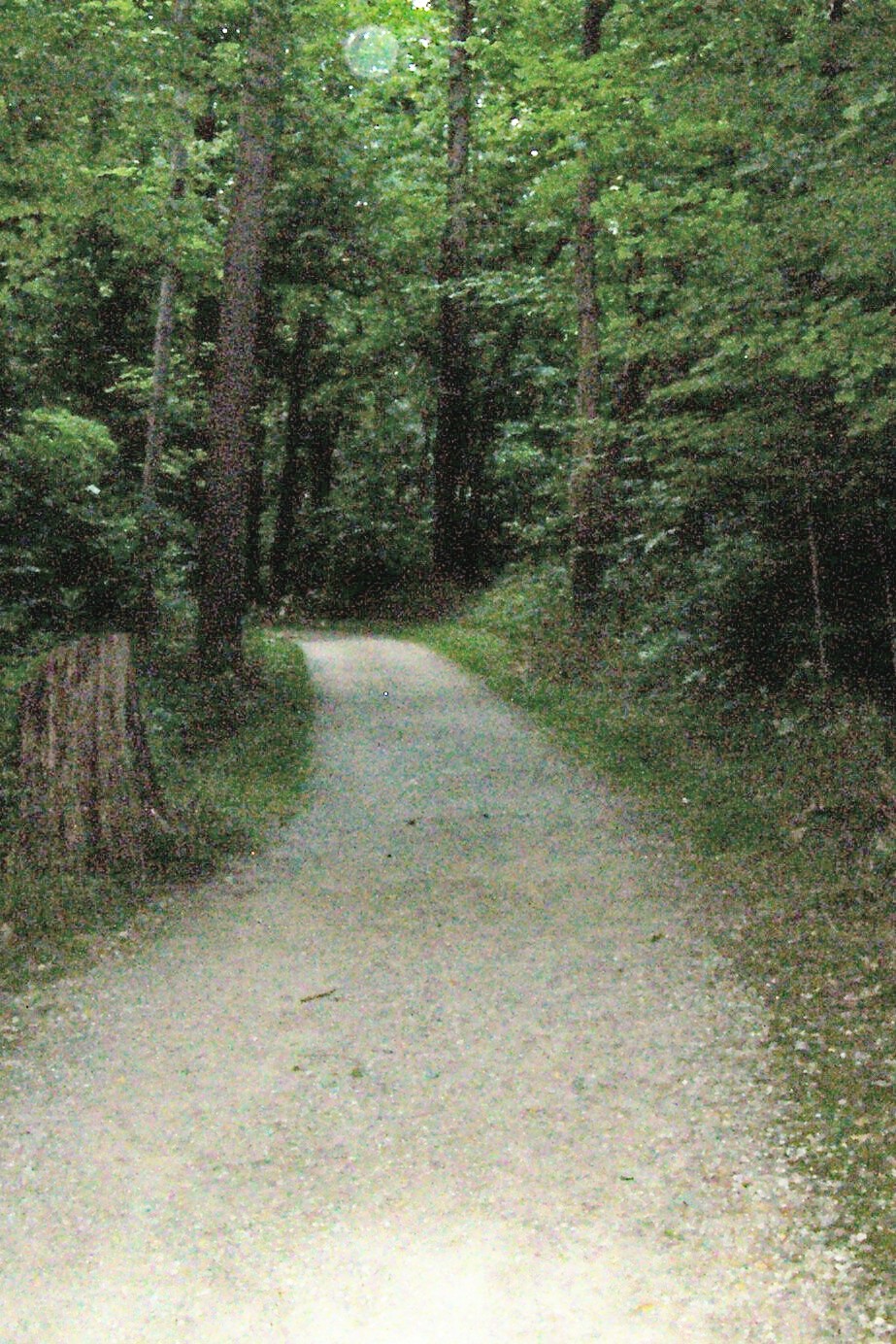
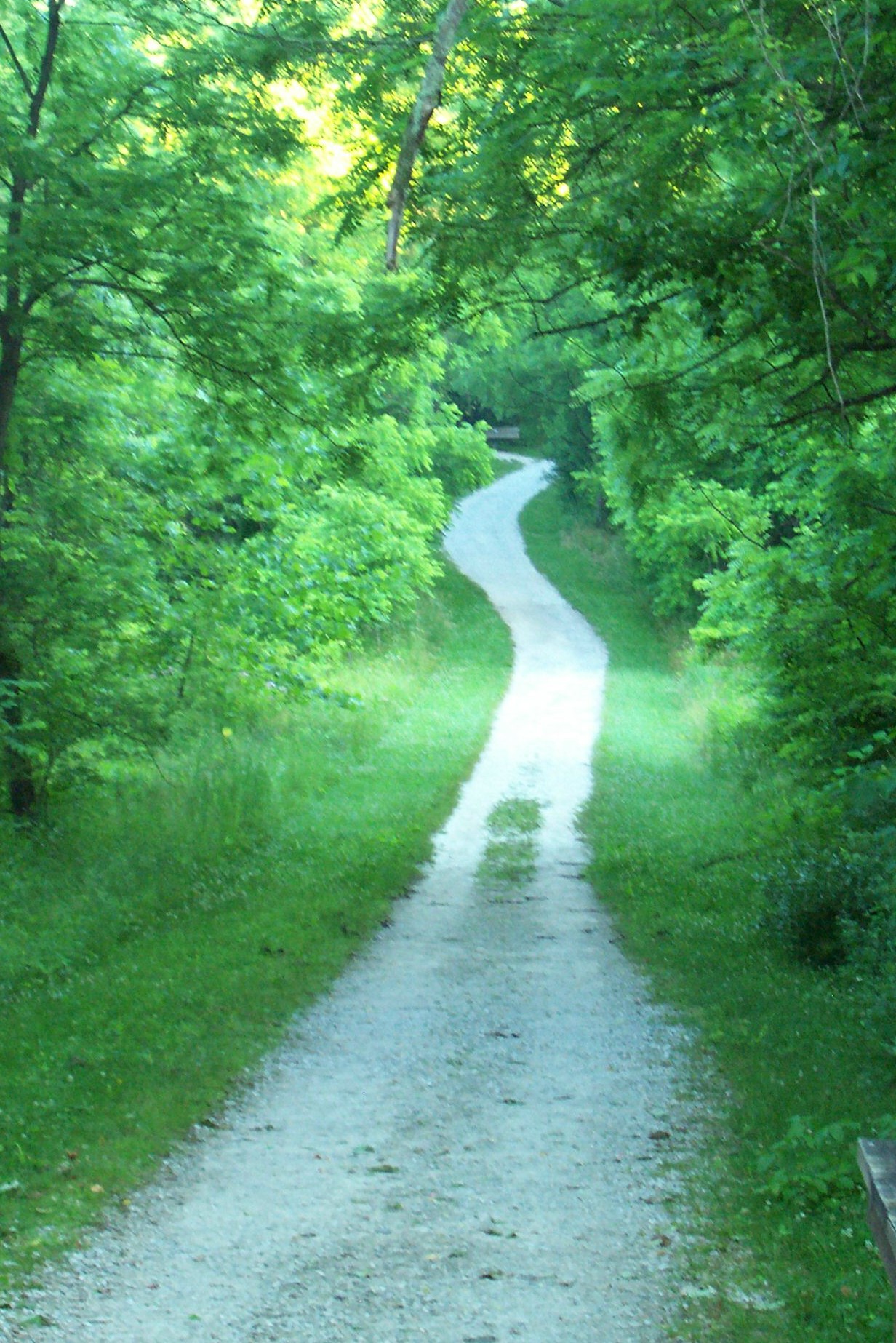
With natural trails covered with light gravel, the terrain rates as moderate to difficult for anyone who desires to walk the park. Poplar Creek meanders through the meadows and trees below the ridge.
Chestnut Ridge features three different trails, and they connect to form a nearly 2.5 mile route. Nearby wetlands and a fishing pond are located on the lower level of the park, as well as picnic shelters and a small natural amphitheater.
The Meadows Trail covers one mile in distance, and it outlines the lower region of the park. This route is more moderate than the two remaining trails.
The other trails offer a more challenging and difficult terrain. The Ridge Trail climbs up from each end of the Meadows Trail. The one-mile distance takes any ambitious hiker up to the highest point of the park.
The path on the left is typical of the Meadows Trail. The beginning of the climb up the Ridge Trail is featured on the right.
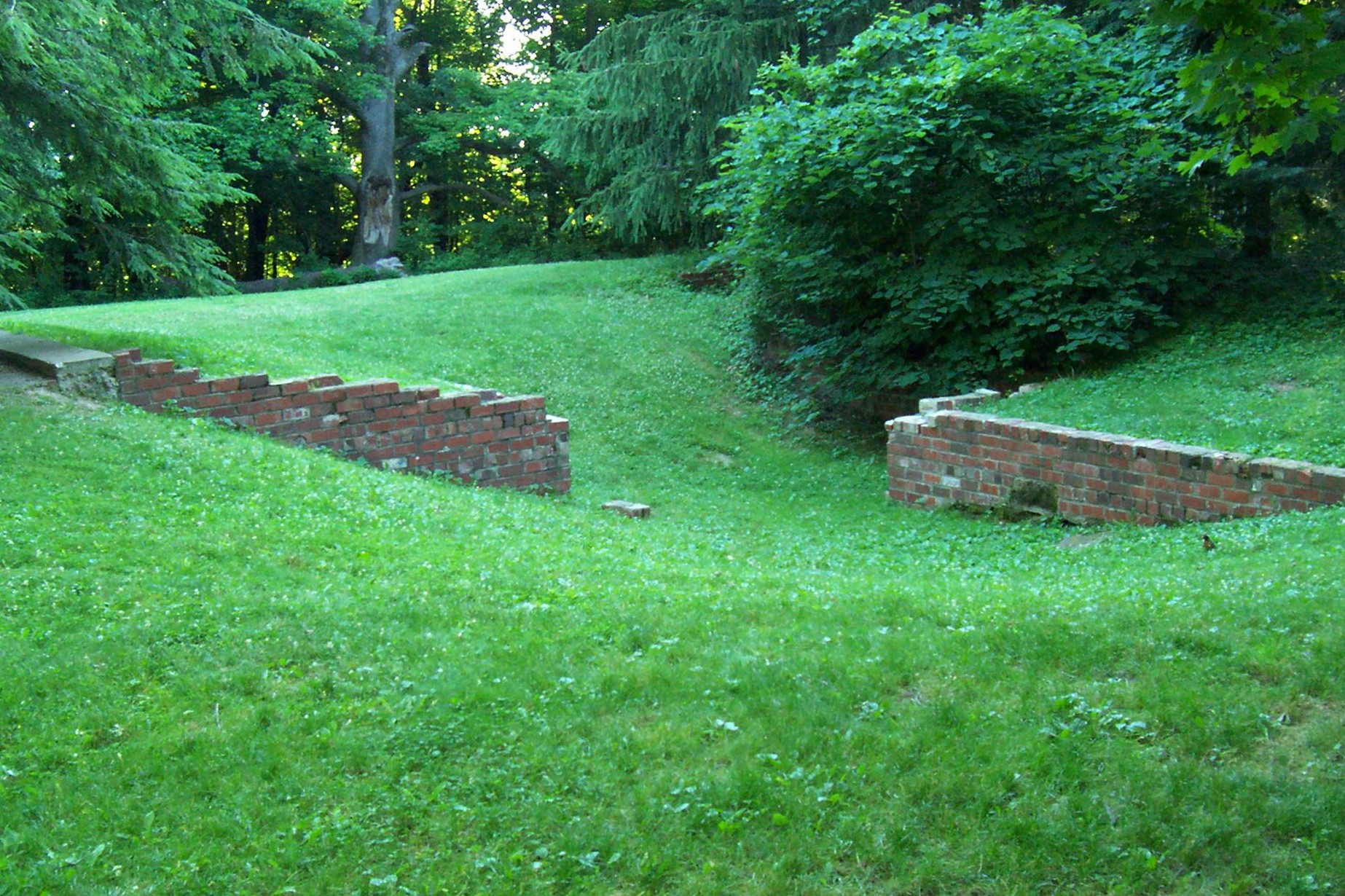
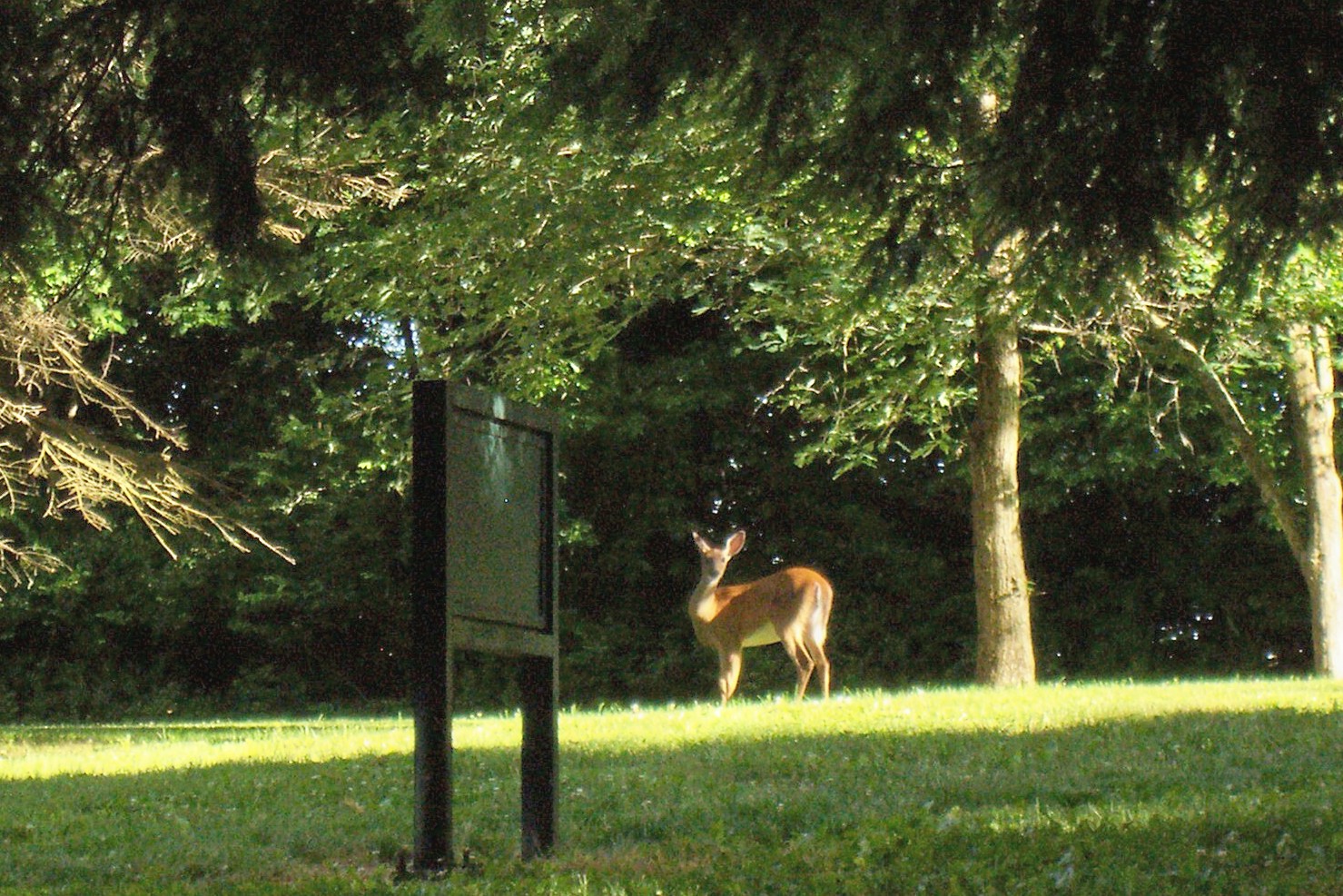
Between the Meadows Trail and the Ridge Trail sits the Homesite Trail. The nearly half-mile trail climbs up through the interior section of the park. Hikers will find the foundation of a former home from the 1930s as well as a garden area around it. The generous size of the shaded location may allow a fortunate photographer to quietly capture a hungry deer feeding on the tender, green grass.
at the top of the homesite trail one will find the remnants of a former home. standing in the quiet shadows of the surrounding trees, a deer is photographed, seemingly unaware of any human presence.
The park was named for the American chestnut tree, and many grew up on the crown of the ridge until the early 1900s. They dominated forests in the eastern United States as well as the Ohio Valley. These giants topped out at a height of 100-150 feet, and a few featured trunk diameters of nearly ten feet.
In 1904, an Asian fungus arrived in the United States, and it began to slowly and methodically kill the mighty chestnut tree. By the end of World War I, most of America’s chestnut trees were reduced to sprouts rising from infected stumps. They resembled pale and sickly dwarf bushes rather than the magnificent chestnut tree.
a final collage of photos: fall foliage, a carved out hole in a tree trunk along the ridge trail, quiet fishing pond on the lower level of the park, a self-portrait of richard (your tour guide), and a look from the midpoint of the homesite trail (not far from the FOUNDATION of a former house).
Don’t get so busy making a living that you forget to make a life.
Dolly Parton (born 1946) is an acclaimed American singer-songwriter. Her success in country music has enriched her life with opportunities to become a philanthropist, actress, and businesswoman.
If the world would first walk among nature’s patch of peace, we just might experience greater togetherness.
Do you write a daily journal? This inspiring thought comes from my journal, and much of what is written in my journal comes from reading and commenting on other bloggers’ posts. Thanks to many of you for adding so much to my journal.
This series of poems (written in the German-inspired style of Elfchen or Elevenie) shares a total of eleven words in each poem, with a sequence by line of one, two, three, four, and one words.
May the love found in Christ encourage each of us to be a timely beacon of hope’s light for others to witness.
Do you write a daily journal? This inspiring thought comes from my journal, and much of what is written in my journal comes from reading and commenting on other bloggers’ posts. Thanks to many of you for adding so much to my journal.