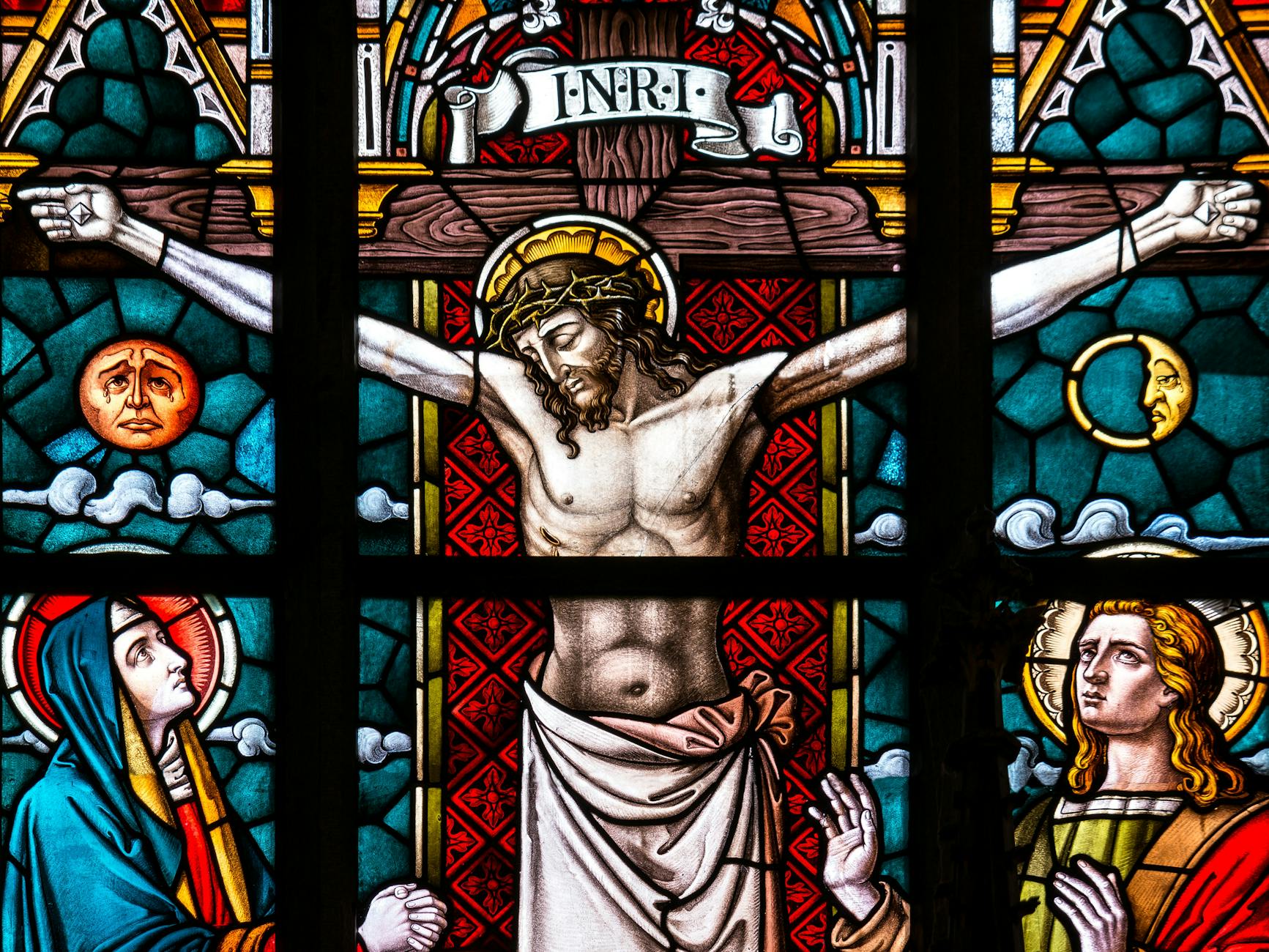
True Christians consider themselves not as satisfying some rigorous creditor, but as discharging a debt of gratitude.
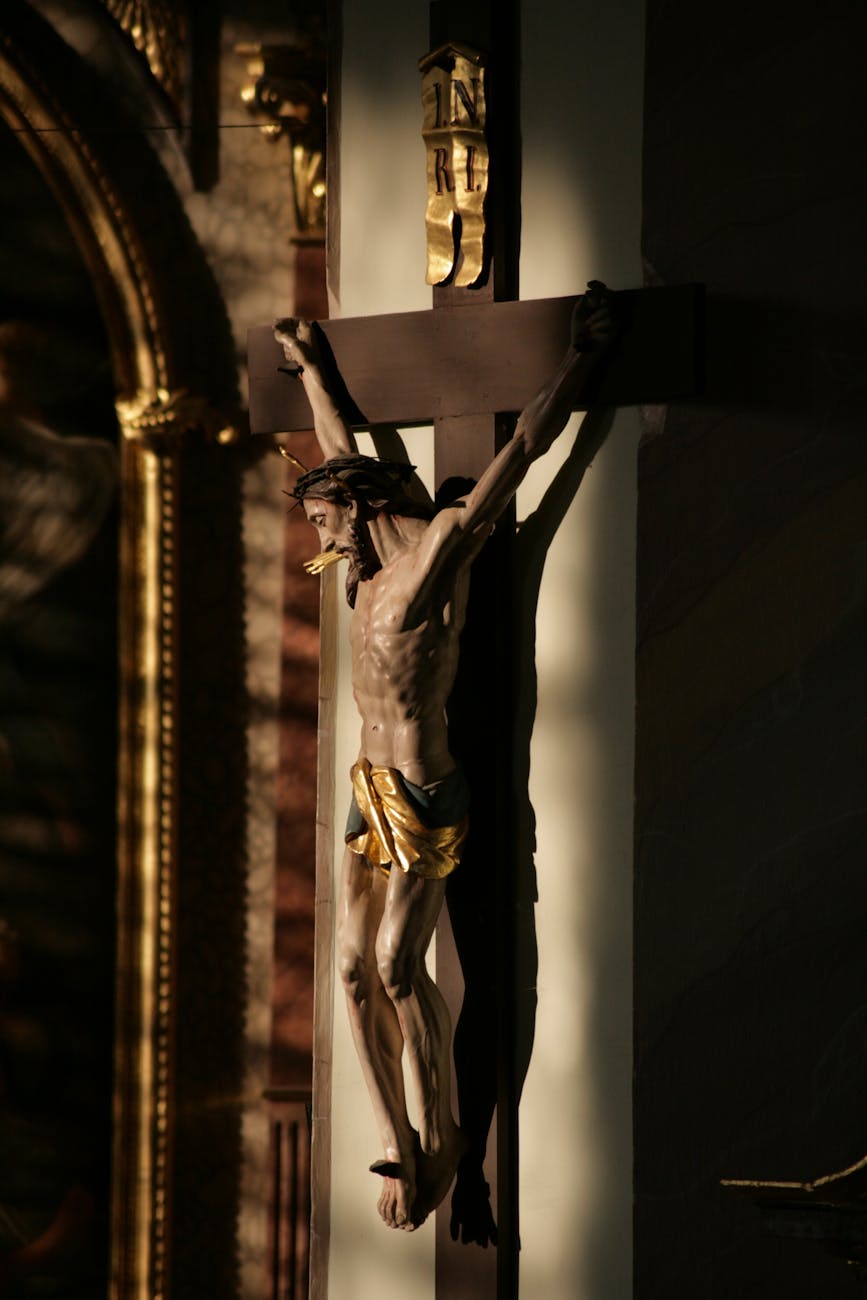
Colossians 2:13-14: “And when you were dead in trespasses and the uncircumcision of your flesh, God made you alive together with Him, when He forgave us all our trespasses, erasing the record that stood against us with its legal demands. He set this aside, nailing it to the cross.”
William Wilberforce (1759-1833) was a member of the British Parliament. He became a major figure in the movement to abolish the slave trade and slavery itself in the British Empire.
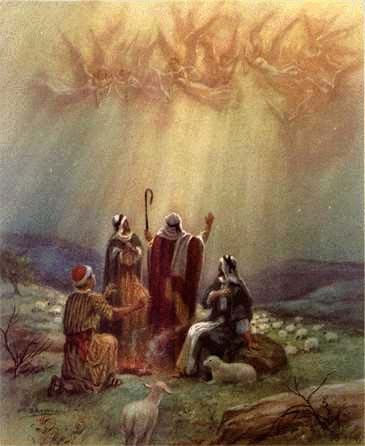
From Luke 2:8-11: “Now in that same region there were shepherds living in the fields, keeping watch over their flock by night. Then an angel of the Lord stood before them, and the glory of the Lord shone around them, and they were terrified. But the angel said to them, ‘Do not be afraid, for see, I am bringing you good news of great joy for all the people:to you is born this day in the city of David a Savior, who is the Messiah, the Lord.'”
From Colossians 1:13-14: “He has rescued us from the power of darkness and transferred us into the kingdom of His beloved Son, in whom we have redemption, the forgiveness of sins.”
From Psalm 3:3-4: “But you, O Lord, are a shield around me,my glory, and the one who lifts up my head. I cry aloud to the Lord,and He answers me from His holy hill.”
From Acts 13:23-25: “Of this man’s posterity God has brought to Israel a Savior, Jesus, as He promised; before His coming John had already proclaimed a baptism of repentance to all the people of Israel. And as John was finishing his work, he said, ‘What do you suppose that I am? I am not He. No, but One is coming after me; I am not worthy to untie the strap of the sandals on His feet.’”
From Psalm 103:2-4: “Bless the Lord, O my soul,and do not forget all His benefits—who forgives all your iniquity,who heals all your diseases, who redeems your life from the Pit,who crowns you with steadfast love and mercy.”
From Psalm 103:13-14: “As a father has compassion for his children,so the Lord has compassion for those who fear Him. For He knows how we were made; He remembers that we are dust.”
From Psalm 37:23-24: “Our steps are made firm by the Lordwhen He delights in our way; though we stumble, we shall not fall headlong, for the Lord holds us by the hand.”
From Job 19:25-26: “For I know that my vindicator livesand that in the end He will stand upon the earth; and after my skin has been destroyed,then in my flesh I shall see God.”
From Psalm 17:6-7: “I call upon You, for You will answer me, O God;incline Your ear to me; hear my words. Wondrously show Your steadfast love,O savior of those who seek refugefrom their adversaries at Your right hand.”
This series of poems (written in the German-inspired style of Elfchen or Elevenie) shares a total of eleven words in each poem, with a sequence by line of one, two, three, four, and one words.
From Colossians 3:1-2: “So if you have been raised with Christ, seek the things that are above, where Christ is, seated at the right hand of God. Set your minds on the things that are above, not on the things that are on earth.”
From Colossians 3:17: “And whatever you do, in word or deed, do everything in the name of the Lord Jesus, giving thanks to God the Father through Him.”
From Ephesians 4:15-16: “But speaking the truth in love, we must grow up in every way into Him who is the head, into Christ, from whom the whole body, joined and knit together by every ligament with which it is equipped, as each part is working properly, promotes the body’s growth in building itself up in love.”
Published in 1896, “My Goal is God Himself” was written by Frances Brook. She was the daughter of a pastor, but poor health prevented her from becoming a Christian missionary.