The German-inspired poetry style of Elfchen (or Elevenie) contains five lines of poetic verse, usually without the use of rhyming verses. A total of 11 words are used with a sequence of one, two, three, and four words before ending with a single word in the final verse.
From Ephesians 6:10-11: “Finally, be strong in the Lord and in the strength of His power. Put on the whole armor of God, so that you may be able to stand against the wiles of the devil.”
From Psalm 85:6-7: “Will you not revive us again, so that your people may rejoice in you? Show us your steadfast love, O Lord, and grant us your salvation.”
Courage faces fear and thereby masters it. Cowardice represses fear and is thereby mastered by it.
From Mark 5:35-36: “While He was still speaking, some people came from the leader’s house to say, ‘Your daughter is dead. Why trouble the teacher any further?’ But overhearing what they said, Jesus said to the leader of the synagogue, ‘Do not fear, only believe.'”
I feel so fortunate to have so much of nature’s treasures not far from my front door. Two metro parks are a short drive away, and their endless song always beckons me to return. The photos used with this poem were taken in central Ohio at various times of the year.
A Tanka is a Japanese form of poetry, which is related to its cousin Haiku. The poem uses 31 syllables covering five lines (with syllable counts following a 7, 5, 5, 7 and 7 sequence). An effective Tanka uses personification, metaphors, and similes in its construction, and it performs well in expressing a mood, a thought, or a feeling.
Evidence of new birth is that we see the rule of God.
From James 4:7-8: “Submit yourselves therefore to God. Resist the devil, and he will flee you. Draw near to God, and He will draw near to you. Cleanse your hands, you sinners, and purify your hearts, you double-minded.”













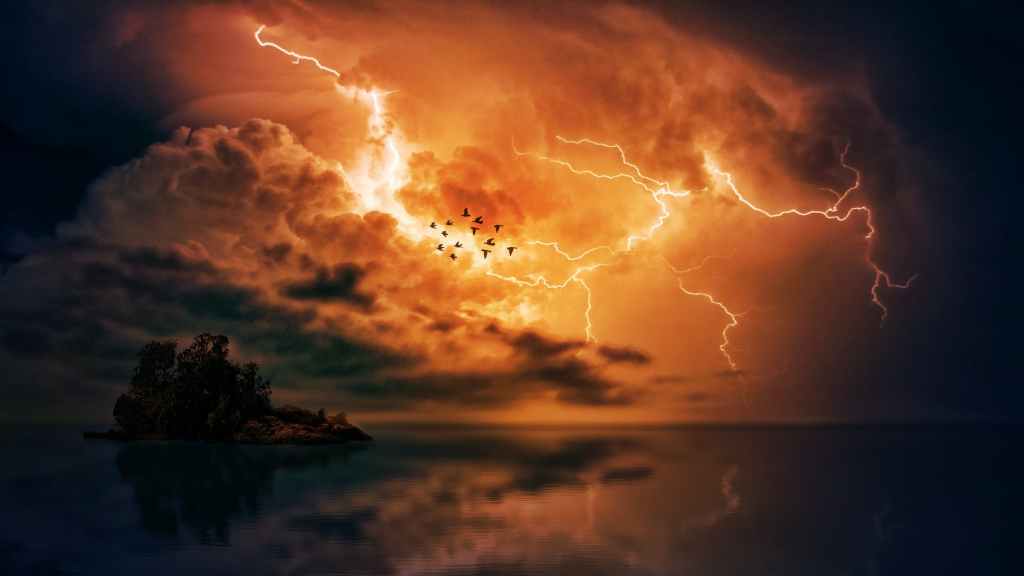

 Big Sky Buckeye