Big Sky Treasures #12

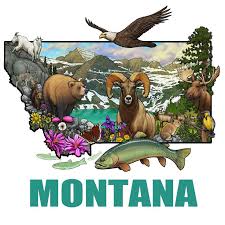
Over the years, the Montana Legislature has designated five different animal species as the official animal, bird, butterfly, fish, and dinosaur.  The widely recognized western meadowlark and grizzly bear have been adopted in 1931 and 1983, respectively.  Of even greater interest are the remaining three species.

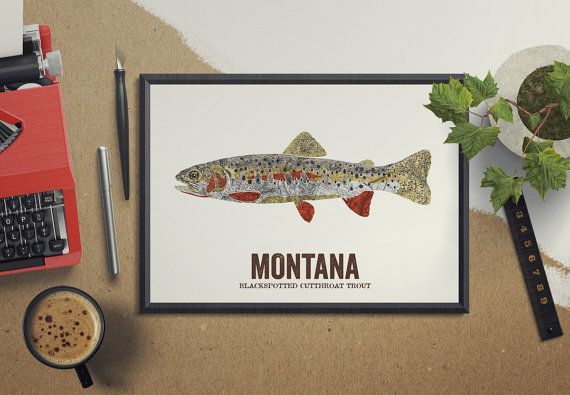
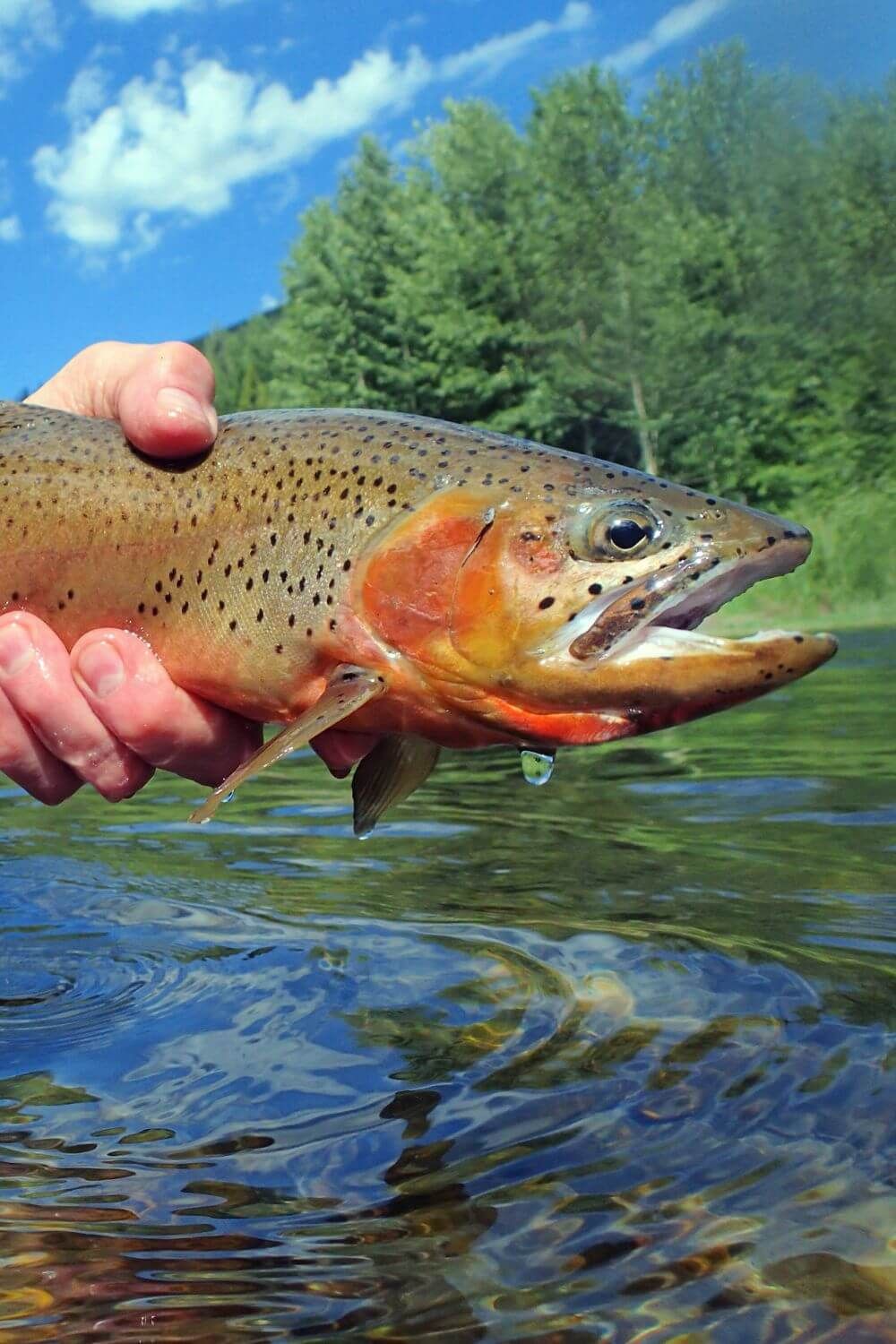
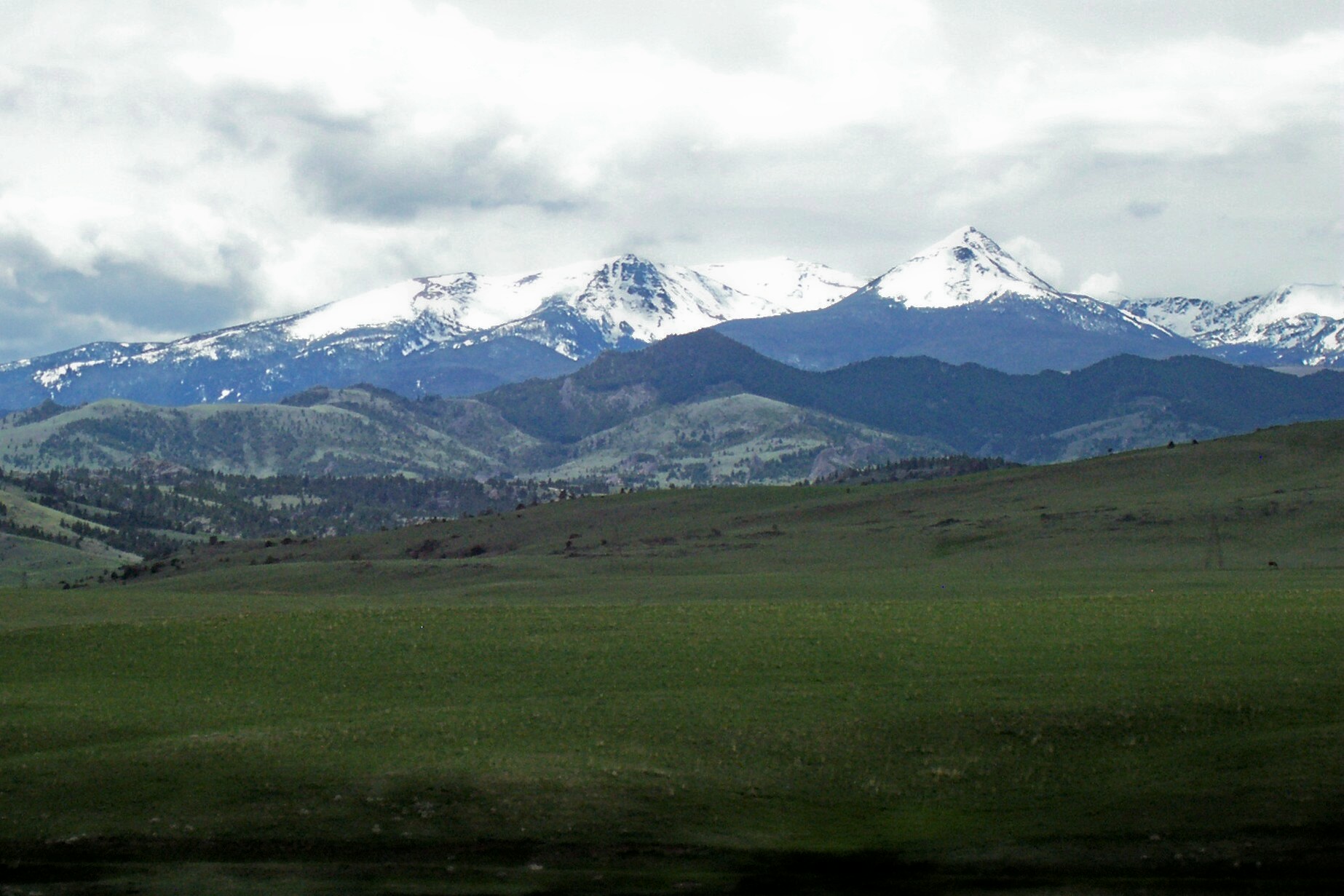
In the 1970s, well-recognized television producer and news broadcaster Norma Ashby, desires to designate a special species as the official state fish.  The Montana native promotes the adoption of the blackspotted cutthroat trout, which is approved by the Montana Legislature in 1977.

In the Montana territory, the blackspotted cutthroat trout is highlighted in the journal writings of William Clark, who is part of the infamous Corps of Discovery led by Clark and Meriwether Lewis.  This trout is well-noted for its tenacious attitude when fighting hard against an angler’s hook. 

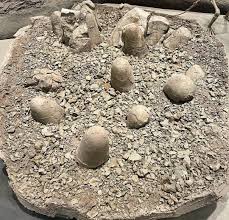
Montana’s official state fossil is approved in 1985, the duck-billed dinosaur.  The species is referred to as the maiasaura dinosaur, the “good mother” dinosaur. 

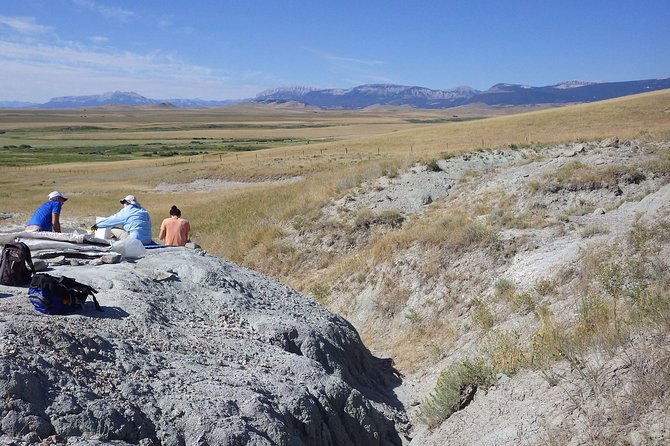
In the foothills of the Rocky Mountain front, near the community of Choteau, major scientific findings are recognized in 1978.  Marion Brandvold makes a discovery near her home of Bynum.  The entire area has been designated “Egg Mountain” because of entire nests of fossilized eggshells, baby and juvenile dinosaurs.

Brandvold shares her findings with the famous paleontologist, Jack Horner, from the Museum of the Rockies at Montana State University.  His further studies later find evidence that some dinosaurs lived in colonies.

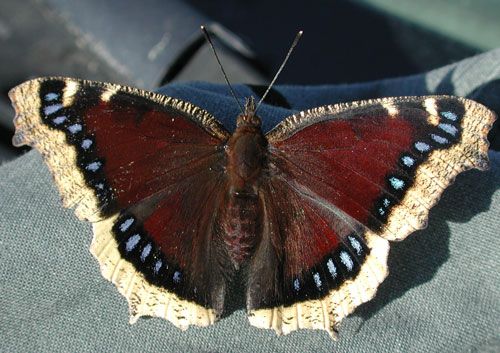
Approved by the Montana Legislature in 2001, the mourning cloak butterfly becomes the official state butterfly.  A major trademark of the butterfly is its dark, velvety wings.  These wings absorb the warmth of the sun. 

The mourning cloak butterfly has been observed as one of spring’s earliest arriving butterflies.  Sometimes they have emerged before the last of the winter snow has melted.  Their wingspans have reached nearly four inches. 

All images courtesy of Pinterest.

Monday Memories: Sunrise to Sunset

Photo by Pixabay on Pexels.com

Summer sunrise lights up the vast Montana prairie

Fields of grain smelling like sweetest confectionery


Farmers and ranchers always start up their days early

Full and hearty breakfast, making any man feel burly


This morning’s itinerary calls for baling hay

Alfalfa windrows cannot wait around all day


With tractor pulling an old baler, creating perfect bales

Gentle morning breeze fills out the air like a ship’s sails


Midday arrives, there’s time for a quick, tasty bite

Wife packs dinner with her usual special delights


Afternoon heat and wind suspend all baling for now

Starting up the swather, cutting hay as time allows


Thinking about next week, wheat looking to ripen by then

Combine stands ready and dependable, just like Big Ben


About an hour before sundown, pick-up truck returns home

Just enough daylight to check a few cows where they roam


Supper bell will be ringing soon, so need to finish now

Washing up, sitting down with wife, enjoy hearty chow


Praying together, evening transcends with the setting sun

Thankful for the Lord’s help with another day’s work done


Photo by Johannes Plenio on Pexels.com

Originally published August, 2020.

Treasure State’s Journey

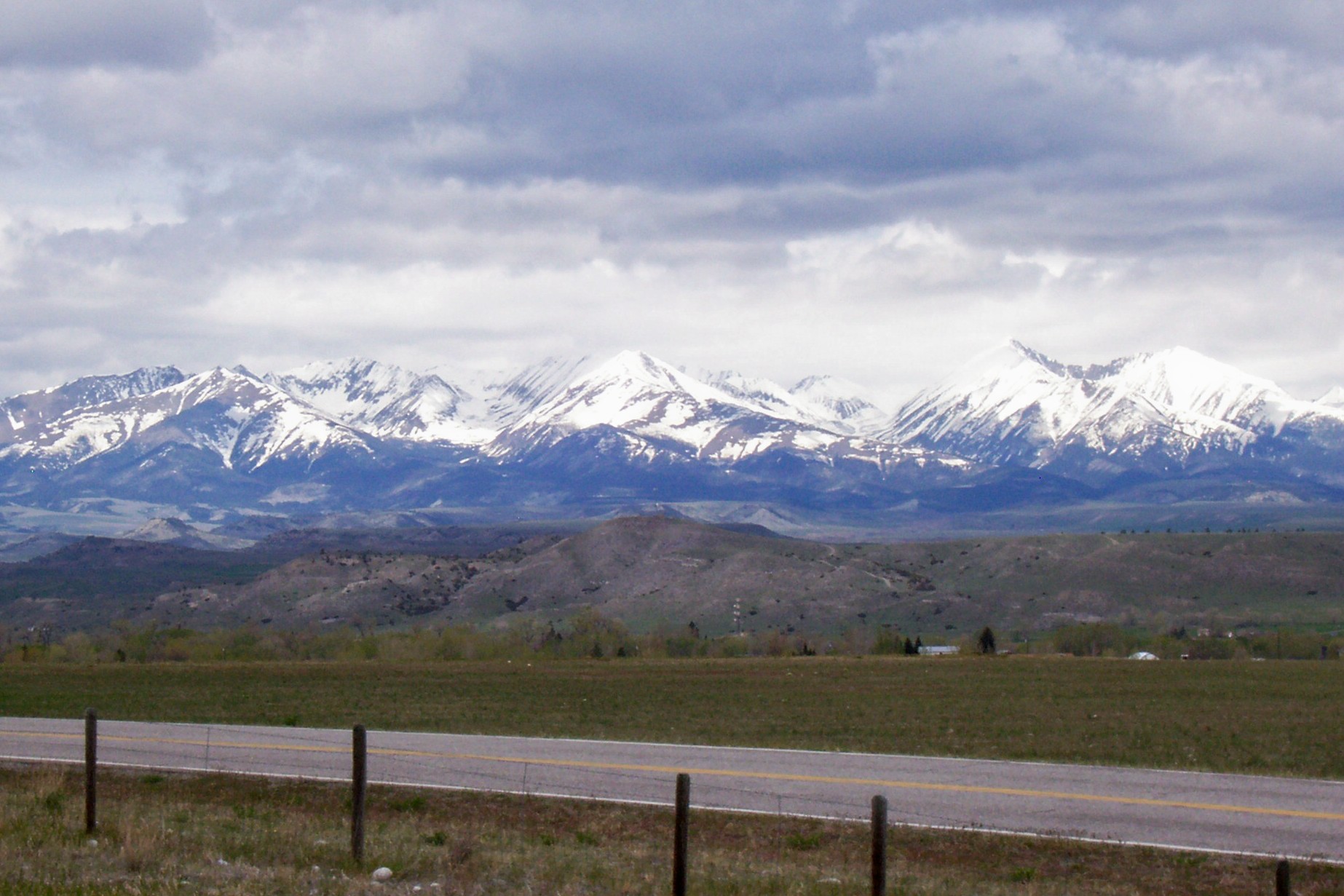
Montana’s Crazy Mountains as pictured outside of the town of Big Timber. This photo was taken in late May, yet there remained substantial snow visible on the peaks.

Waking up on cold, frigid, winter morn

Looking like snowy storms, soon to be born


Pulling warm covers over this bare head

Let’s fast forward to new season instead


Always dreaming with bigness every night

Never alone, tasting perfect delight


Traveling ahead to hot summer day

Feeling urge to jump up, shouting to say


Has one ever seen more beautiful sky?

Sensational, unblemished blue so high


Treasure State’s journey, mines purest pleasures

Opening saddlebag, full of treasures


Shining high above, fullest sun in view

Sharing smiles with heavens, always be true


Western hospitality, comes this way

Be sure to come back, as we always say


From warmest hearts, joy overflows with grace

Montana’s Big Sky, lifetime’s “Last Best Place”


This poem reworks the theme from a previously published poem from 2019.  The much-improved verses were inspired by the 1990 publication of The Last Best Place:  A Montana Anthology.  Through eight chapters and over 800 pages, the works of numerous Montana authors can be read.  Each illustrates the unique way of life and history found in Montana’s Big Sky Country.

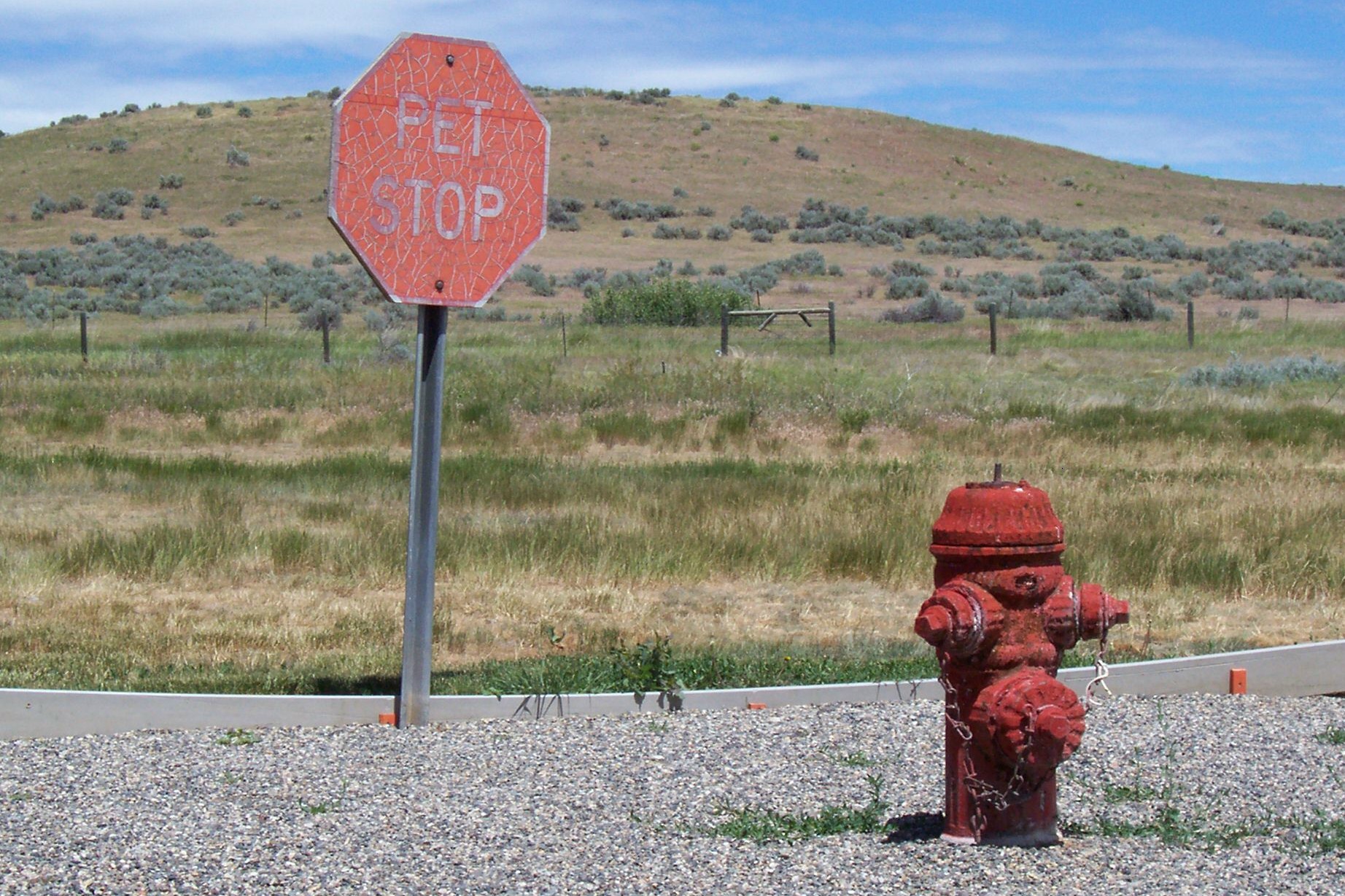
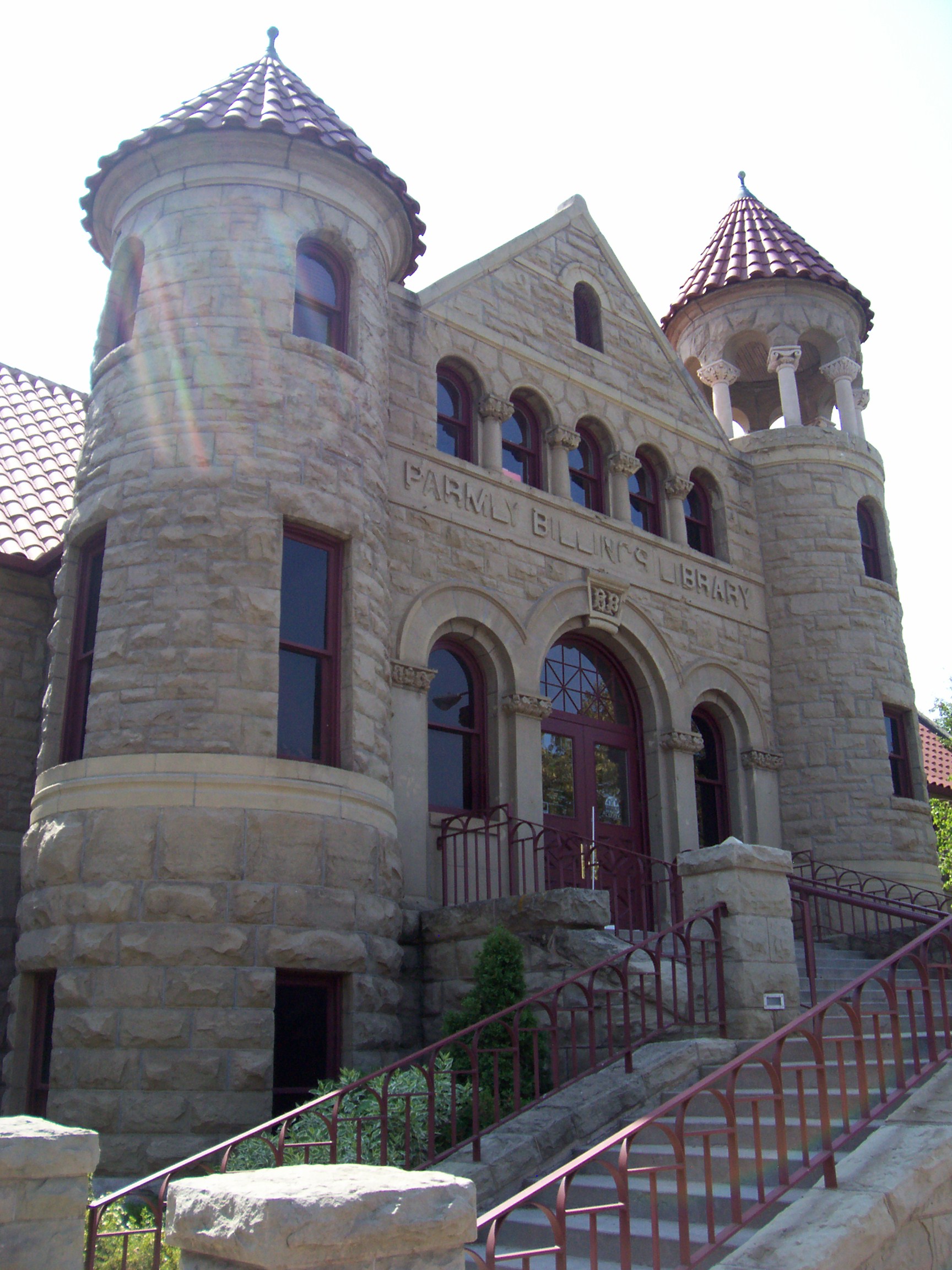
From the top left and moving clockwise:  Southwestern montana’s tobacco root mountains form the western wall along the madison river valley, montana ingenuity is discovered at a rest area along interstate 90, the hospitality of the community of ennis is found up and down its main street, the former parmly library building in billings–now home to the western heritage center, from a distance the “sphinx” formation is visible along southwestern Montana’s madison range (about 10 miles east of the community of cameron).  

Big Sky Treasures #11

Courtesy of Pinterest.

Montana’s Big Sky Country is filled with a variety of natural and man-made landmarks, and water is frequently found across the Treasure State.  Today’s photographic narrative highlights some of the lakes and rivers taken from my personal collection.

The landscape of southwestern Montana is punctuated with the presence of the Madison River (see above map).  Flowing from its source in Yellowstone National Park toward its confluence with the Jefferson and Gallatin Rivers, all three form the source of the mighty Missouri River.  The Madison runs for 183 miles before reaching its final destination near the community of Three Forks.

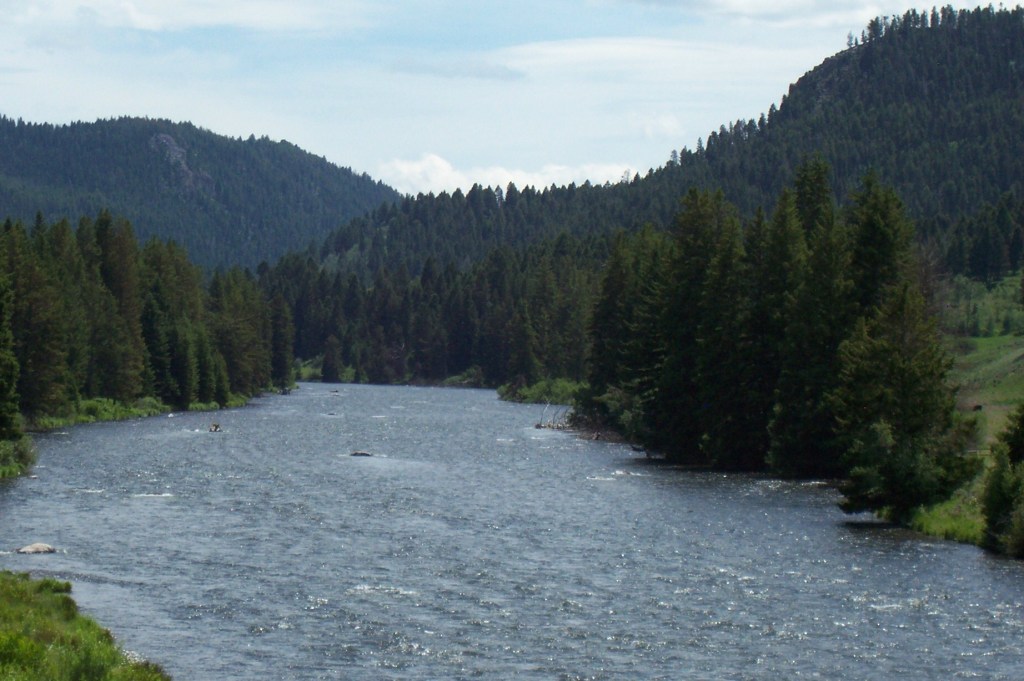
This section of the Madison River is found between the river’s two major lakes, Hebgen and Ennis.


The Madison River contains two dams.  Both dams are located on either side of the town of Ennis in one of the top trout fishing areas in the state.

Hebgen Lake is located between West Yellowstone and Ennis.  The lake is created with the building of Hebgen Dam (finished in 1914), and it is simple, yet effective in its construction.  The dam’s concrete core with an earthen embankment holds together during the infamous 1959 earthquake, which measures 7.2 in magnitude.

Scenic view along Hebgen Lake, downshore from the dam.  The lake opens up as it faces toward West Yellowstone.


The Madison Dam (opening in 1906) is built in the tight Bear Trap Canyon.  Its construction backs up the Madison River with a lake much smaller than Hebgen.  While usually listed on maps as Ennis Lake, the locals call it Meadow Lake.  Much of the lake’s perimeter is filled with private dwellings, but one can still find access to fishing sites, boat ramps, and camping.

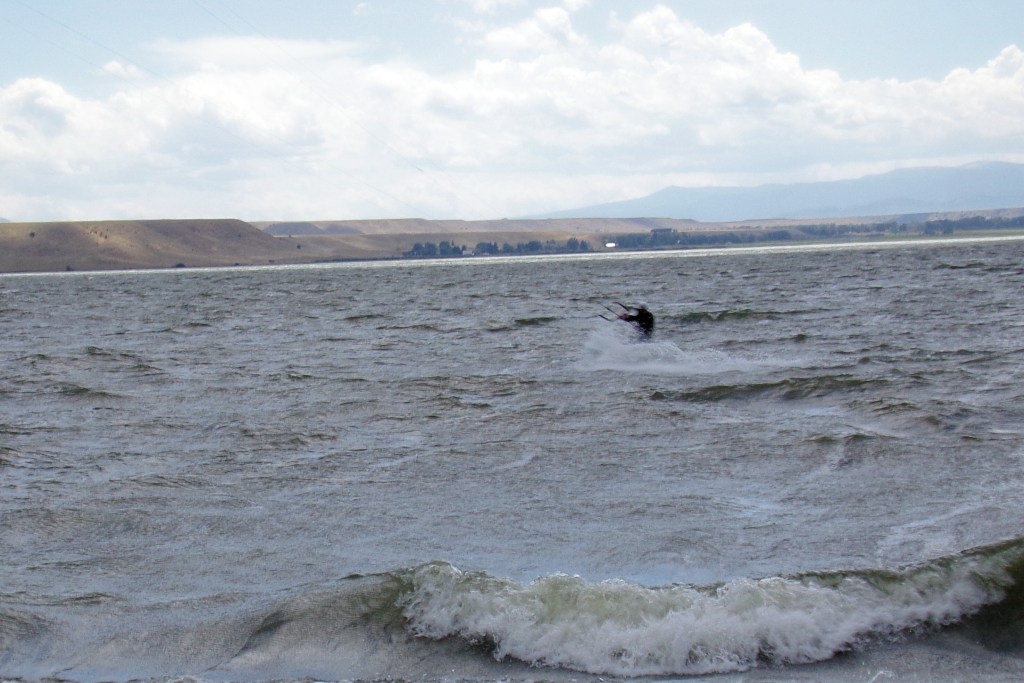
From the north shore of Ennis Lake (taken during the summer of 2024).  witnessing some intense whitecaps while A lone wind surfer can be seen in the middle of the photo.  His attempts to become airborne were made much more difficult because of the windy conditions and rough water.

Dreaming of the Big Sky

Montana’s Holter Lake, near the community of Wolf Creek.

My wife and I are starting up our second day of travel as we drive west to Montana’s Big Sky, where family and friends wait for our arrival.  

During the next three weeks, my posts on Big Sky Buckeye will be taking a vacation as well.  I will stay in touch when I have a free moment, and when my tablet has an Internet connection.  My mother’s home doesn’t allow me to communicate on the World Wide Web, but time will definitely be filled up with catching up with family and sampling a taste of Montana once again.

We are planning to visit one of my blogging acquaintances while in Montana.  There will likely be more written about this rendezvous in a later post.

In the meantime, enjoy some previous photographs from Montana, also known as the “Treasure State.”

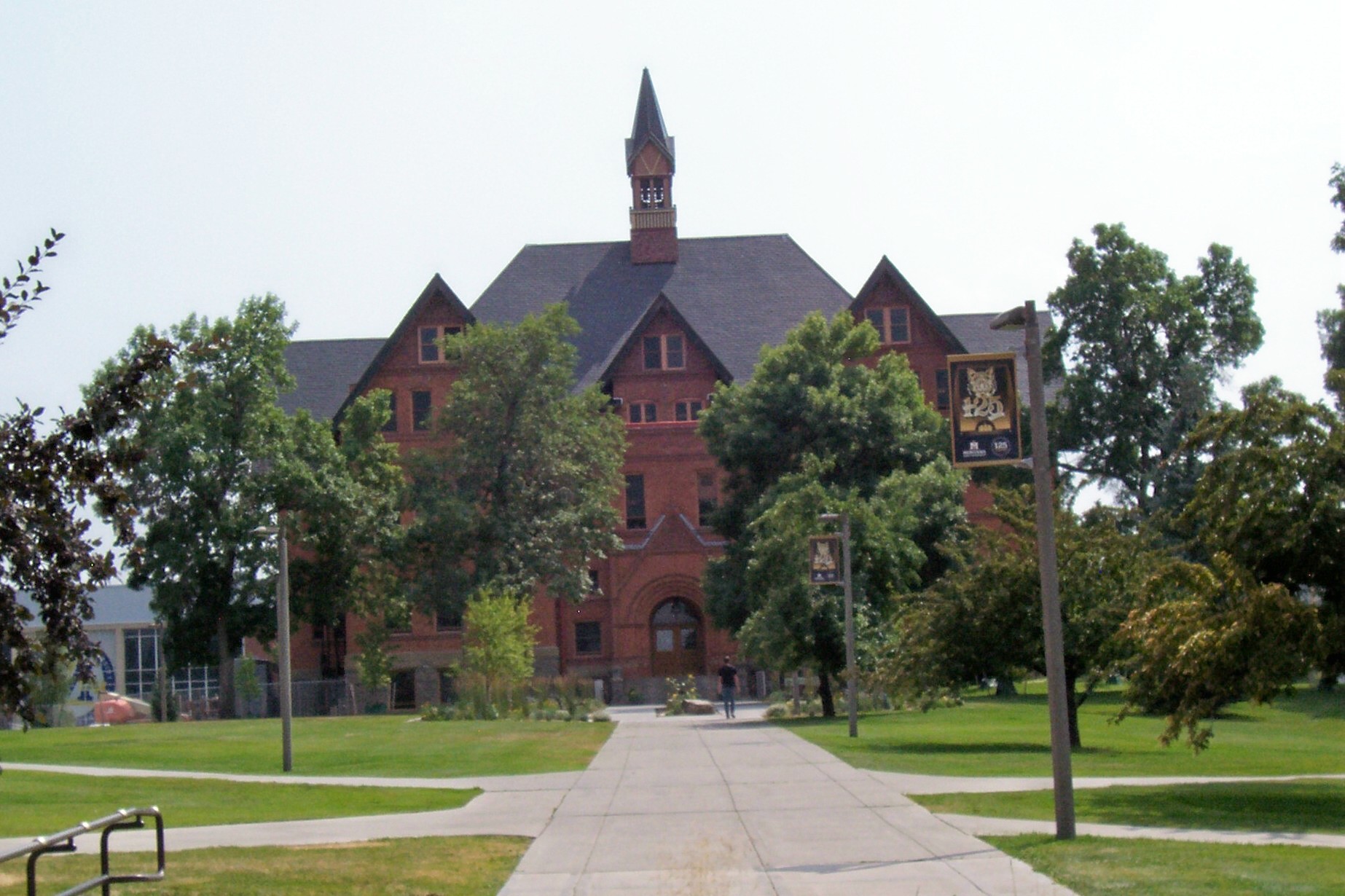
Beginning top left and moving clockwise:  Crazy Mountains near big timber, moss mansion in billings, spillway at fort peck dam near glasgow, madison river near ennis, smoky view of billings (my hometown), montana hall on the campus of Montana state university (go bobcats).

Behind the Scenes–Act 6

For the final Saturday of each month, a different and unique feature will be published.  Today’s narrative takes a look at some of the history behind the Big Sky Buckeye blog.  Saturday’s regular feature, “Trivia’s Facts and More,” will return next week. 

Photo by Daria Shevtsova on Pexels.com

Welcome to “Behind the Scenes.”  Today, we have returned to visit with Richard, the creative voice behind the writing journey of Big Sky Buckeye. 

Welcome back Richard.  It is a pleasure visit with you again. 

It’s been awhile since we talked with you.  Perhaps you would like to acquaint new and familiar readers with the history behind your blog’s name of Big Sky Buckeye.

When I decided to begin my writing and blogging journey back in the fall of 2018, I had not thought much about the name for the blog.  But an idea came to me rather quickly.

The headwaters of my writing journey were nestled under Montana’s Big Sky where I grew up and lived for most of my life. 

Much of my writing has been inspired from the endless landscapes of the Treasure State (another nickname for Montana).  Indeed, nature’s gifts have been shared countless times through my writing.

here are a couple of my montana photos.  left:  as the madison river flows toward the camera, it is heading toward the town of ennis.  Its eventual destination will be the headwaters of the missouri river near the community of three forks.  right:  the peaks of the crazy mountains are sometimes covered with late spring snowfall.  this photo was taken in late may.

I arrived in Ohio about 16 years ago.  Colleen, my bride, convinced me to transform myself into a Buckeye.  So I’ve learned to appreciate the Buckeye state. 

Each week in the fall during the college football season, we have both been engaged and enthusiastic fans of The Ohio State Buckeyes.  Nearby nature parks have provided opportunities for my writing and photography.

here are a few of my ohio photos.  Left:  a beaver dam on the big run at walnut woods metro park near my home.  right:  fall foliage at Chestnut Ridge metro park, also a short drive from my home.

Here are some final poetic thoughts:

Montana’s Big Sky

Filled with memories

Headwaters of treasures

Writing’s freedom roams

Ohio’s Buckeye

Making memories

Inspired now to publish

Writing’s treasures roam

We have appreciated spending time with Richard from Big Sky Buckeye.  Look for more “Behind the Scenes” in future postings.

Big Sky Treasures #10

For the final Saturday of each month, a different and unique feature will be published.  Today’s narrative takes a look at the remarkable journey of Montana’s renowned western artist, Charles M. Russell.  Saturday’s regular feature, “Trivia’s Facts and More,” will return next week. 

One of Montana’s most treasured individuals will always be famed western artist Charles Marion Russell.  His lasting footprint has remained on the landscape of the Treasure State for over 100 years.

Born on March 19, 1864 in St. Louis, Missouri, Charles M. Russell grew up in comfortable surroundings with his family.    During his childhood, he showed an interest in sketching and molding animals from clay.  Living at the gateway to the West, he was fascinated with stories about explorers and fur traders.  However, his life was searching for something more.

At the age of 16, Russell left school and  headed to Montana.  He had a job lined up as a sheepherder on a ranch.  By the age of 18, he was experiencing the life of a cowboy as a cowpuncher.  The life of the open range was something to behold for this young man, known to many as “Kid” Russell.

Many of Russell’s early years were spent on ranches in the Judith Basin in central Montana.  Gradually, he discovered that he possessed greater passion for his artwork than the rough and tumble life of a cowboy.  He shared many of his sketches and watercolor paintings with friends and other acquaintances.    

Never in his life could Charlie Russell have ever thought of himself as a bona fide artist.  During the devastating winter of 1886-1887, he finally realized where his potential just might take him.

Working on a ranch, he and other cowboys usually had little to do during the wintertime.  The cattle were safe wintering on the range, and they seemed well-suited for Montana winters.  This time around winter would finally have the upper hand.

Thousands of cattle perished during an unbelievable blizzard.  The absent owner of the O-H Ranch wrote and asked how his cattle were doing.  Russell responded as only he could do, with his artwork.  On a postcard size watercolor, he described in vivid detail that the herd was decimated.  The painting would later be redone and named “Waiting for a Chinook.”

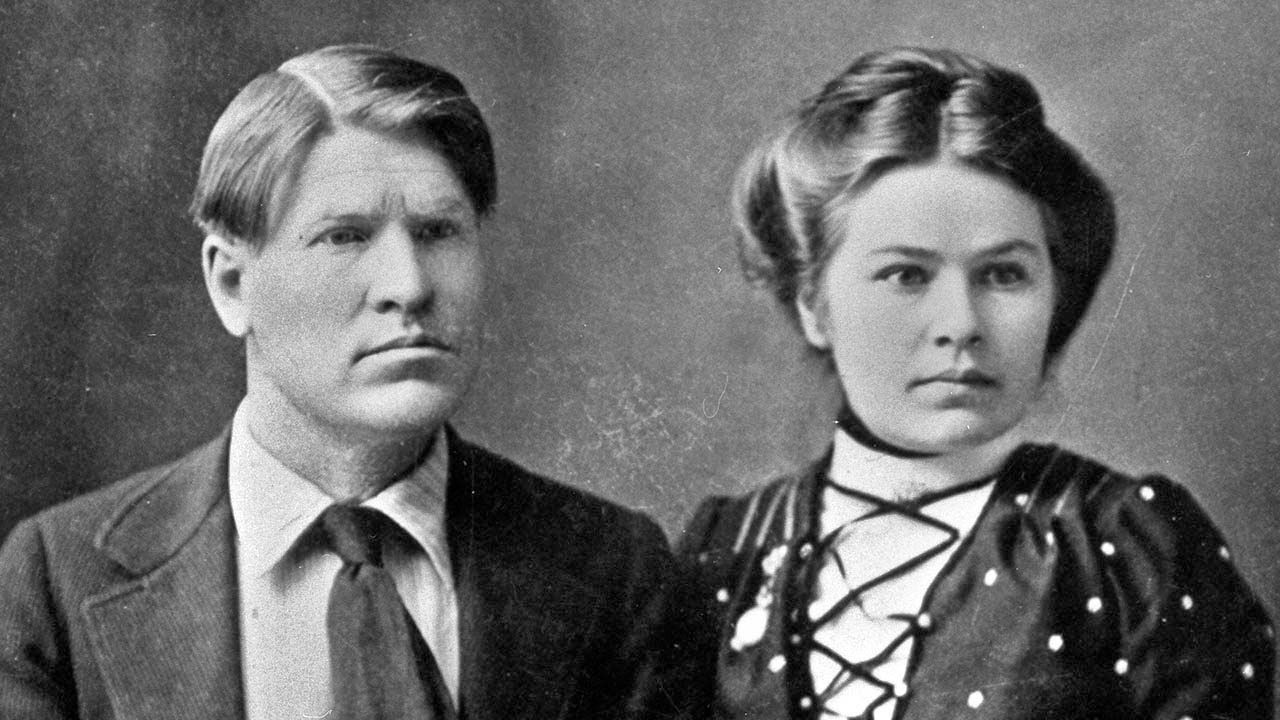
In 1894 at Cascade, Montana, Russell met a woman at a dinner gathering.  Many knew of his artistic talent, but his prominence was limited to Montana.  The young woman, Nancy Cooper, would later become his wife when they married in 1896.

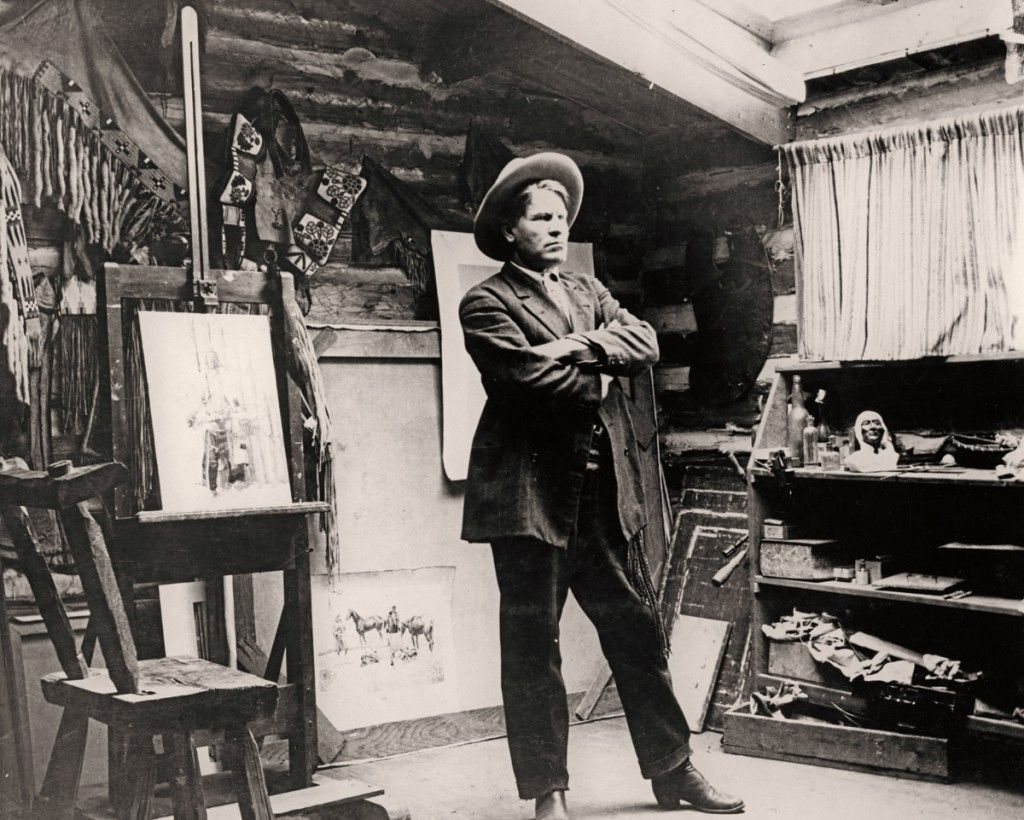
Life was about to change in many positive ways for Russell’s continuing journey as an artist.  In 1897, the Russell’s moved to Great Falls where Charles set up a studio in a log cabin.

Nancy Cooper Russell would become her husband’s business manager, and his artwork’s value would begin to be noticed by others outside of Montana. 

top left:  russell in his log cabin studio in great falls, montana.  bottom left:  charles with his bride, nancy.  right:  portrait of charles m. russell.  (pictures courtesy of pinterest)

Russell’s talents  attracted greater interest, and his works increased in value.  During his nearly 30 years of marriage to Nancy, Charles embarked on a remarkable journey with his artwork, and the bond of love between both stayed forever strong.

Russell’s paintings and sculptures brought reverence to Native Americans’ way of life, shared the humor and adventure of the cowboy, and illustrated numerous Montana landscapes.  He was a gifted writer and storyteller as well.

When Charles M. Russell passed away on October 26, 1926, the world lost a dynamic western artist.  Montana lost one of its most favorite adopted sons.

Author’s note:  In January, 2021, I crafted a poem with images of the “Haunting Storm” of the winter of 1886-1887 on  Montana’s open range.  A copy of Russell’s watercolor was also attached.  You are invited to follow this link to the poem:  Haunting Storm.
Big Sky Treasures #9

For the final Saturday of each month, a different and unique feature will be published.  Today’s narrative takes a look at the achievements of Montana native, Jeannette Rankin.  Saturday’s regular feature, “Trivia’s Facts and More,” will return next week. 

Growing up near Missoula, Montana, Jeannette Rankin was destined for a life of service to her country as well as other causes dear to her heart.

Born in 1880, Rankin lived on her family’s ranch in western Montana.  The Treasure State was still recognized as an American territory, and Statehood would not be attained until 1889.    In 1902, she graduated with a degree in Biology from Montana State University (now called University of Montana). 

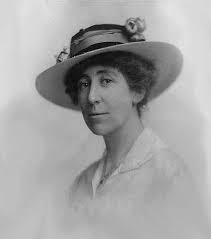
Left:  A young Jeannette Rankin.  Right:  Around 1914-1916.  (Photos courtesy of Pinterest.)

As a progressive member of the Republican Party, Rankin became the first American woman elected to a federal office.  In 1916, she was victorious in her bid to become a member of the U.S. House of Representatives.  She would later be elected to a second term in 1940.

Rankin supported social welfare causes for improving working conditions and health care for women.  She also worked tirelessly to help women earn the right to vote in the states of Washington and Montana.  Both states granted this right in 1910 and 1914, respectively.  Her efforts joined with other women in gaining universal suffrage for all in 1919 with passage of the 19th Amendment to the U.S. Constitution.

While Rankin has remained the only Montana woman ever elected to serve in Congress, she has been most remembered for her unwavering stance on war and peace.

During her first term in Congress, President Woodrow Wilson sent a declaration of war request to both houses of Congress.  Joined by 49 other votes against America’s entry into World War I, Rankin cast her vote against the resolution.

Sometimes history will find a way of repeating itself, and this was the case with Rankin in 1941.  Following the Japanese attack on Pearl Harbor, President Franklin Roosevelt sent a declaration of war request to Congress.  With unbendable political courage, she cast the lone vote against America’s entry into World War II.

left:  serving in congress 1941-1943.  right top:  serving in congress 1917-1919.  bottom right:  campaign literature from election of 1916.  (Photos courtesy of Pinterest.)

A lifelong pacifist, Rankin’s two votes against war demonstrated her resolute belief in preventing it.  She became the only member of Congress to vote against America’s entry into both World Wars.  Her own words say it best, “As a woman I can’t go to war, and I refuse to send anyone else.”                   

Rankin’s votes against entry into war terminated her future in politics.  She unsuccessfully ran for the U.S. Senate in 1918, and she did not run for re-election to the U.S. House in 1942.

Prior to her death in 1973, Rankin served as a passionate voice for including equality and women’s rights in Montana’s new constitution, which replaced the original one approved in 1889. 

Heading West

Normally, Saturday’s post features “Trivia’s Facts and More.”  The highway has led me to my native home of Montana.  Enjoy this poem.

Photo by Garvin St. Villier on Pexels.com
Heading west again

Leaving Buckeye land

Passing fields of corn

Highway’s singing band


Heading always west

Looking for blue sky

Small towns say hello

Highway time flies by


Heading west each day

Indiana waits

Illinois rolls by

Highway distance great


Heading ever west

Iowa belongs

Minnesota treats

Highway rolls along


Heading west for sure

South Dakota smiles

Wyoming roams free

Highway conquers miles


Heading west today

Montana’s hello

Big Sky welcomes home

Highway’s final show


Photo by Kerry on Pexels.com

My writing will be taking a well-deserved vacation while I wander under the Big Sky.  My next post will be published on Tuesday, August 22.  Everyone take care.

Monday Memories: Big Sky Moments

Wedding 2018 February 002.JPG

Waking up on a cold, frigid, winter morn

Looking like one more day with a storm

Pulling the warm covers over my bare head

Let’s fast forward to a new season instead


Always dreaming big at night

Never alone, perfect delight


Fast forward to a hot summer day

Sensational, unblemished blue sky

Feeling an urge to jump up, shout and say

Have you ever seen a more beautiful sky?


Seeing a Big Montana Sky

Morning sun climbs high


Traveling to Montana brings pure pleasures

Experiencing a saddlebag full of treasures

Shining high above, a cloudless view

Bringing a smile to God, always true


Always dreaming big at night

Never alone, perfect delight


Western hospitality, the Big Sky way

Filled with warmest smiles, no haste

Be certain to come back as we always say

Montana’s Big Sky, the Last Best Place!


Seeing a Big Montana Sky

Morning sun climbs high

Montana 2016 035.JPG 

Both photographs come from my private collection of images from southwestern Montana.

Originally published June, 2019.