Andrew Johnson Quotes

Photo by Gu Bra on Pexels.com

The life of a republic lies certainly in the energy, virtue, and intelligence of its citizens.

It is our sacred duty to transmit unimpaired to our posterity the blessings of liberty which were bequeathed to us by the founders of the Republic.

Andrew Johnson (1808-1875) was the 17th President of the United States.

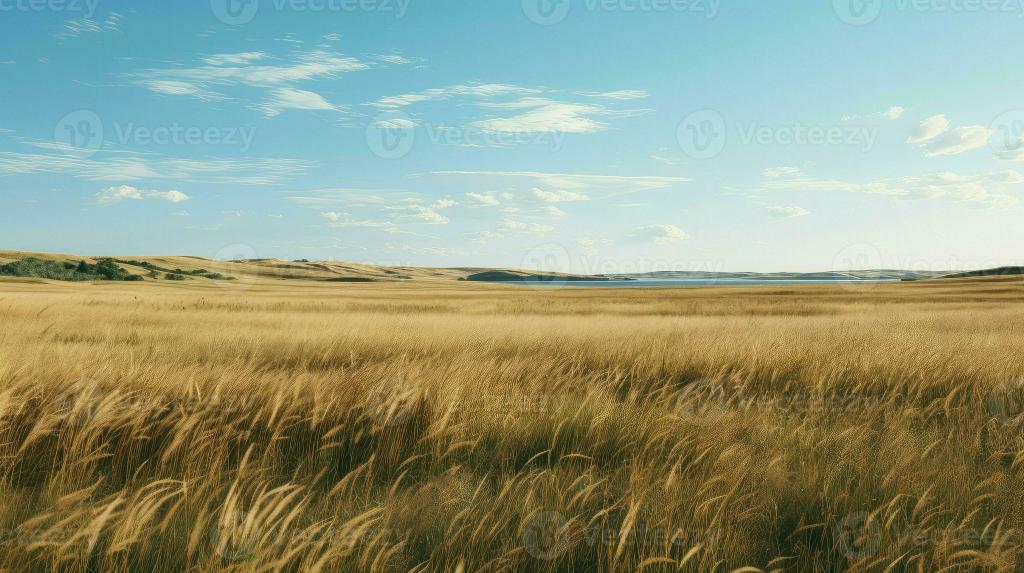
Endless Grassy Sea

Courtesy of Pinterest.

Virgin prairie

Endless grassy sea

Fertile, untouched

Living always free


Nature’s preserve

Blessed grassy sea

Native people

Worship what they see


Gift forever

Treasured grassy sea

Timeless, precious

Mother Earth agrees


Standing knee high

Faithful grassy sea

Glory days sing

Praises fill with glee


Man’s encroachment

Constant grassy sea

Days now numbered

Earth makes her plea


Plowing under

Cherished grassy sea

Another farm

Way of life now flees


Forever gone

Priceless grassy sea

Winds of time change

What should always be


Pockets remain

Endless grassy sea

Memories breathe

Yesterday foresees


Remnants of the original American prairie can be found in places such as the Tall Grass Prairie Preserve in Oklahoma. (Courtesy of Pinterest)

Trivia’s Facts and More (2/3)

Photo by Pixabay on Pexels.com

This informative post will be published on Saturday in place of my regular one.  You are invited to participate with the opening question.

Brain Teaser Question

Put these statements in the correct order.

(A)   Thousands of children receive milk substitutes.

(B)   Milk drivers and plant employees go out on strike.

(C)   The milk workers’ union demands increased wages.

(D)   Milk employees go back to work.

(E)   Union members vote to ratify the new contract.

(answer found at the end of this post)

Featured Facts

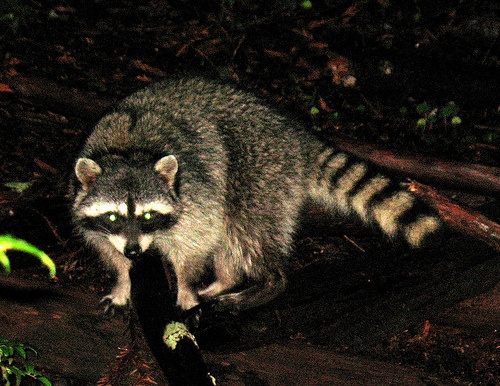
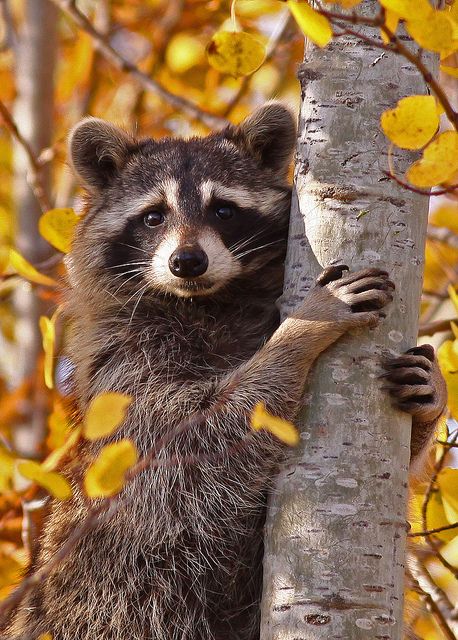
One of America’s most frequently spotted animals is the nocturnal bandit, commonly called a raccoon.  Raccoons are native to a large geographical area, which stretches from Canada to Panama.

Here are a few quick facts about the raccoon:

  • Body length:  2-3 feet (.6-.9 m)
  • Tail length:  14-19 inches (35-48 cm)
  • Weight:  approximately 20 pounds for mature adult
  • Diet:  fruit, insects, birds, frogs, small mammals
  • Lifespan:  2-5 years

As raccoons live throughout the United States, they are frequently found in woodlands, wetlands, forest, and towns.  Raccoons are many times considered pests as they search for food in a community’s garbage.

The name raccoon comes from the Algonquian word “aroughcun” which means “he who scratches with his hands.”  They are intelligent and curious; they also adapt well to most any living environment.

Raccoons possess hand-like claws, and they can usually open jars and doors with ease as well as grasping food.  In using their hands, raccoons turn, inspect, and wash food before eating.

The mask-like markings on a raccoon’s face help to reduce glare from light and allow for better night vision.  Their sharp claws and nibble paws allow them to expertly climb trees and other surfaces.  A group of raccoons is called a nursery, and the babies are called kits.

top left and moving clockwise:  pair of adults, CURIOUS babies, adult climbing tree, spotted at night, caught in a garbage dumpster.  (photographs courtesy of pinterest.)


Answer to Brain Teaser Question

C  —  B  —  A  —  E  —  D

Monday Memories: Coast to Coast

worms eye view photography of statue of liberty

Photo by Jamie McInall on Pexels.com

Sightseeing from Atlantic to Pacific coasts

Experiencing America, with much to boast


Lady Liberty’s gleaming torch welcomes all

Blazing autumn colors define Vermont’s fall


Appalachians conceal valleys, nestled with small towns

Nashville plays music for biggest “Country” hoedown


Florida’s Everglades house gators galore

Across America’s skies, bald eagles soar


Commanding Mississippi River slices through the land

Florida and California beaches offer up surf and sand


Interstate highways transport autos everywhere

Great Lakes provide a waterway, here to there


New Orleans offering its French Quarter to entertain

To the South, Rio Grande River creates a watery lane


America’s breadbasket reaps harvests from the Great Plains

Loaded grain, freight, and more journey on mile-long trains


Towering Rockies sing of marvelous beauty up high

Visiting out West, appreciating a Big Montana Sky


Seattle’s Pike’s Market, a distinctive place to treasure

California’s redwoods, their height is one to measure


Arid Southwest rains bloom flowers throughout the land

Grand Canyon’s brilliant scenery plays a winning hand


Finally reaching the Pacific coast at long last

The Golden Gate Bridge arrives much too fast

golden gate bridge san francisco california

Photo by Ignacio Palés on Pexels.com

Originally published September, 2019.

Trivia’s Facts and More (12/16)

Photo by Pixabay on Pexels.com

This informative post will be published on Saturday in place of my regular one.  You are invited to participate with the opening question.

Brain Teaser Question

What word contains 26 letters but only has three syllables?

(answer found at the end of this post)

Featured Facts

Many of America’s animals have cousins who are found in other parts of the world.  This is the case with the badger.

Here are some interesting facts about the American badger:

  • Height/Weight:  at the shoulder, 12 inches (30 cm), 15-30 pounds
  • Lifespan:  around 10 years
  • Habitat:  open plains, prairies, and grasslands
  • Diet:  small mammals (such as mice, gophers, rabbits), earthworms, insects, roots, grasses, and fruit

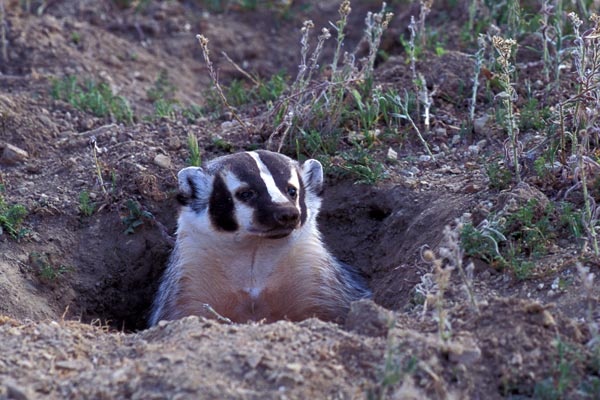
A badger’s appearance is characterized by stripped faces and thick bodies.  The length of an adult is usually between 2 and 3 feet (.6 to .9 m).  A group of them is called a clan or cete.  The youngsters are named cubs or pups, while the adult males are called boars and females as sows.

Badgers are known for their fierce bite.  Their lower jaw has the ability to clamp down securely and tightly.  Designed for digging, their front paws feature long, sharp claws, which can dig quickly when searching for prey hiding underground.

A badger’s home consists of underground burrows (called setts or dens).  The tunnels may run up to 10 feet below the ground’s surface, and some may exceed 30 feet in length.  There is room for sleeping, storing food, and giving birth.

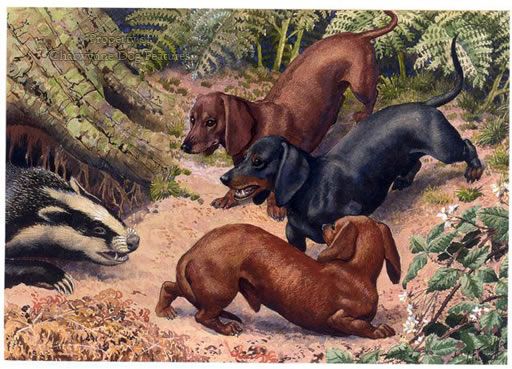
Badgers are nocturnal hunters, and they generally live as solitary creatures.  They face a variety of predators, such as wolves, coyotes, mountain lions, foxes, and even eagles and hawks.  Most will prey upon their small cubs in open areas, away from the much safer den.  In addition, man has bred his own predator–the Dachshund.  Used particularly in Europe, their name translates from the German language as “badger dog.”

starting left and clockwise: at the den’s entrance, a badger defends it against several dachshunds.  a single badger surveying the scene from his den.  a pair of badgers.  (photographs courtesy of pinterest.)


Answer to Brain Teaser Question

The alphabet

Daniel Inouye Quotes

Photo by Element5 Digital on Pexels.com

Americanism is not a matter of skin or color.

Democracy is an imperfect concept slowly seeking perfection.

Daniel Inouye (1924-2012) served the people of the United States and the state of Hawaii as a Captain in the U.S. Army during World War II.  This highly decorated veteran received the Medal of Honor and Purple Heart.  He served in the U.S. Senate from 1963 to 2012.

Trivia’s Facts and More (10/7)

Photo by Pixabay on Pexels.com

This informative post will be published on Saturday in place of my regular one.  You are invited to participate with the opening question.

Brain Teaser Question

Find the next letter in the sequence.

A    B    D    G    K    P    ?

(answer found at the end of this post)

Featured Facts

Sometimes called a timber wolf, the gray wolf’s numbers have declined significantly in the United States.  They are still plentiful in many rural areas around the rest of the world.

Here are a few quick facts about the gray wolf:

  • Habitat:  forests, mountains, grasslands, tundra, and deserts
  • Weight:  males up to 145 lbs or 65 kg, females up to 100 lbs or 45 kg
  • Diet:  small mammals (rats, squirrels, rabbits) and large mammals (deer, elk, caribou, moose, and even bison)
  • Lifespan:  typically 6-8 years

In the United States, the historic range of the gray wolf once covered nearly two-thirds of the country.  Today, wolves are primarily found in Alaska, northern Michigan, northern Wisconsin, western Montana, northern Idaho, northeastern Oregon, and Yellowstone National Park.

Hunted extensively, America’s wolf population plummeted.  In Yellowstone National Park, the last wolf was killed in 1926.  Reintroduced in 1995, the numbers in Yellowstone have grown to approximately 100.

Following a kill, a wolf will eat 20-30 lbs. (10-13 kg) of meat.  They are capable of surviving up to two weeks without eating.  In some areas, they threaten livestock.  In the Yellowstone ecosystem, elf make up nearly 90 percent of the wolves’ diet during the winter months.

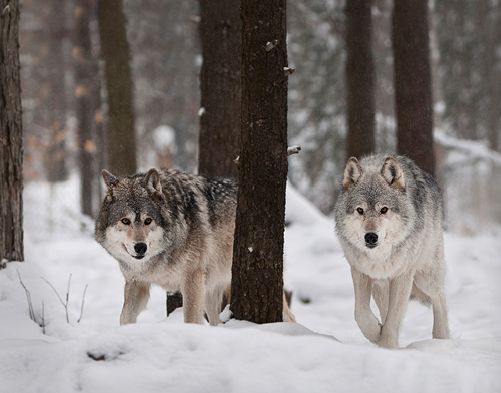
Wolves are organized together in packs of 4-7 adults.  They are highly intelligent and hunt as a group.  Being excellent and diligent hunters, they may hunt all night.  They can run long distances, and some hunt in territories up to 1,000 sq. miles (2,600 sq. kg).

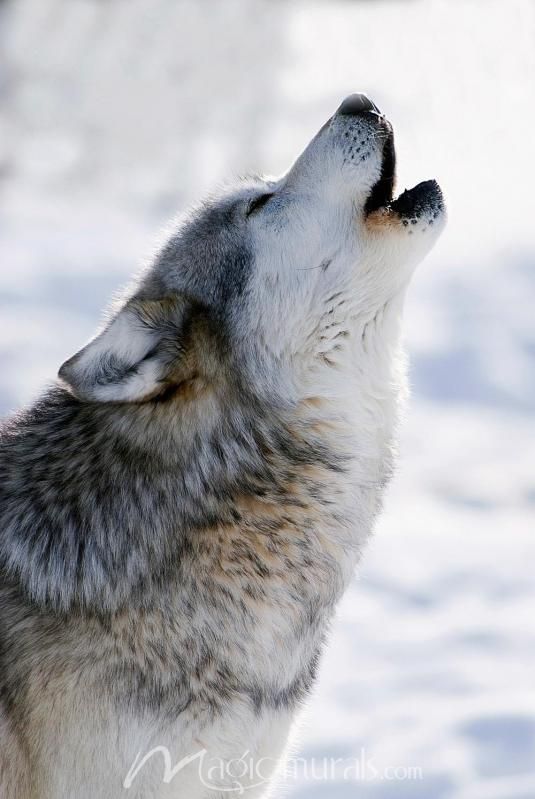
left:  pair of wolves on the prowl.  right:  howling wolf (their own form of gps).  (photographs courtesy of pinterest.)


Answer to Brain Teaser Question

V

Freedom’s Stonewall

America’s Pearl Harbor, December 7, 1941. (courtesy of Pinterest)

Bruised and battered

Early morn brawl

Knockout punch felt

Still standing tall


Battleships crushed

Many lives lost

Never forget

Bearing each cost


Nation rallies

Unites as one

Called to duty

Work to be done


Together now

Fortitude speaks

Country won’t pause

Week follows week


Liberty shines

Courage rises

Grieving each loss

Flag arises


Thankful for peace

Remember all

Let’s never rest

Freedom’s stonewall

Washington D.C.: Arlington National Cemetery with the Washington Monument in the background. (courtesy of Pinterest)

This poem references images from World War II, from Pearl Harbor in 1941 to the final surrender in 1945.  America’s Memorial Day is approaching (final Monday in the month of May).  May we always remember the sacrifices of our military personnel in every war fought in this nation’s history.

Democracy’s Open Door

Photo by Matt Barnard on Pexels.com

Challenges shall arise

Founding Fathers always knew

Banking on nation’s resilience

Diligence sees us through


Compromise offers path

Democracy’s open door

Common ground must be sown with faith

No longer keeping score


Nation’s tomorrow calls

Steering with imperfect hands

Leading always, “Of the People”

Across freedom’s great land


With each generation

Grateful nation never bends

Defending democracy’s quest

Freedom’s proud dividend

A shining example of a nation’s perseverance. U.S. Capitol Building’s dome was finished during the American Civil War. (Courtesy of Pinterest)

In his Gettysburg Address, President Abraham Lincoln immortalized the continuing spirit and faith in the American experiment of democracy with these words, “. . . that government of the people, by the people, for the people, shall not perish from the earth.”

Alexander Hamilton Quotes

Courtesy of Pinterest.

Those who stand for nothing fall for everything.

I would never expect a perfect work from an imperfect man.

Alexander Hamilton (1757-1804) was one of America’s Founding Fathers.  He served in the Revolutionary War and was the nation’s first Secretary of the Treasury.  He was an ardent supporter of the American Constitution.