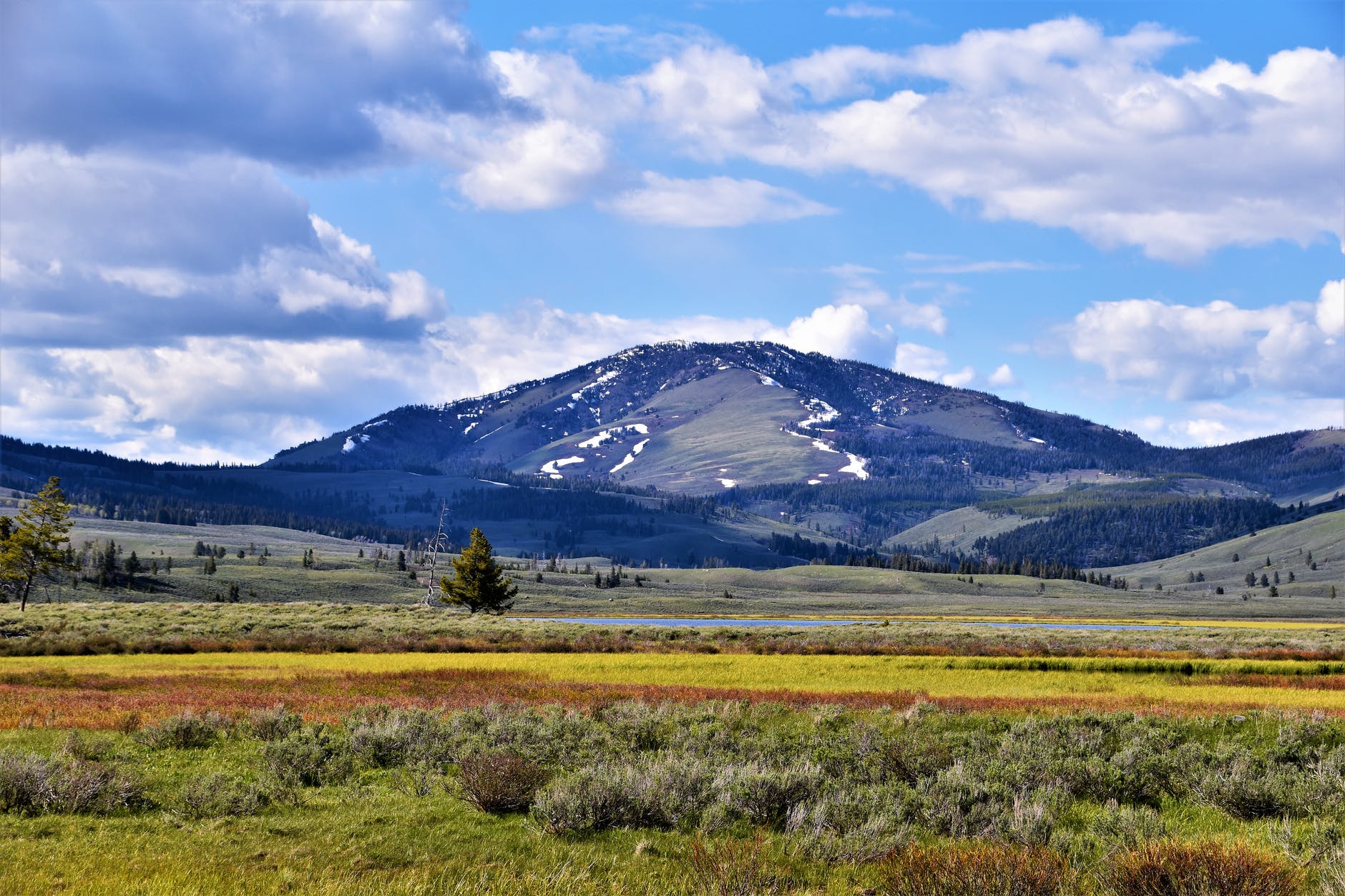
Our faith’s true destiny is anchored in our Father’s amazing grace.
Do you write a daily journal? This inspiring thought comes from my journal, and much of what is written in my journal comes from reading and commenting on other bloggers’ posts. Thanks to many of you for adding so much to my journal.
This informative post will be published on Saturday in place of my regular one. You are invited to participate with the opening question.
Brain Teaser Question
It may be shorter than much of the rest of your hand, but when you are happy, you lift it up like it is the best. What is it?
(answer found at the end of this post)
Featured Facts
Found in the foothills and mountains of different regions in North America, the elk is the most advanced subspecies of the red deer. In the overall deer species, only the moose is larger in size.
Native American name: wapiti (in Shawnee, means white deer)
Habitat: forests and woodlands in mountainous regions, some may migrate to to grasslands
Diet: grass, leaves, tree bark (herbivores)
In Native American culture, the elk served as a vital source of food, hides for clothing and shelter, and bones for tools. Before European colonists and explorers arrived on the continent, the natural territory of the elk was vast compared to today’s territories. Today, most reside in the foothills and mountains of the western Rocky Mountains and isolated, smaller mountain ranges. Some still venture onto prairies and grasslands, especially during the winter season when food may become more scarce.
The elk has proven to be a vary adaptable animal. They survive the long, cold winters of the mountain west. They have proven to be fast runners with outstanding endurance. During the colder months, their light hide color darkens, and a well-developed dark neck mane thickens.
Their chief protection from natural predators is to assemble in large groups, usually single-gender except during the autumn rut season. Elk serve as a food source for wolves, mountain lions, coyotes, bobcats, and grizzly bears.
During the rut season, the strongest bulls will lead groups of cows. Heard over several miles, bulls use a high-pitched bugling call to attract cows to their group, and they will defend their harem (as it is called) against any other bulls.
Calves will be born in May to June. They feature spotted hides, and they are scentless. Each calve will stay with mother for about a year. Usually the autumn season encourages these maturing calves to leave their mothers.
When conditions are ideal for food, a mature elk will eat approximately 20 pounds of plant matter. Bulls will shed their antlers after the autumn rut, but they will reappear in spring.
photo gallery: moving from top left and clockwise. Bull elk on a cold, frosty morning. bull and cow together. cow with a recently born calf. bull with a harem of at least two cows. bull walking in yellowstone national park at mammoth hot springs. elk herd at the national elf refuge outside of jackson hole, wyoming. Bugling bull. during autumn rut, two bulls dueling for supremacy.
Today’s sunlight pushes aside days of overcast skies. Our Creator understands one’s needs to experience His light, up close and personal.
Do you write a daily journal? This inspiring thought comes from my journal, and much of what is written in my journal comes from reading and commenting on other bloggers’ posts. Thanks to many of you for adding so much to my journal.
Our lifetime walk of faith is encouraged and nourished by our Father’s defining Word.
Do you write a daily journal? This inspiring thought comes from my journal, and much of what is written in my journal comes from reading and commenting on other bloggers’ posts. Thanks to many of you for adding so much to my journal.
Obedience . . . is faith visible, faith acting, and faith manifest. It is the test of real discipleship among the Lord’s people.
From Deuteronomy 30:2-3: “Return to the Lord your God, and you and your children obey Him with all your heart and with all your soul, just as I am commanding you today, then the Lord your God will return you from your captivity and have compassion on you, gathering you again from all the peoples among whom the Lord your God has scattered you.”
John Charles (J. C.) Ryle (1816-1900) was an Anglican bishop in the United Kingdom.
As grandparents, we witness how God uses His light to fashion each precious ribbon of love that connects our family’s generations.
Do you write a daily journal? This inspiring thought comes from my journal, and much of what is written in my journal comes from reading and commenting on other bloggers’ posts. Thanks to many of you for adding so much to my journal.