
Thomas Carlyle Quotes

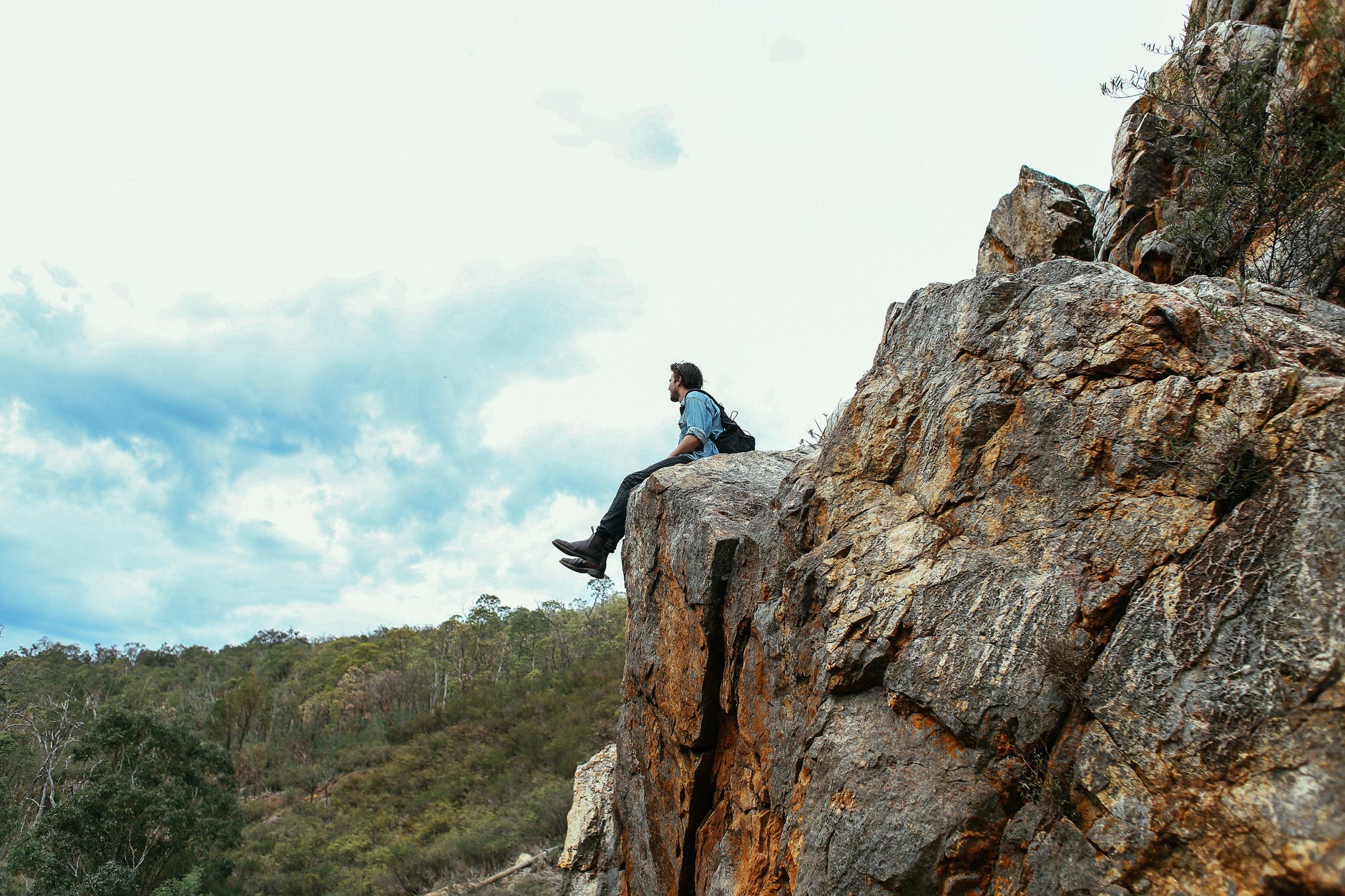
Photo by Lukas Rodriguez on Pexels.com

Thought will not work except in silence.

The work an unknown good man has done is like a vein of water flowing hidden underground, secretly making the ground green.

Thomas Carlyle (1795-1881) was a Scottish-born essayist, historian, and philosopher.  He was a leading writer of the Victorian era.

Thomas Carlyle Quotes

Photo by Naufal Shidqi on Pexels.com

Time is no fast-hurrying stream, but a sportful sunlit ocean.

Experience is the grand spiritual Doctor.

Thomas Carlyle (1795-1881) was a Scottish-born essayist, historian, and philosopher.  He was a leading writer of the Victorian era.

Thomas Carlyle Quotes

Photo by Ketut Subiyanto on Pexels.com

Habit is the deepest law of human nature.

One monster there is in the world, the idle man.

Thomas Carlyle (1795-1881) was a Scottish-born essayist, historian, and philosopher.  He was a leading writer of the Victorian era.

Thomas Carlyle Quotes

Photo by Wallace Henry on Pexels.com

Silence is as deep as eternity, speech as shallow as time.

It is the heart that always sees, before the head can see.

Thomas Carlyle (1795-1881) was a Scottish-born essayist, historian, and philosopher.  He was a leading writer of the Victorian era.

Thomas Carlyle Quotes

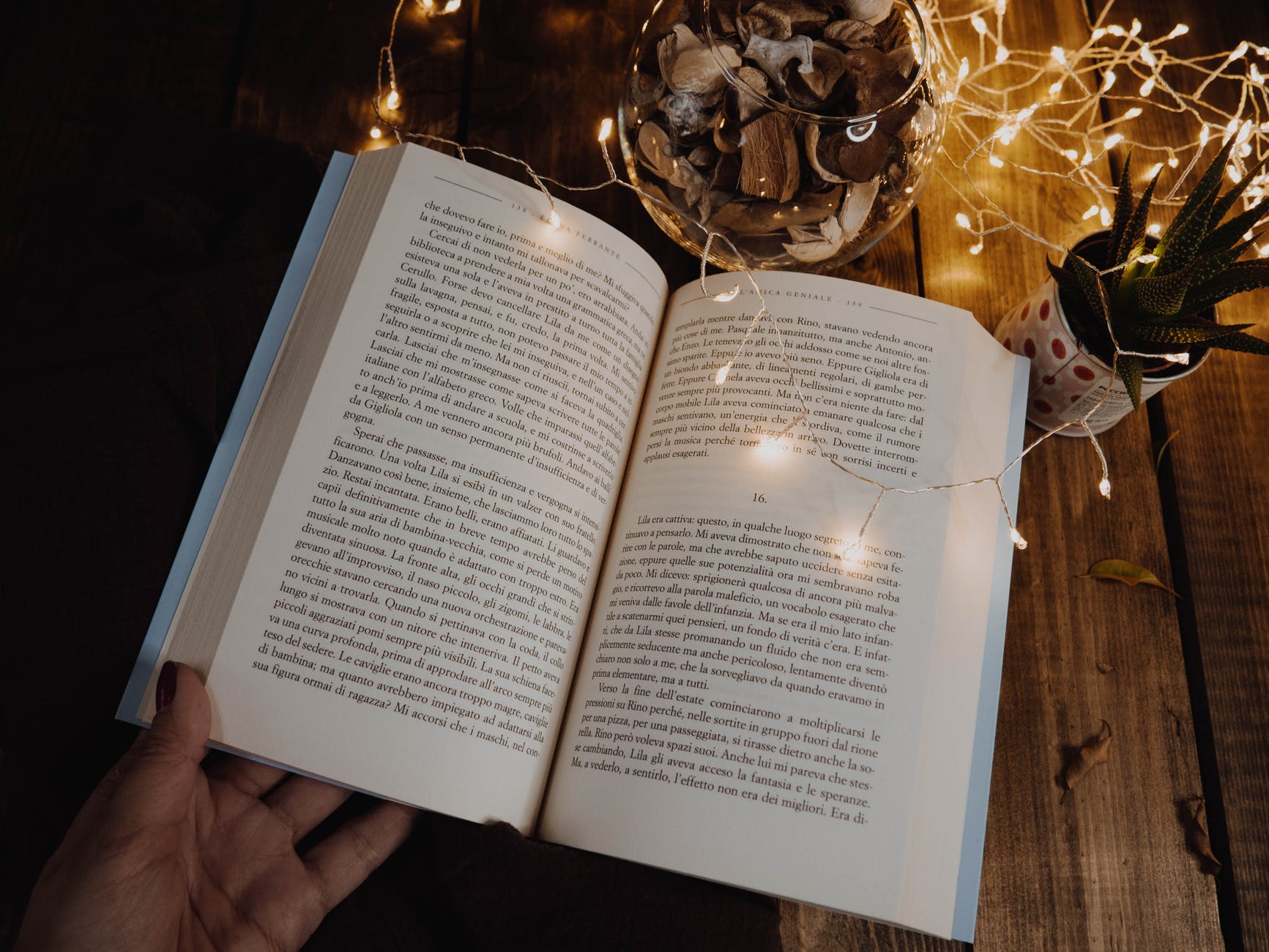
Photo by RDNE Stock project on Pexels.com

My books are friends, that never fail me.

A good book is the purest essence of a human soul.

Thomas Carlyle (1795-1881) was a Scottish-born essayist, historian, and philosopher.  He was a leading writer of the Victorian era.

Thomas Carlyle Quotes

Photo by Gustavo Fring on Pexels.com

A loving heart is the beginning of knowledge.

The greatest university is a collection of books.

Thomas Carlyle (1795-1881) was a Scottish-born essayist, historian, and philosopher.  He was a leading writer of the Victorian era.

Thomas Carlyle Quotes

Photo by Simon Berger on Pexels.com

Go as far as you can see; when you get there, you’ll be able to see further.

Endurance is patience concentrated.

Thomas Carlyle (1795-1881) was a Scottish historian and philosopher.  His prolific writings earned him the title of “the undoubted head of English letters” in the 19th century.