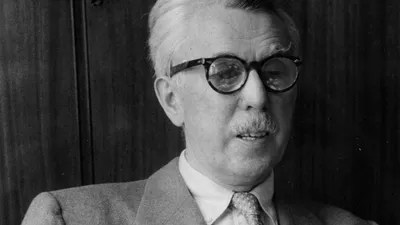
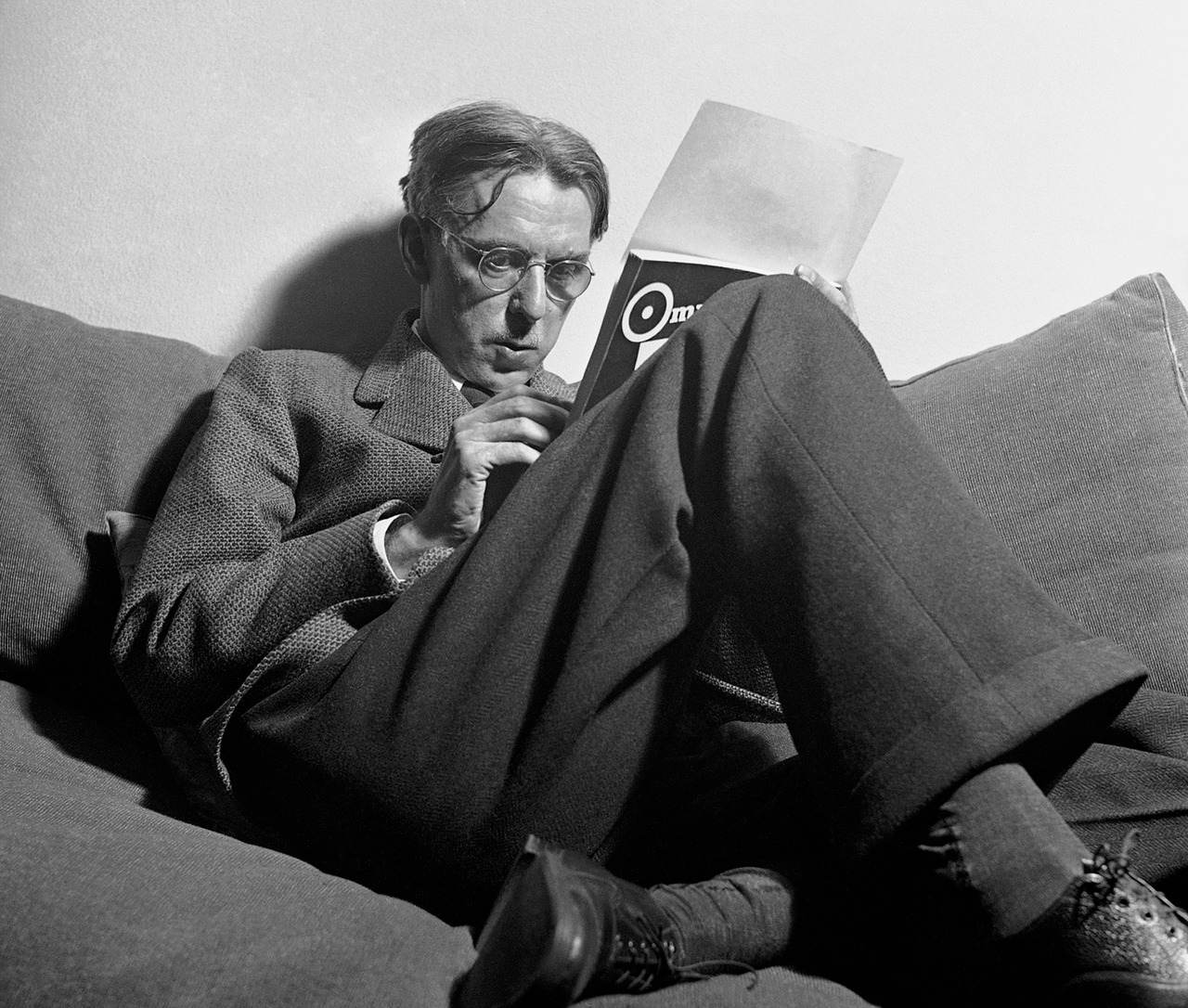
From the 20th century, one of Ohio’s true cosmopolitan individuals is James Thurber. Well-traveled with a diversity of talents, he leaves behind treasures for future generations to enjoy.
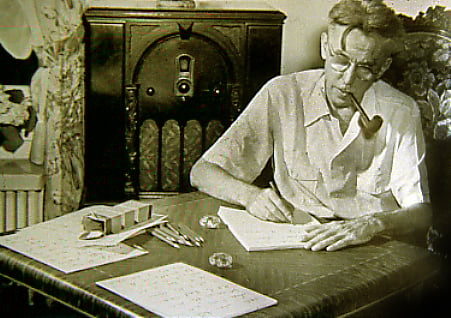
How does one describe James Thurber? His career covers so many avenues: humorist, cartoonist, author, playwright, and journalist. His talents remain visible even today in his short stories, illustrations, fables, commentary, and children’s fantasy.
Born in Columbus on December 8, 1894, Thurber grows up on the east side with the inner hub of the city located at his doorstep. His parents, Charles and Mary, raise four boys. Thurber attends Sullivant Elementary School and Douglas Junior High before graduating from East High School in 1913.
Thurber’s mother, Mame being her nickname, becomes quite an influence on young James. With her personality and humor, many of her jokes and theatrics offer him material to harvest from for his future stories and characters.
Ready to begin his next adventure, Thurber attends The Ohio State University from 1913 to 1918. He writes for the university newspaper, The Lantern. He serves as editor-in-chief of The Sun Dial, a humor and literary magazine. These further prepare him for his future years as a writer.
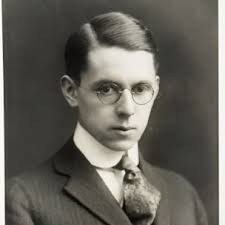
Thurber’s younger years.
In 1918, Thurber serves as a code clerk with the U.S. State Department in Washington, DC. Later he moves to Europe to work at the American embassy in Paris.
By 1920, Thurber returns to Columbus where he is employed as a newspaper reporter for The Columbus Dispatch. In 1922, he returns to Paris as a journalist for the Chicago Tribune.
By 1926, Thurber is now working as a free-lance writer for the New York Evening Post. He experiences the good fortune of a friendship with writer E. B. White (author of Stuart Little and Charlotte’s Web).
White introduces Thurber to Harold Ross, editor of The New Yorker. He is hired by Ross where he continues with his drawings and writings. Thurber’s relationship with the magazine will continue for many years to come.
Thurber remarries in 1935. Helen Wismer becomes his wife and caretaker for the rest of his life.
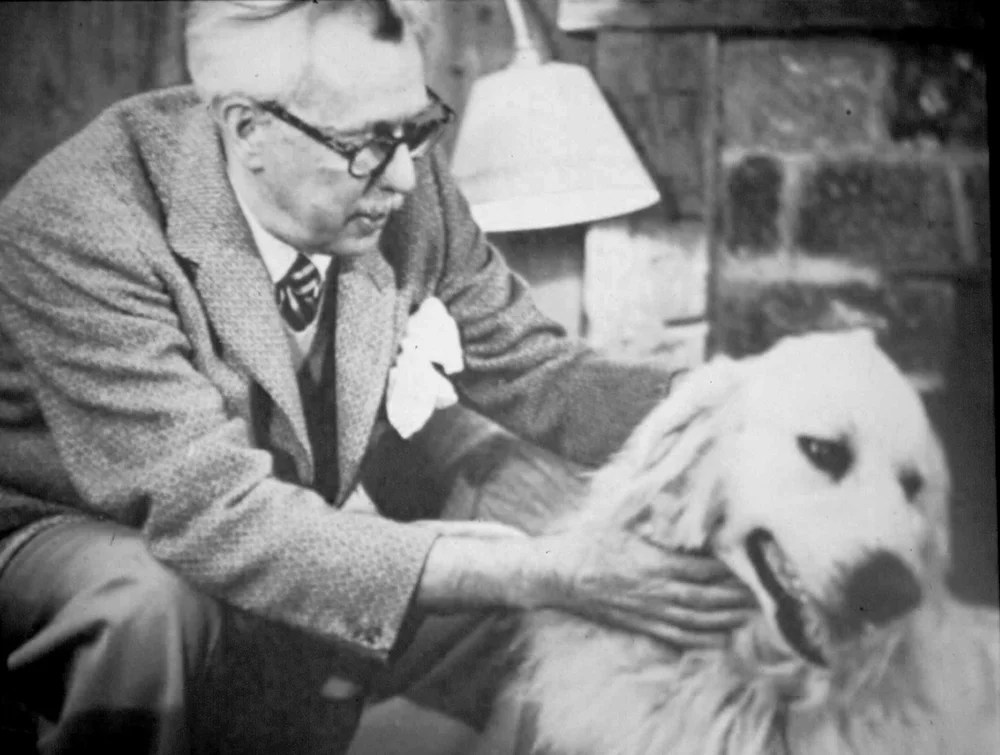
Many of Thurber’s drawings recall his love of dogs as well as his family life while growing up in Columbus. The New Yorker continues to use many of his drawings for its cover as well as publishing some of his short stories.
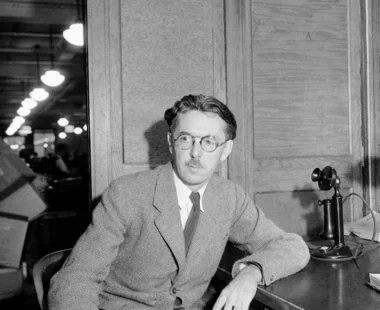
Thurber’s later years.
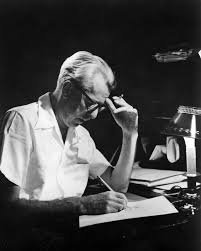
As a result of a childhood accident, Thurber loses his left eye. Over several years, his healthy right eye’s vision continues to deteriorate. Even with approaching blindness, he manages to produce a steady flow of drawings and writings until late in his life.
One of Thurber’s most famous short stories, “The Secret Life of Walter Mitty”, is successfully adapted for film screenplay. Its theme revolves around how a man escapes from his dull life via daydreams filled with adventure and heroism. The film stars Danny Kaye and is produced in 1947. Later the story is adapted for the Broadway theater in 1960 with Tom Ewell in the lead role.
Thurber remains active with his career’s journey until his final years. Declining vision and poor health eventually overtake him. On November 2, 1961, he passes away in New York City. He is buried in the Thurber family plot at Green Lawn Cemetery in Columbus.
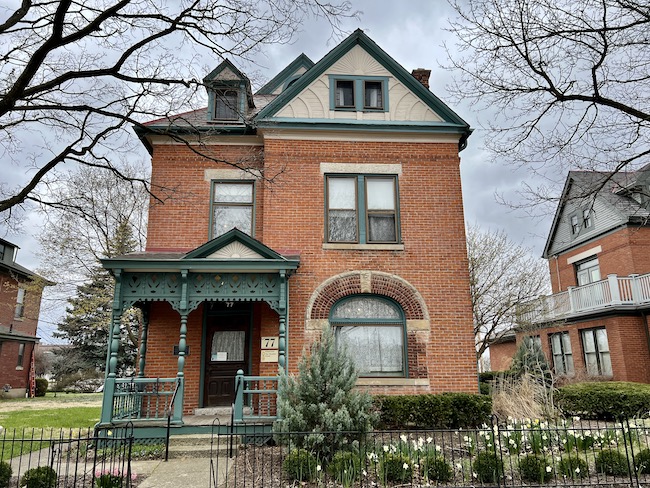
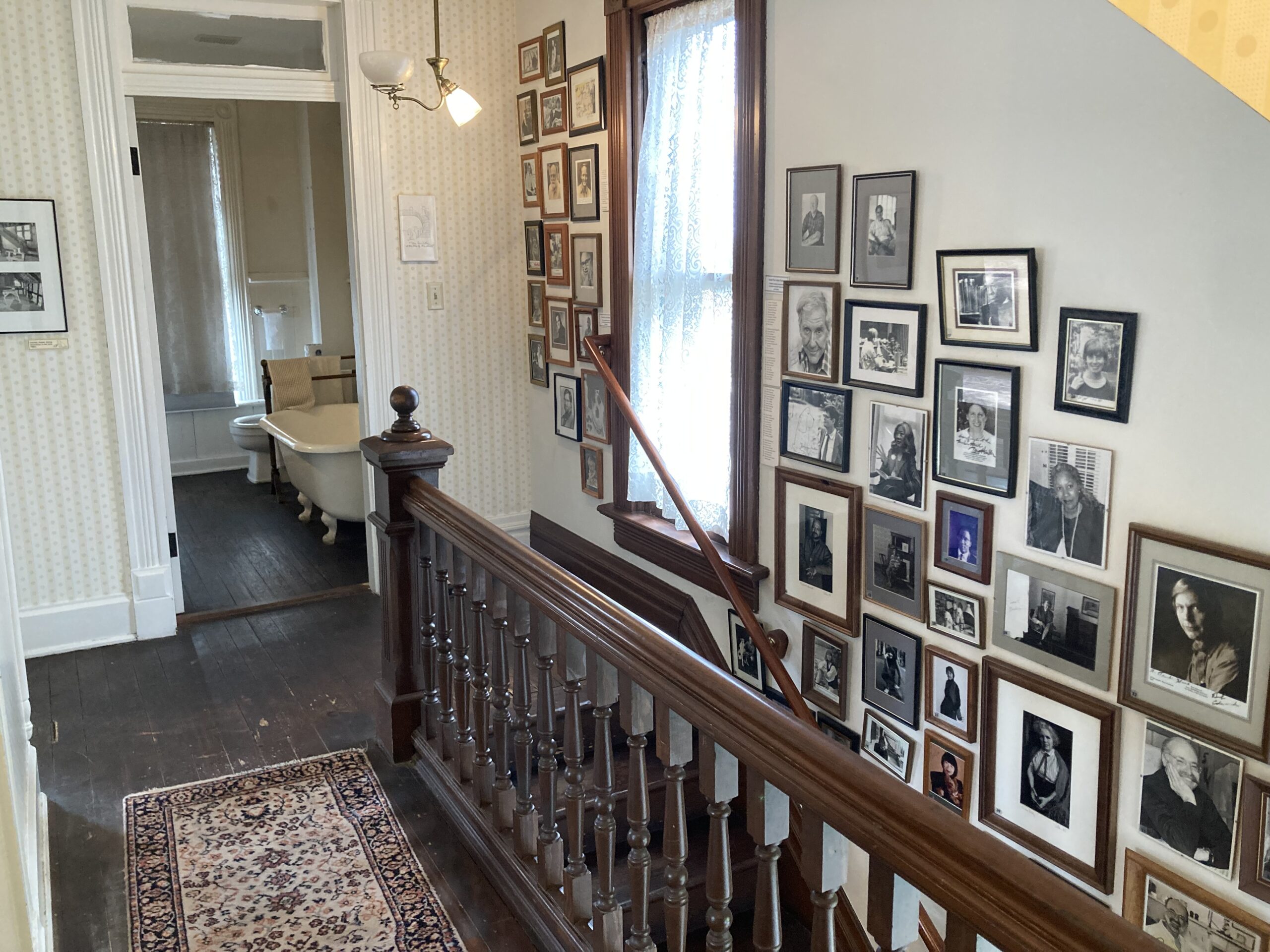
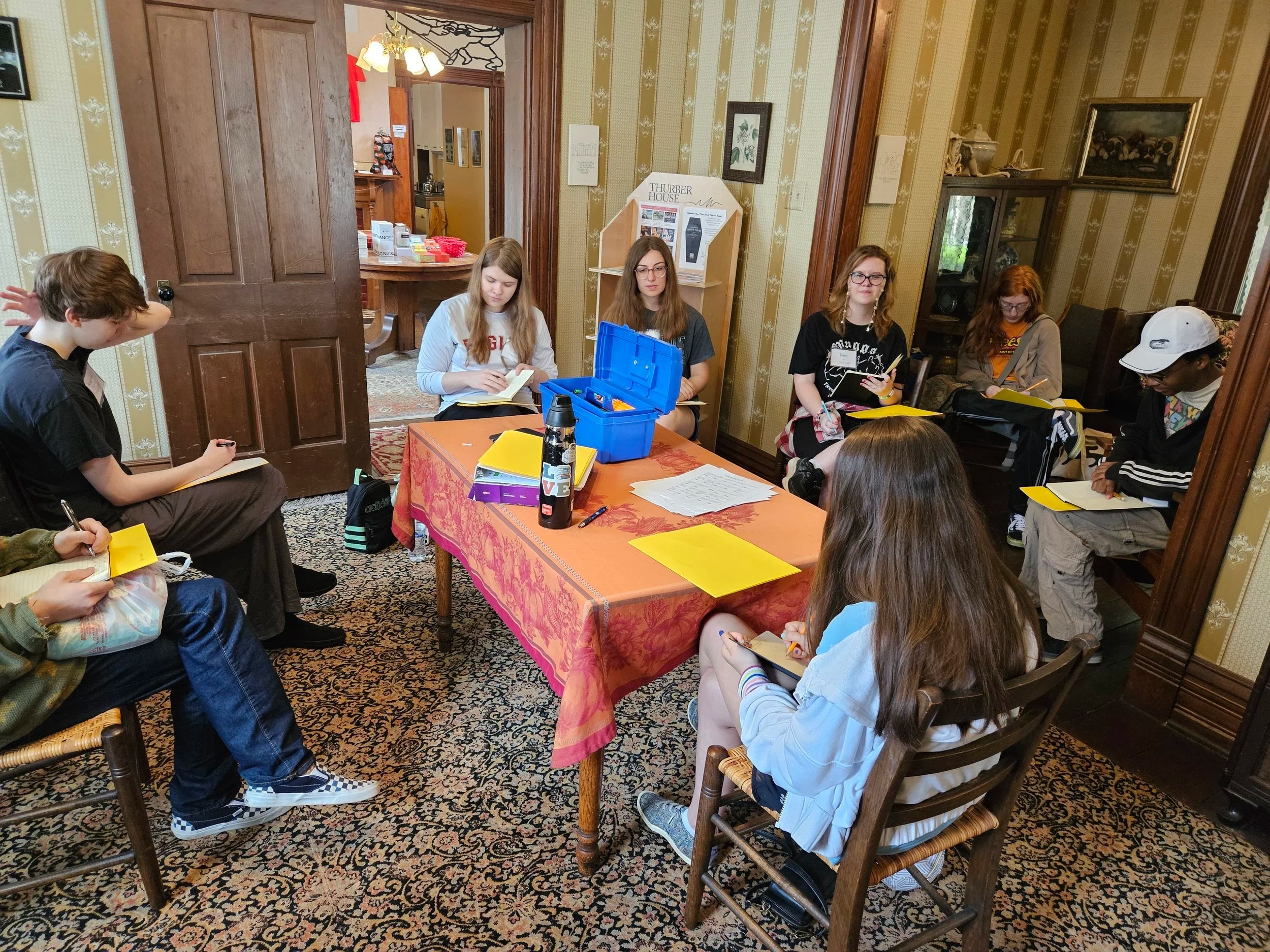
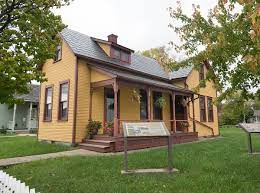
Between 1914-1917, the Thurber family lives on Jefferson Avenue, a short distance from downtown Columbus. In 1984, preservation groups unite to purchase the home, which is built in 1873. With its Victorian era design, the former home continues to thrive as a museum for Thurber’s memorabilia, and it contains photographs and other items from this time period. The home also serves as a literary center for writers while sharing endless treasures of Thurber’s drawings and writings.
This informative post will be published on Saturday in place of my regular one. You are invited to participate with the opening question.
Brain Teaser Question
I have two coins that add up to 30 cents (in U.S. money), and one of them isn’t a nickel. What are the two coins?
(answer found at the end of this post)
Featured Facts
One of nature’s most intriguing creatures is the diminutive salamander. In the state of Ohio, there are 24 different species.
Here are a few interesting facts about the salamanders found in the Buckeye State:
Classification: Amphibian
Physical features: Smooth, moist skin without scales or claws; delicate and small; variety of colors
Habitat: Many prefer inland bodies of water (ponds and streams) while others are more suited to moist conditions on land (terrestrial)
These long-tailed amphibians are cousins of frogs and toads. Their main sources of food include invertebrates: insects, slugs, worms, leeches, and snails. They are preyed upon by fish, birds, otters, snakes, turtles, muskrats, raccoons, and skunks. A salamander’s body coloration helps it hide from those seeking to prey upon it.
Salamanders also face threats from disease, pollution, loss of habitat, and non-native invasive species. The human handling of any salamander in Ohio is prohibited by law. From spring to mid-summer during breeding season, they are quite active at night.
One of the largest salamanders found in Ohio is the Eastern Hellbender. Its average length runs between 12-24 inches. Their territory is located in the southern and eastern regions of the state. Its preferred habitat is a swift-flowing stream where they can hide under rocks during the daytime.
Eastern Hellbender Salamander (courtesy of Pinterest)
One of Ohio’s most common salamanders is the Northern Dusky. It lives everywhere in the state except for the northeastern region. Its average length is 3-5 inches. A light line extends from the back of the eyes to the back of the mouth.
Northern Dusky Salamander (courtesy of Pinterest)
One of the smallest salamanders in Ohio is the Blue Spotted species. It is found in most areas of the Buckeye State. Being about 2 inches in length, its body shows off a distinct pattern of contrasting spots.
Blue Spotted Salamander (courtesy of Pinterest)
The final species to present is one of Ohio’s terrestrial salamanders. The Redback spends much of its life on land. With a length of 2-4 inches, it is found throughout the state. During breeding season, eggs are placed under moist rocks and under logs. During the arrival of early spring, people may discover a Redback peeking out beneath rocks and logs.
Redback Salamander (courtesy of Pinterest)
Answer to Brain Teaser Question
A quarter and a nickel (the quarter isn’t a nickel).
This poem features photos taken of a majestic American sycamore tree, which is found at Walnut Woods Metro Park. The tree is likely over a hundred years old. The location is part of an extensive network of nature parks in the central Ohio area around Columbus and Franklin County. These photos were taken during a series of walks that I’ve made over the past few years.
Far older than every one of the neighboring trees
Standing taller than many, all take notice and see
The prized King of Walnut Woods reigns today
Calling him Mister Sycamore, his subjects say
With branches elevating up towards the sky
Measuring his girth, takes many hands to try
Visitors pause to salute nature’s monarch
Standing in reverence as park’s landmark
The Woods change from season to season
Watching over all, is the King’s main reason
He holds on to his leaves longer in fall
Guarding the land in winter, always tall
His leaves take some time to fill out in spring
Providing ample shade in summer is his thing
His expansive canopy of branches spreads wide
Peeling off sections of bark, creates whitish sides
His heir, the Prince, waiting in the wings
Rising lean and tall by a creek, he sings
Farther away, a thick grove of younger ones wait
Dreaming who will grow to be the tallest, so great
Mister Sycamore loves many Bible stories
Lifting Jesus up in total and brilliant glory
The story of Zacchaeus climbing a Sycamore tree
Being much too short for Jesus to find, there he be
Ohio’s biggest recorded tree is an American sycamore found in Ashland County near Jeromesville. The tree is at least 200 years old, stands 88 feet tall, and measures 326 inches around its circumference.
For the final Saturday of each month, a different and unique feature will be published. Today’s narrative takes a look at one of the gems of the metro park system of central Ohio. Saturday’s regular feature, “Trivia’s Facts and More,” will return next week.
Central Ohio is blessed with an extensive metro park system in the surrounding area of Columbus and Franklin County. One of the most remarkable parks to discover is Chestnut Ridge Metro Park.
Located about five miles from the city of Canal Winchester, the park contains the first significant ridge of the Ohio foothills of the larger range of Appalachian Mountains. This particular ridge spans nearly 4,500 feet and rises to a height of just over 1,100 feet above sea level.
Chestnut Ridge features a variety of trees with the upper ridge containing black oak, shagbark hickory, and northern red oak. The lower slopes are filled with sugar maples and American beech. The park’s size measures about 486 acres, and hidden in its depths are outcroppings of black sandstone.
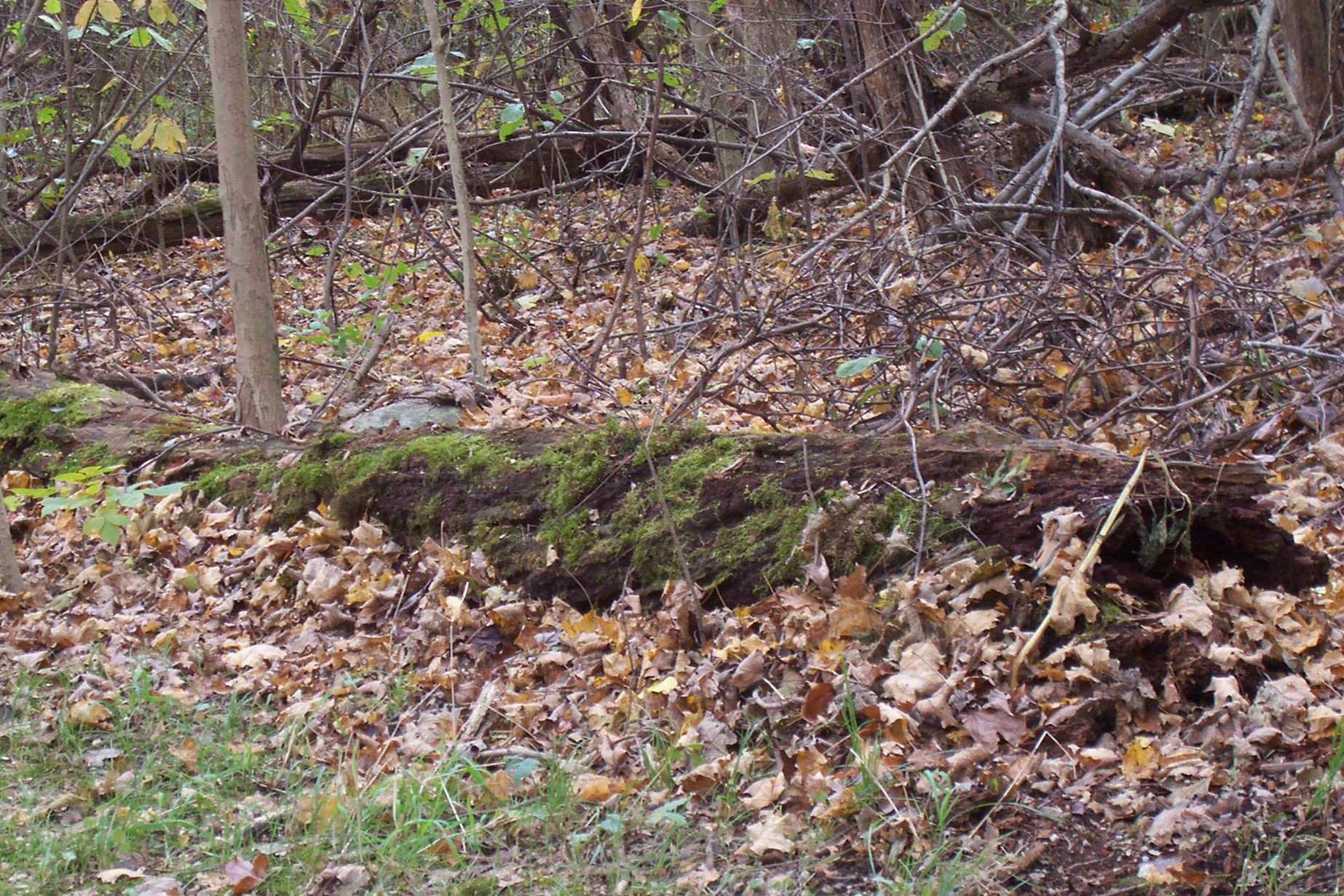
The park features a totally natural setting with fallen logs and splintered tree trunks. Notice the moss growing around the hollowed out tree trunk.
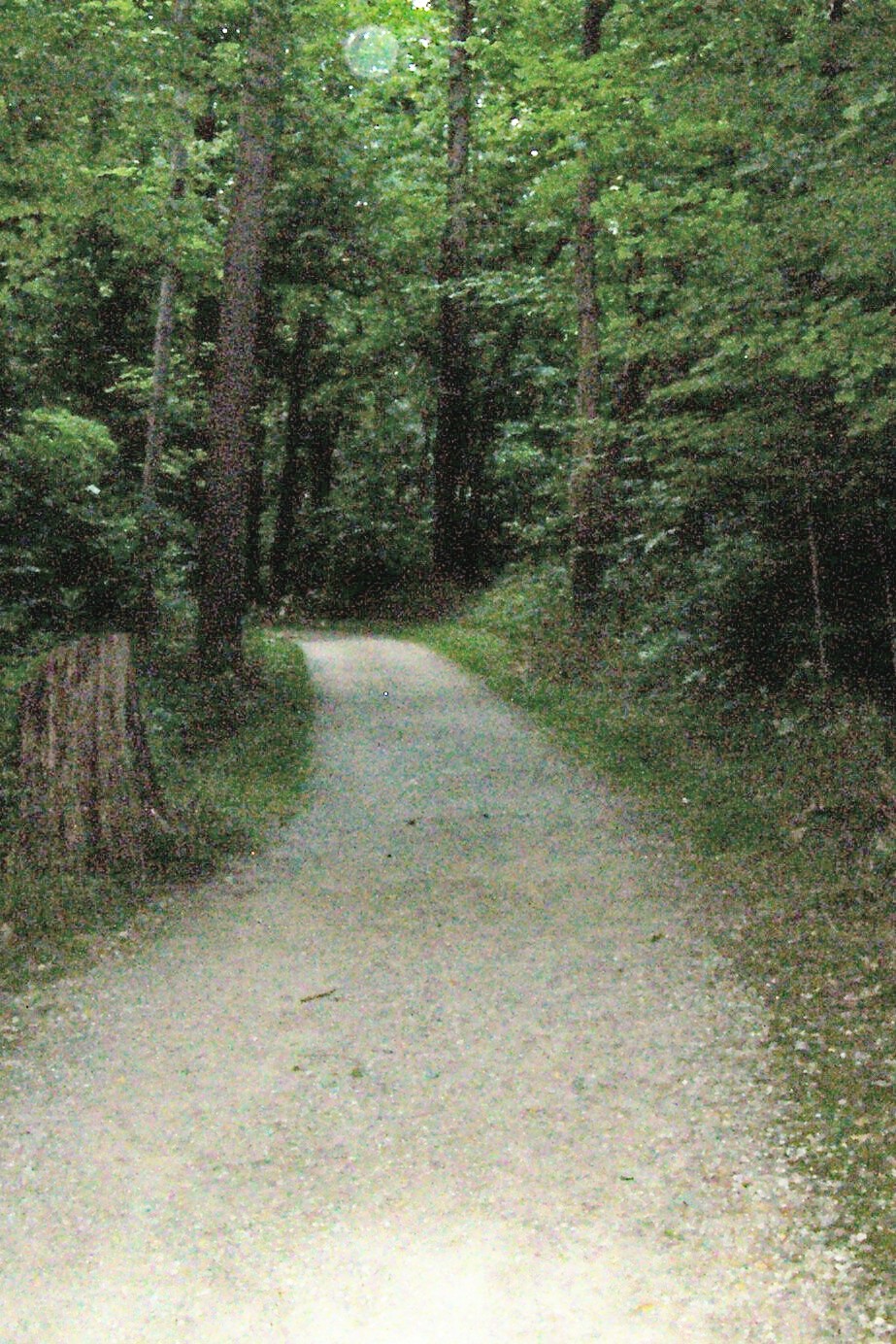
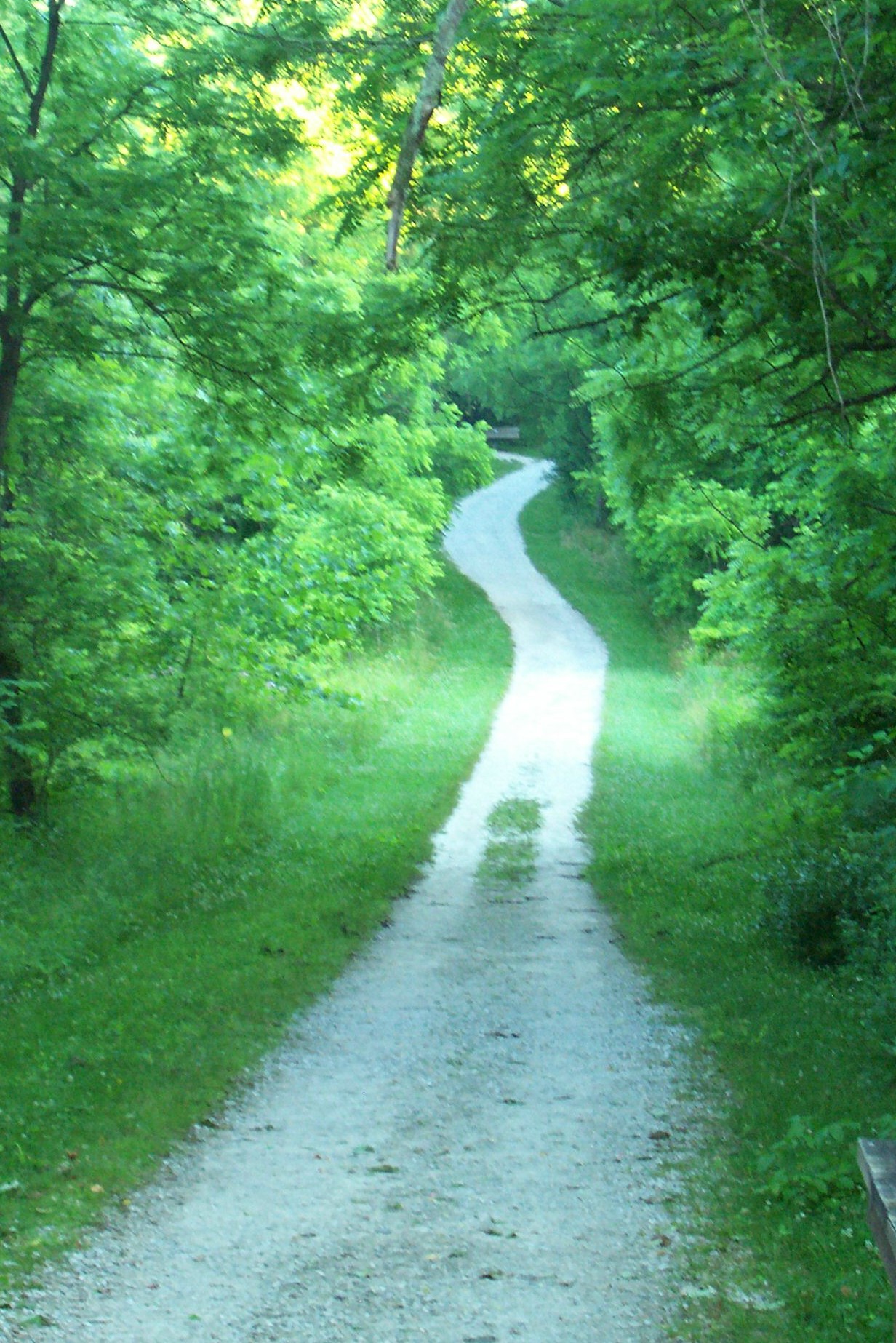
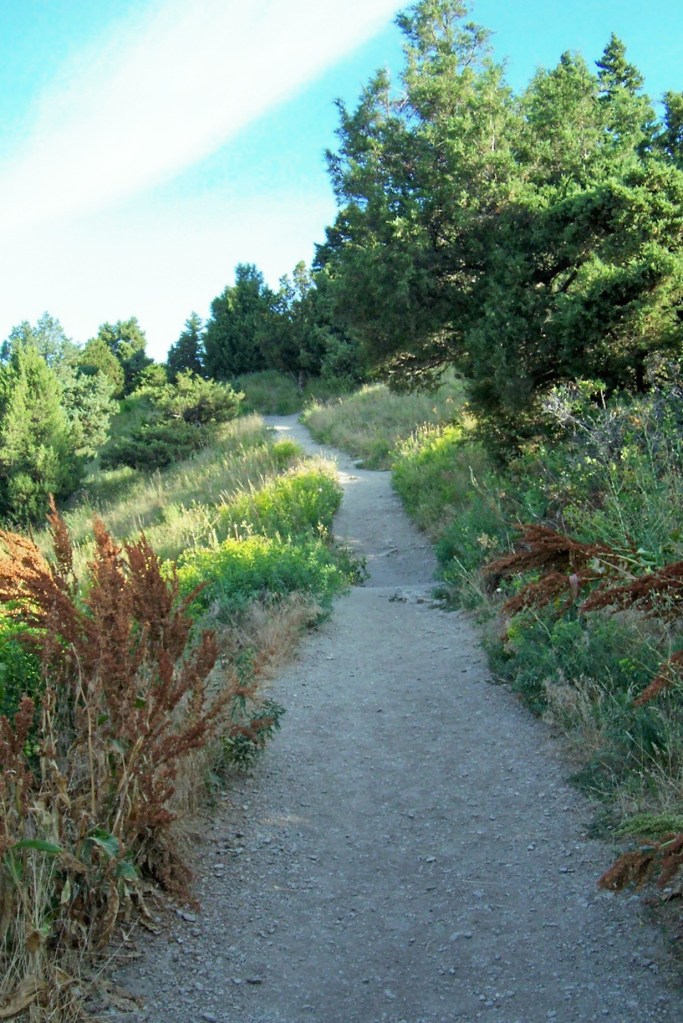
With natural trails covered with light gravel, the terrain rates as moderate to difficult for anyone who desires to walk the park. Poplar Creek meanders through the meadows and trees below the ridge.
Chestnut Ridge features three different trails, and they connect to form a nearly 2.5 mile route. Nearby wetlands and a fishing pond are located on the lower level of the park, as well as picnic shelters and a small natural amphitheater.
The Meadows Trail covers one mile in distance, and it outlines the lower region of the park. This route is more moderate than the two remaining trails.
The other trails offer a more challenging and difficult terrain. The Ridge Trail climbs up from each end of the Meadows Trail. The one-mile distance takes any ambitious hiker up to the highest point of the park.
The path on the left is typical of the Meadows Trail. The beginning of the climb up the Ridge Trail is featured on the right.
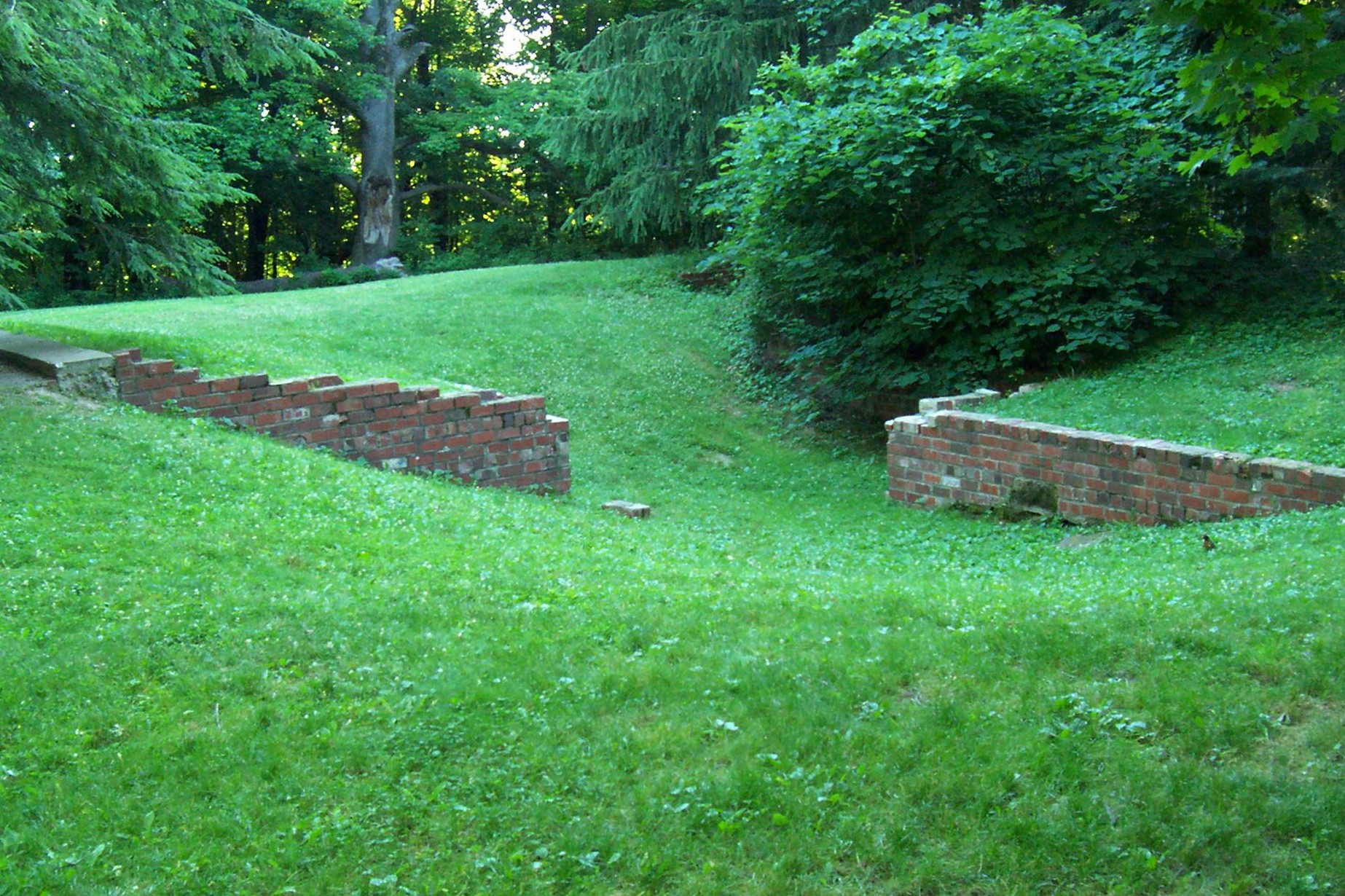
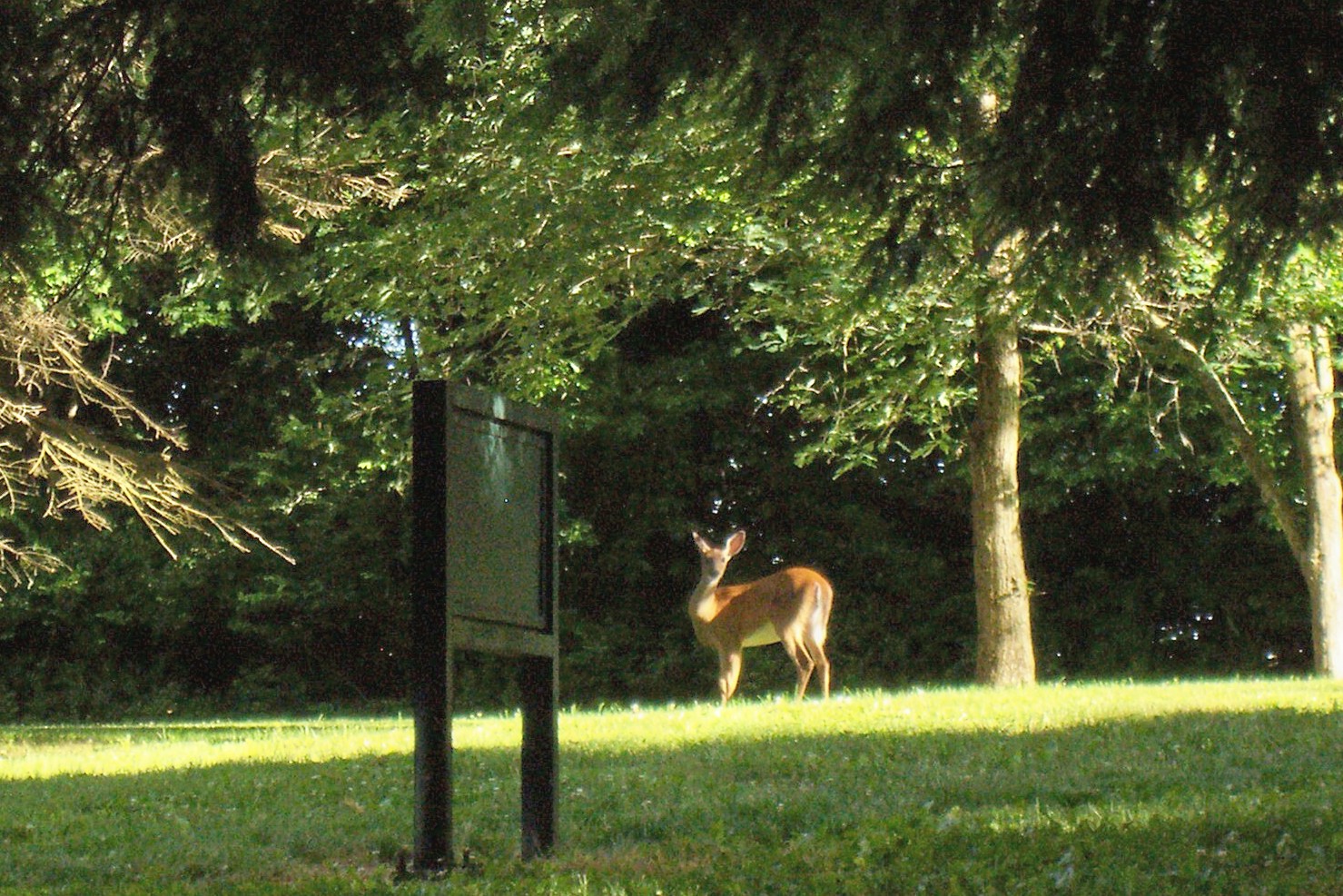
Between the Meadows Trail and the Ridge Trail sits the Homesite Trail. The nearly half-mile trail climbs up through the interior section of the park. Hikers will find the foundation of a former home from the 1930s as well as a garden area around it. The generous size of the shaded location may allow a fortunate photographer to quietly capture a hungry deer feeding on the tender, green grass.
at the top of the homesite trail one will find the remnants of a former home. standing in the quiet shadows of the surrounding trees, a deer is photographed, seemingly unaware of any human presence.
The park was named for the American chestnut tree, and many grew up on the crown of the ridge until the early 1900s. They dominated forests in the eastern United States as well as the Ohio Valley. These giants topped out at a height of 100-150 feet, and a few featured trunk diameters of nearly ten feet.
In 1904, an Asian fungus arrived in the United States, and it began to slowly and methodically kill the mighty chestnut tree. By the end of World War I, most of America’s chestnut trees were reduced to sprouts rising from infected stumps. They resembled pale and sickly dwarf bushes rather than the magnificent chestnut tree.
a final collage of photos: fall foliage, a carved out hole in a tree trunk along the ridge trail, quiet fishing pond on the lower level of the park, a self-portrait of richard (your tour guide), and a look from the midpoint of the homesite trail (not far from the FOUNDATION of a former house).
For the final Saturday of each month, a different and unique feature will be published. Today’s narrative takes a look at some of the history behind the Big Sky Buckeye blog. Saturday’s regular feature, “Trivia’s Facts and More,” will return next week.
Welcome to “Behind the Scenes.” Today, we have returned to visit with Richard, the creative voice behind the writing journey of Big Sky Buckeye.
Welcome back Richard. It is a pleasure visit with you again.
It’s been awhile since we talked with you. Perhaps you would like to acquaint new and familiar readers with the history behind your blog’s name of Big Sky Buckeye.
When I decided to begin my writing and blogging journey back in the fall of 2018, I had not thought much about the name for the blog. But an idea came to me rather quickly.
The headwaters of my writing journey were nestled under Montana’s Big Sky where I grew up and lived for most of my life.
Much of my writing has been inspired from the endless landscapes of the Treasure State (another nickname for Montana). Indeed, nature’s gifts have been shared countless times through my writing.
here are a couple of my montana photos. left: as the madison river flows toward the camera, it is heading toward the town of ennis. Its eventual destination will be the headwaters of the missouri river near the community of three forks. right: the peaks of the crazy mountains are sometimes covered with late spring snowfall. this photo was taken in late may.
I arrived in Ohio about 16 years ago. Colleen, my bride, convinced me to transform myself into a Buckeye. So I’ve learned to appreciate the Buckeye state.
Each week in the fall during the college football season, we have both been engaged and enthusiastic fans of The Ohio State Buckeyes. Nearby nature parks have provided opportunities for my writing and photography.
here are a few of my ohio photos. Left: a beaver dam on the big run at walnut woods metro park near my home. right: fall foliage at Chestnut Ridge metro park, also a short drive from my home.
Here are some final poetic thoughts:
Montana’s Big Sky
Filled with memories
Headwaters of treasures
Writing’s freedom roams
Ohio’s Buckeye
Making memories
Inspired now to publish
Writing’s treasures roam
We have appreciated spending time with Richard from Big Sky Buckeye. Look for more “Behind the Scenes” in future postings.
For the final Saturday of each month, a different and unique feature will be published. Today’s narrative takes a look at an impressive achievement from the Buckeye state of Ohio. Saturday’s regular feature, “Trivia’s Facts and More,” will return next week.
A native of Columbus, Ohio, Edward Vernon (Eddie) Rickenbacker lived a dynamic life in ways that few can imagine. His times filled up with feats of remarkable courage, dedication, and hard work.
Born to parents who were Swiss immigrants, Rickenbacker was born on October 8, 1890. Along with his six siblings, the family struggled to stay above water with their finances.
In 1904 at the age of 13, his father was killed in a construction accident. Realizing that his mother needed money, he dropped out of school to become the family’s breadwinner. This marked the beginning of Rickenbacker’s resolute attitude to make a difference. Others witnessed his unwavering, positive outlook over and over again throughout his life.
Rickenbacker loved working on machines and engines. This led to work as a mechanic, and later into automobile racing. He exhibited a fearless attitude as a driver, and he survived numerous close calls and accidents. In 1911, he competed in the inaugural Indianapolis 500, and he finished in 13th place.
left: prepared to race in the 1915 indy 500. right: restored rickenbacker family home in columbus, ohio. (images courtesy of pinterest)
As America entered World War I in 1917, Rickenbacker’s future destiny waited to be fulfilled. He joined the army and arrived in Europe where his first role was to serve as mechanic and driver for General John J. Pershing, commander of all American forces in Europe. What Sgt. Rickenbacker wanted most was to serve in the U.S. Army Air Service.
With encouragement from Colonel Billy Mitchell, a leading American advocate for tactical air power, he finished flight training in just 17 days. Lt. Rickenbacker was now prepared to serve his country as a fighter pilot. He was assigned to the 94th Aero Pursuit Squadron.
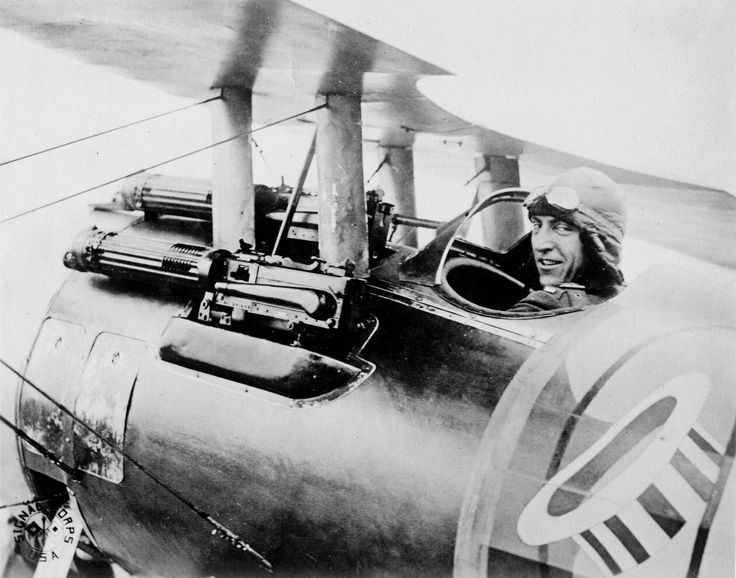
Just as he had proven to be a fearless race car driver, Rickenbacker accepted the challenges of air combat with the same “can do” attitude. He became a daring, yet gifted pilot. His prowess in aerial combat earned “Captain Eddie” the Medal of Honor in recognition of his 134 combat missions and 26 air victories, the highest of all American pilots. Nicknamed the “Ace of Aces,” he was recognized as the most celebrated American fighter pilot of the war.
Upon being promoted to Captain of the 94th Aero Pursuit Squadron, Rickenbacker impressed upon his pilots that an experienced fighting pilot did not have to take unnecessary risk. It was a pilot’s business to shoot down enemy planes, not to get shot down.
left: closeup of lt. rickenbacker. right: sitting in the cockpit of his fighter. (Images courtesy of Pinterest)
Following the war, Rickenbacker turned his attention to a variety of pursuits. He briefly owned a car manufacturing company before financial troubles closed its operations. He purchased the Indianapolis Speedway in 1927, and he owned it until 1945.
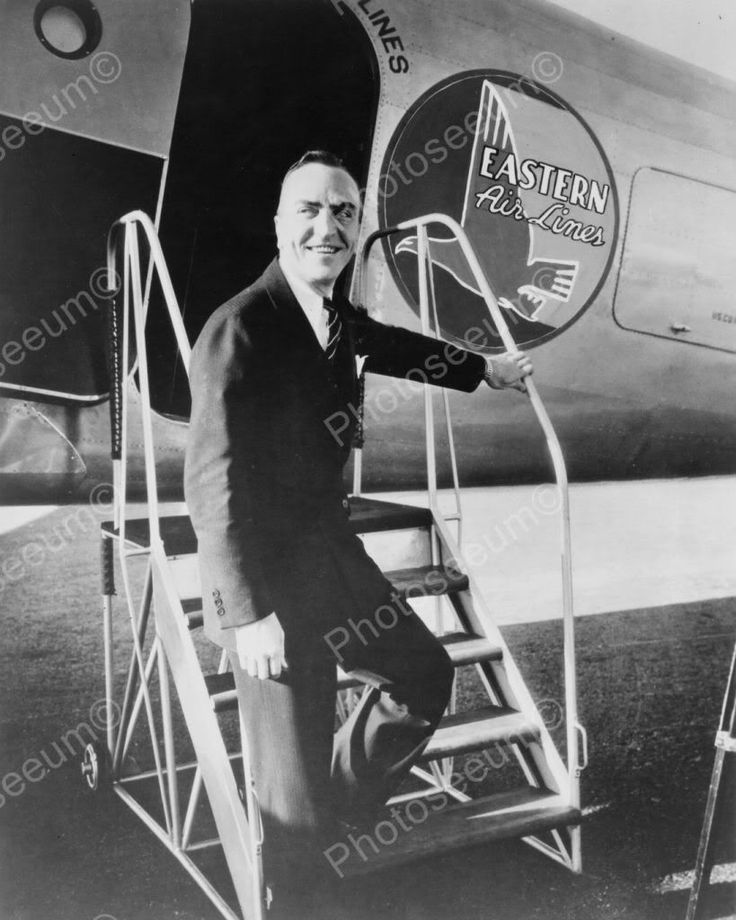
In 1938, he bought Eastern Air Lines, and turned it into one of the most profitable airlines during the 1940s and 1950s. He remained in a leadership position until he retired in 1963.
Two significant events further sealed the legend of Eddie Rickenbacker. While traveling on a civilian plane on February 26, 1941, he along with a few other passengers survived a crash. Both pilots and 11 passengers were killed. Rickenbacker sustained serious injuries: shattered pelvis, broken ribs, broken leg, and a torn eyelid. After several days in the hospital, he made a total and miraculous recovery.
During World War II, Rickenbacker became an eager volunteer and supporter of American troops. He toured numerous Army Air Corps bases to boost morale and inspect methods of training. One more brush with death waited for him in the South Pacific.
Aboard a B-17 flying fortress in October, 1942, Rickenbacker was enroute to New Guinea to deliver a message to American General Douglas MacArthur. Unfortunately, the plane crashed into the Pacific Ocean a few hundred miles off course. Rickenbacker and seven other men attempted to survive while floating in rubber rafts. Forgotten for 24 days, they lived on rainwater and fish. With Rickenbacker’s leadership and encouragement, only one of the men would perish. A leading American newspaper, The Boston Globe, described him as “The Great Indestructible.”
left: standing next to his world war I fighter. right: President of eastern air lines. (Images courtesy of Pinterest)
This informative post will be posted on Saturday along with my usual writing. You are invited to participate with the opening question.
Brain Teaser Question
Complete the analogy:
MOTH is to CLOTHING as . . .
(A) SHEEP is to WOOL
(B) BUTTERFLY is to WOOD
(C) PUNCTURE is to TIRE
(D) TEAR is to SWEATER
(E) TERMITE is to HOUSE
(answer found at the end of this post)
Featured Facts
The Buckeye State of Ohio was admitted to the Union on March 1, 1803. The state has proudly claimed to be home of eight American Presidents: William Henry Harrison, Ulysses S. Grant, Rutherford B. Hayes, James A. Garfield, Benjamin Harrison, William McKinley, William Howard Taft, and Warren G. Harding.
Here are a few interesting facts about the state:
Motto: With God, All Things Are Possible
Capital City: Columbus (named after Christopher Columbus)
Lake Erie frames the northern border; the Ohio River marks the southern one
In the early 1900s, the Canton Bulldogs were organized as a professional football team. While the team no longer exists, Canton became the home of the Pro Football Hall of Fame in 1963. Two major amusement parks are located in the state: King’s Island near Cincinnati; Cedar Point along Lake Erie at Sandusky.
Pro Football Hall of Fame and King’s Island. (courtesy of Pinterest)
Answer to Brain Teaser Question
E
A moth, which is a living thing, destroys clothing–just as termite, which is a living thing, destroys a house. Choices C or D would be fine if they described living things.
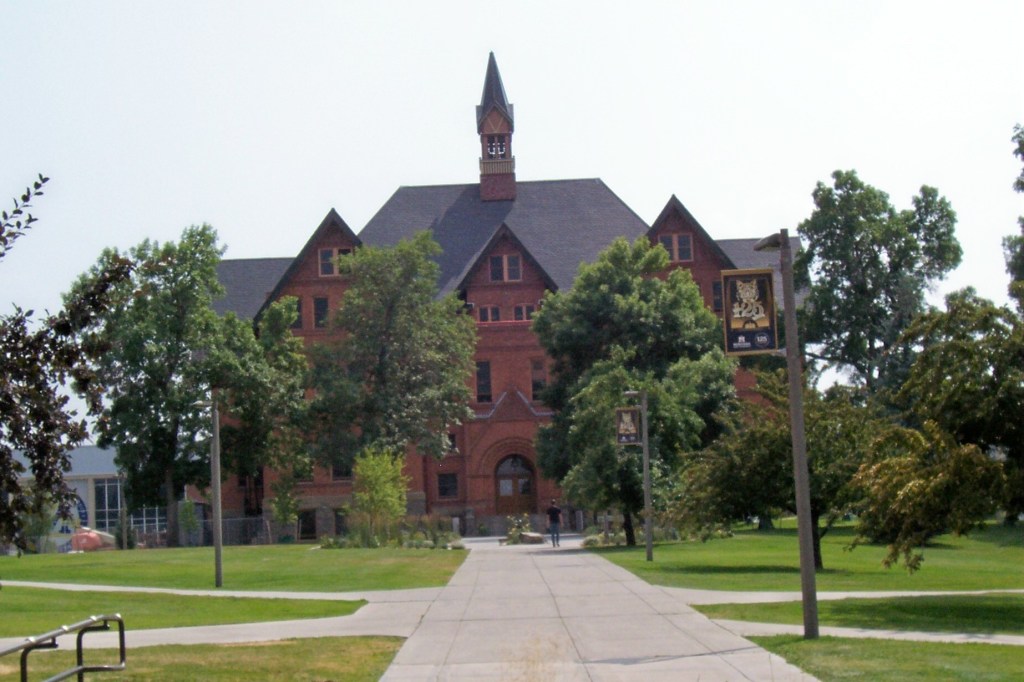
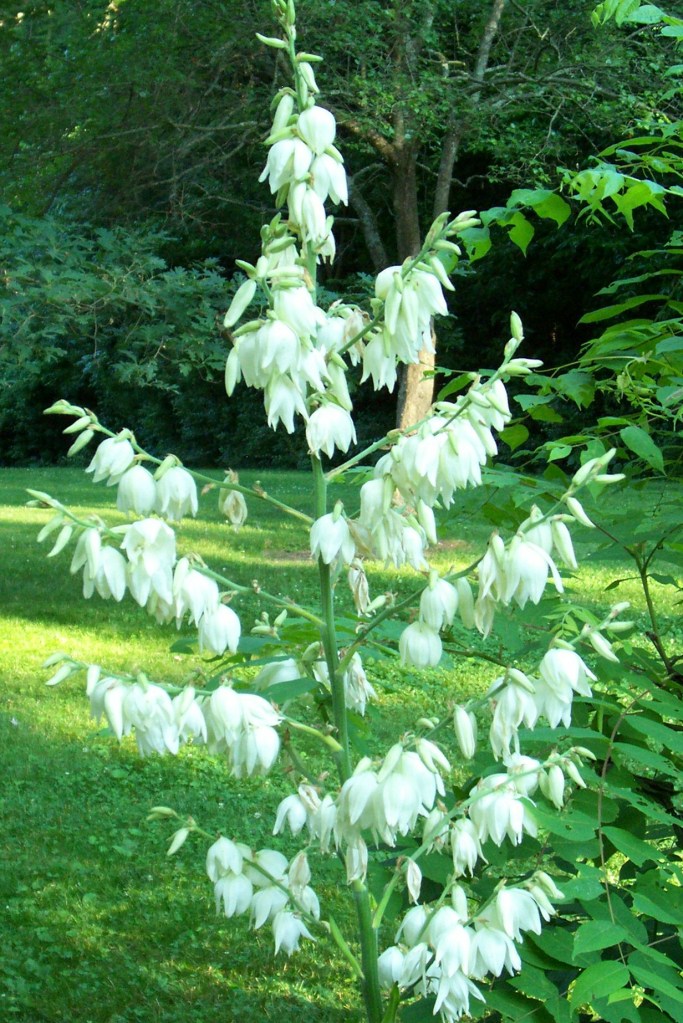
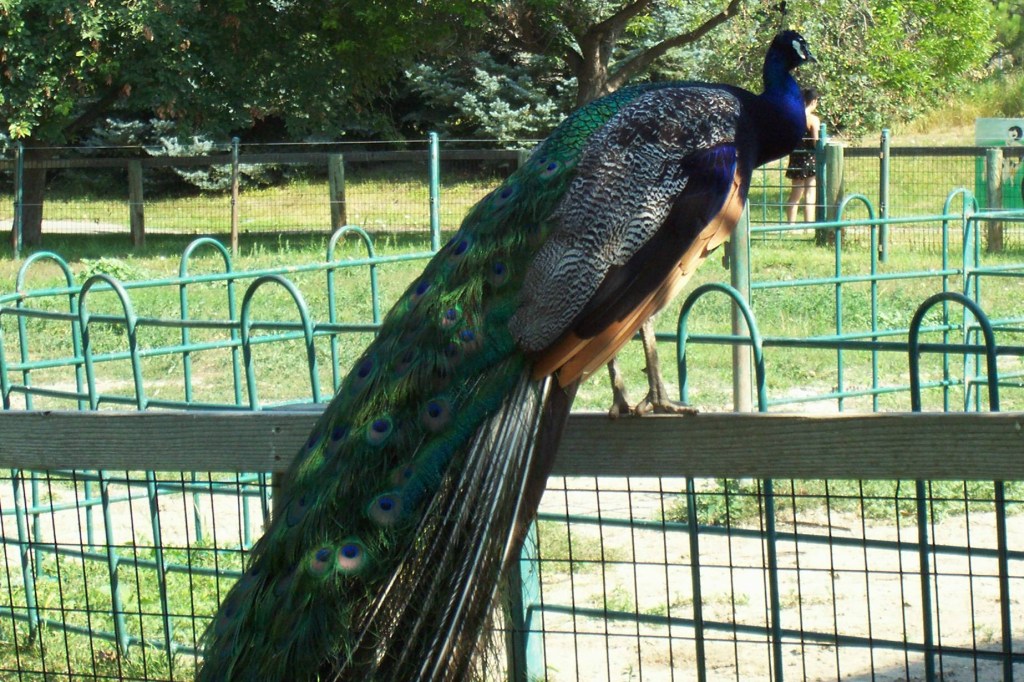
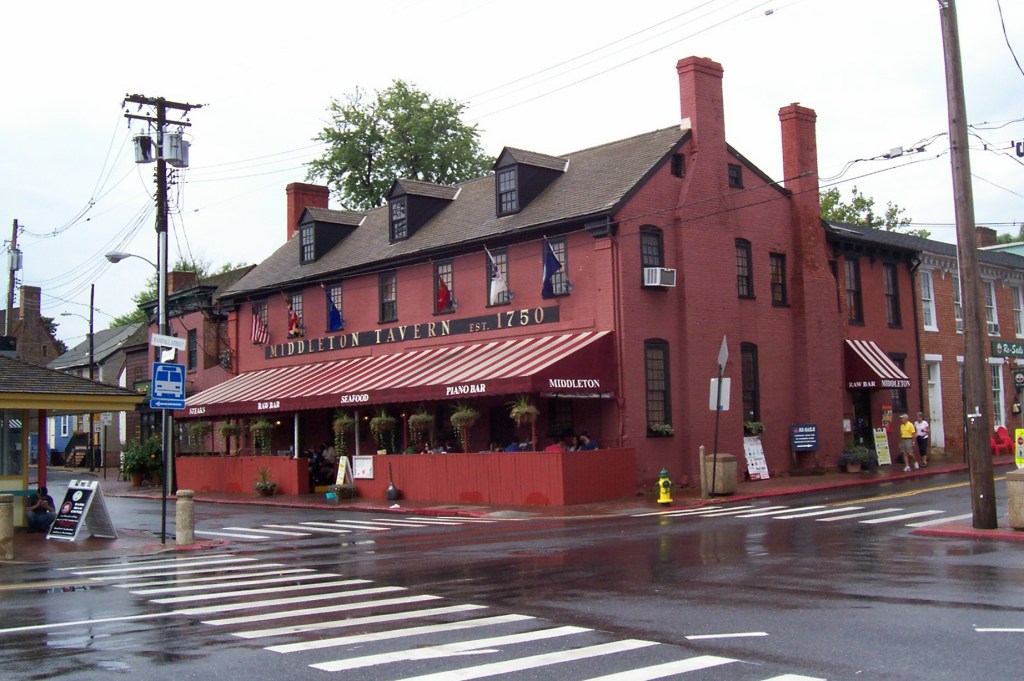
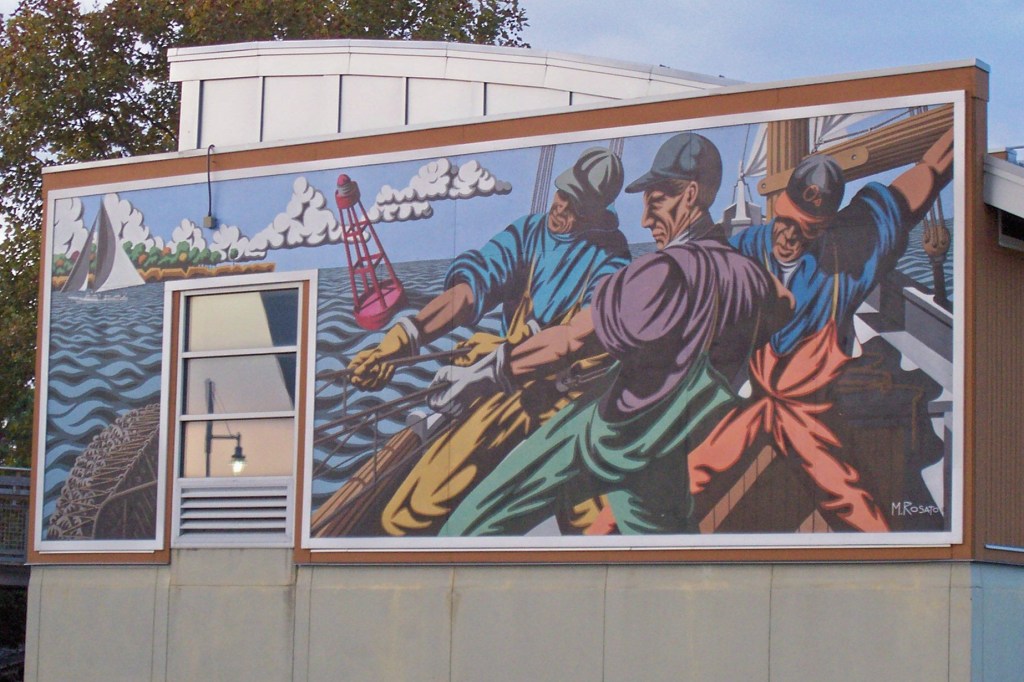
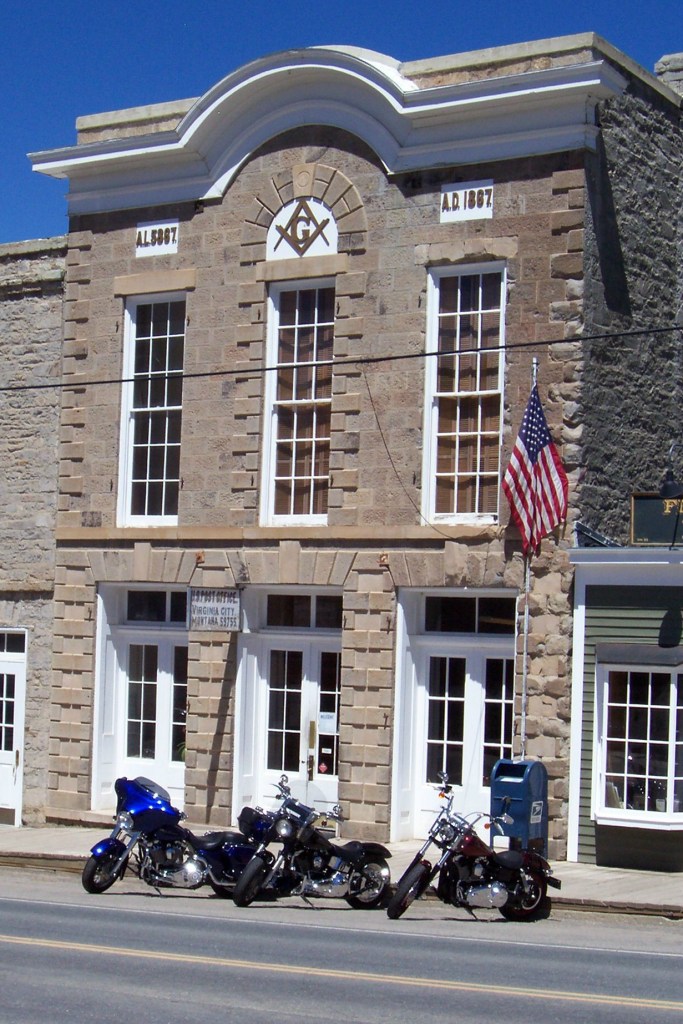
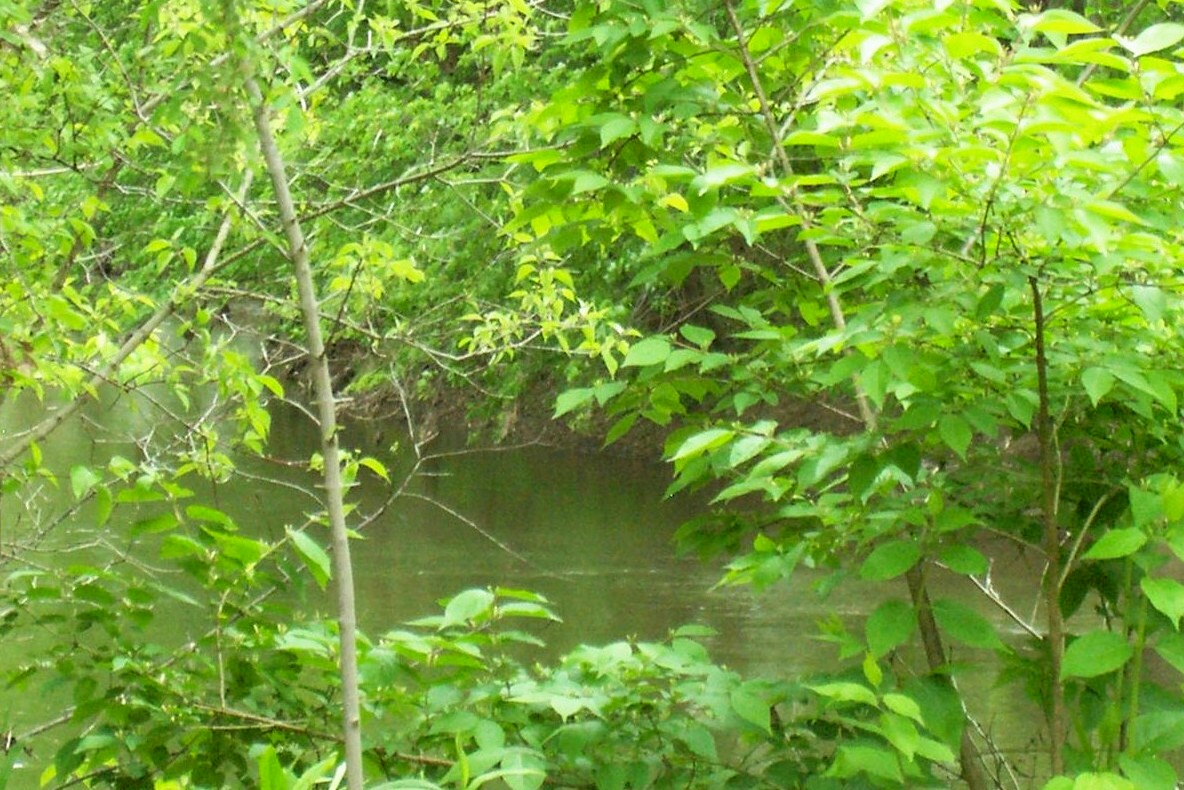
Northeastern Montana’s Fort Peck Dam is viewed from the east side of the dam. The four towers in the middle of the photo are the emergency and main control shafts which run through the dam. These tunnels (over 24 feet wide and running approximately 6,000 feet) move water to the dam’s hydroelectricity generating plant.Nature never ceases in its work as evidenced by a beaver dam on the Big Run Creek, found at central Ohio’s Walnut Woods Metro Park. An amazing ecosystem lives as a result of this beaver’s ingenuity and engineering.In Montana, my youngest daughter and her husband enjoy hiking in places not far from their home in Bozeman. This scene was captured in the Spanish Creek area, with the majestic Spanish Peaks in the background.From Maryland’s Eastern Shore, a small work boat waits for the start of another day while moored along Cambridge Creek.One last look at central Ohio’s winter-filled February, 2021. This peaceful scene was photographed at Walnut Woods Metro Park, just before the big thaw.A classic, restored Ford Mustang decorates the street in a neighborhood in Billings, Montana. Is it calling you to ask for a ride in it?From Walnut Woods Metro Park in central Ohio, a recent beaver dam has been constructed on the creek known as Big Run. Farther upstream, a larger dam has created a water home for many creatures living in the park.A mid-summer view along the shore of southwestern Montana’s Hebgen Lake. The calm waters are leading back toward the source of the Madison River in Yellowstone National Park.Designed from large, round hay bales, a teddy bear welcomes one and all to the village of Mesopotamia, Ohio.An active chairlift operates at Big Sky Resort on a chilly winter morning in southwestern Montana. The lift is located just off a road which travels into a series of condominiums. A shaded and peaceful place is found atop the inner ridge at Chestnut Ridge Metro Park in central Ohio. This picture, taken in early summer, offers a glimpse back through the trees toward the land below.When visiting Montana back in the summer of 2018, my youngest daughter and I hiked up to the “M” at the entrance to Bridger Canyon. We reached our destination in about 45 minutes, taking the slower, more gradual trail. The 250-foot block, white “M” was built by Montana State University students in 1915.Early morning sunrise overlooks a tranquil pond at central Ohio’s Chestnut Ridge Metro Park. On an early morning walk along the Choptank River at Cambridge, Maryland, these playful ducks found a hideaway along the breakwater.Montana Hall anchors the center of the campus at Montana State University in Bozeman. Being part of the university since 1896, the building is the second oldest. Originally named Old Main, the building houses offices of the President, Registrar, and numerous other offices.Mid-summer’s flowers discovered at a hilltop garden site at Ohio’s Chestnut Ridge Metro Park.Before crossing the Chesapeake Bay on the way to Maryland’s Eastern Shore, one travels through Annapolis, Maryland’s capital city. Pictured here is the majestic Maryland State House. Built in 1772, it is the oldest continuously used state capitol building in the United States.A colorful peacock strikes a morning pose at the Montana Zoo in Billings, Montana. While the zoo is small compared with the major zoos of America, it provides a family-filled journey with some of nature’s most special creatures.Walking the trail at Chestnut Ridge Metro Park is one of my special places to be. The park is filled with moderate to difficult natural trails, and one never knows when a deer might cross your path (especially if you walk early in the morning).Damage from the 1959 earthquake is visible throughout the Hebgen Lake area in southwestern Montana. The former highway used to run along the lake, but now its remnants remind every visitor of the “night the mountain fell” on an August night.The historical district of Annapolis, Maryland is captured following a torrential downpour of rain. Maryland’s state capital is definitely worth a visit with the original State House, other significant buildings from colonial times, waterfront, and the U.S. Naval Academy all within a comfortable walk of each other.An early morning walk at central Ohio’s Walnut Woods Metro Park finds peace and tranquility along one of the two ponds on the Kestrel Trail.In Montana, my youngest daughter and her husband enjoy the great outdoors. Their camera captures this view as they kayak on the Yellowstone River between Columbus and Park City (west of Billings).A visitor to Cambridge, Maryland will find this colorful mural at the visitor’s center along the Choptank River. The image celebrates the way of life linked with the Eastern Shore’s waterfront.The wild spring blossoms in central Ohio arrive early and leave much too quickly. The historic Fort Peck Theater is located a short distance from the Fort Peck Dam in northeastern Montana. The theater was originally constructed to show films 24/7 to the dam construction workers as a pastime when they weren’t working. Today, the theater serves as the home of an exceptional summer theater program.Serenity is captured on an early summer morning among the tall white pines at central Ohio’s Walnut Woods Metro Park. The trees were originally planted as a nursery for transplanting in other locations. Thank goodness these gentle giants remain here for others to enjoy.Here is a study in contrast from the main street of Virginia City, Montana. Three modern motorcycles (most likely Harley’s) are parked in front of the Masonic Temple building (dated 1867). Virginia City served as the second territorial capital of the Montana Territory, and it now serves as the County Seat of Madison County in southwestern Montana.Along Long Wharf at Cambridge, Maryland, the Choptank River Lighthouse guards the shore.
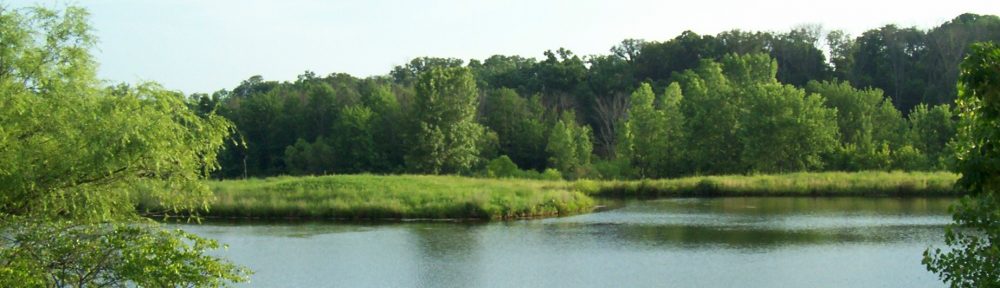
Early spring foliage surrounds the tranquil setting of Walnut Creek in central Ohio.
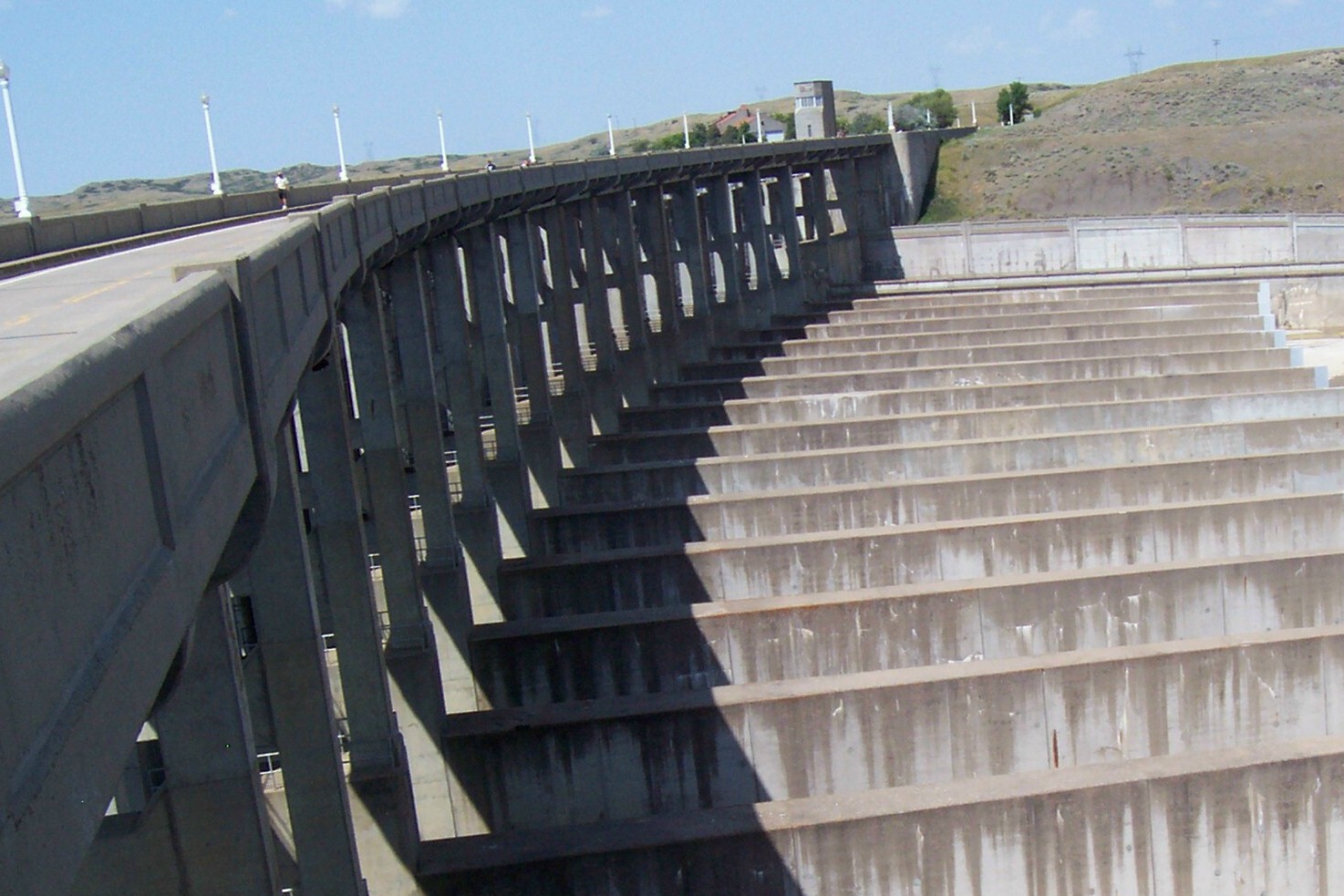
Here is the massive spillway of the Fort Peck Dam in northeastern Montana. The dam was constructed in the 1930s as a Public Works Administration project to create jobs during the Great Depression. Life magazine’s first cover (November 23, 1936) displayed a photo of the spillway under construction along with an article about the boom towns which grew up around the dam site. (Click on this link to read more: Fort Peck Dam
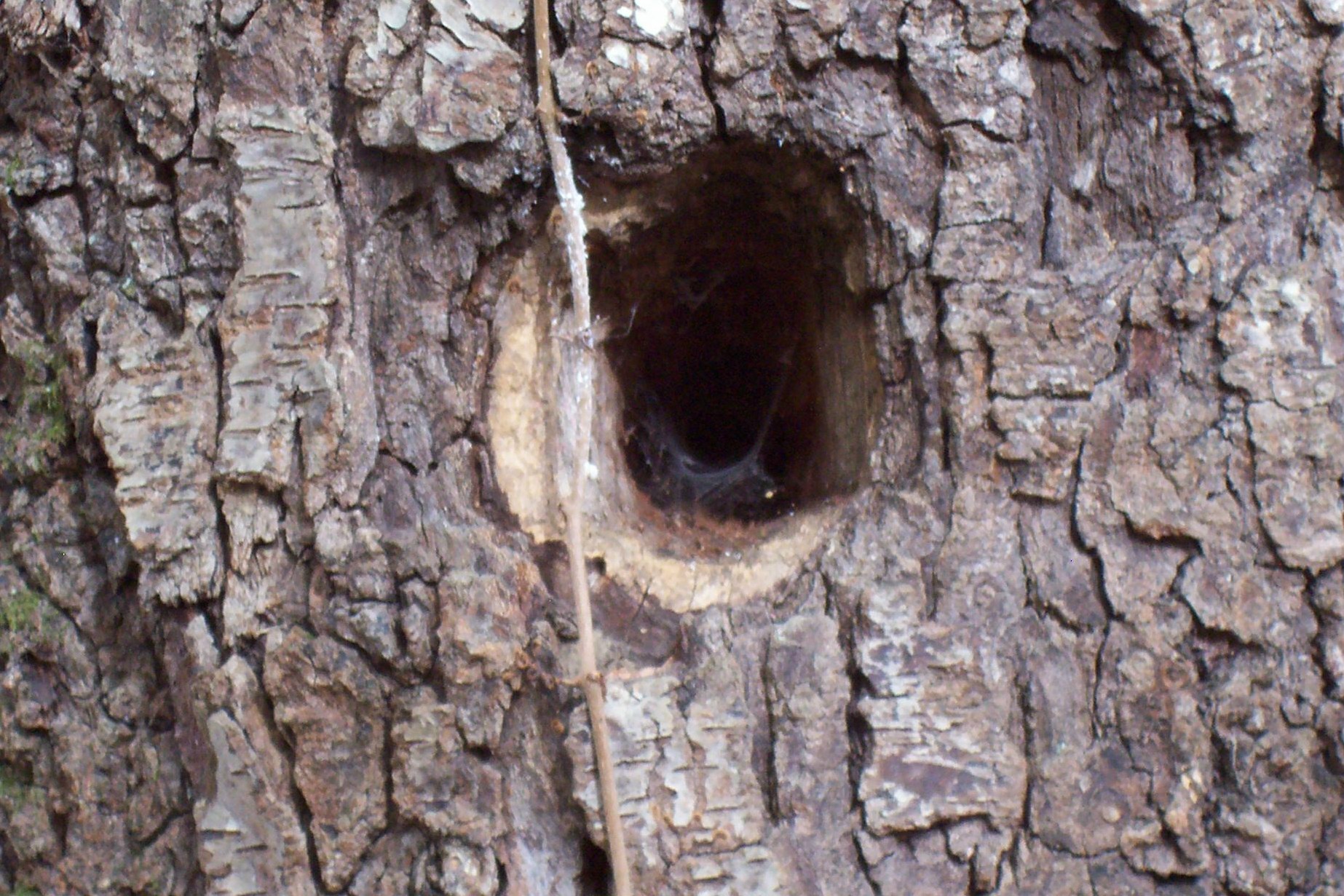
An autumn walk discovers this “huge” hole in a tree trunk, perhaps created by a woodpecker and now providing a home for a nest. My camera enjoys making journeys to nearby nature parks such as Chestnut Ridge Metro Park.
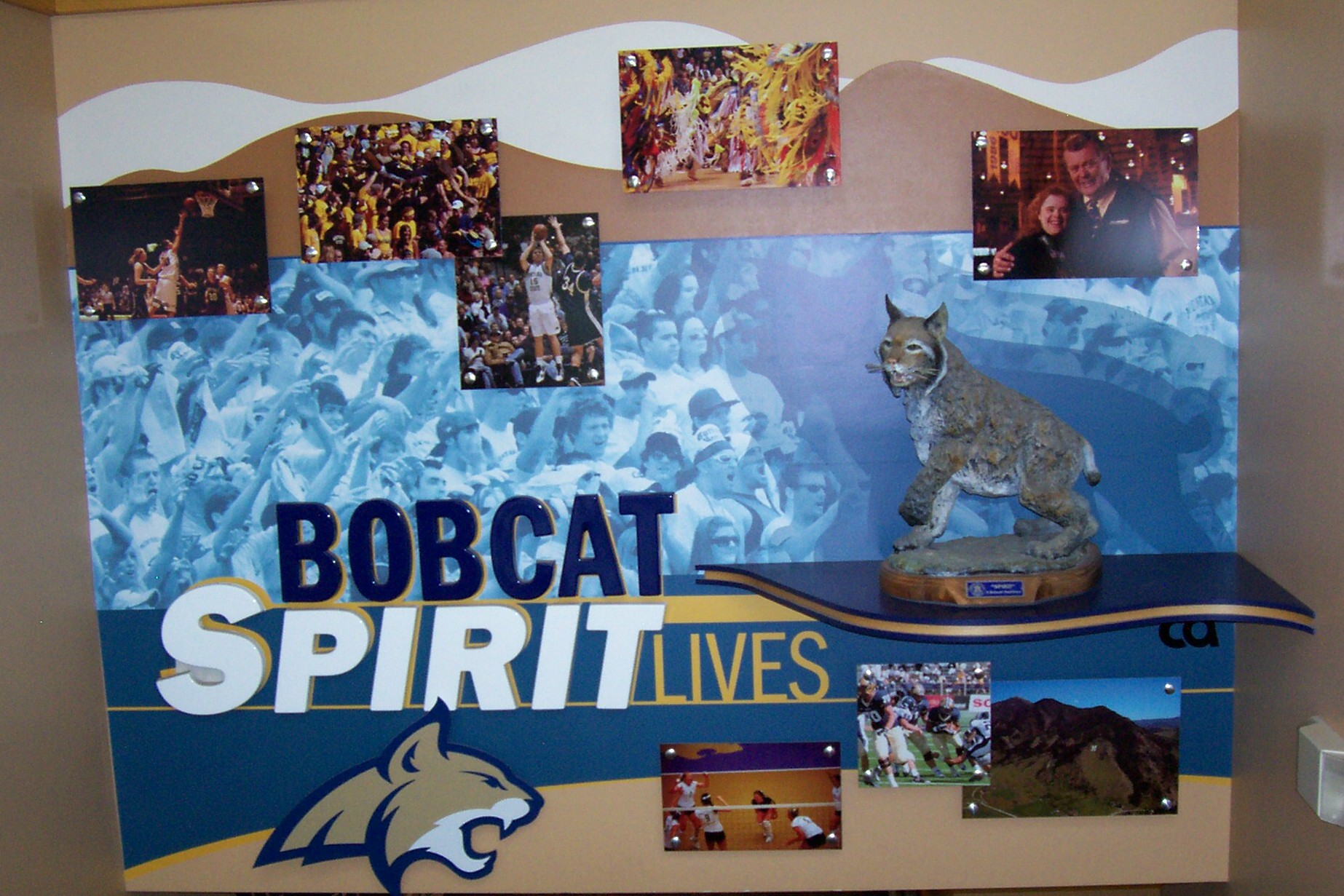
My Bobcat Spirit lives on (Class of 1978). This collage of photos was taken inside of the Strand Union Building on the campus of Montana State University. The city of Bozeman and the MSU Bobcats will always be part of my memories.
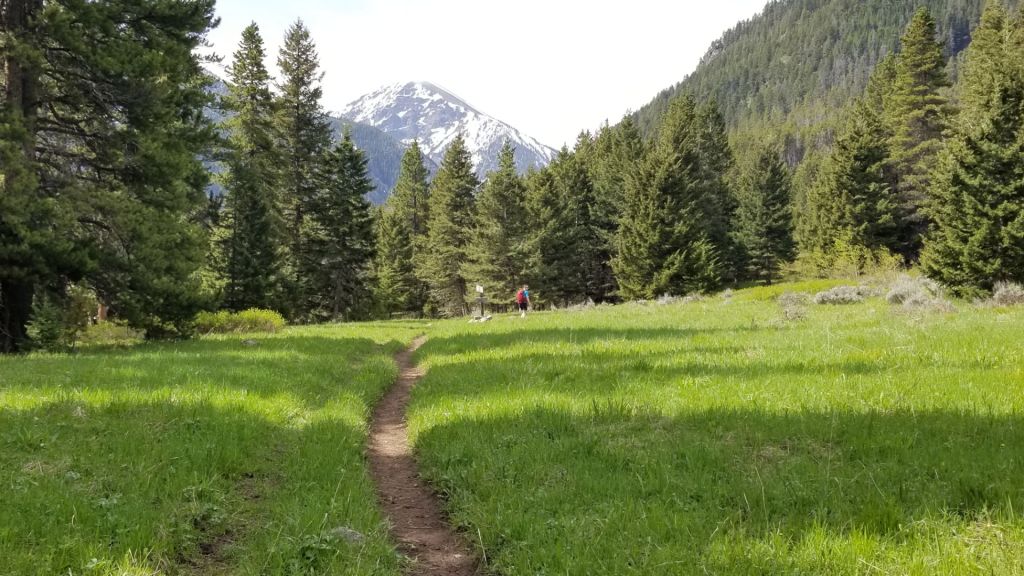
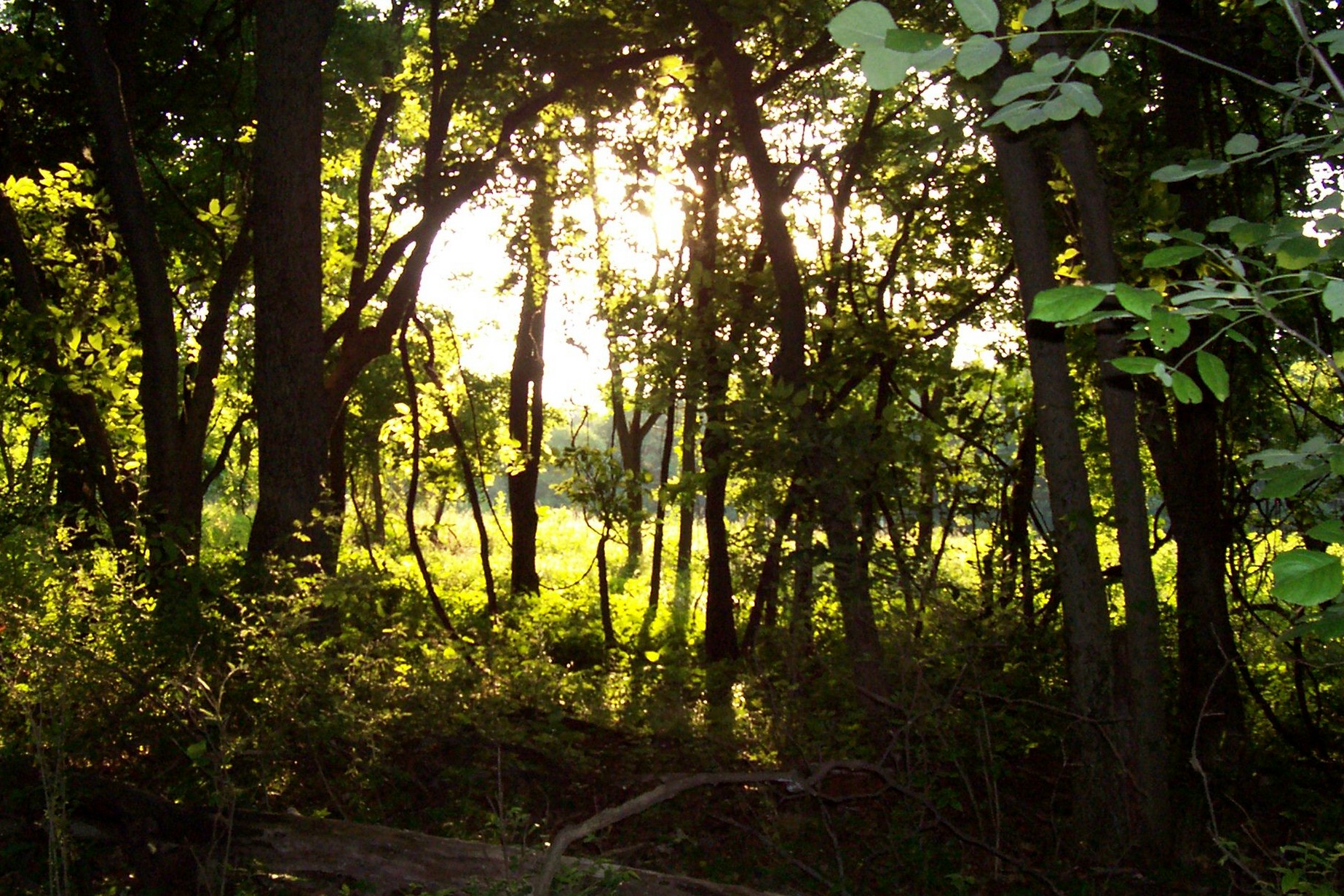
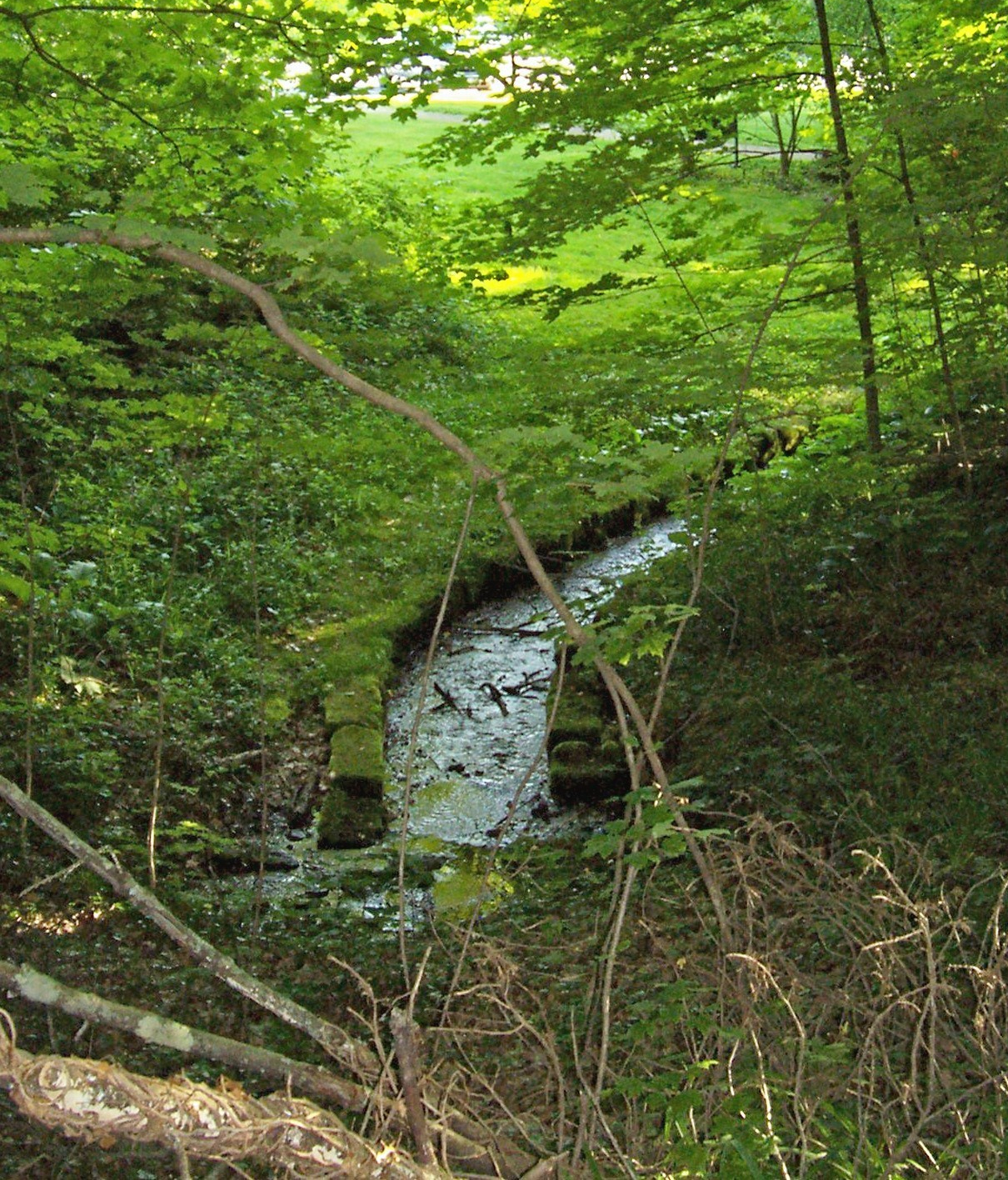
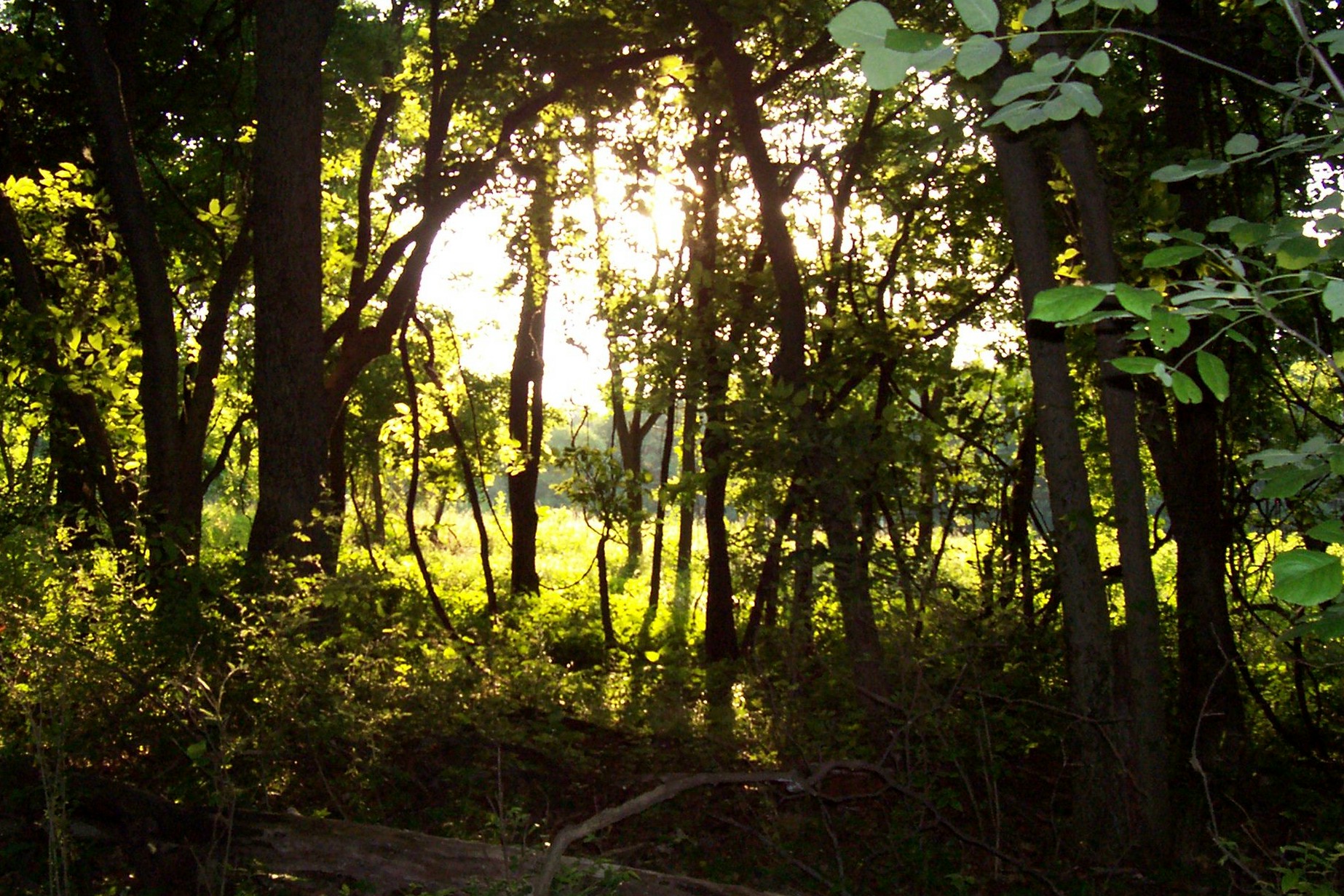
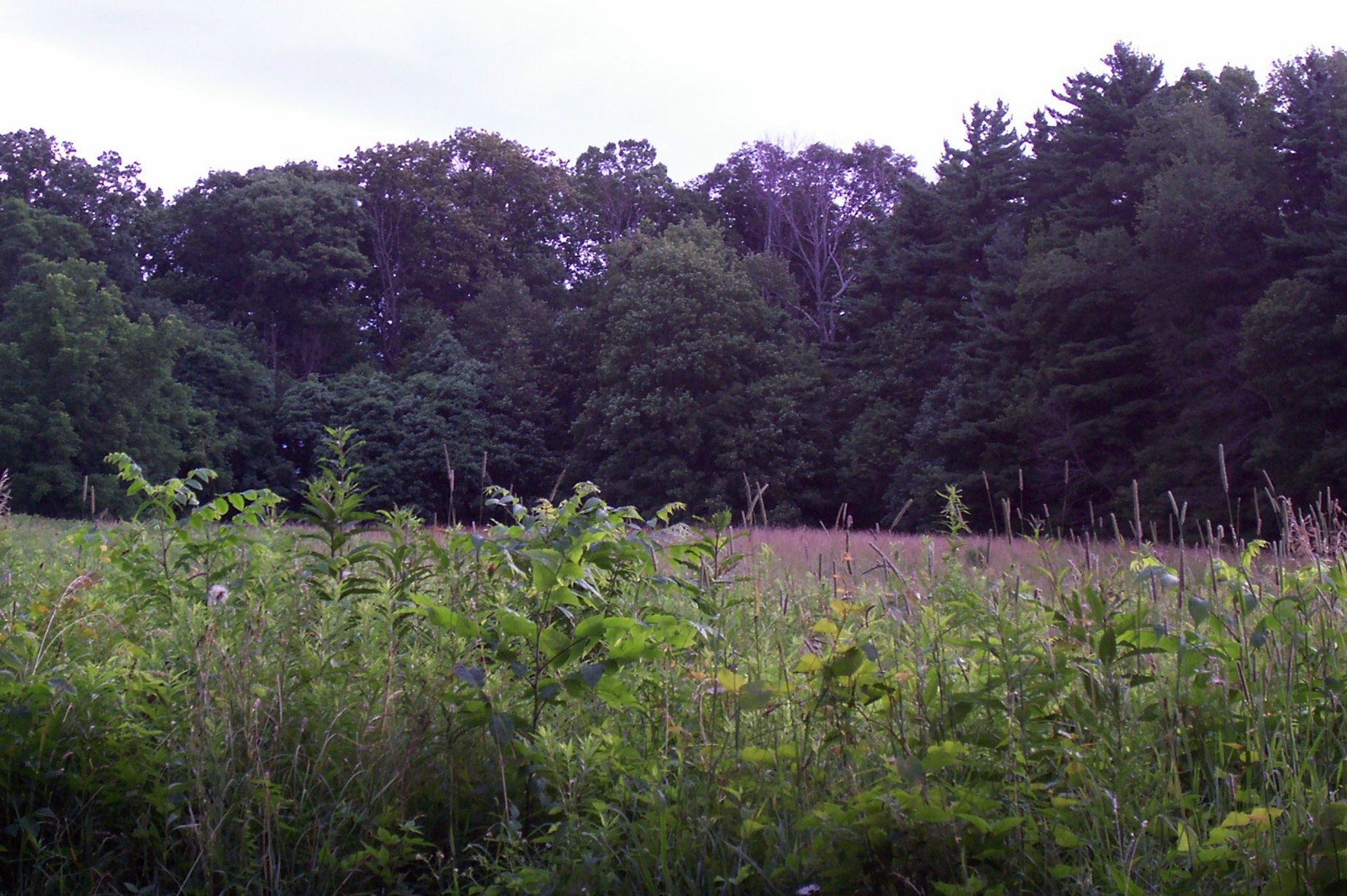
Peeking through the shadows of the thick vegetation, bright sunlight captures a meadow filled with tall, lush grass. There are many scenes like this one to be found when walking the trails at Chestnut Ridge Metro Park near Columbus, Ohio.
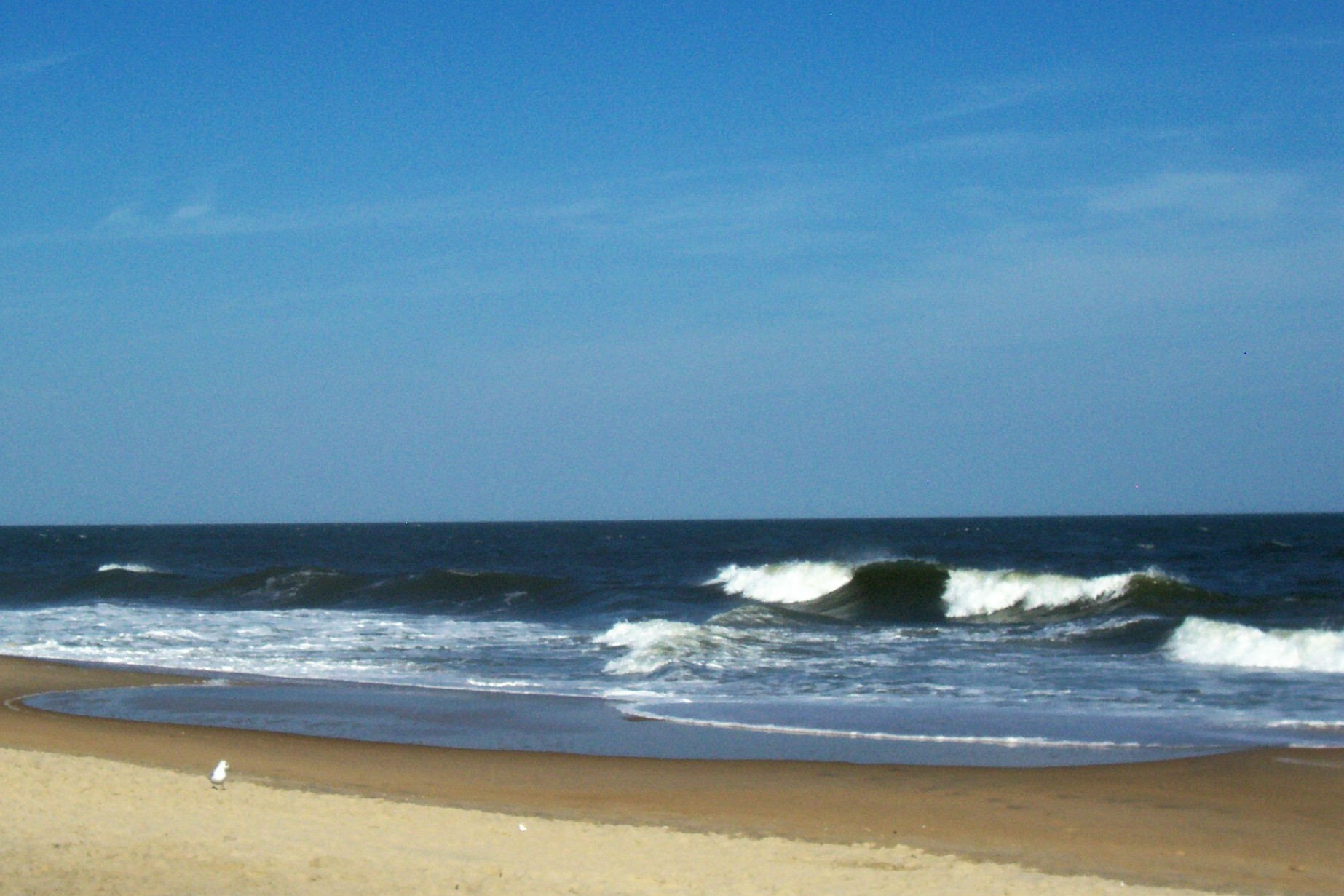
Capturing the crashing surf along the beach at Ocean City, Maryland. This picture reminds us that God’s creation continues to thrive and bring us hope.
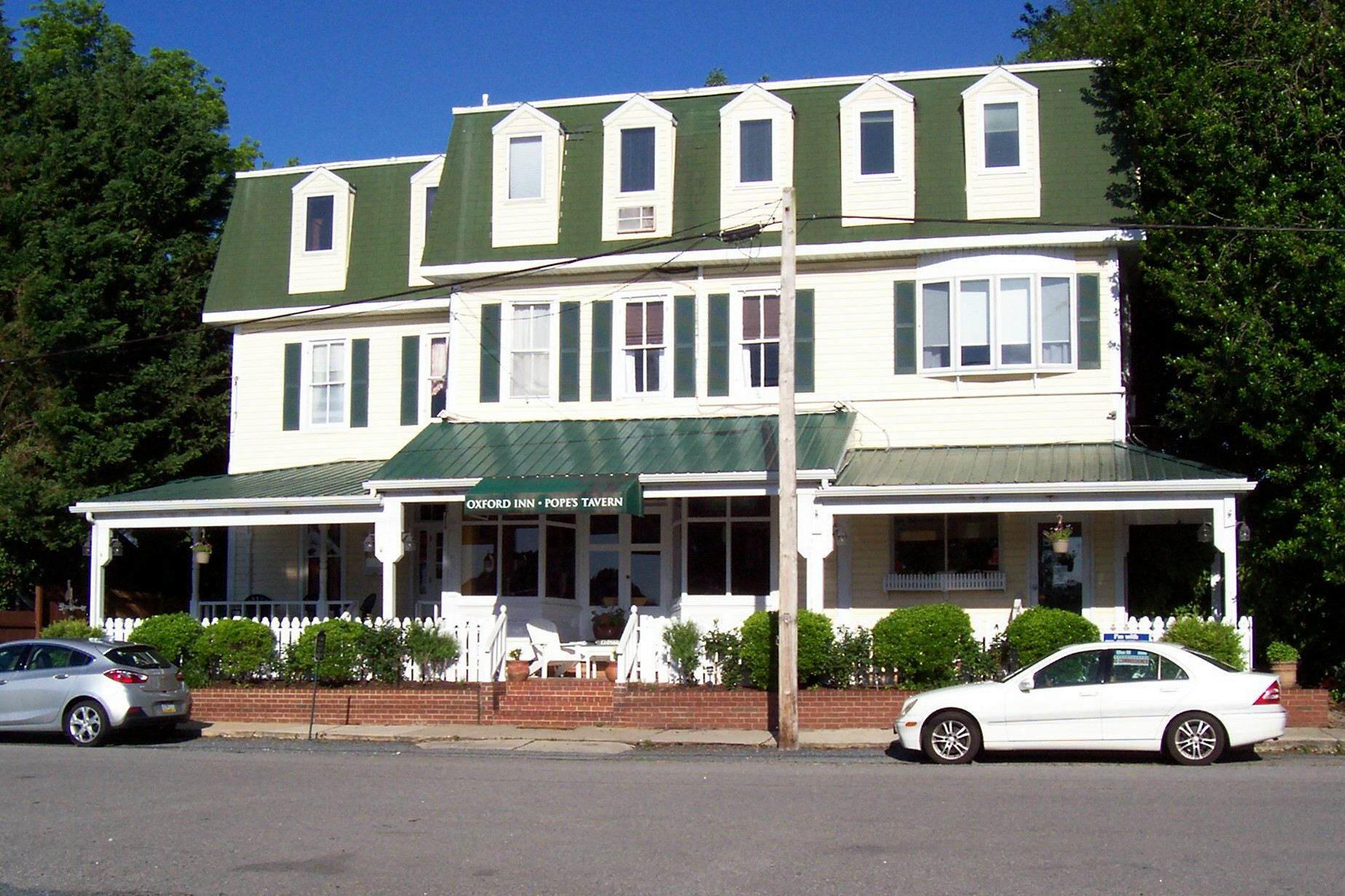
The village of Oxford offers a unique bed and breakfast experience on Maryland’s Eastern Shore. The Oxford Inn combines warm hospitality, charming and simple rooms, and a delicious breakfast menu. A limited dinner menu is usually available on certain nights of the week.
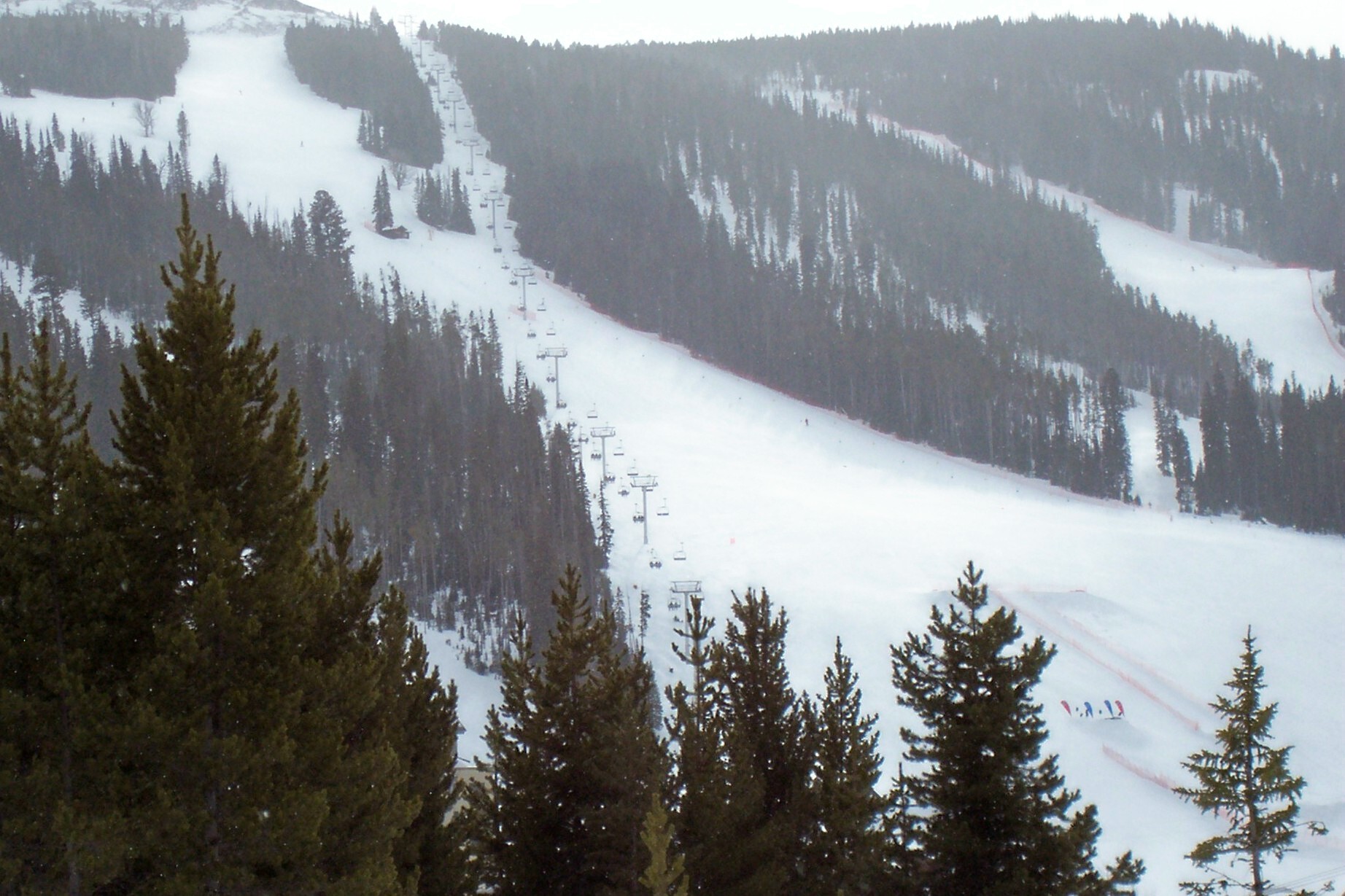
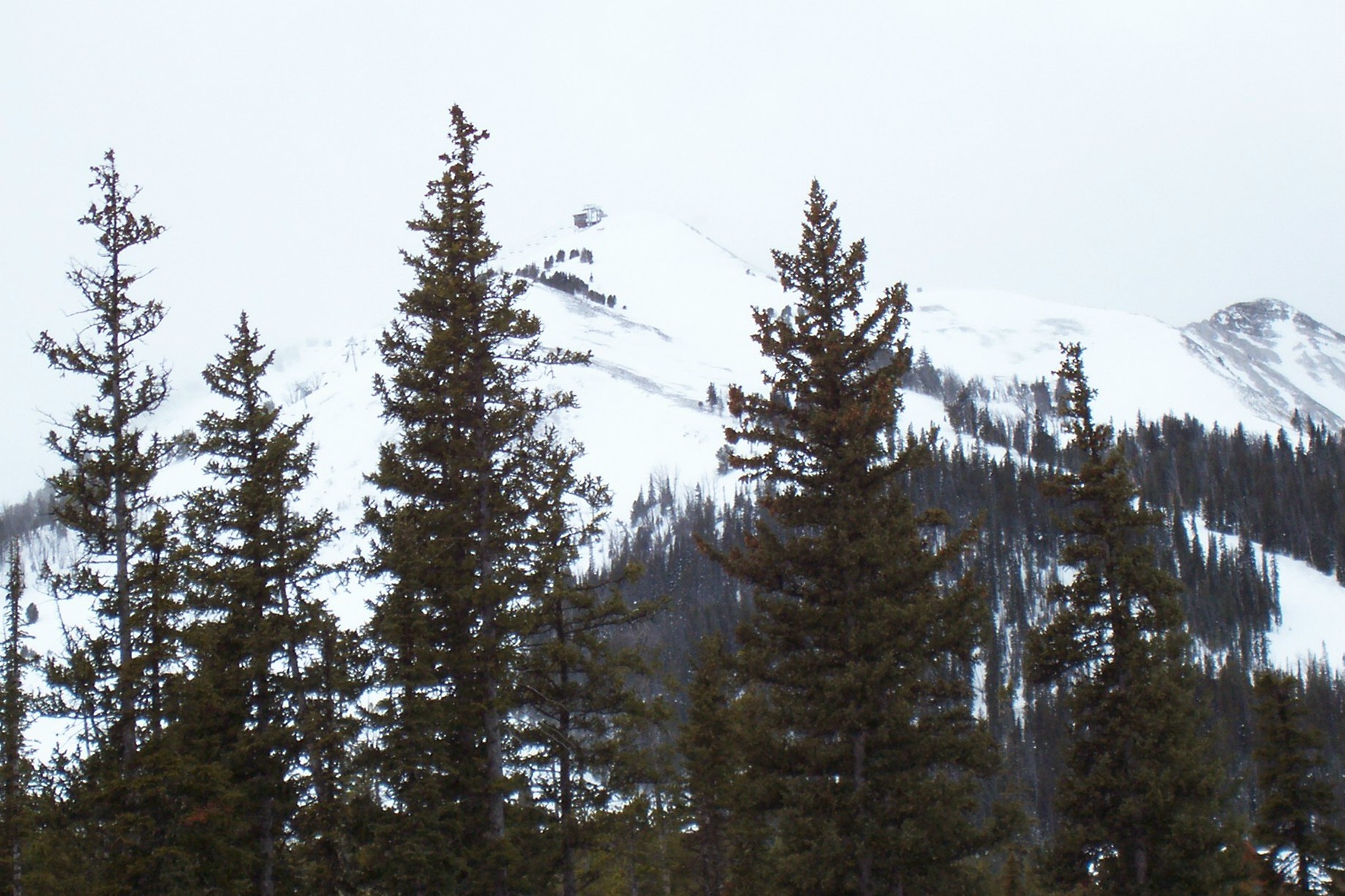
A view up one of the peaks at Big Sky Resort in Montana. Big Sky offers impressive skiing conditions, and it rates as one of top skiing destinations in the U.S.
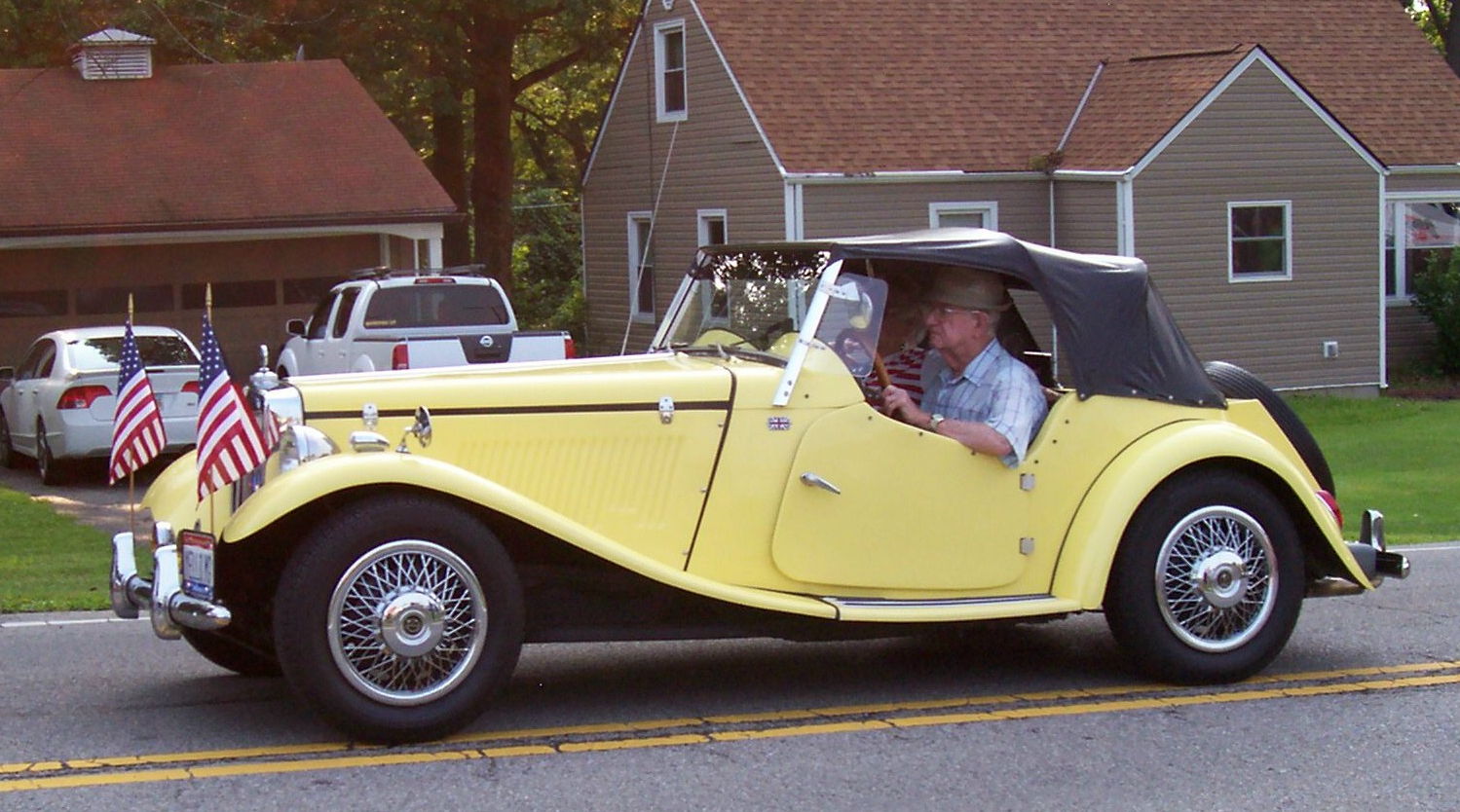
A restored car from yesteryear proudly shows off in the annual Labor Day Parade in Pickerington, Ohio.
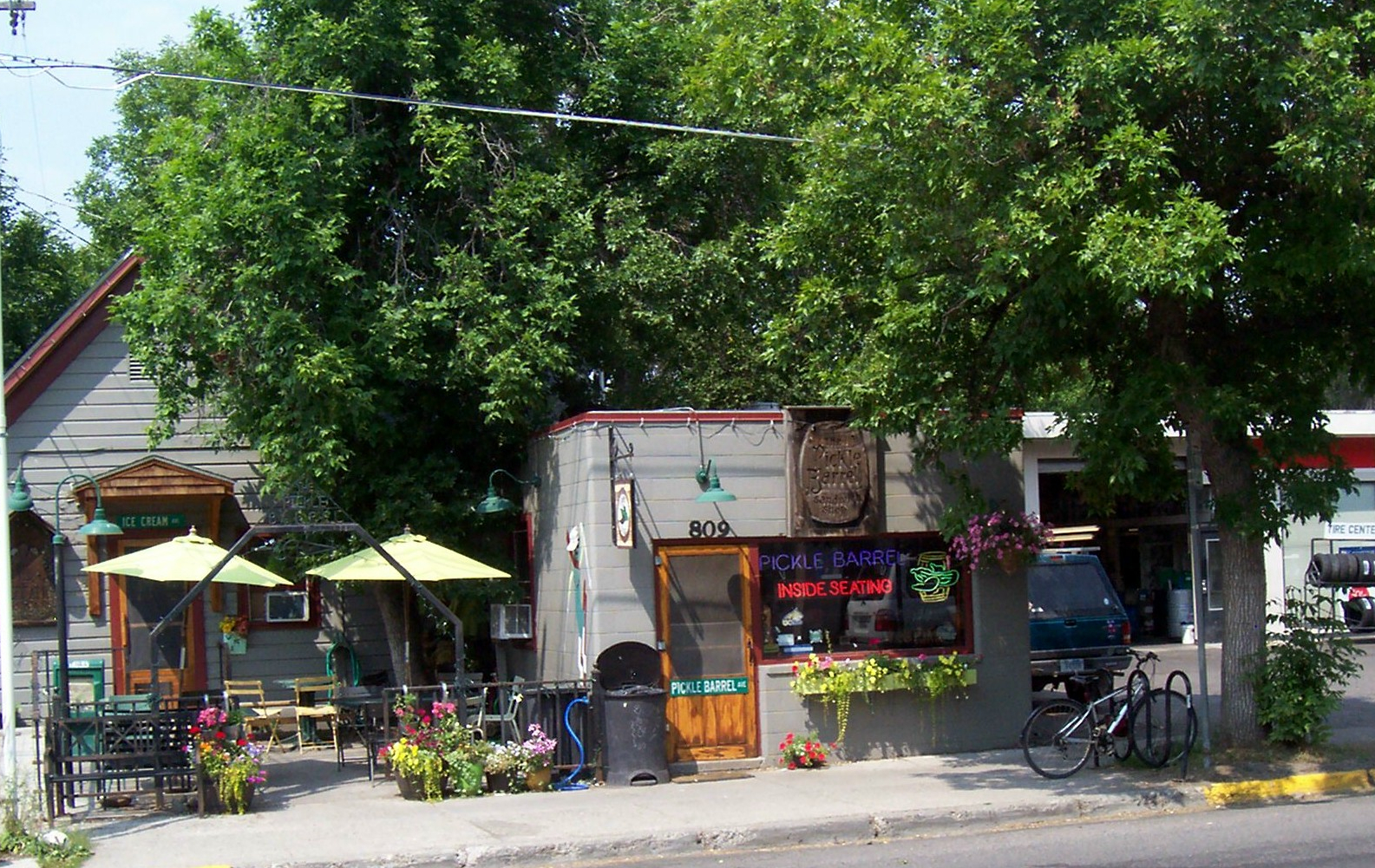
Welcome to a Bozeman tradition, and one of Montana’s treasures. The small sandwich shop on the right is the Pickle Barrel, famous for its delicious sub sandwiches. This building used to be a barber shop before being renovated into a sandwich shop in 1974. The shop is located on West College Street across from Montana State University. If you visit, remember to retrieve a fresh pickle from the pickle barrel. Your sandwich will thank you.
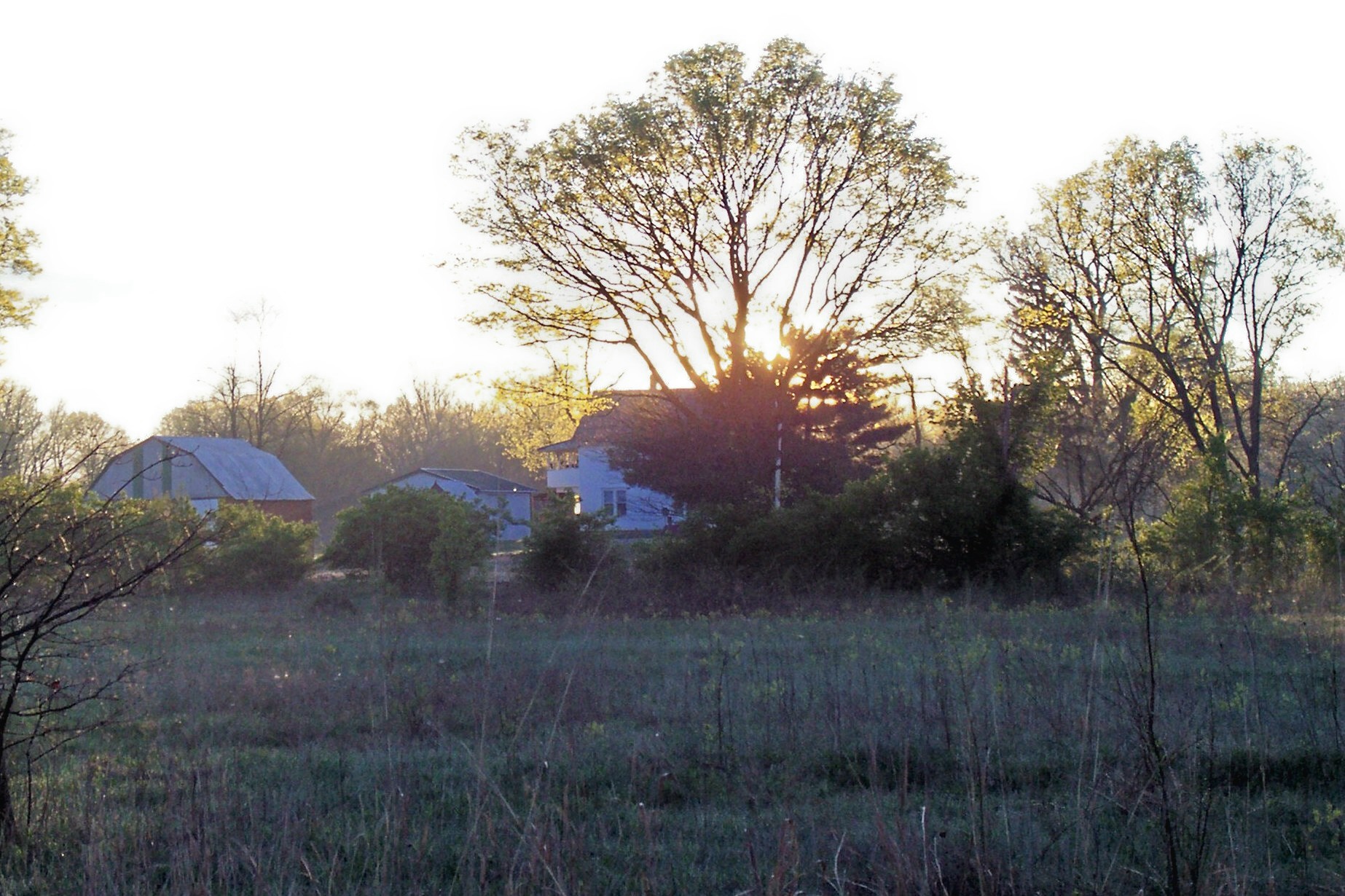
An early morning sunrise awakens around a farm in central Ohio.
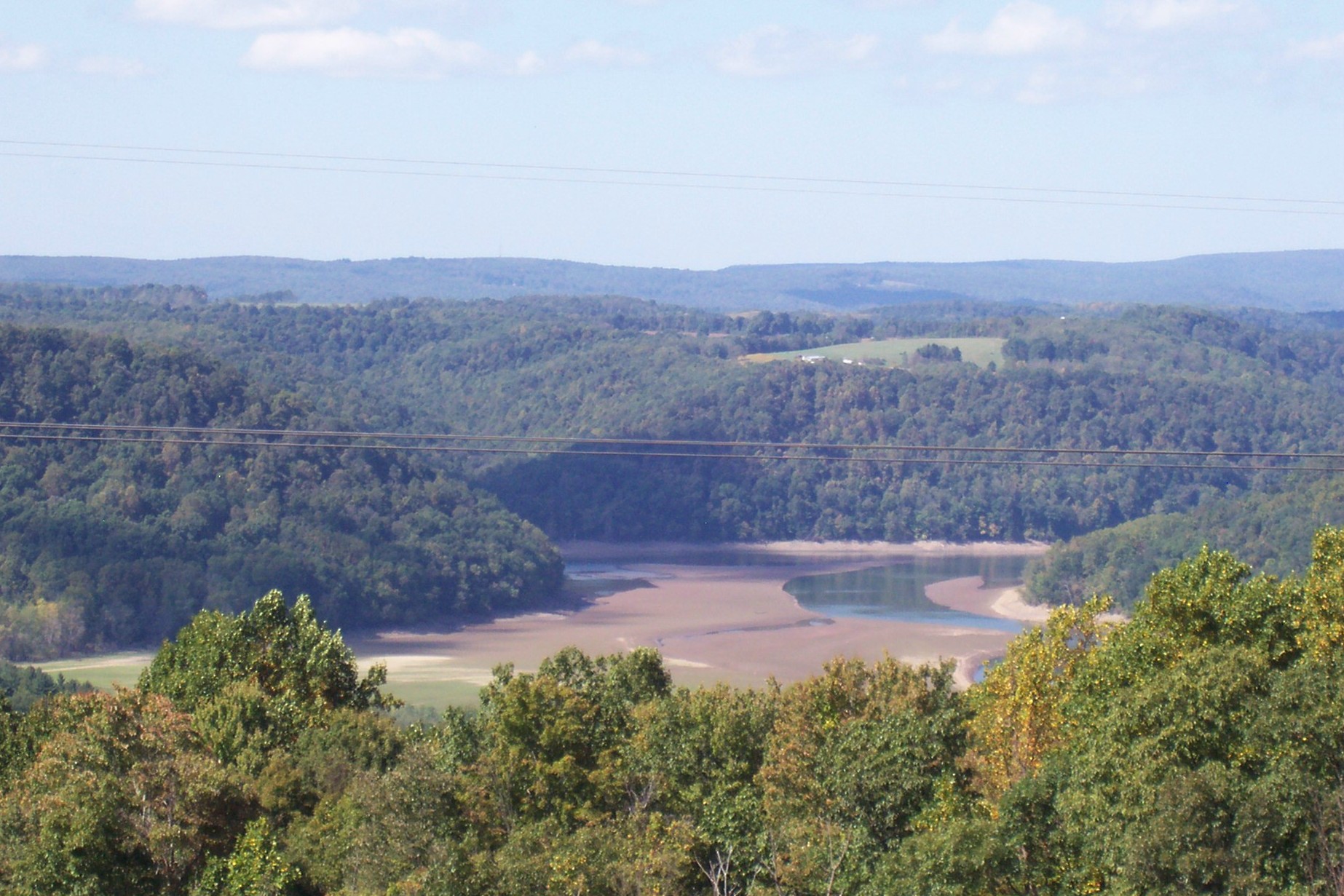
From an overlook along Interstate 68, one finds an impressive view of the Youghiogheny River, which creates a natural border between West Virginia and Maryland.
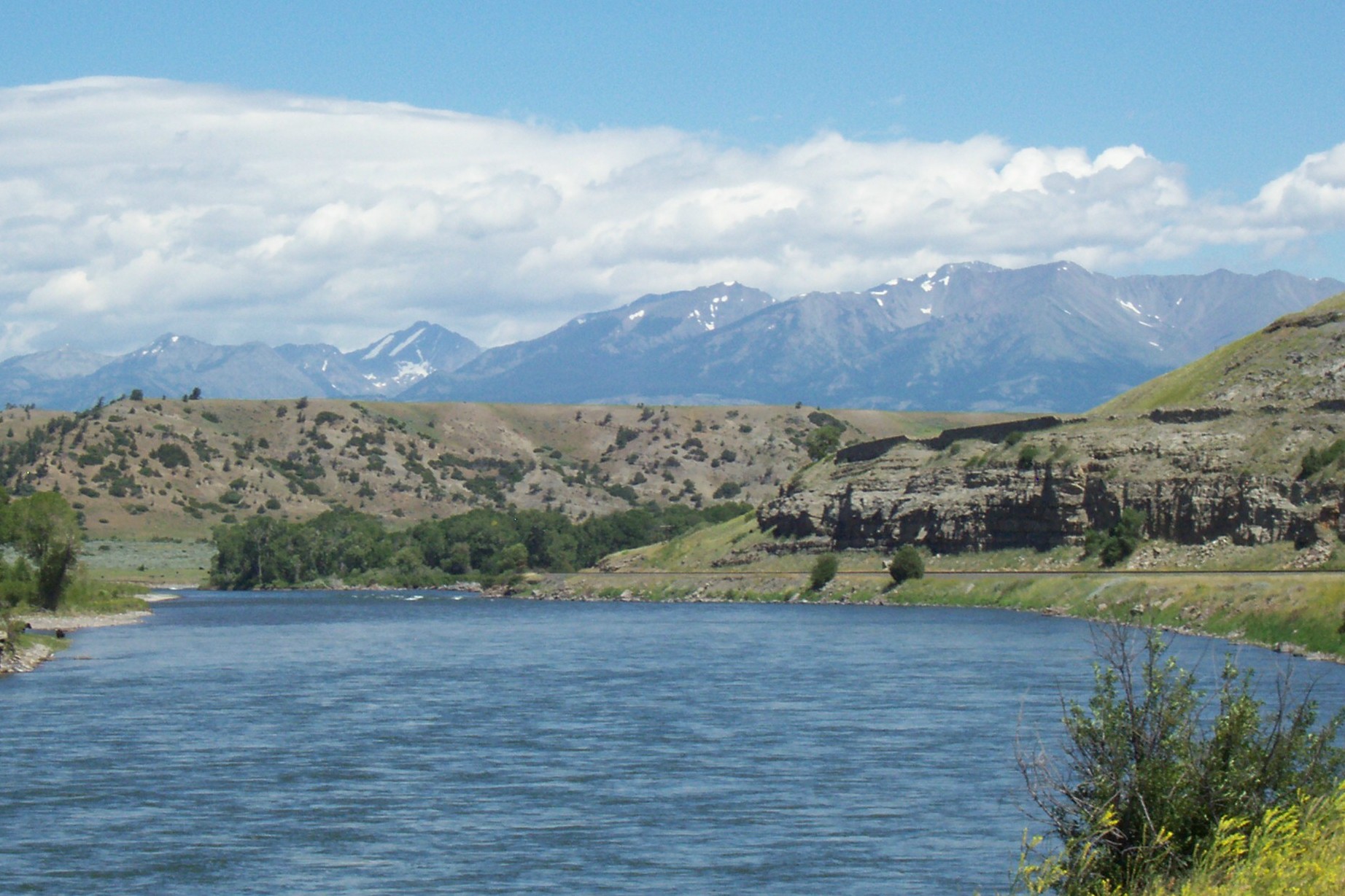
A picturesque Montana scene as the Yellowstone River flows eastward with a background of trees, hillsides, and mountains.
Near Westerville, the Hoover Dam provides the city of Columbus, Ohio and surrounding communities with much of their water supply. Completed in 1955, the Hoover Reservoir uses the water from Big Walnut Creek for a multitude of recreational opportunities as well.
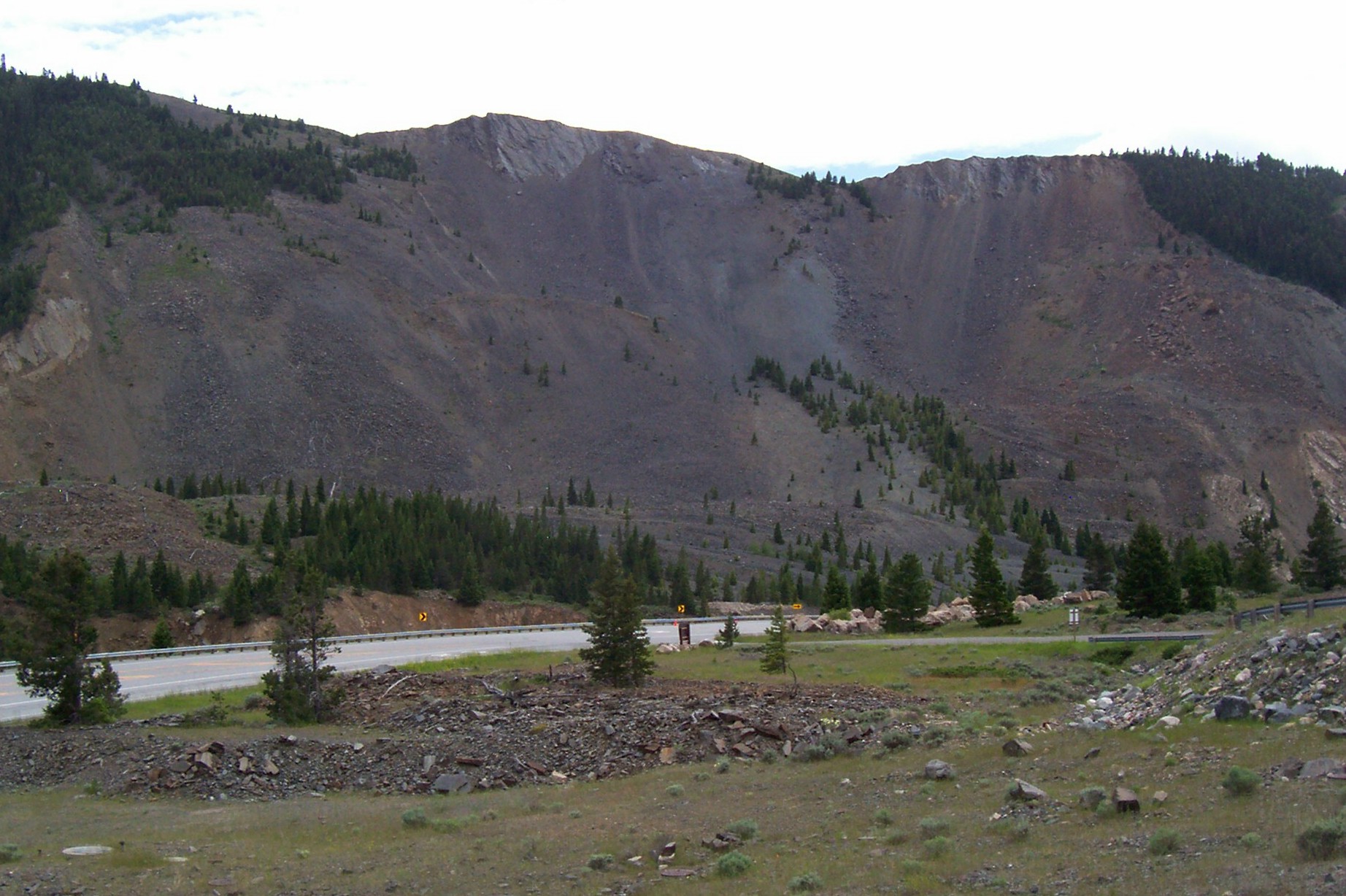
The Madison River canyon is the site of a major earthquake which occurred in the Hebgen Lake area on a quiet summer evening in August, 1959. Pictured on the other side of the highway, one can still see the scar left on the mountainside when a quake-induced landslide tore away the face of the mountain.
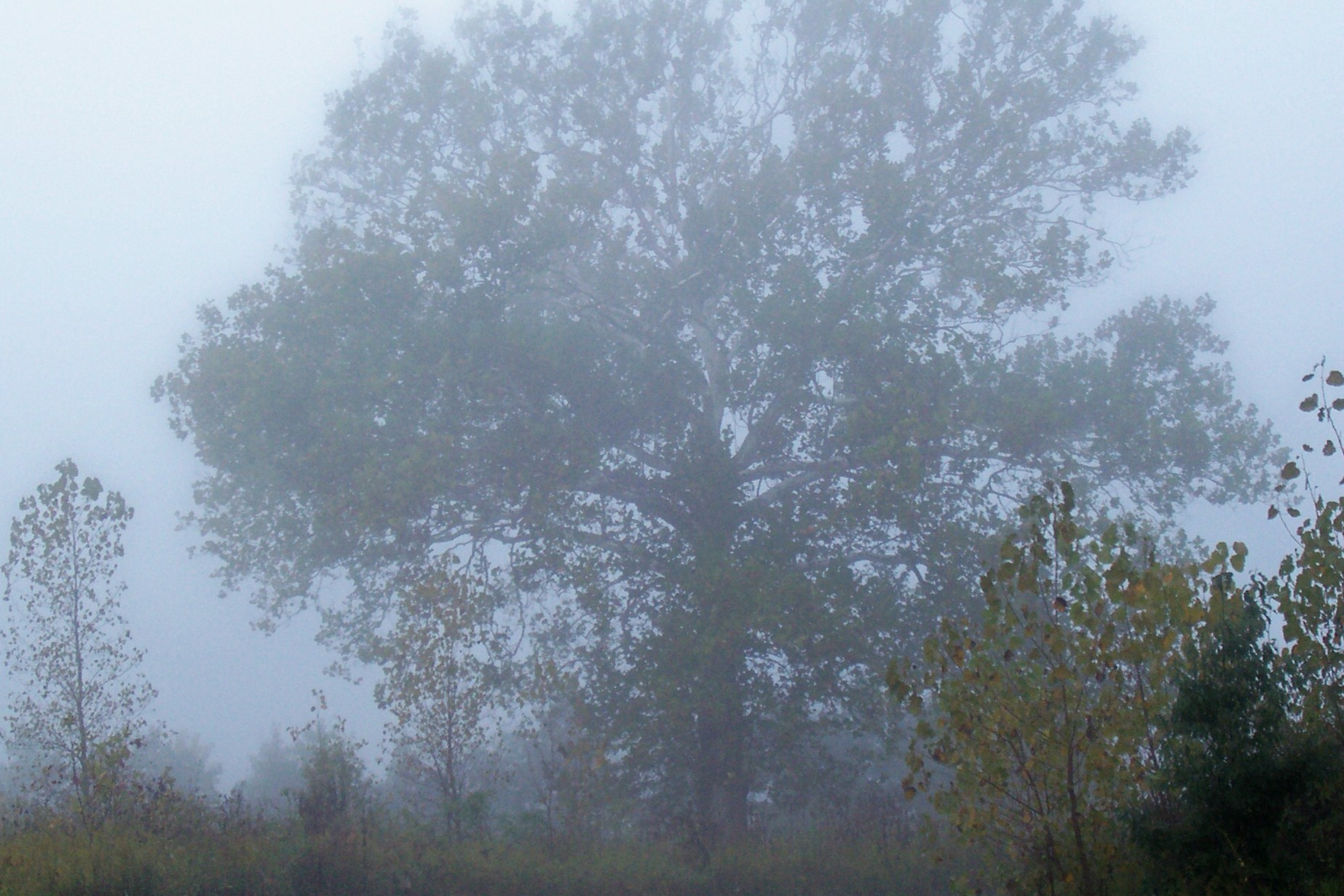
Foggy conditions surround the giant sycamore tree at Walnut Woods Metro Park in central Ohio. This is one of my favorite places to walk, and adding fog to the mystery of the park is a welcome opportunity for my camera to capture.
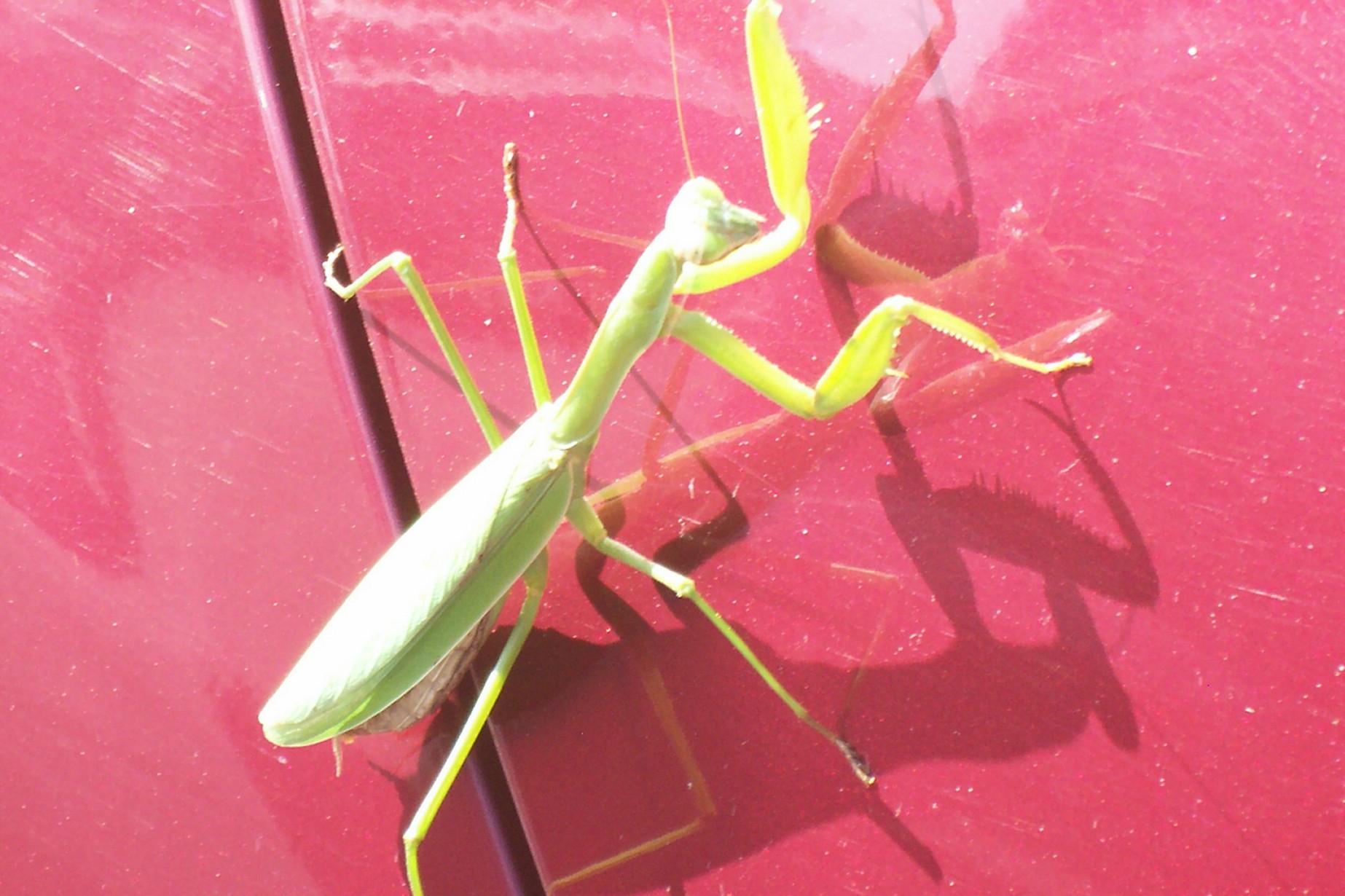
A unique summer moment is captured with a praying mantis who is enjoying the sun while resting on the door of my automobile.
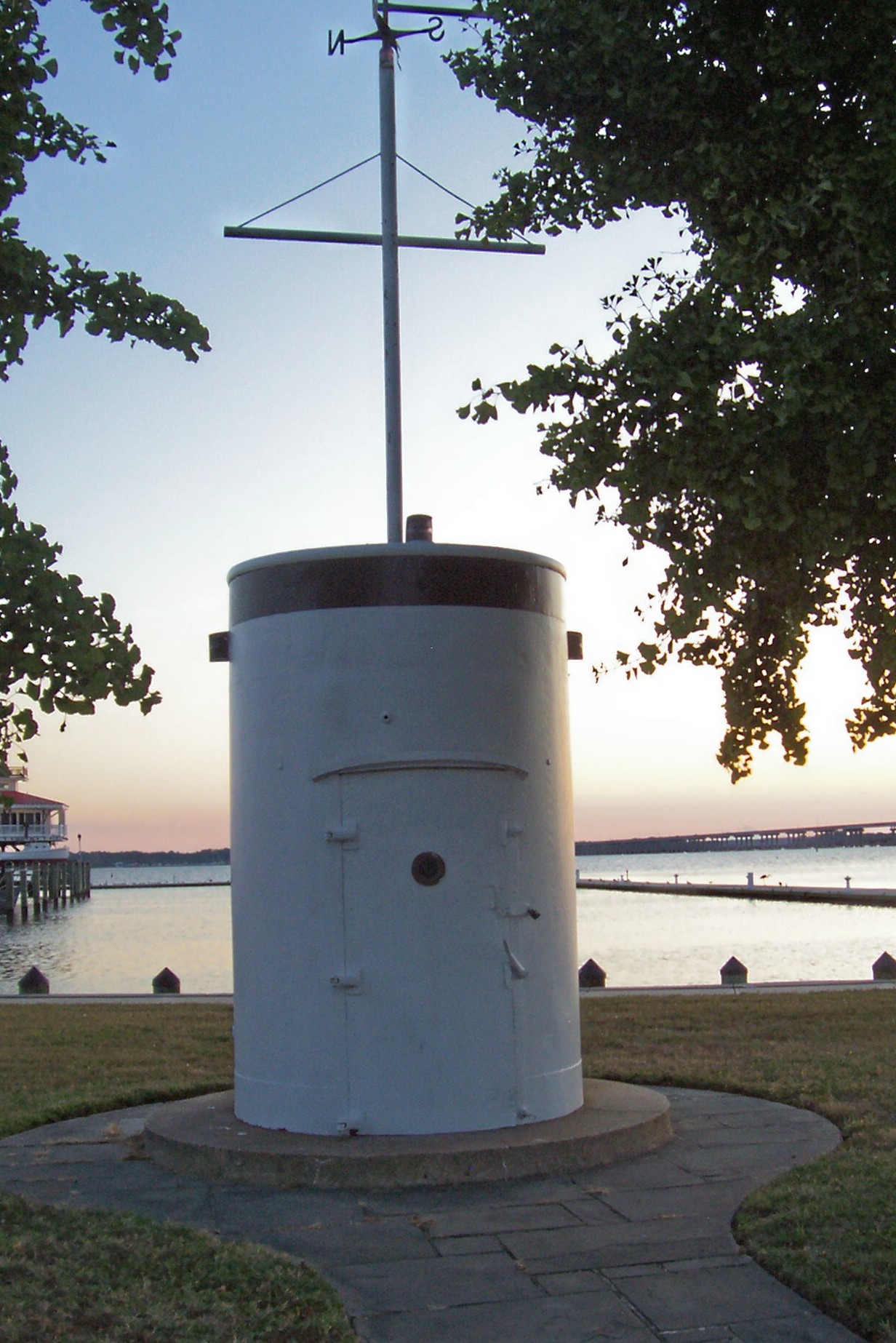
Long Wharf along the Choptank River at Cambridge, Maryland offers a fascinating bit of history. Pictured is the FDR Smokestack Memorial, and it is the honored resting place for one of the actual smokestacks from President Franklin Roosevelt’s Presidential yacht, the USS Potomac. The ship was equipped with two smokestacks, but one was covertly converted into a simple elevator to allow FDR (stricken with polio) to move his wheelchair between decks.
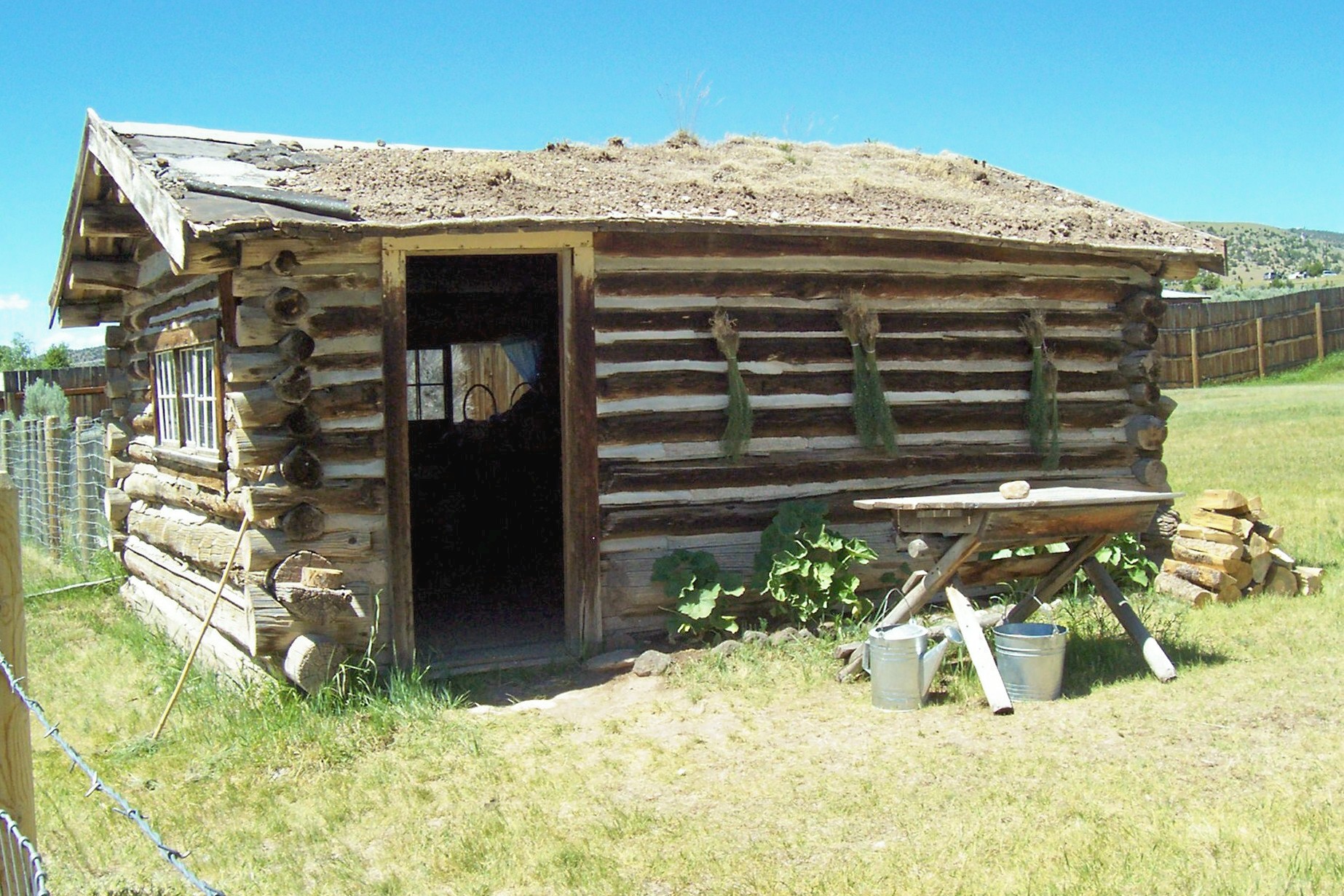
What do you think? Does this rebuilt cabin look ready for use? At least, there is a small pile of firewood and useful work table outside. The roof may need some work before the next rain. This scene was captured in Nevada City, Montana (located a “gold nuggets” throw away from its larger sister community of Virginia City in history-rich Madison County).
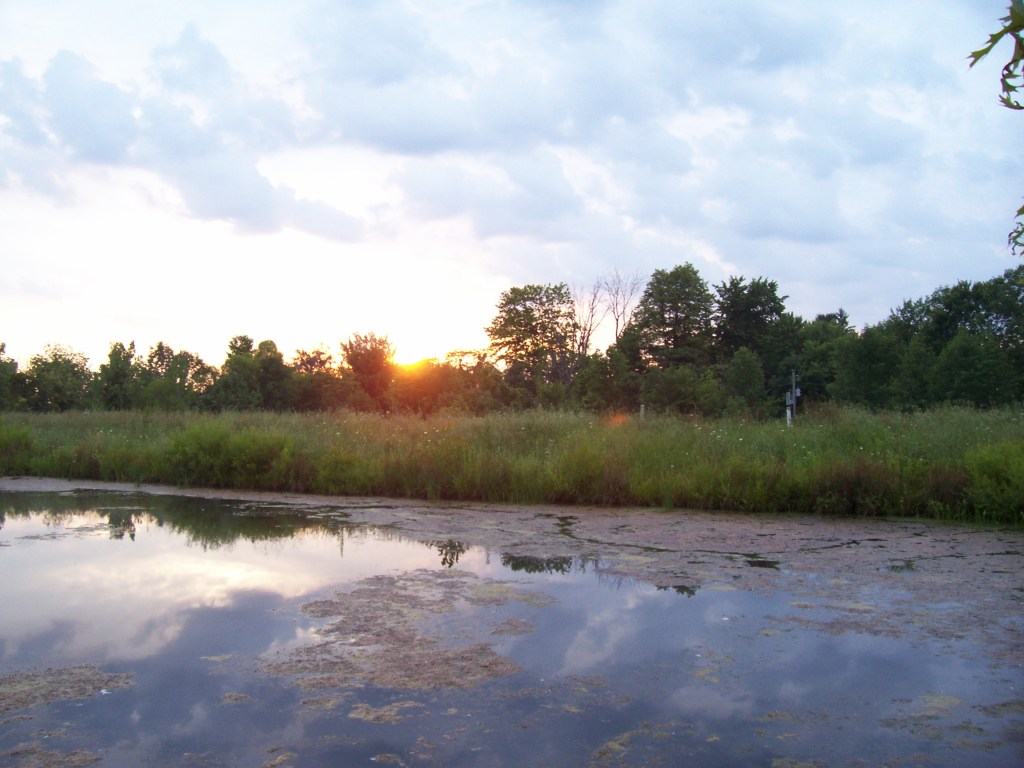
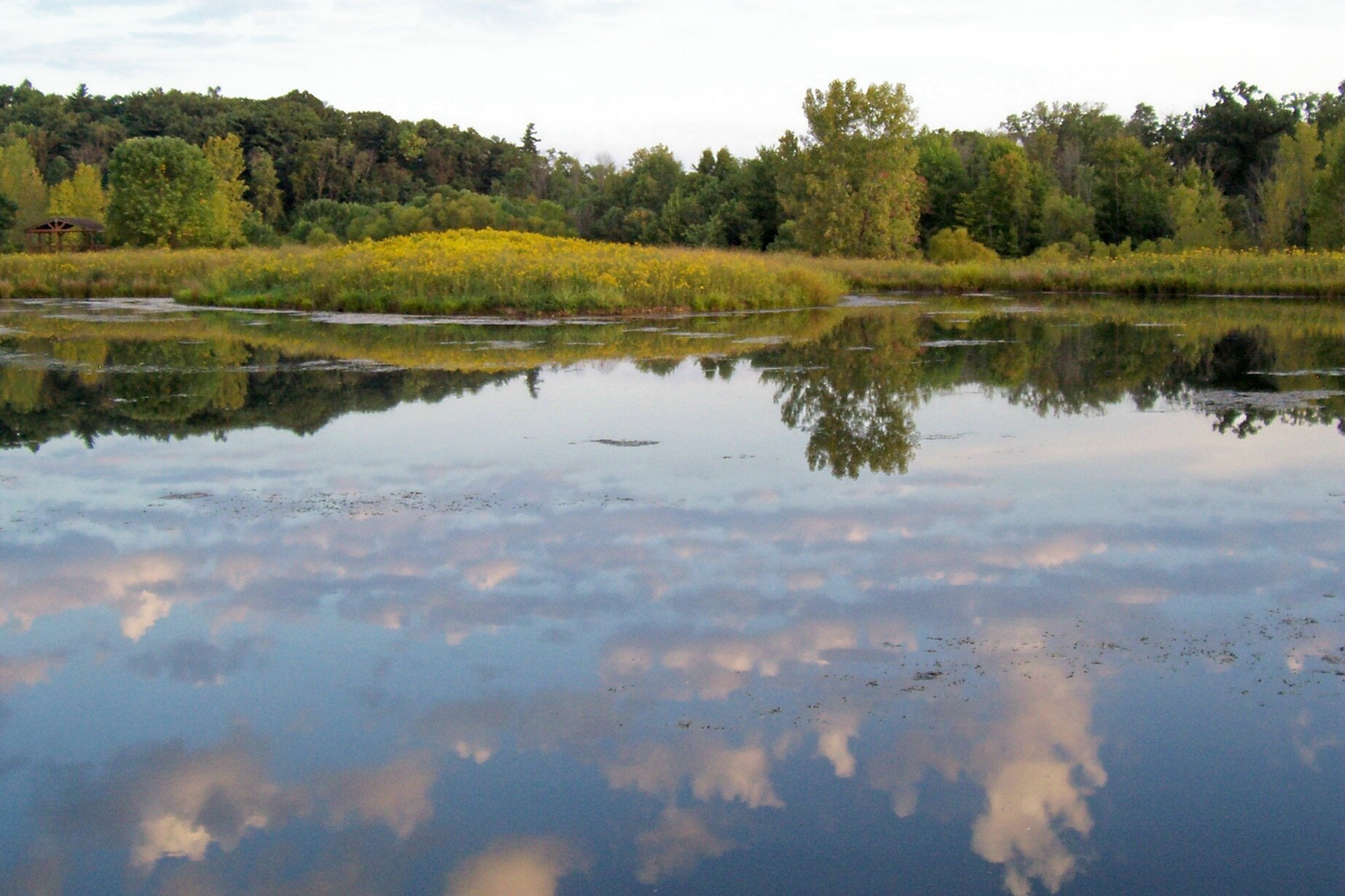
An early fall setting is captured at central Ohio’s Chestnut Ridge Metro Park. The landscape colors are beginning to change as images of the sky’s clouds reflect in the pond.
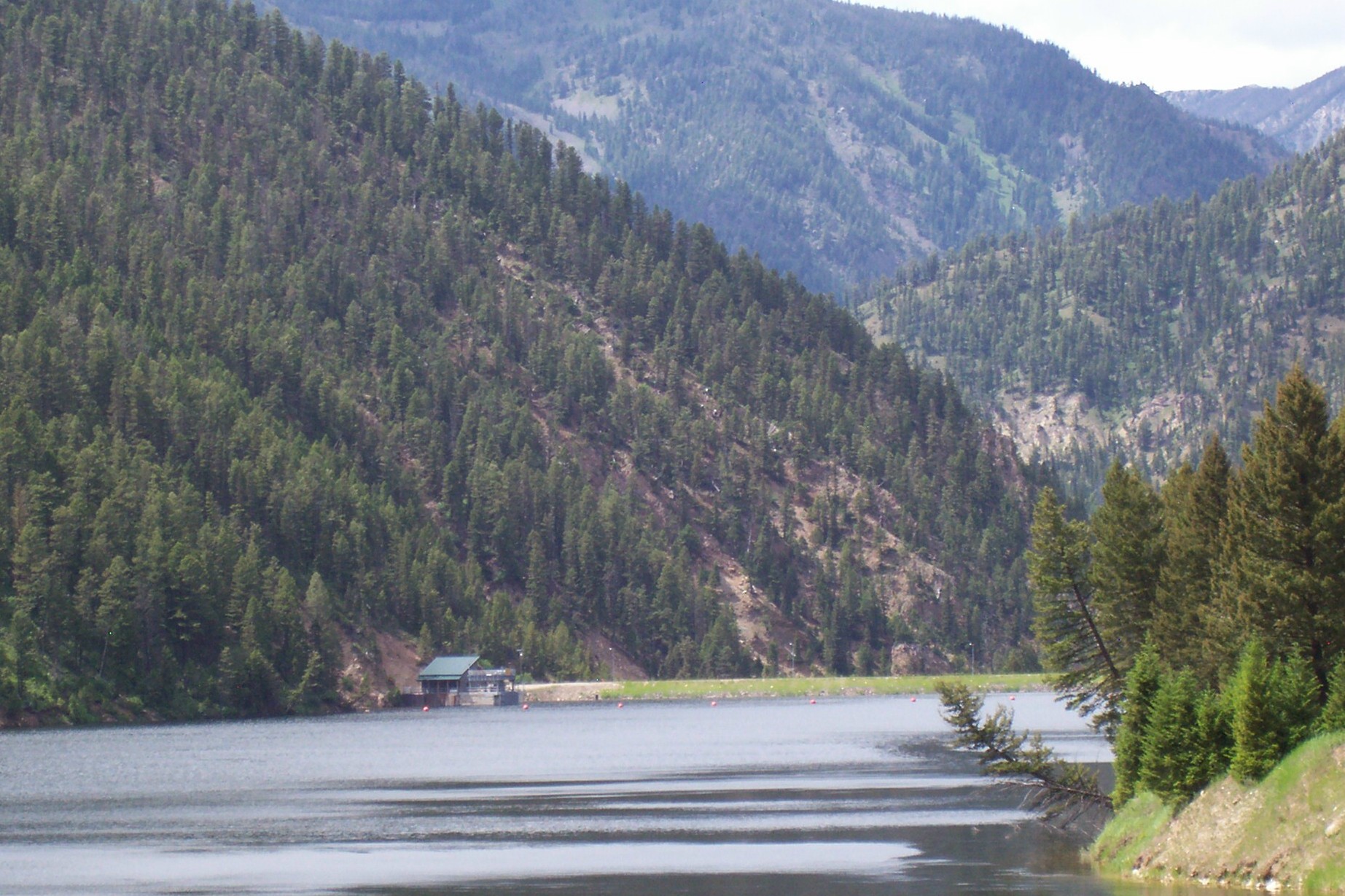
A peaceful and tranquil Hebgen Lake is captured in the late afternoon. The lake is created by a dam on the Madison River (dam is pictured in the background). Hebgen Lake is located in southwestern Montana, not far from Yellowstone National Park.
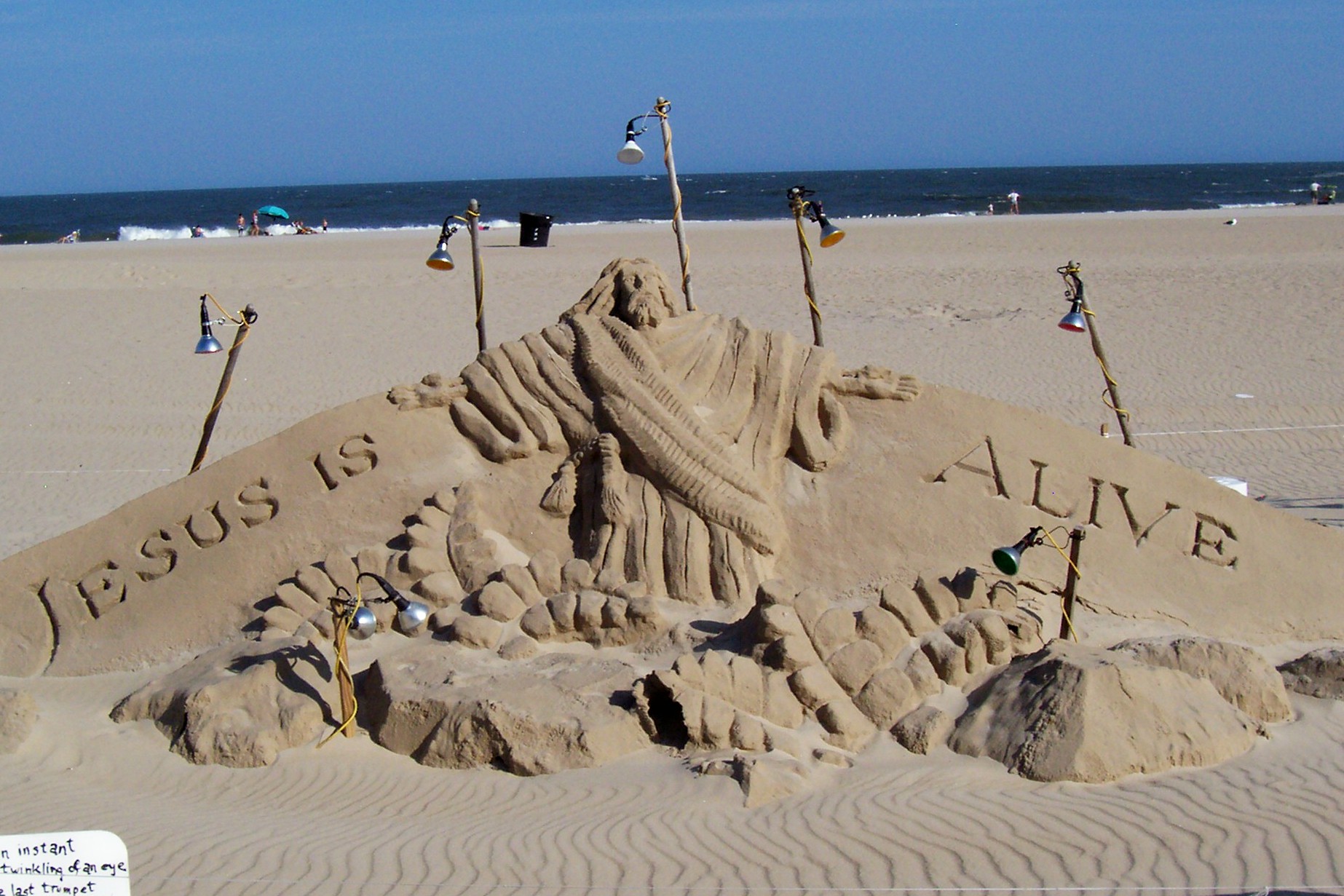
Walking along the beach at Ocean City, Maryland and finding an amazing and inspiring sand sculpture.
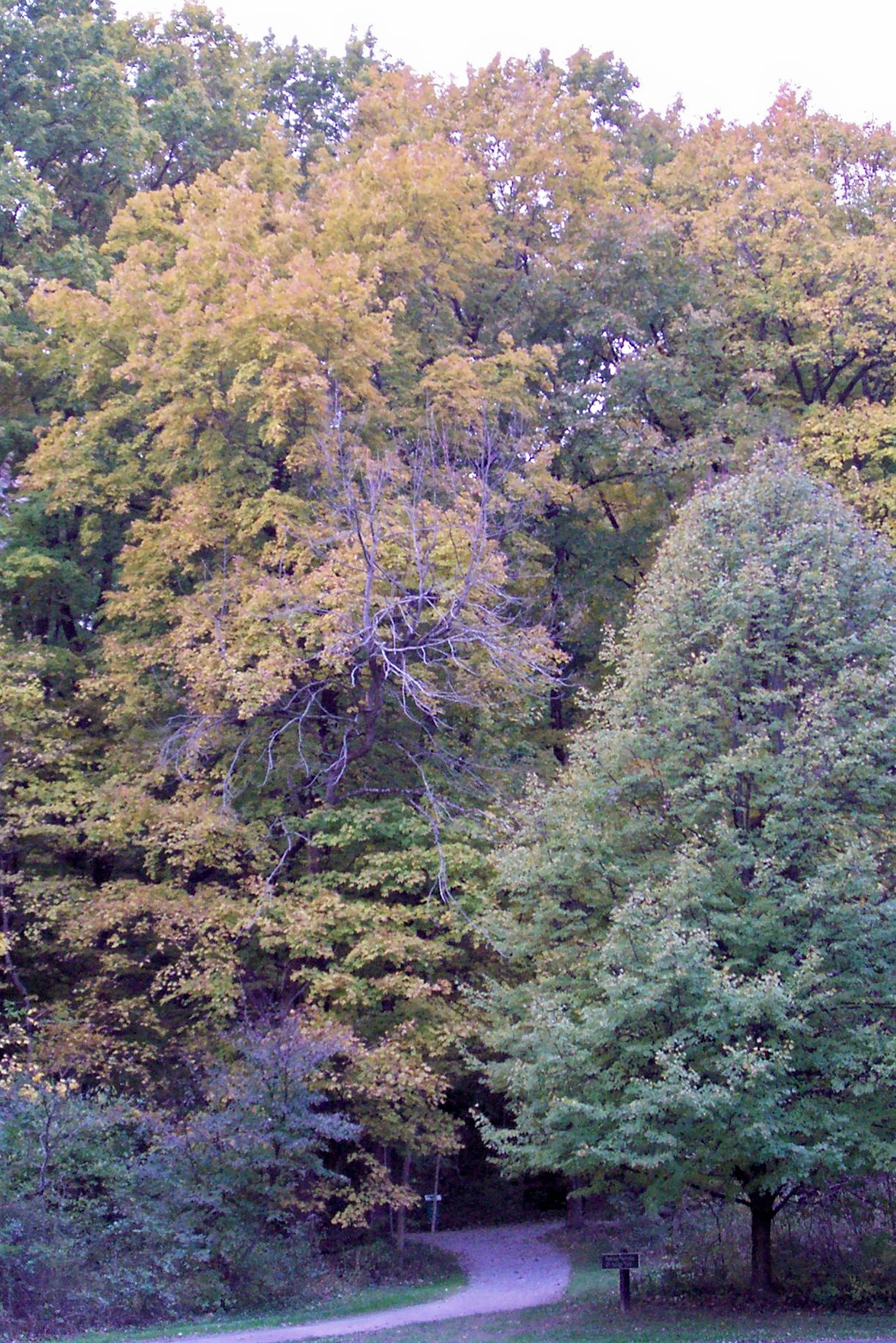
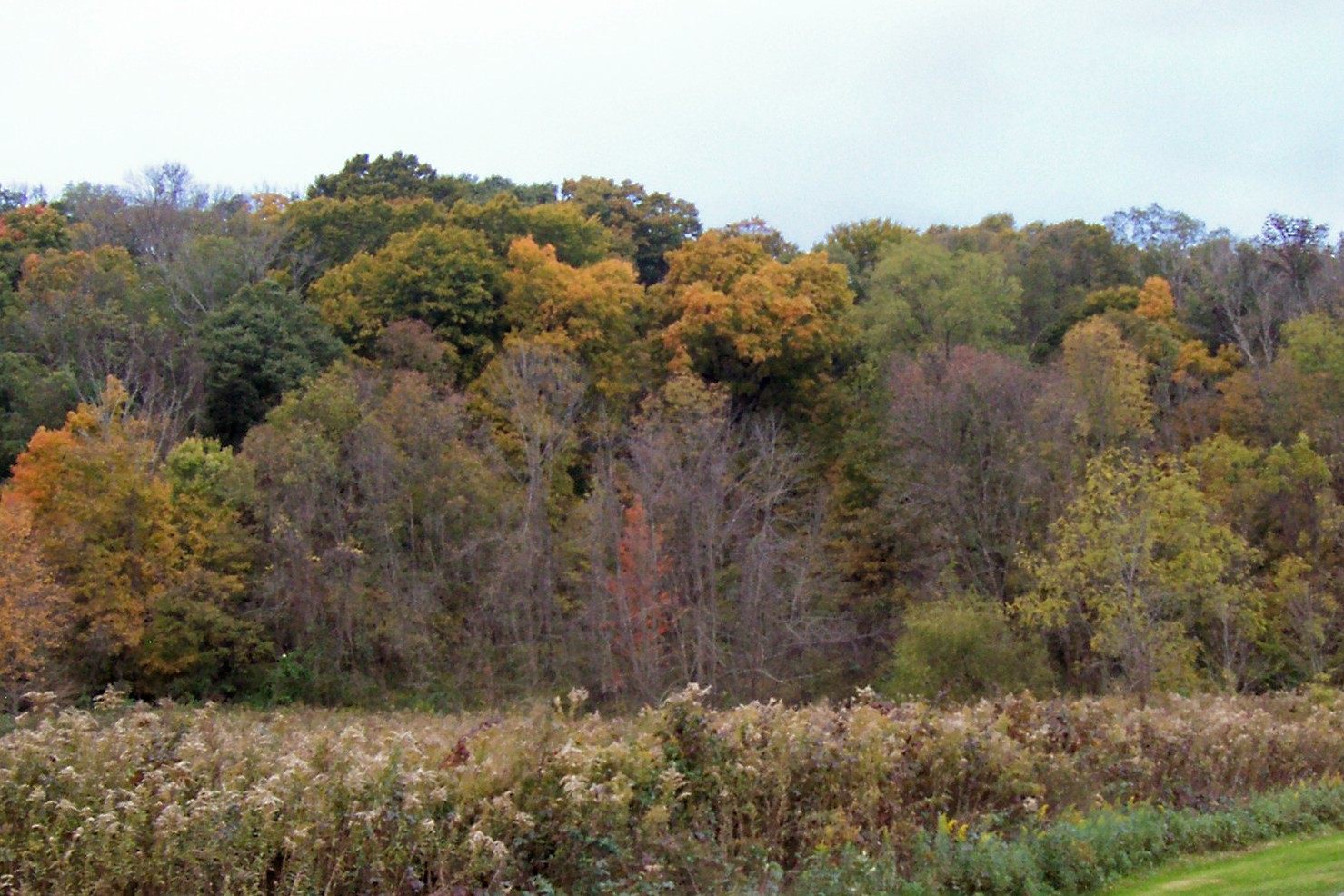
Chestnut Ridge Metro Park is one of gems in the park system surrounding Columbus, Ohio. The distinctive fall colors illustrate a dynamic presentation of God’s creative spirit.
Viewed from its western face, Sphinx Mountain is a well-known landmark in southwestern Montana’s Madison Range. With its elevation of 10,840 feet, the mountain brings an imposing presence above the valley below.
Autumn’s colorful scenery arrives at Walnut Woods Metro Park in central Ohio.
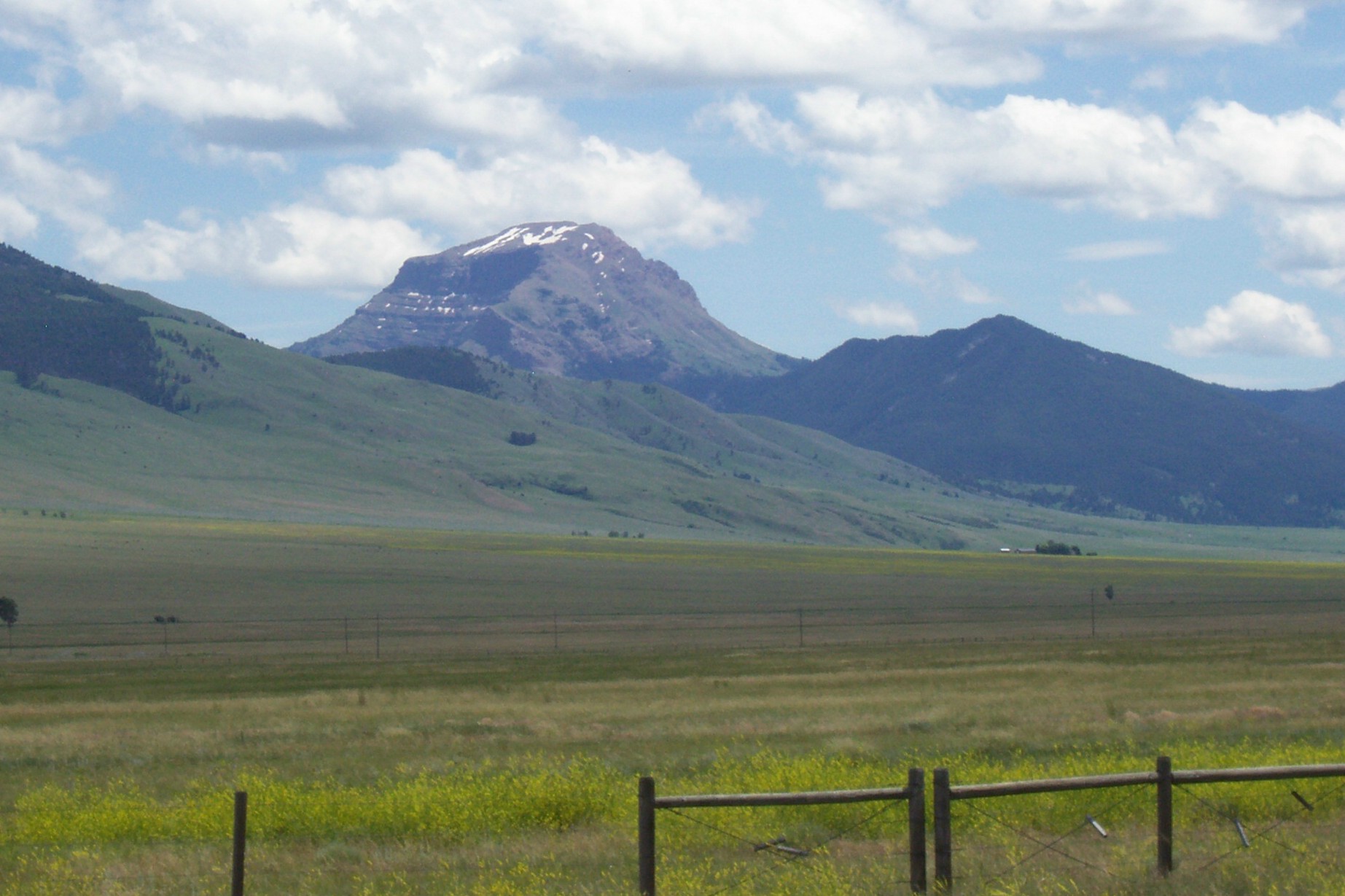
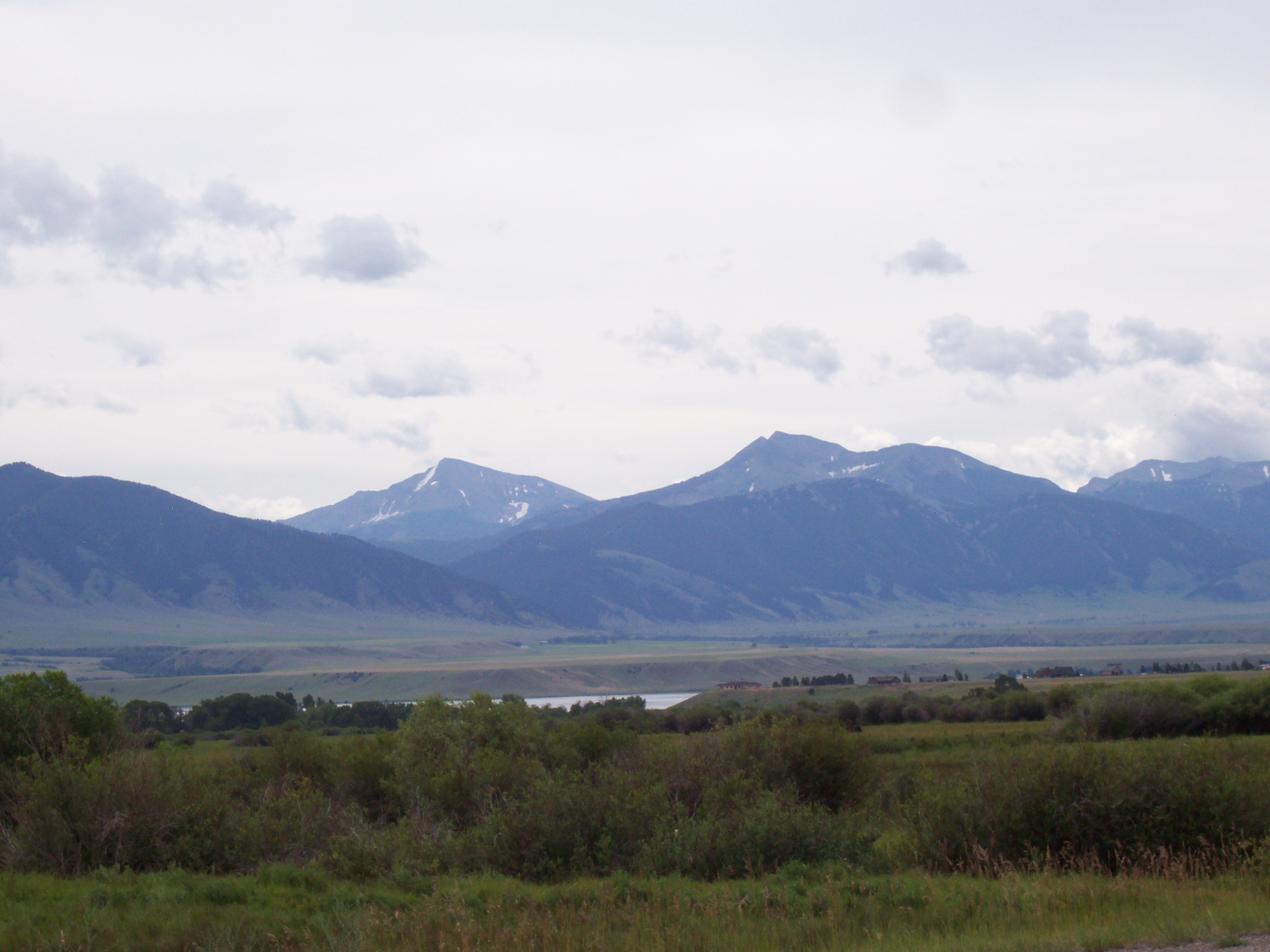
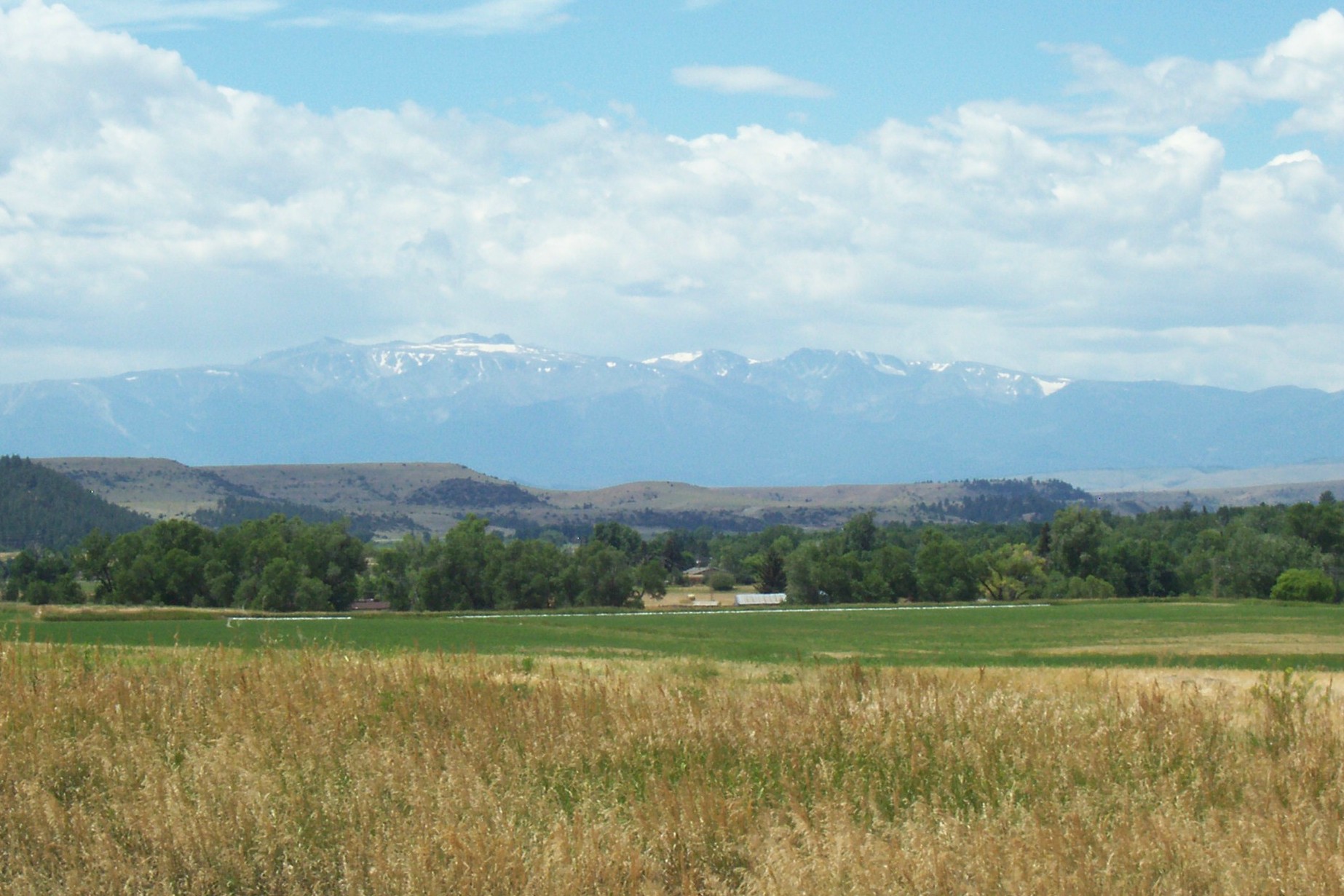
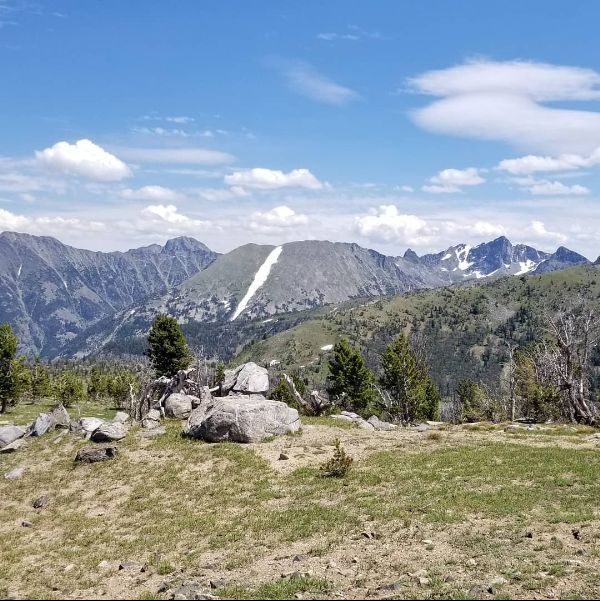
Southwestern Montana’s landscape offers the diversity of grassy valleys, wandering rivers, tree-lined foothills, and majestic mountains (still with a splash of snow in July).
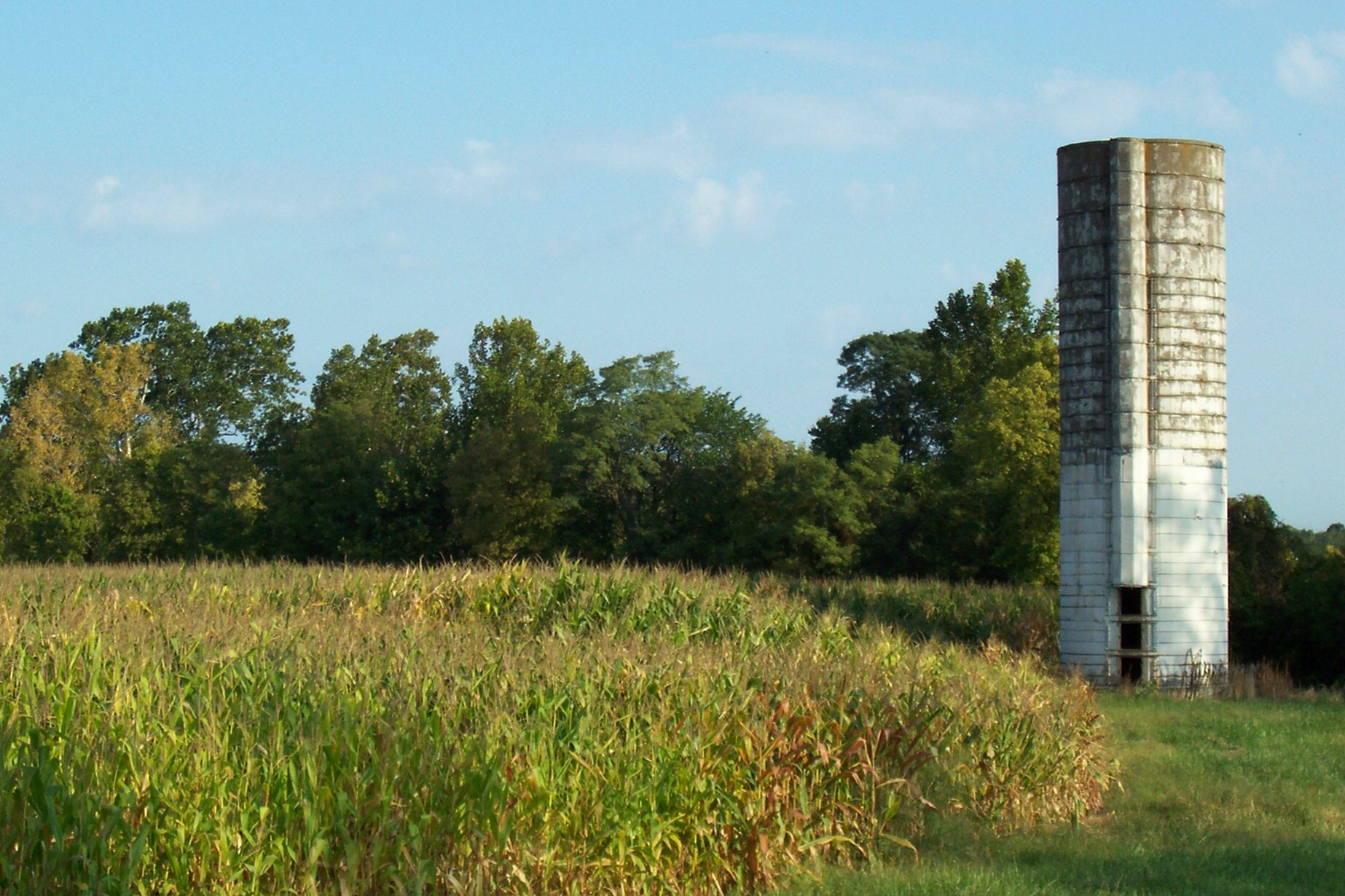
An abandoned corn silo stands watch over a corn field which is ready for harvest in central Ohio, just minutes outside of Canal Winchester.
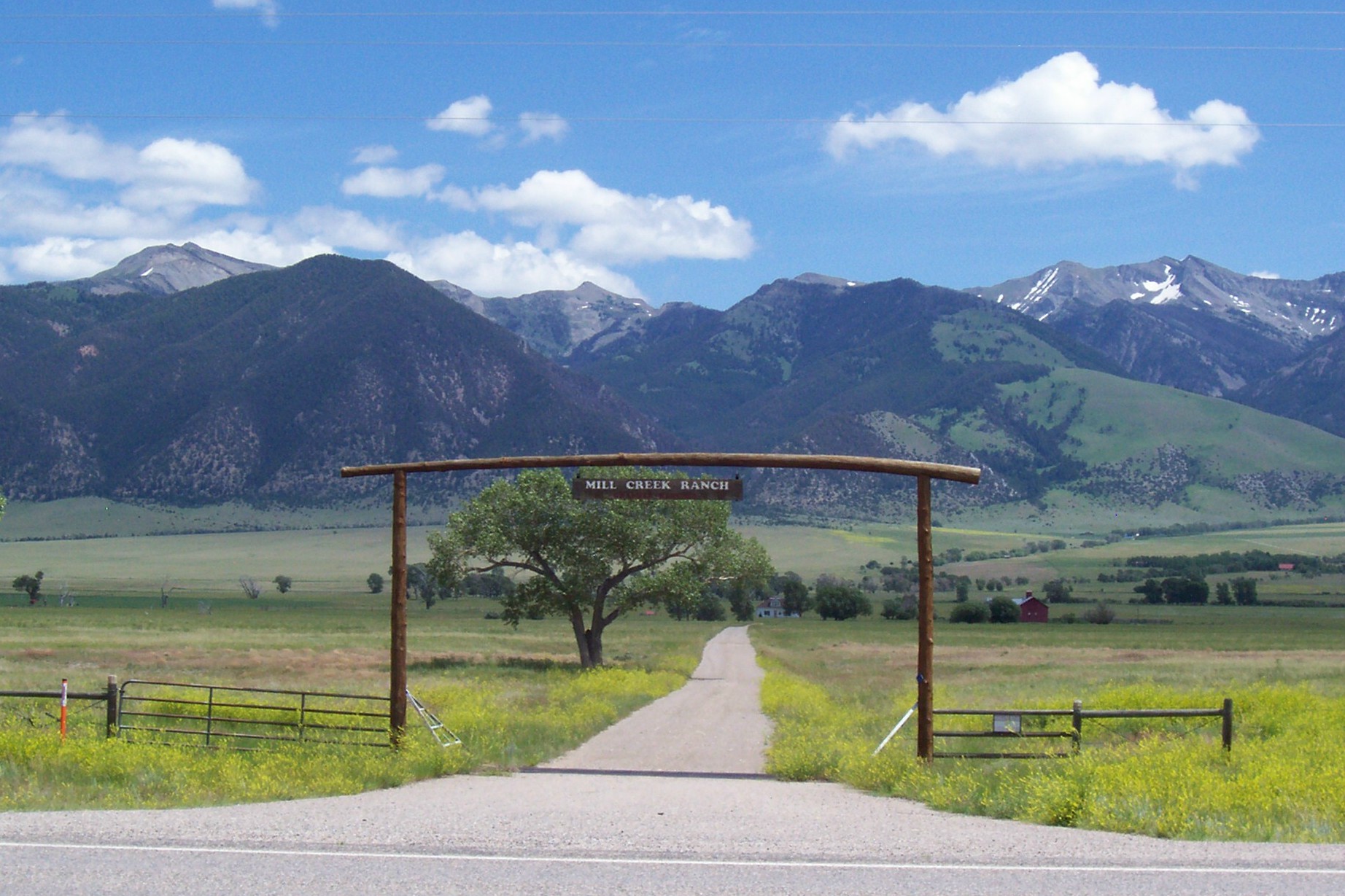
Following the highway between Ennis, Montana and Hebgen Lake, offers many venues for a photographer’s camera lens to capture. The entrance to the Mill Creek Ranch offers plenty of contrast with blooming sweet clover along the road along with the Madison Range of mountains in the background. Notice the snow still clinging to a few of the north-facing slopes (picture was taken in July).
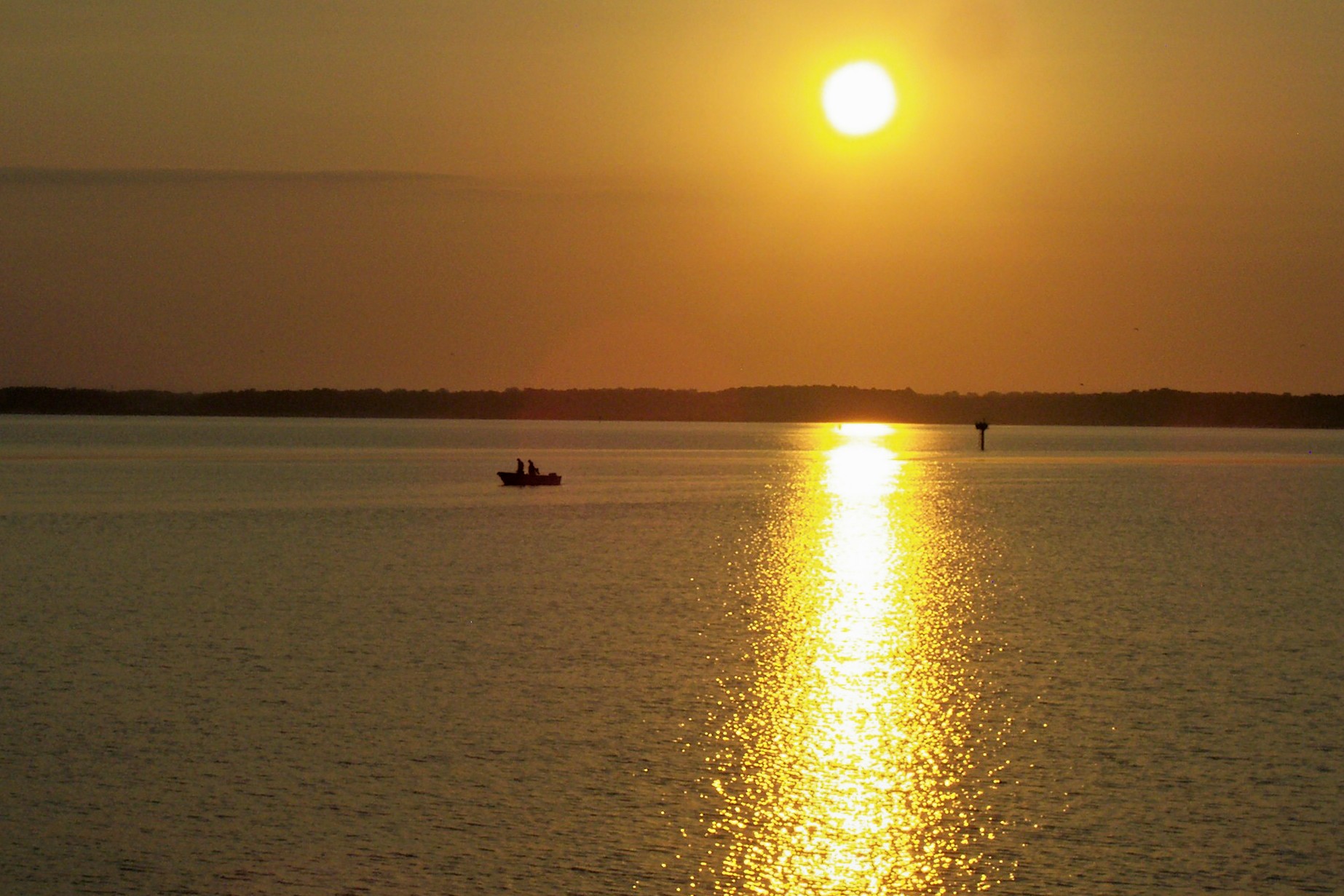
The rising sun illuminates a small boat checking crab pots (traps) on the Choptank River near Cambridge, Maryland.
Late summer brings bright colors to the wooded areas of nearby parks in central Ohio.
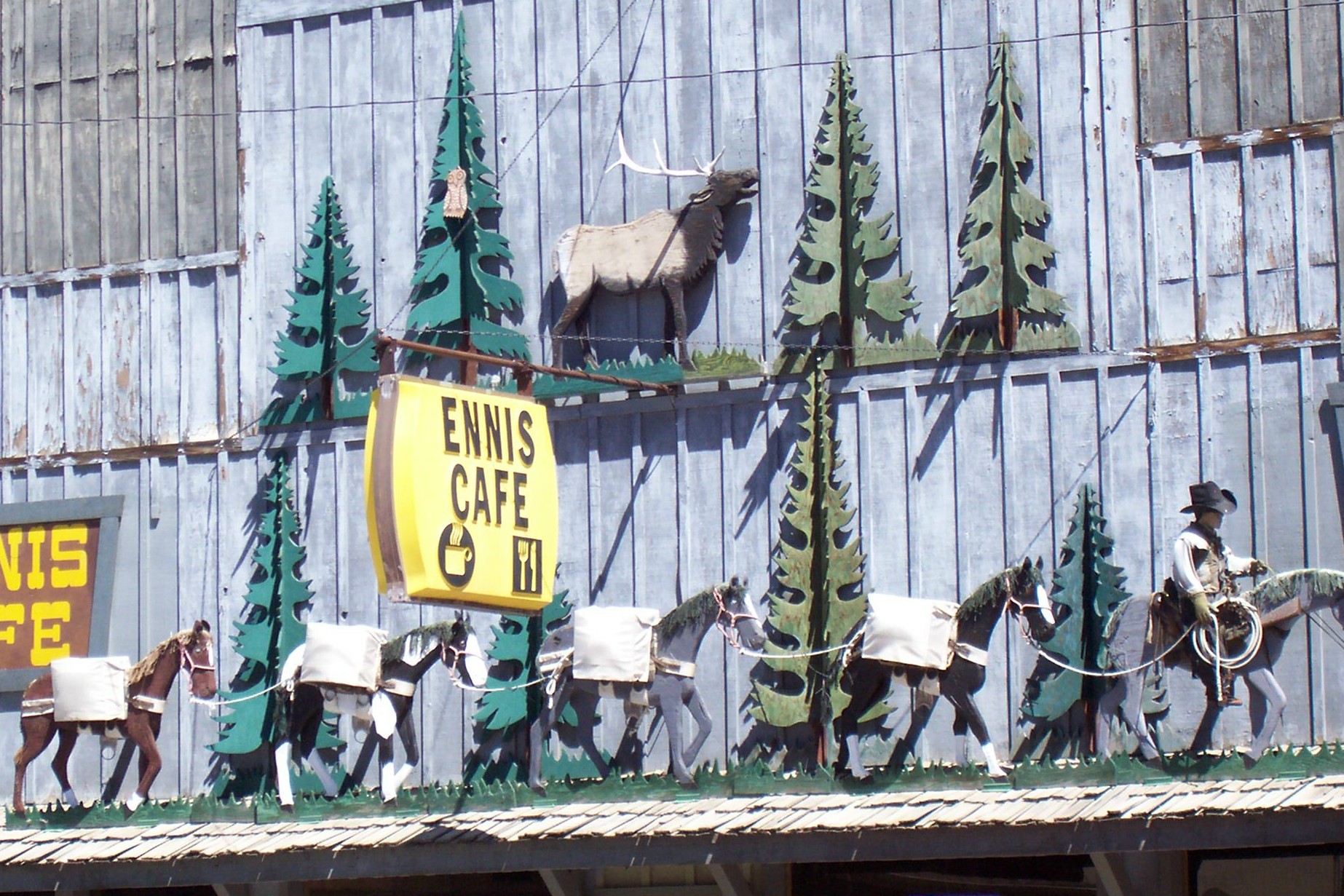
A walk down the main street of Ennis, in southwestern Montana, offers views of some of the most unique storefronts anywhere. One can see and feel the passion of the community’s proud heritage and way of life.
A peaceful and tranquil garden is found late in the summer in the village of Lithopolis, which is located south of the Columbus, Ohio metro area.
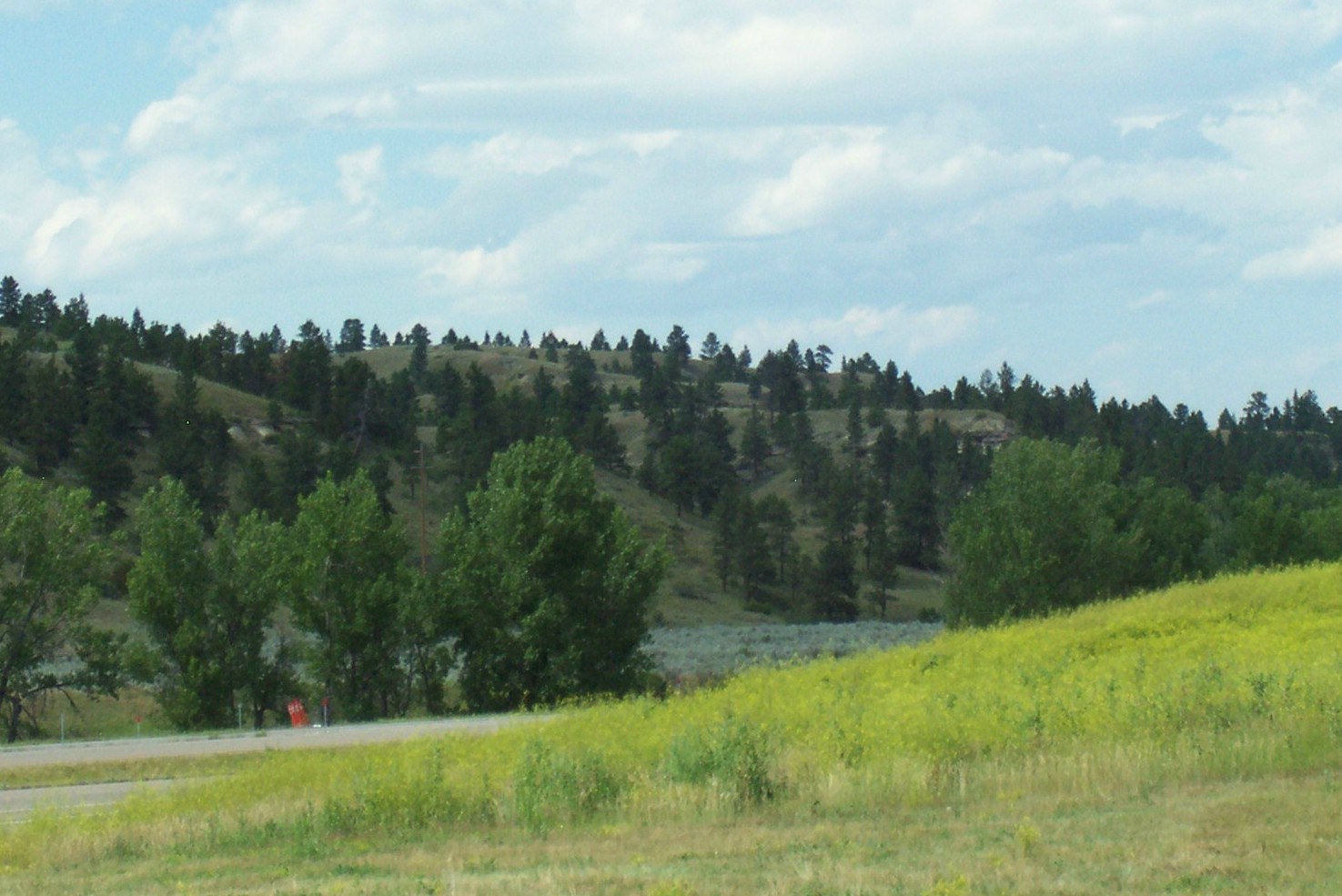
A drive through the Hysham Hills along Montana’s I-94 offers contrast between the grasslands and ponderosa pines dotting the hillsides. The ponderosa pine is the state tree of Montana. This photo was taken about an hour’s drive east of Billings.
An April view of tranquil surroundings along Walnut Creek in central Ohio.
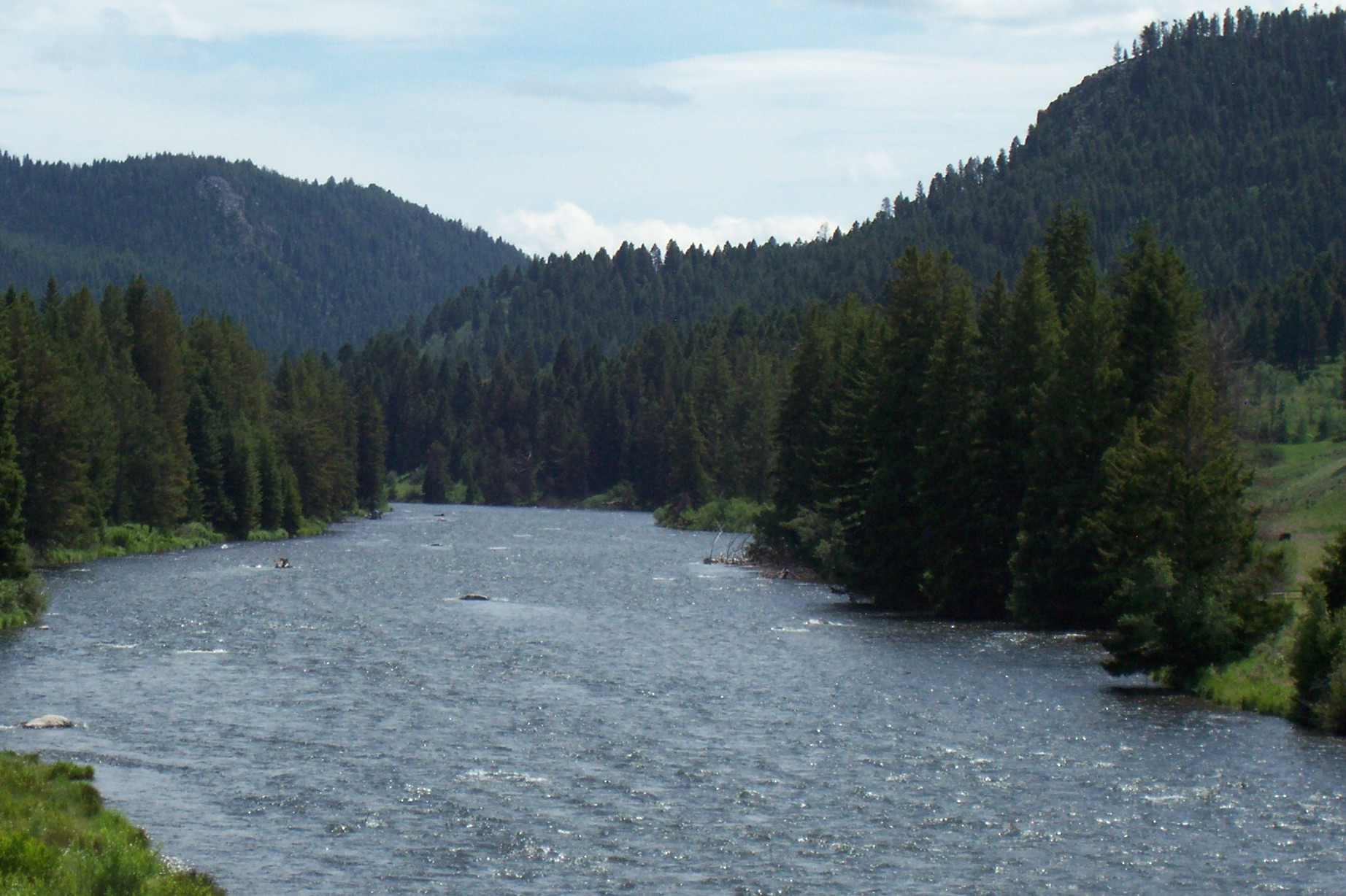
Pausing for a moment along Montana’s Madison River (between Ennis and Hebgen Lake), offers a scene of tranquility and beauty.
A massive American Sycamore tree is framed by surrounding trees at Walnut Woods Metro Park in central Ohio. The tree may be over a hundred years old, and it is a well-known landmark at the park.
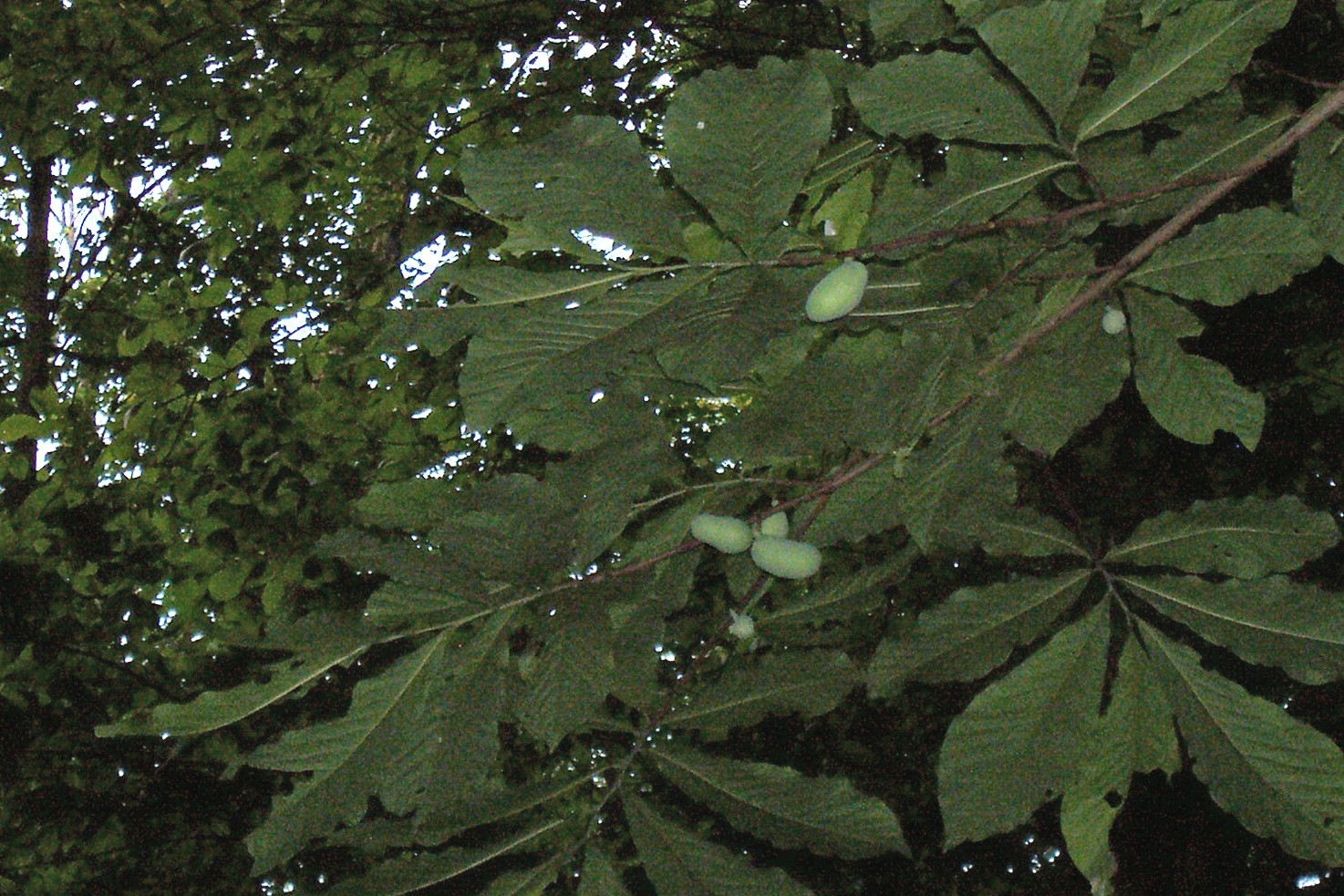
Growing in Chestnut Ridge Metro Park in central Ohio, many hikers stop and admire this unusually shaped fruit growing above their heads. The pawpaw tree is a native tree to Ohio, and its fruit is a vital part of the food chain for many types of wildlife. The fruit offers a unique taste that is somewhere between a mango and a banana.
Just down the road from Ennis, Montana, visitors will find Virginia City as well as Nevada City. Both communities contain rich artifacts of history from the gold rush days of the 1860s and 1870s. This small cabin was probably moved into Nevada City, but it represents some of the housing found during the time period.
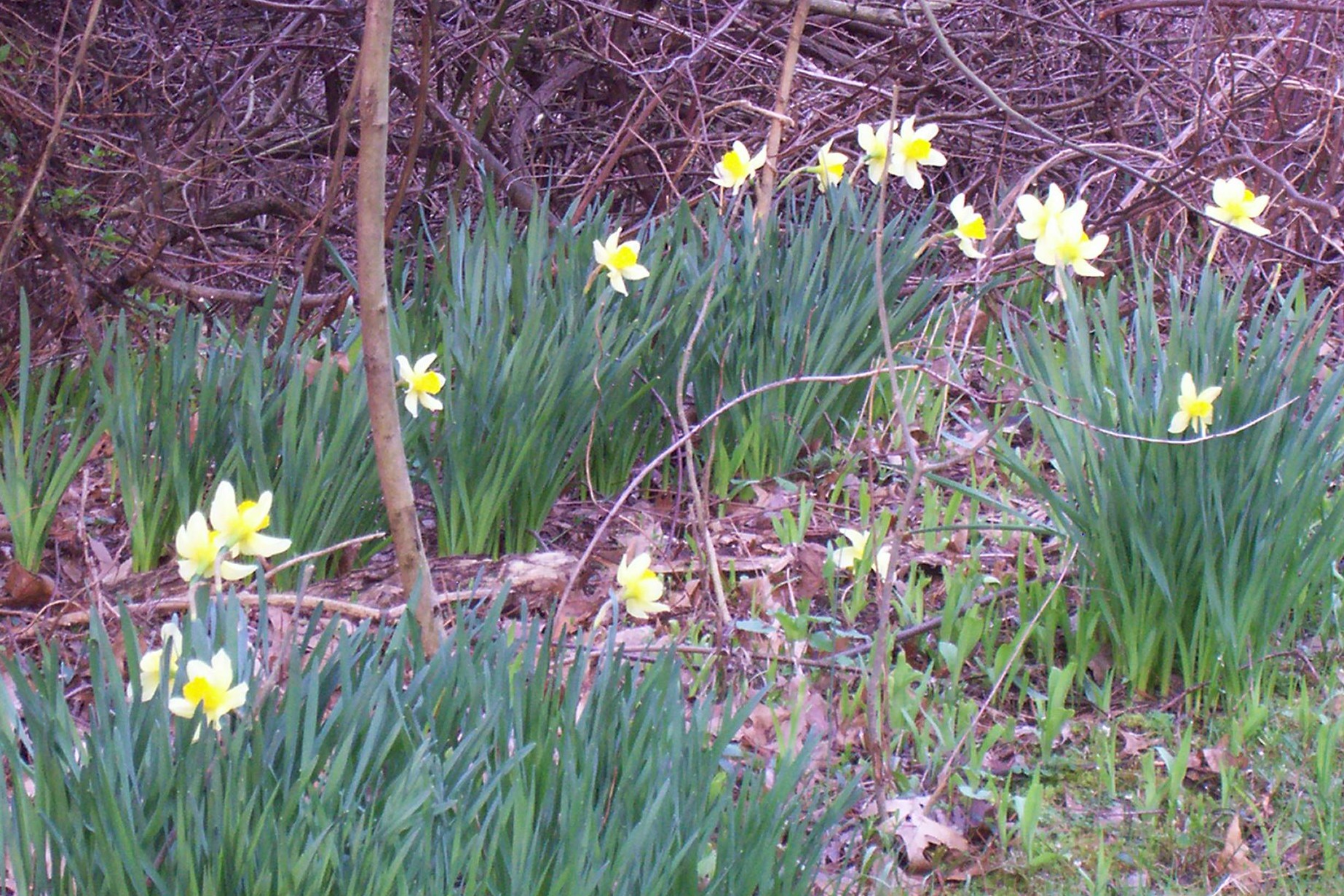
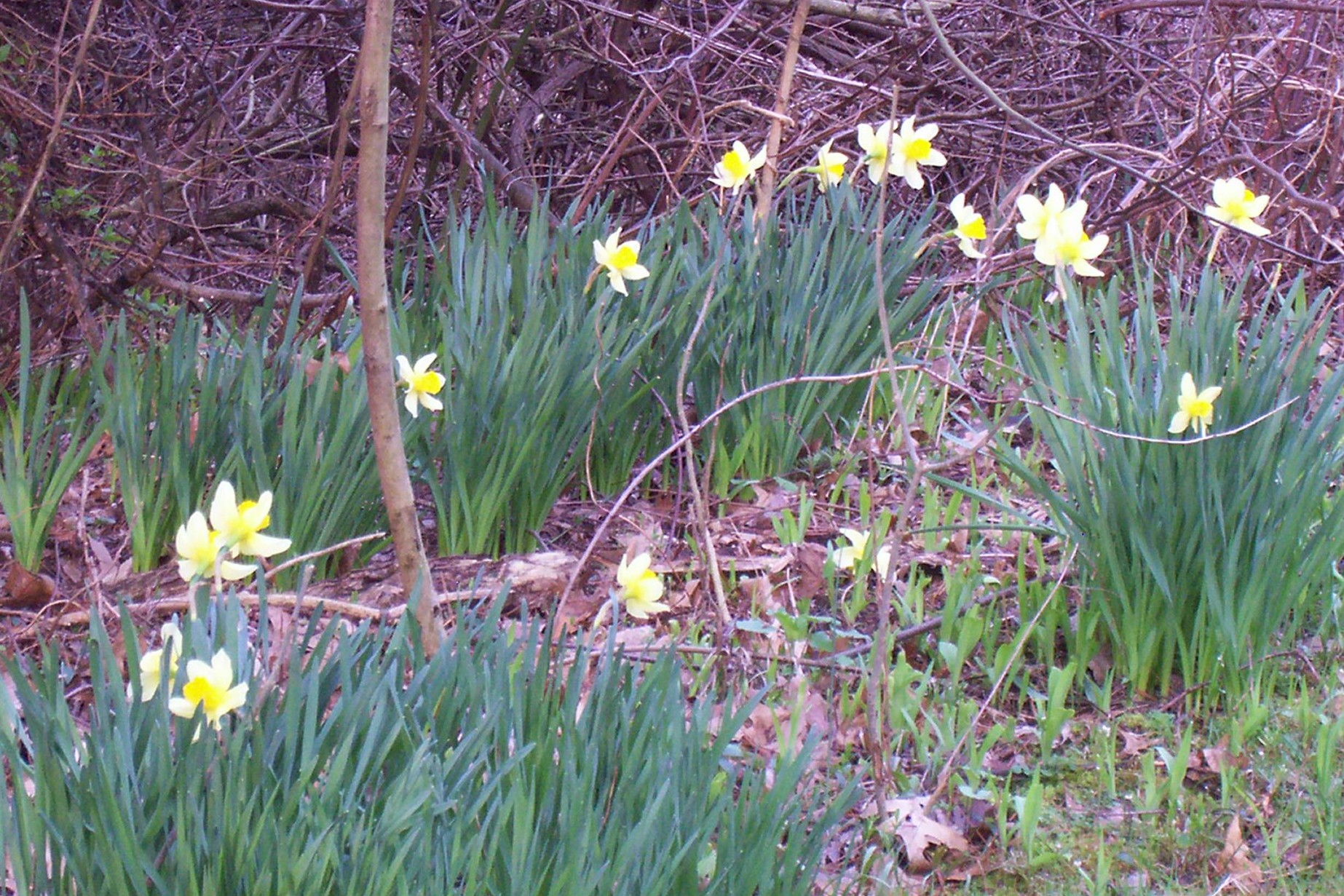
Blooming flowers announce the arrival of spring at Ohio’s Chestnut Ridge Metro Park.
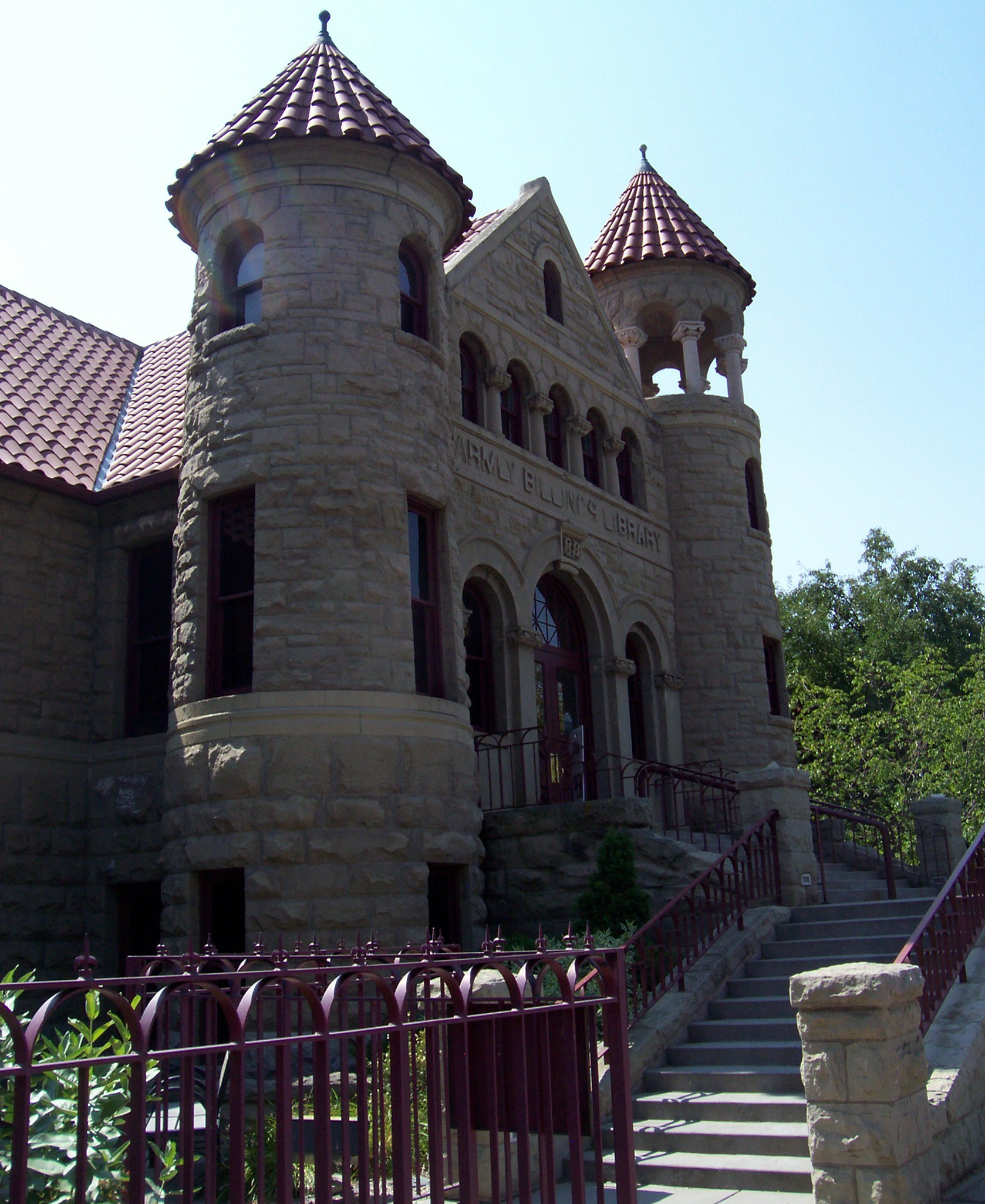
In downtown Billings, the unique architecture of the Western Heritage Center stands as witness of the city’s rich and diverse history in the Big Sky Country. Built in 1901, the structure originally provided a home for the Parmly Billings Memorial Library.
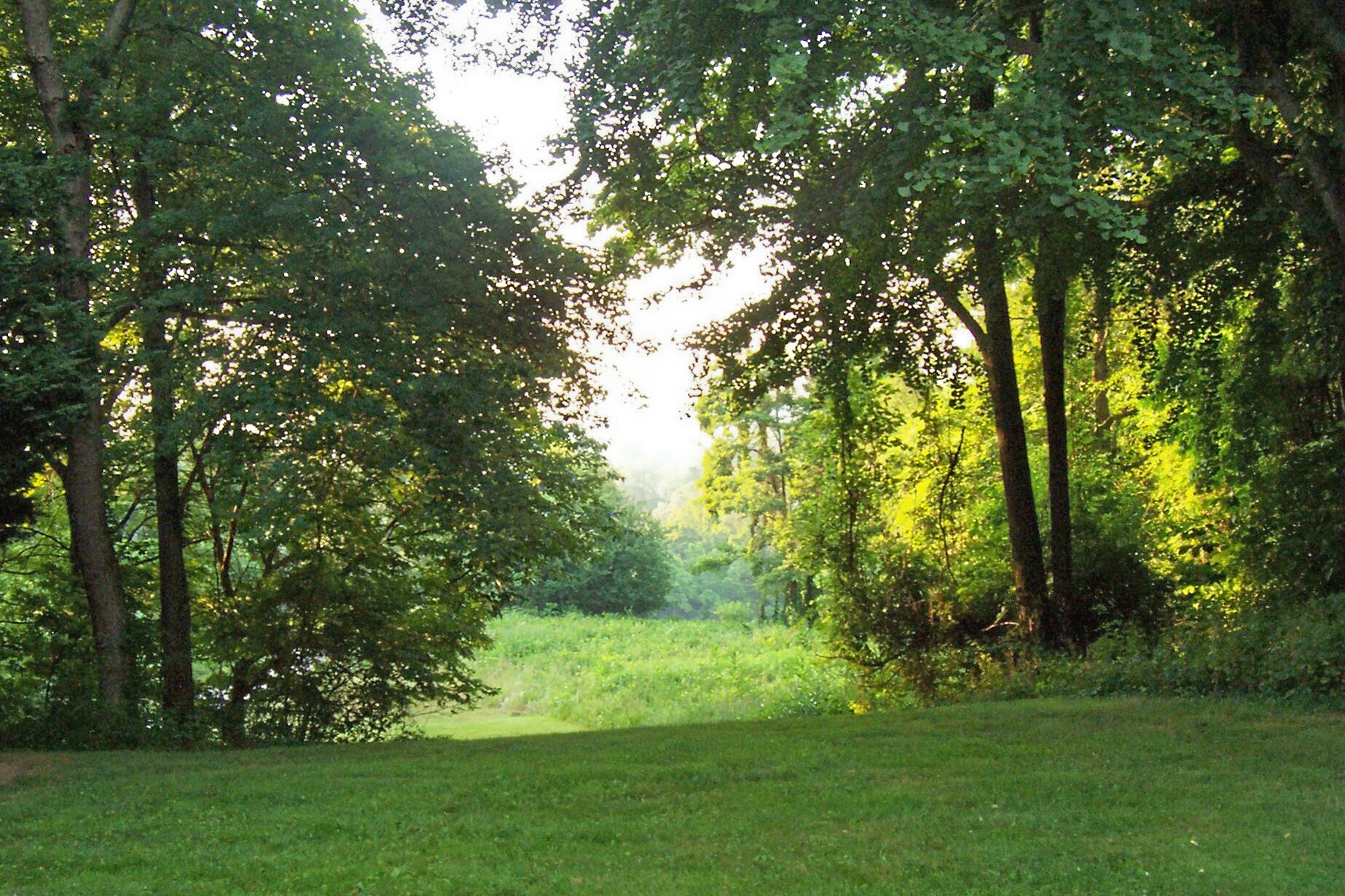
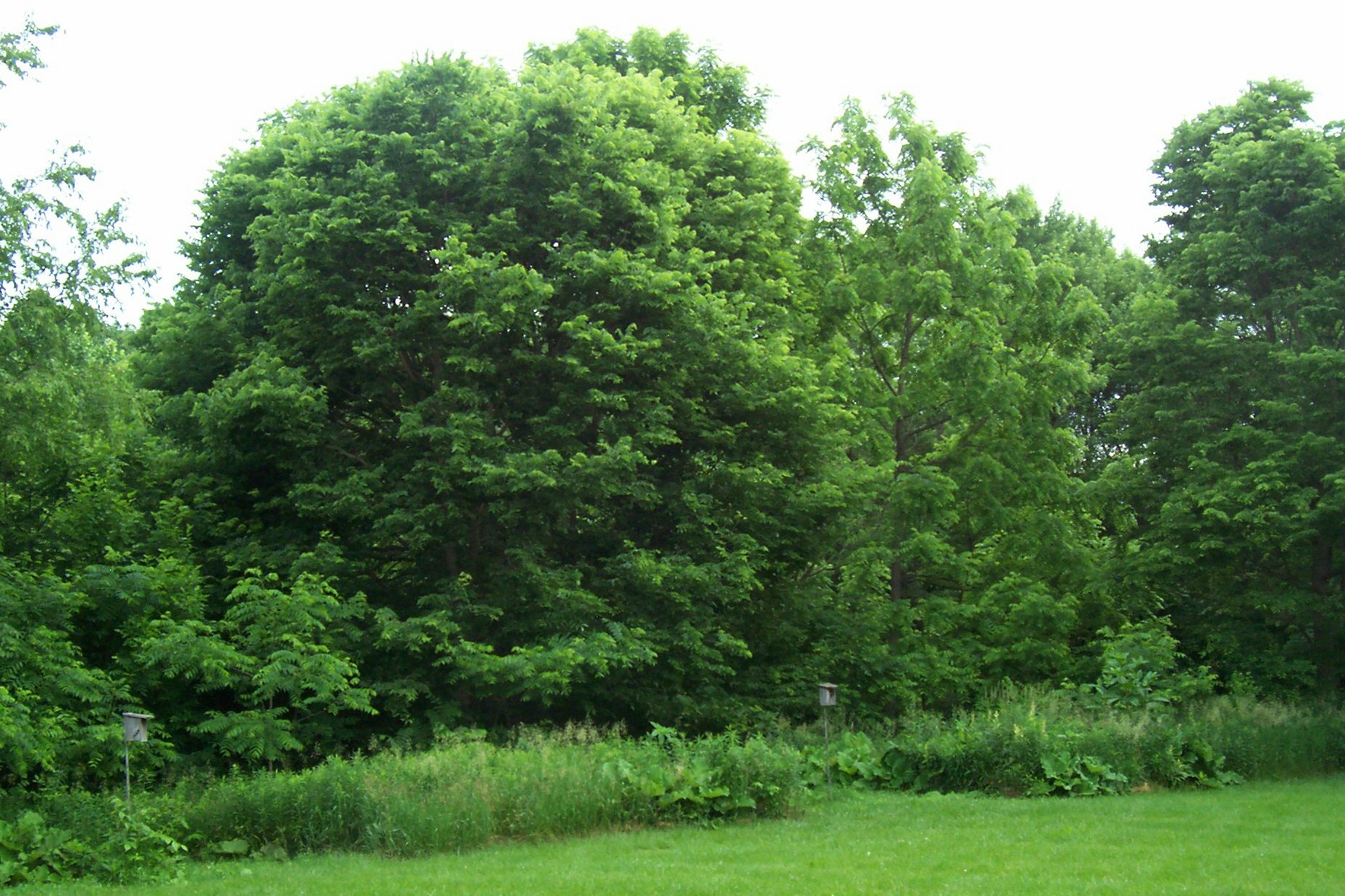
Nature shows off her green splendor and sends peaceful vibes outward on an early June morning at central Ohio’s Walnut Woods Metro Park.
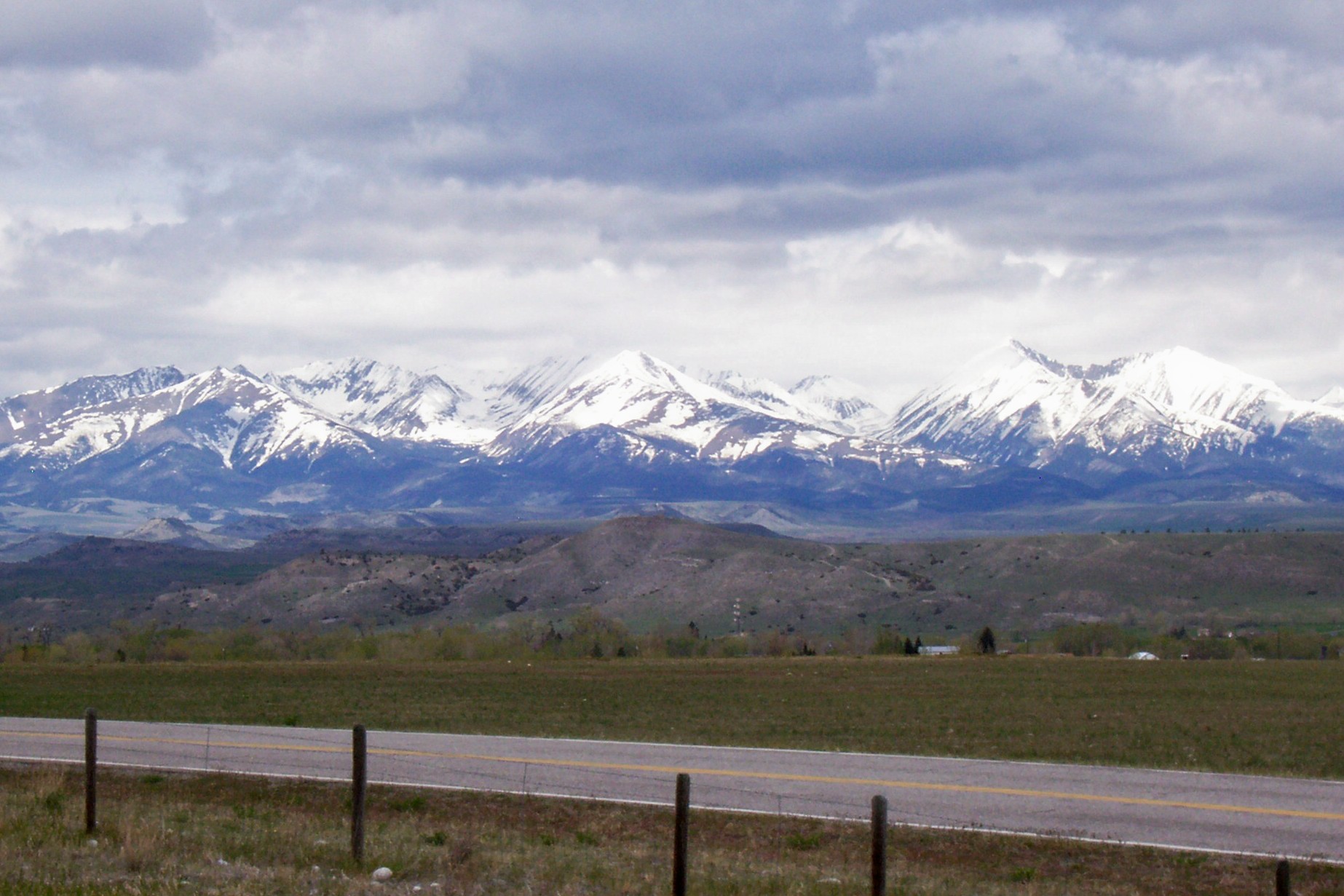
The Beartooth Mountains frame the background above a Montana valley. If one looks closely, snow is still hiding in the upper ridges of the peaks on a mid-summer afternoon.
The green, lush vegetation welcomes all to central Ohio’s Chestnut Ridge Metro Park where anyone feels in harmony with God’s creation.
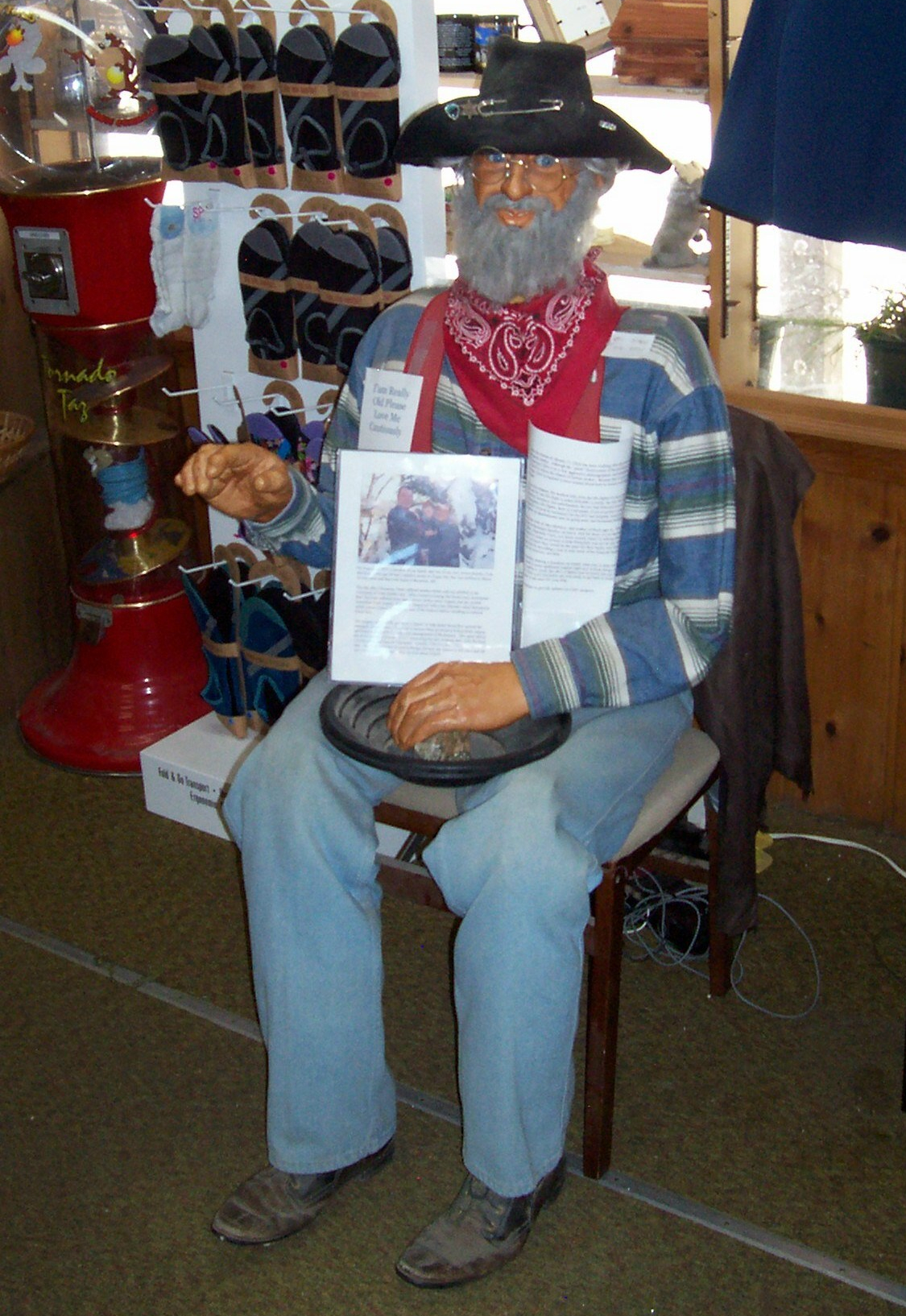
Visiting a shop in Montana’s historic Virginia City, a person just might happen to find this fine gentleman offering greetings to all who drop in.
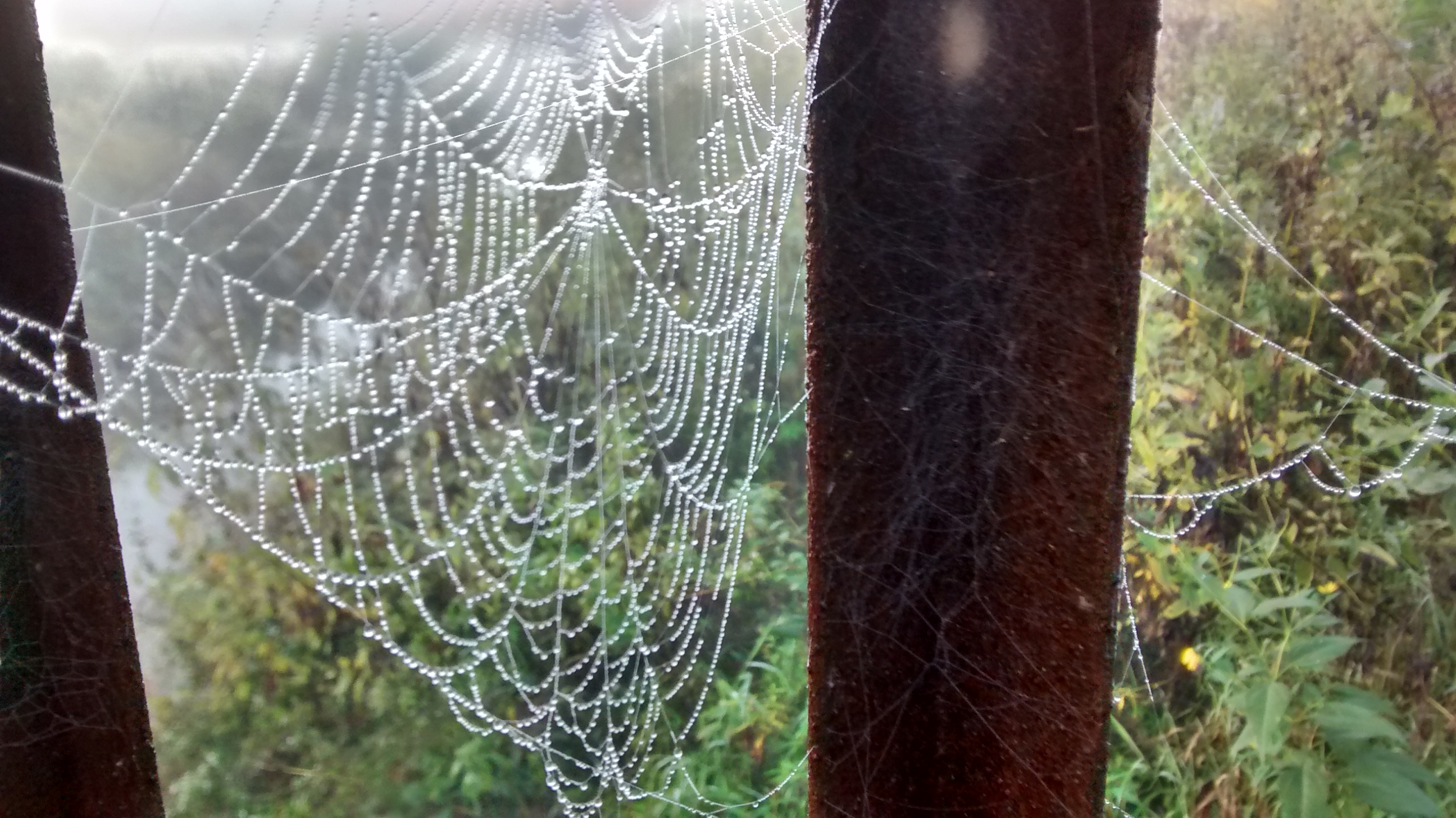
A foggy, misty morning outlines a beautiful framed image of a spider’s web between the posts on the Big Run bridge at central Ohio’s Walnut Woods Metro Park.
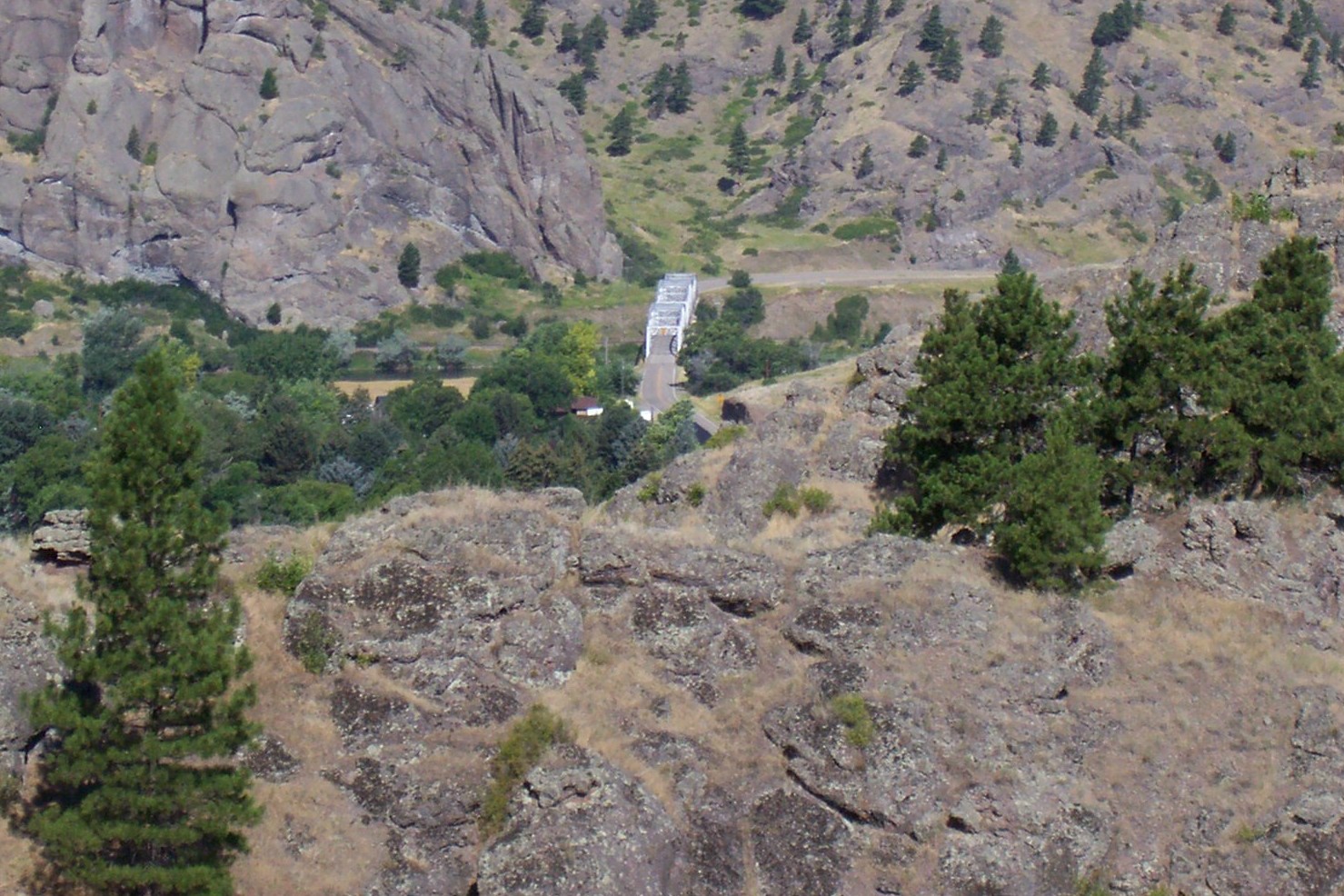
A roadside stop allows a moment to capture the scenic view along Interstate 15 in Montana between Great Falls and Helena. A highway bridge that was constructed in the 1930s is visible at the bottom of the narrow valley.
Arrival of flowers marks the return of spring to Ohio’s Chestnut Ridge Metro Park.
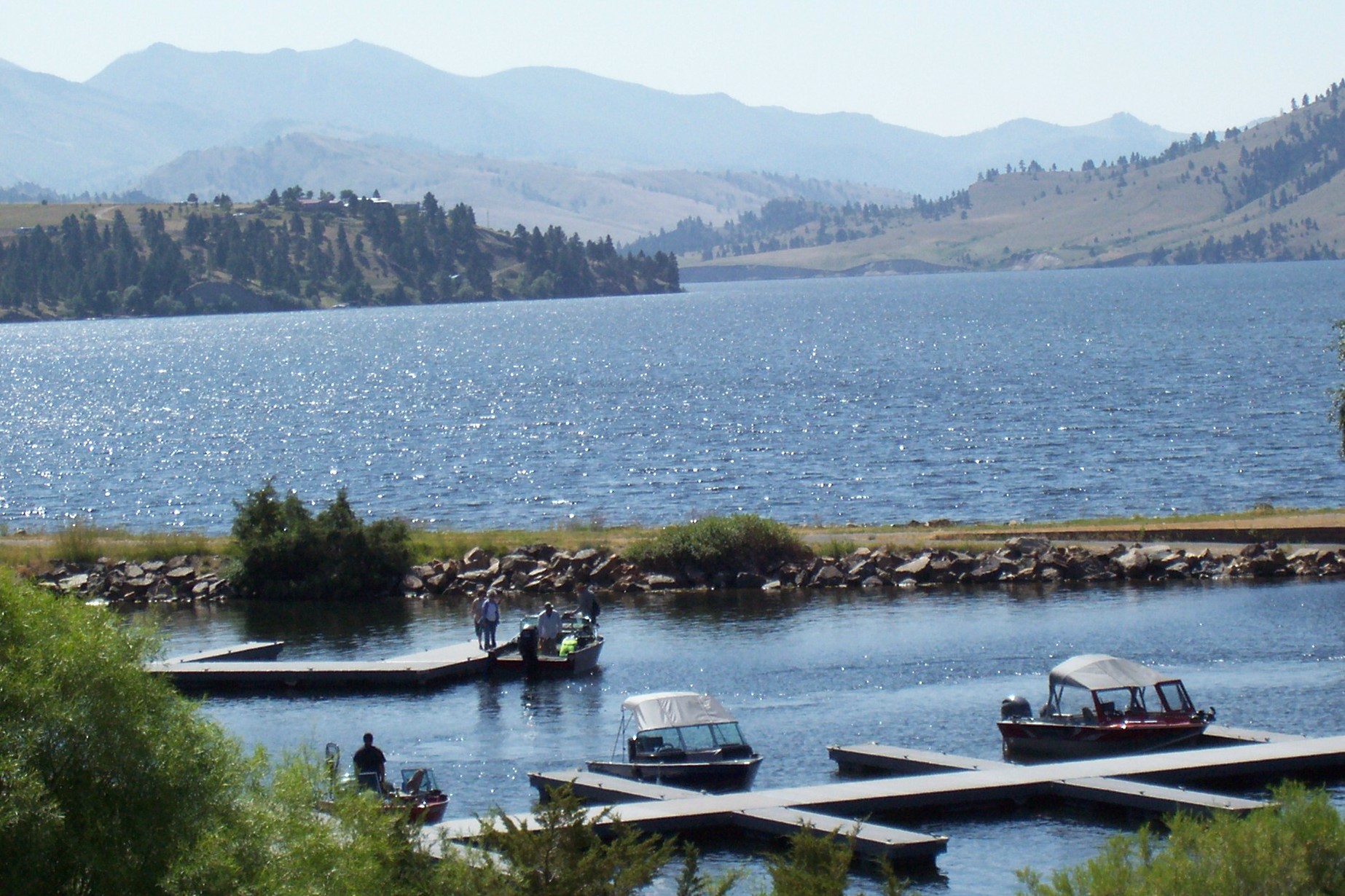
Montana’s Holter Lake offers many types of recreation for anyone with a boat. A small marina is shown (from the summer of 2018), and the lake is located near the small community of Wolf Creek.
The Columbus Zoo and Aquarium is well-known for its outstanding array of wildlife from around the world as well as its animal conservation efforts. The “Heart of Africa” exhibit displays the African savanna as one might find it . . . filled with village life, giraffes, zebras, and so much more.
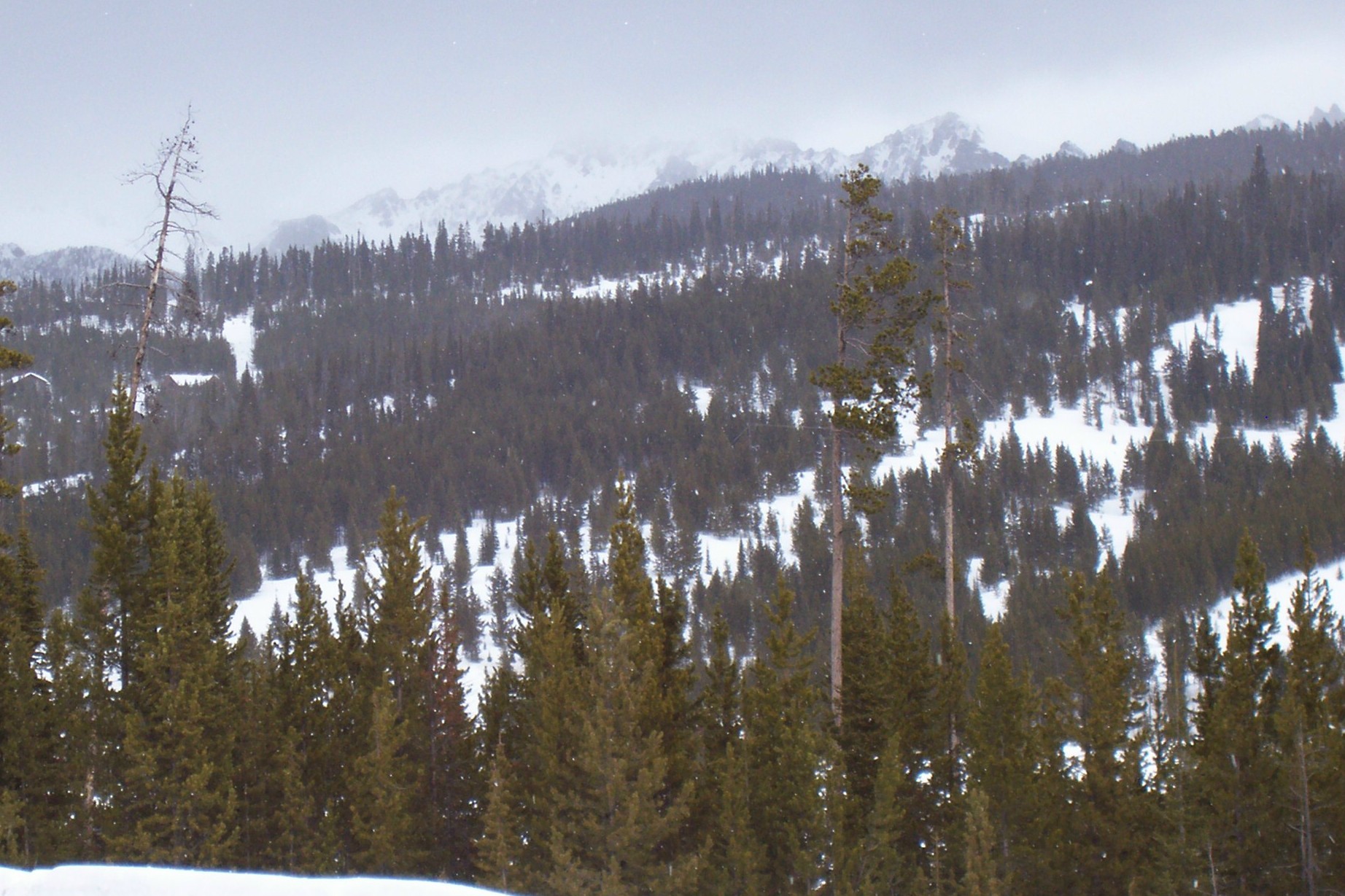
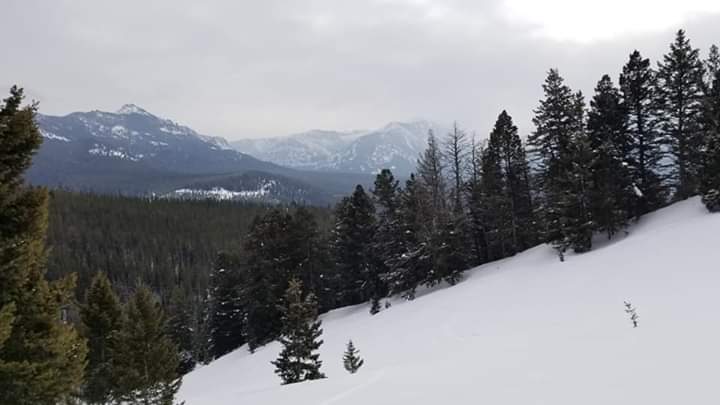
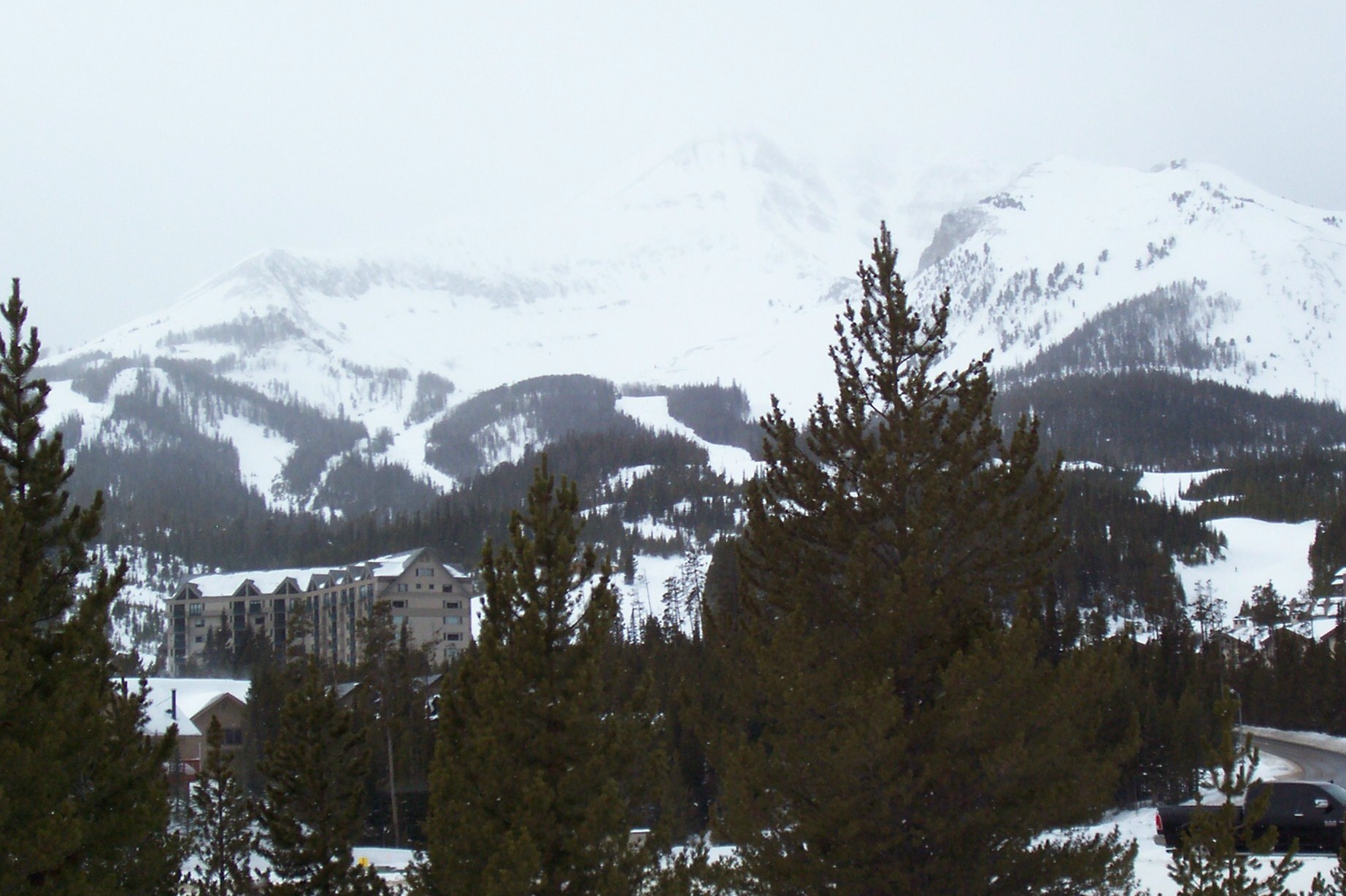
A final look back at winter as shown near Lone Mountain in the Madison Range near Big Sky, Montana. As one looks at the far peaks in the background, think of the snowmelt that will soon fill the raging whitewater in the Gallatin River.
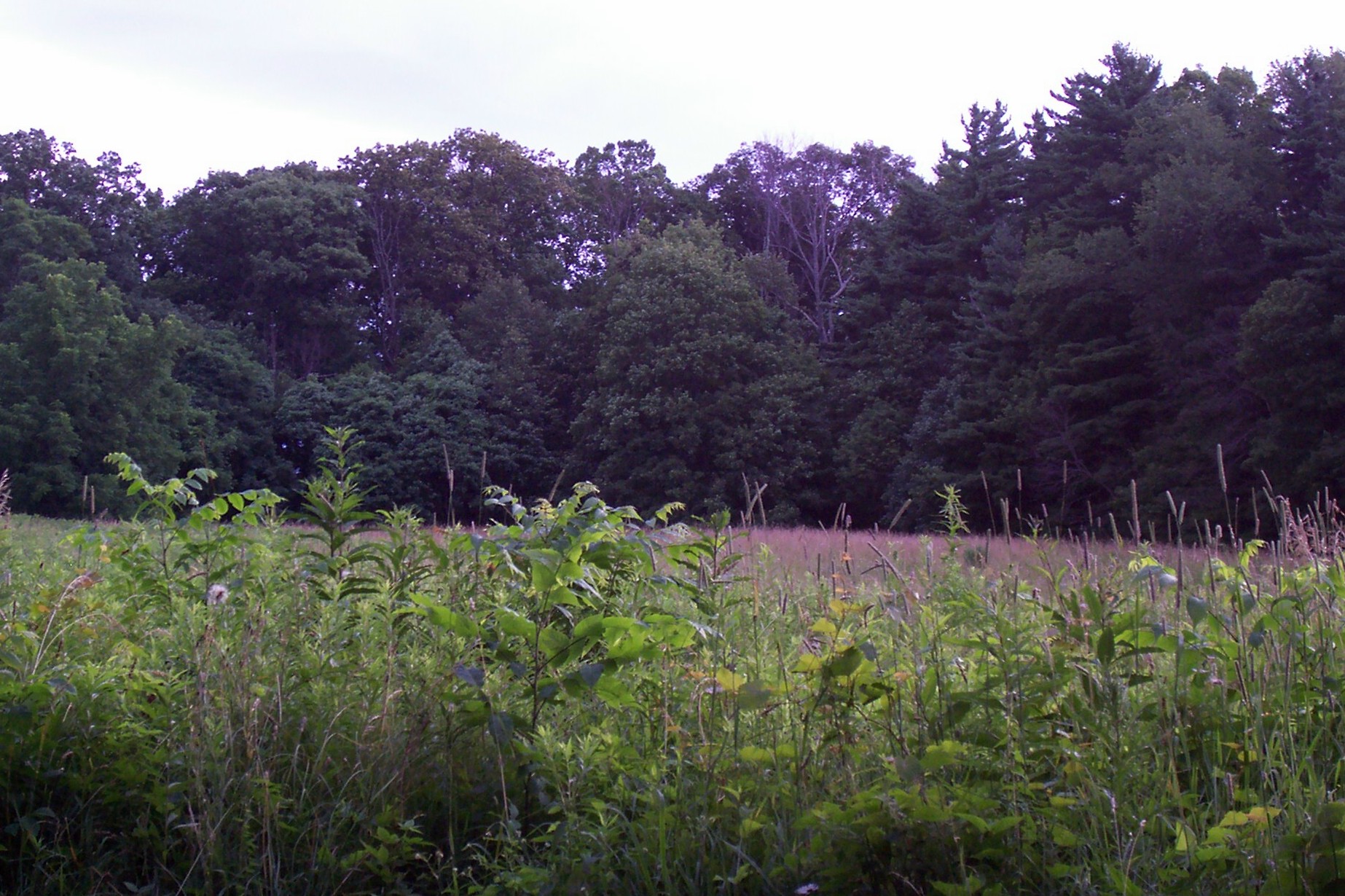
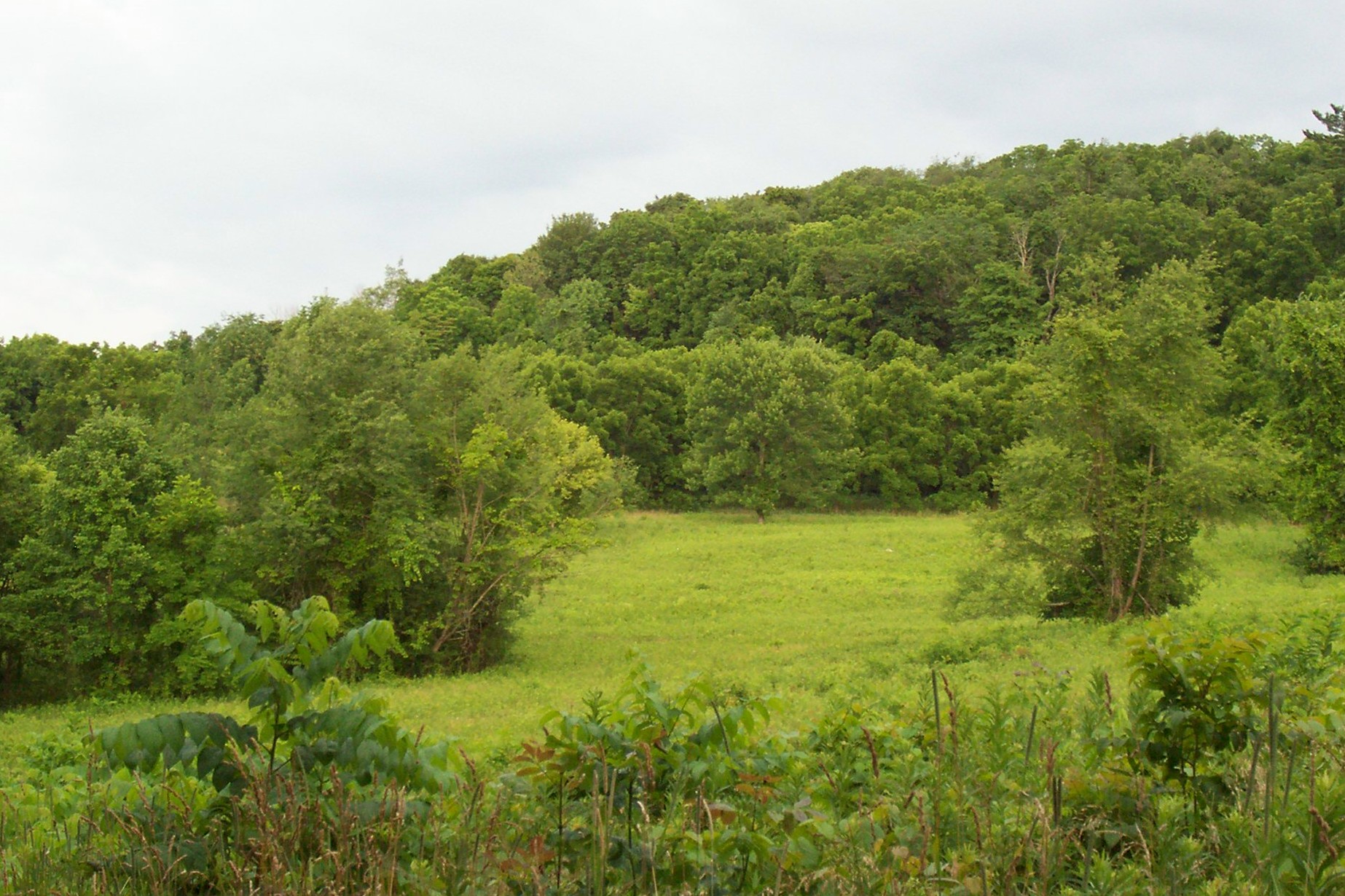
Summer shadows greet any walker at central Ohio’s Chestnut Ridge Metro Park. This photo was taken from a trail through the trees into a grassy meadow.
This summer garden comes from Billings, Montana at the Moss Mansion, which is an historic house now maintained as a museum.
With winter fading away in favor of the spring season, thoughts will soon be thinking of beautiful wild flowers and rich green fields. This photo was taken last summer at Chestnut Ridge Metro Park in central Ohio.
My youngest daughter and her husband completed a winter hike into Hyalite Canyon south of Bozeman, Montana. The popular recreation area is located between the Gallatin Canyon and the Paradise Valley.
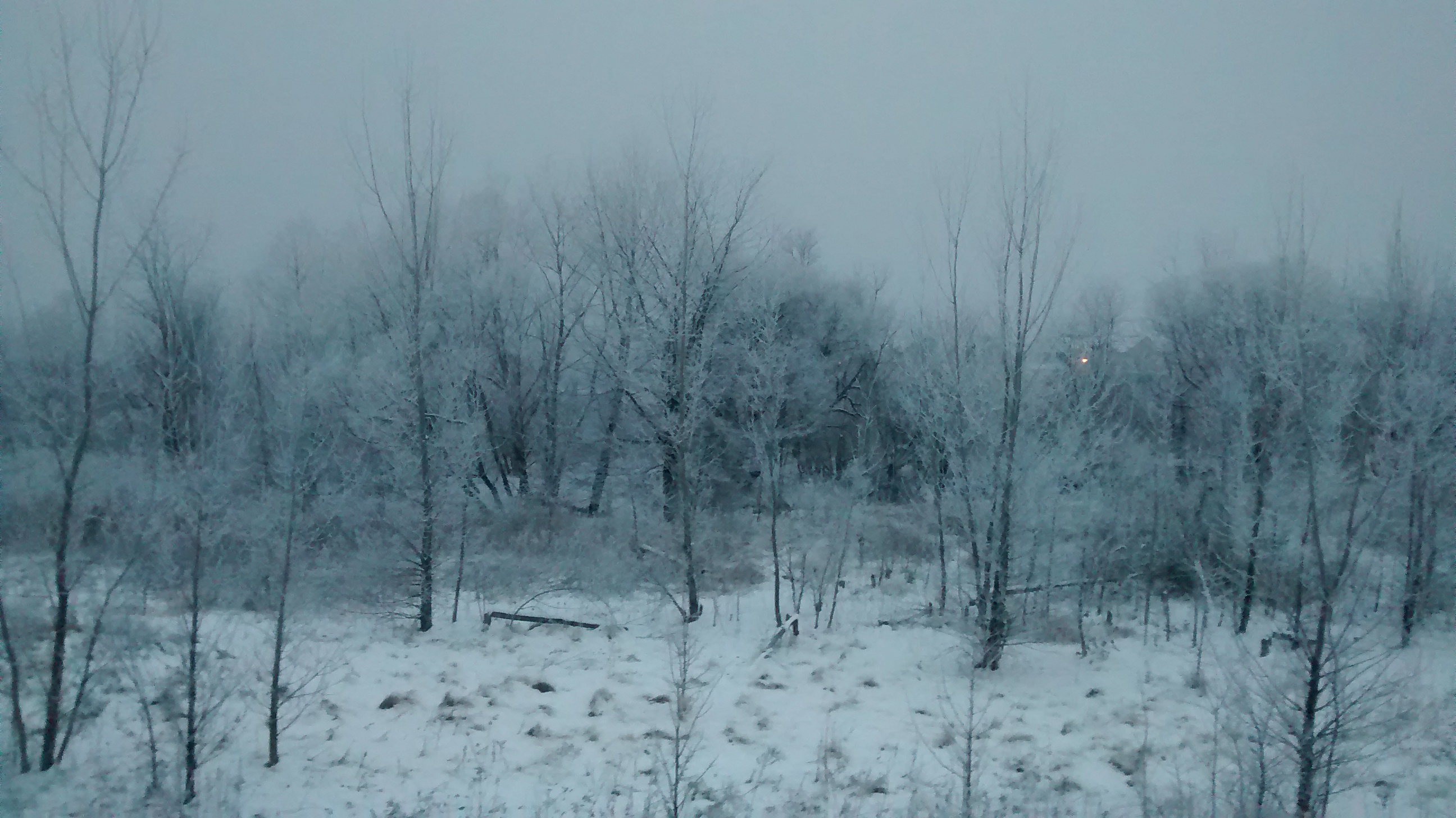
The Polar vortex and repeated snowstorms in central Ohio have made the winter of January-February, 2019 one to remember.
The beauty of western Montana is captured at Holter Lake, near the small town of Wolf Creek. The lake is a popular summer recreation destination as seen in this photo from late July of 2018.
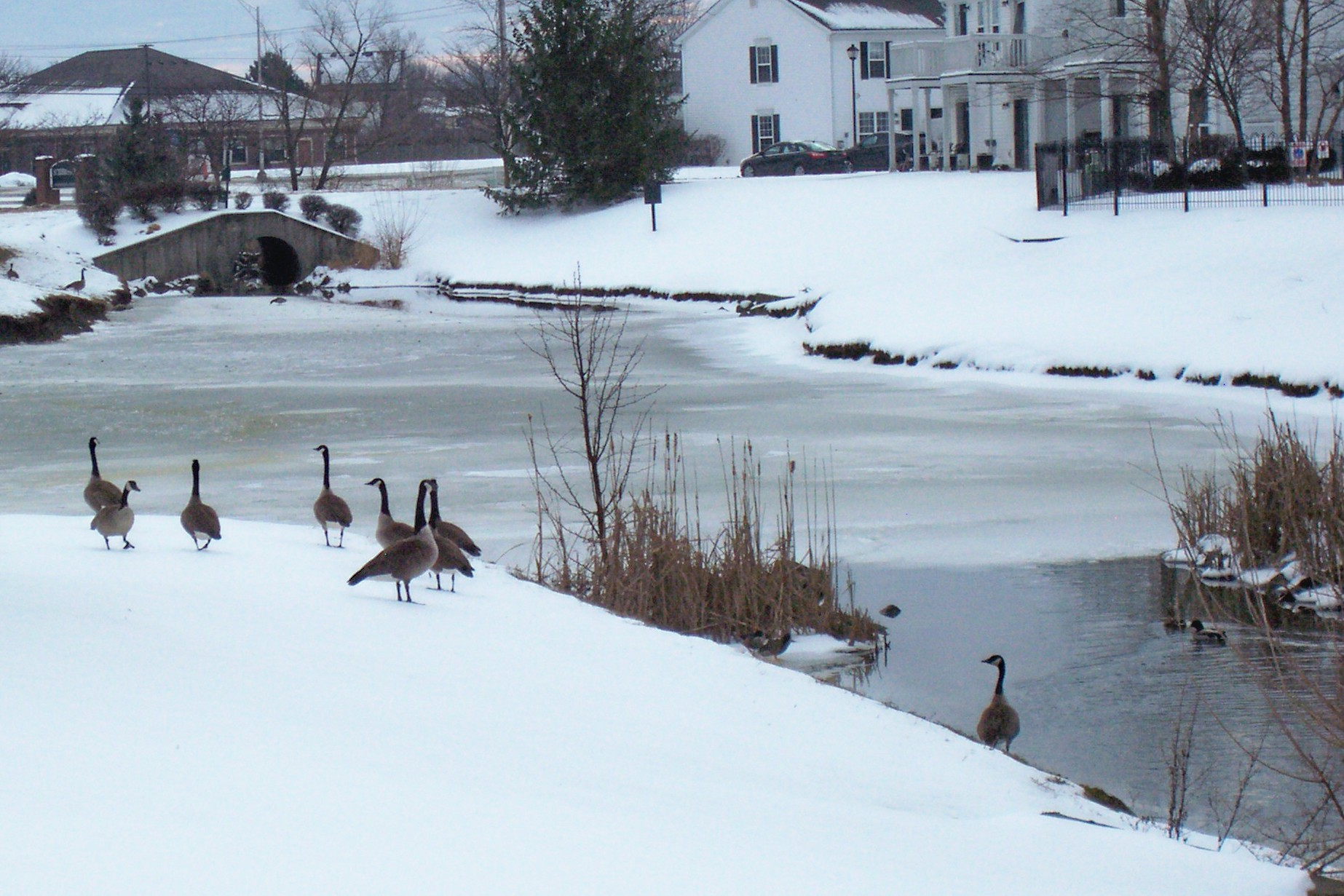
These Canadian geese seem immune to the polar vortex and snowfall in central Ohio.
A February snowstorm moves over the summit of Lone Mountain in southwestern Montana. The Big Sky Resort occupies the mountain, which is well known for its first-class skiing in the wintertime.
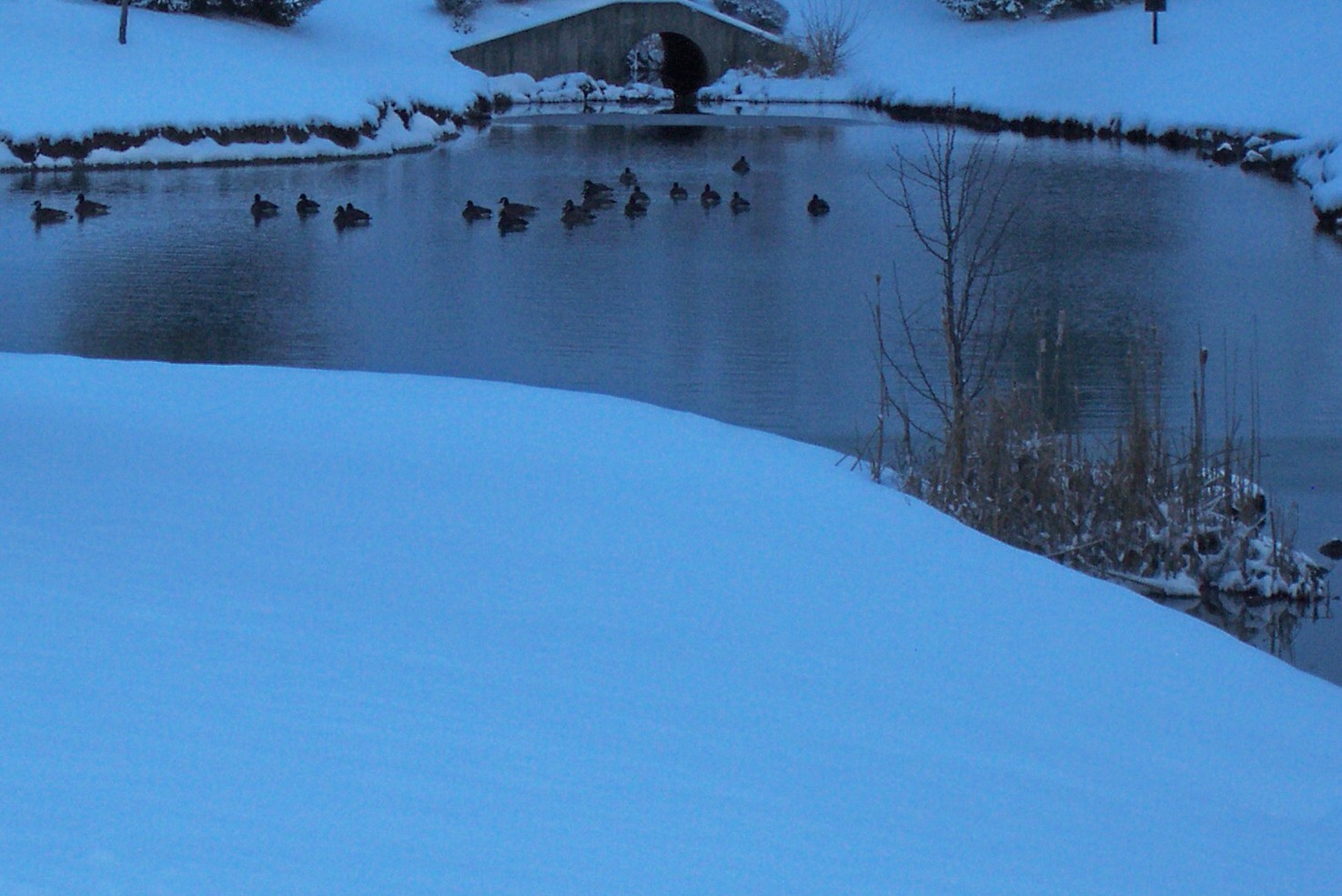
Ohio’s winter blankets the ground with a fresh coating of snow. The Canadian geese on the pond don’t seem to mind winter’s arrival.
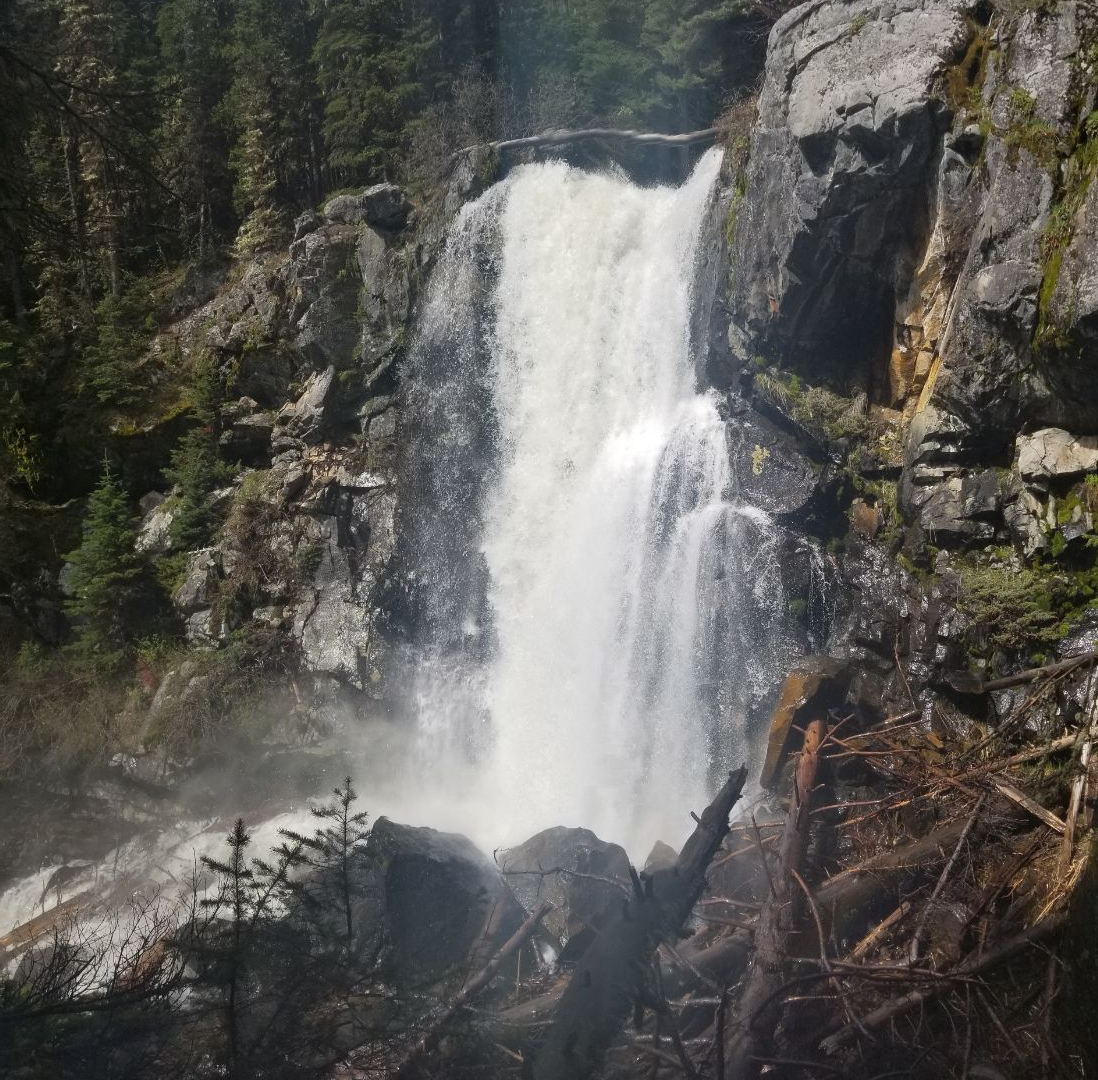
Pioneer Falls in the Spanish Peaks of Montana’s Madison Range is expertly captured by my daughter and her husband on one of their wilderness hikes.
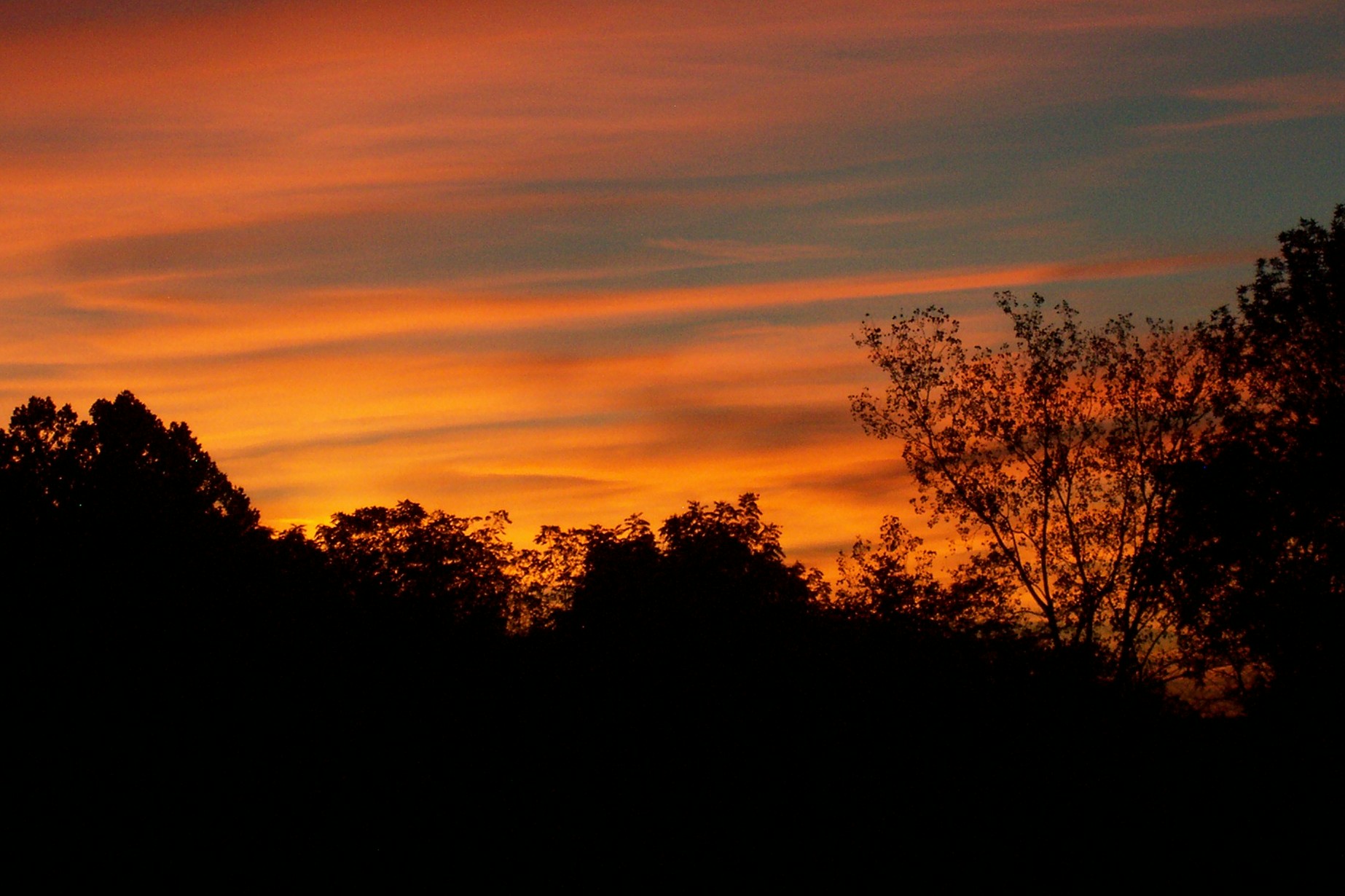
An early autumn sunset dazzles and amazes as night arrives in central Ohio.
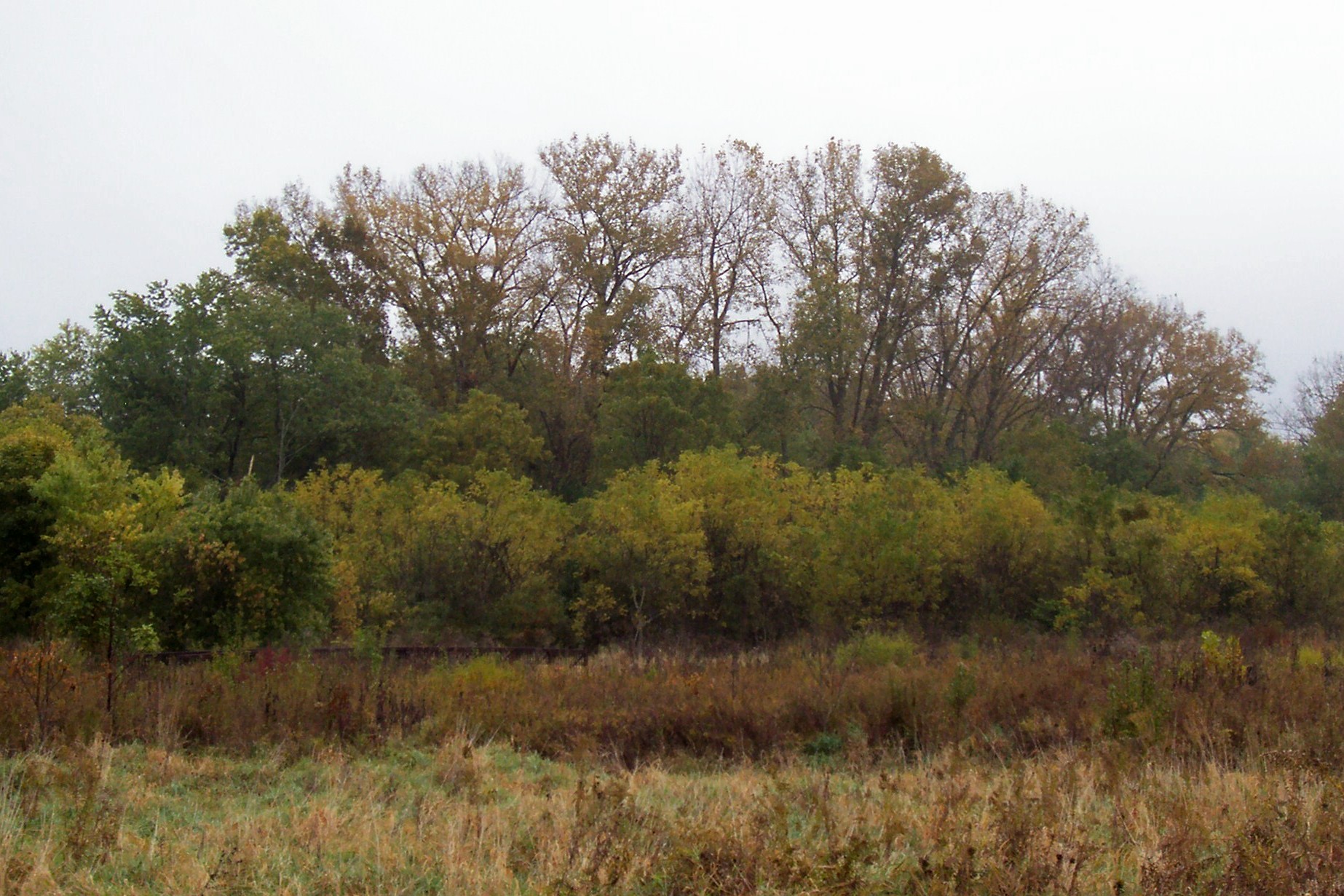
Central Ohio’s Chestnut Ridge Metro Park in full summer foliage.
My youngest daughter and her husband are avid skiers. They took this picture of Blaze Mountain in the Spanish Peaks of the Madison Range of southwestern Montana. They have skied the backcountry ski line a few times during the summer. The beautiful and long snowfield fills a small gully that runs down the northwestern face of the mountain. Skiers have to hike to the snowfield, but for an avid skier, it is well worth the effort.
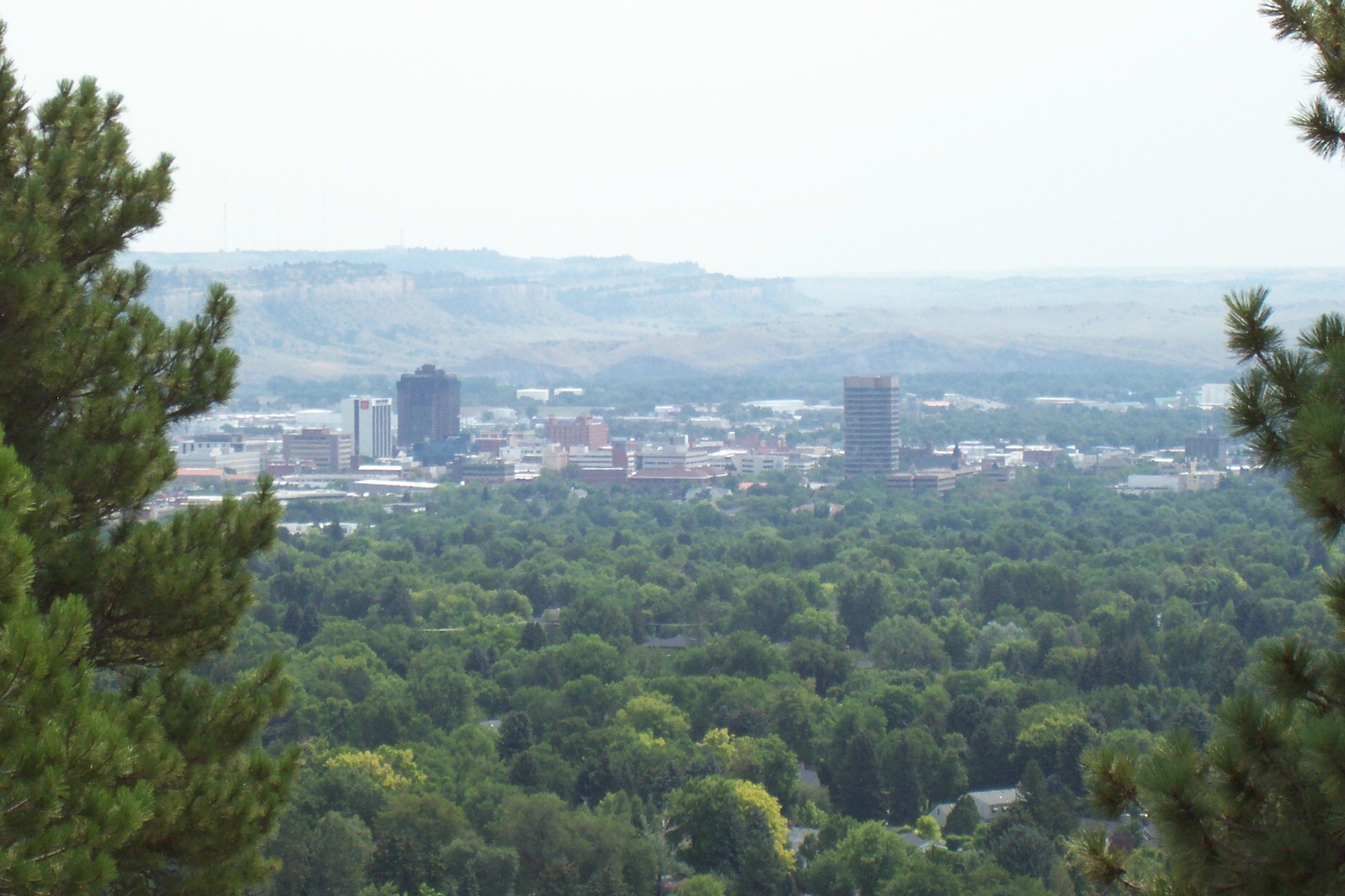
A view of downtown Billings, Montana from this past summer. Notice the smoked-filled sky in the background; the smoke came from fires far from Billings.
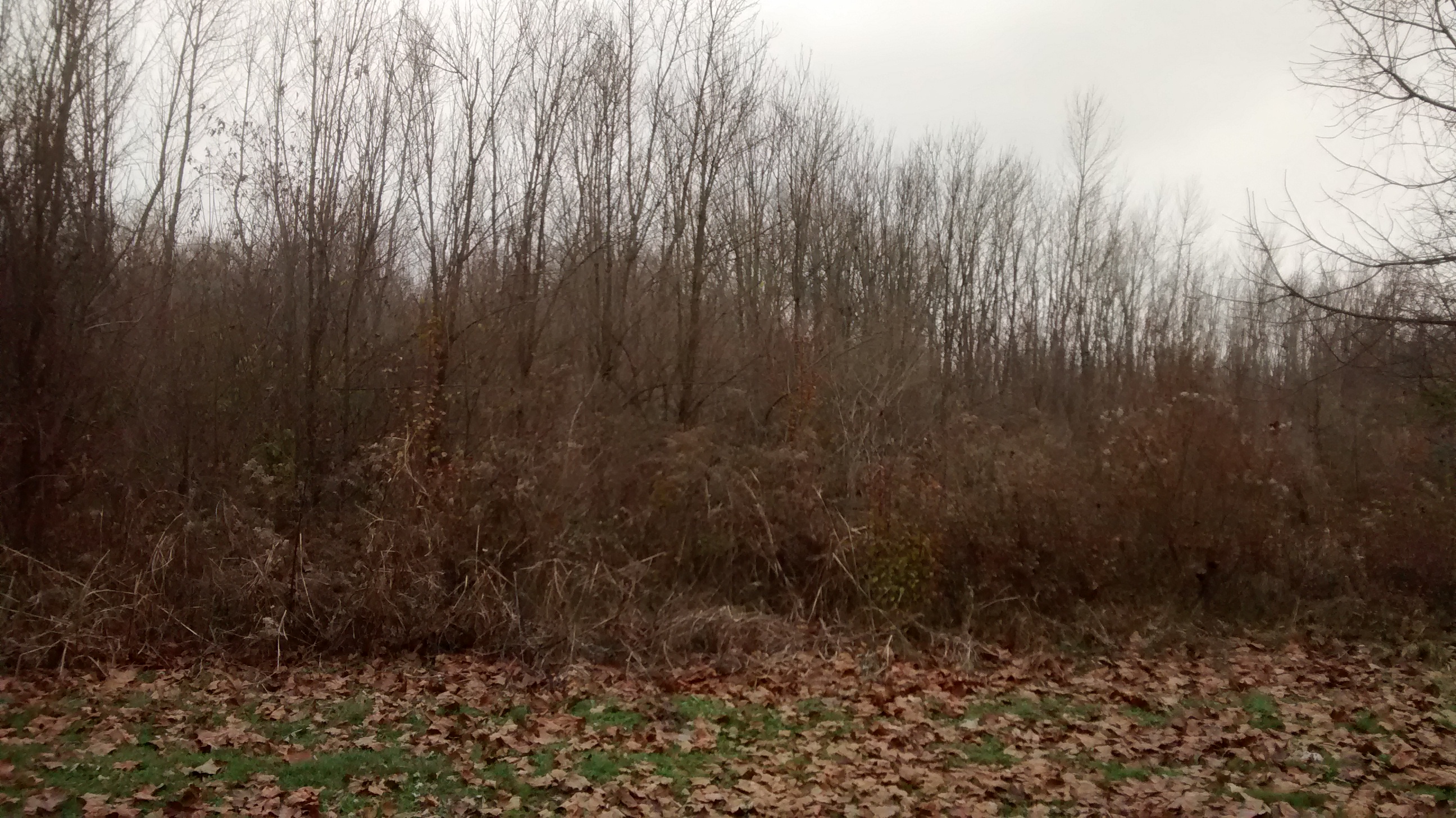
From Walnut Woods Metro Park, the landscape has changed from the bright colors of autumn to the gray and barrenness of the coming winter.
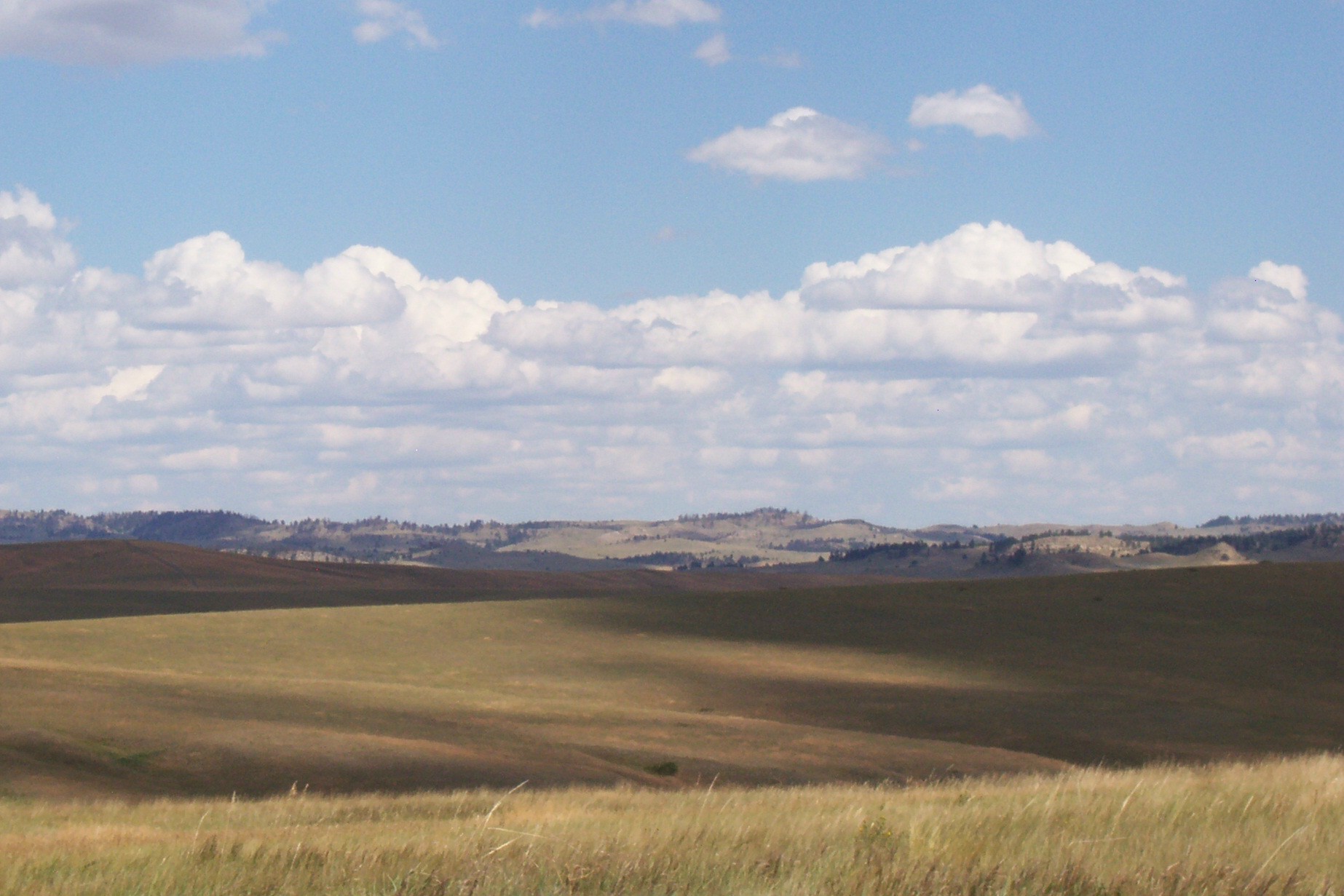
Summer’s clouds create shadows that cover part of the vast countryside near the Little Bighorn Battlefield in southeastern Montana.
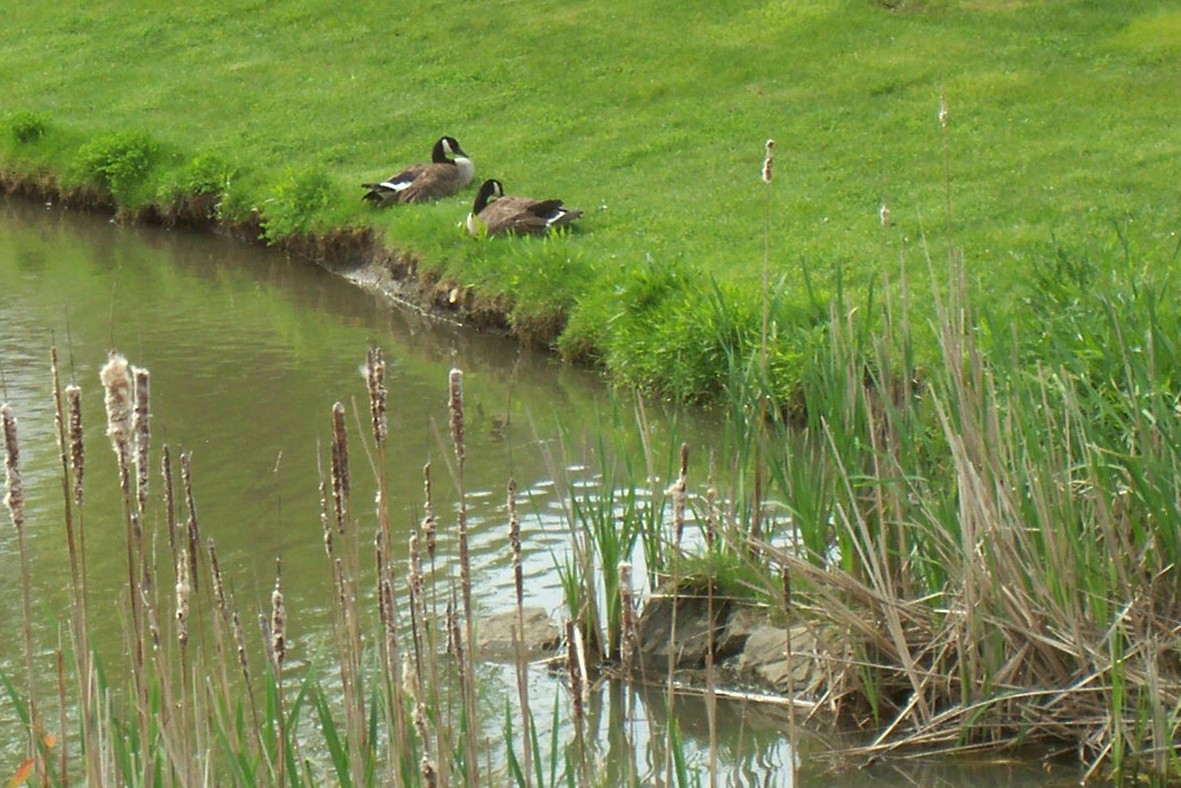
A nesting pair of Canadian geese prepare to make a new home this past spring.
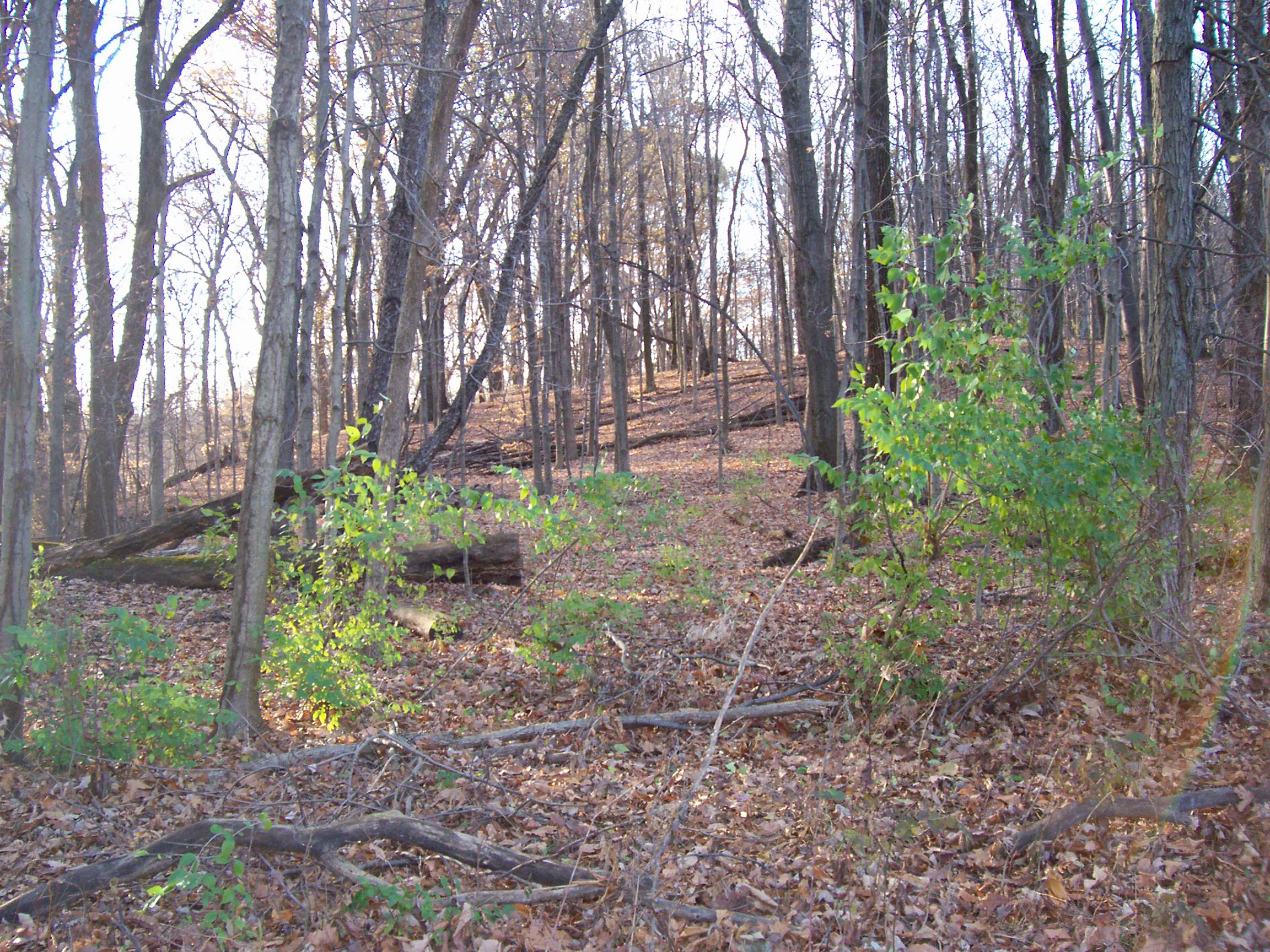
Autumn’s leaves have fallen, and winter is on the way at central Ohio’s Chestnut Ridge Metro Park.
Soon the mountains of the Big Sky Country will be filled with snow just as seen in this scene from last winter near Lone Mountain at Big Sky, Montana.
An autumn sunrise illuminates the beauty of Ohio’s Walnut Woods Metro Park.
Ohio’s Chestnut Ridge Metro Park during mid-summer.
A late July view of the Gallatin Valley, just outside of Bozeman, Montana.
The images and traditions prior to the start of an Ohio State University football game. This photo was taken by my daughter who attended the game with her husband.
Standing taller than many, all take notice and see
The prized King of Walnut Woods reigns today
Calling him Mister Sycamore, his subjects say
With branches elevating up towards the sky
Measuring his girth, takes many hands to try
Visitors pause to salute nature’s monarch
Standing in reverence as park’s landmark
The Woods change from season to season
Watching over all, is the King’s main reason
He holds on to his leaves longer in fall
Guarding the land in winter, always tall
His leaves take some time to fill out in spring
Providing ample shade in summer is his thing
His expansive canopy of branches spreads wide
Peeling off sections of bark, creates whitish sides
His heir, the Prince, waiting in the wings
Rising lean and tall by a creek, he sings
Farther away, a thick grove of younger ones wait
Dreaming who will grow to be the tallest, so great
Mister Sycamore loves many Bible stories
Lifting Jesus up in total and brilliant glory
The story of Zacchaeus climbing a Sycamore tree
Being much too short for Jesus to find, there he be
Ohio’s biggest recorded tree is an American Sycamore found in Ashland County near Jeromesville. The tree is at least 200 years old, stands 88 feet tall, and measures 326 inches around its circumference.






 Farther away, a thick grove of younger ones wait


































 Big Sky Buckeye