Dee Brown Quotes

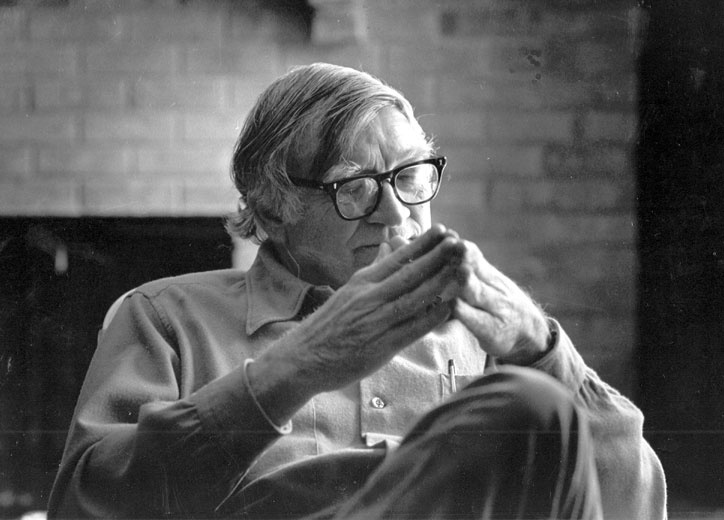
Dee Brown (Courtesy of Pinterest)

To survive, the weak must feed on the hearts of the strong.

Nothing lives long . . . only the earth and mountains.

Dee Brown (1908-2002) was an American novelist and historian.  Published in 1970, his most famous publication was the book, BURY MY HEART AT WOUNDED KNEE.  It detailed the history of western expansion in the United States through the eyes of the Native Americans.

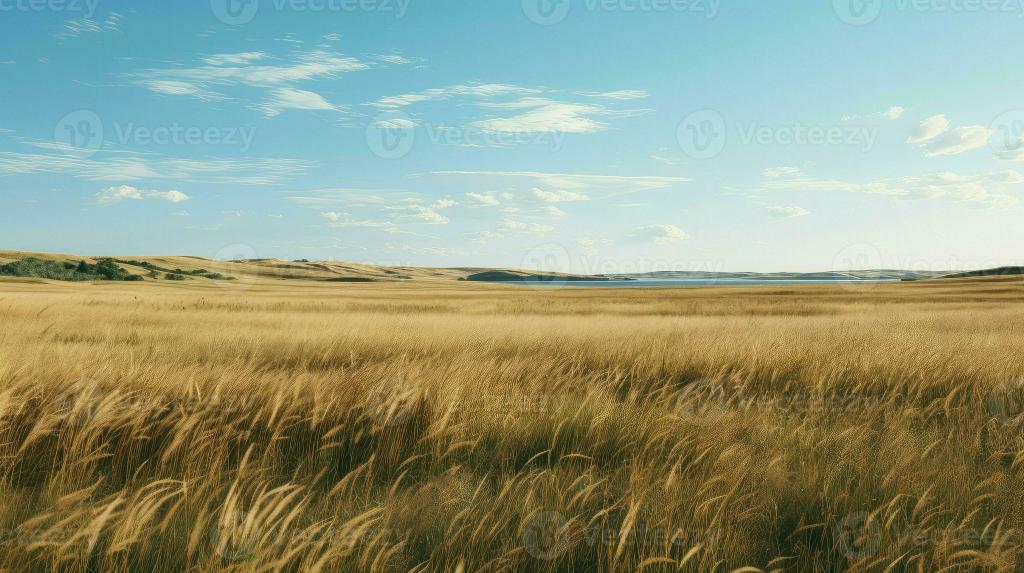
Endless Grassy Sea

Courtesy of Pinterest.

Virgin prairie

Endless grassy sea

Fertile, untouched

Living always free


Nature’s preserve

Blessed grassy sea

Native people

Worship what they see


Gift forever

Treasured grassy sea

Timeless, precious

Mother Earth agrees


Standing knee high

Faithful grassy sea

Glory days sing

Praises fill with glee


Man’s encroachment

Constant grassy sea

Days now numbered

Earth makes her plea


Plowing under

Cherished grassy sea

Another farm

Way of life now flees


Forever gone

Priceless grassy sea

Winds of time change

What should always be


Pockets remain

Endless grassy sea

Memories breathe

Yesterday foresees


Remnants of the original American prairie can be found in places such as the Tall Grass Prairie Preserve in Oklahoma. (Courtesy of Pinterest)

Monday Memories: Forever Proud

Photo by Artem Beliaikin on Pexels.com

His warrior image endures over the years

Witnessing a proud life, without any fears


His Native American culture continues to live on

Keeping rich and spiritual memories, never gone


Life’s simple ways will always shine bright

Displaying warrior bravery at every sight


Man and horse unite together as one

Riding his pony into the setting sun


Fierce in battle, defending his vast land

Adding to his legend, he does all he can


Younger men look up to him and follow in battle

Counting coup, his bravery becomes his mantel


This storied warrior transitions to an old man

Looking back proudly, honoring his last stand


His weathered face reveals a mighty, brave past

Lighting up eyes, with proud memories that last


The buffalo have disappeared for good

Ending a way of life, once proudly stood


Many of the old traditions are now gone

Reliving them through legend and song


The old warrior passes down past tribal history

Teaching a new generation, his ancient journey


The warrior no longer meets foes in battle today

Remembering his legacy, forever proud to say


Photo by Andrew Neel on Pexels.com

Forever Proud

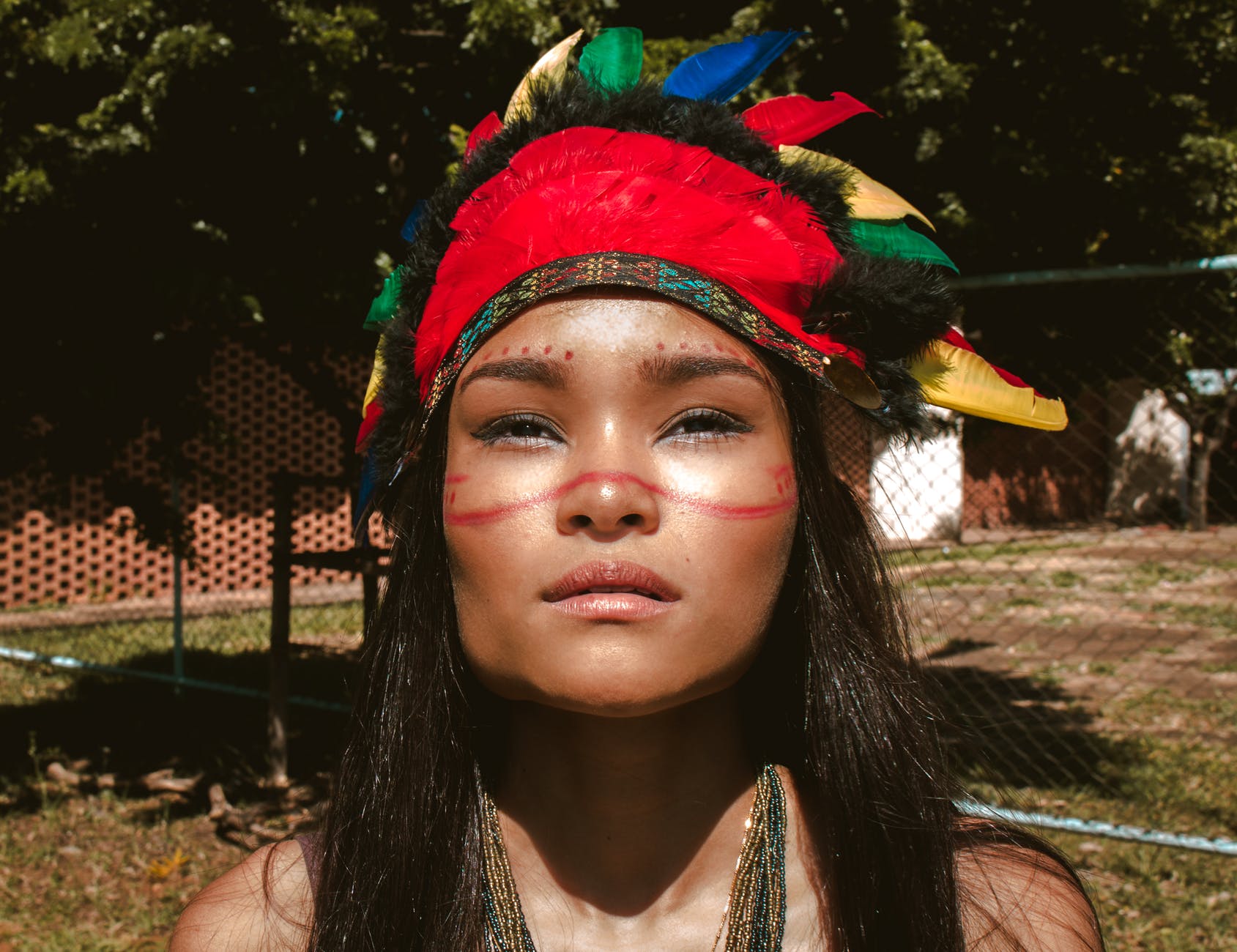
woman wearing red and black feather hat

Photo by Marcus Pinho on Pexels.com

His warrior image endures over the years

Witnessing a proud life, without any fears


His Native American culture continues to live on

Keeping rich and spiritual memories, never gone


Life’s simple ways will always shine bright

Displaying warrior bravery at every sight


Man and horse unite together as one

Riding his pony into the setting sun


Fierce in battle, defending his vast land

Adding to his legend, he does all he can


Younger men look up to him and follow in battle

Counting coup, his bravery becomes his mantel


This storied warrior transitions to an old man

Looking back proudly, honoring his last stand


His weathered face reveals a mighty, brave past

Lighting up eyes, with proud memories that last


The buffalo have disappeared for good

Ending a way of life, once proudly stood


Many of the old traditions are now gone

Reliving them through legend and song


The old warrior passes down past tribal history

Teaching a new generation, his ancient journey


The warrior no longer meets foes in battle today

Remembering his legacy, forever proud to say

selective focus photo of brown dreamcatcher

Photo by Artem Beliaikin on Pexels.com

Montana is home to seven Native American reservations:  Flathead, Blackfeet, Crow, Cheyenne, Fort Peck, Rocky Boy, and Fort Belknap.  Across the United States, these proud people make up a “quiet” minority, often forgotten in the mainstream of the American way of life.  Here are two previously published poems about Native Americans:

Distant Beating Drum

One can hear a distant drum beating as Native American culture faces an neverending onslaught upon their way of life.  It all begins in 1607 with the settlement of the Jamestown colony.  Listen closely, do you hear . . .

pexels-photo-950780.jpeg

Photo by Darcy Delia on Pexels.com

A distant beating drum . . .


Europeans sail to a pristine land

Fixated with ways of the Red Man

Ignoring these Native Americans

They push inland because they can


A distant beating drum . . .


Wealth and greed motivate the White Man

Appropriating riches found by his hands

Native Americans outnumber these men

Unaware of the many more to be sent


A distant beating drum . . .


Native Americans trade land for peace

Hoping the greed and violence will cease

A new American culture lusts for more

Their hunger for more continues to soar


A distant beating drum . . .


Slowly Native Americans sadly retreat

Heartbroken, their culture faces defeat

Maintaining their language and traditions

Now experiencing life with new conditions


Where has the silent beating drum gone?

selective focus photo of brown dreamcatcher

Photo by Artem Beliaikin @belart84 on Pexels.com

Native American culture struggles to hold on to its footprint of life in today’s world.  In Maryland, the Choptank nation long ago assimilated into the European-based culture.  Out West, a system of reservations have failed to provide a stable way of life.  The lands set aside in Montana, North Dakota, South Dakota, Wyoming, and Oklahoma have created a setting for poverty and a lack of sufficient opportunities for the Native people.

If you enjoyed reading this poem and hunger for more about Native American history and the life out West, feel free to check out these previously published poems.


Final Battle

Montana 2013 006.JPG

An outdoor mural captures the heroism of Native American warriors

On a sunny, blistering hot June day and hour

Two cultures collide in an epic that now towers

White, European culture ever advances to take

Native American culture realizes what’s at stake

America’s first citizens reside as native born

Now witnessing their way of life being torn

The Little Bighorn River provides a place for rest

Nestled in a large village are warriors, the best

Journeying into the Montana Territory for a cause

U.S. Calvary relentlessly travels without a pause

Lakota, Northern Cheyenne, and Arapaho await

The brave soldiers never realize their final fate

Lakota spiritual leader Sitting Bull envisions all

“Thick as grasshoppers” come soldiers to fall

The 7th Calvary invades the stream called Greasy Grass

Led by Lieutenant Colonel Custer, many die much too fast

Crazy Horse and Gall command warriors in this feat

Annihilating most of Custer’s troops in total defeat
montana-2013-002-e1554739006899.jpg

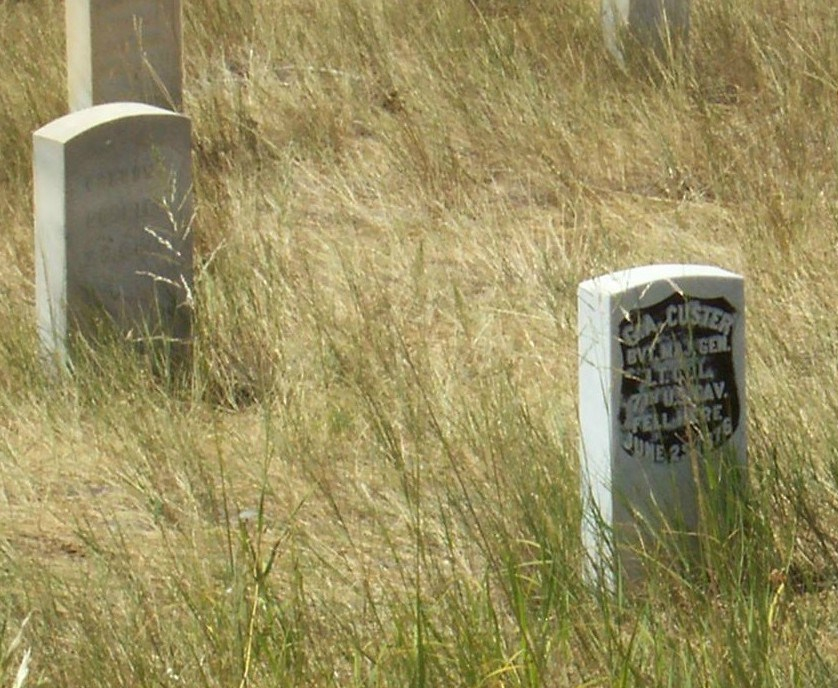
The marker at the lower right identifies where Lt. Colonel George Custer fell during the battle.  His remains are interred at West Point.

The coalition of Native Americans wins today

Bringing honor to warriors with much to say

The great Sioux nation wins this final showdown

But their way of life will enter its final sundown

A collision of cultures—Native and White

Today, there is no reason to ever fight

The human rights of the Native Americans still blaze

Working to preserve a culture without further decay

Little Bighorn Battlefield is located in Montana about an hour’s drive from Billings on Interstate 90.  The pictures shown were taken at the battlefield site a few years ago.

If you are interested in reading more about Montana, check out these previous posts:

Visit the Magic City (Billings, Montana)

Photo Gallery (includes numerous photographs of Montana as well as Ohio)