Buckeye Snapshots (Issue #16)

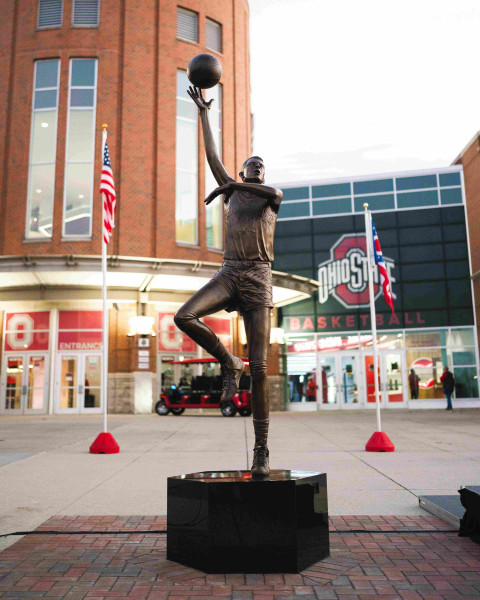
Jerry Lucas statue displaying his famous hook shot in front of the Schottenstein Center on the campus of The Ohio State University.

One of the true legends of The Ohio State University’s athletics is Jerry Lucas.  Born on March 30, 1940, the native of Middletown has achieved greatness in high school, college, and professional basketball.

Middletown is located between Dayton and Cincinnati in southwestern Ohio.  With a population of about 50,000, the community is bigger than many in the Buckeye state. 

While playing for the Middletown High School Middies, Lucas leads his team to victory in 76 consecutive games.  Two state championships are also added to the school’s trophy case.

Following high school, there is no doubt in Lucas’ mind that he will play for the Ohio State Buckeyes.  He arrives on campus with an academic scholarship.  This is his desire in case the basketball journey does not pan out. 

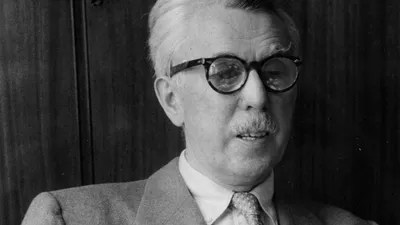
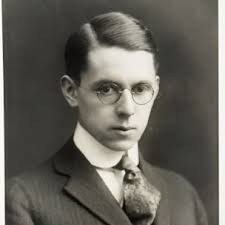
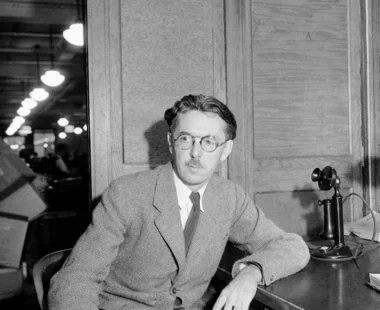
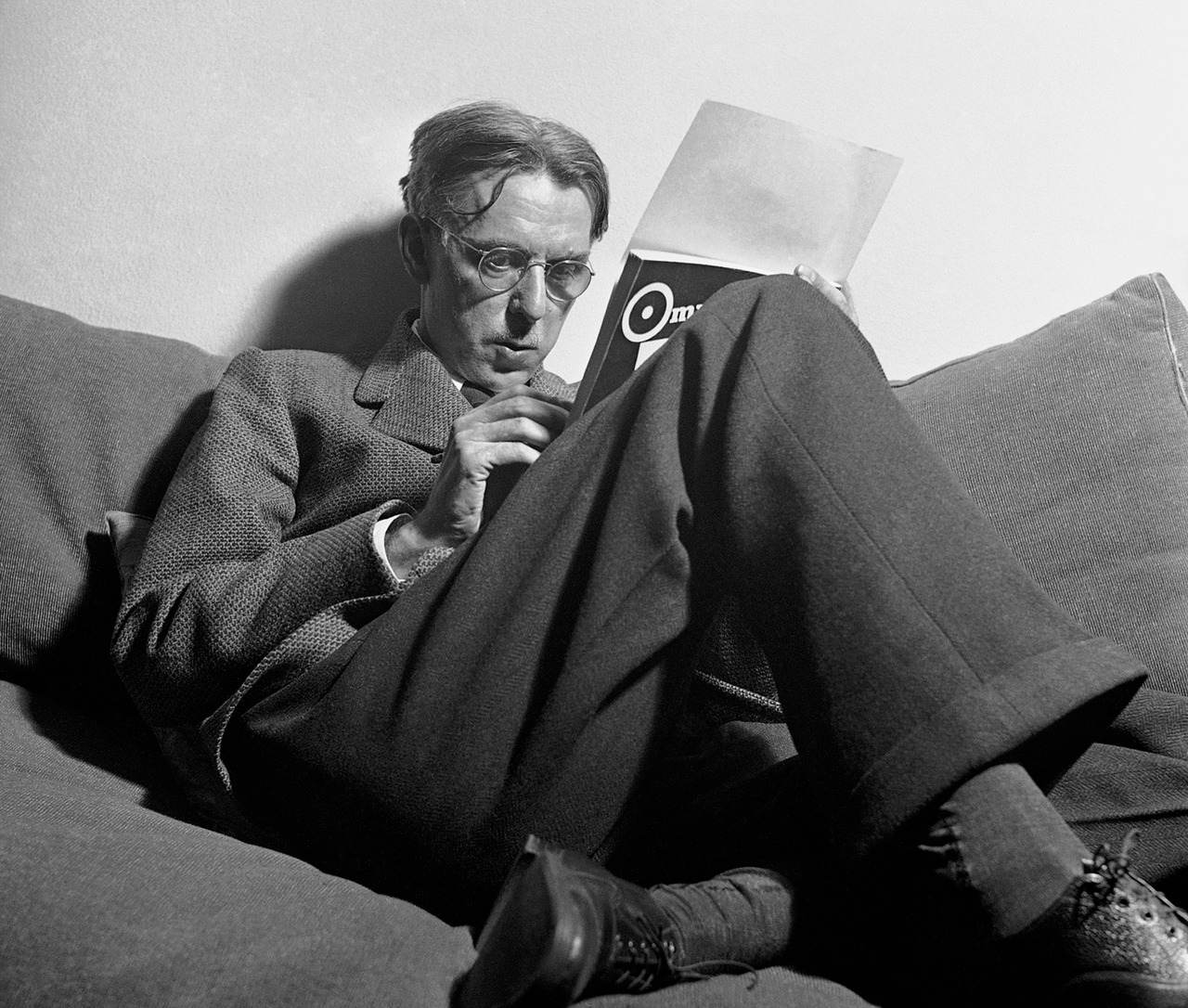
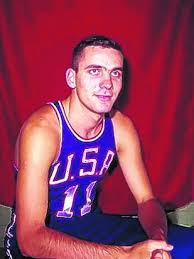
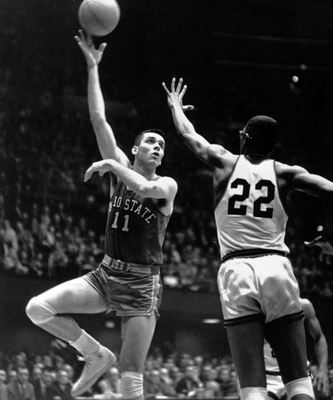
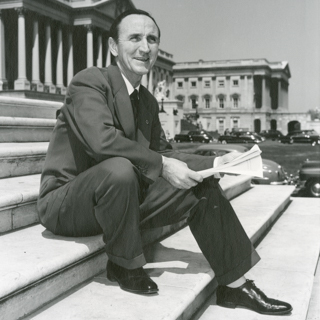
Photos of Lucas at Ohio State as well as 1960 U.S. Olympic team.

At 6 feet 8 inches, Lucas becomes a prolific scorer and rebounder.  He develops a nearly perfect hook shot, and his basketball IQ far exceeds that of most players.  He becomes the consummate team player as well. 

During Lucas’ tenure with the Buckeyes, the team records a record of 78 wins and only six loses.  They play in three consecutive national championship games, while winning in 1960. 

While still in college, Lucas plays for the U.S. national team in the 1960 Olympics in Rome, Italy.  The American squad successfully defends its reputation as the best in the world on its way to winning another gold medal.

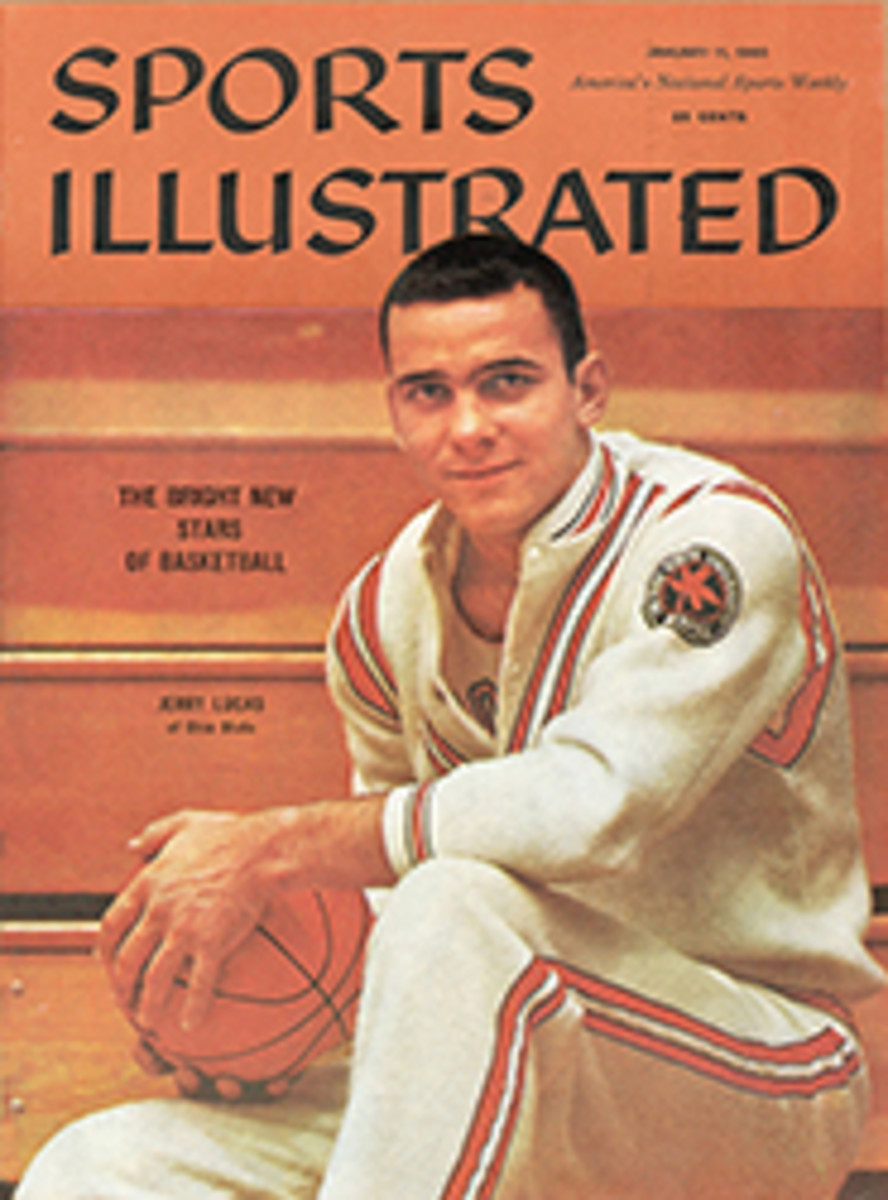
Lucas showing off his famous hook shot, Sports Illustrated cover.

Following his college career, Lucas goes on to play in the NBA.  His career begins with the Cincinnati Royals, continues with the San Francisco Warriors (now Golden State), and ends with the New York Knicks.  In his first season of professional basketball, he is honored as the league’s Rookie of the Year.

Playing with his heart as well as his mind, Lucas achieves recognition beyond even his childhood dreams.  He becomes the first American basketball player to win championships at the high school, college, and professional levels.  His NBA championship ring arrives in 1973. 

After retiring from basketball in 1974, Lucas is inducted into the Naismith Memorial Basketball Hall of Fame in 1980. 

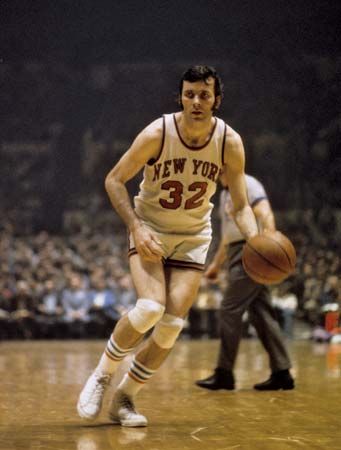
Late in his NBA career, Lucas Playing with the New York Knicks

Beyond basketball, Lucas is gifted with a phenomenal memory.  He develops memory games at the age of nine.  His increasing active mind opens pathways to amazing memory powers. 

His fourth grade teacher asks students to imagine the Great Lakes and see homes floating there.  H – O – M – E – S represents lakes Huron, Ontario, Michigan, Erie, and Superior.  Lucas takes this example and others as he develops a nearly endless cache of memory techniques.

He always impresses other students, teammates, and the media.  Following his basketball career, he develops a system of memory education and authors several books.  These include The Memory Book (1974) and Learning How to Learn (2001). 

The memory book (1974), lucas standing with ohio state football’s two-time heisman trophy winner, archie griffin.  (all photos courtesy of pinterest)

Buckeye Snapshots (Issue #14)

The “Paragon” tomato

The tomato is native to the Americas.  The ancient Aztecs and Incas cultivate and harvest them over 1,300 years ago.  These wild tomatoes carry a strong smell and acidic taste.  They are small with a nearly hollow inside.

The Spanish bring tomato seeds back to Europe.  Spain, Italy, and other Mediterranean neighbors enjoy them.  Because of its supposed special powers, the French call the tomato “The Apple of Love.” The English believe they are poisonous.  English colonists who sail to North America bring this myth with them.

In 1870, an American farmer cultivates and methodically develops the first commercially successful tomato variety in the United States.  Alexander W. Livingston (1821-1898) owns and manages the Buckeye Farm near Reynoldsburg, Ohio.  He transforms an ugly duckling of horticulture into the prized tomato that the world knows today.

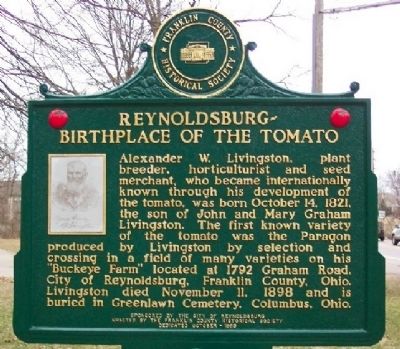
Reynoldsburg, Ohio is the birthplace of the first commercially successful tomato variety.  Alexander W. Livingston is the farmer given credit for this successful enterprise.


Beginning with his first tomato, the Paragon, Livingston continues to experiment with the development of more than 30 varieties.  By 1910, half of the tomatoes grown in the United States trace their lineage back to Livingston’s seed company.  Some of Livingston’s early varieties include Acme, Beauty, Buckeye State, Dwarf Stone, Golden Queen, and Perfection. 

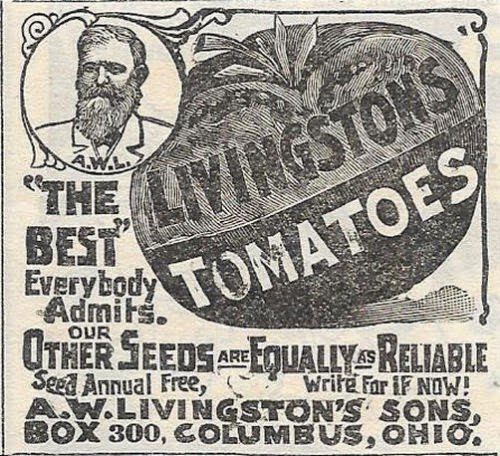
Posters from Livingston’s era:  Advertisements from his seed company as well as an announcement of two of his newest varieties.


One of Livingston’s most memorable accounts comes when he is ten years old.  He discovers a small garden with tomatoes near his home.  Here are his words: 

“. . . quickly gathered a few of them in my hands, and took them to my mother to ask, ‘What they were?’  As soon as she saw them, she cried out, ‘You must not eat them my child.  They must be poison, for even the hogs will not eat them.’”

In 1965, the Franklin County Historical Society recognizes Reynoldsburg as “The Home of the Tomato.”  An annual Tomato Festival starts up in 1966, and it continues to this very day.  Scheduled in early August, the festival offers tasty food, live entertainment, and wholesome family fun.  A Car & Bike Show features classic cars and motorcycles.

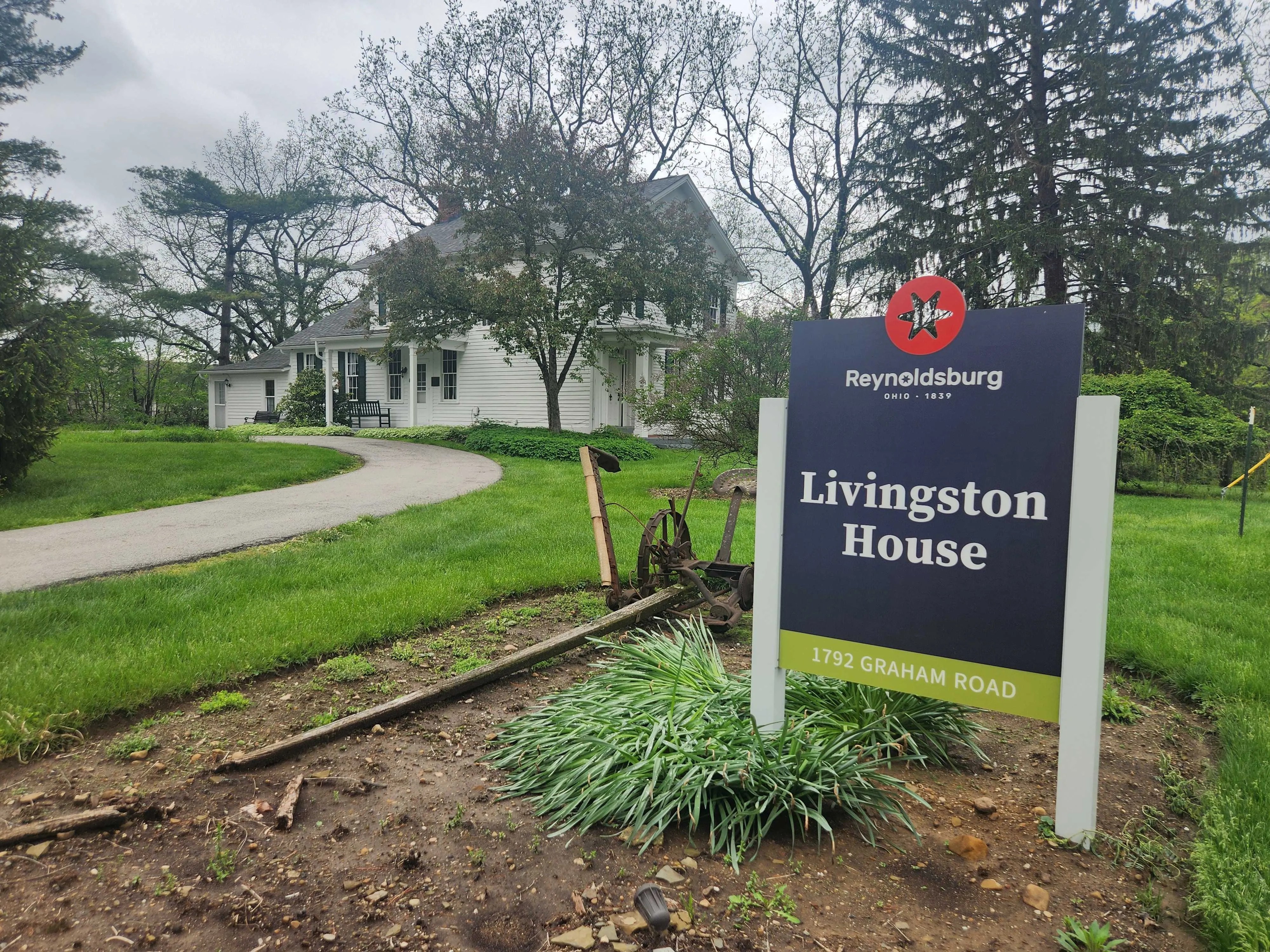
Still standing and available to be rented is the original Alexander W. Livingston farm home on Graham Road in Reynoldsburg.  A poster publicizing the annual Tomato Festival.  (All photos in this post are COURTESY of pinterest)

Trivia’s Facts and More (6/28)

Photo by Pixabay on Pexels.com

This informative post will be published on Saturday in place of my regular one.  You are invited to participate with the opening question.

Brain Teaser Question

I am an odd number.  Taking away a letter, and I become even.  What number am I?

(answer found at the end of this post)

Featured Facts

Nicknamed the “Lone Star State”, Texas is admitted to the American Union on December 29, 1845, as the 29th state.  

Here are a few interesting facts about Texas:

  • Capital City:  Austin
  • Most Populous City:  Houston
  • State Flower:  Bluebonnet
  • State Bird:  Mockingbird
  • State Motto:  Friendship

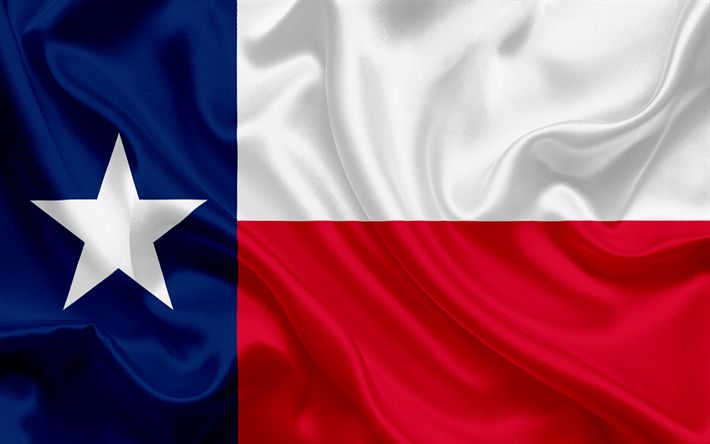
The state flag of Texas immortalizes its motto with the colors of blue for loyalty, white for strength, and red for bravery.  Its single star design is traced back to the days of the independent Texas Republic from 1836-1846.

The Johnson Space Center is located in Houston, and it opened in 1964.  NASA’s flight control is found in the Mission Control Center.  The entire site is also called the Manned Spacecraft Center, and it is named after President Lyndon Johnson.

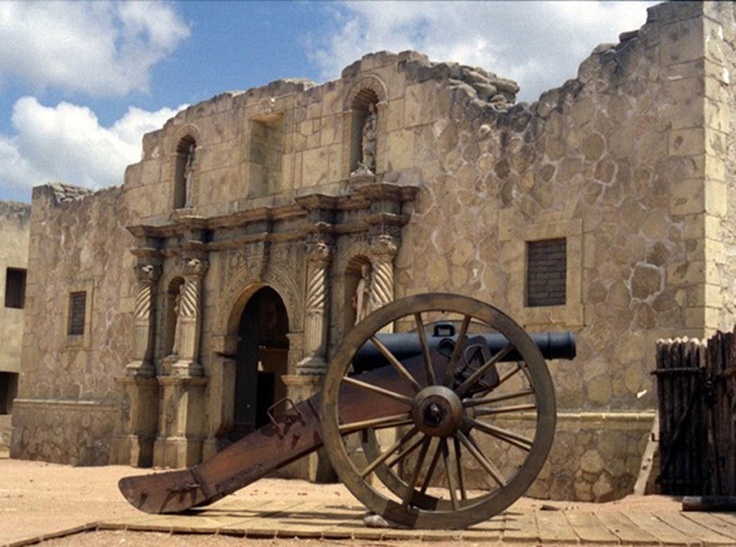
The city of San Antonio has grown up around one of the most treasured sites in Texas, the Alamo.  The Alamo was at the center of the fight for Texas independence from Mexico in 1836.  Built in 1718 as a Spanish mission, it is later transformed into a military fort.

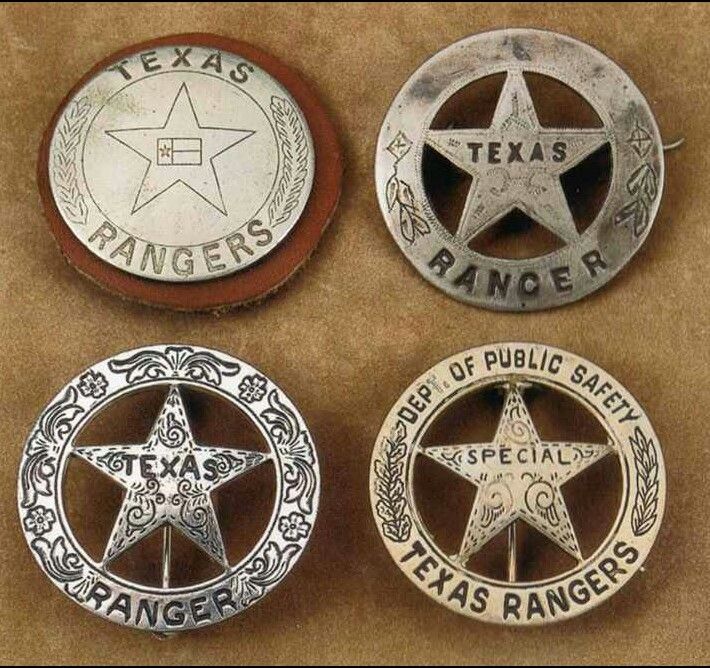
The infamous Texas Rangers are the oldest law enforcement agency in North America.  In 1923, Stephen Austin organizes the first group of Texas Rangers (ten in number).  

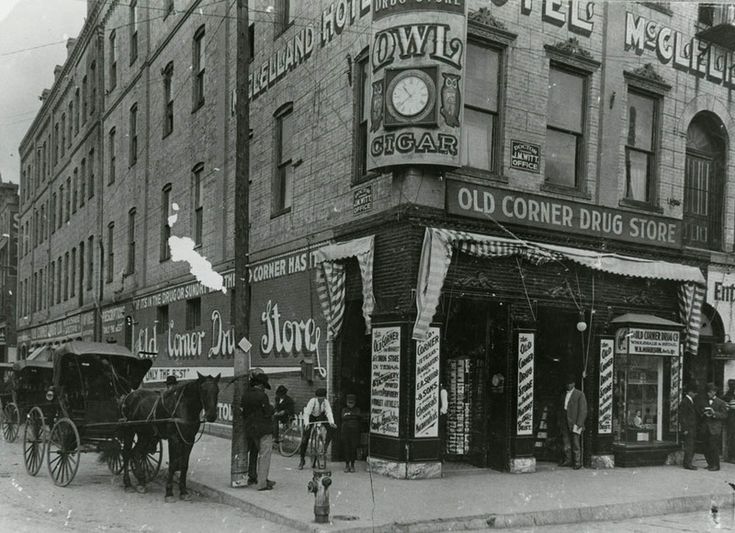
The popular soft drink Dr. Pepper traces its history to Waco and Morrison’s Old Corner Drug Store.  In need of carbonated drinks to be served at the drug store’s soda fountain, pharmacist Charles Alderton creates the recipe for this refreshing soda in 1885.

Two American Presidents have birthplaces in Texas:  Dwight D. Eisenhower (Denison) and Lyndon B. Johnson (Stonewall).  

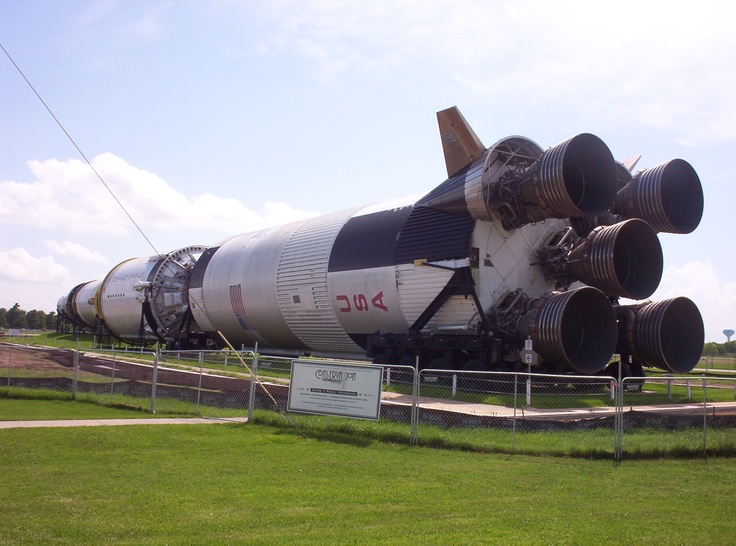
top left and MOVING clockwise: rio Grande river at big bend national park, texas bluebonnet, apollo moon mission’s saturn v rocket (outside johnson space center), historical collection of texas rangers badges, state capitol in austin, morrison’s old corner drug store (in waco), flag of the lone star state, scene outside of the alamo.  (Courtesy of Pinterest)


Answer to Brain Teaser Question

Seven.

Trivia’s Facts and More (6/21)

Photo by Pixabay on Pexels.com

This informative post will be published on Saturday in place of my regular one.  You are invited to participate with the opening question.

Brain Teaser Question

A rooster lays an egg on a rooftop.  Which way does it roll?

(answer found at the end of this post)

Featured Facts

Calvin Coolidge, the 30th President of the United States, served from 1923 to 1929.  He assumed office after the unexpected death of President Warren G. Harding on August 2, 1923.

Here are a few interesting facts about President Coolidge:

  • Political Party:  Republican
  • State Represented:  Massachusetts
  • Birthdate:  July 4, 1872 (Plymouth Notch, Vermont)
  • Death:  January 5, 1933 (Northhampton, Massachusetts)
  • College Attended:  Amherst

Nicknamed “Silent Cal” by his peers, President Coolidge was known for his quiet demeanor.  His life’s story centered around a reputation of being an honest man with uncharacteristic integrity.  His full name was John Calvin Coolidge, Jr.  Before entering politics, his primary career had been a lawyer.

Coolidge’s political career as a Progressive Republican began in 1906 when he was elected to the Massachusetts House of Representatives.  He later served as mayor of Northampton before being elected to the Massachusetts Senate in 1914.  He was elected to the governorship of Massachusetts in 1918.  

During his term as Governor, he dealt with the Boston police strike in 1919.  He activated the state’s National Guard to provide safety and protection during the absence of police officers.  This event brought Coolidge upon the national stage, which ultimately led to his nomination as the Republican choice for Vice President on the ticket with Warren G. Harding.  

The duo of Harding and Coolidge swept the Election of 1920.  As Vice President, Coolidge was the first ever to attend cabinet meetings.  In late summer of 1923, Harding’s sudden death propelled Coolidge into the Presidency.

President Coolidge finished out the remaining time of Harding’s term.  He was elected to his own term of office in the Election of 1924.  He won decisively over two other candidates:  Democratic John W. Davis of West Virginia and Progressive Robert M. La Follette from Wisconsin.

The “Roaring Twenties” brought unparalleled prosperity to America during Coolidge’s time as President.  The economy experienced rapid growth, and the country moved forward from the aftermath of the Great War.  The President’s conservative approach provided stable leadership.

Coolidge cleaned up the lingering corruption left from the Harding administration.  He was a strong proponent of immigration reform as well as protective tariffs.  He favored a hands-off approach in steering America’s financial and economic footprints. 

In the summer of 1927, he decided that he would not run for re-election in 1928.  He felt that he wanted to follow the tradition of George Washington and others in serving only two terms, even though he was not in office for the full eight years.

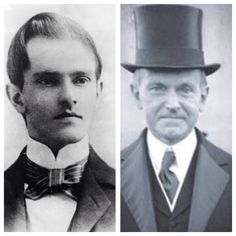
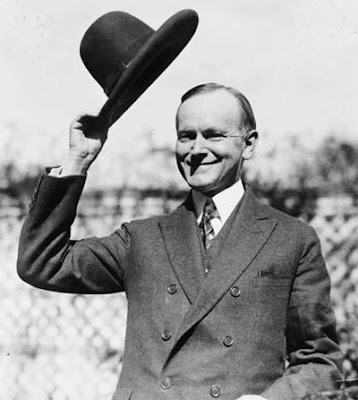
top left and MOVING clockwise:  contrast between a much younger coolidge and as President, the President and first lady (grace) on the white house grounds, presidential portrait, as governor pictured with national guard troops during the boston police strike, childhood home in vermont, a relaxed and smiling president, and the coolidge presidential library in northampton.  (Courtesy of Pinterest)


Answer to Brain Teaser Question

Nowhere.  A rooster does not lay eggs.

Big Sky Treasures #13

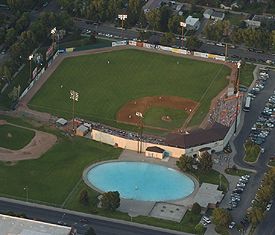
The inaugural edition of the Billings Mustangs (1948). (Courtesy of Pinterest)

The city of Billings, Montana was nicknamed the “Magic City.”  This related to the rapid growth of the city during its infancy.  At the same time, there has always been a bit of “magic” in the community’s baseball history.
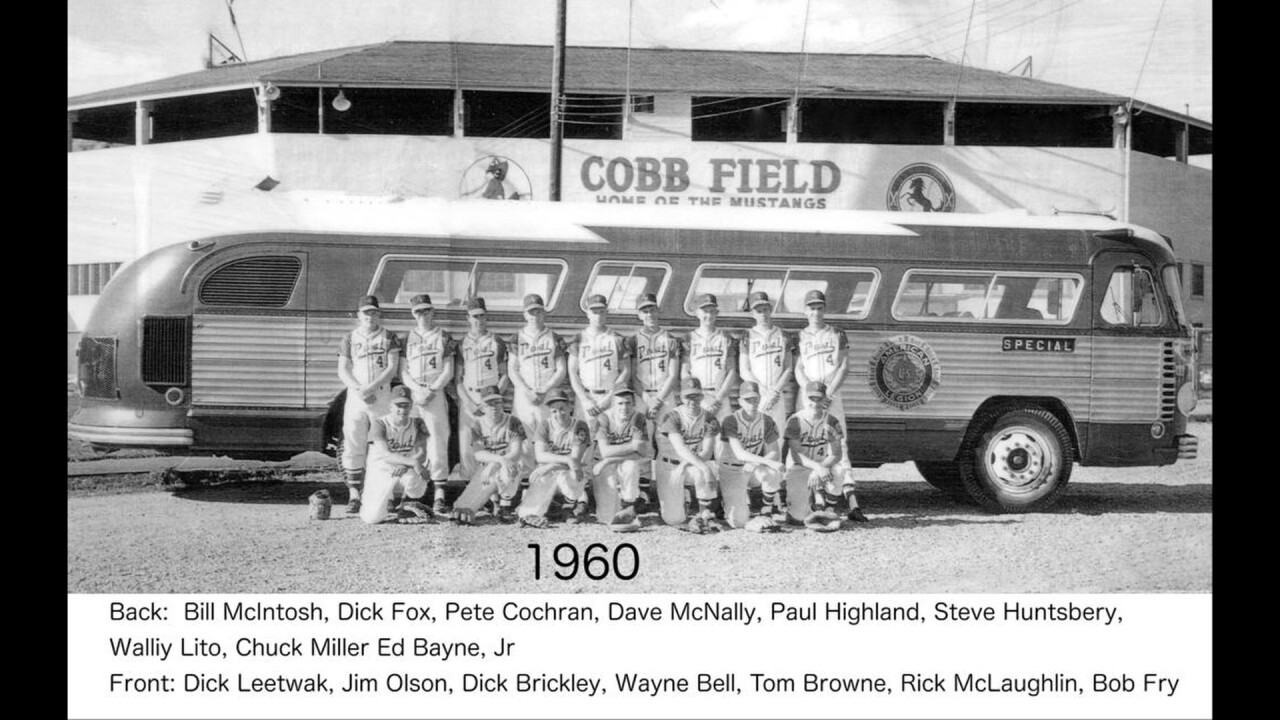
Legendary pitcher for the Baltimore Orioles, Dave McNally, grew up in Billings.  He along with many other “boys of summer” played Little League Baseball and later American Legion ball.

Dave McNally and team photo of his 1960 American Legion baseball team which played in the Little World Series. (courtesy of Pinterest)

In 1948, minor league baseball arrived in Billings through the enterprising spirit of Bob Cobb.  He had spent much of his childhood in Billings before moving to California.  Cobb was the entrepreneur of the famous Brown Derby Restaurant in Hollywood, California.  He had invested in minor league baseball with the Hollywood Stars, who played in the Pacific Coast League.  The Mustangs were destined to be a farm team affiliated with the Hollywood Stars.

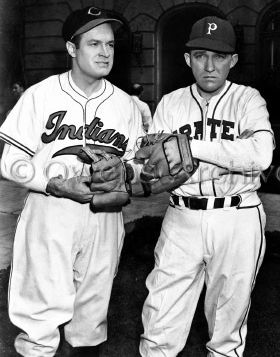
Rubbing elbows with the rich and famous in Hollywood, Cobb enlisted others to invest in his baseball empire in Hollywood and Billings.  Bing Crosby, who also owned a piece of the Pittsburgh Pirates, came onboard.  He was joined by actress Barbara Stanwyck, filmmaker Cecil B. DeMille, actor Robert Taylor, and many others.  Crosby’s ownership with the Pirates would be rewarded when the team won the 1960 World Series.

left to right:  Bob hope and bing Crosby wearing baseball uniforms (Hope was a minority owner of the cleveland indians while crosby owned a stake with the Pittsburgh pirates, hollywood’s brown derby restaurant (1950s), Bob Cobb.

The Mustangs joined the Pioneer League, and they would be affiliated with Major League Baseball (MLB) through 1963.  The Brooklyn Dodgers, Pittsburgh Pirates, and St. Louis Cardinals rotated through the years as they sent young ball players to Billings.

Following the 1963 season, the Mustangs folded up their operations.  However, dreams of more baseball soon finalized when a rookie-level affiliation started up in 1969, and the Mustangs were reborn again in the Pioneer League.  During these early seasons, the Seattle Pilots and later the Kansas City Royals were tied into the Mustangs operation.  The longest affiliation found a lasting partnership with the Cincinnati Reds (1974-2019). 

The Mustangs have won a total of 15 Pioneer League titles.  The team’s most famous alum is Hall of Famer George Brett who played third base during the 1971 season.  He would later play his entire career with the Kansas City Royals.  The 13-time American League all-star also played on a World Series title team in 1985.

In 1989, Brett was interviewed by Sporting News about his memories of playing in Billings.  Some of his remarks included, “The memories are so vivid.  Taking the 13- to 14-hour hour bus trips, getting my $4 per day meal money, and making my $500 a month.”

Hall of Famer George Brett early in his career and later on.  His batting average was .291 during his season with the Mustangs.  (Courtesy of Pinterest)

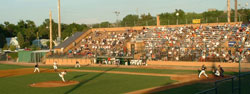
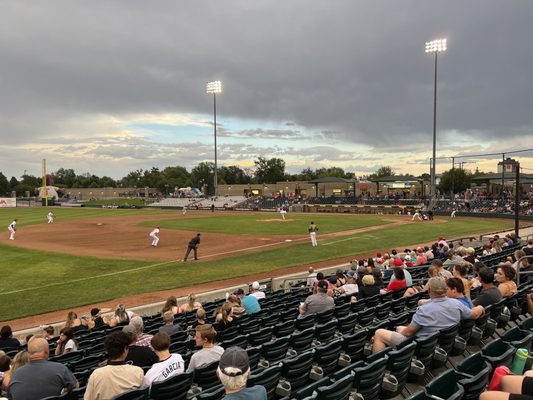
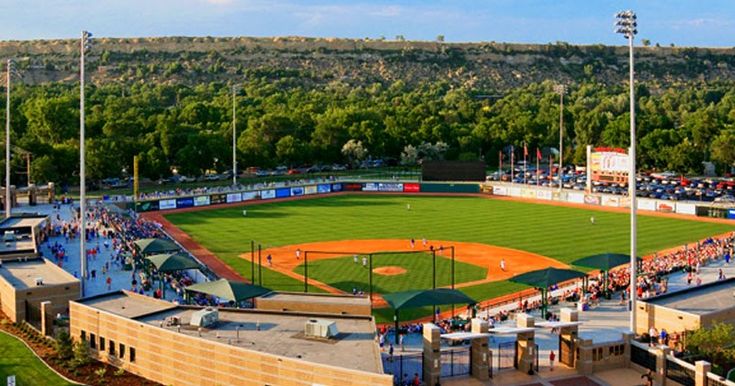
The Mustangs continue to play under an independent affiliation agreement with MLB.  The original ball park was called Cobb Field, which was named after owner Bob Cobb. Many locals mistakenly thought Cobb Field was named after Hall of Fame baseball player, Ty Cobb.  The stadium served the Billings Mustangs and local American Legion teams from 1948-2007.  Today, the teams play at Dehler Park, which was built at the same location of Cobb Field.

Row 1:  Cobb Field.  Row 2:  Dehler Park.  (Courtesy of Pinterest)

Monday Memories: Generation to Generation

The inspiration for this poem comes from an essay written by William E. Farr, “Troubled Bundles, Troubled Blackfeet:  The Travail of Cultural and Religious Renewal.”  This essay is part of a larger collection of writings that link Montana’s past with its future in the book, MONTANA LEGACY.

Courtesy of Pinterest.

Facing an uncertain world

Life asking questions of “when”

Intertribal wars threaten

Hostile danger setting in


Preserving Blackfeet culture

Each passing generation

Saving sacred heritage

Hold for next generation


Ritual artifacts cache

Spiritual lives won’t rest

Supernatural visions

Medicine dreams will attest


Honoring warrior life

Holy treasures speaking out

Collected and safeguarded

Sacred bundles carry clout


Filling with key elements

Common and natural sought

Feathers, hides, shells, horns added

Teeth, wood, bones . . . each with a thought


Passing on these rituals

Mother Earth, Creative Sun

Guarding life’s sacred relics

Legacy, father to son


Sample of a bundle’s contents (courtesy of Pinterest).

Originally published November, 2020.

Trivia’s Facts and More (5/17)

Photo by Pixabay on Pexels.com

This informative post will be published on Saturday in place of my regular one.  You are invited to participate with the opening question.

Brain Teaser Question

What word in the English language has three consecutive double letters?

(answer found at the end of this post)

Featured Facts

A native of Ohio,  Warren G. Harding becomes the 29th President of the United States.  He remains the final one of eight Presidents with roots in the Buckeye state.

Here are a few interesting facts about President Harding:

  • Political Party:  Republican
  • Birth:  November 2, 1865 in Blooming Grove, Ohio
  • Death:  August 2, 1923 in San Francisco, California

Harding’s career before entering politics centers around his partnership in The Marion Star newspaper, which is purchased when he is 19 years of age.  Marion, Ohio remains his adult home for the rest of his life. 

His political career begins with being elected to the Ohio Senate.  He later serves as Ohio’s Lieutenant Governor, but loses in his bid to become the state’s Governor.  He is elected United States Senator from Ohio in 1914.

With the Presidential Election of 1920 arriving, Harding is nominated as a compromise candidate for the Republican Party.  Ironically, the Democratic candidate is James M. Cox, the current Governor of Ohio.  His running mate will be Franklin D. Roosevelt, who later becomes the only American President to serve more than two terms in office.  

Following the passage of the 19th Amendment to the U.S. Constitution, this election is the first for American women to vote in.  Harding conducts a campaign primarily from the front porch of his Marion home.  Thousands of people travel to hear him speak, and the relentless traffic wears out the home’s front lawn (later replaced with gravel).  

Harding’s campaign plans revolve around promising a “return to normalcy” following the victory and aftermath of the Great War (later renamed World War I).  He favors pro-business reforms along with limited immigration.  The election produces a landslide victory for Harding and the Republican Party, with a slightly better than 60 percent of the popular vote.  

Harding becomes the first President to speak on radio.  He later visits the territory of Alaska, which marks the first ever trip by any American President.  One of the landmark nominations of his Presidency is for Chief Justice of the United States Supreme Court.  He nominates fellow Ohioan and former President William Howard Taft.

Upon returning from his trip in Alaska, Harding becomes ill.  He dies in San Francisco from an apparent heart attack.  Vice President Calvin Coolidge takes over the reins of the Presidency.

Following Harding’s death, much more light comes to the corruption that has been brewing within his administration.  The Teapot Dome scandal has already been in the news and brings substantial embarrassment to President Harding.  His Secretary of the Interior, Albert Fall, and others have been selling government-owned oil leases in Wyoming for political favors.  Fall and his cronies will be found guilty and serve prison time.  

All of these findings bring darkness to Harding’s abbreviated term of office, even though he escapes any hand in the wrongdoings.  However, his reputation as President remains forever damaged.  Some of his critics now nickname him “President Hardly.”

top left and moving clockwise:  portrait of president harding, campaign poster from 1920, harding pictured working for his newspaper in marion, harding in his pre-presidency days, pictured with vice president calvin coolidge, harding’s memorial and tomb in marion, harding home in marion.  (Courtesy of Pinterest)


Answer to Brain Teaser Question

Bookkeeper (also bookkeeping)

Monday Memories: Season of Change

In December, 1989, the Romanian Revolution ignited with passion, which would no longer wait in silence.  The rest of the Eastern Bloc countries under Soviet influence had already experienced peaceful change from communist dictatorships.  Under Nicolae Ceausescu’s harsh leadership, Romania was the final holdout as the democratic wave of freedom blitzed across Eastern Europe.  The city of Timisoara was the first in Romania to secure its freedom, with the rest of the country to follow. This poem shares some of this revolution’s story.

Courtesy of Pinterest.

Ruthless, authoritarian rule controls the cards

Harsh, brutal regime crushes dissenting voices

Quietness hides the remaining, burning embers

Daily life conceals wounds, offering few choices


Citizens endure lack of even the basic needs

Challenging days, facing endless heartbreak

Darkest days of winter, hunger and little heat

Voices stifled, experiencing numbing heartache


Freedom routed, plummeting to rock bottom

System of repression forcefully controls lives

Defiant opposition, beaten down to nothing

Dictator’s untruths cover up with empty lies


Scattering of small voices continues to speak out

Smoldering protests fueled with hungry passion

Government crackdowns to silence any dissent

Voices growing bolder, backed with compassion


Massive protests ignite courage in a distant city

“Timisoara” becomes a rallying cry for liberation

Unexpectedly, dark and evil house of cards folds

Season of change witnesses rebirth of a nation


Courtesy of Pinterest.

Originally published October, 2020.

Monday Memories: America’s Movie Night

Courtesy of Pinterest.

Marveling at an American treasure

Outdoor movie screens offer nighttime pleasure


Drive-ins share their unique personality

Double features, hometown hospitality


Big screen stars on America’s movie night

Under the night sky, Hollywood’s best shine bright


Notable scenes from drive-ins come to the screen

Danny and Sandy from “Grease” making the scene


Winning combination fuels drive-ins’ success

Love of movies plus cars, who would ever guess?


Practicing social distancing, cars spread out

Another summer night, film-inspired blowout


Family piles into the station wagon

Good thing we traded that tiny Volkswagen


Mom and Dad, reservations in the front seat

Wearing pajamas, kids view from the back seat


Transporting all of us to a place of fun

Kids become quiet . . . fall asleep, one by one


Comfy family night under twilight’s stars

Slice of Americana, with movie stars

Courtesy of Pinterest.

Practicing social distance before anyone knew what it meant, America’s drive-ins have been a fixture since arriving in New Jersey in 1933.  Following World War II, the American landscape exploded with new drive-ins.  By 1952, outdoor movie attendance exceeded indoor theaters for the first time.  During the 1950s, the number of drive-ins peaked at 5,000 or so.  

Originally published September, 2020.

Trivia’s Facts and More (12/21)

Photo by Pixabay on Pexels.com

This informative post will be published on Saturday in place of my regular one.  You are invited to participate with the opening question.

Brain Teaser Question

Besides the most famous reindeer of all, Rudolph, can you name Santa’s eight remaining reindeer?

(answer found at the end of this post)

Featured Facts

One of the most popular songs at Christmas is “Rudolph the Red-Nose Reindeer.”  People know bits and pieces about the history behind the song; but, here is the rest the story.

In the late 1930s, American retailer Montgomery Ward was looking to create a nationwide marketing campaign for the month of December.  They looked for help from their talented copywriter, Robert L. May.  

As May crafted poetry to share the story of his newly invented character, Rudolph, he enlisted the help of Denver Gillen.  Gillen worked in Montgomery Ward’s art department, and his illustrations would be featured in the short publication.

While Gillen envisoned Rudolph as a young deer with his big, red nose, May crafted rhyming couplets (a sample follows).

Twas the day before Christmas, and all through the hills

The reindeer were playing, enjoying the spills

Of skating and coasting, and climbing the willows

And hopscotch and leapfrog (protected by pillows)

Over 800 Montgomery Ward stores opted in to participate in the December promotion.  Nearly two and a half million copies were ordered (at at cost of 1.5 cents apiece).  The copies were given freely to children who visited each participating store.

Following World War II in 1949, Montgomery Ward decided to bring back their highly successful Christmas promotion, which again featured “Rudolph the Red-Nosed Reindeer.”  Over three and a half million copies were printed.

Eventually Montgomery Ward granted May the copyright privileges to “Rudolph the Red-Nosed Reindeer.”  He shared his poetry story with his brother-in-law, Johnny Marks.  Marks just happened to be a songwriter.  With May’s approval, he adapted the story to lyrics of a Christmas song of the same name.

Actor and singing cowboy, Gene Autry, was signed to record the song, and it became a top hit in 1946.  The lyrics featured an updated story about this famous reindeer.  Later in 1964, television’s classic animated feature, “Rudolph the Red-Nosed Reindeer,” was produced by Rankin/Bass.  

Moving from top left and clockwise:  cover of one version of Robert L. May’s book, Robert L. May, Gene Autry, scene from television’s 1964 feature, gene autry’s album cover.  (Images courtesy of Pinterest)


Answer to Brain Teaser Question

Dasher, Dancer, Prancer, Vixen, Comet, Cupid, Donner, Blitzen