We must not allow the clock and the calendar to blind us to the fact that each moment of life is a miracle and mystery.
If you fell down yesterday, stand up today.
H. G. (Herbert George) Wells (1866-1946) was a British novelist, journalist, and historian. Many of his published works share a futuristic view, and this has earned him the distinction of being the “father of science fiction.”
This informative post will be posted on Saturday along with my usual writing. You are invited to participate with the opening question.
Brain Teaser Question
You driving a bus. Four people get on, three people get off, then eight people get on and ten people get off, then six people get on and two more people get off. Do you have enough information to know what color the bus driver’s eyes are?
(answer found at the end of this post)
Featured Facts
British writer H. G. (Herbert George) Wells produced many gems found in science-fiction literature. During his lifetime (1866-1946), he wrote countless books that earned him recognition as the “father of science fiction.”
Among his most popular novels is THE WAR OF THE WORLDS, which was published in 1898. This franchise has spawned three adaptations of Wells’ classic story.
These include:
Radio drama in 1938
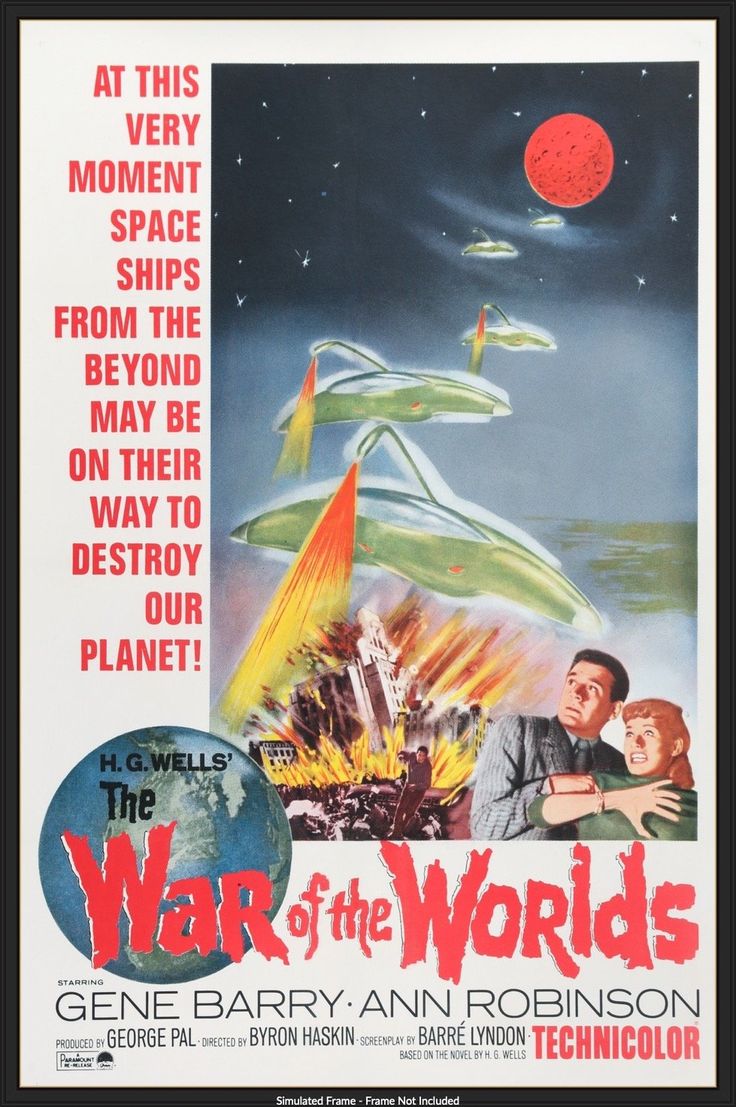
Film from 1953, starring Gene Barry and Ann Robinson
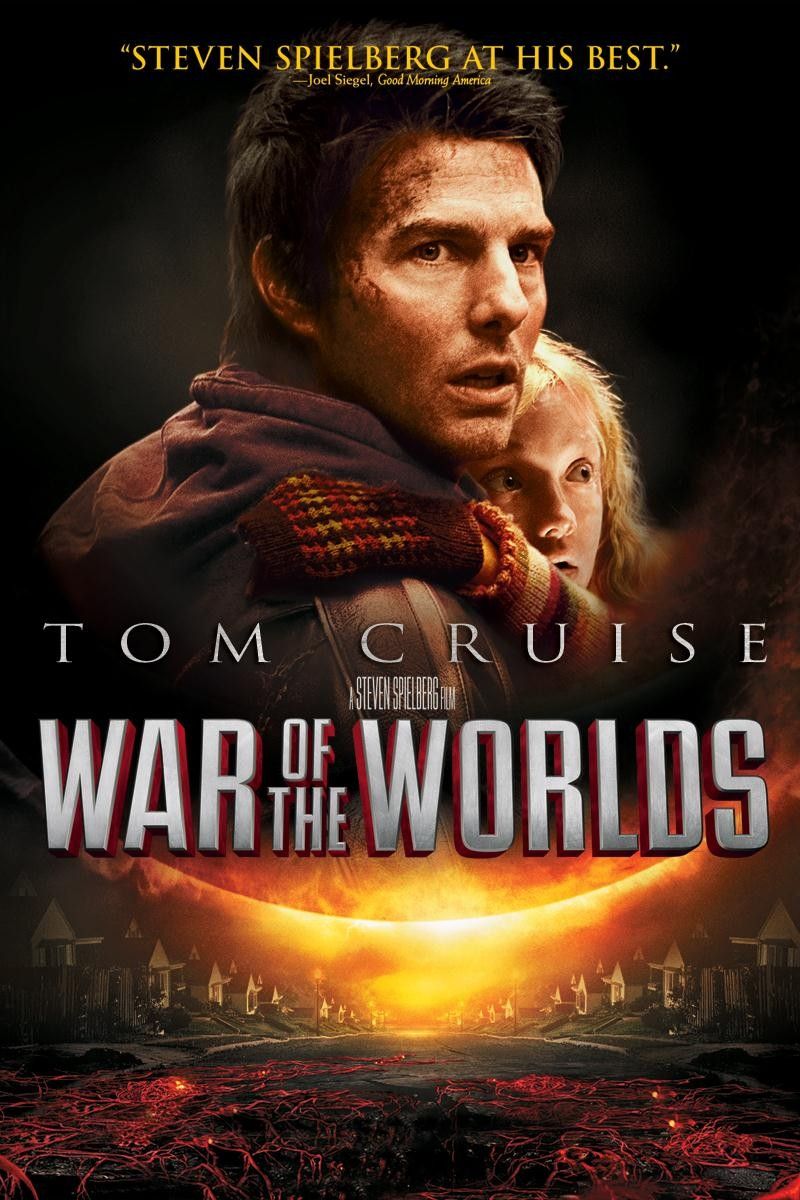
Film from 2005, starring Tom Cruise, Dakota Fanning, and Tim Robbins
On October 30, 1938, Orson Welles and his team produced a radio drama that went over the top in its dramatic presentation. Claiming that aliens from Mars had invaded New Jersey, this fake news bulletin was aired with stunning effect, and it created mass panic. Many of the listeners who tuned in late missed the disclaimer at the beginning of the broadcast that stated the drama was not real.
The first film screenplay adapted from Wells’ novel was “The War of the Worlds.” A small town was attacked by Martians who were intent on beginning their global conquest. By today’s standards, the special effects seemed crude and not authentic. However, the film performed well as one of several with a science-fiction theme that were filmed in the 1950s.
The final adaptation of Wells’ screenplay came in the second film, “War of the Worlds.” Directed by Steven Spielberg, the script presented the horrific events as seen through the eyes of an American family, as they witnessed an alien invasion that attempted to overwhelm the planet.
left to right: cover of h. G. wells’ novel, orson welles and news headline following his broadcast, movie poster from 1953 film version, and movie poster from 2005 film adaptation.
Answer to Brain Teaser Question
Yes. They are the color of your eyes–you are driving the bus.
Human history becomes more a race between education and catastrophe.
What really matters is what you do with what you have.
H. G. (Herbert George) Wells (1866-1946) was a British novelist, journalist, and historian. Many of his published works share a futuristic view, and this has earned him the distinction of being the “father of science fiction.”




 Big Sky Buckeye