Big Sky Treasures #13

The inaugural edition of the Billings Mustangs (1948). (Courtesy of Pinterest)

The city of Billings, Montana was nicknamed the “Magic City.”  This related to the rapid growth of the city during its infancy.  At the same time, there has always been a bit of “magic” in the community’s baseball history.

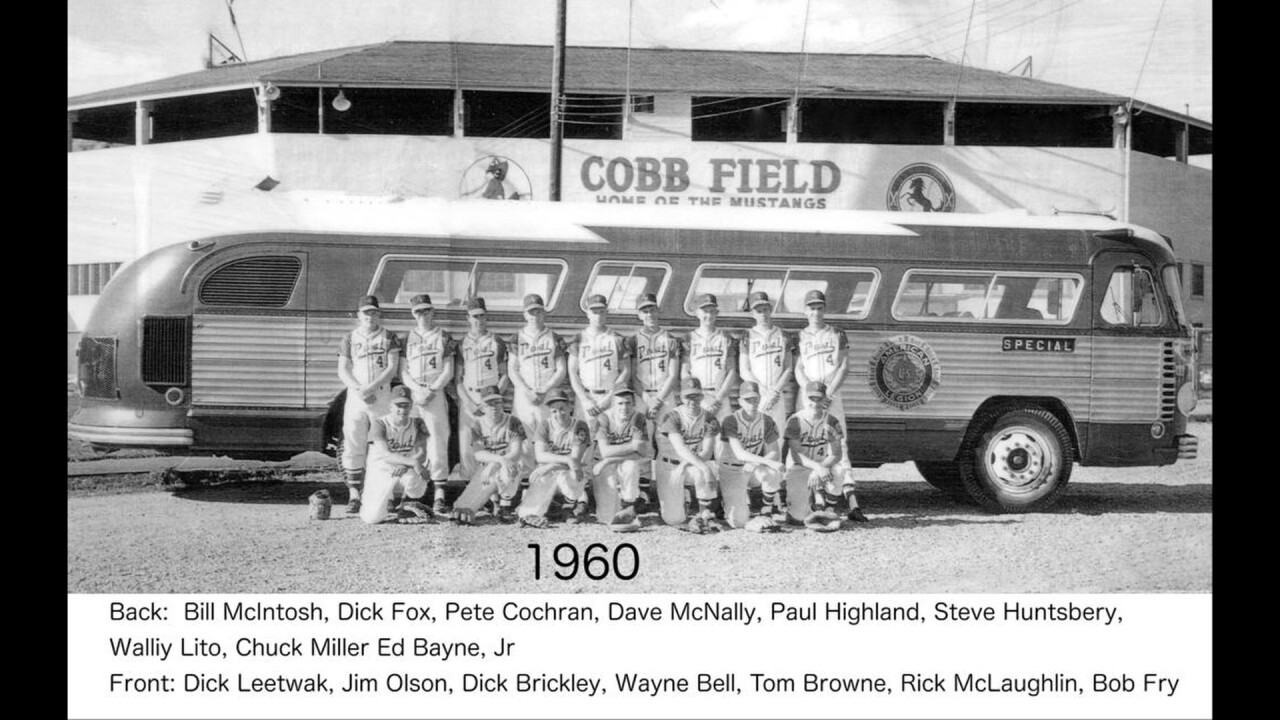
Legendary pitcher for the Baltimore Orioles, Dave McNally, grew up in Billings.  He along with many other “boys of summer” played Little League Baseball and later American Legion ball.

Dave McNally and team photo of his 1960 American Legion baseball team which played in the Little World Series. (courtesy of Pinterest)

In 1948, minor league baseball arrived in Billings through the enterprising spirit of Bob Cobb.  He had spent much of his childhood in Billings before moving to California.  Cobb was the entrepreneur of the famous Brown Derby Restaurant in Hollywood, California.  He had invested in minor league baseball with the Hollywood Stars, who played in the Pacific Coast League.  The Mustangs were destined to be a farm team affiliated with the Hollywood Stars.

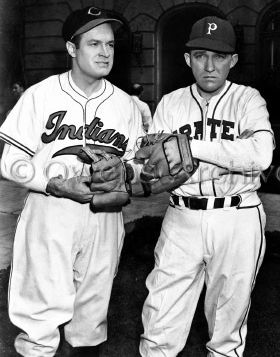
Rubbing elbows with the rich and famous in Hollywood, Cobb enlisted others to invest in his baseball empire in Hollywood and Billings.  Bing Crosby, who also owned a piece of the Pittsburgh Pirates, came onboard.  He was joined by actress Barbara Stanwyck, filmmaker Cecil B. DeMille, actor Robert Taylor, and many others.  Crosby’s ownership with the Pirates would be rewarded when the team won the 1960 World Series.

left to right:  Bob hope and bing Crosby wearing baseball uniforms (Hope was a minority owner of the cleveland indians while crosby owned a stake with the Pittsburgh pirates, hollywood’s brown derby restaurant (1950s), Bob Cobb.

The Mustangs joined the Pioneer League, and they would be affiliated with Major League Baseball (MLB) through 1963.  The Brooklyn Dodgers, Pittsburgh Pirates, and St. Louis Cardinals rotated through the years as they sent young ball players to Billings.

Following the 1963 season, the Mustangs folded up their operations.  However, dreams of more baseball soon finalized when a rookie-level affiliation started up in 1969, and the Mustangs were reborn again in the Pioneer League.  During these early seasons, the Seattle Pilots and later the Kansas City Royals were tied into the Mustangs operation.  The longest affiliation found a lasting partnership with the Cincinnati Reds (1974-2019). 

The Mustangs have won a total of 15 Pioneer League titles.  The team’s most famous alum is Hall of Famer George Brett who played third base during the 1971 season.  He would later play his entire career with the Kansas City Royals.  The 13-time American League all-star also played on a World Series title team in 1985.

In 1989, Brett was interviewed by Sporting News about his memories of playing in Billings.  Some of his remarks included, “The memories are so vivid.  Taking the 13- to 14-hour hour bus trips, getting my $4 per day meal money, and making my $500 a month.”

Hall of Famer George Brett early in his career and later on.  His batting average was .291 during his season with the Mustangs.  (Courtesy of Pinterest)

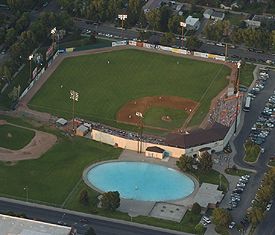
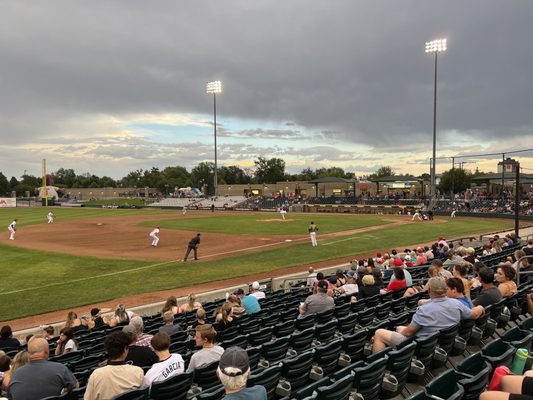
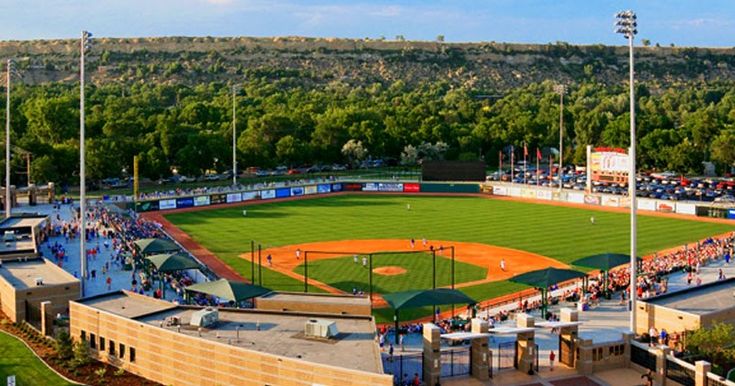
The Mustangs continue to play under an independent affiliation agreement with MLB.  The original ball park was called Cobb Field, which was named after owner Bob Cobb. Many locals mistakenly thought Cobb Field was named after Hall of Fame baseball player, Ty Cobb.  The stadium served the Billings Mustangs and local American Legion teams from 1948-2007.  Today, the teams play at Dehler Park, which was built at the same location of Cobb Field.

Row 1:  Cobb Field.  Row 2:  Dehler Park.  (Courtesy of Pinterest)

Big Sky Treasures #12

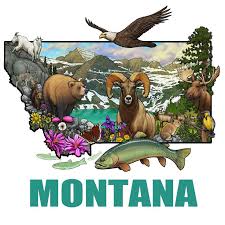
Over the years, the Montana Legislature has designated five different animal species as the official animal, bird, butterfly, fish, and dinosaur.  The widely recognized western meadowlark and grizzly bear have been adopted in 1931 and 1983, respectively.  Of even greater interest are the remaining three species.

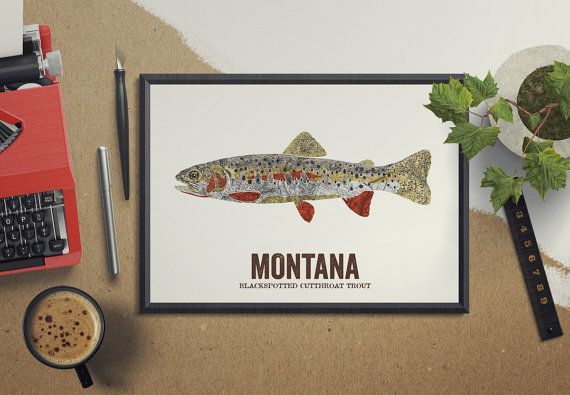
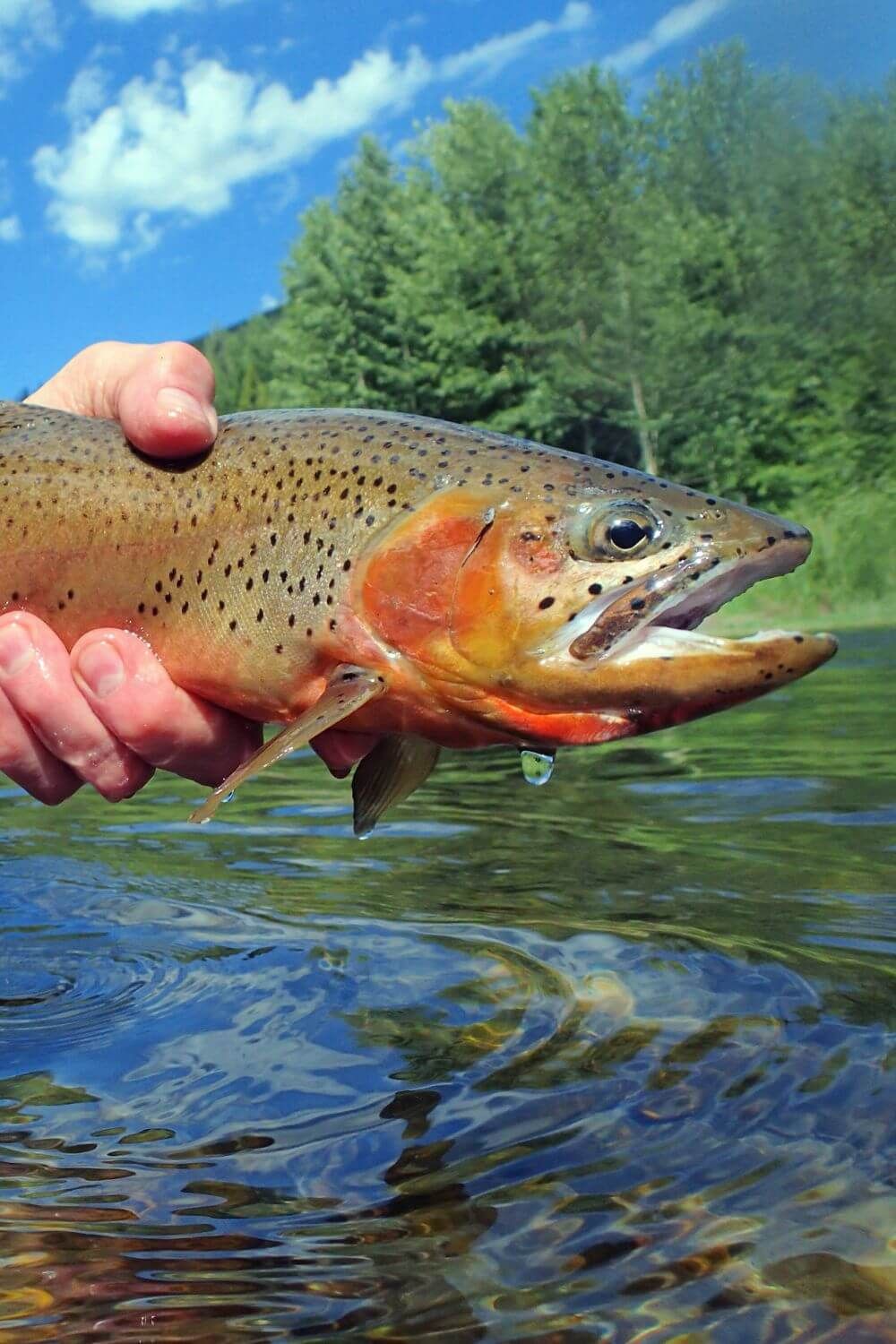
In the 1970s, well-recognized television producer and news broadcaster Norma Ashby, desires to designate a special species as the official state fish.  The Montana native promotes the adoption of the blackspotted cutthroat trout, which is approved by the Montana Legislature in 1977.

In the Montana territory, the blackspotted cutthroat trout is highlighted in the journal writings of William Clark, who is part of the infamous Corps of Discovery led by Clark and Meriwether Lewis.  This trout is well-noted for its tenacious attitude when fighting hard against an angler’s hook. 

Montana’s official state fossil is approved in 1985, the duck-billed dinosaur.  The species is referred to as the maiasaura dinosaur, the “good mother” dinosaur. 

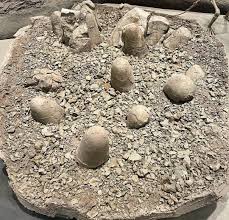
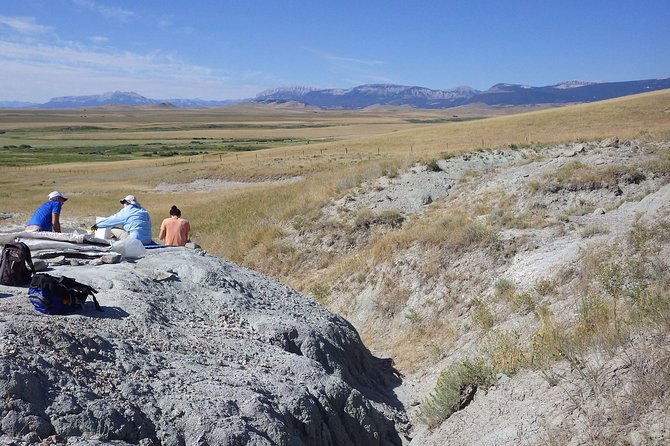
In the foothills of the Rocky Mountain front, near the community of Choteau, major scientific findings are recognized in 1978.  Marion Brandvold makes a discovery near her home of Bynum.  The entire area has been designated “Egg Mountain” because of entire nests of fossilized eggshells, baby and juvenile dinosaurs.

Brandvold shares her findings with the famous paleontologist, Jack Horner, from the Museum of the Rockies at Montana State University.  His further studies later find evidence that some dinosaurs lived in colonies.

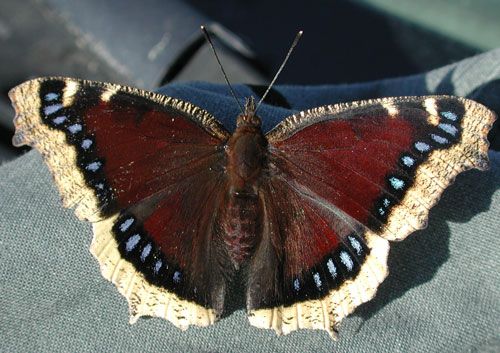
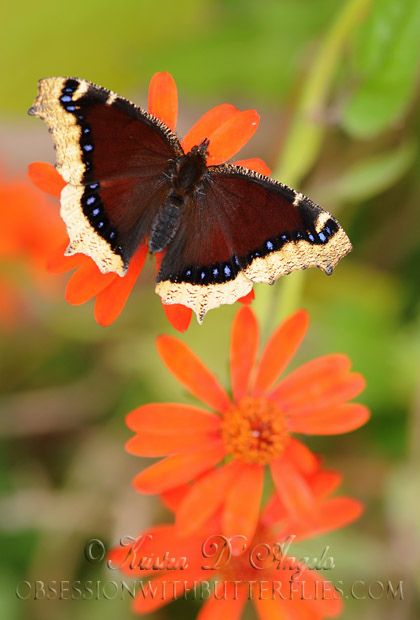
Approved by the Montana Legislature in 2001, the mourning cloak butterfly becomes the official state butterfly.  A major trademark of the butterfly is its dark, velvety wings.  These wings absorb the warmth of the sun. 

The mourning cloak butterfly has been observed as one of spring’s earliest arriving butterflies.  Sometimes they have emerged before the last of the winter snow has melted.  Their wingspans have reached nearly four inches. 

All images courtesy of Pinterest.

Big Sky Treasures #11

Courtesy of Pinterest.

Montana’s Big Sky Country is filled with a variety of natural and man-made landmarks, and water is frequently found across the Treasure State.  Today’s photographic narrative highlights some of the lakes and rivers taken from my personal collection.

The landscape of southwestern Montana is punctuated with the presence of the Madison River (see above map).  Flowing from its source in Yellowstone National Park toward its confluence with the Jefferson and Gallatin Rivers, all three form the source of the mighty Missouri River.  The Madison runs for 183 miles before reaching its final destination near the community of Three Forks.

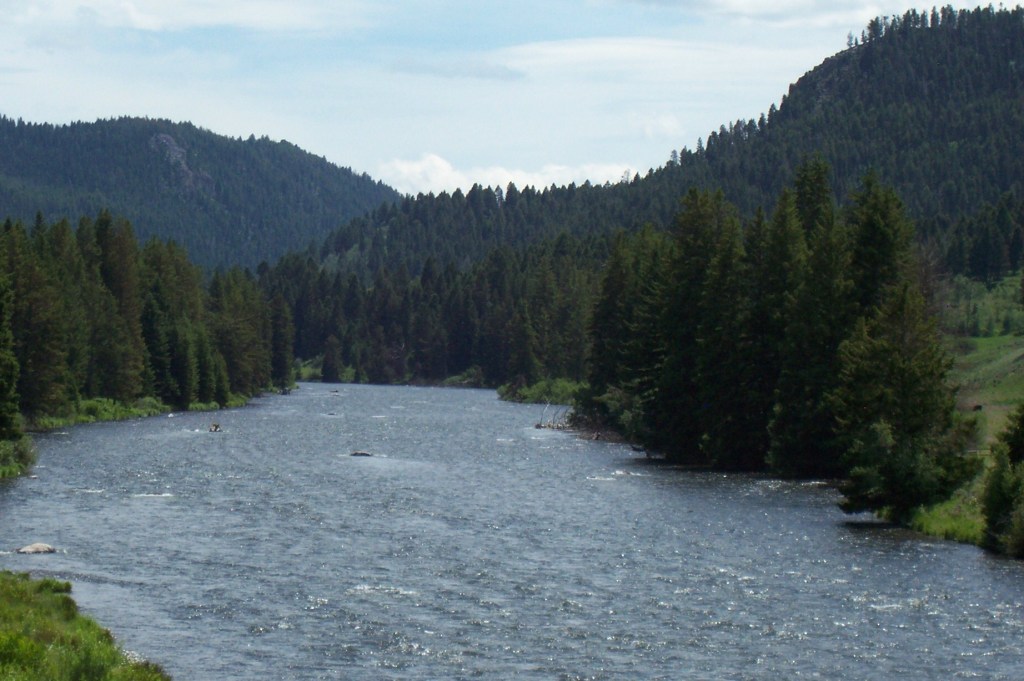
This section of the Madison River is found between the river’s two major lakes, Hebgen and Ennis.


The Madison River contains two dams.  Both dams are located on either side of the town of Ennis in one of the top trout fishing areas in the state.

Hebgen Lake is located between West Yellowstone and Ennis.  The lake is created with the building of Hebgen Dam (finished in 1914), and it is simple, yet effective in its construction.  The dam’s concrete core with an earthen embankment holds together during the infamous 1959 earthquake, which measures 7.2 in magnitude.

Scenic view along Hebgen Lake, downshore from the dam.  The lake opens up as it faces toward West Yellowstone.


The Madison Dam (opening in 1906) is built in the tight Bear Trap Canyon.  Its construction backs up the Madison River with a lake much smaller than Hebgen.  While usually listed on maps as Ennis Lake, the locals call it Meadow Lake.  Much of the lake’s perimeter is filled with private dwellings, but one can still find access to fishing sites, boat ramps, and camping.

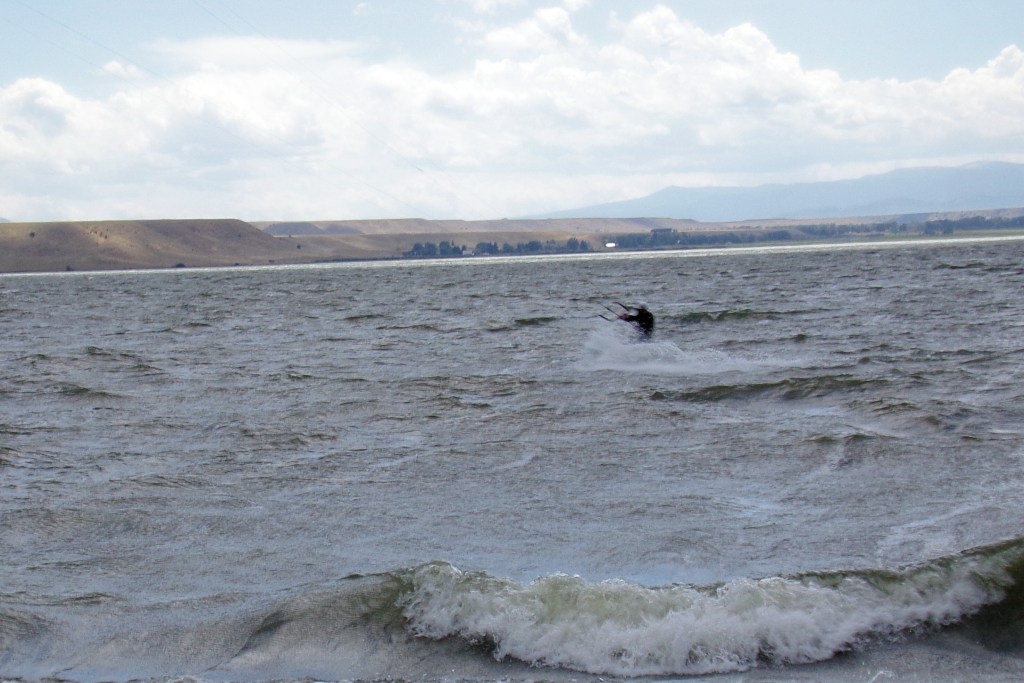
From the north shore of Ennis Lake (taken during the summer of 2024).  witnessing some intense whitecaps while A lone wind surfer can be seen in the middle of the photo.  His attempts to become airborne were made much more difficult because of the windy conditions and rough water.

Big Sky Treasures #10

For the final Saturday of each month, a different and unique feature will be published.  Today’s narrative takes a look at the remarkable journey of Montana’s renowned western artist, Charles M. Russell.  Saturday’s regular feature, “Trivia’s Facts and More,” will return next week. 

One of Montana’s most treasured individuals will always be famed western artist Charles Marion Russell.  His lasting footprint has remained on the landscape of the Treasure State for over 100 years.

Born on March 19, 1864 in St. Louis, Missouri, Charles M. Russell grew up in comfortable surroundings with his family.    During his childhood, he showed an interest in sketching and molding animals from clay.  Living at the gateway to the West, he was fascinated with stories about explorers and fur traders.  However, his life was searching for something more.

At the age of 16, Russell left school and  headed to Montana.  He had a job lined up as a sheepherder on a ranch.  By the age of 18, he was experiencing the life of a cowboy as a cowpuncher.  The life of the open range was something to behold for this young man, known to many as “Kid” Russell.

Many of Russell’s early years were spent on ranches in the Judith Basin in central Montana.  Gradually, he discovered that he possessed greater passion for his artwork than the rough and tumble life of a cowboy.  He shared many of his sketches and watercolor paintings with friends and other acquaintances.    

Never in his life could Charlie Russell have ever thought of himself as a bona fide artist.  During the devastating winter of 1886-1887, he finally realized where his potential just might take him.

Working on a ranch, he and other cowboys usually had little to do during the wintertime.  The cattle were safe wintering on the range, and they seemed well-suited for Montana winters.  This time around winter would finally have the upper hand.

Thousands of cattle perished during an unbelievable blizzard.  The absent owner of the O-H Ranch wrote and asked how his cattle were doing.  Russell responded as only he could do, with his artwork.  On a postcard size watercolor, he described in vivid detail that the herd was decimated.  The painting would later be redone and named “Waiting for a Chinook.”

In 1894 at Cascade, Montana, Russell met a woman at a dinner gathering.  Many knew of his artistic talent, but his prominence was limited to Montana.  The young woman, Nancy Cooper, would later become his wife when they married in 1896.

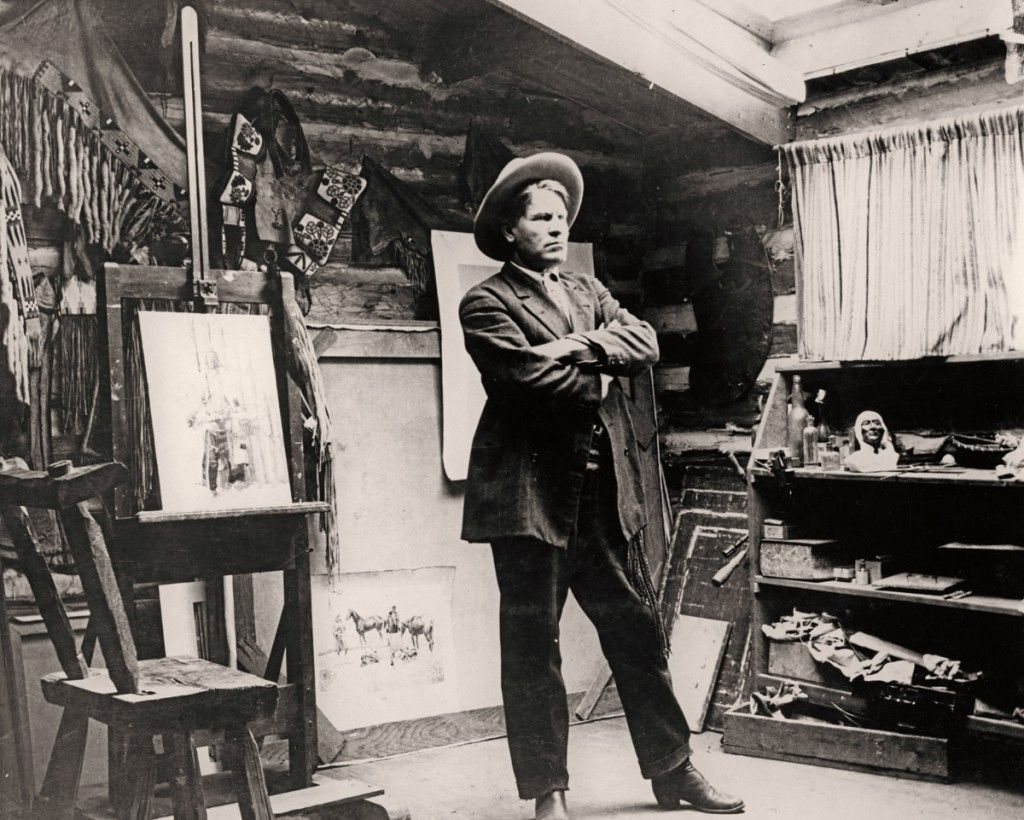
Life was about to change in many positive ways for Russell’s continuing journey as an artist.  In 1897, the Russell’s moved to Great Falls where Charles set up a studio in a log cabin.

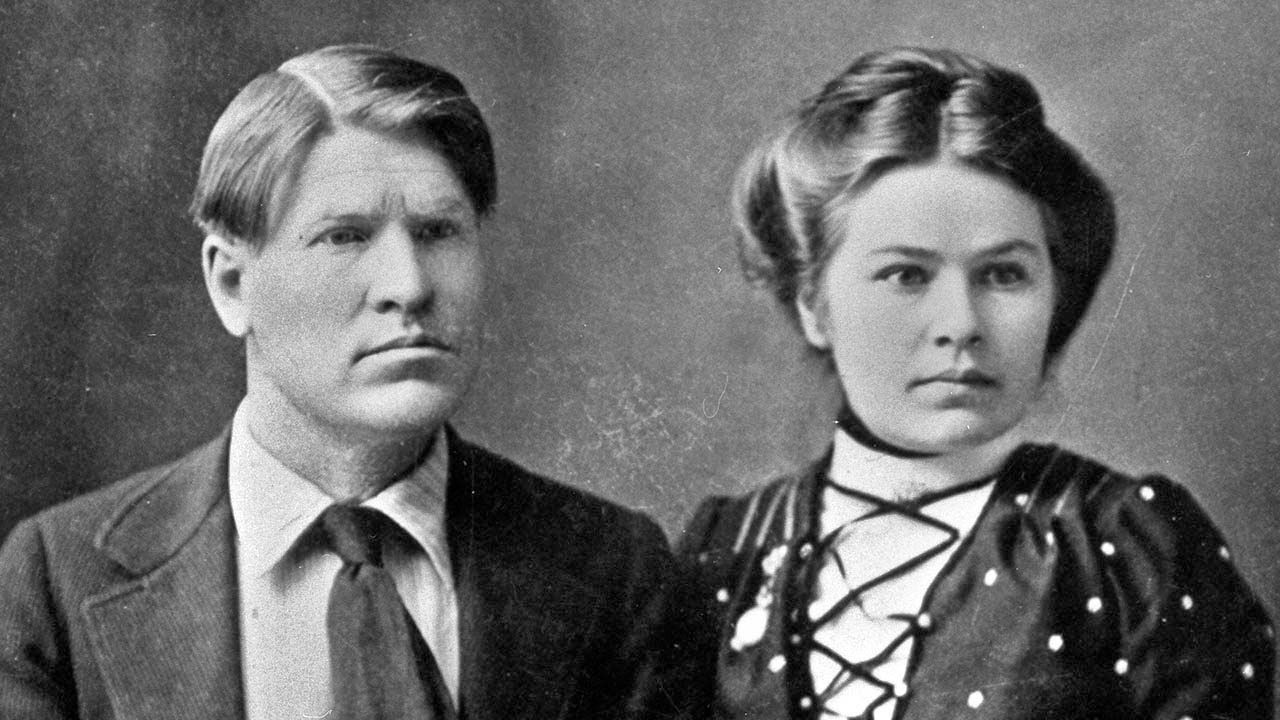
Nancy Cooper Russell would become her husband’s business manager, and his artwork’s value would begin to be noticed by others outside of Montana. 

top left:  russell in his log cabin studio in great falls, montana.  bottom left:  charles with his bride, nancy.  right:  portrait of charles m. russell.  (pictures courtesy of pinterest)

Russell’s talents  attracted greater interest, and his works increased in value.  During his nearly 30 years of marriage to Nancy, Charles embarked on a remarkable journey with his artwork, and the bond of love between both stayed forever strong.

Russell’s paintings and sculptures brought reverence to Native Americans’ way of life, shared the humor and adventure of the cowboy, and illustrated numerous Montana landscapes.  He was a gifted writer and storyteller as well.

When Charles M. Russell passed away on October 26, 1926, the world lost a dynamic western artist.  Montana lost one of its most favorite adopted sons.

Author’s note:  In January, 2021, I crafted a poem with images of the “Haunting Storm” of the winter of 1886-1887 on  Montana’s open range.  A copy of Russell’s watercolor was also attached.  You are invited to follow this link to the poem:  Haunting Storm.

Big Sky Treasures #9

For the final Saturday of each month, a different and unique feature will be published.  Today’s narrative takes a look at the achievements of Montana native, Jeannette Rankin.  Saturday’s regular feature, “Trivia’s Facts and More,” will return next week. 

Growing up near Missoula, Montana, Jeannette Rankin was destined for a life of service to her country as well as other causes dear to her heart.

Born in 1880, Rankin lived on her family’s ranch in western Montana.  The Treasure State was still recognized as an American territory, and Statehood would not be attained until 1889.    In 1902, she graduated with a degree in Biology from Montana State University (now called University of Montana). 

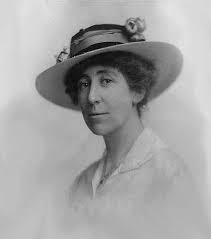
Left:  A young Jeannette Rankin.  Right:  Around 1914-1916.  (Photos courtesy of Pinterest.)

As a progressive member of the Republican Party, Rankin became the first American woman elected to a federal office.  In 1916, she was victorious in her bid to become a member of the U.S. House of Representatives.  She would later be elected to a second term in 1940.

Rankin supported social welfare causes for improving working conditions and health care for women.  She also worked tirelessly to help women earn the right to vote in the states of Washington and Montana.  Both states granted this right in 1910 and 1914, respectively.  Her efforts joined with other women in gaining universal suffrage for all in 1919 with passage of the 19th Amendment to the U.S. Constitution.

While Rankin has remained the only Montana woman ever elected to serve in Congress, she has been most remembered for her unwavering stance on war and peace.

During her first term in Congress, President Woodrow Wilson sent a declaration of war request to both houses of Congress.  Joined by 49 other votes against America’s entry into World War I, Rankin cast her vote against the resolution.

Sometimes history will find a way of repeating itself, and this was the case with Rankin in 1941.  Following the Japanese attack on Pearl Harbor, President Franklin Roosevelt sent a declaration of war request to Congress.  With unbendable political courage, she cast the lone vote against America’s entry into World War II.

left:  serving in congress 1941-1943.  right top:  serving in congress 1917-1919.  bottom right:  campaign literature from election of 1916.  (Photos courtesy of Pinterest.)

A lifelong pacifist, Rankin’s two votes against war demonstrated her resolute belief in preventing it.  She became the only member of Congress to vote against America’s entry into both World Wars.  Her own words say it best, “As a woman I can’t go to war, and I refuse to send anyone else.”                   

Rankin’s votes against entry into war terminated her future in politics.  She unsuccessfully ran for the U.S. Senate in 1918, and she did not run for re-election to the U.S. House in 1942.

Prior to her death in 1973, Rankin served as a passionate voice for including equality and women’s rights in Montana’s new constitution, which replaced the original one approved in 1889. 

Big Sky Treasures #8

One of Montana’s most treasured gems resides in Glacier National Park.  Founded in 1910, the park sits along the Rocky Mountain spine of northwestern Montana with the Blackfeet Reservation nestled to its east.

With over 700 miles of trails, the park fulfills any hiker’s paradise.  Trails range from easy (Trail of the Cedars), to moderate (Avalanche Lake), to strenuous (Grinnell Glacier).  A variety of wildlife populates the park with over 70 types of mammals and over 260 avian species. 

With nicknames of “Crown of the Continent” and “Backbone of the World”, Glacier National Park provides quite an experience with some of America’s most exceptional natural wonders.  Mountains, scenic vistas, rivers, lakes, and glaciers wait to be captured by any photographer’s camera.

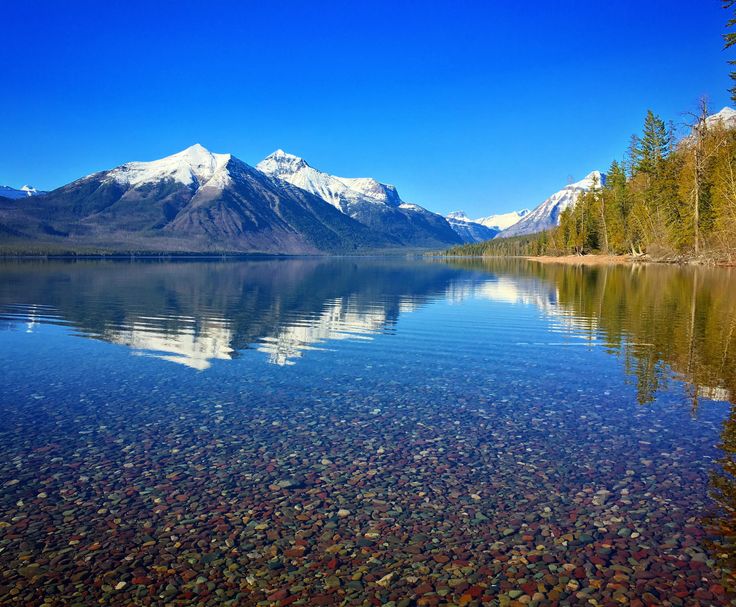
Lake McDonald stands as one the hallmark sights to visit with its crystal-clear waters and mountainous surroundings.

Lake McDonald (courtesy of Pinterest)

The Going-to-the-Sun highway presents an incredible automobile journey, second to none. 

One of the grandest hotels in the park is found at Many Glacier Hotel, which is located along Swiftcurrent Lake.  It has been open since 1915, and was designed as a series of chalets.  When one looks at its two-story structure, it is easy to believe that the location might be Switzerland instead of Montana.

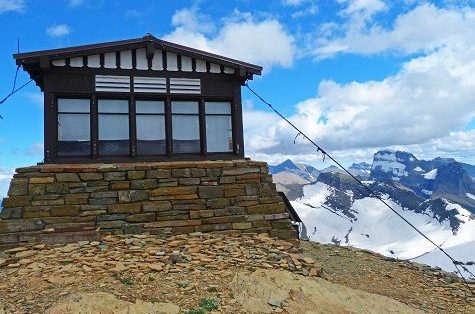
Built in 1936, the Swiftcurrent Fire Outlook offers quite a view.  One feels almost like standing on the top of the world.

Swiftcurrent Fire Outlook (courtesy of Pinterest)

Big Sky Treasures #7

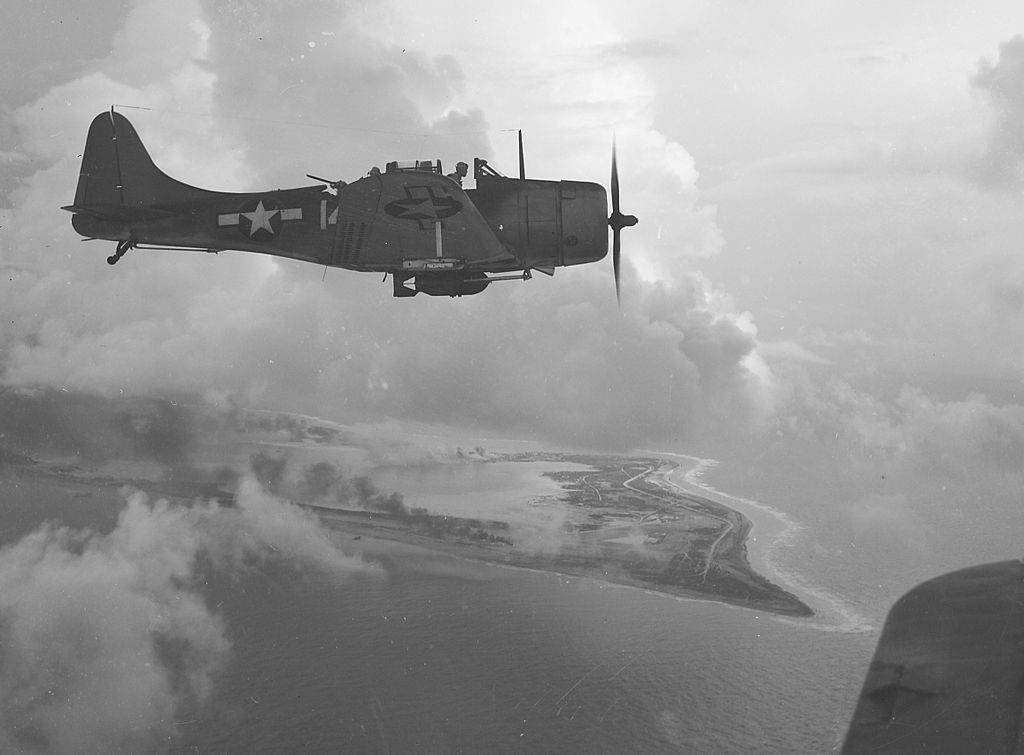
From World War II, fearless U.S. Navy aviators piloted the SBD Dauntless dive bomber. (courtesy of Pinterest)

During World War II, countless men and women served unselfishly to preserve freedom and a democratic way of life.  From a small Montana homestead came one of these true heroes.

Born in 1914 under the clouds of the Great War (now called World War I), Stanley “Swede” Vejtasa was born in eastern Montana where his family was operating a small farm.  While the homestead site and local post office (Paris, Montana) disappeared long gone, certain memories will always remain.

Following graduation from Circle High School (McCone County in Montana), Vejtasa attended classes at both Montana State College (later renamed Montana State University) and the University of Montana. 

In 1937, he enlisted in the U.S. Navy with the intention of becoming an aviator.  In 1939, he earned his wings at the Naval Air Station in Pensacola, Florida.  His first carrier assignment was with the USS Yorktown.  In 1942, he was assigned to the USS Enterprise.

Lieutenant Vejtasa pictured with his 4F4 Wildcat fighter. The Japanese flags displayed on his aircraft represent downed enemy aircraft. He ultimately earned ten. (courtesy of Pinterest)

Vejtasa’s heroic duty as a carrier pilot earned him three Navy Crosses.  He was the only American naval aviator to be awarded medals for both dive bombing and aerial combat. 

On May 7, 1942, Ensign Vejtasa earned his second Navy Cross at the Battle of the Coral Sea.  Flying a SBD Dauntless dive bomber from the USS Yorktown, he successfully attacked and aided in the sinking of a Japanese aircraft carrier.

On October 6, 1942, Lieutenant Vejtasa earned his final Navy Cross while flying from the USS Enterprise as a fighter pilot.  In the Battle of Santa Cruz, he and other pilots provided air cover for the carriers Hornet and Enterprise.  Facing intense dogfights with Japanese fighter planes, he remained cool under fire.  With courage and precision, the lieutenant shot down seven enemy aircraft. 

Captain Vejtasa remained a career officer in the U.S. Navy, and he continued to serve his country until his retirement in 1970.

The following video captured memories of combat as shared by Stanley “Swede” Vejtasa.  He described his experiences from the Battle of the Coral Sea.

Big Sky Treasures #6

One of Montana’s most enduring legacies has been the appearance of “3-7-77.”  One might ask, what is this? 

Right off the bat, the number might resemble a date (March 7, 1977 or March 7, 1877).  Does anyone really know?

Historians are not on the same page with the meaning of this number, but most agree that the symbol was first used by the Vigilance Committee of Virginia City, Montana in the 1860s.

In southwestern Montana during the early 1860s, gold fever surpasses the nation’s Civil War in its importance.  Even before the Montana Territory is created in 1864, the lure of gold is bringing hundreds and later thousands to the future Treasure State.

Three early gold discoveries set in motion the migration of fortune hunters into the areas of Grasshopper Creek, Alder Gulch, and Last Chance Gulch.  Unfortunately, the undesirables often accompany the miners into the territory in search of appropriating gold dust from their rightful owners.  Yes, highwaymen and robbers lurk in the shadows, waiting to strike.

In the Bannock and Virginia City areas, robberies continue to be a problem, and eventually miners and others feel a need to create their own methods of policing with quick justice. 

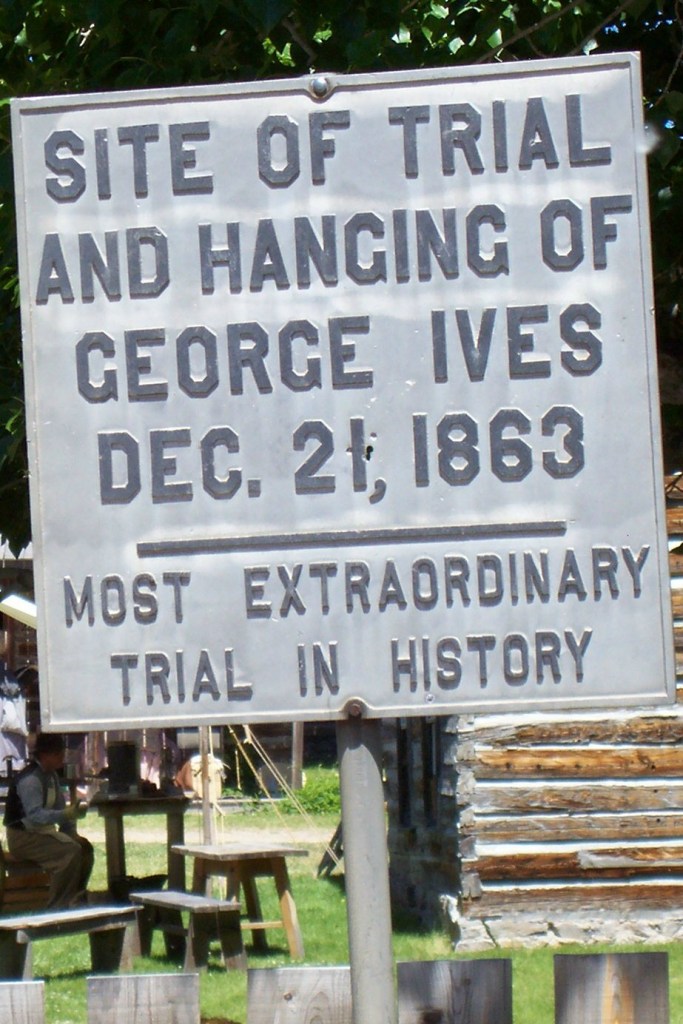
In February, 1864, justice comes at the end of a hangman’s rope for 21 villains, including Sheriff Henry Plummer in Bannock.  The sheriff is presumed to be working outside of the law in cooperation with a gang of criminals, who have been successfully robbing gold shipments from the mines.

Let’s return back to “3-7-77” and see where this investigation goes.

A few quick questions come to mind:

  • Is the symbol a warning to other robbers and highwaymen?
  • Could it be a command for certain roughnecks to leave town?
  • Do the numbers represent the dimensions of a grave (3 feet by 7 feet by 77 inches)?

Whether used as a warning, code, or cipher, the symbol of “3-7-77” remains pretty much a mystery.  Is it just some type of secret vigilante code or something more?

Some historians feel that the Freemasons were quite involved in the organization of the Vigilance Committee.  In Bannock, the first lodge meeting takes place in 1862 with “three” founders present.  Perhaps “seven” Freemasons organized the Vigilance Committee.  At the same time, Mason #77 (last name Bell) died from the fever.

Could the use of “3-7-77” have been a vigilante warning to outlaws to get out of town in 3 hours, 7 minutes, and 77 seconds?

In nearby Helena, were occasional roughnecks sent out of town with a $3 ticket on the 7:00 a.m. stagecoach to Butte by order of a secret committee of 77?

Again, much is left to speculation because many Freemasons were opposed to vigilante actions and were never excited about publically displaying secret codes such as “3-7-77.”

Over time, the symbol of “3-7-77” has been painted on doors, walls, fences.  Some suspected criminals, who were caught and hanged, were discovered with a note attached to their clothing with “3-7-77.”

In modern times, “3-7-77” remains visible in one way that many Montanans see frequently.  In 1956, the Highway Patrol adopted the symbol as a tribute to the vigilantes, Montana’s first police force.  The emblem on their uniform shirts proudly displays “3-7-77.”

Fewer Montanans know that the Montana Air National Guard uses the symbol on their flight suits.

The meaning of “3-7-77” will be debated for years to come, but one truth is clear.  The early gold rush days in Montana create an environment ripe for robbers and outlaws.  Without any type of organized law enforcement in the 1860s, concerned citizens find a way to take action with the formation of a Vigilance Committee. 

Big Sky Treasures #5

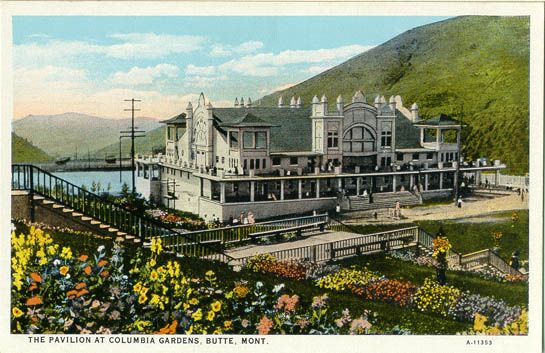
Gracing the Treasure State with a magical oasis, Columbia Gardens will always reign as one of Montana’s past gems.  Now forgotten along with the “richest hill on earth,” Butte’s utopian paradise hearkens back to its mining past.

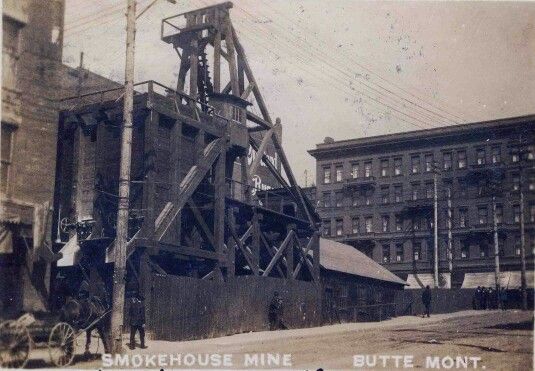
Copper ruled Montana from the underground mines of Butte to the State Capitol in Helena.  The ore from copper-rich veins even reached across America to influence the nation’s capital.  Many knew of Butte, America (the city liked to say). 

Businessman and mining magnate, William A. Clark, welcomed an opportunity to gift the mining families of Butte as well as to pave the way to his election as U.S. Senator.  He bestowed a magnificent park with every imaginable attraction; while at the same time, he purchased a significant vote in the Montana legislature (U.S. Senators back in the day were elected by each state’s legislature until the 17th Amendment allowed for their direct election).

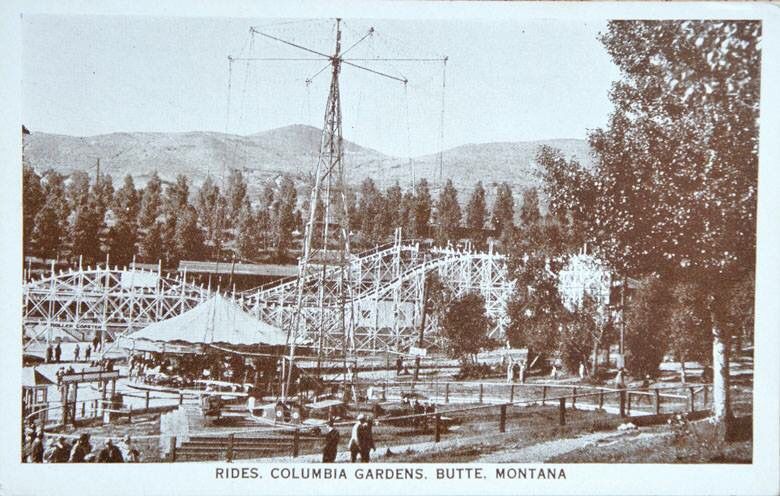
Built in 1899, Columbia Gardens would eventually grow to cover 68 acres in the city of Butte.  Admission would always be free, and concessions and rides could be purchased for a small price.  Over its lifetime, the park would never generate a profit.  The “richest hill on earth” always paid the bills.

The park became well-known outside of the Treasure State when President Theodore Roosevelt visited in 1903.  Thousands would continue to enjoy Columbia Gardens for almost eight decades.

Here’s a quick synopsis of the major Columbia Gardens’ attractions:

Grand Pavilion:  Big band music and dancing

Sports Stadium:  Baseball home for minor league’s Butte Miners

Roller Coaster:  Multiple stories high (built in 1906)

Zoo:  Featuring Montana’s wildlife

Various Rides:  Ferris wheel, mini train, carousel, bi-planes

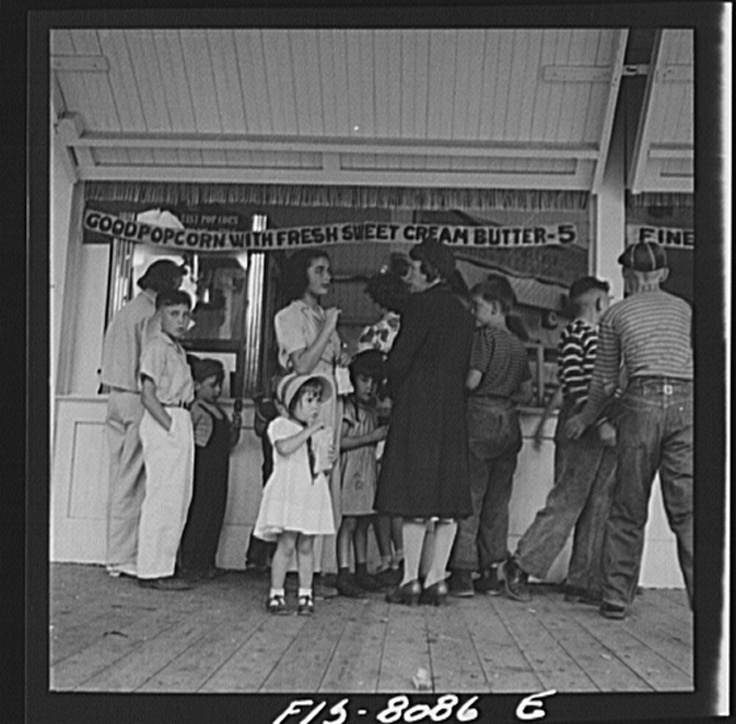
Visitors also enjoyed walking the well-maintained grounds.  The immaculate park shined as a garden for the ages.  Every week one day was set aside as a “Children’s Day” with the emphasis on just plain ol’ fun.

Butte’s slow demise from its greatness as the “richest hill on earth” caved in as the 1970s approached.  In 1973, Columbia Gardens closed for good.  No longer would summers be filled with the excitement of another season at the park.  Copper’s riches had built the park, and now they would take it away.

Big Sky Treasures #4

Downstream from the steamboat port of Fort Benton, the currents of the Missouri River find ways to hide a mystery from the night.

Montana Territorial Secretary, Thomas Francis Meagher, has disappeared late at night outside of Fort Benton.  In the absence of the Territorial Governor, he is the acting governor.

What has happened to Meagher on this quiet evening on July 1, 1867?

Traveling by steamboat, Meagher appears to have fallen overboard.  His body is quickly swallowed up by the Missouri River’s unforgiving waters, never to be seen again.

Along the Missouri River, a steamboat waits while anchored at Fort Benton, Montana. (courtesy of Pinterest)

No one really knows what actually has happened, or better yet, they are keeping quiet about the dark happenings on this July night. 

Meagher is known to be a heavy drinker.  Is he killed in an accidental drowning when he mysteriously falls overboard?

Or did he succumb to suicide provoked by disillusionment with his shattered, personal dreams?

With many enemies, perhaps Meagher is murdered aboard this steamboat, and his body is forgotten as it conveniently floats far downstream in the swift currents of the river.

This “immortal” Irishman’s life is honored with a high degree of irony.  In an unusual tribute for a relatively unknown man with a dubious past, a statue of him is erected in 1905 and placed on the grounds in front of the State Capitol in Helena.  In the central region of the state, Meagher County is named for him.

Here are a few additional facts about Thomas Francis Meagher:

He is born in Ireland in 1823.

As an Irish nationalist, he participates in the Rebellion of 1848 and is sentenced to serve in a Tasmanian prison.  However, he escapes in 1852, and eventually ends up in the United States.

During the American Civil War, he joins the Union Army as part of the “Fighting 69th” Irish Brigade.  He rises to the rank of brigadier general.

Following the war, his dreams take him to the Montana Territory.  In his future, he hopes to build an Irish-Catholic colony and pursue a career as a U.S. Senator.