Trivia’s Facts and More (10/14)

Photo by Pixabay on Pexels.com

This informative post will be published on Saturday in place of my regular one.  You are invited to participate with the opening question.

Brain Teaser Question

Why is it against the law for a man living in North Dakota to be buried in South Dakota?

(answer found at the end of this post)

Featured Facts

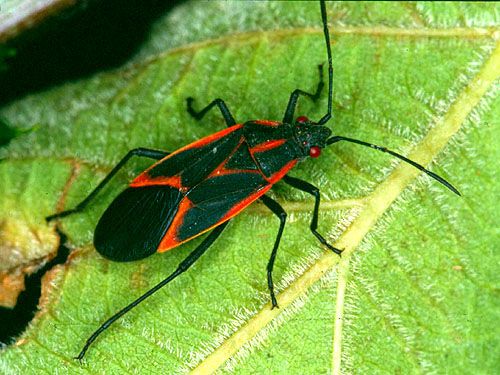
A curious little insect is the boxelder bug.  Related to the stinkbug, this harmless pest can become quite a nuisance.

Here are a few quick facts about the boxelder bug:

  • Color:  black with reddish or orange markings
  • Size:  1/2 inch (11-14 mm)
  • Predators:  rodents, spiders, birds
  • Territory:  native to western United States (but can be found in eastern U.S. and Canada)

Their name is derived from the fact that they are frequently found around boxelder trees (as well as maple).  Their favorite summer home is in trees.

Boxelder bugs are very mobile, and they can easily move from trees to man-made structures.  One of their most annoying traits is to leave feces that may stain light-colored surfaces.  

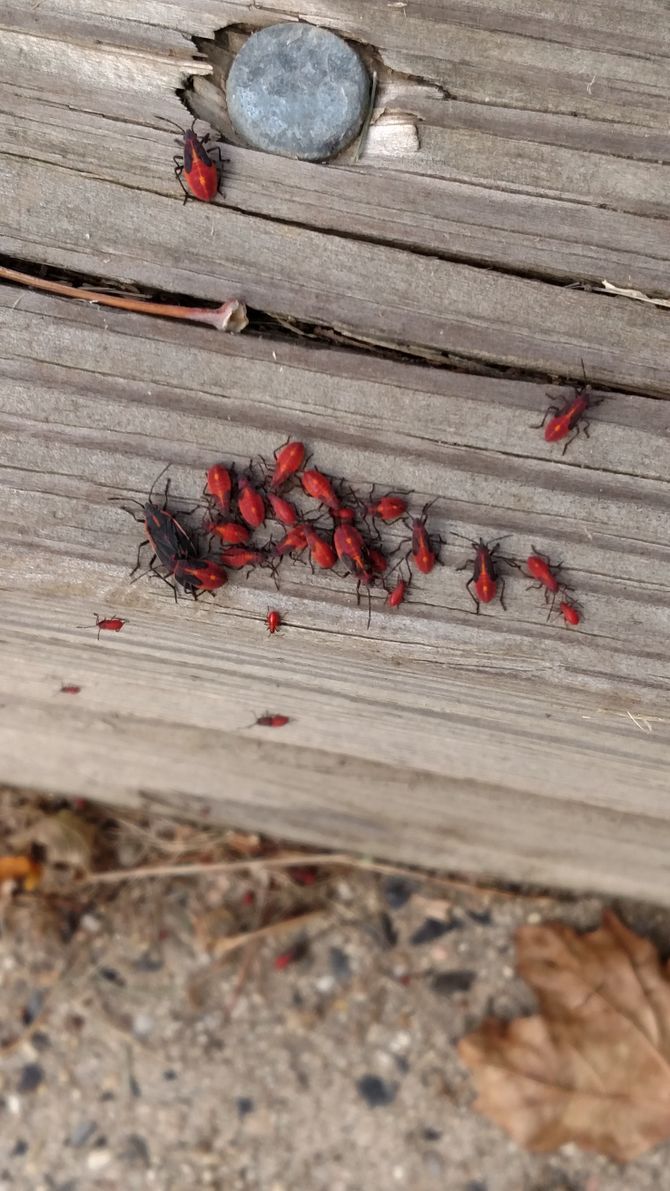
In autumn, these pesky bugs congregate around south-facing surfaces on rocks, buildings, and trees.  They appreciate the warmth and sun.  At this same time, they will seek winter shelter in homes, sheds, and garages.  After hibernating in their cozy winter confines, they will emerge in March and April in order to journey back to the trees.

Since boxelder bugs are eager to enter houses, homeowners are wise to take time to seal around windows and doors.  This will help to prevent these bugs from entering inside to find a winter home.  They also dislike the smell of herbs such as sage, whole cloves, and lavender.

left:  close-up of an adult boxelder bug  right:  a group of boxelder bugs congregating on the side of a building in the warm sun.  (photographs courtesy of pinterest.)


Answer to Brain Teaser Question

Because he’s still alive.

Trivia’s Facts and More (10/7)

Photo by Pixabay on Pexels.com

This informative post will be published on Saturday in place of my regular one.  You are invited to participate with the opening question.

Brain Teaser Question

Find the next letter in the sequence.

A    B    D    G    K    P    ?

(answer found at the end of this post)

Featured Facts

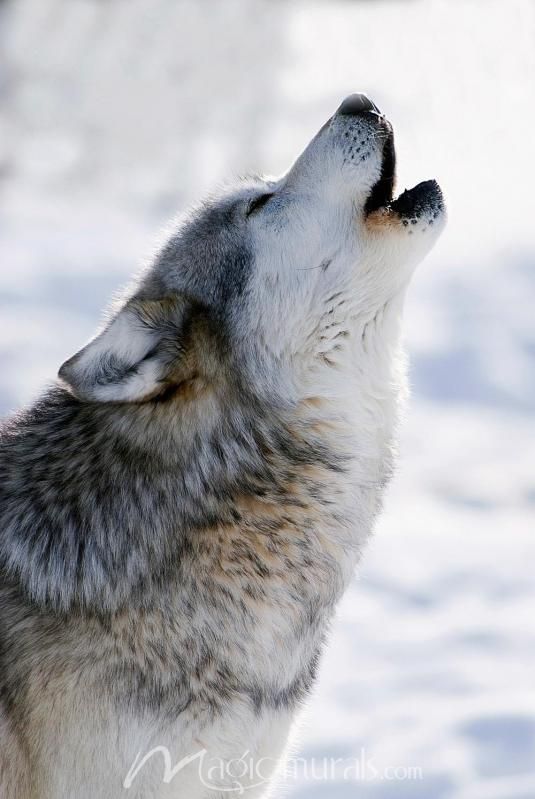
Sometimes called a timber wolf, the gray wolf’s numbers have declined significantly in the United States.  They are still plentiful in many rural areas around the rest of the world.

Here are a few quick facts about the gray wolf:

  • Habitat:  forests, mountains, grasslands, tundra, and deserts
  • Weight:  males up to 145 lbs or 65 kg, females up to 100 lbs or 45 kg
  • Diet:  small mammals (rats, squirrels, rabbits) and large mammals (deer, elk, caribou, moose, and even bison)
  • Lifespan:  typically 6-8 years

In the United States, the historic range of the gray wolf once covered nearly two-thirds of the country.  Today, wolves are primarily found in Alaska, northern Michigan, northern Wisconsin, western Montana, northern Idaho, northeastern Oregon, and Yellowstone National Park.

Hunted extensively, America’s wolf population plummeted.  In Yellowstone National Park, the last wolf was killed in 1926.  Reintroduced in 1995, the numbers in Yellowstone have grown to approximately 100.

Following a kill, a wolf will eat 20-30 lbs. (10-13 kg) of meat.  They are capable of surviving up to two weeks without eating.  In some areas, they threaten livestock.  In the Yellowstone ecosystem, elf make up nearly 90 percent of the wolves’ diet during the winter months.

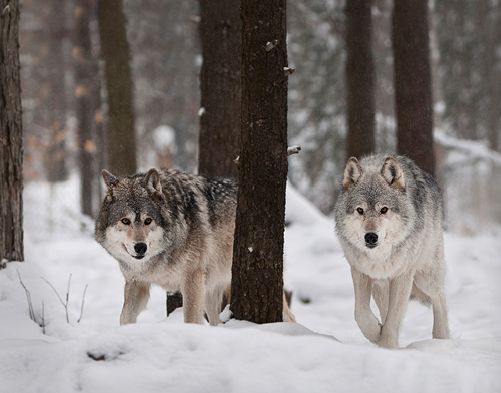
Wolves are organized together in packs of 4-7 adults.  They are highly intelligent and hunt as a group.  Being excellent and diligent hunters, they may hunt all night.  They can run long distances, and some hunt in territories up to 1,000 sq. miles (2,600 sq. kg).

left:  pair of wolves on the prowl.  right:  howling wolf (their own form of gps).  (photographs courtesy of pinterest.)


Answer to Brain Teaser Question

V

Trivia’s Facts and More (9/30)

Photo by Pixabay on Pexels.com

This informative post will be published on Saturday in place of my regular one.  You are invited to participate with the opening question.

Brain Teaser Question

What is the name of the world’s largest island?

(answer found at the end of this post)

Featured Facts

Admitted to the American Union on June 21, 1778, New Hampshire became its 9th state.

Here are a few quick facts about New Hampshire:

  • Capital City:  Concord
  • State Bird:  Purple finch
  • State Motto:  Live Free or Die

New Hampshire traces its history back to the original 13 English colonies.  Its namesake comes from the English county of Hampshire.

The state’s nickname is “Granite State.”  This relates to the numerous granite quarries in the state.  In 1776 at the signing of the Declaration of Independence, the New Hampshire delegates were the first to sign below the signature of the Congress’ President John Hancock.

New Hampshire is home to over 1,400 acres of apple orchards.  It is no wonder that apple cider is the official beverage of the state.

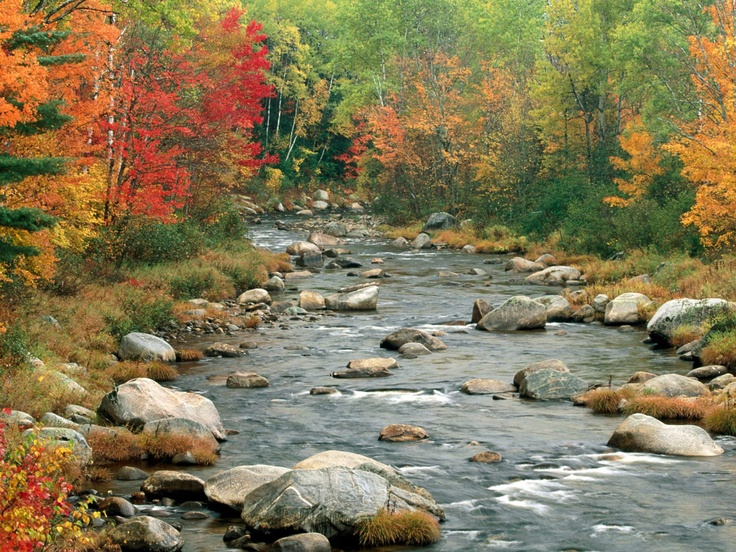
The state’s geography features a most distinctive landscape.  Frequently called the White Mountain State, nearly one quarter of the state contains forested mountain ranges.  Because of its mountainous scenery, New Hampshire is often referred to as the Switzerland of America.

left:  purple finch.  right:  fall foliage from the white mountains.  (photographs courtesy of pinterest.)


Answer to Brain Teaser Question

Greenland (if you answered Australia, remember that it is considered a continent)

Trivia’s Facts and More (9/23)

Photo by Pixabay on Pexels.com

This informative post will be published on Saturday along with my usual writing.  You are invited to participate with the opening question.

Brain Teaser Question

Take 1000.  Add 40.  Add another 1000.  Add 30.  1000 again.  Plus 20.  Plus 1000.  And plus 10.  What is the total?

(answer found at the end of this post)

Featured Facts

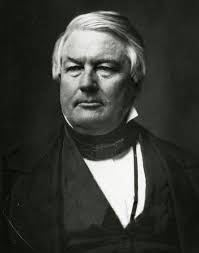
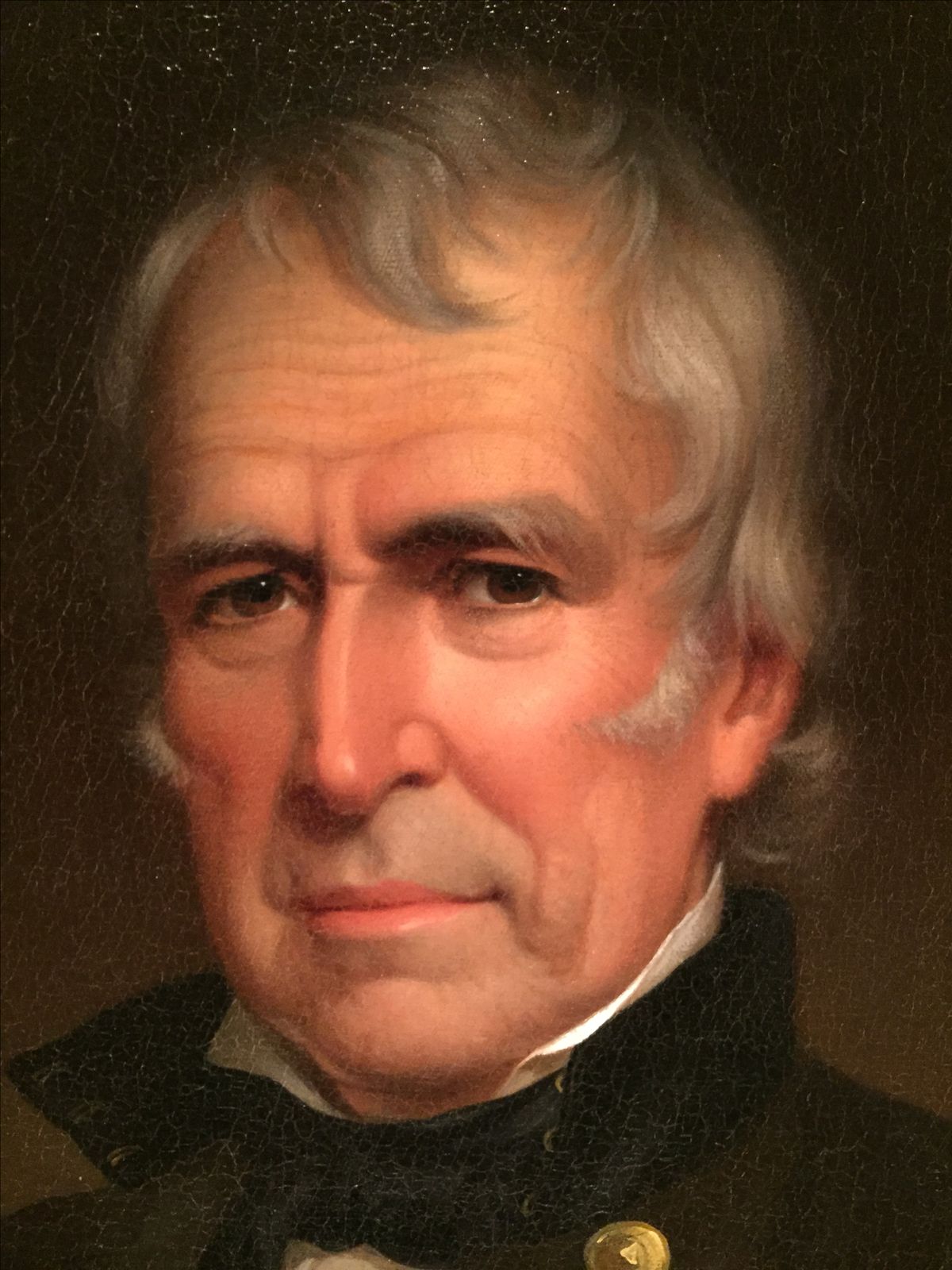
Zachary Taylor was elected in 1848 as the 12th President of the United States.  Unfortunately, his term of 16 months would be the second shortest in American history.

Here are a few quick facts about Zachary Taylor:

  • Born in Virginia (1784)
  • Completed a 40-year military career
  • Nicknamed “Old Rough and Ready”

Taylor’s career in the U. S. Army began with action during the War of 1812.  It concluded with his service as a major general during the Mexican War from 1846-1848.  His success as a military leader propelled him into the Presidency.

His famous nickname came from his troops because they appreciated his willingness to get his boots dirty alongside of them.  His father served in the army during the American Revolution.  His family roots have been traced to William Brewster, a passenger on the Mayflower, which arrived at Plymouth Rock in 1620.

Taylor never voted in an election until 1848 when he was running for President.  During his brief time in the White House, visitors frequently saw his favorite horse, Whitey, grazing on the lawn.

His education did not include any formal classes at the college level.  Despite being a slave owner, he possessed a strong nationalist spirit which favored preservation of the American union.

Following his untimely death in July, 1850, some historians and skeptics questioned Taylor’s cause of death.  In 1991, his body was exhumed, and no evidence was found that he had been poisoned.  Most medical experts believed that he probably died from gastroenteritis.  

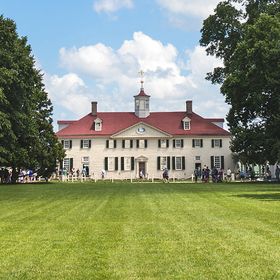
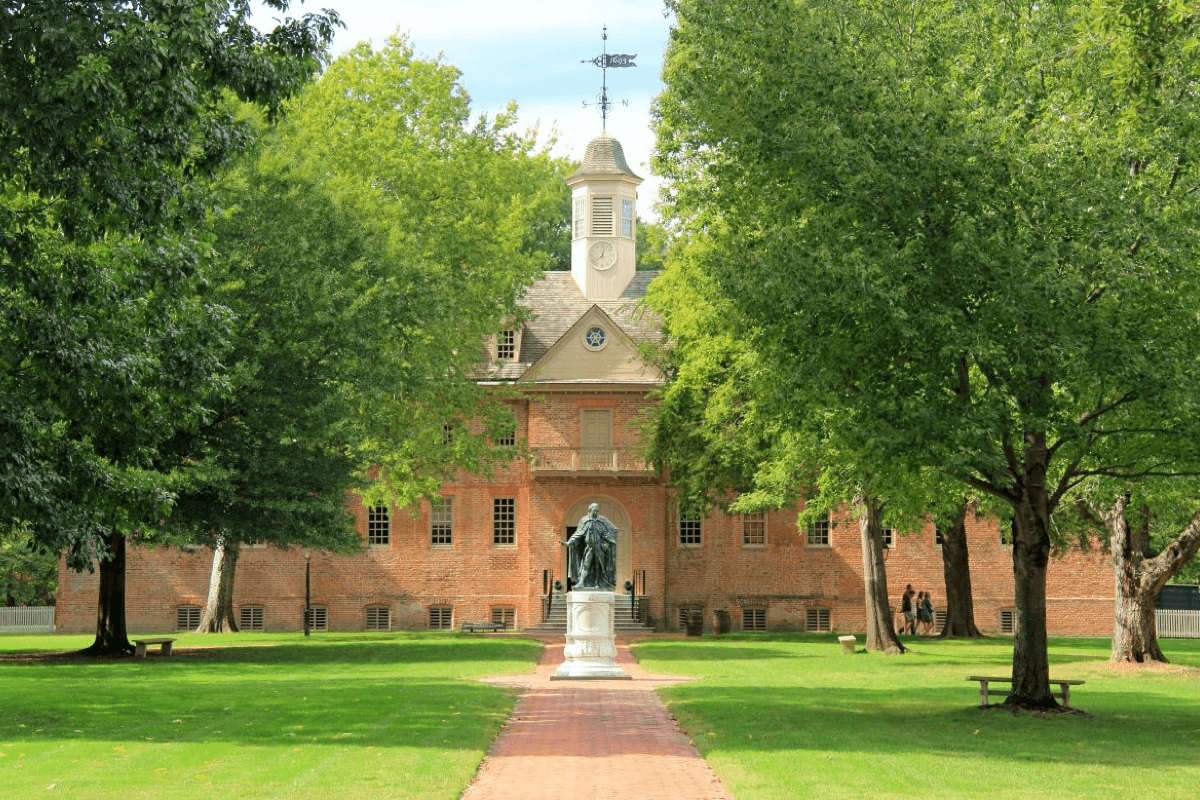
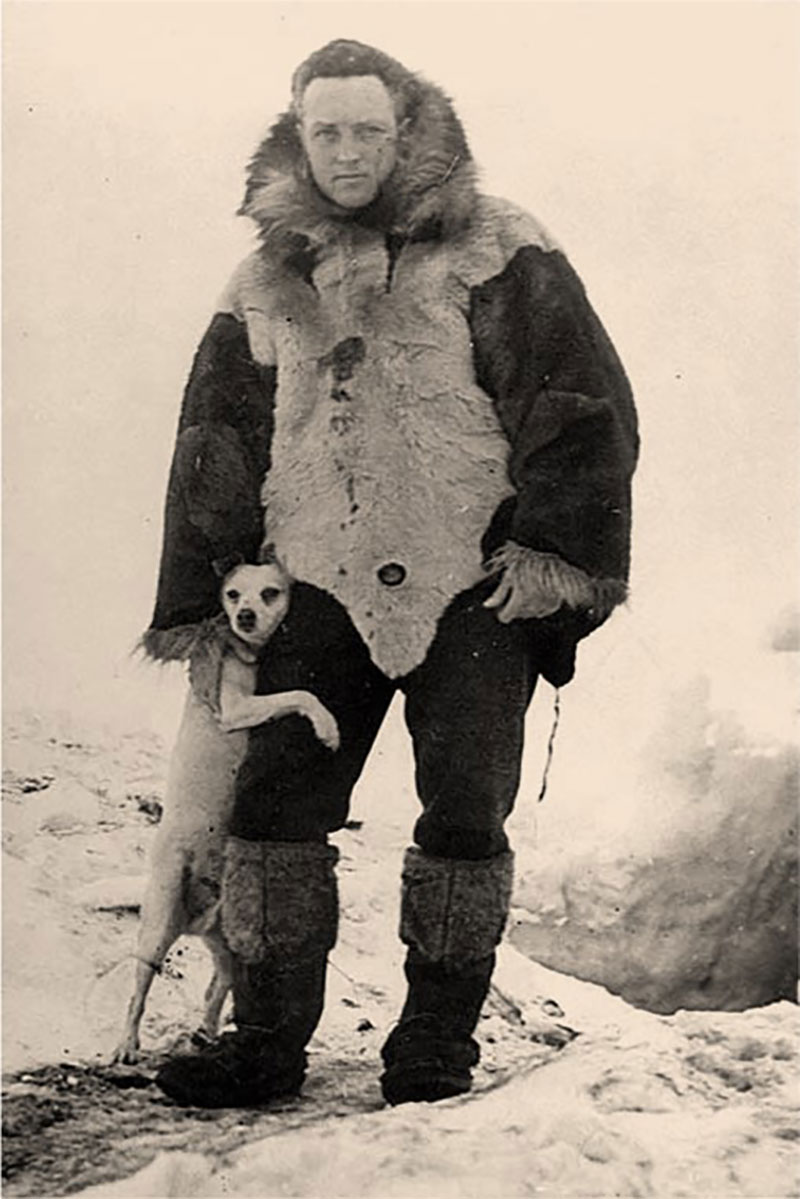
photographs courtesy of pinterest.


Answer to Brain Teaser Question

4100  (1000 + 40 + 1000 + 30 + 1000 + 20 + 1000 + 10  =  4100)

Trivia’s Facts and More (9/16)

Photo by Pixabay on Pexels.com

This informative post will be published on Saturday along with my usual writing.  You are invited to participate with the opening question.

Brain Teaser Question

What six words can you make using the letters STOP only once in each word?

(answer found at the end of this post)

Featured Facts

Today’s narrative will take a bit of a detour.  Let’s just call it an expanded Q & A about some of American television’s most iconic and regularly occurring lines.  The lines will be listed below, with the answers provided at the end of the list.

Here is the Top Ten as selected randomly without any special significance.  Can you name the television show for each?

What’s up doc?

Did I do that?

Heeeere’s Johnny!

Yabba dabba do!

Live long and prosper

Come on down!

Book ’em Danno

And that’s the way it is

The thrill of victory and the agony of defeat

Good night John Boy

Here are the answers.  How did you do?  You are invited to share in the comments some of your favorite lines from television shows as well as films.

What’s up doc?

Bugs Bunny from “Looney Tunes”

Did I do that?

Steve Urkel from “Family Matters”

Heeeere’s Johnny!

Ed McMahon introducing Johnny Carson on “The Tonight Show”

Yabba dabba do!

Fred Flintstone from “The Flintstones”

Live long and prosper

Mr. Spock from “Star Trek”

Come on down!

Contestant’s introduction from “The Price Is Right”

Book ’em Danno

Steve McGarrett from “Hawaii Five-O”

And that’s the way it is

News anchor Walter Cronkite’s sign-off from the “CBS Evening News”

The thrill of victory and the agony of defeat

Jim McKay as spoken on the introduction from ABC’s “Wide World of Sports”

Good night John Boy

Various family members at the end of each episode of “The Waltons”

photographs courtesy of pinterest.


Answer to Brain Teaser Question

STOP, POTS, TOPS, POST, SPOT, OPTS

Trivia’s Facts and More (9/9)

Photo by Pixabay on Pexels.com

This informative post will be published on Saturday along with my usual writing.  You are invited to participate with the opening question.

Brain Teaser Question

Where might you find someone who’s a real keeper?

(answer found at the end of this post)

Featured Facts

One of the insect world’s most interesting members is the hornet.  There is much more to this creature than one might think.

Here are some interesting facts about the hornet:

  • Description:  Related to bees with small waist, amber veined wings, and stinger at end of abdomen.
  • Habitat:  Forests, towns, suburbs with nests attached to trees or buildings.
  • Diet:  Insects such as flies and caterpillars.

The life cycle of the hornet is fascinating.  As the autumn frosts kill the workers in the nest, a fertilized female hibernates in a sheltered place.  In the spring she emerges and starts up a new nest, which is usually built in a hollow tree or protected area of a building.  

As spring continues, the first generation of offspring will all be female workers.  By late summer, males are produced from unfertilized eggs with one purpose.  They mate and then die.

Hornets hate the smell of mint.  By planting a plant mint around one’s house or keeping a pot of mint near the areas where these pests are usually found, hornets will likely keep away.   The use of peppermint oil has the same effect.

It is very important to be extra careful around a hornet nest.  The workers defend it fiercely and will string repeatedly.  As summer moves into autumn and killer frosts show up, the hornets will abandon the nest, and the life cycle will begin again in the spring.

Left:  contrast in size between a hornet and the human hand.  right:  Hornet nest in tree–keep a safe distance!  photographs courtesy of pinterest.


Answer to Brain Teaser Question

At the zoo

Trivia’s Facts and More (9/2)

Photo by Pixabay on Pexels.com

This informative post will be published on Saturday along with my usual writing.  You are invited to participate with the opening question.

Brain Teaser Question

A butcher in the meat shop is 5′ 10″ tall.  What does he weigh?

(answer found at the end of this post)

Featured Facts

Well-adapted to a desert climate, the Roadrunner lives in the deserts of the American southwest as well as portions of Mexico and Central America.

Here are some interesting facts about the Roadrunner:

  • Diet:  insects, reptiles, small rodents, spiders, scorpions, eggs, fruits, seeds
  • Average lifespan:  7-8 years
  • Top speed:  17 mph when running

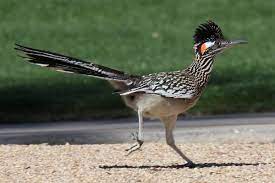
Roadrunners can fly like any bird, but they prefer to sprint when hunting their prey.  They are frequently seen darting across roads.

In a sense, they provide free pest control in the wild.  Using their quickness, they easily catch their next meal.  Each meal also quenches the bird’s thirst from the fluids found in the captured food.

Both males and females incubate eggs and care for newborn chicks.  Each bird’s foot consists of four toes with two pointing forward and two backward.

Over the years, the Roadrunner has found a unique place in American culture.  First seen in 1949, “Looney Tunes” and “Merrie Melodies” brought the Roadrunner to viewers in numerous animated features.  Automobile manufacturer Plymouth designed a car, named the Roadrunner.  In 1971, driver Richard Petty’s famous #43 captured a Grand National Championship.  His superbird Roadrunner was designed to compete in NASCAR races.

Left:  Roadrunner crossing a road.  right top:  Animated characters roadrunner and wile. e. coyote.  right bottom:  richard petty’s 1971 Roadrunner #43.  photographs courtesy of pinterest.


Answer to Brain Teaser Question

To solve this tricky brain twister, study what you have to work with in the question.  Since it doesn’t give any indication of the butcher’s weight, the word “weigh” must refer to something else.  The butcher weighs meat!

Trivia’s Facts and More (8/26)

Photo by Pixabay on Pexels.com

This informative post will be published on Saturday along with my usual writing.  You are invited to participate with the opening question.

Brain Teaser Question

The peacock is an unusual bird with long, beautiful feathers.  It does not lay eggs.  So where do baby peacocks come from?

(answer found at the end of this post)

Featured Facts

Granted statehood on March 4, 1791, Vermont became the first state admitted to the American Union following the original thirteen colonies.

Here are some interesting facts about Vermont, nicknamed the Green Mountain State:

  • Motto:  Freedom and Unity
  • Capital City:  Montpelier (smallest state capital in the U.S.)
  • State Bird:  Hermit Thrush
  • State Flower:  Red Clover

French explorer Samuel de Champlain inspired Vermont’s name with his words upon seeing the land that would later become Vermont.  He called it “les monts verts” which means the green mountains.  

Vermont was the birthplace of two American Presidents:  Calvin Coolidge and Chester A. Arthur.  Its constitution was the first in America to abolish slavery.

Vermont has been well-known for maple syrup and Ben & Jerry’s ice cream.  Made famous in the film, “The Sound of Music,” the Von Trapp family would move from Austria to Vermont where they made a home in the town of Stowe. 

Left:  vermont’s capitol in montpelier.  right:  hermit thrush (state bird).  photographs courtesy of pinterest.


Answer to Brain Teaser Question

From eggs.  The peahen lays the eggs.  The peacock is the male.

Trivia’s Facts and More (7/29)

Photo by Pixabay on Pexels.com

This informative post will be published on Saturday along with my usual writing.  You are invited to participate with the opening question.

Brain Teaser Question

What is the shortest name of a U.S. state that shares a letter in common with each of the other 49 states?

(answer found at the end of this post)

Featured Facts

The 11th American President was James Polk, whose single term (1845-1849) included many notable accomplishments.

Here are some interesting facts about President Polk:

  • State Represented:  Tennessee
  • Political Party:  Democratic
  • College Attended:  University of North Carolina (his birth state)
  • Other Political Offices:  Tennessee Governor, Speaker of the U.S. House of Representatives, Tennessee Legislature

When elected to the office of President in 1844, James Polk became the first dark horse candidate to win the nation’s highest office.  Being an overlooked underdog, Polk was nominated as a compromise candidate for the Democratic Party when its nominating convention was deadlocked.  He campaigned with an agenda to annex Texas into the U.S. as well as opening up the Oregon territory to American settlers.

Polk’s nickname of “Young Hickory” reflected his mentorship under another famous Tennessean, President Andrew Jackson.  Jackson’s nickname was “Old Hickory.”  

Promising to only serve one term, James Polk continued a long line of one-term Presidents, who followed the two-term Presidency of Andrew Jackson (1829-1837).  There would not be another President elected to a second term until Abraham Lincoln in 1864.

Polk’s term in office featured several distinguished outcomes:

  • Founding of the Smithsonian Institute
  • Construction begins on the Washington Monument
  • U.S. Naval Academy founded in Annapolis, Maryland
  • Extension of the American northern border along the 49th parallel

After leaving the White House, James Polk’s life (1795-1949) was cut short due to illness.  He died a few months later, probably from cholera.  Taking only 27 days off during his term, Polk was a workaholic as President.  This quote from his diary reinforced how dedicated he was to his responsibilities as President:

“No President who performs his duty faithfully and conscientiously can have any leisure time.  I prefer to supervise the whole operations of the government myself rather than entrust the public business to subordinates, and this makes my duties very great.”

photographs courtesy of pinterest.


Answer to Brain Teaser Question

Maine

Trivia’s Facts and More (7/22)

Photo by Pixabay on Pexels.com

This informative post will be posted on Saturday along with my usual writing.  You are invited to participate with the opening question.

Brain Teaser Question

What word becomes shorter when you add letters to it?

(answer found at the end of this post)

Featured Facts

One of North America’s most majestic animals is the bighorn sheep.  They are part of the mammals subfamily of bovines, which includes cattle, bison, African buffalo, and antelopes.

Here are some interesting facts about the bighorn sheep:

  • Habitat:  Western foothills, mountains, and plateaus
  • Diet:  Grasses, leaves, shrubs, and cactus
  • Average lifespan:  12-14 years (ewes usually live longer than rams)
  • Weight:  Up to 300 pounds (135 kg)

As a species related to mountain goats, bighorn sheep and goats possess cloven hooves, which are split into two toes.  This allows them to grasp rocky cliffs with finger-like dexterity.

Predators of the bighorn sheep include:  wolves, coyotes, mountain lions, and bobcats.  The sheep defend themselves with exceptional vision, excellent hearing, and an outstanding sense of smell.

Both males and females feature horns.  The males’ horns are huge in size and feature an extremely curved shape.  The horns weigh up to 30 pounds (14 kg), and if straightened out, they would extend up to two feet.  Each ring on the horns represents one year of growth.  The females’ horns are smaller and straighter.

During mating season, the males (rams) compete over the females (ewes).  They charge each other in head-to-head combat.  The sound of these crashes can be heard up to a mile away.  The males’ thick, bony skull prevents injury from these battles.

from left to right:  male (ram), female (ewe), and males in combat.   (Courtesy of pinterest)

Answer to Brain Teaser Question

Short