Trivia’s Facts and More (4/6)

Photo by Pixabay on Pexels.com

This informative post will be published on Saturday in place of my regular one.  You are invited to participate with the opening question.

Brain Teaser Question

Take me out and scratch my head.  I am now black but once was red.  What at I?

(answer found at the end of this post)

Featured Facts

As one of the original 13 American colonies under England’s rule, the American state of Pennsylvania has enjoyed a unique and dynamic history.

Here are a few quick facts about the Keystone State:

  • Capital City:  Harrisburg
  • Statehood:  December 12, 1787 (second state after Delaware to join the Union)
  • State Flower:  Mountain Laurel
  • State Bird:  Ruffed Grouse
  • State Motto:  Virtue, Liberty, and Independence

Pennsylvania was named after founder William Penn’s father, Admiral Sir William Penn.  The state’s name honored (Penn) and the Latin word (Sylvania) which means woodlands.

When the colony of Pennsylvania was founded in 1681 by William Penn, he desired a place that offered a fair form of government as well as religious freedom.  Known as the Keystone State, this nickname recognized the central location of Pennsylvania in relation to the rest of the 13 colonies.

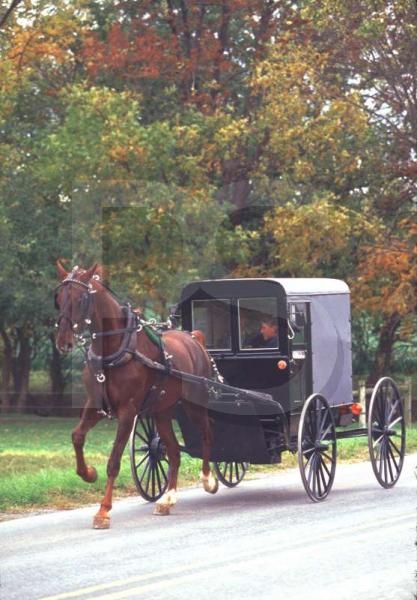
Pennsylvania was the only original colony not bordered by the Atlantic Ocean.  It has provided home for the largest concentration of Amish culture in the United States.  They have accepted a simple way of life which has included plain clothing and a reluctance to use modern technology.  Most of the Amish have lived in the region centered around the city of Lancaster.

In 1900 after selling his Lancaster Caramel Company, businessman Milton Hershey opened his Hershey Chocolate Company in the company town of Hershey, which was located about 30 miles northwest of Lancaster.  

German immigrants arrived in Pennsylvania during the 17th, 18th, and 19th centuries.  They have been commonly called Pennsylvania Dutch.  Most settled before 1800 in order to escape religious persecution.

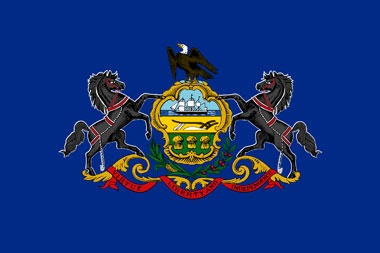
top left and moving clockwise:  Mountain laurel, ruffed grouse, original hershey chocolate factory, amish buggy,  pennsylvania state flag.  (Images courtesy of Pinterest)

Answer to Brain Teaser Question

A match

Trivia’s Facts and More (3/23)

Photo by Pixabay on Pexels.com

This informative post will be published on Saturday in place of my regular one.  You are invited to participate with the opening question.

Brain Teaser Question

If you multiply this number by any other number, the answer will always be the same.  What number is this?

(answer found at the end of this post)

Featured Facts

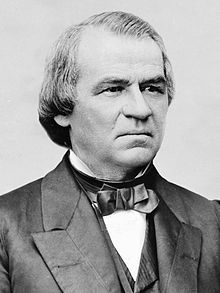
Following Abraham Lincoln’s assassination, Andrew Johnson was sworn in as the 17th President of the United States in April, 1865.  He would serve one term in office until 1869.

Here are a few quick facts about “The Father of the Homestead Act”:

  • State represented:  Tennessee
  • Occupation:  Tailor
  • Life span:  1808-1875
  • Other elected offices:  Governor, U.S. Congress (both in the House and Senate)
  • Notable achievements as President:  in 1867 purchase of Alaska from the Russian Empire; in 1865 ratification by the states of the 13th Amendment to the U.S. Constitution (abolishing slavery)

Like his predecessor, Abraham Lincoln, Johnson was a self-educated man.  He became a highly popular politician in Tennessee.  

Johnson, a southern Democrat, chose to support the Union when the Civil War broke out.  He was the only southern Senator to remain at his post when most of the South, including his home state of Tennessee, seceded from the Union.  

Johnson supported proposed legislation for the Homestead Act in the late 1850s.  While most Democrats were against the bill, he remained a strong advocate.  Eventually the legislation passed Congress and was signed into law by President Lincoln in 1862. 

With the approaching election of 1864, President Lincoln felt that he would need to broaden his support with others outside of his Republican Party.  His party chose Tennessee Democrat Johnson to join the ticket as the candidate for Vice President.  The juggernaut of Lincoln and Johnson easily won election, and Lincoln’s victory insured that he would be the first incumbent to win a second term since Andrew Jackson in 1832.  

Of course, fate intervened in April, 1865.  Upon assuming the Presidency, Johnson attempted to follow Lincoln’s moderate plan for Reconstruction after the Civil War.  Johnson ran into stiff resistance from the Radical Republicans in Congress.  Eventually Johnson faced more and more opposition, which led the U.S. House of Representatives to approve the first impeachment of an American President in 1868.   Fortunately for Johnson, he narrowly escaped conviction in the U.S. Senate by one vote.

OFFICIAL portrait of Johnson as President, election of 1864 poster with Lincoln and Johnson (take note of the party label of “National Union”), Johnson’s home in Greeneville, Tennessee.  (Images courtesy of Pinterest)

Answer to Brain Teaser Question

Zero

Trivia’s Facts and More (3/16)

Photo by Pixabay on Pexels.com

This informative post will be published on Saturday in place of my regular one.  You are invited to participate with the opening question.

Brain Teaser Question

I am an odd number.  Take away one letter, and I become even.  What number am I?

(answer found at the end of this post)

Featured Facts

One of the most dangerous of all arachnids (spiders) in the United States is the black widow.  The female black widow is well known for her poisonous venom, nimbleness when moving, and ability to remain solitary and secretive.

Here are a few quick facts about the black widow spider:

  • Diet:  Carnivore (eating other insects caught in its web)
  • Size:  Females (1 inch) are about twice the size of males (.5 inch)
  • Habitat:  Wooded, shaded areas; fallen logs; crawl spaces and basements

Female black widow spiders possess a body that has a distinct, shiny appearance.  The abdomen is almost round in its shape.  Males have white and red marks on their abdomen, and their legs are longer than those of females.

The life cycle of the black widow begins with the female laying between 100-400 eggs, which are stored in a brown, papery sac.  She will guard the eggs for about 20-30 days until hatching begins.  Spiderlings will transition from orange, brown, and white in color to more and more black with each molting.  They will need about three to four months to fully mature.

The female black widow’s red hourglass mark on her underside serves as a warning to other insects, birds, and humans that she is dangerous.  While her bite is venomous, only humans who are very young or old are most at risk of more serious complications or even death.  The male black widow presents no danger at all.

The venom found in a female black widow is about 15 times stronger than a rattlesnake’s.  Swelling may occur around the wound with other symptoms of cramping, sweating, and chills.  Since the spider is considerably smaller than the rattlesnake, the volume of released venom is much less.  A close relative of the black widow, the Australian redback spider, has more potent venom.

Cannibalistic behavior is sometimes observed with black widow spiders.  After mating, the female may sometimes eat the male, but this doesn’t occur as often as most people think.  Of course, the name “black widow” refers to this phenomenon.  Some spiderlings may consume smaller siblings–especially right after birth.

Top left and moving clockwise:  enlarged view of female’s shape, contrast with the male’s size and shape, female’s distinctive red hourglass mark, papery sac filled with eggs, spiderlings after hatching.  (courtesy of Pinterest)


Answer to Brain Teaser Question

Seven

Trivia’s Facts and More (3/9)

Photo by Pixabay on Pexels.com

This informative post will be published on Saturday in place of my regular one.  You are invited to participate with the opening question.

Brain Teaser Question

What do Oscar the Grouch, Alexander the Great, and Winnie the Pooh have in common?

(answer found at the end of this post)

Featured Facts

A subspecies of the brown bear, the grizzly bear is one of the largest and most dangerous bears in the United States.

Here are a few quick facts about the grizzly bear:

  • Standing Height:  6-8 feet (1.8-2.4 m)
  • Weight:  Mature male, 700-800 pounds; mature female, 300-400 pounds
  • Top Speed:  Approximately 30 mph
  • Average Lifespan:  25 years
  • Color:  Light tan to dark brown

Predominately living in mountainous and forested areas of the northwest U.S., western Canada, and Alaska, the grizzly bear is more dangerous to humans than sharks.  Since they are labeled as apex predators, they reside at the top of the food chain with no natural enemies.

Grizzly bears are omnivores, so their diet consists of plants and animals.  They eat a variety of berries, roots, fruits, and nuts.  They also feast on grubs, fish, small mammals, and even larger mammals such as bison and deer.

While males are solitary, females will stay with their cubs for 2-3 years.  The young cubs will learn much from their mother:  what berries to eat, how to hunt fish, and how to hunt prey.  Grizzly bears are one of the world’s most intelligent animals with an exceptional memory.

Mature males are easy to distinguish from other bears by their over-sized hump shoulder.  This mass of muscles is attached to the backbone, which gives grizzly bears superior strength for digging.  The strong front legs allow for amazing speed, which allows for catching prey, digging, and foraging.  Powerful front paws can bring down a large mammal with a single swat.

Grizzly bears spend the winter months in hibernation.  This time usually begins in October of November and runs for 4-6 months.  During hibernation, up to 30 percent of weight may be lost, and females will give birth to their cubs at this time.  Prior to hibernation, each adult’s appetite is characterized as a feeding frenzy (called hyperphagia).  During the 2-4 months before hibernation begins, mature bears will add three pounds of weight per day as they gain anywhere from 200-300 pounds.

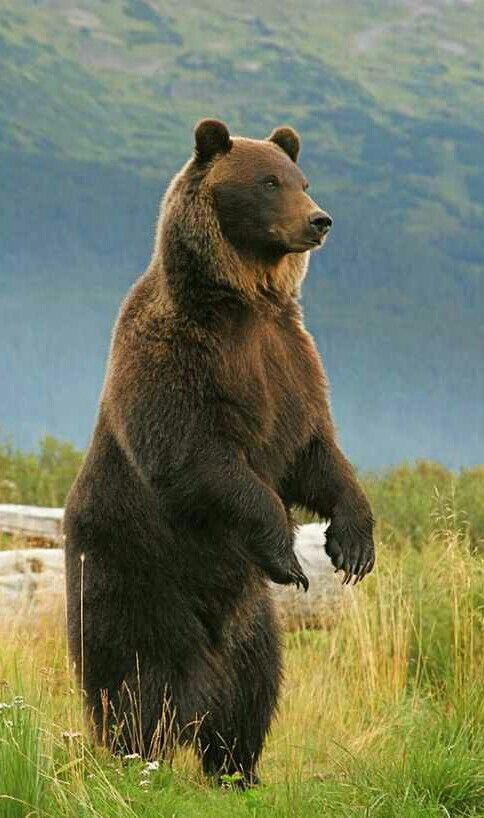
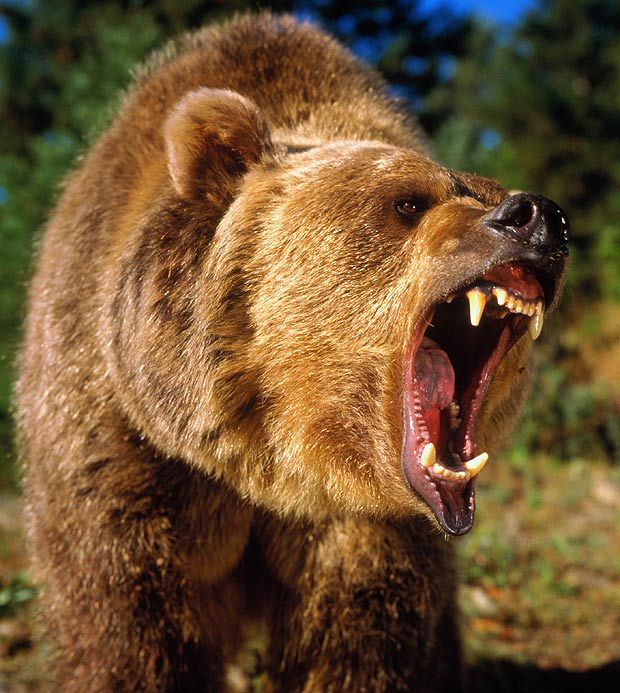
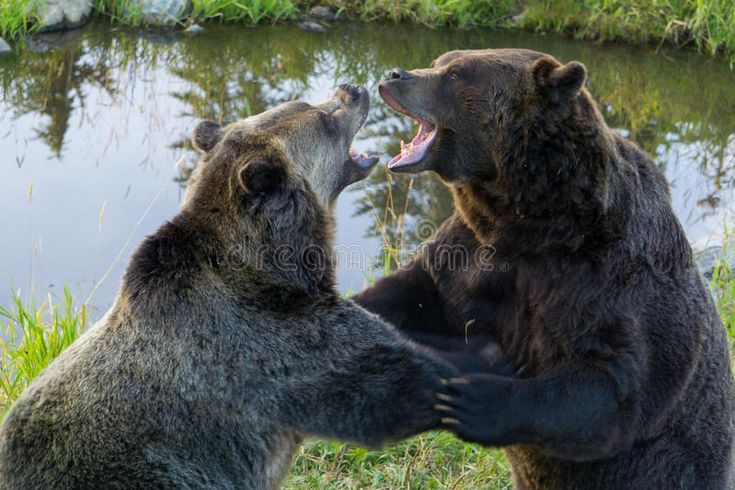
top row:  male (notice the shoulder hump, mother with cubs, male standing.  Bottom row:  ferocious male, pair of males in combat.  (courtesy of pinterest)


Answer to Brain Teaser Question

Their middle names . . . THE

Trivia’s Facts and More (3/2)

Photo by Pixabay on Pexels.com

This informative post will be published on Saturday in place of my regular one.  You are invited to participate with the opening question.

Brain Teaser Question

Built on a concrete slab, there is a one-story house where everything is yellow.  The walls are yellow.  The doors are yellow.  All of the furniture is yellow.  The house has yellow beds and a yellow sofa.  What color are the stairs?

(answer found at the end of this post)

Featured Facts

Admitted to the American union on December 11, 1816, the “Hoosier State” of Indiana becomes the country’s 19th state.

Here are a few quick facts about Indiana:

  • Capital City:  Indianapolis
  • State Bird:  Cardinal
  • State Flower:  Peony
  • State Motto:  The Crossroads of America

The word “Indiana” in Latin means “Land of the Indians.”  Native Americans are the original inhabitants of this territory.  European culture arrives in 1673 when a French trading post is built on the Kankakee River.  In 1679, French explorer René-Robert Cavelier, Sieur de La Salle claims the territory for King Louis XIV.

Indiana offers a treasure trove of places to visit.  They provide quite a variety of attractions for tourists coming to the “American Crossroads” state.

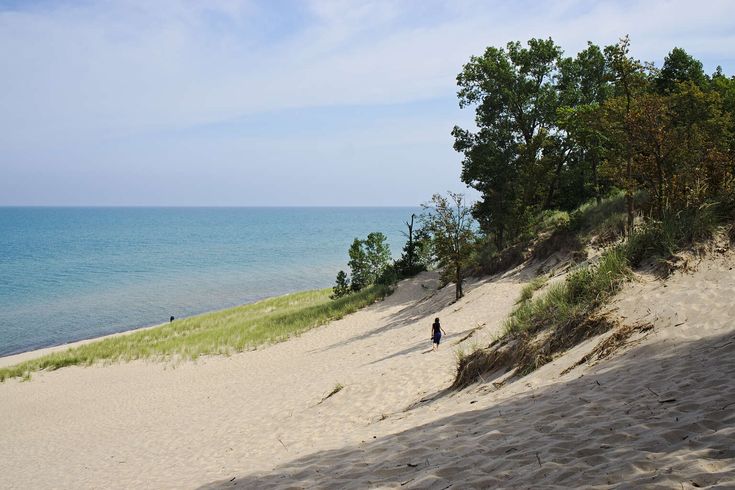
Indiana Dunes National Park is located along 15 miles of the southern shore of Lake Michigan.  Visitors are invited to walk in glacial sands that have been pulled up into nearly 250-foot tall dunes.  In addition to the dunes, hikers experience a thriving ecosystem featuring wetlands, prairies, and old-growth forests.

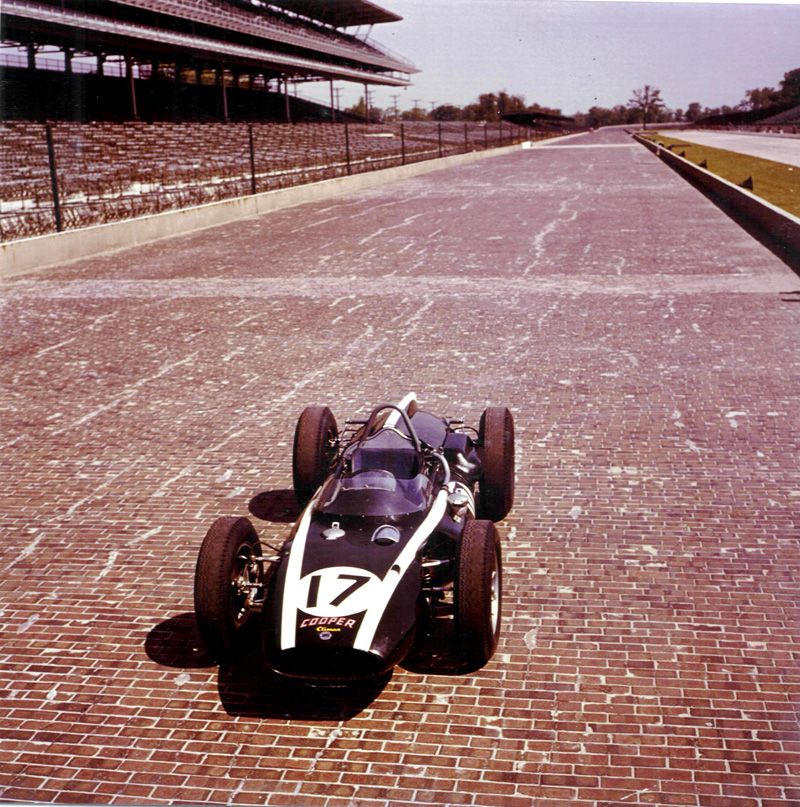
America’s greatest spectacle of auto racing offers drivers a chance to make history over Memorial Day weekend with the Indianapolis 500.  Since its inaugural race in 1911, racing fans have been coming to the speedway.  On race day, over 250,000 spectators make their way to the Brickyard.

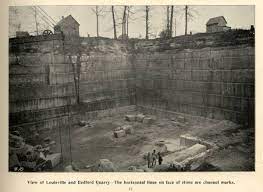
Bedford is rightly called the “Limestone Capital of the World.”  The small city is surrounded by large limestone quarries.  Limestone from Bedford has found its way into prominent buildings around the United States, including the Empire State Building in New York City, and the Pentagon and National Cathedral in Washington, DC.

Here are three more significant historical notes from Indiana:

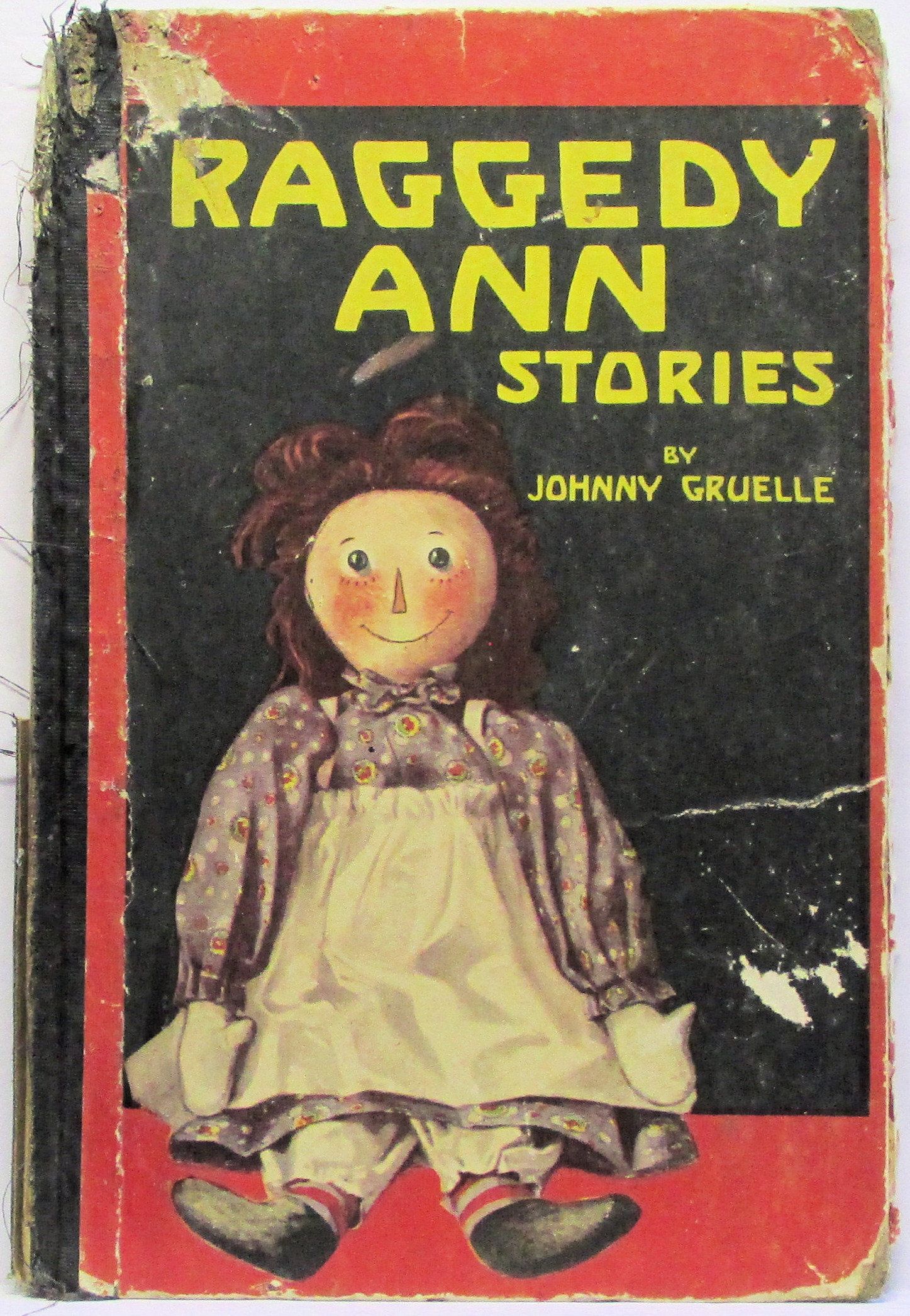
  • The famous Raggedy Ann doll is created in 1915 by Indianapolis author and cartoonist, Johnny Gruelle.  Later on, he adds books, songs, and cartoons to the Raggedy Ann collection.
  • Wabash becomes the world’s first electrically lighted city on March 31, 1880.
  • Fort Wayne hosts America’s first professional baseball game on May 4, 1871.  By the way, Fort Wayne’s Kekiongas won 2-0.

from left to right:  from 1961, Indianapolis 500 speedway with its original bricks (the track is paved for 1962), portion of the limestone quarries near bedford. Indiana dunes national park along lake michigan, Original raggedy ann Stories (1918) written by Johnny Gruelle)  (photographs courtesy of pinterest.)


Answer to Brain Teaser Question

There are no stairs–it’s a one-story house.

Trivia’s Facts and More (2/17)

Photo by Pixabay on Pexels.com

This informative post will be published on Saturday in place of my regular one.  You are invited to participate with the opening question.

Brain Teaser Question

A king, a queen, and two twins all rest in a large room.  How are there no people in the room?

(answer found at the end of this post)

Featured Facts

Many historians consider Abraham Lincoln to be the greatest of all Presidents of the United States.  The 16th President held the Union together during the American Civil War.

Here are a few quick facts about Abraham Lincoln:

  • Political party:  Republican (years earlier with the Whigs)
  • State represented:  Illinois (home in Springfield)
  • LIfespan:  1809-1865
  • Birthplace:  Hodgeville, Kentucky

America’s 16th President was self-educated and practiced law in his adult life.  He was the first President elected to two terms in office since Andrew Jackson was re-elected in 1832.  

Standing at a height of 6 feet, 4 inches, Lincoln was the tallest President.  One of his nicknames was “Honest Abe.”  This name was given to him after he repaid a debt that he owed.

At the height of the Civil War, Lincoln’s vision to end slavery in the United States was brought to fruition when his Emancipation Proclamation was issued on January 1, 1863.  Because of this event, Lincoln was also nicknamed “The Great Emancipator.”

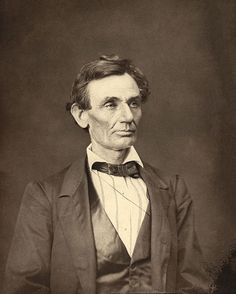
When Lincoln was elected President in 1860, he was still clean-shaven.  Upon receiving a letter from 11-year old Grace Bedell from New York state, he decided to follow her suggestion to lengthen his whiskers.  Lincoln became the first President to wear a full beard.

Lincoln faced numerous setbacks during his life.  These only tempered his attitude and resolve for what would await him when he arrived at the White House in 1861.  Many of the southern states were already seceding from the Union before his inauguration.

A summary of some of Lincoln’s most notable setbacks follows.

1832:  Defeated in election to the Illinois state legislature

1833:  Village store purchased fails (bringing heavy debt to Lincoln and his partner)

1835:  His sweetheart, Ann Rutledge, died unexpectedly.  

1836:  Experienced a nervous breakdown

1843:  Defeated in nomination attempt to the U.S. House of Representatives

1854:  Defeated in election to the United States Senate

1858:  Defeated in election to the United States Senate

It’s ironic that Lincoln defeated his 1858 Senate opponent, Stephen A. Douglas, in the Presidential Election of 1860.

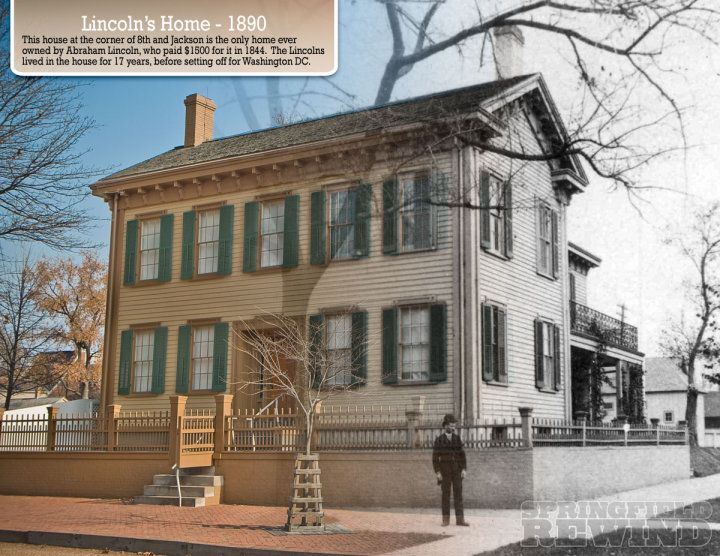
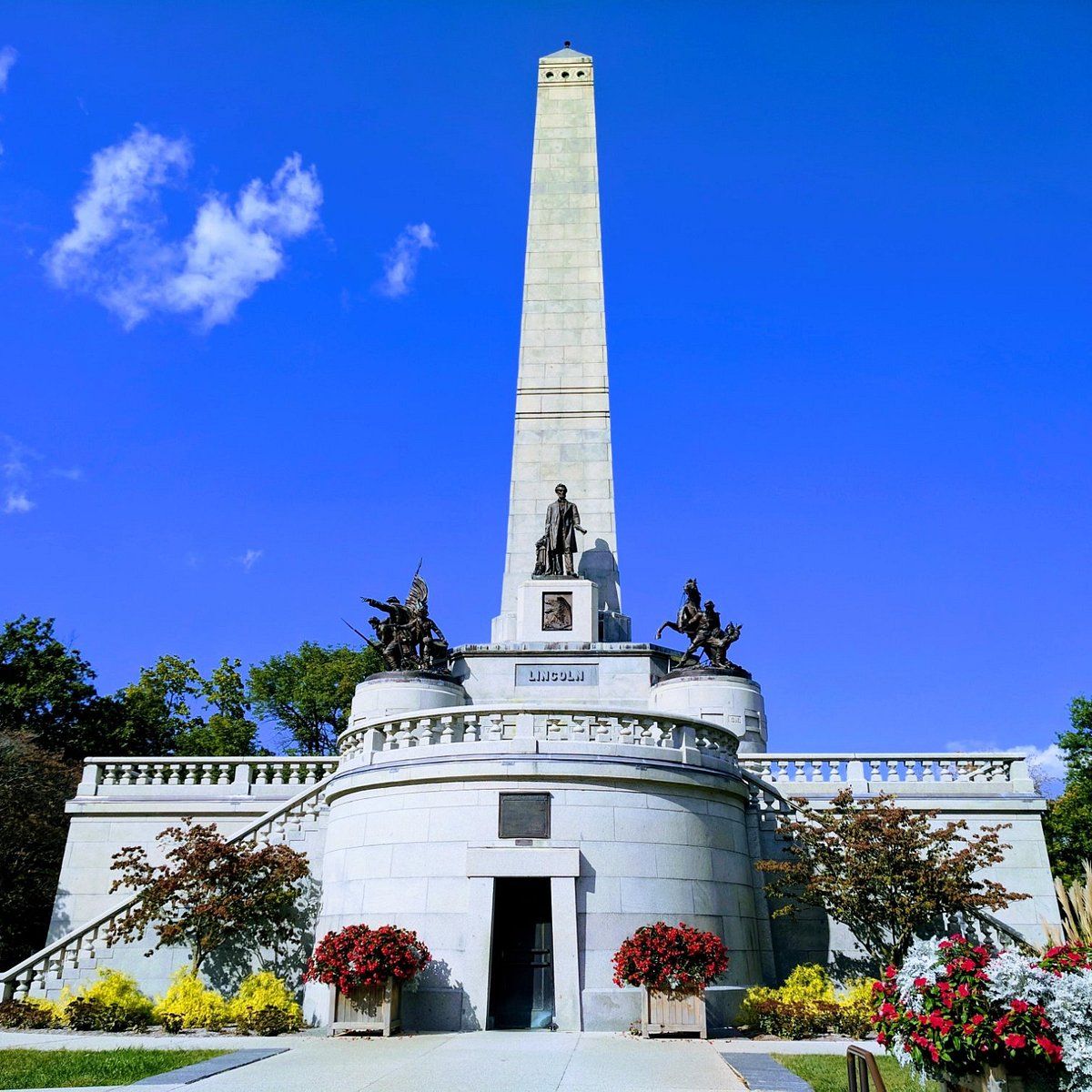
top row:  with full beard, lincoln as president.  clean-shaven lincoln before his election in 1860.  Middle row:  in the field, Lincoln meets with Union general george p. Mcclellan.  lincoln’s log cabin birthplace in Kentucky and Lincoln family home in Springfield, Illinois.  Bottom:  Lincoln’s tomb in Springfield.  (photographs courtesy of pinterest.)


Answer to Brain Teaser Question

They are all beds.

Trivia’s Facts and More (2/10)

Photo by Pixabay on Pexels.com

This informative post will be published on Saturday in place of my regular one.  You are invited to participate with the opening question.

Brain Teaser Question

How is “seven” different from the rest of the numbers between one and ten?

(answer found at the end of this post)

Featured Facts

A familiar indoor sound often comes from the tiny cricket.  There are about 900 species worldwide.

Here are a few quick facts about the cricket:

  • Size:  .5 to 1 inch (13-25 mm)
  • Color:  black, brown, reddish-brown, green
  • Diet:  any plant or animal matter
  • Life cycle:  females lay eggs singly in the ground or in rows in plant tissues

Resembling a grasshopper, the cricket possesses powerful hind legs, small wings, and a long, slender antennae.  They are nocturnal creatures, and they are gifted with acute hearing.  This is evident when a human tries to sneak up on a cricket.  Their ears are located on the knee of each front leg.

Crickets are frequently found in plant undergrowth and sheltered areas.  House crickets are found indoors in homes, bakeries, and kitchens.

The pleasant chirp of a cricket comes from the male.  He raises his ribbed left forewing, then rubs it against the scraper on his right forewing.  The male’s calling  serenades an interested female with his courtship song.

Many consider it good luck to have a cricket living in a home near the hearth of the fireplace.

The use of the word “cricket” has found meanings in other parts of the human world.  The game of cricket is the second most popular sport in the world.  It revolves around a bat and ball game played between two teams of 11 players each.

One of American music’s iconic rock and roll bands in the late 1950s was the Crickets.  Buddy Holly was the lead singer with original members:  Jerry Allison, Joe Mauldin, and Niki Sullivan.

vertically on the left:  pair of crickets (notice the difference in color), game of cricket.  right:  buddy holly and the crickets.  (photographs courtesy of pinterest.)


Answer to Brain Teaser Question

Seven has two syllables and the other numbers only have one syllable.

Trivia’s Facts and More (2/3)

Photo by Pixabay on Pexels.com

This informative post will be published on Saturday in place of my regular one.  You are invited to participate with the opening question.

Brain Teaser Question

Put these statements in the correct order.

(A)   Thousands of children receive milk substitutes.

(B)   Milk drivers and plant employees go out on strike.

(C)   The milk workers’ union demands increased wages.

(D)   Milk employees go back to work.

(E)   Union members vote to ratify the new contract.

(answer found at the end of this post)

Featured Facts

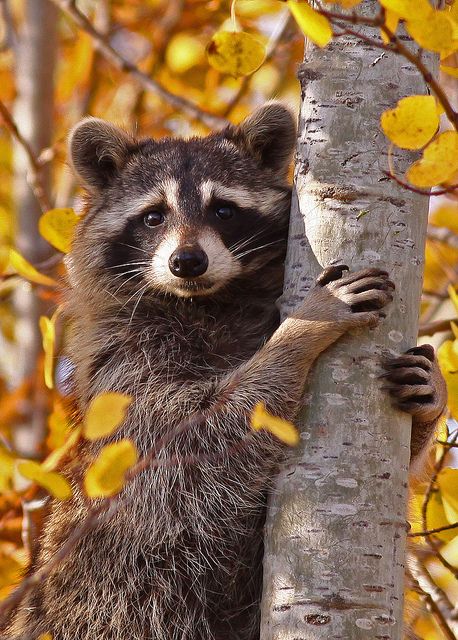
One of America’s most frequently spotted animals is the nocturnal bandit, commonly called a raccoon.  Raccoons are native to a large geographical area, which stretches from Canada to Panama.

Here are a few quick facts about the raccoon:

  • Body length:  2-3 feet (.6-.9 m)
  • Tail length:  14-19 inches (35-48 cm)
  • Weight:  approximately 20 pounds for mature adult
  • Diet:  fruit, insects, birds, frogs, small mammals
  • Lifespan:  2-5 years

As raccoons live throughout the United States, they are frequently found in woodlands, wetlands, forest, and towns.  Raccoons are many times considered pests as they search for food in a community’s garbage.

The name raccoon comes from the Algonquian word “aroughcun” which means “he who scratches with his hands.”  They are intelligent and curious; they also adapt well to most any living environment.

Raccoons possess hand-like claws, and they can usually open jars and doors with ease as well as grasping food.  In using their hands, raccoons turn, inspect, and wash food before eating.

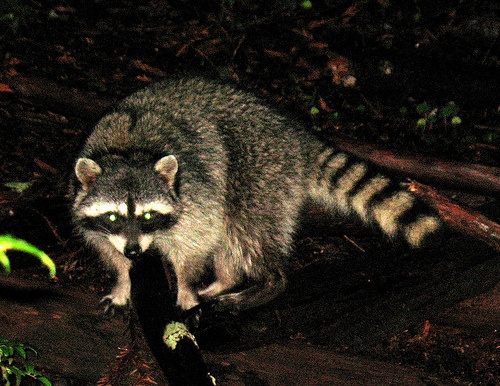
The mask-like markings on a raccoon’s face help to reduce glare from light and allow for better night vision.  Their sharp claws and nibble paws allow them to expertly climb trees and other surfaces.  A group of raccoons is called a nursery, and the babies are called kits.

top left and moving clockwise:  pair of adults, CURIOUS babies, adult climbing tree, spotted at night, caught in a garbage dumpster.  (photographs courtesy of pinterest.)


Answer to Brain Teaser Question

C  —  B  —  A  —  E  —  D

Trivia’s Facts and More (1/20)

Photo by Pixabay on Pexels.com

This informative post will be published on Saturday in place of my regular one.  You are invited to participate with the opening question.

Brain Teaser Question

No matter how little or how much you use me, you always change my page every month.  What am I?

(answer found at the end of this post)

Featured Facts

Admitted to the American Union on March 15, 1820, as the 23rd state of the United States, Maine offers nearly endless natural treasures.

Here are a few quick facts about the “Pine Tree State” of Maine:

  • Capital City:  Augusta (population 18,899)
  • Largest City:  Portland (population 66,645)
  • State Bird:  Chickadee
  • State Flower:  White pine cone with tassel
  • Motto:  Dirigo (I Direct)

Forested land covers more than 80 percent of Maine’s landscape.  The 12th smallest state in terms of land area (35,385 square miles) is one of the most rural of American states.  

Known for its lobster, the lengthy Atlantic coastline offers seemingly endless miles of ocean views.  The annual lobster harvest fills nearly 90 percent of the nation’s supply.

Maine is unique in a couple of ways compared to the other American states.  Being the only one in the country, its name is one syllable.  It also borders only one other state, New Hampshire.

Founded in 1916, Acadia National Park offers a look at the natural beauty of the region.  Maine is home to numerous lakes and rivers, and its many coastal islands house several lighthouses.  Besides Alaska, Maine provides a home to more moose than any other state.

Wild blueberries reign supreme in Maine.  There are more berries here than in other place on the planet.  Countless blueberry-inspired creations fill restaurant menus.

top left and moving clockwise:  acadia national park, field of wild blueberries, state capitol in augusta, state flower (white pine cone with tassel), cape elizabeth lighthouse.  (photographs courtesy of pinterest.)


Answer to Brain Teaser Question

A calendar

Trivia’s Facts and More (1/13)

Photo by Pixabay on Pexels.com

This informative post will be published on Saturday in place of my regular one.  You are invited to participate with the opening question.

Brain Teaser Question

I have keys but no locks.  You can enter but you can’t go outside.  I have space but no room.  What am I?

(answer found at the end of this post)

Featured Facts

James Buchanan, nicknamed “The Sage of Wheatland,” was the 15th President of the United States.  

Here are a few facts about President Buchanan:

  • Term of office:  1857-1861
  • Home state:  Pennsylvania
  • Lifespan:  April 23, 1791 to June 1, 1868
  • Political party:  Democratic
  • College attended:  Dickinson College in Carlisle, Pennsylvania

As Buchanan’s term of office drew to a close in 1861, the powder keg of emotions between America’s North and South was nearing its implosion point.  Days before Abraham Lincoln’s inauguration, seven southern states seceded from the Union and formed the Confederate States of  America. 

Buchanan was morally opposed to slavery, but he felt it was protected by the U.S. Constitution.  As President, he tried, without success, to maintain peace between the pro-slavery and anti-slavery factions in the country.  His official Cabinet illustrated balance between these two opposing views.  He felt the issue of slavery should best be decided by the states.

Buchanan’s journey toward the Presidency included lengthy terms of office in the U.S. House of Representatives and the U.S. Senate.  He served in diplomatic posts as well as Secretary of State.  

In the election of 1856, Buchanan ran as the “Save the Union” candidate.  Despite this campaign promise, the nation seemed headed toward a bloody conflict.  He did not seek re-election in 1860 because he had promised to only serve only one term (as stated in his Inaugural Address).

Buchanan was unmarried, and he has remained the only bachelor to serve a full-term as President.  Another bachelor, Grover Cleveland, was elected President in 1886, but he was married during his first year in office.

left:  portrait of president buchanan.  Right top:  buchanan and his cabinet.  right bottom:  wheatland, buchanan home in lancaster, pennsylvania.   (photographs courtesy of pinterest.)


Answer to Brain Teaser Question

A keyboard.