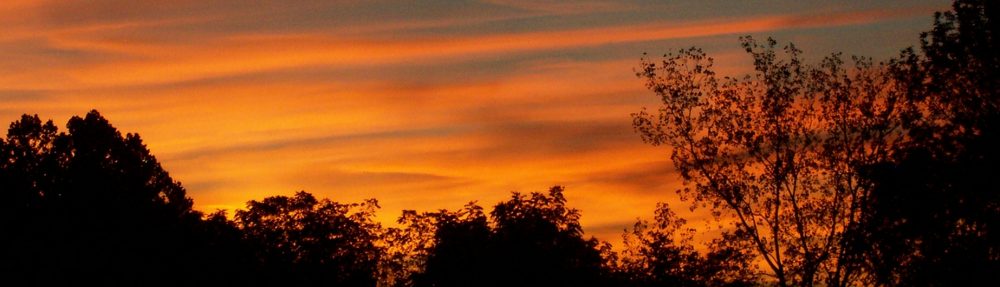
Big Sky Treasures #14

Montana’s Madison Range serves up a dynamic background. (Courtesy of Pinterest)

Montana’s landscape features contrasts between numerous scenic mountain vistas and nearly endless, fertile grasslands.  The southwestern region boasts of a “tale of two valleys.”

At the epicenter of these twin valleys lies the Madison Range, which covers an area measuring approximately 80 miles in length and 25 miles across.  The range’s name reflects upon the journey of Meriwether Lewis and William Clark’s Corps of Discovery into the region between 1804 and 1805.  This mountainous mass is named for James Madison, the young nation’s Secretary of State.

The eastern slopes of the Madison Range descend into the Gallatin Valley, which is bisected by the Gallatin River.  In honoring the country’s Secretary of the Treasury, Albert Gallatin, the river is also named by Lewis and Clark.   The western slopes of the Madison Range flow into the Madison Valley, which surrounds the Madison River (also named for James Madison). 

left:  house rock on the gallatin river (courtesy of pinterest).  right:  madison river flows toward its RENDEZVOUS with the headwaters of the MISSOURI river (from my personal collection).

Many wilderness areas offer countless outdoor adventures and experiences.  In the Gallatin Valley, some of these include Bear Trap Canyon, Spanish Peaks, and the Monument Mountains.  The Gallatin River serves as a welcome center for trout fishing as well as providing whitewater excitement for rafters and kayakers.

The Madison Valley features numerous lakes and creeks, which are tied into the Madison River system.  These include Ennis Lake, Hebgen Lake, Beaver Creek, Falls Creek, and Spanish Creek.  Many opportunities await visitors:  blue-ribbon trout fishing, hiking trails, and numerous campgrounds.
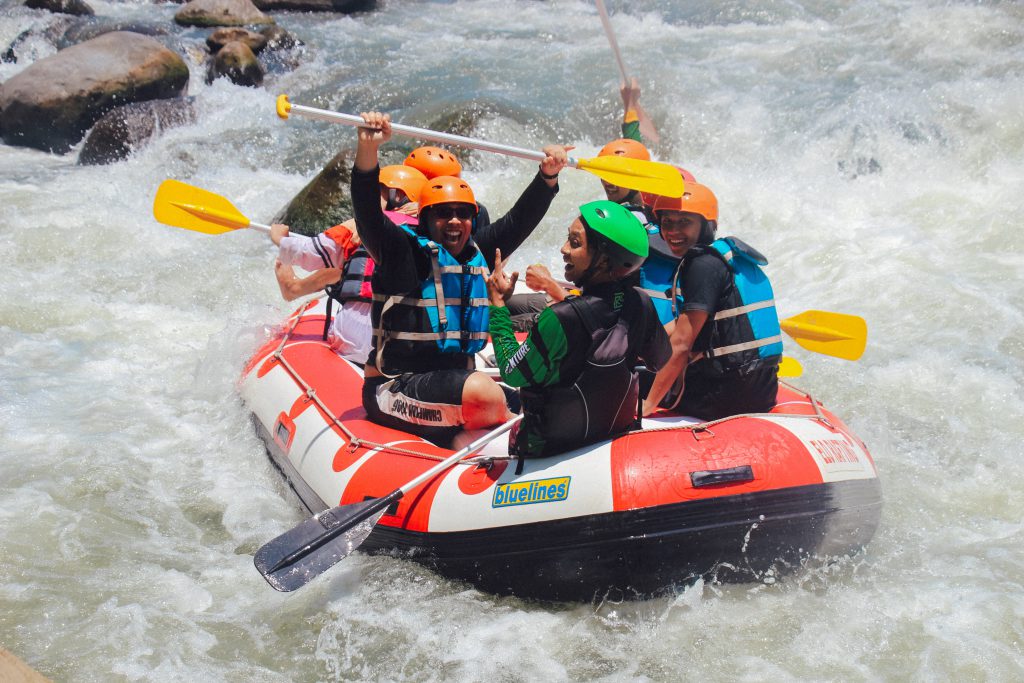
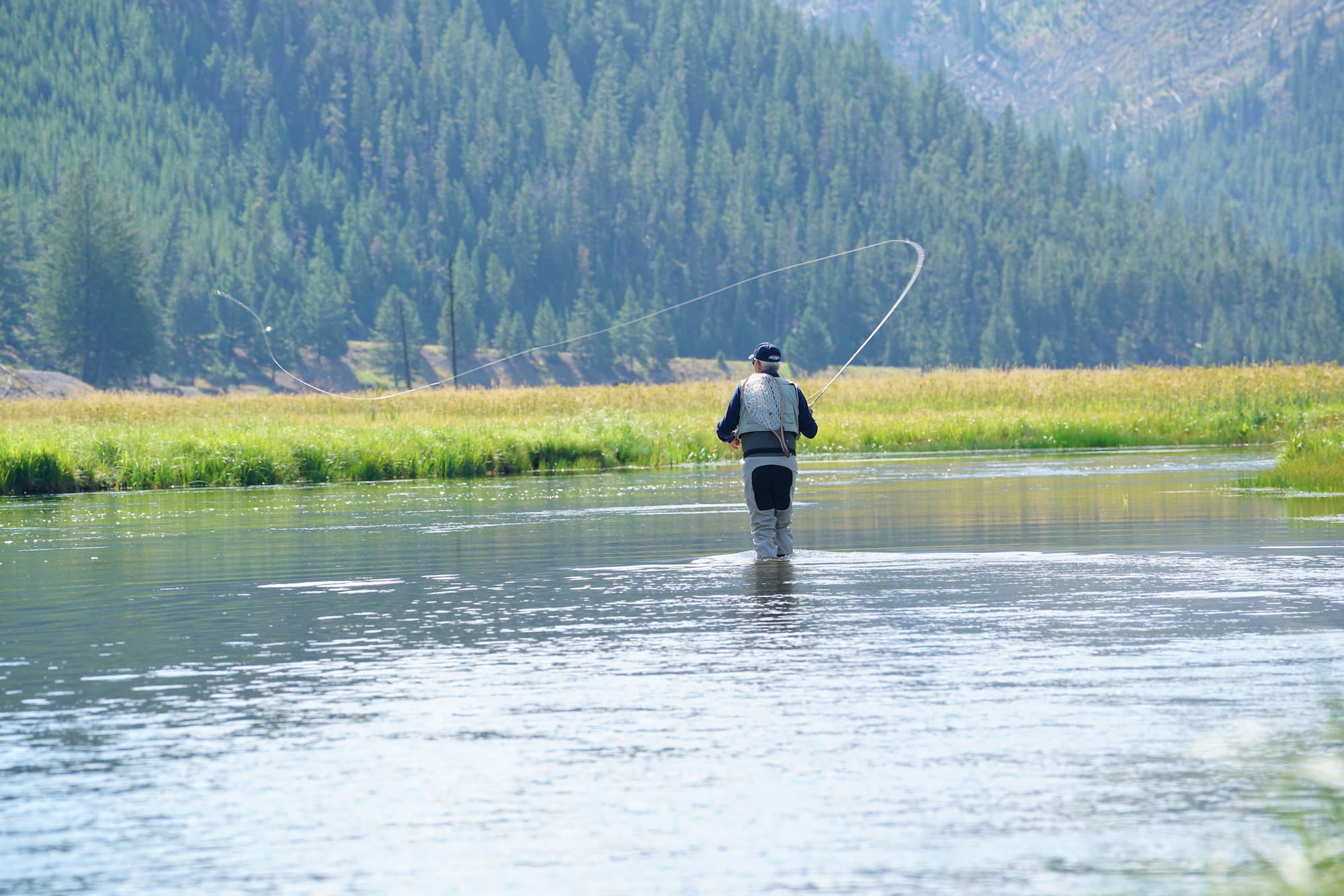
left:  whitewater rafting on the gallatin river.  right:  fly fishing on the madison river.  (both photos courtesy of pinterest)

Within the Gallatin Valley, Big Sky Resort remains one of the jewels of America’s best alpine ski areas.  At its heart rises Lone Mountain’s elevation of 11,316 feet.  With a vertical drop of 4,350 feet and nearly 5,800 acres, Big Sky is destined to always be a skier’s paradise.

On the other side of the Madison Range lies the charming community of Ennis.  Well-known for its western hospitality and active civic calendar, this town embraces the best of the West.
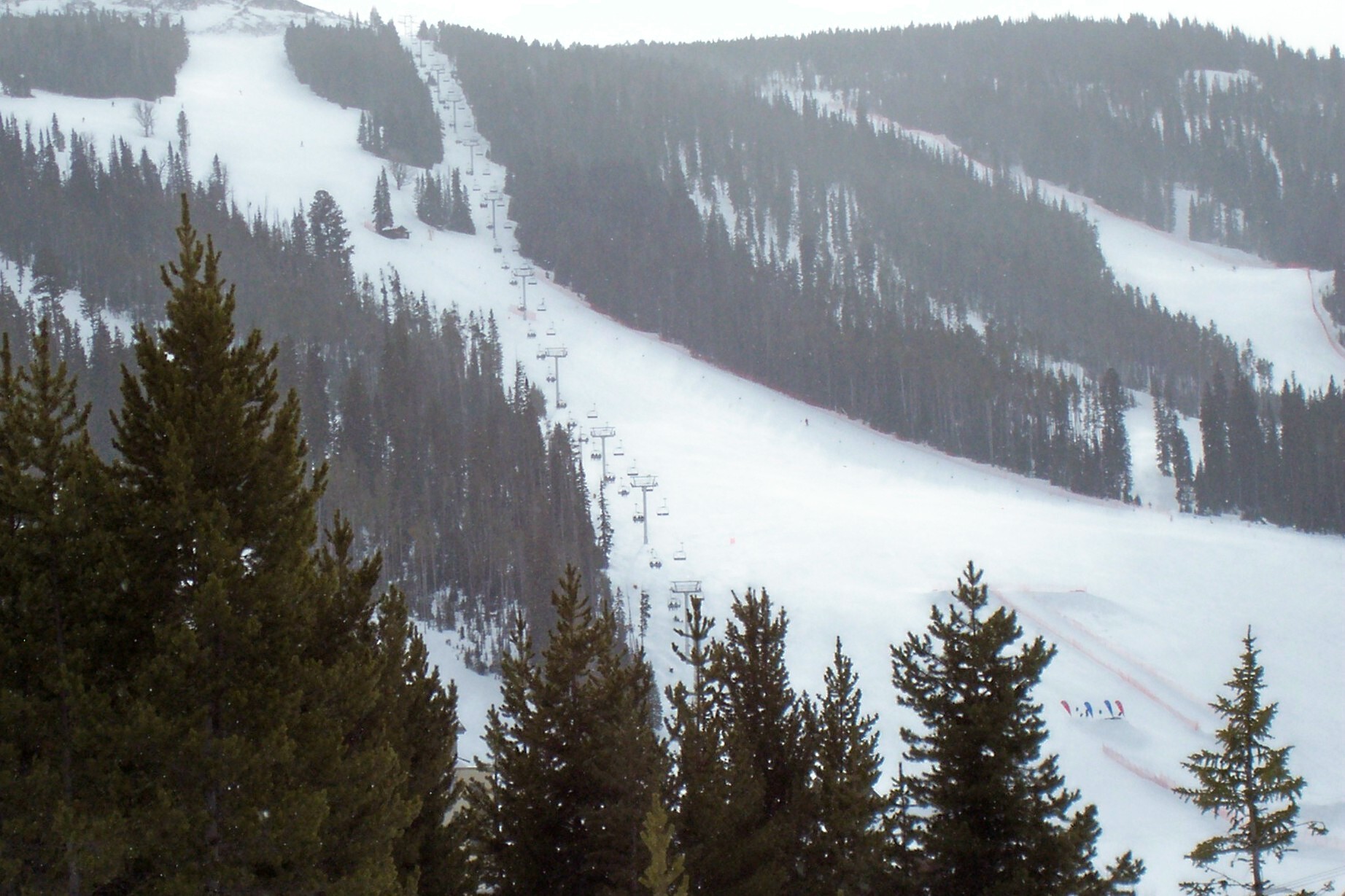
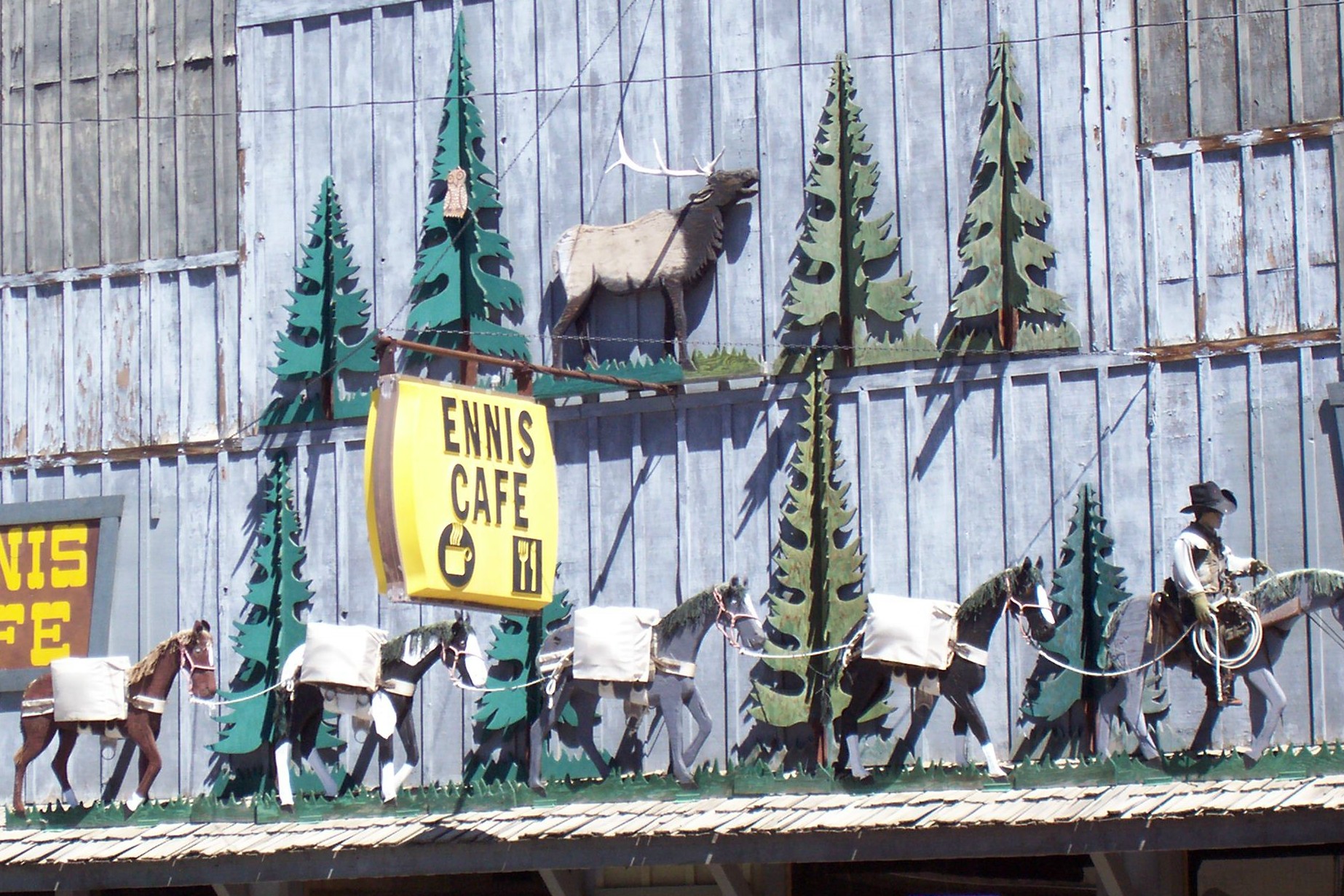
left:  winter ski run at big sky.  right:  the ennis cafe makes for an excellent meal stop.  (both photos from my personal collection)

One often forgotten detail from the Gallatin River’s history is the fact that many of the memorable river scenes for filmmaker Robert Redford’s “A River Runs Through It” are filmed on this river.  In reality, the book’s main river is the Big Blackfoot, which is located just a few miles from the city of Missoula.
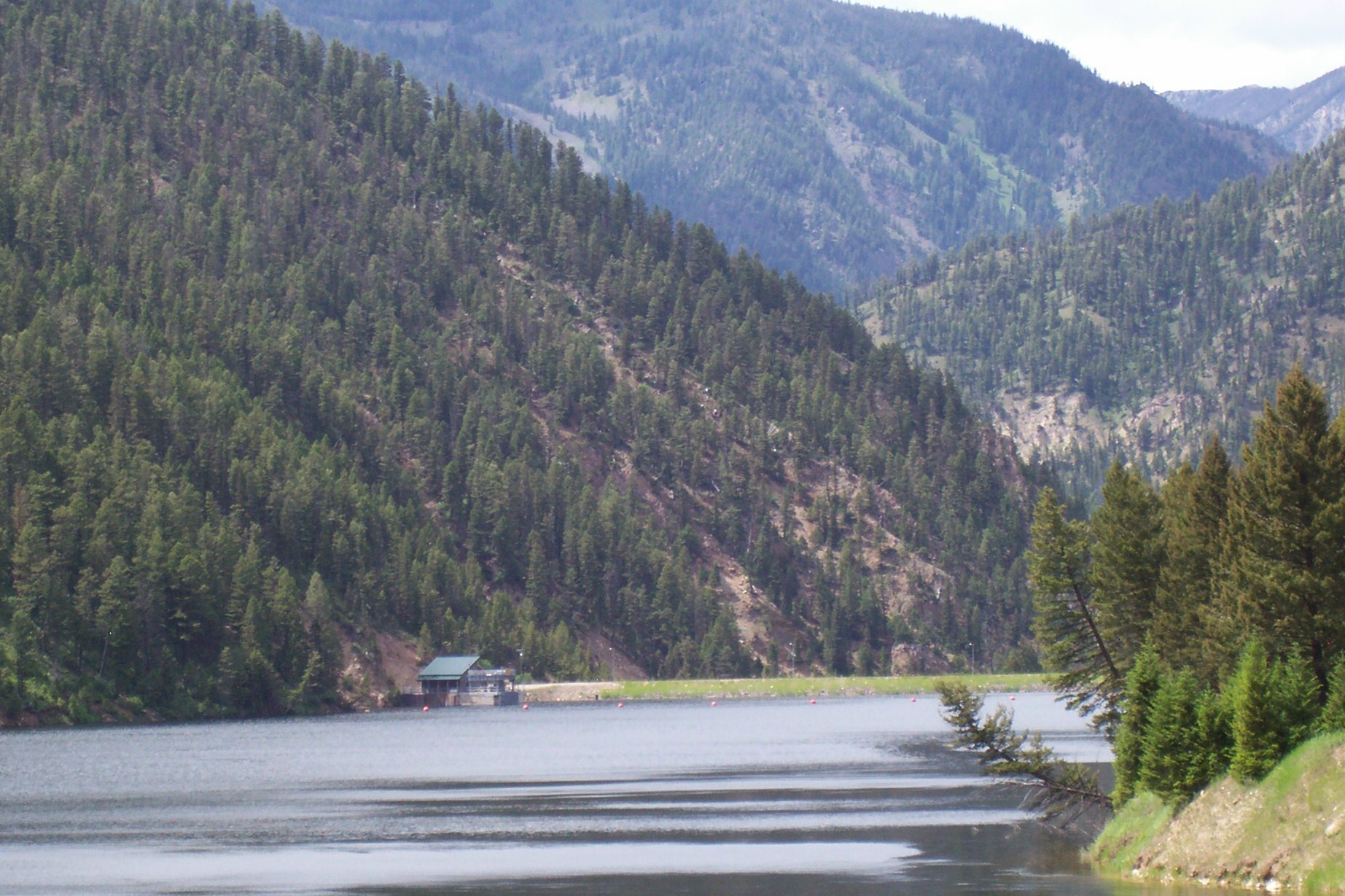
left:  hebgen lake view with the dam in the background.  right:  the spinx mountain peak is a prominent feature above the madison valley.  (both photos from my private collection)

Big Sky Photo Gallery

About a month ago, photos taken around my home in the state of Ohio were posted in the Buckeye Photo Gallery.  Today’s gallery brings an invitation to visit Montana’s Big Sky Country, which is my native state.

This past summer (August, 2024), my camera enjoyed a journey filled with capturing the landscape around Madison County in southwestern Montana.  On the left, the Madison River flows downstream from the river’s canyon exit.  Its destination will be the headwaters of the Missouri River, located near the community of Three Forks.  The photo on the right looks downstream on the river, as one moves away from the canyon.  The weather conditions were very windy, and fortunately, the camera remained steady.

An hour’s drive from my hometown of Billings, takes one to Carbon County and the town of Red Lodge.  Both photos capture scenes found on main street.  The photo on the left features the Carbon County Courthouse.  On the right, the corner building has been repurposed into a retail shop on the ground floor.

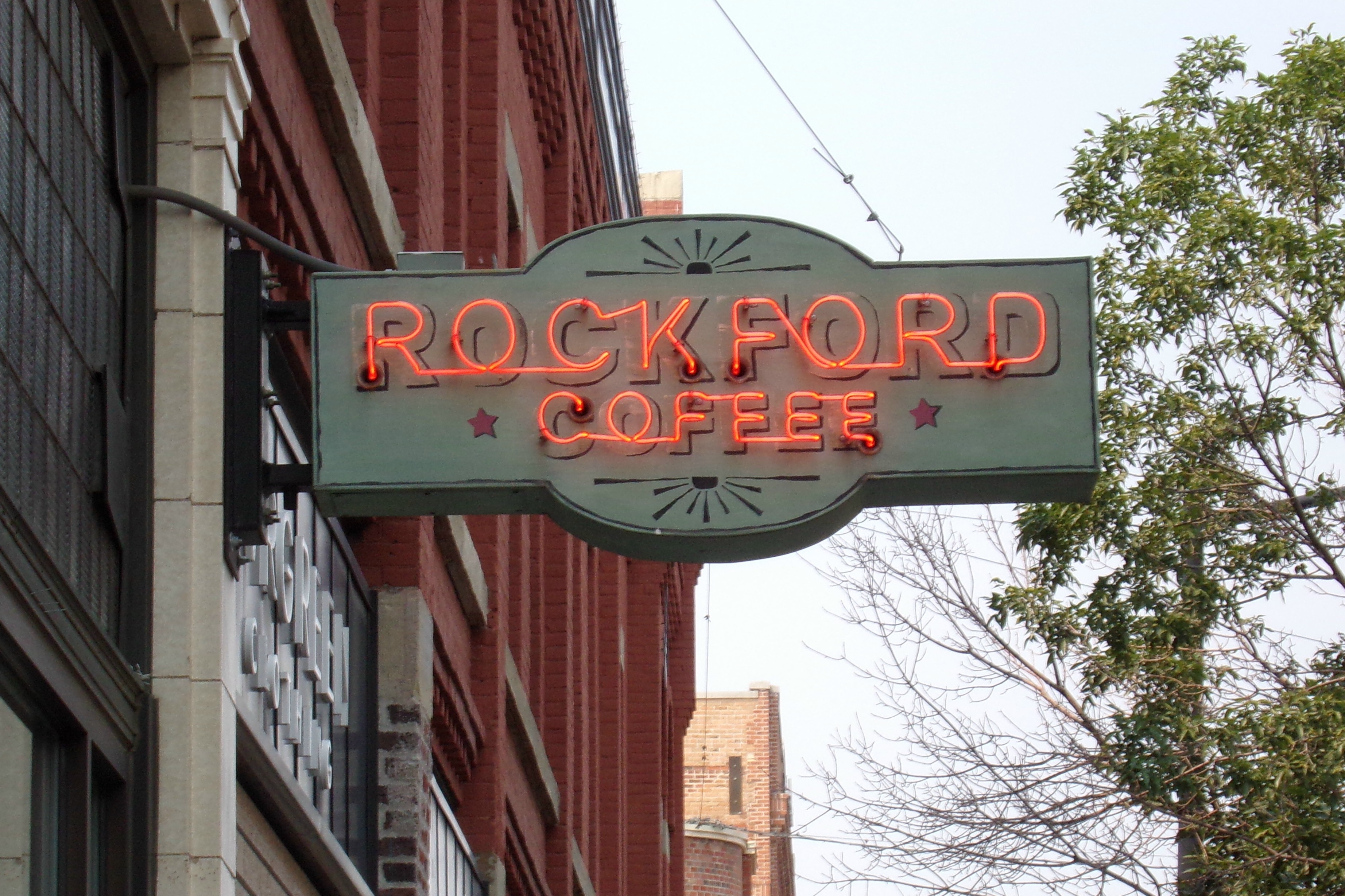
My wife and I always enjoy visiting the city of Bozeman, which is home to Montana State University.  This community was home to me during my college years (1974-1978).  While Main Street has changed a great deal from my time, the atmosphere remains welcoming with a vibrant commercial district.  The Rockford Coffee Roasters welcomed us for mid-morning refreshments with our youngest Montana daughter and her two-year old son.  Across the street sits the venerable Ellen Theater, which opened in 1919.

Enjoy the contrast of these two photos.  Taken during the summer of 2023, the photo on the left captures a smoky sunrise above the Billings neighborhood where I grew up.  The final photo was taken during the summer of 2021.  A rest area outside of Billings, along Interstate 90, shares a bit of humor as well as functionality for its canine visitors.

Big Sky Treasures #11

Courtesy of Pinterest.

Montana’s Big Sky Country is filled with a variety of natural and man-made landmarks, and water is frequently found across the Treasure State.  Today’s photographic narrative highlights some of the lakes and rivers taken from my personal collection.

The landscape of southwestern Montana is punctuated with the presence of the Madison River (see above map).  Flowing from its source in Yellowstone National Park toward its confluence with the Jefferson and Gallatin Rivers, all three form the source of the mighty Missouri River.  The Madison runs for 183 miles before reaching its final destination near the community of Three Forks.

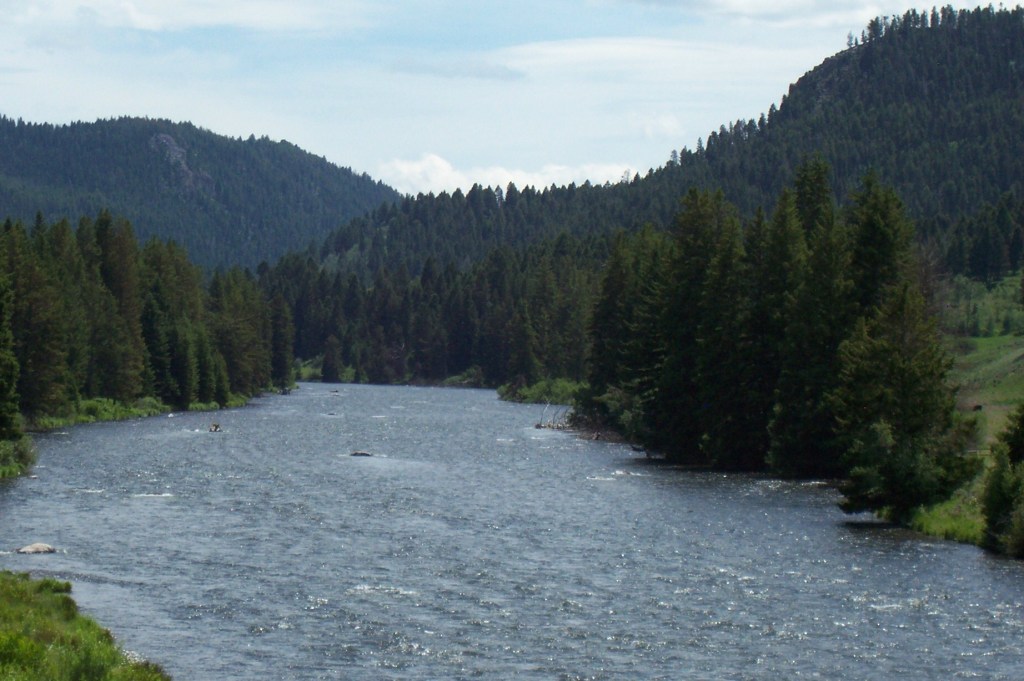
This section of the Madison River is found between the river’s two major lakes, Hebgen and Ennis.


The Madison River contains two dams.  Both dams are located on either side of the town of Ennis in one of the top trout fishing areas in the state.

Hebgen Lake is located between West Yellowstone and Ennis.  The lake is created with the building of Hebgen Dam (finished in 1914), and it is simple, yet effective in its construction.  The dam’s concrete core with an earthen embankment holds together during the infamous 1959 earthquake, which measures 7.2 in magnitude.

Scenic view along Hebgen Lake, downshore from the dam.  The lake opens up as it faces toward West Yellowstone.


The Madison Dam (opening in 1906) is built in the tight Bear Trap Canyon.  Its construction backs up the Madison River with a lake much smaller than Hebgen.  While usually listed on maps as Ennis Lake, the locals call it Meadow Lake.  Much of the lake’s perimeter is filled with private dwellings, but one can still find access to fishing sites, boat ramps, and camping.

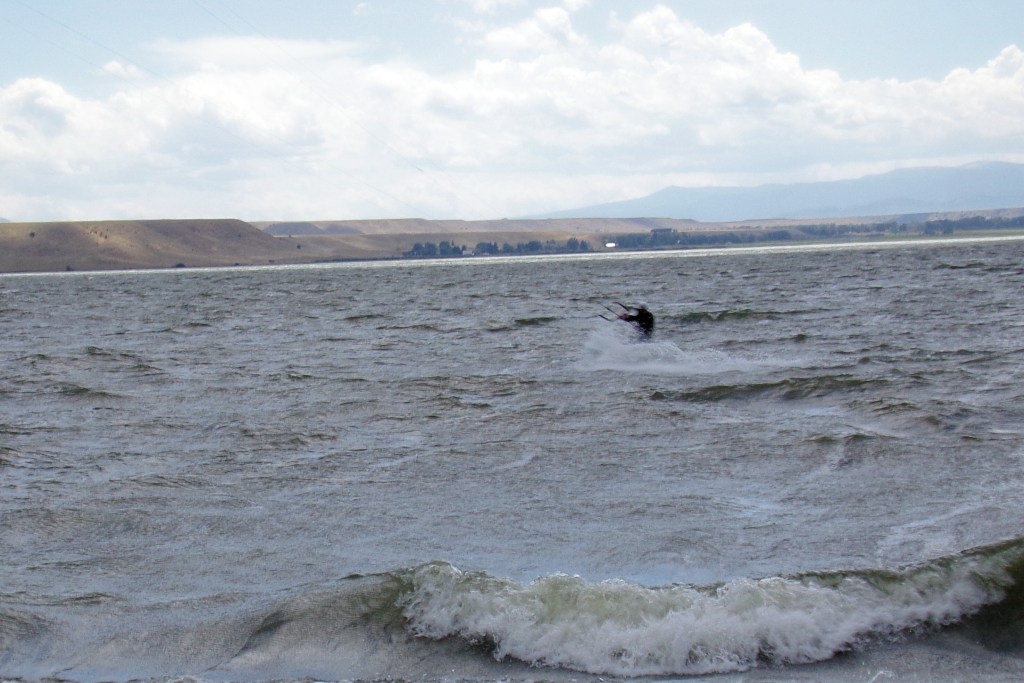
From the north shore of Ennis Lake (taken during the summer of 2024).  witnessing some intense whitecaps while A lone wind surfer can be seen in the middle of the photo.  His attempts to become airborne were made much more difficult because of the windy conditions and rough water.