
This informative post will be published on Saturday in place of my regular one. You are invited to participate with the opening question.
Brain Teaser Question
What starts with a T, ends with a T, and has T in it?
(answer found at the end of this post)
Featured Facts
The 28th American President, Woodrow Wilson, served two terms (1913-1921). He was the first President to be from the Democratic Party since Grover Cleveland was elected in 1892.
Here are a few interesting facts about President Wilson:
- State Represented: New Jersey
- Birth: December 28, 1856 in Staunton, Virginia
- Death: February 3, 1924 in Washington, DC
- Occupations: Lawyer, author, college professor
- Achievements: Princeton University President (1902-1910), New Jersey Governor (elected 1910)
Wilson was elected to the Presidency in 1912, and his campaign benefited greatly from the split in the Republican Party. Current President William Howard Taft was the Republican candidate, but former President Theodore Roosevelt received the nod as the Progressive candidate.
As President, Wilson pursued a progressive agenda. He welcomed legislation which created the Federal Reserve system in 1913 and later the Federal Trade Commission. One of the major flaws of his administration was returning segregation to many areas of the Federal Government’s workforce.
In 1920, two dynamic Constitutional amendments were approved during Wilson’s tenure in the White House. The 18th Amendment prohibited the manufacture, sale, and transportation of alcoholic beverages. The 19th Amendment granted women the right to vote.
As President, much of Wilson’s time and energy was consumed with the war in Europe. The Great War (later renamed World War I) began in 1914, and it would not end until the Armistice was signed in November, 1918. Wilson worked tirelessly to keep the United States on neutral ground in order to stay out of Europe’s conflict.
Finally in 1917, the war crept closer to America, and Wilson asked Congress for a resolution to declare war on Germany and its allies. The Great War now became a legitimate world war. Wilson had narrowly defeated Republican candidate Charles Evans Hughes for re-election in 1916. Ironically, Wilson promised to keep the country out of war.
Wilson’s lasting legacy as President was wrapped up in his “Fourteen Points” as the world moved into peacetime at the end of 1918. Wilson’s framework for the post-war years called for the formation of an international body, the League of Nations, as an early version of a “United Nations” for lasting preservation of world peace.
As Wilson campaigned across America in the fall of 1919 to bring public pressure upon the United States Senate to ratify the country’s membership in the League, he suffered a stroke. With the President left partially paralyzed, First Lady Edith Wilson acted as the President’s unofficial gatekeeper. The Senate voted down American membership in the League of Nations.

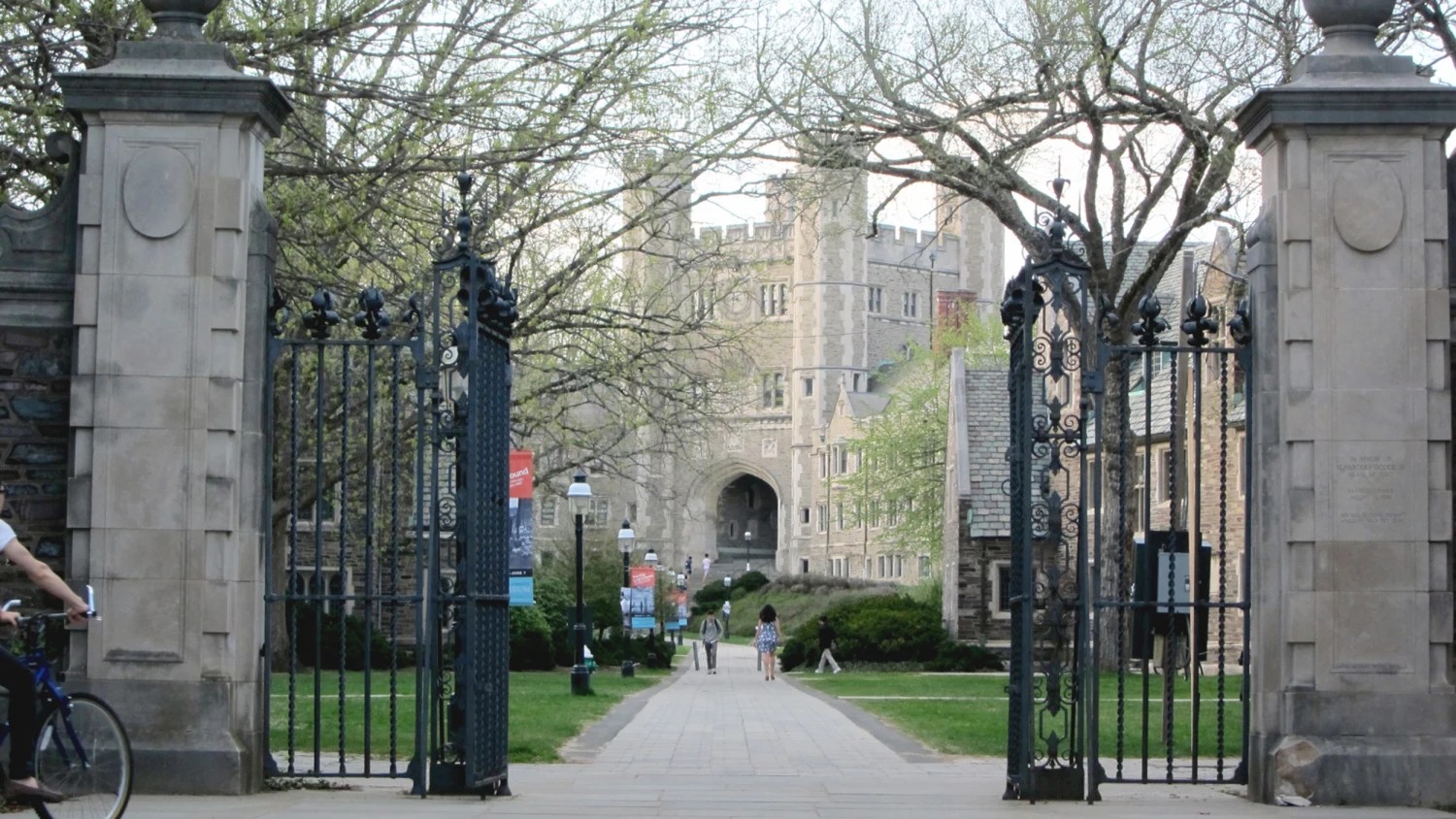
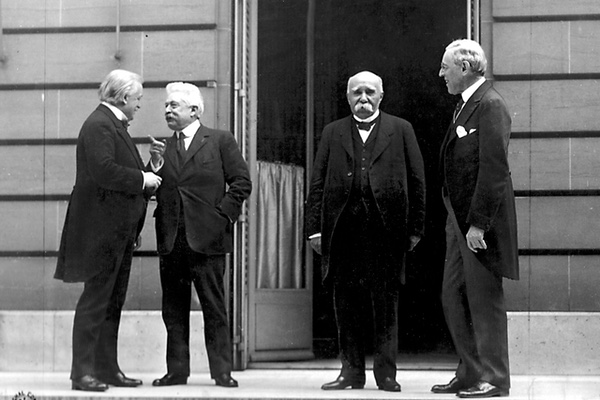

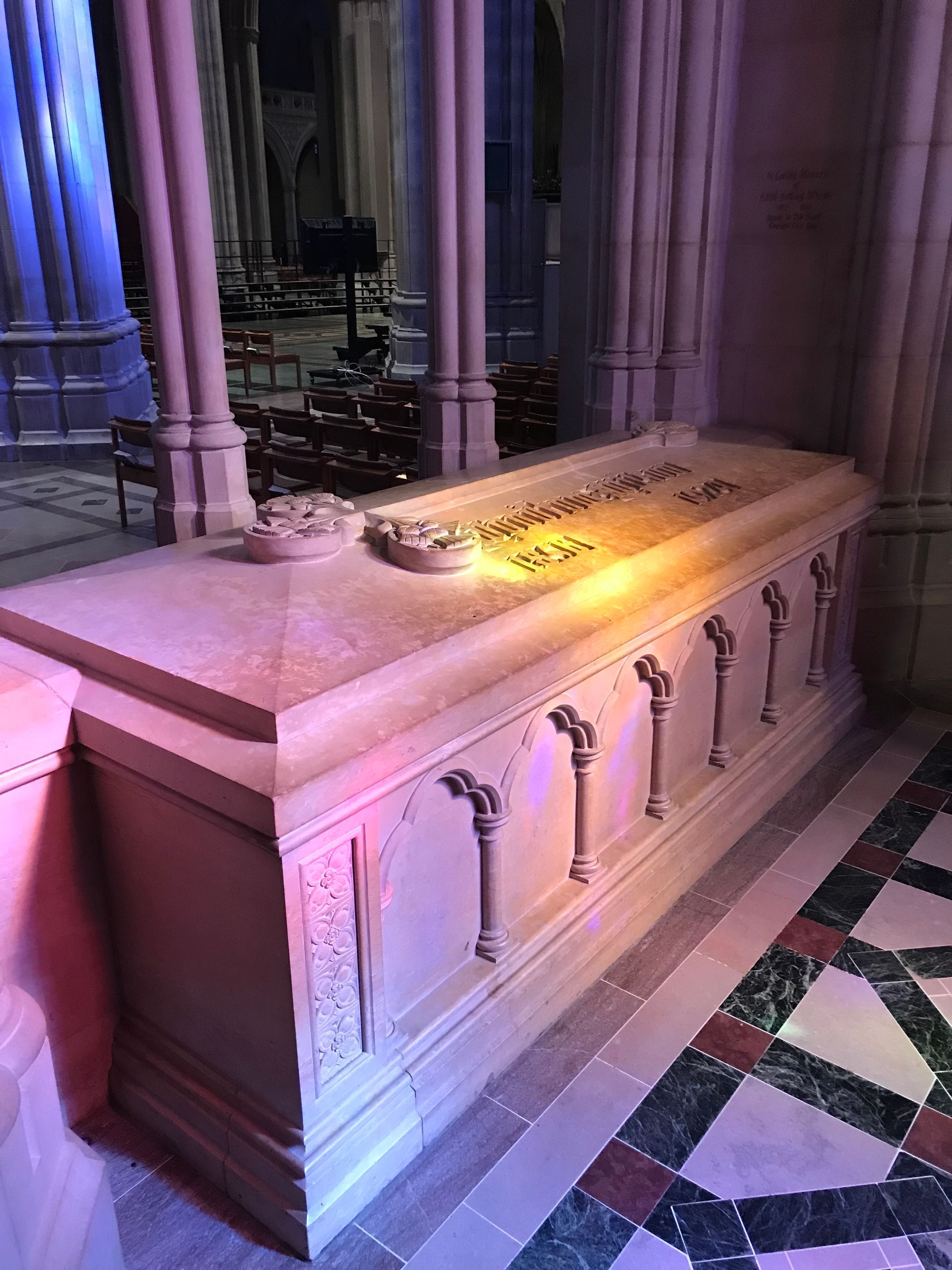
top left and moving clockwise: portrait of president wilson, Princeton University where Wilson served as president, wilson (on the right) with other victorious allied leaders in europe, wilson’s burial site at the national cathedral in washington (he is the only american president interred within the boundaries of the nation’s capital city), president wilson with first lady edith wilson. (All photos courtesy of pinterest)
Answer to Brain Teaser Question
A teapot.


 Big Sky Buckeye