Trivia’s Facts and More (5/10)

Photo by Pixabay on Pexels.com

This informative post will be published on Saturday in place of my regular one.  You are invited to participate with the opening question.

Brain Teaser Question

What has keys but cannot open locks?

(answer found at the end of this post)

Featured Facts

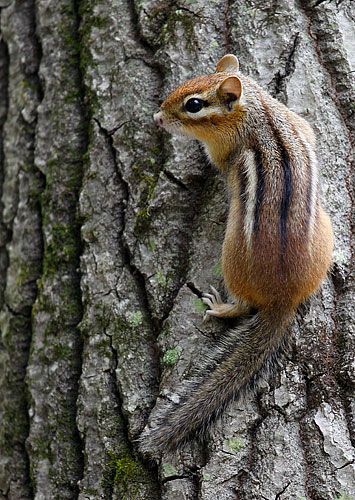
Related to the squirrel, one of America’s smallest mammals is the diminutive chipmunk.  Its chipper and speedy presence can be found in many neighborhoods, woodlands, and shrubby deserts.

Here are a few interesting facts about chipmunks:

  • Body length:  4-7 inches
  • Tail length:  3-5 inches
  • Diet:  (omnivorous) insects, nuts, berries, grains, seeds
  • Lifespan:  2-3 years

Chipmunks are terrestrial, which means they generally live on the ground.  However, they are agile tree climbers.   Their quick, chirping sounds call out warnings to other chipmunks.

Chipmunks are easily distinguished from squirrels by their varying black and white strips, which run down their backs and on their faces.  Their body is colored gray or brown, and it is accented with a slightly bushy tail.

Being quite adaptable to a variety of habitats, chipmunks prefer areas with an undergrowth of vegetation cover.  Their homes include underground burrows, hidden nests beneath vegetation, or in fallen logs.

Much of a chipmunk’s daylight time is spent finding and storing food for their long winter’s semi-hibernation.  Their cheek pouches can expand to three times their head size, and this enables them to carry and store the food they find. 

Chipmunks are most active in the cooler hours during the warmer months–especially in the early morning and late afternoon.  During the winter, they may hibernate intermittently, but they are much less active than normal. 

Both males and females work together in raising their pups.  The most common time of year for another life cycle to begin is the spring.  Litters generally consist of 2-8 pups.  

Chipmunks have to be on the lookout for several predators.  These include carnivorous mammals such as weasels and foxes.  Large snakes and birds of prey also hunt chipmunks.

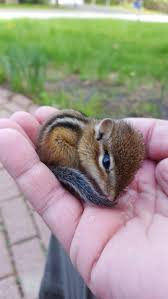
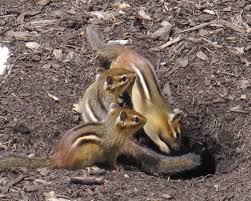
various photographs of chipmunks (in the top row, note the baby pups held in human hands).  (Courtesy of Pinterest)


Answer to Brain Teaser Question

A piano.

Trivia’s Facts and More (4/26)

Photo by Pixabay on Pexels.com

This informative post will be published on Saturday in place of my regular one.  You are invited to participate with the opening question.

Brain Teaser Question

Mr. and Mrs. Johnson have five daughters.  Each of their daughters has one brother.  How many children do Mr and Mrs. Johnson have.

(answer found at the end of this post)

Featured Facts

Nicknamed the Centennial State, Colorado is admitted to the American Union as the 38th state on August, 1, 1876, one hundred years after the signing of the Declaration of Independence.

Here are a few interesting facts about Colorado:

  • Capital City: Denver (also most populous city)
  • State Bird:  Lark Bunting
  • State Flower:  Rocky Mountain Columbine
  • Motto:  Nil Sine Numine (Nothing Without Providence)

Of America’s 50 states, Colorado is the 8th largest by land size.  Anchored by the Rocky Mountains, its dynamic landscape offers countless landmarks, both natural land man-made. 

Compared to the rest of the country, Colorado contains the most peaks over 14,000 feet (there are 58).  The state offers the highest average elevation of any in the United States.  Nearly 75 percent of Colorado is over 10,000 feet above sea level.

Nicknamed the “Mile High City”, Denver’s elevation is exactly 5,280 feet (one mile) above sea level.  The city enjoys approximately 300 days of sunshine each year.

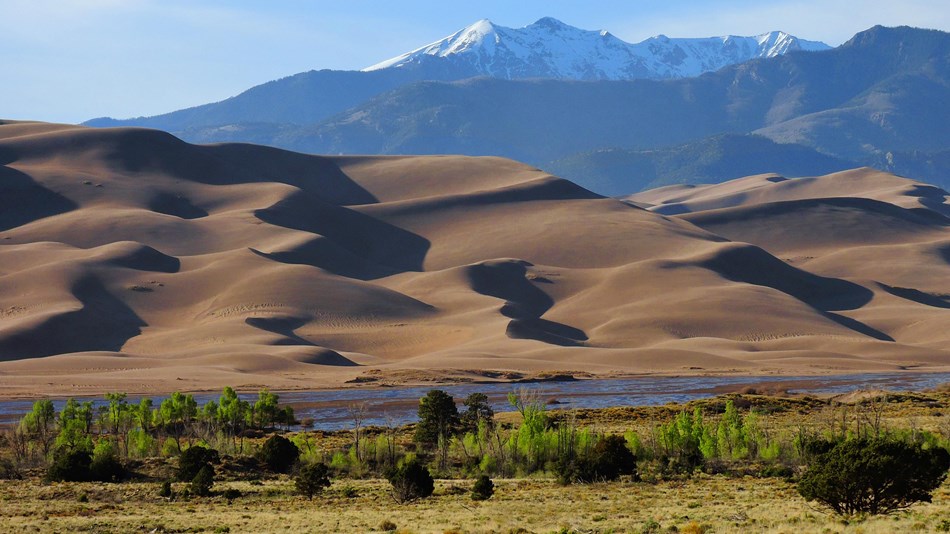
Established in 1932, the Great Sand Dunes National Park recognizes the tallest sand dune formations in the United States.  Star Dune, the highest in the park, stands nearly 700 feet tall.

Located in Colorado Springs, the United States Air Force Academy has been open since 1954.  It remains one of the top learning institutions for the American military along with those of the Army (West Point), Navy (Annapolis, Maryland), and Coast Guard (London, Connecticut).  

Here are some final notes of interest:

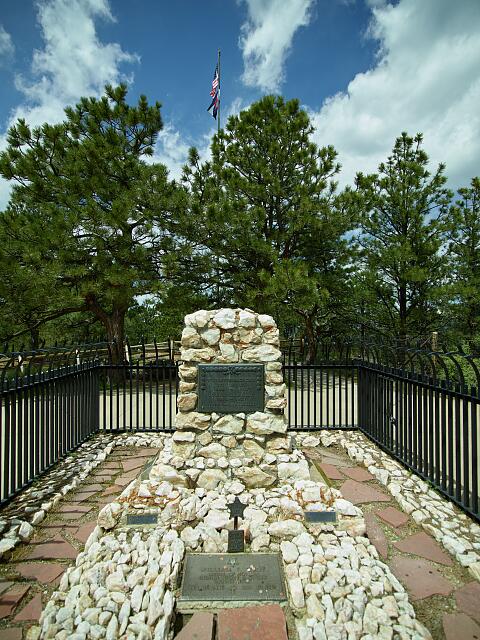
  • At his request, William F. Cody (Buffalo Bill) is buried near the community of Golden, atop Lookout Mountain.
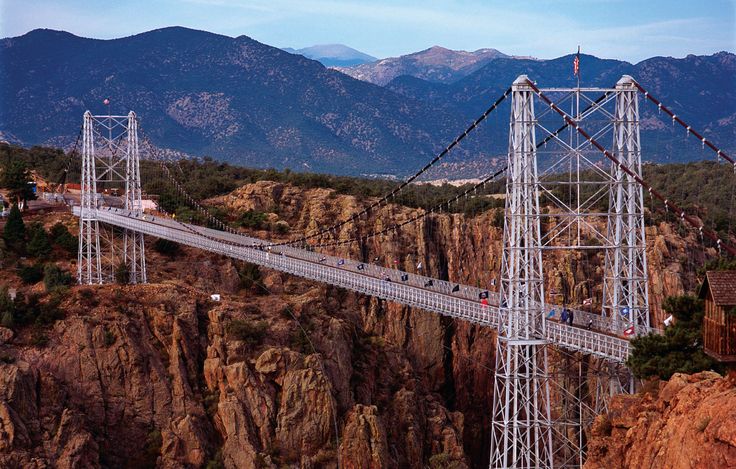
  • Completed in 1929, the Royal Gorge Bridge spans the Arkansas River.  It is one of world’s highest suspension bridges.  Used mostly for pedestrian traffic, the bridge is 1,260 feet long.
  • Denver’s Union Station dates back to 1881.  With recent renovations, it has become one of America’s most modern transportation hubs.

top left and clockwise: State capitol building; state flower, Rocky mountain columbine; state bird, lark bunting; chapel at air force academy; lookout mountain GRAVESITE of buffalo bill; royal gorge bridge; denver’s union station; great sand dunes national park.   (Courtesy of Pinterest)


Answer to Brain Teaser Question

Six children (five daughters and one son).

Trivia’s Facts and More (4/19)

Photo by Pixabay on Pexels.com

This informative post will be published on Saturday in place of my regular one.  You are invited to participate with the opening question.

Brain Teaser Question

What can go through a window without breaking the glass?

(answer found at the end of this post)

Featured Facts

One of the most interesting and important insects in the world is the honeybee.  These dynamic creatures can be found on all continents with the exception of Antarctica.

Here are a few interesting facts about the honeybee:

  • Size:  about one half inch in length
  • Color:  usually black with yellow rings on abdomen (some may appear reddish-brown with orange rings)
  • Diet:  adults, nectar, pollen, honey; larvae, beebread (honey/pollen mixture)
  • Habitat:  hive in hollow tree or man-made beehive; worker bees visit endless flowers in meadows, open woods, and gardens

The honeybee is classified as an eusocial insect.  This social, flying insect features a black-colored head, antennae, and stinger.  Short, pale hair covers the three-segmented thorax and the six-segmented abdomen.  Other characteristics include clear, veined wings and pollen baskets on hind legs.

Farmers, gardeners, and others appreciate the service that honeybees provide for agriculture, gardens, and other flowering regions.  They are prolific pollinators, and many people love the sweetness of their honey.  At the same time, honeybees face increasing peril from climate change, loss of habitat, parasites, invasive plants and bees.

The life cycle of a honeybee colony centers around the queen who rules the hive.  She will generally live for 2-5 years.  In her lifetime, she will produce a colony of 60,000 to 80,000 inhabitants.  Besides laying eggs, she produces chemicals to guide and unify the behavior of the other bees.

Following the queen in the hierarchy of the colony come the female workers.  They are essential to the survival of the hive as they maintain it, collect pollen and nectar, and feed the larvae.  They also clean and circulate the air within the hive with their constantly beating wings.  They generally live about 4-6 weeks during spring and summer, but they will usually survive during the winter months.

The lowest classification of bees in the colony are the males or drones.  They serve only one purpose:  to mate with the queen.  Following this act, they will die.  Remaining drones will be kicked out the colony before winter arrives.

Around the world, honeybees’ behavior varies.  Some are more docile while others can become quite defensive.  When more than one queen resides in a colony, only the strongest one will carry on to guide life in the hive.  The remaining queen will take approximately half of the female workers as they gather in a swarm to travel in order to build a new colony.

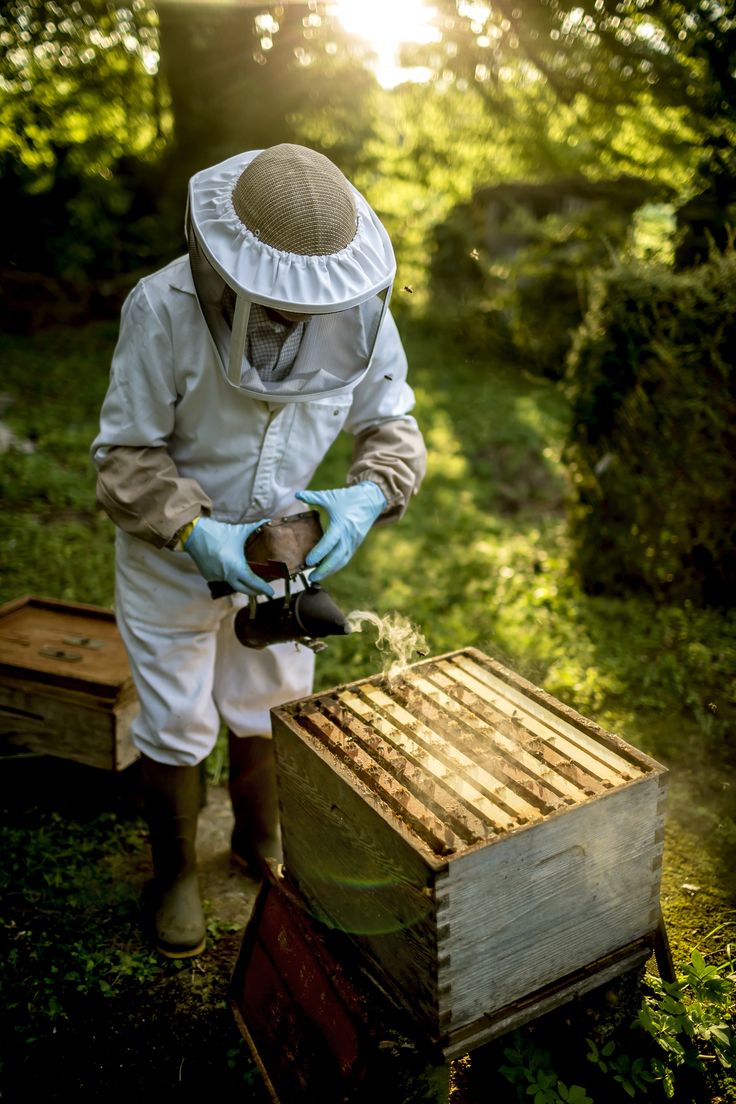
top left and clockwise: bee pollinating flower, bees and honeycomb, types of bees (drone, queen, worker), beekeeper at work, beehive in hollow tree.  (Courtesy of Pinterest)

Answer to Brain Teaser Question

Light.

Trivia’s Facts and More (4/12)

Photo by Pixabay on Pexels.com

This informative post will be published on Saturday in place of my regular one.  You are invited to participate with the opening question.

Brain Teaser Question

What starts with a T, ends with a T, and has T in it?

(answer found at the end of this post)

Featured Facts

The 28th American President, Woodrow Wilson, served two terms (1913-1921).  He was the first President to be from the Democratic Party since Grover Cleveland was elected in 1892.

Here are a few interesting facts about President Wilson:

  • State Represented:  New Jersey
  • Birth:  December 28, 1856 in Staunton, Virginia
  • Death:  February 3, 1924 in Washington, DC
  • Occupations:  Lawyer, author, college professor
  • Achievements:  Princeton University President (1902-1910), New Jersey Governor (elected 1910)

Wilson was elected to the Presidency in 1912, and his campaign benefited greatly from the split in the Republican Party.  Current President William Howard Taft was the Republican candidate, but former President Theodore Roosevelt received the nod as the Progressive candidate.  

As President, Wilson pursued a progressive agenda.  He welcomed legislation which created the Federal Reserve system in 1913 and later the Federal Trade Commission.  One of the major flaws of his administration was returning segregation to many areas of the Federal Government’s workforce.  

In 1920, two dynamic Constitutional amendments were approved during Wilson’s tenure in the White House.  The 18th Amendment prohibited the manufacture, sale, and transportation of alcoholic beverages.  The 19th Amendment granted women the right to vote.

As President, much of Wilson’s time and energy was consumed with the war in Europe.  The Great War (later renamed World War I) began in 1914, and it would not end until the Armistice was signed in November, 1918.  Wilson worked tirelessly to keep the United States on neutral ground in order to stay out of Europe’s conflict.  

Finally in 1917, the war crept closer to America, and Wilson asked Congress for a resolution to declare war on Germany and its allies.  The Great War now became a legitimate world war.  Wilson had narrowly defeated Republican candidate Charles Evans Hughes for re-election in 1916.  Ironically, Wilson promised to keep the country out of war.

Wilson’s lasting legacy as President was wrapped up in his “Fourteen Points” as the world moved into peacetime at the end of 1918.  Wilson’s framework for the post-war years called for the formation of an international body, the League of Nations, as an early version of a “United Nations” for lasting preservation of world peace. 

As Wilson campaigned across America in the fall of 1919 to bring public pressure upon the United States Senate to ratify the country’s membership in the League, he suffered a stroke. With the President left partially paralyzed, First Lady Edith Wilson acted as the President’s unofficial gatekeeper.  The Senate voted down American membership in the League of Nations.

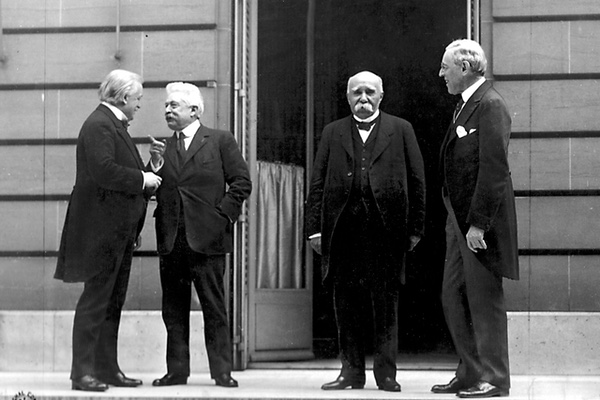
top left and moving clockwise:  portrait of president wilson, Princeton University where Wilson served as president, wilson (on the right) with other victorious allied leaders in europe, wilson’s burial site at the national cathedral in washington (he is the only american president interred within the boundaries of the nation’s capital city), president wilson with first lady edith wilson.  (All photos courtesy of pinterest)

Answer to Brain Teaser Question

A teapot.

Trivia’s Facts and More (3/29)

Photo by Pixabay on Pexels.com

This informative post will be published on Saturday in place of my regular one.  You are invited to participate with the opening question.

Brain Teaser Question

I have two coins that add up to 30 cents (in U.S. money), and one of them isn’t a nickel.  What are the two coins?

(answer found at the end of this post)

Featured Facts

One of nature’s most intriguing creatures is the diminutive salamander.  In the state of Ohio, there are 24 different species.   

Here are a few interesting facts about the salamanders found in the Buckeye State:

  • Classification:  Amphibian
  • Physical features:  Smooth, moist skin without scales or claws; delicate and small; variety of colors
  • Habitat:  Many prefer inland bodies of water (ponds and streams) while others are more suited to moist conditions on land (terrestrial)

These long-tailed amphibians are cousins of frogs and toads.  Their main sources of food include invertebrates:  insects, slugs, worms, leeches, and snails.  They are preyed upon by fish, birds, otters, snakes, turtles, muskrats, raccoons, and skunks.  A salamander’s body coloration helps it hide from those seeking to prey upon it.

Salamanders also face threats from disease, pollution, loss of habitat, and non-native invasive species.  The human handling of any salamander in Ohio is prohibited by law.  From spring to mid-summer during breeding season, they are quite active at night.

One of the largest salamanders found in Ohio is the Eastern Hellbender.  Its average length runs between 12-24 inches.  Their territory is located in the southern and eastern regions of the state.  Its preferred habitat is a swift-flowing stream where they can hide under rocks during the daytime.

Eastern Hellbender Salamander (courtesy of Pinterest)

One of Ohio’s most common salamanders is the Northern Dusky.  It lives everywhere in the state except for the northeastern region.  Its average length is 3-5 inches.  A light line extends from the back of the eyes to the back of the mouth.

Northern Dusky Salamander (courtesy of Pinterest)

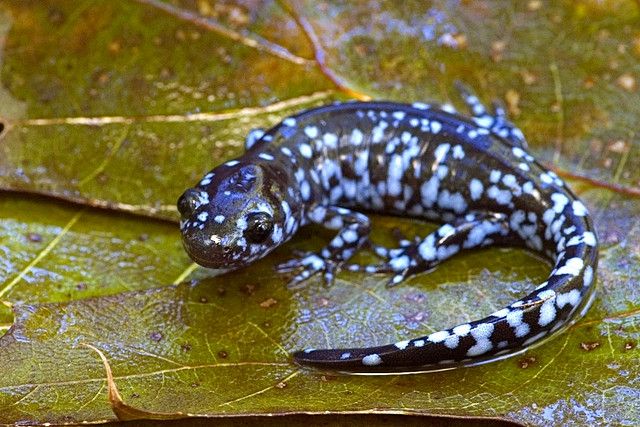
One of the smallest salamanders in Ohio is the Blue Spotted species.  It is found in most areas of the Buckeye State.  Being about 2 inches in length, its body shows off a distinct pattern of contrasting spots.

Blue Spotted Salamander (courtesy of Pinterest)

The final species to present is one of Ohio’s terrestrial salamanders.  The Redback spends much of its life on land.  With a length of 2-4 inches, it is found throughout the state.  During breeding season, eggs are placed under moist rocks and under logs.  During the arrival of early spring, people may discover a Redback peeking out beneath rocks and logs.

Redback Salamander (courtesy of Pinterest)

Answer to Brain Teaser Question

A quarter and a nickel (the quarter isn’t a nickel).

Trivia’s Facts and More (3/22)

Photo by Pixabay on Pexels.com

This informative post will be published on Saturday in place of my regular one.  You are invited to participate with the opening question.

Brain Teaser Question

George, Helen, and Steve are drinking coffee.  Bert, Karen, and Dave are drinking Pepsi.  Following this pattern, is Elizabeth drinking coffee or Pepsi?

(answer found at the end of this post)

Featured Facts

The Oklahoma Territory of the United States gains statehood on November 16, 1907, as it becomes the 46th state.

Here are a few interesting facts about Oklahoma:

  • Capital City:  Oklahoma City (also the largest city)
  • Nickname:  Sooner State
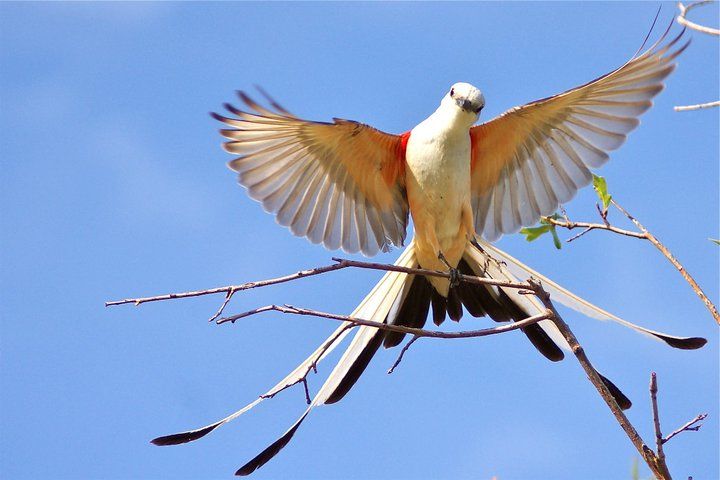
  • State Bird:  Scissor-tailed Flycatcher
  • State Animal:  American Bison
  • State Motto:  Labor Omnia Vincit (Labor Conquers All Things)

The story of Oklahoma’s progression to statehood begins long before 1907.  During the administration of President Andrew Jackson, Congress passes the Indian Removal Act of 1830.  This legislation designates the Oklahoma Territory as Indian Territory, and it authorizes the President to move Native Americans from the lands east of the Mississippi River to those found west of it.

As thousands of Native tribes are displaced from their territorial homes, a “trail of tears” follows their forced migration to lands in the future state of Oklahoma.  These Native Americans include Cherokee, Choctaw, Creek, Chickasaw, and Seminole tribes, along with many others.  These five tribal nations are often called the “Five Civilized Tribes” by historians and others. 

The Dawes Act of 1887 allows further disruption in the Native Americans’ way of life.  Later on March 3, 1889, President Benjamin Harrison opens the unassigned lands of the Indian Territory to white settlement.  On April 22, 1889, the infamous Oklahoma Land Rush begins at 12:00 Noon.  Before the legitimate settlers make any claims, others designated as “Sooners” cross into the territory early.

A total of 38 Native American tribes reside in modern-day Oklahoma.  Only the states of Alaska and California have more.  About 13 percent of the present-day population of the Sooner State is Native American.

One of Oklahoma’s most famous citizens is Will Rogers.  Born on a large ranch in Cherokee Nation territory near the present-day community of Oologah, he goes on to become a cowboy, Broadway star, actor, writer, and humorist.

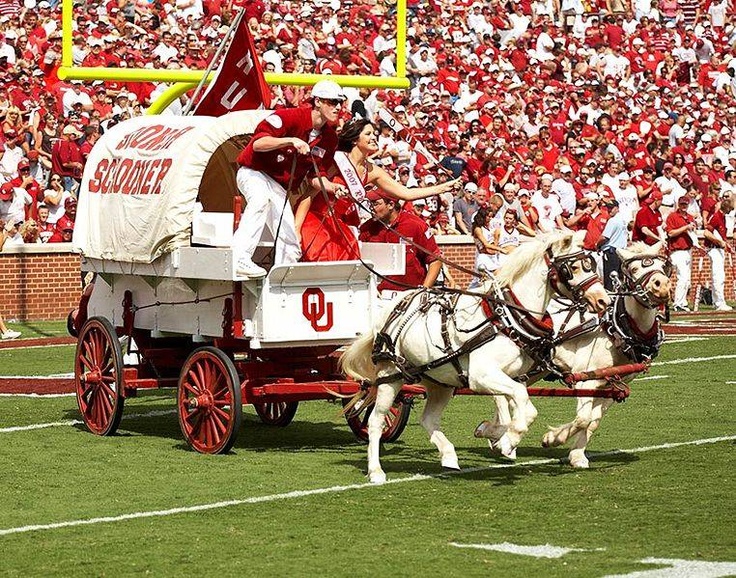
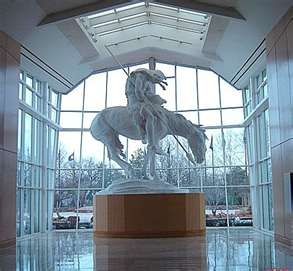
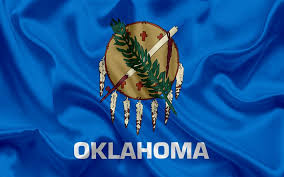
row 1:  state capitol building in oklahoma city, two more photos from Oklahoma city include the national cowboy hall of fame and oklahoma city skyline.  Row 2: “sooner schooner” mascot of the University of Oklahoma football team, scissor-tailed flycatcher, “trail of tears” statue inside the national cowboy hall of fame.  Row 3:  oklahoma state flag and will rogers.   (all images courtesy of PINTEREST)

Answer to Brain Teaser Question

Coffee, just like the other names with two “E’s”.  Those with one “E” drink Pepsi.

Trivia’s Facts and More (3/15)

Photo by Pixabay on Pexels.com

This informative post will be published on Saturday in place of my regular one.  You are invited to participate with the opening question.

Brain Teaser Question

When my dad was 31, I was just 8 years old.  Now his age is twice as old as my age.  What is my current age?

(answer found at the end of this post)

Featured Facts

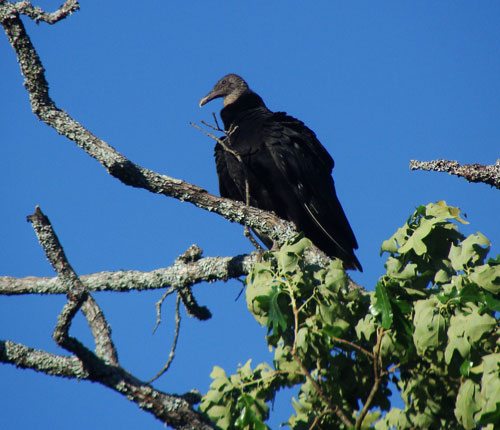
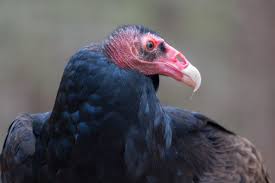
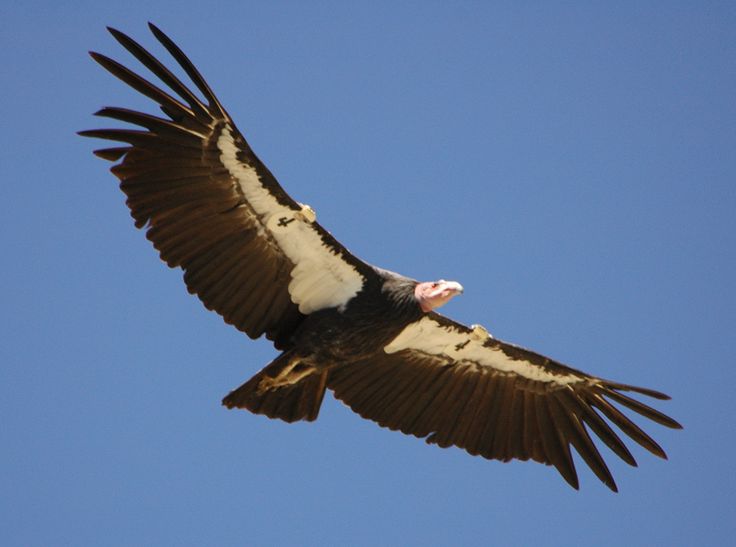
The United States is home to three types of vultures.  These carnivorous birds of pray live a life of consuming carrion, which is decaying flesh of dead animals.

Here are the types of vultures and their territorial range:

  • Turkey Vulture:  virtually every region of the country
  • Black Vulture:  predominately in southeastern region of the country
  • California Condor:  selected areas of California and Arizona

The Turkey Vulture is the most common species in the United States.  Its appearance features an all black body, bald head, and pinkish bill.  They possess a highly developed sense of smell, which allows for easier detection of carrion up to eight miles away.  Lacking vocal cords, these birds can only make a “hissing” sound.

The Black Vulture is covered in black feathers, bald head with black skin, and wings with silver feathers on the underside.  They possess excellent vision, and they prefer killing small animals (skunks, opossums, baby pigs, calves, and lambs) for food instead of carrion.  They follow a habit of staying close to Turkey Vultures, who have a better sense of small.  Since Black Vultures are more aggressive, they frequently chase their competition away.

The California Condor is the largest bird in the United States.  With a predominately black body and wings, the underside of the wings is usually white.  The bald heads range in color from yellow to orange to pink to purple to blue to red.  

In 1987, the Condor is declared extinct in the wild.  The few remaining birds live in captivity.  Because of a very successful breeding program, Condors are released back into the wild in California (1991) and Arizona (1996).  The Condor has excellent gliding skills when in flight, and they can soar as high as 15,000 feet.  

All three of these raptors feature featherless heads and necks.  This helps to keep the birds clean while consuming carrion.  A powerful stomach acid protects each bird of prey from exposure to rabies, Black Plaque, botulism, distemper, and anthrax.  

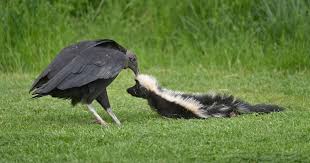
row 1:  black vultures feasting, in flight, and looking for prey.  Row 2:  Turkey Vultures on left column, along with baby chick.  on the right column, california condor with handler (notice the size contrast).  row 3:  california condor in flight.  (all images courtesy of PINTEREST)

Answer to Brain Teaser Question

23 years old.

Trivia’s Facts and More (3/8)

Photo by Pixabay on Pexels.com

This informative post will be published on Saturday in place of my regular one.  You are invited to participate with the opening question.

Brain Teaser Question

Why is the continent of Europe like a frying pan?

(answer found at the end of this post)

Featured Facts

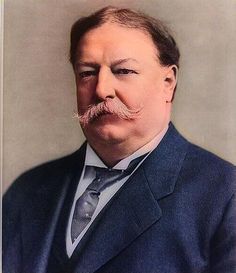
Ohio-born William Howard Taft becomes the 27th President of the United States following the election of 1908.  He serves one term in office, from 1909-1913.

Here are some interesting facts about William Howard Taft:

  • Political Party:  Republican
  • Birthplace:  Cincinnati, Ohio
  • Colleges Attended:  Yale University, Cincinnati Law School
  • LIfespan:  September 15, 1857 to March 8, 1930

Much of Taft’s pre-Presidency life focuses on being involved in the Ohio courts as a judge.  He serves in the Ohio court system before ascending to the U.S. Court of Appeals.  He becomes the only President to serve as Chief Justice of the United States Supreme Court (1921-1930).

Taft’s other roles embrace being a lawyer as well as a college professor.  From 1900-1903, he serves as the first civilian governor of the Philippines.  This appointment by President William McKinley follows the American acquisition of the Philippines following the Spanish-American War of 1898.

When Theodore Roosevelt is President, Taft serves as his Secretary of War from 1904-1908.  This position serves as a steppingstone for Taft when he runs for President in 1908.  Roosevelt steps aside as President after two terms as he decides to forego a third term.

Taft’s time as President is relatively undistinguished.  He proves to be more conservative than Roosevelt’s expansive view of Presidential power.  In the election of 1912, Roosevelt attempts take the Republican nomination away from Taft, but he is unsuccessful.

Roosevelt bolts away from the Republican Party to lead the Progressive Party, which is nicknamed the “Bull Moose.”  With the Republican Party split, Democratic Party candidate Woodrow Wilson easily wins the election, and he will go on to serve as President for two terms.

In 1921, Taft fulfills a lifetime dream of serving on the United States Supreme Court.  Ohio-born President Warren Harding taps him to serve as Chief Justice, and Taft serves until his death in 1930.

Because of his large size, Taft earns the nickname of “Big Bill.”  His weight of nearly 300 pounds makes him the largest person to ever serve as President.

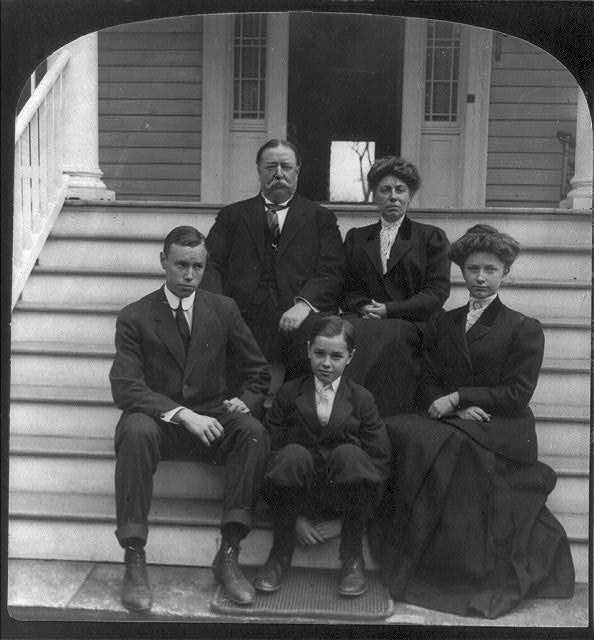
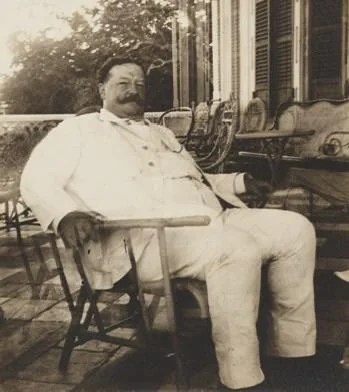
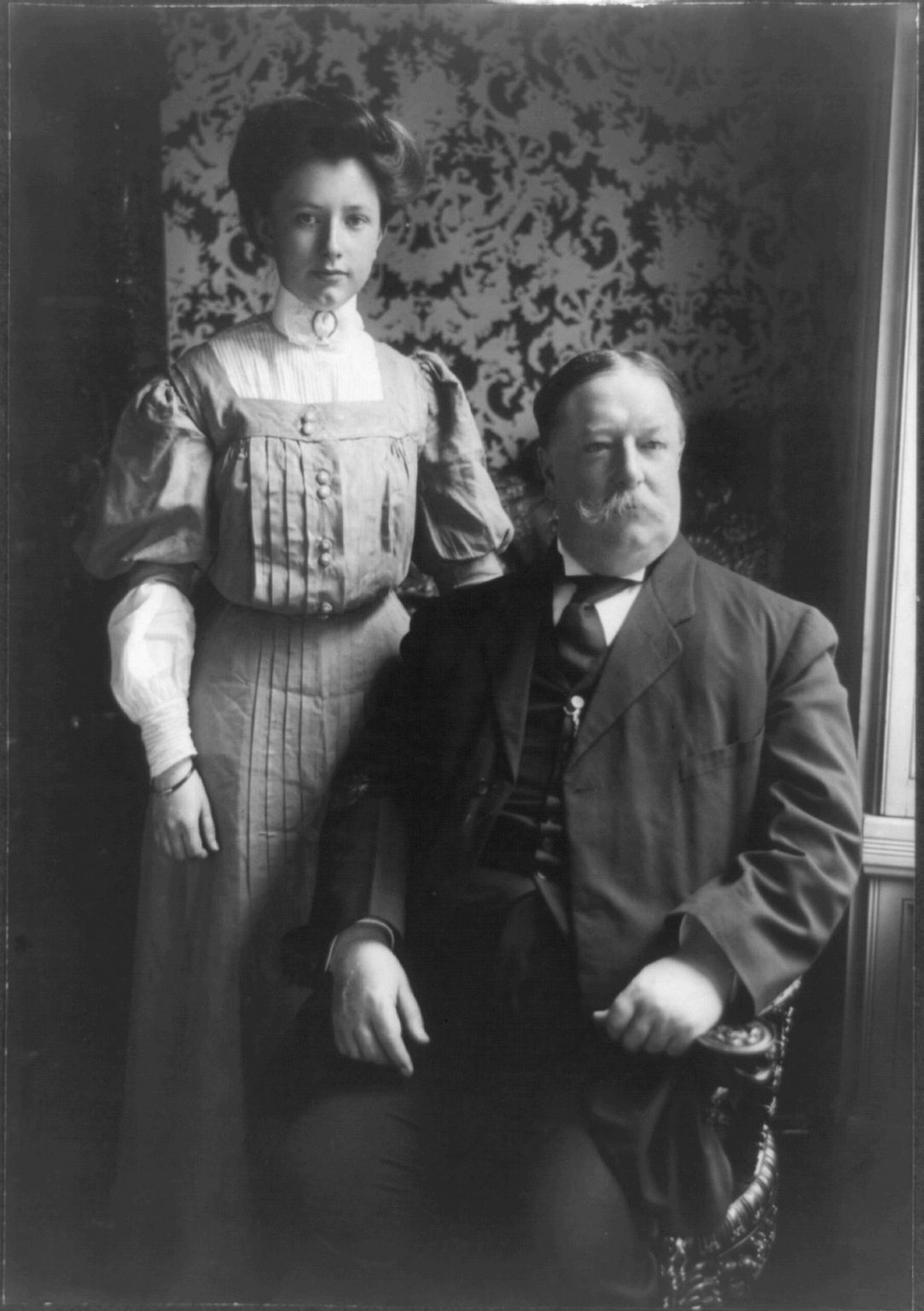
From top left and moving clockwise: portrait of PRESIDENT taft, portrait of chief justice taft, with theodore roosevelt, taft family home in cincinnati, portrait with Helen taft (his wife), governor-general of the philippines, family portrait with helen and children.  (all images courtesy of PINTEREST)

Answer to Brain Teaser Question

Because it has Greece at the bottom.

Trivia’s Facts and More (2/22)

Photo by Pixabay on Pexels.com

This informative post will be published on Saturday in place of my regular one.  You are invited to participate with the opening question.

Brain Teaser Question

Every night I’m told what to do, and each morning I do what I’m told.  But I still don’t escape your scold.  What am I?

(answer found at the end of this post)

Featured Facts

Illinois becomes the 21st state in the American Union on December 3, 1818.  Nicknamed the “Prairie State,” it is also known as the “Land of Lincoln.”

Here are some interesting facts about Illinois:

  • State Capital:  Springfield
  • State Bird:  Cardinal
  • State Flower:  Illinois Violet
  • State Motto:  State Sovereignty, National Union

Much of Illinois’ history is wrapped around the state capital of Springfield where the 16th American President, Abraham Lincoln, spends most of his adult life.  Born in Kentucky, Lincoln arrives from Indiana in 1829.  The birthplace of Ronald Reagan, 40th President, brings interested visitors to Tampico.

Being the third most populated city in the United States, Chicago is home to the first metal-frame design skyscraper in America.  The Home Insurance Building is built in 1885, and it features 10 stories within its height of 138 feet.  Demolished in 1931, the building’s history can be found in numerous photographs.

The city of Ottawa marks the location of the first Lincoln-Douglas debate on August 21, 1858.  Abraham Lincoln and Stephen Douglas conduct a series of seven debates as they duel for one of the U.S. Senate seats from Illinois.    Over 10,000 spectators attend this outdoor event, and Douglas will later be victorious in the election.

The name “Illinois” is derived from the French translation of a Native American word which means warriors.  Three major rivers form much of the state boundary of Illinois:  Wabash, Ohio, and Mississippi.

Chicago becomes the eastern anchor of the famous Route 66 Highway as it journeys toward Los Angeles to the west.  The total distance traveled equals 2,448 miles.

Three-fourths of the state’s territory is farmed.  The rich, black soil is well-suited for corn and soybeans.  The area around the village of Morton is called the “Pumpkin Capital of the World.”  About 85% of the world’s canned pumpkin is harvested and processed at the Nestles/Libby’s plant.

From top left and moving clockwise: capitol building in springfield, abraham Lincoln’s home in springfield, Mcdonald’s first franchise opened in des plaines in 1955, home insurance building in chicago, morton welcomes visitors to its canned pumpkin industry, map with route 66 highway layout from chicago to Los Angeles, Carl Sandburg’s birthplace in galesburg, tampico wall mural celebrates the life of ronald reagan, tomb for abraham lincoln in springfield.  (all images courtesy of PINTEREST)

Answer to Brain Teaser Question

An alarm clock.

Trivia’s Facts and More (2/15)

Photo by Pixabay on Pexels.com

This informative post will be published on Saturday in place of my regular one.  You are invited to participate with the opening question.

Brain Teaser Question

Why did the spider get a job in I.T.?

(answer found at the end of this post)

Featured Facts

One of the largest species of deer in North America is the mule deer.  Its range runs from the Yukon in the north to northern Mexico in the south.

Here are some interesting facts about mule deer:

  • Size:  large bucks weigh on the average 200 pounds, but some have been found as large as 300 pounds (female does are smaller)
  • Defining physical characteristic:  large ears which resemble those of a mule
  • Diet:  (herbivores) dry leaves, buds, fruit, flowers, sprouting grasses, small twigs, lichens
  • Lifespan:  about ten years

Mule deer closely resemble white-tailed deer, yet there are significant differences.  Mule deer’s larger ear size and body size separate them from white-tailed deer.  Their antlers feature a forked structure, with a much wider spread between them.  Many hunters prize the antlers of a mule deer buck.

Habitat is essential for a mule deer’s survival needs.  Bucks seek areas rich in nutrients that will stimulate body and antler growth.  In searching for these types of food, they become more vulnerable to attacks from predators (primarily wolves and coyotes).  Does prefer more secure locations that will provide safety for themselves and their young fawns.

Mule deer possess outstanding vision, hearing, and smell.  All of these senses provide their best defense against predators.  They prefer open, rugged landscapes when they migrate away from the protection of the forest.  Being incredibly agile, they can flee with the use of stotting.  This technique describes how deer hop along and land on all four feet.  

The rut season for mule deer usually runs from October into December.  During this mating season, bucks compete for supremacy.  Many are wounded several times from their battles with fellow bucks.  Following the rut, they retreat into hiding in order to recover from exhaustion and injuries.

Following a seven-month long gestation period, does give birth usually with twin fawns in late spring and early summer.  This time period allows for a greater abundance of nutritious food.  Following birth, fawns remain hidden and protected for several days. 

In some locations, mule deer numbers are declining.  Interbreeding with white-tailed deer makes them more at risk to predators because a hybrid deer can neither run nor jump as well as a purebred.  Forestry, drought, and growing predator populations also affect mule deer population figures.  

From top left and moving clockwise:  trio of bucks jump a fence, buck with wide spread antlers, doe with pair of fawns, buck and doe during rut season, and two large bucks in combat during the rut.  (all images courtesy of PINTEREST)

Answer to Brain Teaser Question

Because he excels in web design.