Trivia’s Facts and More (11/9)

Photo by Pixabay on Pexels.com

This informative post will be published on Saturday in place of my regular one.  You are invited to participate with the opening question.

Brain Teaser Question

In the kitchen, what do you have to break before you can use it?

(answer found at the end of this post)

Featured Facts

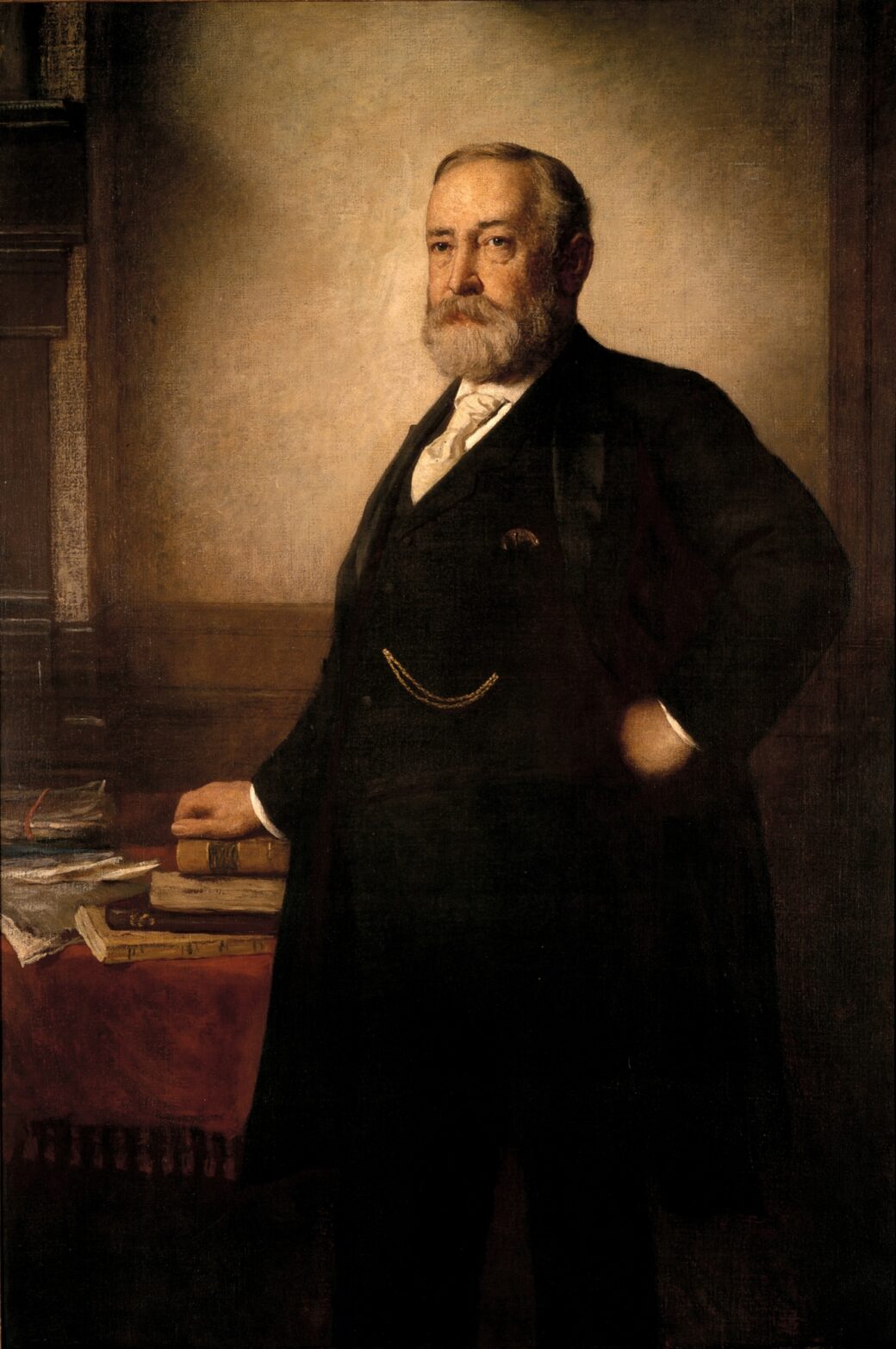
Born in North Bend, Ohio, Benjamin Harrison will become the 23rd President of the United States.  He serves a single term (1889-1893).

Here are a few quick facts about President Harrison:

  • Political party:  Republican
  • State represented:  Indiana
  • Occupations:  lawyer, U.S. Senator
  • LIfespan:  1833-1901
  • College attended:  Miami University (Oxford, Ohio)

Harrison spends much of his early life in Ohio where he attends college, becomes a lawyer, and lives in Cincinnati.  He serves in the Union army during the Civil War, and he rises to the rank of general.  Later, he will move to Indiana to further his law career and is elected to the United States Senate for one term.

Harrison’s family roots run deeply through earlier generations of American history.  He is the great-grandson of Benjamin Harrison, who signs the Declaration of Independence.  He is the grandson of American’s ninth President, William Henry Harrison.

Harrison carries two nicknames, which refer to his family lineage as well as his place in Presidential history.  He is sometimes referred to as “Young Tippecanoe.”  His grandfather, William Henry Harrison, is known as “Old Tippecanoe.”  Some historians have labeled him as “The Centennial President.”  His term of office begins 100 years after America’s first President, George Washington.

As President, Harrison signs two significant pieces of legislation in 1890:  Sherman Antitrust Act and McKinley Tariff Act.  Both bills are named after Ohio Senators, their chief sponsors.  Harrison is an ardent protectionist so his support for tariffs is expected. 

He also supports veterans’ benefits (from the Civil War), forest conservation, expansion of the U.S. Navy, and annexation of Hawaii.  Hawaiian annexation is achieved in 1898 under President McKinley’s administration.  Forest conversation and expansion of the navy will become hallmarks of the Theodore Roosevelt administration in the early 1900s.

In Harrison’s first election for the Presidency in 1888, he defeats Democratic incumbent Grover Cleveland.  Despite losing the popular vote, he comes out on top with a majority of electoral votes.  When running for re-election in 1892, Cleveland challenges Harrison and wins decisively.  

from top left and moving clockwise:  white house portrait of harrison, historical marker of harrison’s birthplace in north bend, his home in indianapolis,  from his later years, and during the CIVIL war.  (Images courtesy of Pinterest)


Answer to Brain Teaser Question

Egg

Trivia’s Facts and More (10/26)

Photo by Pixabay on Pexels.com

This informative post will be published on Saturday in place of my regular one.  You are invited to participate with the opening question.

Brain Teaser Question

What is so fragile that saying its name breaks it?

(answer found at the end of this post)

Featured Facts

Being one of the original thirteen English colonies, the state of North Carolina is admitted as the 12th one to the American union on November 21, 1789.

Here are a few quick facts about North Carolina:

  • Capital city:  Raleigh
  • Most populous city:  Charlotte (874,579, based on 2020 census)
  • Bird:  cardinal
  • Flower:  flowering dogwood
  • Motto:  Esse Quam Videri (To Be, Rather Than To Seem)

North Carolina’s nickname of the Tar Heel State refers to its history of ship building.  From the state’s abundant pine forests, a variety of naval stores are extracted from these trees.  These include tar, pitch, and turpentine.

The state’s landscape features three major physiographic regions.  The physical geology includes the Coastal Plain (also called the tidewater), the Piedmont (low, rolling plateau), and the Blue Ridge (Appalachian Mountains).  

Located along the Atlantic coastline, Kitty Hawk is famously remembered as the site of the Wright brothers’ first of  its kind successful airplane flight.  One of the state’s license plate designs features the words, “First in Flight.” 

In 1587, Roanoke Island becomes the first English colony in North America.  The settlement is twenty years ahead of the founding of the Jamestown colony in 1607.  Later, the inhabitants mysteriously disappear.  

The communities of Winston and Salem originally sit about one mile apart.  In 1913, they merge together and become Winston-Salem.  The city claims to be the birthplace of Krispy Kreme donuts when the very first business opens in 1937 to sell them.

North Carolina produces nearly sixty percent of the sweet potato crop in the United States.  The tallest brick lighthouse in the United States is the Cape Hatteras Lighthouse, which stands 210 feet tall after being rebuilt in 1870.

from top left and moving clockwise:  wright brothers making history at kitty hawk, cape hatteras lighthouse, sweet potato crop, flowering dogwood, and state capitol in raleigh.   (Images courtesy of Pinterest)


Answer to Brain Teaser Question

Silence

Trivia’s Facts and More (10/19)

Photo by Pixabay on Pexels.com

This informative post will be published on Saturday in place of my regular one.  You are invited to participate with the opening question.

Brain Teaser Question

David’s father has three sons.  Two are named Snap and Crackle.  What is the third son’s name?

(answer found at the end of this post)

Featured Facts

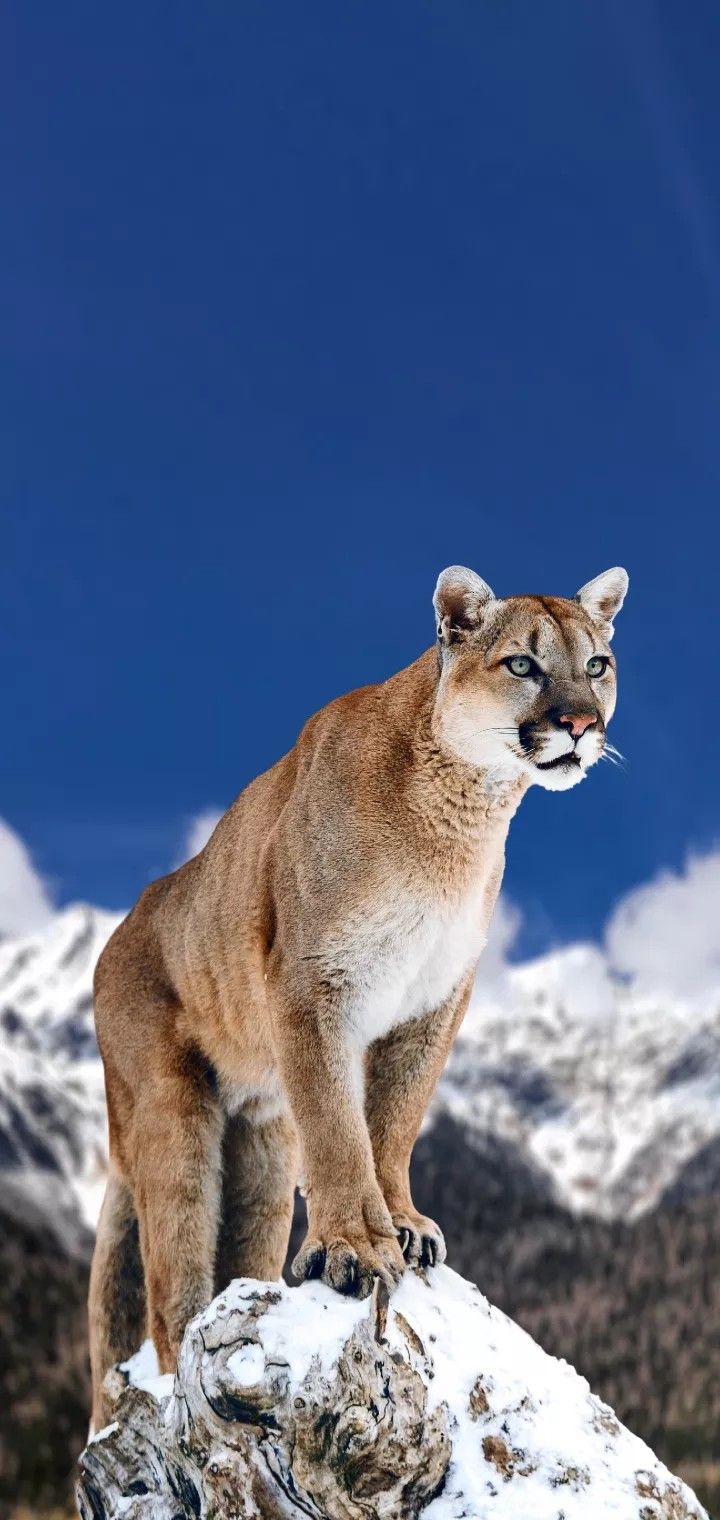
The second largest wild cat in the Western Hemisphere is the cougar, which also goes by several names:  puma, mountain lion, panther, jaguar, and catamount.

Here are a few quick facts about the cougar:

  • Height (at shoulder):  2-3 feet
  • Length (body):  5-8 feet
  • Weight:  adult male, 130 pounds; adult female, 100 pounds
  • Top Speed:  25-35 miles per hour
  • Lifespan:  8-15 years, but some may live 20 years

The cougar’s range extends throughout the western United States and Canada, and all of South America.  This wild cat has proven to be vary adaptable as it is able to live in snow-covered mountains as well as in tropical rainforests.

With its short, coarse coat, long tail, and brownish color, cougars have been widely photographed.  Being a carnivore, its diet might consist of small- to medium-sized mammals such as coyotes and rodents.  While Its favorite prey is deer, cougars may also seek food from domestic livestock:  poultry, sheep, calves, goats, and pigs.

Being a nocturnal, stealth hunter of its prey, cougars are solitary as they stalk each kill.  They generally hunt at dawn or dusk.  Because of their mysterious hunting times, they are sometimes nicknamed ghost cats.  Larger animals may prey upon cougars, such as bears and wolves. 

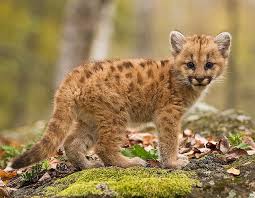
Generally, females give birth to kittens every other year.  Average size of a litter is three.  The gestation period is about 90-100 days.  Kittens are covered with dark spots, and their banded tails serve as camouflage.  Kittens stay with their mothers for up to two years.  

The physical traits of cougars’ agility and strength are legendary.  Some may be able to leap up to 18 feet from the ground to a tree branch.  Others have been observed covering a length of ground with a single bound of 20-35 feet.

top row:  VARIOUS male cougars.  bottom row:  female with kittens and single spotted kitten (seeming to be posing for the photo).  (Images courtesy of Pinterest)


Answer to Brain Teaser Question

David (sorry, he is not nicknamed “Pop”)

Trivia’s Facts and More (10/12)

Photo by Pixabay on Pexels.com

This informative post will be published on Saturday in place of my regular one.  You are invited to participate with the opening question.

Brain Teaser Question

There is a house.  A person enters this house blind to most of the world’s knowledge, but exits it seeing so much more of it.  What is it?

(answer found at the end of this post)

Featured Facts

One of the most fascinating insects is the quiet and elusive walking stick, who is one of the largest insects in the world.

Here are a few quick facts about the walking stick:

  • Size:  varies with an average range of 1-12 inches in length
  • Color:  light to dark brown
  • Diet:  primary food is leaves (herbivores)
  • Habitat:  woods, forests, grasslands

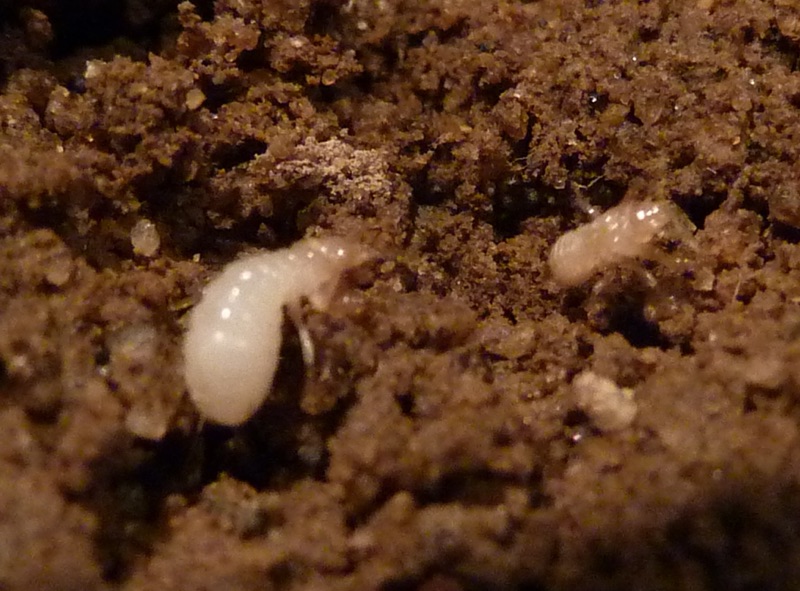
Living in temperate and tropical climates, the walking stick is a member of the Phasmida family of insects.  With more than 3,000 species, they live on every continent except Antarctica.  

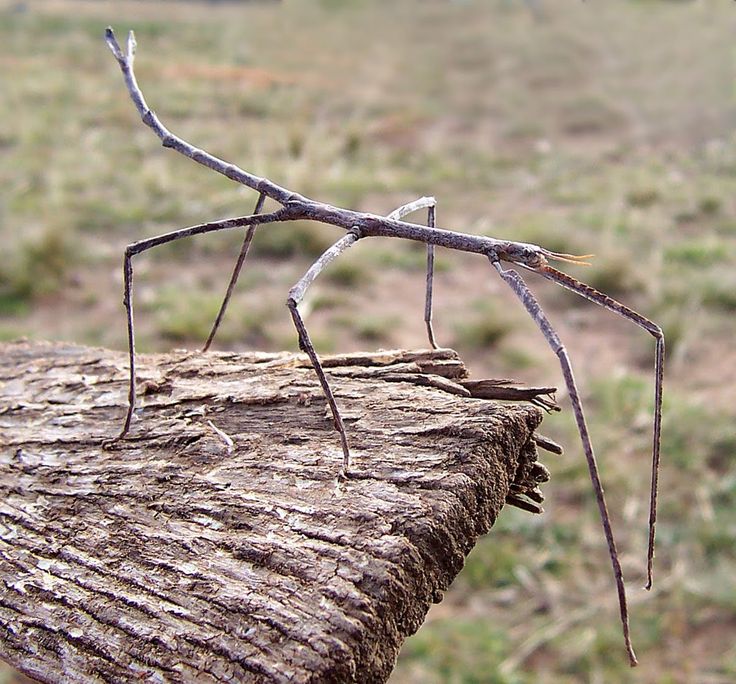
The walking stick’s name is quite descriptive as it looks very much like a thin twig.  This long  insect features slender legs and antennae.  They have the ability to regenerate a lost leg.

Since each resembles a narrow twig, the walking stick is blessed with a well-camouflaged appearance.  They hide in plain sight, and few predators notice them.  One of the most successful predators is the bat, which is equipped to hunt by echolocation.   Bats use a biological sonar system to help locate their prey.

The life cycle of the walking stick begins with a female laying dozens of seed-like eggs.  Eggs are dropped to the ground, one at time.  Some eggs may take up to two years to hatch.  Nymphs look like tiny adults, and they will reach full maturity in about 3-12 months.  The average lifespan of a walking stick is two years.

An unusual trait of walking stick reproduction is what happens when a male is not present to mate.  Females lay their eggs, which will only bear female offspring.  This phenomena is called parthenogenesis.
top left and moving clockwise:  notice the length of a walking stick in contrast with a human hand, movement over a rocky formation, walking upon a piece of wood, can you see the camouflaged walking stick in this final photo?   (Images courtesy of Pinterest)


Answer to Brain Teaser Question

A schoolhouse.

Trivia’s Facts and More (10/5)

Photo by Pixabay on Pexels.com

This informative post will be published on Saturday in place of my regular one.  You are invited to participate with the opening question.

Brain Teaser Question

How many birthdays does the average person have?

(answer found at the end of this post)

Featured Facts

Grover Cleveland had the distinction of being the only American President elected to this high office for two non-consecutive terms.  He served his country as the 22nd and 24th President.

Here are a few quick facts about President Cleveland:

  • Lifespan:  March 18, 1837 to June 24, 1908
  • Political party:  Democratic
  • Terms of office:  1885-1889, 1893-1897
  • Career outside of politics:  teacher and lawyer

President Cleveland’s full name was Stephen Grover Cleveland, but he dropped the first name in favor of using just his middle name.  Born in the state of New Jersey, Cleveland spent most of his political career in New York state as mayor of Buffalo and governor of New York.

Sometimes nicknamed “The Veto President,” Cleveland earned this distinction during his first term as President.  He used his veto power 414 times, which was more than the combined vetoes of the preceding 21 Presidents.  One significant bill would have provided pensions to Civil War veterans.

Cleveland became known as a political reformer.  He served as the only Democratic President between Abraham Lincoln (elected in 1860) and William Howard Taft (elected in 1908).  Following Cleveland’s two terms as President, the next Democratic occupant of the White House would be Woodrow Wilson, who was elected in 1912..

During Cleveland’s first year of his second term in office, the country faced a severe economic downturn with the Panic of 1893.  Filled with bank failures and railroad bankruptcies, this event would only later be surpassed by the Great Depression era during President Herbert Hoover’s inaugural year of his term in office (elected in 1928).  

Cleveland became the first President to be married in a ceremony held at the White House.  He and his bride, Frances Folsom, were wed in 1886. He also became the first President to father a child (Esther), who was born in the White House.

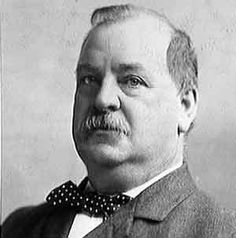
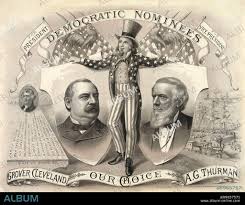
top left and moving clockwise:  Portrait, standing (notice the top hat), wife frances, princeton home at westand in new jersey, campaign poster from 1888 when cleveland was defeated for re-election (with running mate a. g. thurman)  (Images courtesy of Pinterest)
 

Answer to Brain Teaser Question

One  [Analyze what a birthday is?  Don’t become lured into the word “average.”  It’s a single day when someone is born.]

Trivia’s Facts and More (9/21)

Photo by Pixabay on Pexels.com

This informative post will be published on Saturday in place of my regular one.  You are invited to participate with the opening question.
Brain Teaser Question

I am nature’s event of early morning light, which sketches another greeting card.  What am I?

(answer found at the end of this post)

Featured Facts

As one of the 13 original English colonies in North America, Connecticut becomes the fifth state in the American Union when it is granted statehood on January 9, 1788.

Here are a few quick facts about Connecticut:

  • Capital city:  Hartford
  • Nickname:  Constitution State
  • Bird:  Robin
  • Flower:  Mountain laurel
  • Motto:  Qui Transtulit Sustinet (He Who Transplanted Still Sustains)

Connecticut offers a variety of places and historical events of interest.  One of the oldest universities in the United States is Yale University, which is located in New Haven.  Founded in 1701, Yale is several years younger than its fellow Ivy League school, Harvard University (founded in 1636).

Connecticut’s namesake is derived from the Native American “Quinnehtukqut,” which means “beside the long tidal river.”  This has long been a reference to the Connecticut River, which flows through the middle of the state from the Canadian border to Long Island Sound (at Old Saybrook).  

The oldest American newspaper in continuous circulation is the Hartford Courant, which is founded in 1764.  In 1878, the citizens of New Haven become the world’s first subscribers to a telephone exchange service.

Connecticut offers plenty of charming locations as epitomized by the seaside village of Mystic.  Along Long Island Sound, Hammonasset Beach State Park occupies a sandy two-mile stretch near the town of Madison.

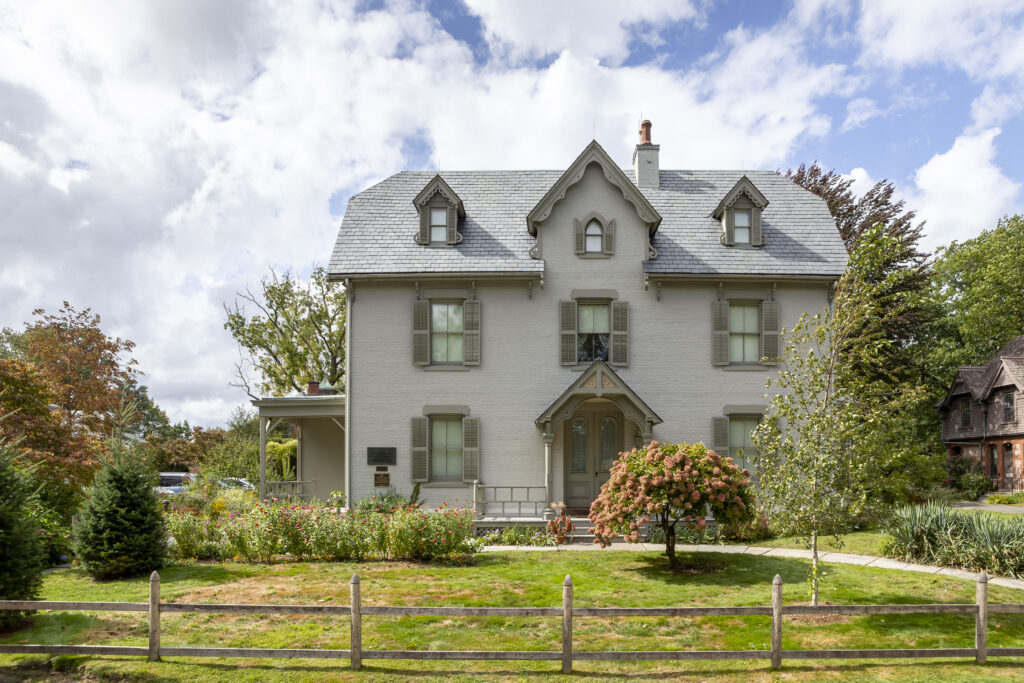
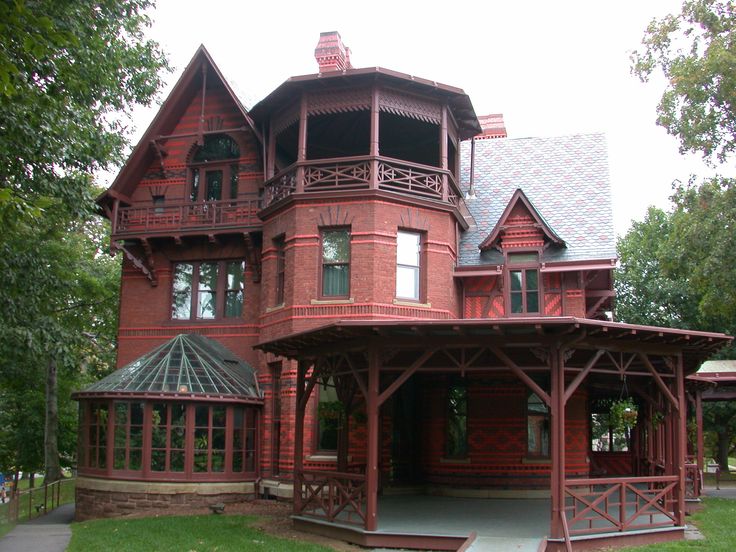
Two famous American writers reside as neighbors in the Nook Farm area of Hartford.  Connecticut native, Harriet Beecher Stowe, lives there from 1873-1896.  Missouri native, Samuel Clemons, who is better known as Mark Twain, lives next door from 1874-1891.  

top left and moving clockwise:  current state capitol building (built in 1878), home of harriet Beecher Stowe, hammonasset beach state park, former state capitol building (built in 1796), Home of mark Twain, state flower mountain laurel.  (Images courtesy of Pinterest)


Answer to Brain Teaser Question

A sunrise

Trivia’s Facts and More (9/14)

Photo by Pixabay on Pexels.com

This informative post will be published on Saturday in place of my regular one.  You are invited to participate with the opening question.

Brain Teaser Question

My attitude seems to change daily, sometimes in the very next hour.  Please pardon my windy breath, cold touch, hot temperament, and moist fingers.  Who am I?

(answer found at the end of this post)

Featured Facts

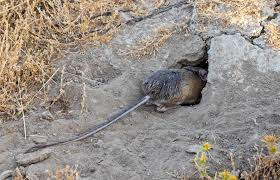
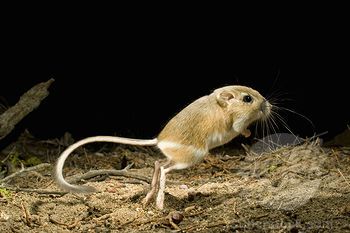
One of North America’s most curious creatures is the diminutive kangaroo rat, which lives in the dry and semi-arid deserts and grasslands.

Here are a few quick facts about the kangaroo rat:

  • Body length:  about 4-6 inches
  • Tail length:  about 7-8 inches
  • Weight:  about 5 ounces
  • Diet:  seeds, leaves, stems, grains, fruit (herbivores)
  • Lifespan:  averages 3-5 years

As one of the smallest of rodents, the kangaroo rat is related to mice and rats.  It is sometimes called the desert rat.  It possesses a large head with big eyes and small ears.  Usually its color is a sandy brown.

Being called a “kangaroo” rat, the nearly 20 different species borrow some characteristics from the Australian kangaroo.  Equipped with long rear limbs with four toes, they are able to hop like tiny kangaroos.  They also use their muscular hind legs to drum the ground.  

Being most active at night, the kangaroo rat benefits from the cooler temperature as well as using the darkness to avoid interactions with predators, such as owls, snakes, bobcats, foxes, badgers, and coyotes.  Its ability to hop up to 9 feet proves to be another asset in its necessary defense from predators.

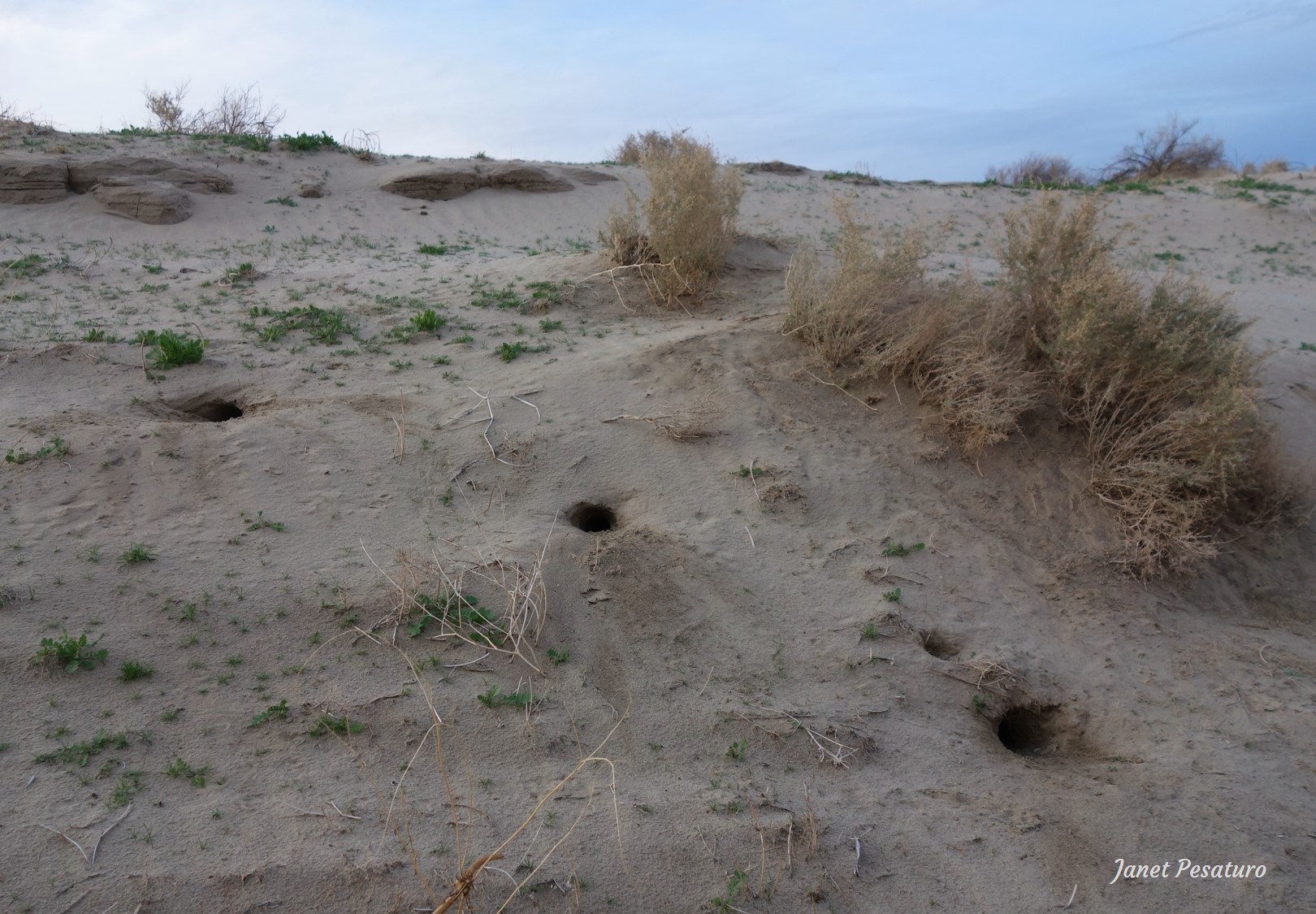
Males and females remain separate except during during the breeding season.  Each kangaroo rat acts quite territorial as it protects its burrows and food storage.  The underground burrows provide an escape from the heat of the sun, and its kangaroo-like pouches in its large checks act as an efficient way to carry food back to store.

The life cycle of the kangaroo rat allows for breeding once or twice each year.  The gestation period lasts for 3-4 weeks.  Litters of pups average about five in number.  Pups are weaned after 2-3 weeks, and they reach sexual maturity in about 2-3 months.

top left and moving clockwise:  close-up of mature kangaroo rat, a series of underground burrows are nestled in the hillside’s sandy-like soil, a kangaroo rat entering a burrow, notice the length of the tail in contrast with the body size of the kangaroo rat, and a kangaroo rat preparing to hop.  (Images courtesy of Pinterest)


Answer to Brain Teaser Question

The weather

Trivia’s Facts and More (9/7)

Photo by Pixabay on Pexels.com

This informative post will be published on Saturday in place of my regular one.  You are invited to participate with the opening question.

Brain Teaser Question

You measure my life in hours, and I serve you by expiring.  I’m quick when I’m thin, and slow when I’m fat.  The wind is my enemy.

(answer found at the end of this post)

Featured Facts

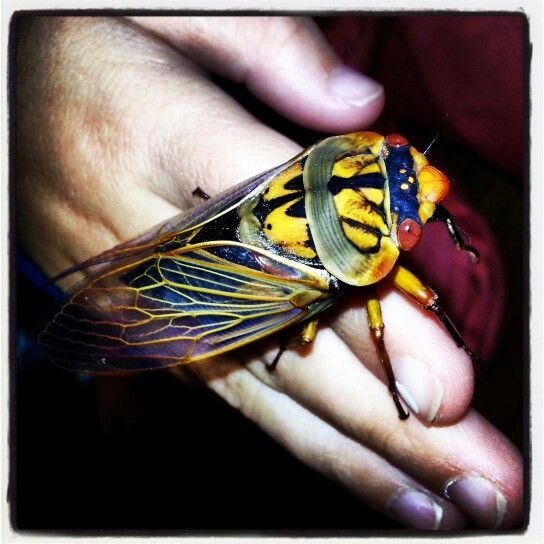
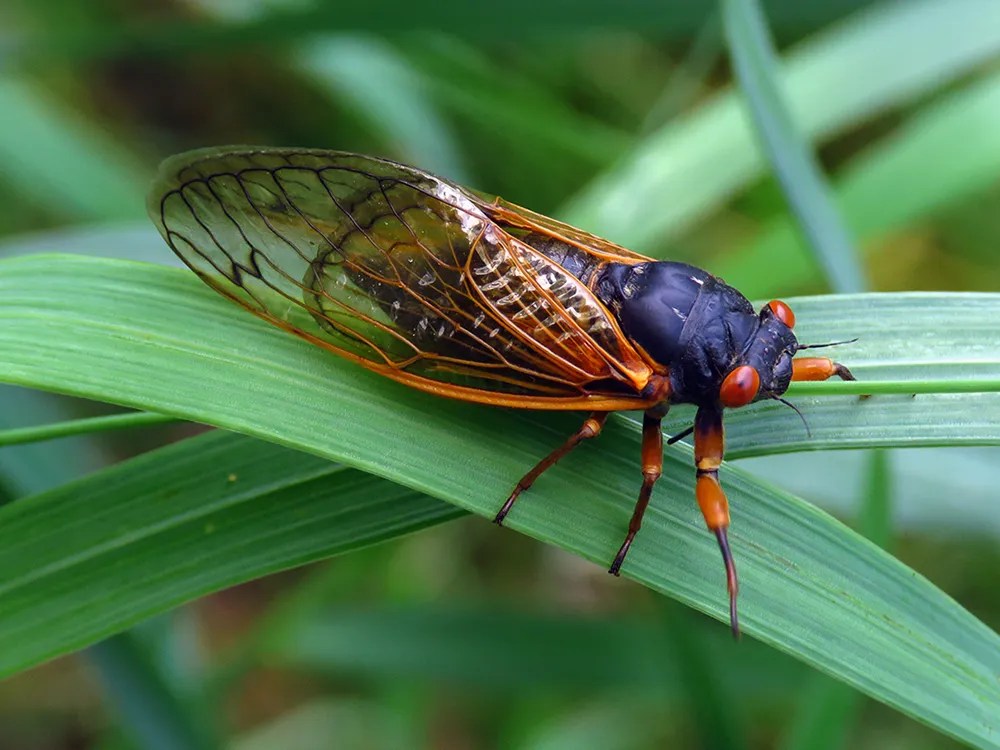
Nocturnal and related to the cricket, the katydid is a fascinating insect to discover.

Here are a few quick facts about the katydid:

  • Size:  maturing to about 3 inches in length
  • Color:  “leaf” green, brown, pink, tan
  • Habitat:  wooded or shrub areas
  • Diet:  leaves, nectar, and fruit

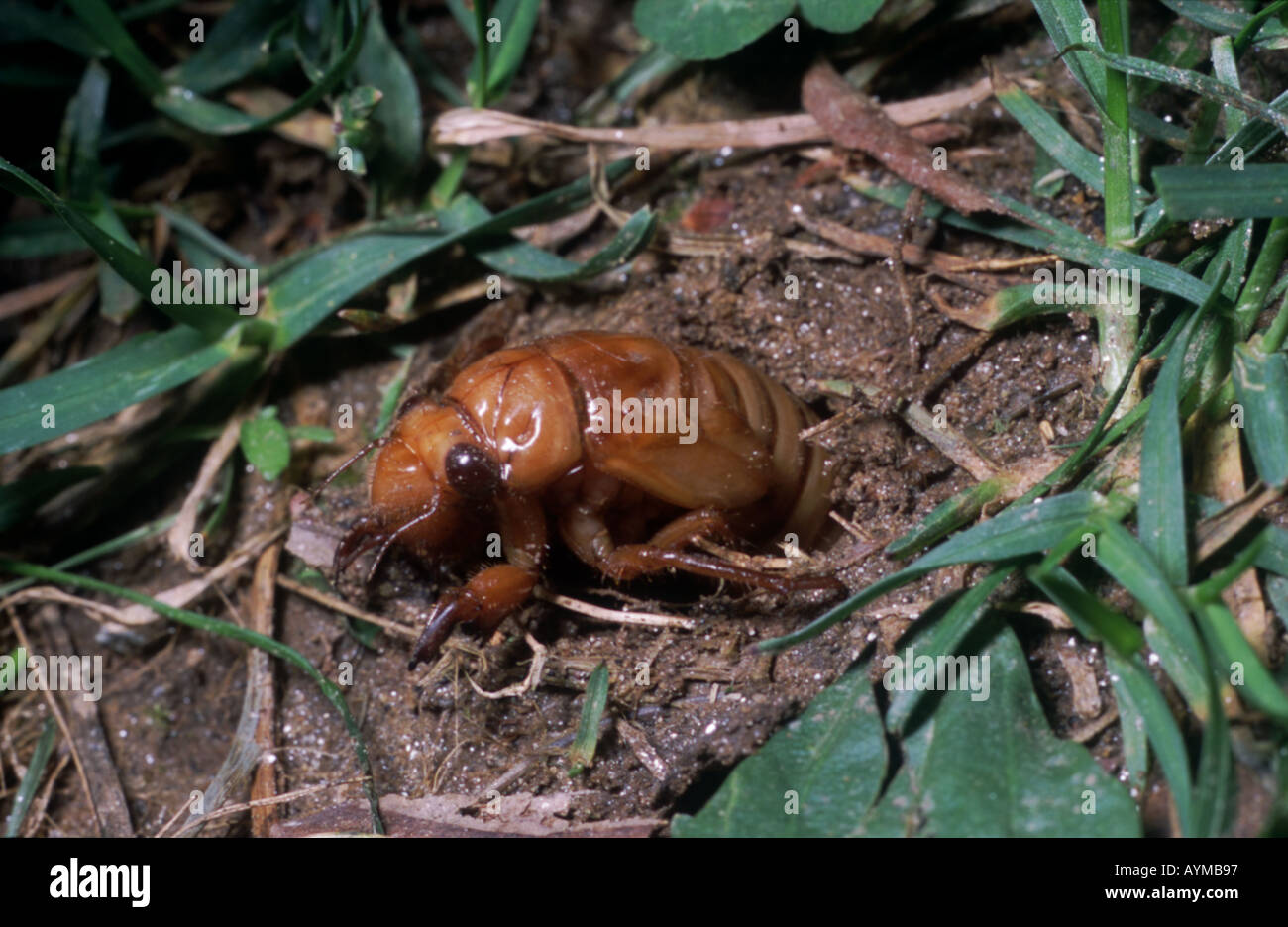
Sometimes confused with a grasshopper, the katydid’s body features large hind legs and a long, thread-like antennae.  A grasshopper’s antennae is smaller in length.  It’s leaf-like appearance offers camouflage when surrounded by leaves and other plants.  Related to the cricket, they are frequently referred to as bush crickets.

The katydid is found on every continent, except for Antarctica.  They are known for their singing at night where one might hear a trilling, chirping sound of “katy-did-katy-didn’t.”

The life cycle of the katydid begins with the insertion of eggs into plant stems during the fall season.  Over the winter, the eggs wait patiently for late spring when they hatch into nymphs.  After several molts, the nymphs will mature into adults.

Despite its ability to hide among lush vegetation, the katydid is hunted by several predators:  birds, lizards, frogs, bats, and other insects.

worldwide, there are thousands of katydid species.  Here is a sample (note the differences in color).  (Images courtesy of Pinterest)


Answer to Brain Teaser Question

A candle

Trivia’s Facts and More (8/31)

Photo by Pixabay on Pexels.com

This informative post will be published on Saturday in place of my regular one.  You are invited to participate with the opening question.

Brain Teaser Question

What has 13 hearts but no other organs?

(answer found at the end of this post)

Featured Facts

The 21st President of the United States was Chester Alan Arthur.  He assumed the office upon the death of President James Garfield, who was assassinated.

Here are a few quick facts about President Arthur:

  • Native state:  Vermont
  • Term of office:  1881-1885
  • Political party:  Republican
  • Lifespan:  1829-1886

Nicknamed “The Gentleman Boss” because of his duties and service to both the Union army and later the port authority of New York, Arthur’s previous occupations included teacher and lawyer.  During the Civil War, he served as Union quartermaster where it was his duty to organize food and supplies for the New York troops.

The son of a Baptist preacher, Arthur quite frankly never expected to be President.  However, circumstances placed him in the highest office in the land, and he performed his tasks with devotion and diligence.

One of his administration’s most significant tasks was in reforming the federal government’s civil service.  In 1883, Arthur signed the Pendleton Act, which eliminated the “spoils” system in filing jobs with the federal government.  A Civil Service Commission was established, and future federal jobs would be distributed on merit instead of patronage.  

Before Arthur moved into the White House, designer Louis Comfort Tiffany was hired to redecorate its state rooms.  More than 20 wagon loads of furnishings were hauled away to be auctioned off.

As the Election of 1884 loomed ahead, Arthur declined to run for re-election.  He had been hiding a serious illness throughout much of his term of office.  Bright’s disease, a fatal kidney illness, took his life in 1886.

left to right:  portrait of president arthur, photo from younger years, summer home at sag harbor, new york.  (Images courtesy of Pinterest)


Answer to Brain Teaser Question

A deck of cards

Trivia’s Facts and More (8/17)

Photo by Pixabay on Pexels.com

This informative post will be published on Saturday in place of my regular one.  You are invited to participate with the opening question.

Brain Teaser Question

You walk into a room that contains a match, a kerosene lamp, a candle, and a fireplace.  What would you light first?

(answer found at the end of this post)

Featured Facts

The Hawkeye state of Iowa becomes the 29th state admitted to the American union on December 28, 1846.

Here are a few quick facts about Iowa:

  • Capital City:  Des Moines (also most populated city)
  • State Bird:  Eastern goldfinch
  • State Flower:  Wild prairie rose
  • State Motto:  Our Liberties We Prize and Our Rights We Will Maintain 

One of Iowa’s most recognized citizens is Carrie Chapman Catt (1859-1947).  She is honored for her efforts as a women’s suffrage leader.  In 1920, passage of the 19th Amendment to the U.S. Constitution grants women the right to vote.  Catt also founded the League of Women Voters in 1920.

When one drives along any highway through the state, it is easy to understand that Iowa is America’s leading corn producer.  Iowa is the only American state bordered by two navigable rivers:  Missouri on the west and Mississippi on the east.

Sioux City is located along the northwestern border of the state.  While most of the city is located in Iowa, parts of the city are also found in Nebraska and South Dakota. 

The television show of M*A*S*H features one character with an Iowa address.  Walter “Radar” O’Reilly hails from Ottumwa.  Gary Burghoff, who portrays this unforgettable character, is a native of Bristol, Connecticut.

clockwise from top left: Carrie chapman catt, Albert the bull in audubon, world’s largest coffee pot in stanton, President herbert hoover’s birthplace in west branch, orange city tulip festival (since 1933).   (Images courtesy of Pinterest)


Answer to Brain Teaser Question

The match