Trivia’s Facts and More (12/13)

Photo by Pixabay on Pexels.com

This informative post will be published on Saturday in place of my regular one.  You are invited to participate with the opening question.

Brain Teaser Question

I see you, you see me.  I have three eyes.  Whenever I blink, I command you to stop or go.  What am I?

(answer found at the end of this post)

Featured Facts

Dwight D. Eisenhower enters the Presidential Election of 1952 in his very first candidacy for any political office, and he easily earns victory to become America’s 34th President.

Here are a few interesting facts about President Eisenhower:

  • State Represented:  Pennsylvania
  • Political Party:  Republican
  • Birth:  October 14, 1890 (Dennison, Texas)
  • Death:  March 28, 1969 (Washington, DC)
  • Occupation:  Soldier
  • College:  U.S. Military Academy at West Point

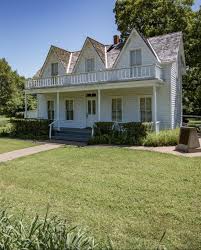
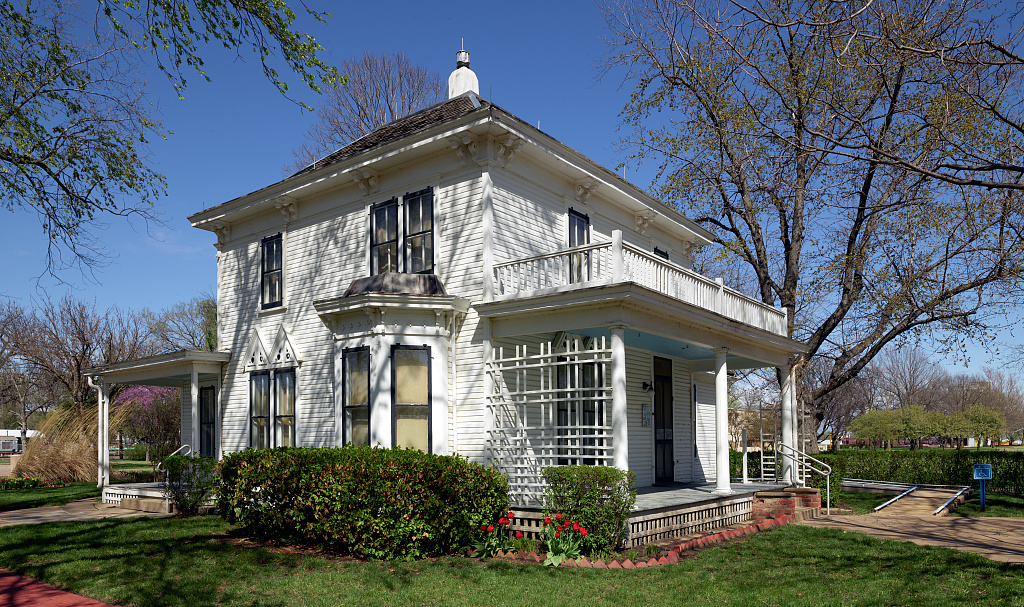
Nicknamed Ike, President Eisenhower spends most of his childhood in Abilene, Kansas.  He learns at a young age the value of hard work and his family’s strong religious traditions.

Eisenhower is re-elected in 1956, and he defeats Democratic candidate Adlai Stevenson just as he did in 1952.  During these two terms of office, Richard M. Nixon serves as the nation’s Vice President.

Eisenhower’s pre-presidential life is filled with several notable achievements:

  • Supreme Commander of the Allied Forces during World War II
  • Commander of NATO forces in Europe following World War II
  • Authors a book in 1948 (Crusade in Europe)
  • President of Columbia University (1948-1953)

During his first term as President, Eisenhower secures an armistice to stop the war between North and South Korea.  Following the darkness of war in Europe and Asia, he presides over a nation which desires more quiet times at home.  His previous military leadership brings strengths to his Presidency in terms of organization and the ability to persuade others to work with him.

Eisenhower’s administration initiates the construction of the Interstate Highway System, which becomes the largest public works project in American history.  The first miles of highway begin to transform the nation’s roads in 1956, while the project continues until completion in 1992. 

He extends the federal government’s power in bringing about school integration in Little Rock, Arkansas in 1957.  The integration of Little Rock Central High School finally occurs when Eisenhower sends the U.S. Army’s 101st Airborne Division to escort nine African-American students (the Little Rock Nine) into the school.

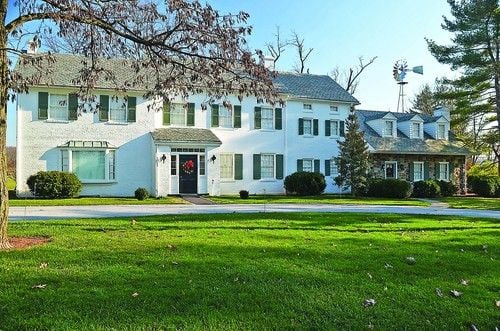
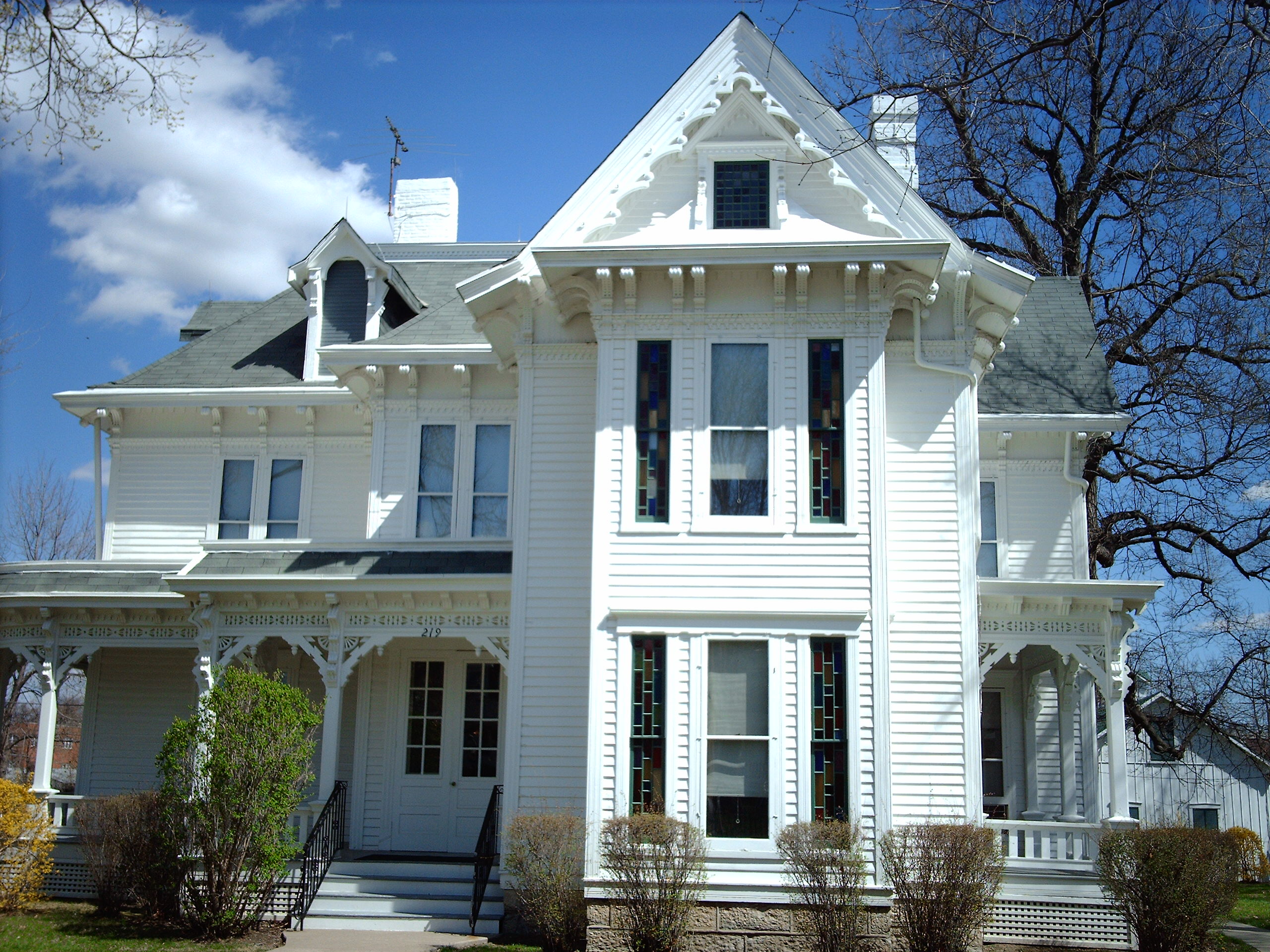
In 1950, Eisenhower purchases a home and farm outside of Gettysburg, Pennsylvania.  The connection between Gettysburg’s place in the history of America’s Civil War complements his military background.

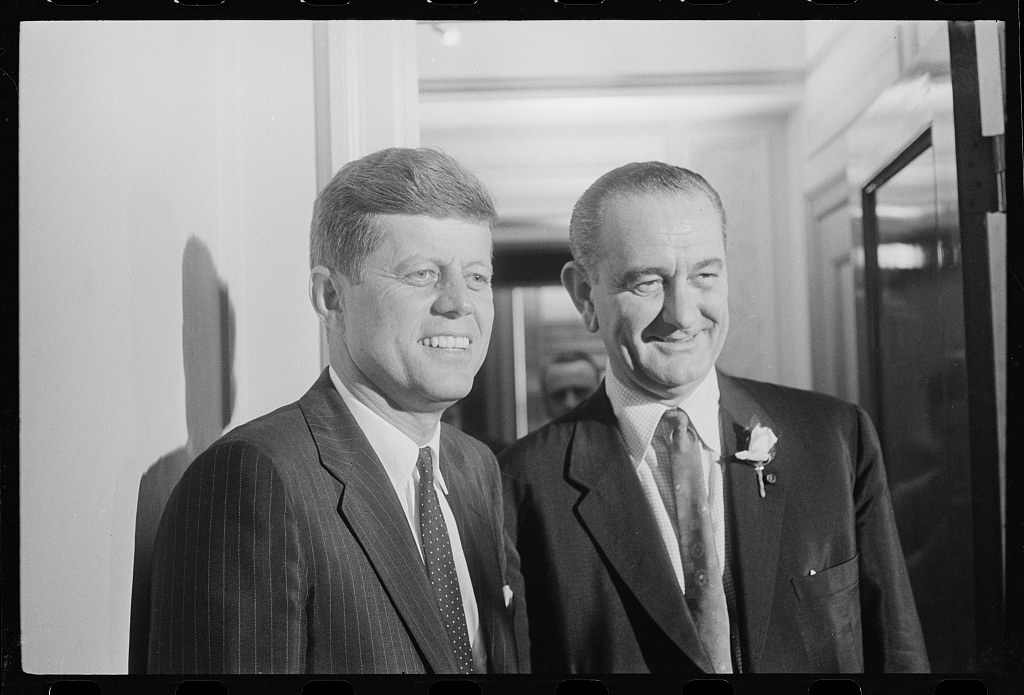
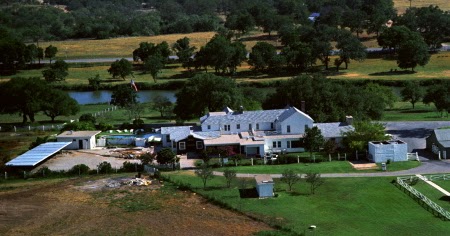
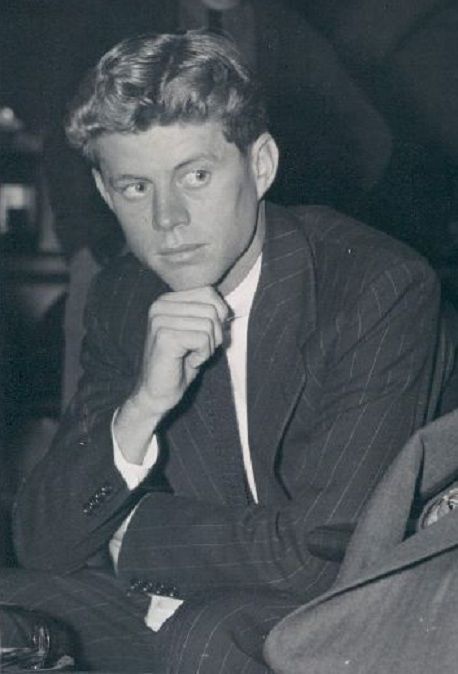
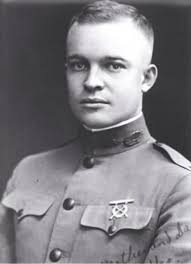
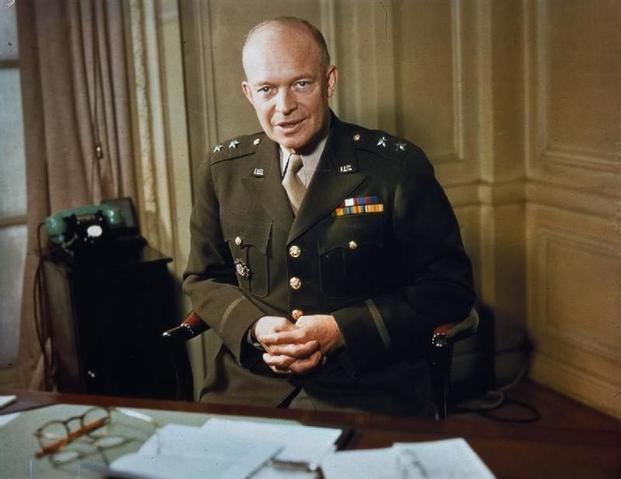
top left and MOVING clockwise: presidential portrait, young officer in the U.s. army, with wife mamie in their early years, childhood home in abilene, birthplace home in dennison, world war ii general, gettysburg farm and home, with president-elect john f. kennedy.  (Courtesy of Pinterest)


Answer to Brain Teaser Question

A traffic light.

Trivia’s Facts and More (11/15)

Photo by Pixabay on Pexels.com

This informative post will be published on Saturday in place of my regular one.  You are invited to participate with the opening question.

Brain Teaser Question

One of these words does not belong:  brawl, carrot, change, clover, proper, sacred, stone, seventy, swing, travel.

(answer found at the end of this post)

Featured Facts

Upon the death of President Franklin D. Roosevelt on April 12, 1945, Harry S. Truman assumes the high office of the United States President.  He becomes the 33rd Chief Executive, and he will serve from 1945 to 1953.

Here are a few interesting facts about President Truman:

  • Political Party:  Democratic
  • State Represented:  Missouri
  • Birth:  May 8, 1884 in Lamar, Missouri
  • Death:  December 26, 1972 in Kansas City, Missouri
  • Other Occupations:  farmer, soldier, businessman

Nicknamed “The Man from Independence,” Truman’s early life exhibits a strong work ethic and a commitment to education.  During World War I, he serves as an army artillery officer in the European theater.  

Truman’s legal name does not include a middle name or initial.  He adds the middle initial “S”.  In 1934, his political career rises in prominence as he is elected to the United States Senate.  He serves in the Senate until the election of 1944 when he is nominated and elected as President Roosevelt’s running mate.

Truman steps into the Presidency at a critical time as World War II is drawing to a close.  He deals with several significant events, such as:

  • As the war enters its final crucial months, he attends the final summit meeting with leaders of the Soviet Union and Great Britain at Potsdam, Germany.
  • Seeking to end the war with Japan, he authorizes the dropping of atomic bombs on the Japanese cities of Hiroshima and Nagasaki.  

Following the conclusion of World War II, Truman supports the Marshall Plan, which  provides American aid for economic recovery in war-torn Europe.  As the beginnings of the Cold War heat up, he encourages American support for nations who are attempting to resist the influence of communist Soviet Union.  This initiative becomes known at the Truman Doctrine.

Facing an uphill campaign in 1948, Truman desires to be elected to his own term as President.  He narrowly defeats the Republican candidate, Thomas E. Dewey.

Much of Truman’s final four years as President are consumed with the Korean War, which begins in 1950.  He leads a coalition of allies who assist South Korea in defending itself from its northern neighbor.

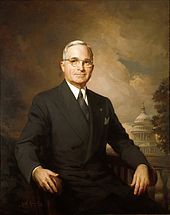
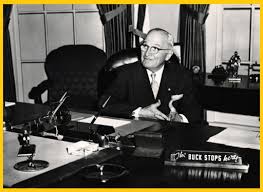
top left and MOVING clockwise: presidential portrait, family portrait with wife bess and daughter margaret, world war I artillery officer, his younger days, home in independence, historic photo when newspaper headline incorrectly declared dewey victorious in election of 1948, famous white house desk sign “the buck stops here.”  (Courtesy of Pinterest)


Answer to Brain Teaser Question

Carrot.  It is the only word that does not become another word when the first and last letters are removed.

Trivia’s Facts and More (9/20)

Photo by Pixabay on Pexels.com

This informative post will be published on Saturday in place of my regular one.  You are invited to participate with the opening question.

Brain Teaser Question

What has thirteen hearts but no other organs?

(answer found at the end of this post)

Featured Facts

During America’s challenging years of the Great Depression and World War II, President Franklin D. Roosevelt is elected to an unprecedented four terms of office.

Here are a few interesting facts about President Roosevelt:

  • Political Party:  Democratic
  • State Represented:  New York
  • Birth:  January 30, 1882 in Hyde Park, New York
  • Death:  April 12, 1945 in Warm Springs, Georgia
  • Colleges Attended:  Harvard University, Columbia Law School

Franklin Roosevelt is a fifth cousin to President Theodore Roosevelt.  At the age of 39, he becomes paralyzed from a bout of polio.  He never regains full use of his legs again.

Prior to the Presidency, Roosevelt gains invaluable experience in a number of positions:

  • Elected in 1910 to the New York Senate.
  • Serves as the Assistant Secretary of the Navy during the Wilson administration during World War I.
  • Nominated as the Democratic Party’s candidate for Vice President in the election of 1920, which is won by Republican Warren G. Harding for President.
  • Elected Governor of New York in 1928.

In the Election of 1932, Roosevelt easily defeats the incumbent Republican President Herbert Hoover.  Americans desire a change in their fortunes after being overwhelmed by the arrival of the Great Depression.  Newly elected as the country’s 32nd President, Roosevelt promotes a fresh beginning for the nation through his domestic program, the New Deal.

Despite the country struggling to move forward from the economic woes of the Great Depression, Roosevelt is re-elected in a landslide victory in 1936.  As the European continent again plunges into war, Roosevelt is re-elected in 1940 and later in 1944.

Roosevelt masters his ability to use the radio airwaves to communicate with the nation.  His “Fireside Chats” can be categorized in a series of 31 speeches during his time in office.  

He appoints many women to positions in his administration.  Frances Perkins is appointed as the first woman to serve in any President’s Cabinet.  She serves as Secretary of Labor during Roosevelt’s entire Presidency.  

One of the landmark pieces of legislation passed by Congress and signed by President Roosevelt, is the Social Security Act of 1935.  This action remains a part of America’s commitment to its citizens to this very day.

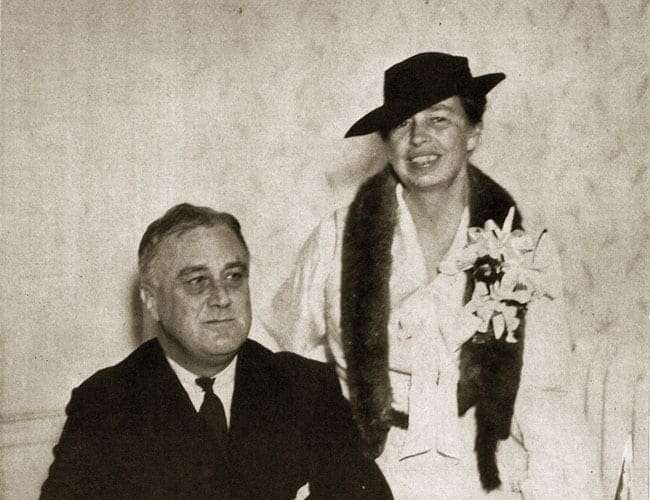
The wife of the President, Eleanor Roosevelt, redefines the role of First Lady as she becomes his eyes and ears in traveling the country as parts of the New Deal are implemented.  Later, she travels extensively overseas during World War II in offering support to American service men and women.

top left and MOVING clockwise: roosevelt estate at hyde park, presidential portrait, youthful years, big three tehran conference with joseph stalin and Winston churchill, roosevelt enjoys the therapeutic waters of warm springs in georgia, Fireside Chat, with first lady eleanor roosevelt.   (Courtesy of Pinterest)


Answer to Brain Teaser Question

A deck of cards.

Trivia’s Facts and More (6/21)

Photo by Pixabay on Pexels.com

This informative post will be published on Saturday in place of my regular one.  You are invited to participate with the opening question.

Brain Teaser Question

A rooster lays an egg on a rooftop.  Which way does it roll?

(answer found at the end of this post)

Featured Facts

Calvin Coolidge, the 30th President of the United States, served from 1923 to 1929.  He assumed office after the unexpected death of President Warren G. Harding on August 2, 1923.

Here are a few interesting facts about President Coolidge:

  • Political Party:  Republican
  • State Represented:  Massachusetts
  • Birthdate:  July 4, 1872 (Plymouth Notch, Vermont)
  • Death:  January 5, 1933 (Northhampton, Massachusetts)
  • College Attended:  Amherst

Nicknamed “Silent Cal” by his peers, President Coolidge was known for his quiet demeanor.  His life’s story centered around a reputation of being an honest man with uncharacteristic integrity.  His full name was John Calvin Coolidge, Jr.  Before entering politics, his primary career had been a lawyer.

Coolidge’s political career as a Progressive Republican began in 1906 when he was elected to the Massachusetts House of Representatives.  He later served as mayor of Northampton before being elected to the Massachusetts Senate in 1914.  He was elected to the governorship of Massachusetts in 1918.  

During his term as Governor, he dealt with the Boston police strike in 1919.  He activated the state’s National Guard to provide safety and protection during the absence of police officers.  This event brought Coolidge upon the national stage, which ultimately led to his nomination as the Republican choice for Vice President on the ticket with Warren G. Harding.  

The duo of Harding and Coolidge swept the Election of 1920.  As Vice President, Coolidge was the first ever to attend cabinet meetings.  In late summer of 1923, Harding’s sudden death propelled Coolidge into the Presidency.

President Coolidge finished out the remaining time of Harding’s term.  He was elected to his own term of office in the Election of 1924.  He won decisively over two other candidates:  Democratic John W. Davis of West Virginia and Progressive Robert M. La Follette from Wisconsin.

The “Roaring Twenties” brought unparalleled prosperity to America during Coolidge’s time as President.  The economy experienced rapid growth, and the country moved forward from the aftermath of the Great War.  The President’s conservative approach provided stable leadership.

Coolidge cleaned up the lingering corruption left from the Harding administration.  He was a strong proponent of immigration reform as well as protective tariffs.  He favored a hands-off approach in steering America’s financial and economic footprints. 

In the summer of 1927, he decided that he would not run for re-election in 1928.  He felt that he wanted to follow the tradition of George Washington and others in serving only two terms, even though he was not in office for the full eight years.

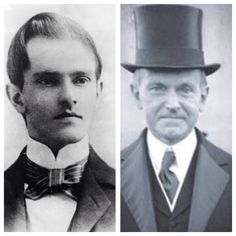
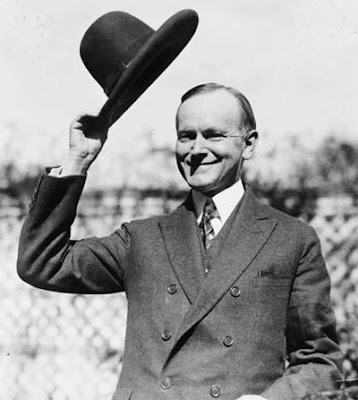
top left and MOVING clockwise:  contrast between a much younger coolidge and as President, the President and first lady (grace) on the white house grounds, presidential portrait, as governor pictured with national guard troops during the boston police strike, childhood home in vermont, a relaxed and smiling president, and the coolidge presidential library in northampton.  (Courtesy of Pinterest)


Answer to Brain Teaser Question

Nowhere.  A rooster does not lay eggs.

Trivia’s Facts and More (5/17)

Photo by Pixabay on Pexels.com

This informative post will be published on Saturday in place of my regular one.  You are invited to participate with the opening question.

Brain Teaser Question

What word in the English language has three consecutive double letters?

(answer found at the end of this post)

Featured Facts

A native of Ohio,  Warren G. Harding becomes the 29th President of the United States.  He remains the final one of eight Presidents with roots in the Buckeye state.

Here are a few interesting facts about President Harding:

  • Political Party:  Republican
  • Birth:  November 2, 1865 in Blooming Grove, Ohio
  • Death:  August 2, 1923 in San Francisco, California

Harding’s career before entering politics centers around his partnership in The Marion Star newspaper, which is purchased when he is 19 years of age.  Marion, Ohio remains his adult home for the rest of his life. 

His political career begins with being elected to the Ohio Senate.  He later serves as Ohio’s Lieutenant Governor, but loses in his bid to become the state’s Governor.  He is elected United States Senator from Ohio in 1914.

With the Presidential Election of 1920 arriving, Harding is nominated as a compromise candidate for the Republican Party.  Ironically, the Democratic candidate is James M. Cox, the current Governor of Ohio.  His running mate will be Franklin D. Roosevelt, who later becomes the only American President to serve more than two terms in office.  

Following the passage of the 19th Amendment to the U.S. Constitution, this election is the first for American women to vote in.  Harding conducts a campaign primarily from the front porch of his Marion home.  Thousands of people travel to hear him speak, and the relentless traffic wears out the home’s front lawn (later replaced with gravel).  

Harding’s campaign plans revolve around promising a “return to normalcy” following the victory and aftermath of the Great War (later renamed World War I).  He favors pro-business reforms along with limited immigration.  The election produces a landslide victory for Harding and the Republican Party, with a slightly better than 60 percent of the popular vote.  

Harding becomes the first President to speak on radio.  He later visits the territory of Alaska, which marks the first ever trip by any American President.  One of the landmark nominations of his Presidency is for Chief Justice of the United States Supreme Court.  He nominates fellow Ohioan and former President William Howard Taft.

Upon returning from his trip in Alaska, Harding becomes ill.  He dies in San Francisco from an apparent heart attack.  Vice President Calvin Coolidge takes over the reins of the Presidency.

Following Harding’s death, much more light comes to the corruption that has been brewing within his administration.  The Teapot Dome scandal has already been in the news and brings substantial embarrassment to President Harding.  His Secretary of the Interior, Albert Fall, and others have been selling government-owned oil leases in Wyoming for political favors.  Fall and his cronies will be found guilty and serve prison time.  

All of these findings bring darkness to Harding’s abbreviated term of office, even though he escapes any hand in the wrongdoings.  However, his reputation as President remains forever damaged.  Some of his critics now nickname him “President Hardly.”

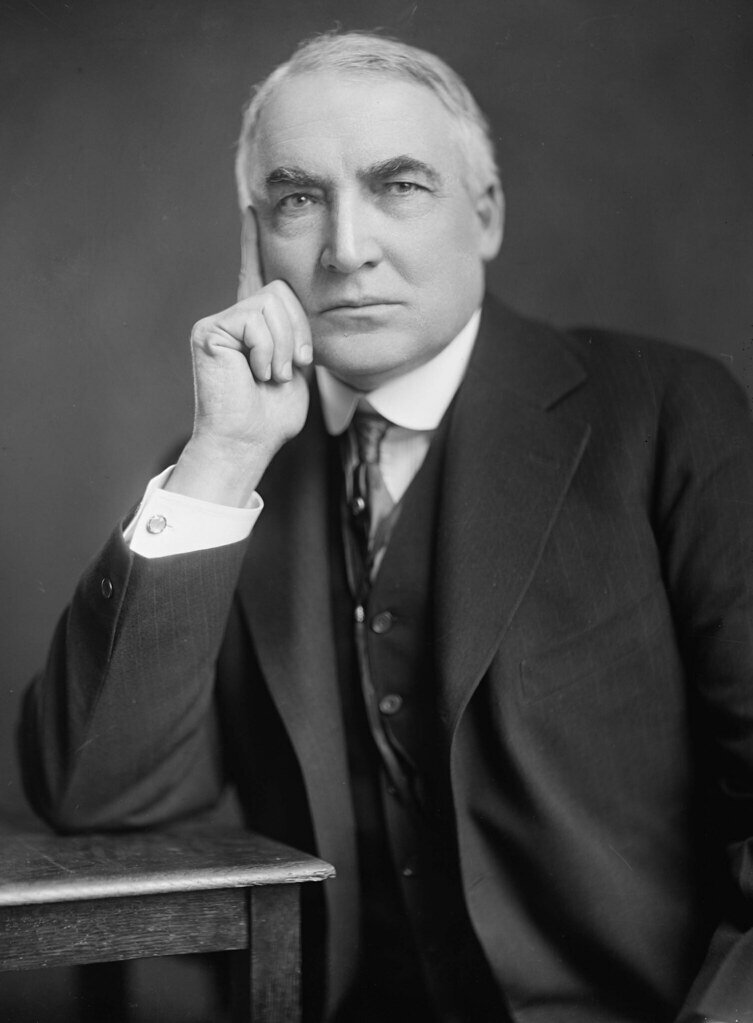
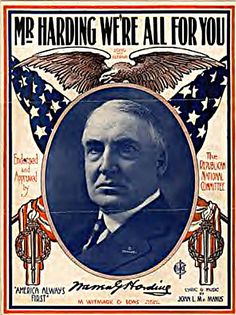
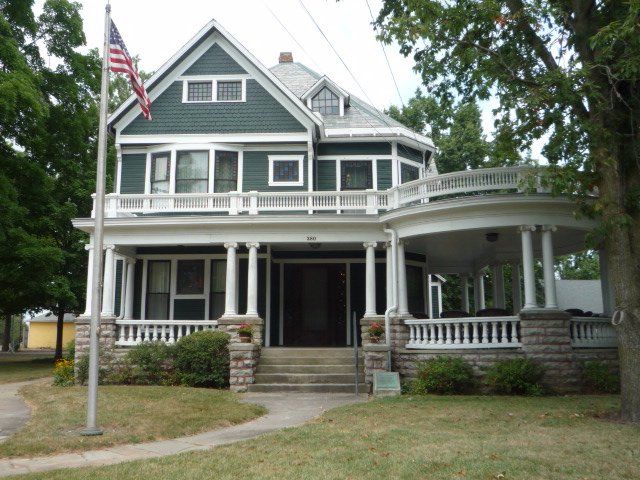
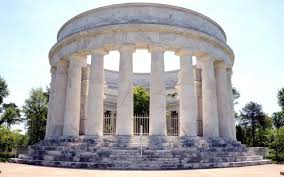
top left and moving clockwise:  portrait of president harding, campaign poster from 1920, harding pictured working for his newspaper in marion, harding in his pre-presidency days, pictured with vice president calvin coolidge, harding’s memorial and tomb in marion, harding home in marion.  (Courtesy of Pinterest)


Answer to Brain Teaser Question

Bookkeeper (also bookkeeping)

Trivia’s Facts and More (4/12)

Photo by Pixabay on Pexels.com

This informative post will be published on Saturday in place of my regular one.  You are invited to participate with the opening question.

Brain Teaser Question

What starts with a T, ends with a T, and has T in it?

(answer found at the end of this post)

Featured Facts

The 28th American President, Woodrow Wilson, served two terms (1913-1921).  He was the first President to be from the Democratic Party since Grover Cleveland was elected in 1892.

Here are a few interesting facts about President Wilson:

  • State Represented:  New Jersey
  • Birth:  December 28, 1856 in Staunton, Virginia
  • Death:  February 3, 1924 in Washington, DC
  • Occupations:  Lawyer, author, college professor
  • Achievements:  Princeton University President (1902-1910), New Jersey Governor (elected 1910)

Wilson was elected to the Presidency in 1912, and his campaign benefited greatly from the split in the Republican Party.  Current President William Howard Taft was the Republican candidate, but former President Theodore Roosevelt received the nod as the Progressive candidate.  

As President, Wilson pursued a progressive agenda.  He welcomed legislation which created the Federal Reserve system in 1913 and later the Federal Trade Commission.  One of the major flaws of his administration was returning segregation to many areas of the Federal Government’s workforce.  

In 1920, two dynamic Constitutional amendments were approved during Wilson’s tenure in the White House.  The 18th Amendment prohibited the manufacture, sale, and transportation of alcoholic beverages.  The 19th Amendment granted women the right to vote.

As President, much of Wilson’s time and energy was consumed with the war in Europe.  The Great War (later renamed World War I) began in 1914, and it would not end until the Armistice was signed in November, 1918.  Wilson worked tirelessly to keep the United States on neutral ground in order to stay out of Europe’s conflict.  

Finally in 1917, the war crept closer to America, and Wilson asked Congress for a resolution to declare war on Germany and its allies.  The Great War now became a legitimate world war.  Wilson had narrowly defeated Republican candidate Charles Evans Hughes for re-election in 1916.  Ironically, Wilson promised to keep the country out of war.

Wilson’s lasting legacy as President was wrapped up in his “Fourteen Points” as the world moved into peacetime at the end of 1918.  Wilson’s framework for the post-war years called for the formation of an international body, the League of Nations, as an early version of a “United Nations” for lasting preservation of world peace. 

As Wilson campaigned across America in the fall of 1919 to bring public pressure upon the United States Senate to ratify the country’s membership in the League, he suffered a stroke. With the President left partially paralyzed, First Lady Edith Wilson acted as the President’s unofficial gatekeeper.  The Senate voted down American membership in the League of Nations.

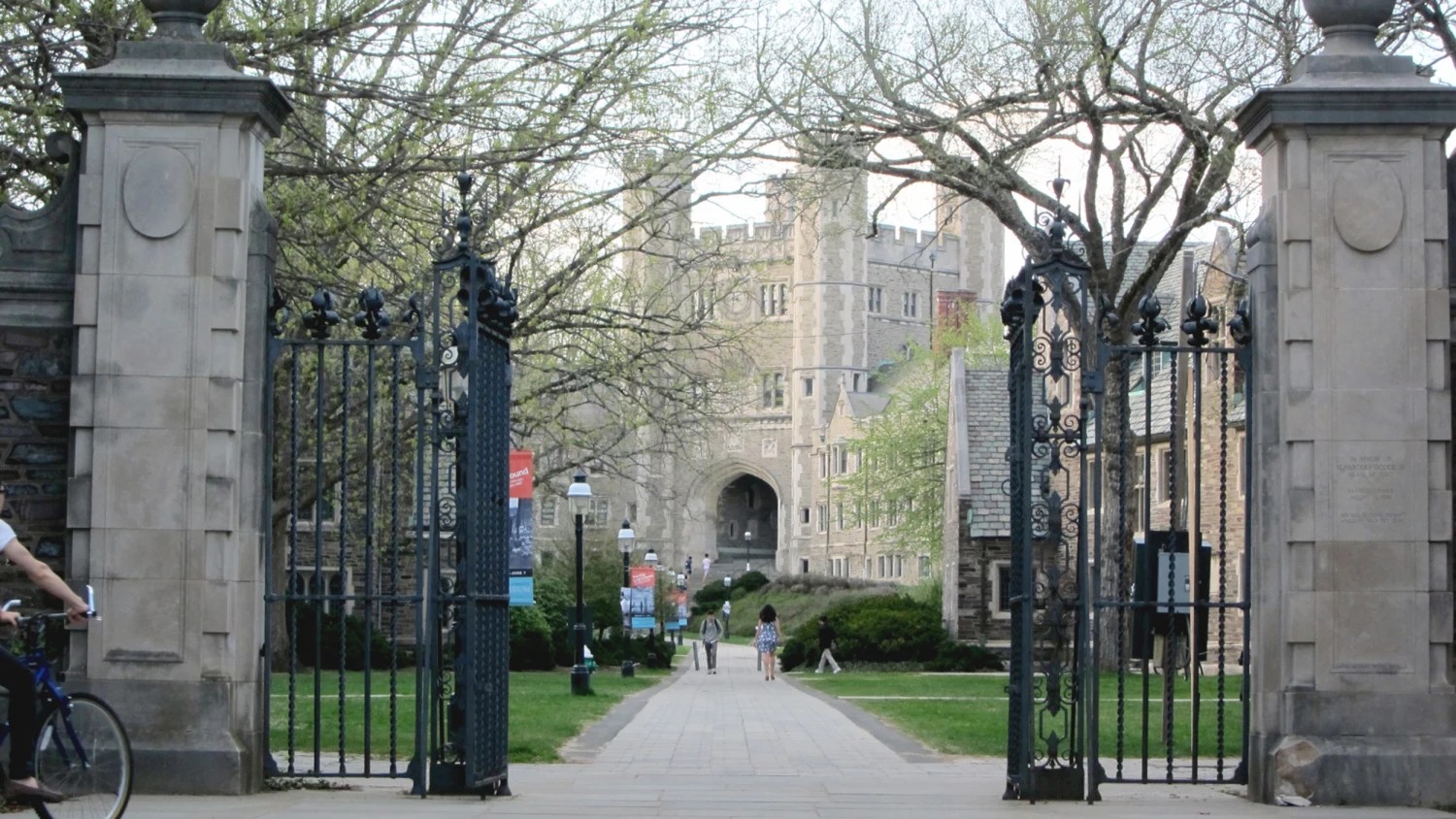
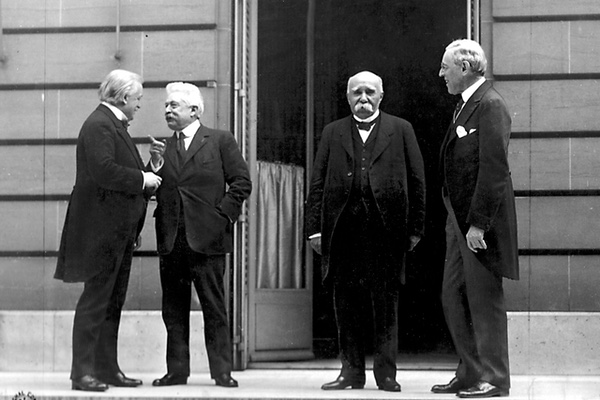
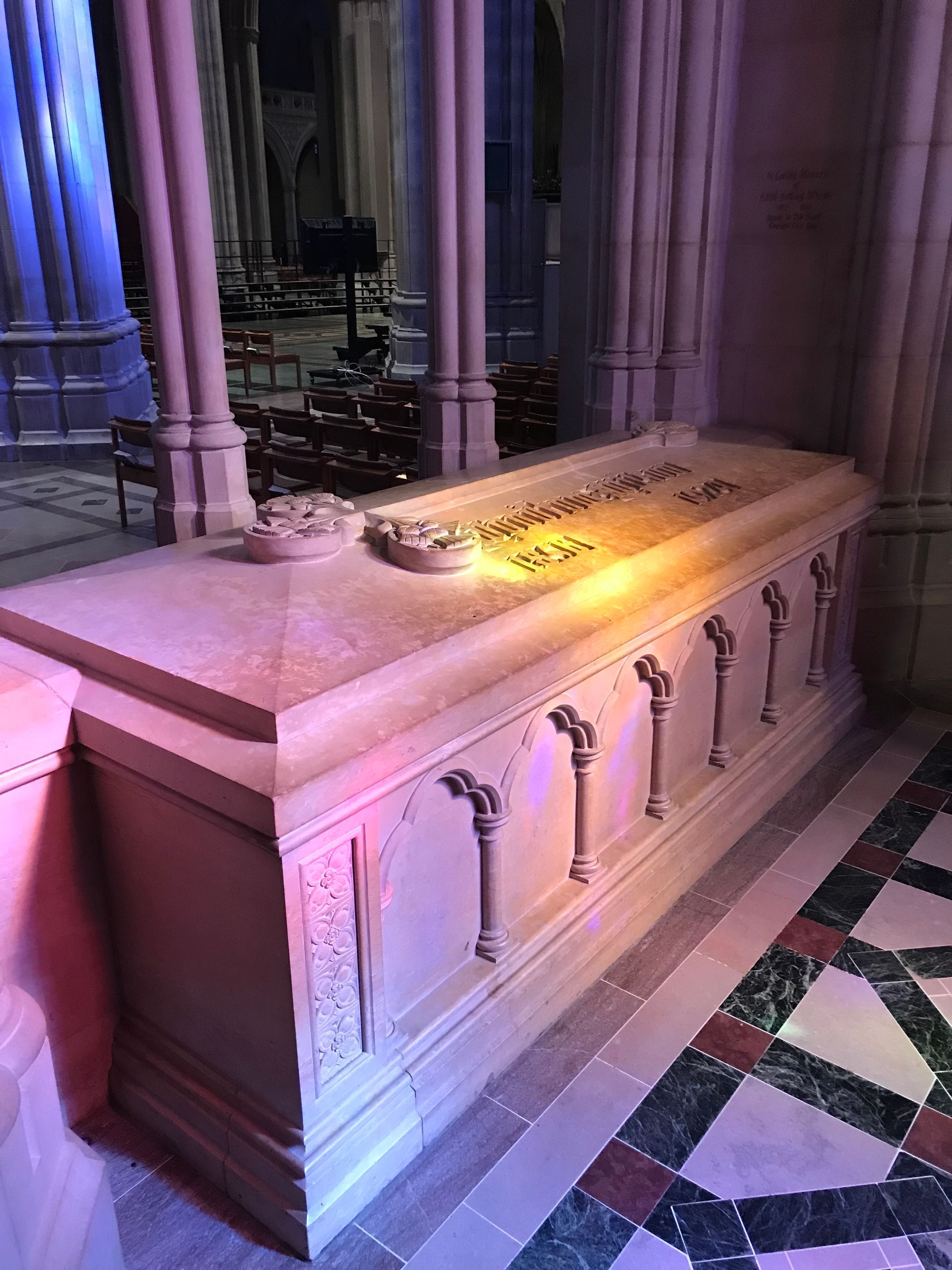
top left and moving clockwise:  portrait of president wilson, Princeton University where Wilson served as president, wilson (on the right) with other victorious allied leaders in europe, wilson’s burial site at the national cathedral in washington (he is the only american president interred within the boundaries of the nation’s capital city), president wilson with first lady edith wilson.  (All photos courtesy of pinterest)

Answer to Brain Teaser Question

A teapot.

Woodrow Wilson Quotes

Photo by Tara Winstead on Pexels.com

The ear of the leader must ring with the voices of the people.

If you want to make enemies, try to change something.

Woodrow Wilson (1856-1924) was the 28th President of the United States.

Trivia’s Facts and More (3/8)

Photo by Pixabay on Pexels.com

This informative post will be published on Saturday in place of my regular one.  You are invited to participate with the opening question.

Brain Teaser Question

Why is the continent of Europe like a frying pan?

(answer found at the end of this post)

Featured Facts

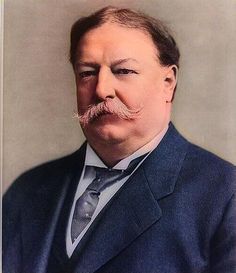
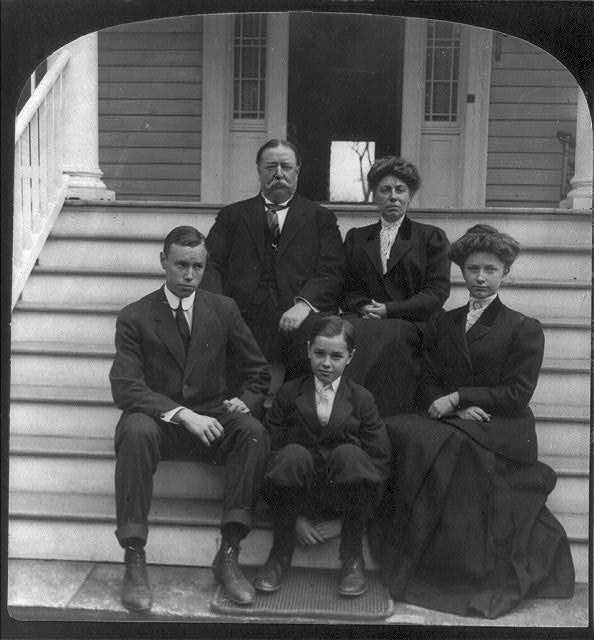
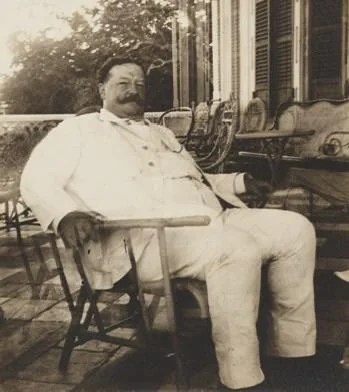
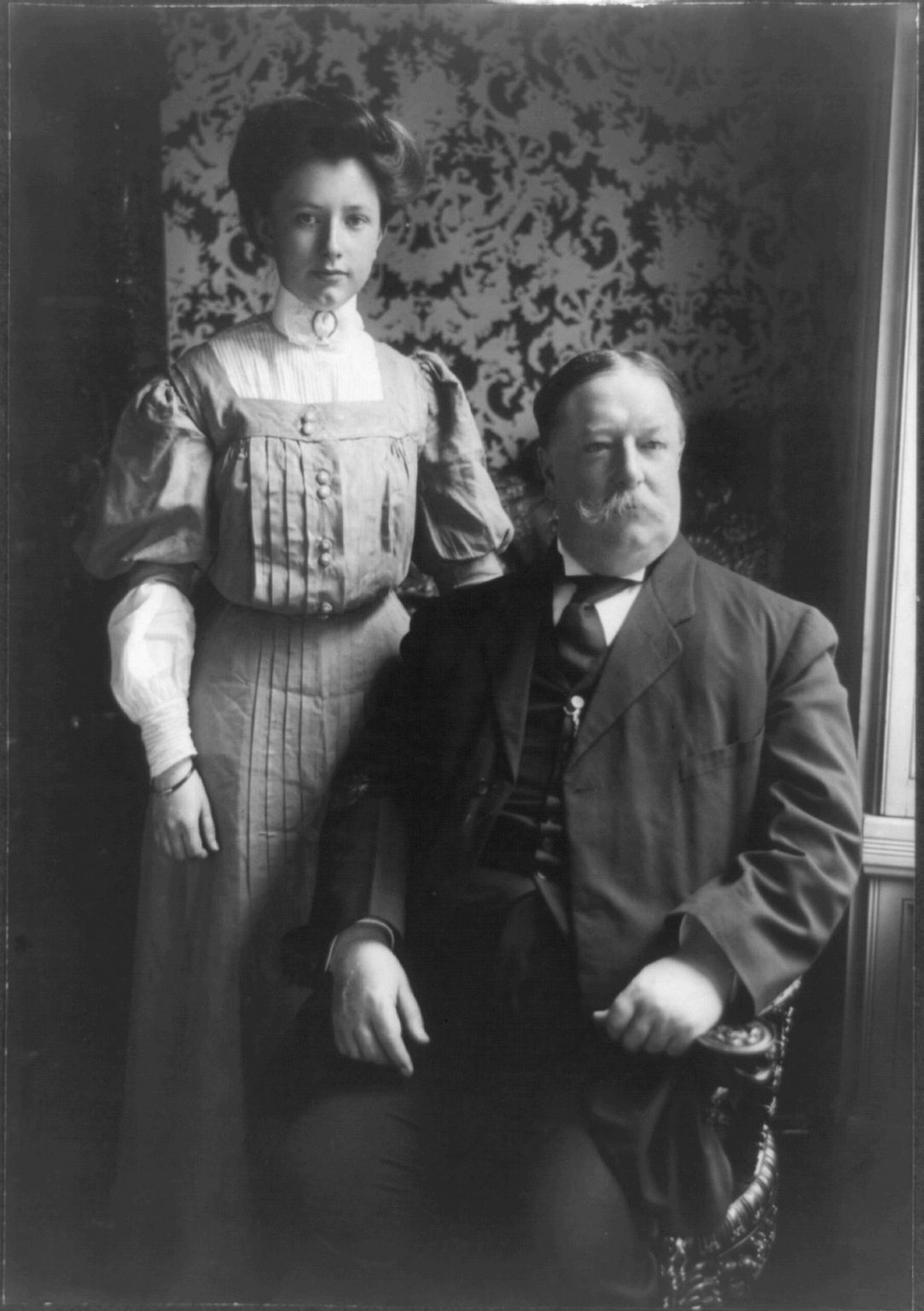
Ohio-born William Howard Taft becomes the 27th President of the United States following the election of 1908.  He serves one term in office, from 1909-1913.

Here are some interesting facts about William Howard Taft:

  • Political Party:  Republican
  • Birthplace:  Cincinnati, Ohio
  • Colleges Attended:  Yale University, Cincinnati Law School
  • LIfespan:  September 15, 1857 to March 8, 1930

Much of Taft’s pre-Presidency life focuses on being involved in the Ohio courts as a judge.  He serves in the Ohio court system before ascending to the U.S. Court of Appeals.  He becomes the only President to serve as Chief Justice of the United States Supreme Court (1921-1930).

Taft’s other roles embrace being a lawyer as well as a college professor.  From 1900-1903, he serves as the first civilian governor of the Philippines.  This appointment by President William McKinley follows the American acquisition of the Philippines following the Spanish-American War of 1898.

When Theodore Roosevelt is President, Taft serves as his Secretary of War from 1904-1908.  This position serves as a steppingstone for Taft when he runs for President in 1908.  Roosevelt steps aside as President after two terms as he decides to forego a third term.

Taft’s time as President is relatively undistinguished.  He proves to be more conservative than Roosevelt’s expansive view of Presidential power.  In the election of 1912, Roosevelt attempts take the Republican nomination away from Taft, but he is unsuccessful.

Roosevelt bolts away from the Republican Party to lead the Progressive Party, which is nicknamed the “Bull Moose.”  With the Republican Party split, Democratic Party candidate Woodrow Wilson easily wins the election, and he will go on to serve as President for two terms.

In 1921, Taft fulfills a lifetime dream of serving on the United States Supreme Court.  Ohio-born President Warren Harding taps him to serve as Chief Justice, and Taft serves until his death in 1930.

Because of his large size, Taft earns the nickname of “Big Bill.”  His weight of nearly 300 pounds makes him the largest person to ever serve as President.

From top left and moving clockwise: portrait of PRESIDENT taft, portrait of chief justice taft, with theodore roosevelt, taft family home in cincinnati, portrait with Helen taft (his wife), governor-general of the philippines, family portrait with helen and children.  (all images courtesy of PINTEREST)

Answer to Brain Teaser Question

Because it has Greece at the bottom.

Trivia’s Facts and More (1/18)

Photo by Pixabay on Pexels.com

This informative post will be published on Saturday in place of my regular one.  You are invited to participate with the opening question.

Brain Teaser Question

What kind of ship has two mates but no captain?

(answer found at the end of this post)

Featured Facts

At times seeming bigger than life, Theodore Roosevelt ascended to the American Presidency in 1901.  Upon William McKinley’s assassination, Roosevelt became the 26th President of the United States.

Here are some interesting facts about President Roosevelt:

  • Political party:  Republican
  • Home state:  New York
  • Lifespan:  1858-1919
  • Term of office:  1901-1909
  • Notable occupations:  rancher, soldier, author

Roosevelt’s transition into politics was stimulated by personal family loss.  In 1884, he lost both his wife, Alice, as well as his mother, Martha.  Both died on the same night.  A devastated Roosevelt spent two years away from his home state while living on and operating a cattle ranch in the western Badlands of the Dakota Territory, near present-day Medora, North Dakota.  

Upon his return from the West, T. R. (as many called him) followed fresh stepping stones, which would eventually lead him to the White House.  Prior to being elected New York’s Governor in 1898, he also served as President McKinley’s Assistant Secretary of the Navy.  During his tenure with the naval department, the United States entered the Spanish-American War of 1898.

During the Spanish-American War, Roosevelt organized and lead a volunteer cavalry unit, better known as the “Rough Riders.”  Roosevelt and his men served gallantly in the short-lived war’s action in Cuba.  Roosevelt earned another nickname which would follow him for the rest of his life, “The Rough Rider.”

As President, Roosevelt served out McKinley’s term of office as well being elected in his own right in 1904.  A major theme of his domestic agenda revolved around the “Square Deal.”  He supported progressive reforms and promised to battle large industrial combinations (also called trusts).  His foreign policy was built around a philosophy of “speak softly and carry a big stick.”  He modernized and enlarged the American navy.

Roosevelt’s final years as President brought new challenges and achievements.  Known as the conservation President, he doubled the number of America’s national parks.  His administration oversaw construction of the Panama Canal in 1904 (the canal would open in 1914).  In 1906, Roosevelt would receive the Nobel Peace Prize for his help in ending the Russo-Japanese War.

left column:  dual images of older and younger roosevelt, on african safari following his presidency, at the panama canal during construction.  right column:  roosevelt the conservationist traveling out west, on the campaign trail, family home at sagamore hill, lieutenant colonel of the rough riders.

Answer to Brain Teaser Question

A relationship.

Trivia’s Facts and More (12/14)

Photo by Pixabay on Pexels.com

This informative post will be published on Saturday in place of my regular one.  You are invited to participate with the opening question.

Brain Teaser Question

How do you know that Jupiter, Saturn, Uranus, and Neptune are about to get married?

(answer found at the end of this post)

Featured Facts

The 25th President of the United States was William McKinley, who hailed from the state of Ohio.

Here are a few quick facts about President McKinley:

  • Political party:  Republican
  • Birthplace:  Niles, Ohio (January 29, 1843)
  • Death:  September 14, 1901 (Buffalo, New York)
  • Nickname:  “The Idol of Ohio”
  • Colleges attended:  Allegheny College (Salem, Ohio), Mount Union College (Alliance, Ohio)
  • Occupations:  School teacher, soldier, lawyer

McKinley spent his entire political career in the Buckeye state of Ohio.  Elected to seven terms in the U.S. House of Representatives and two terms as Governor, he was well-positioned to become President of the American Union.

McKinley’s earlier years found him serving in the Union army during the American Civil War, where he led a group of volunteers from his home state.  Later, he practiced law in the city of Canton, which was not far from his childhood roots in Niles.  

McKinley was elected to two terms as President.  In both the elections of 1896 and 1900, his Democratic challenger was William Jennings Bryant.  Unfortunately, he became the third President to be assassinated during the early months of his second term.  

McKinley was attending the Pan-American Exposition in Buffalo, New York when he was murdered.  His Vice President, Theodore Roosevelt, succeeded him as President.

As President, McKinley was a strong supporter of protective tariffs.  During his first term, the United States successfully defended itself in the Spanish-American War of 1898.  In the treaty that ended the hostilities, the United States gained the Spanish territories of Puerto Rico, Guam, and the Philippines.

McKinley’s namesake has been used as the portrait on the United States’ $500 bill.  His name was designated for the highest mountain peak in North America, Mount McKinley.  In 2015 the Alaskan peak was renamed Denali, its traditional native name.

Moving from top left and clockwise:  presidential portrait, canton home, mckinley national memorial (in canton), civil war portrait, his assassination in the cleveland newspaper.  (Images courtesy of Pinterest)


Answer to Brain Teaser Question

They all have rings.