Trivia’s Facts and More (8/31)

Photo by Pixabay on Pexels.com

This informative post will be published on Saturday in place of my regular one.  You are invited to participate with the opening question.

Brain Teaser Question

What has 13 hearts but no other organs?

(answer found at the end of this post)

Featured Facts

The 21st President of the United States was Chester Alan Arthur.  He assumed the office upon the death of President James Garfield, who was assassinated.

Here are a few quick facts about President Arthur:

  • Native state:  Vermont
  • Term of office:  1881-1885
  • Political party:  Republican
  • Lifespan:  1829-1886

Nicknamed “The Gentleman Boss” because of his duties and service to both the Union army and later the port authority of New York, Arthur’s previous occupations included teacher and lawyer.  During the Civil War, he served as Union quartermaster where it was his duty to organize food and supplies for the New York troops.

The son of a Baptist preacher, Arthur quite frankly never expected to be President.  However, circumstances placed him in the highest office in the land, and he performed his tasks with devotion and diligence.

One of his administration’s most significant tasks was in reforming the federal government’s civil service.  In 1883, Arthur signed the Pendleton Act, which eliminated the “spoils” system in filing jobs with the federal government.  A Civil Service Commission was established, and future federal jobs would be distributed on merit instead of patronage.  

Before Arthur moved into the White House, designer Louis Comfort Tiffany was hired to redecorate its state rooms.  More than 20 wagon loads of furnishings were hauled away to be auctioned off.

As the Election of 1884 loomed ahead, Arthur declined to run for re-election.  He had been hiding a serious illness throughout much of his term of office.  Bright’s disease, a fatal kidney illness, took his life in 1886.

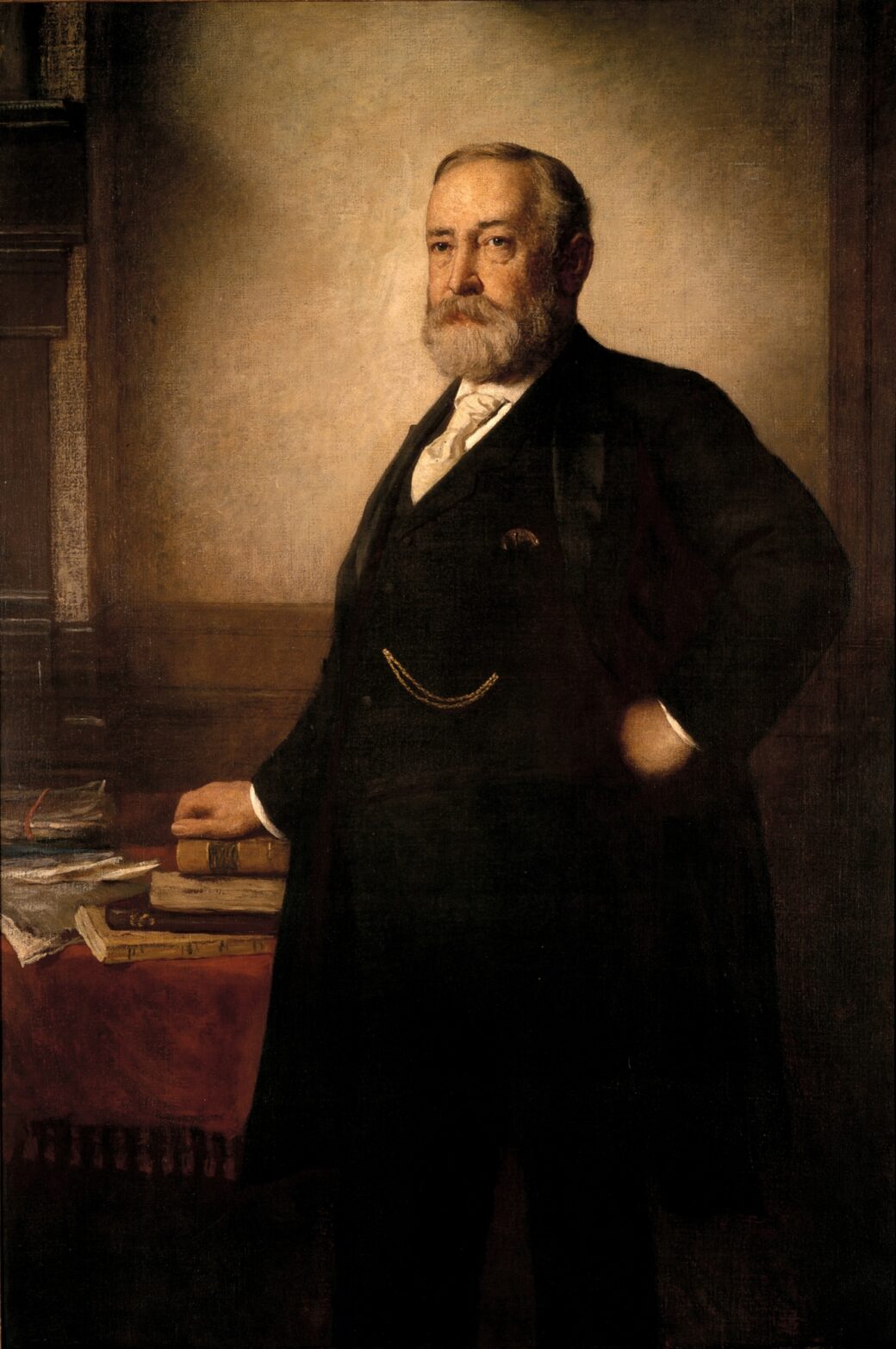
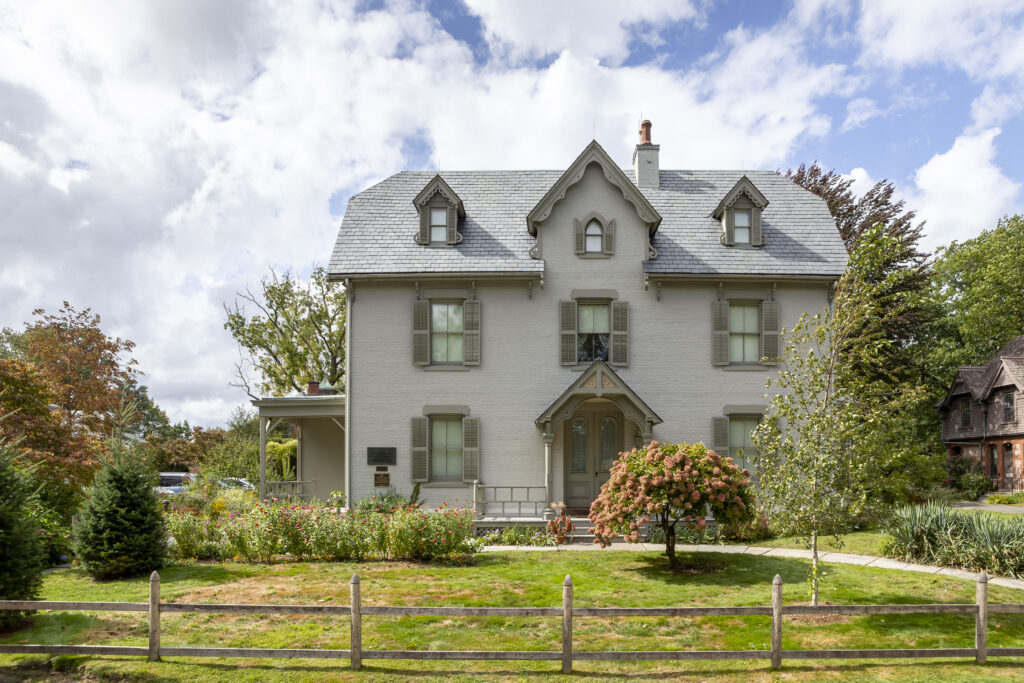
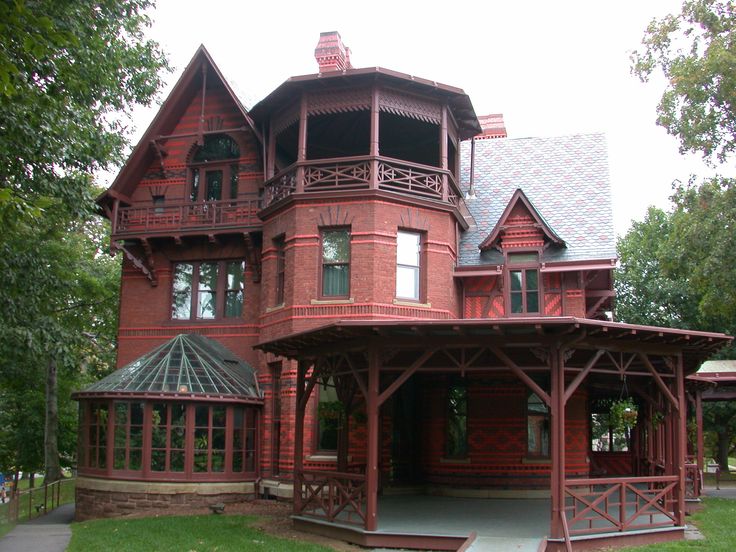
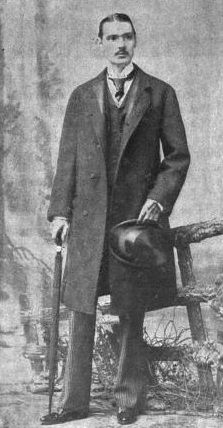
left to right:  portrait of president arthur, photo from younger years, summer home at sag harbor, new york.  (Images courtesy of Pinterest)


Answer to Brain Teaser Question

A deck of cards

Trivia’s Facts and More (8/17)

Photo by Pixabay on Pexels.com

This informative post will be published on Saturday in place of my regular one.  You are invited to participate with the opening question.

Brain Teaser Question

You walk into a room that contains a match, a kerosene lamp, a candle, and a fireplace.  What would you light first?

(answer found at the end of this post)

Featured Facts

The Hawkeye state of Iowa becomes the 29th state admitted to the American union on December 28, 1846.

Here are a few quick facts about Iowa:

  • Capital City:  Des Moines (also most populated city)
  • State Bird:  Eastern goldfinch
  • State Flower:  Wild prairie rose
  • State Motto:  Our Liberties We Prize and Our Rights We Will Maintain 

One of Iowa’s most recognized citizens is Carrie Chapman Catt (1859-1947).  She is honored for her efforts as a women’s suffrage leader.  In 1920, passage of the 19th Amendment to the U.S. Constitution grants women the right to vote.  Catt also founded the League of Women Voters in 1920.

When one drives along any highway through the state, it is easy to understand that Iowa is America’s leading corn producer.  Iowa is the only American state bordered by two navigable rivers:  Missouri on the west and Mississippi on the east.

Sioux City is located along the northwestern border of the state.  While most of the city is located in Iowa, parts of the city are also found in Nebraska and South Dakota. 

The television show of M*A*S*H features one character with an Iowa address.  Walter “Radar” O’Reilly hails from Ottumwa.  Gary Burghoff, who portrays this unforgettable character, is a native of Bristol, Connecticut.

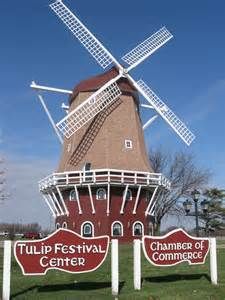
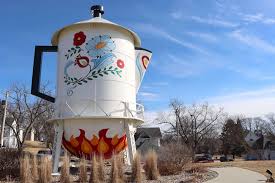
clockwise from top left: Carrie chapman catt, Albert the bull in audubon, world’s largest coffee pot in stanton, President herbert hoover’s birthplace in west branch, orange city tulip festival (since 1933).   (Images courtesy of Pinterest)


Answer to Brain Teaser Question

The match

Trivia’s Facts and More (6/15)

Photo by Pixabay on Pexels.com

This informative post will be published on Saturday in place of my regular one.  You are invited to participate with the opening question.

Brain Teaser Question

A mother and father have four daughters, and each daughter has one brother.  How many people are in the family?

(answer found at the end of this post)

Featured Facts

The Commonwealth of Massachusetts became the sixth state to join the American Union on February 6, 1788.  Its roots have been traced back to the earliest of the English colonies in North America.

Here are a few quick facts about Massachusetts:

  • Capital City:  Boston (which is also the largest city)
  • Nickname:  Bay State (also known as the Old Colony State, the Codfish State, the Baked Bean State)
  • State Flower:  Mayflower
  • State Bird:  Chickadee, Wild Turkey
  • Motto:  Ense Petit Placidam Sub Libertate Quietem (By the Sword We Seek Peace, but Peace Only Under Liberty)

Being one of the original 13 English colonies, Massachusetts played a prominent role in the founding of the United States.  On December 21, 1620, the Pilgrims arrived at Plymouth Rock after crossing the Atlantic Ocean aboard the Mayflower.  On March 4, 1628, English King Charles I granted a royal charter for the Massachusetts Bay Colony.

On September 7, 1630, the city of Boston was founded.  The Boston harbor would later be the site of the infamous Boston Tea Party on December 16, 1773.  A couple of years later just up the road in April, 1775, the first battles of the Revolutionary War were fought at Lexington and Concord as Massachusetts minutemen militia fired the “Shot Heard Round the World.”

Athletics made an impression in the late 1800s in Massachusetts.  In 1891, James Naismith invented the game of basketball, and the first game was played at the YMCA in Springfield.  In 1895, William G. Morgan invented the game of volleyball.  The game was designed to be less strenuous than basketball, and the first matches were played in Holyoke.

Numerous firsts have been recorded during the course of history in the Commonwealth.  Here is a brief sample:

  • The Boston Common became America’s first public park in 1634.
  • Harvard University founded as the first college in North American in 1636 at Cambridge.
  • The Little Brewster Island Lighthouse became America’s first lighthouse when it began operations on September 14, 1716 in the Boston harbor.
  • The first American subway was opened in Boston on September 1, 1897.  It was known as the Tremont Street Line.
  • America’s first chocolate chip cookies were invented by Ruth Wakefield in 1939.  She began to experiment with adding semi-sweet chocolate pieces to her cookie recipe.  They became a huge hit at her Toll House restaurant in Whitman.

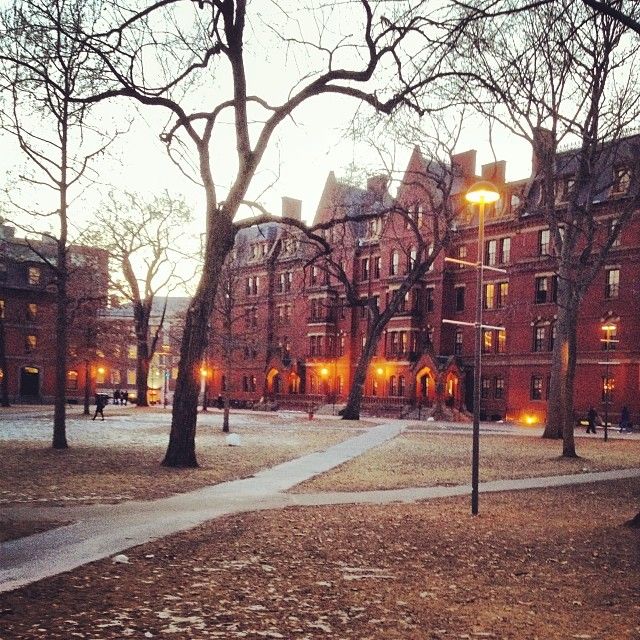
clockwise from top left:  James Naismith holding a basketball with a peach basket (used as a basketball hoop in the early years of the game), modern look of the Little brewster island lighthouse at boston harbor, ruth wakefield (inventor of the chocolate chip cookie), aerial view of the boston common, harvard university campus.  (Images courtesy of Pinterest)

Answer to Brain Teaser Question

Seven (The daughters share their “one” brother)

Trivia’s Facts and More (5/11)

Photo by Pixabay on Pexels.com

This informative post will be published on Saturday in place of my regular one.  You are invited to participate with the opening question.

Brain Teaser Question

If you are running a race and pass the person in second place, then what place are you in?

(answer found at the end of this post)

Featured Facts

The American state of Kentucky is filled with numerous attractions.  Its rich history as the 15th state of the United States began when it was admitted to the Union on June 1, 1792.

Here are a few quick facts about the Bluegrass State:

  • Capital City:  Frankfort
  • State Bird:  Cardinal
  • State Flower:  Goldenrod
  • State Motto:  United We Stand, Divided We Fall

Kentucky’s name has been traced to the Native American nation of Iroquois.  Their language uses the word “Ken-tah-ten” means “land of tomorrow.”

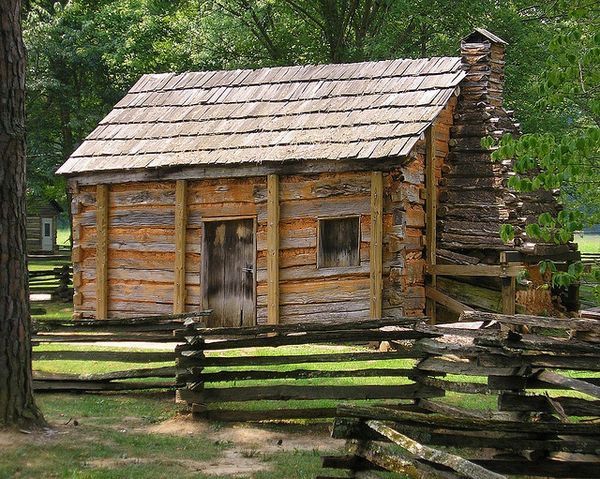
President Abraham Lincoln’s birthplace is located near the town of Hodgenville, Kentucky.  The site is marked, and can be found about three miles south of the community.

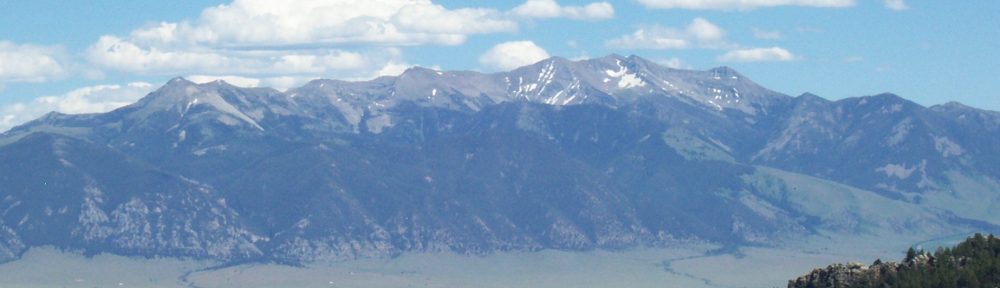
One of the most dramatic landscapes to visit is the Cumberland Gap, which is a pass through the Appalachian Mountains.  Located in the tri-state area of Virginia, Kentucky, and Tennessee, the pass has served as a crossroads for the nation’s early migration westward from the original thirteen American states.

Kentucky’s largest city is Louisville.  The city is home to significant points of interest.  Being the birthplace of boxer Muhammad Ali, one is encouraged to visit the Muhammad Ali Center.  Major League Baseball’s famed Louisville Slugger bats are manufactured here as well.  A museum invites baseball fans to see the history behind any slugger’s baseball bat.

There are countless attractions throughout Kentucky.  Following Interstate 65 south from Louisville, one will travel in close proximity to most of these places.

Before leaving Louisville, a visit to Churchill Downs would offer a look at the home of the Kentucky Derby, the oldest continually-running horse race in America.  Founded in 1874, the track hosts thoroughbred horse racing’s opening Triple Crown race each season.

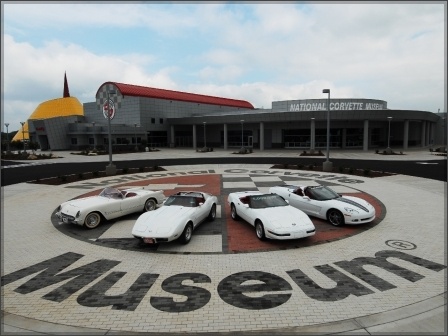
The National Corvette Museum in Bowling Green showcases the venerable Chevrolet Corvette, which has been manufactured since 1953.  For many years, Corvettes have been manufactured at a nearby assembly plant.

Mammoth Cave is recognized as the world’s largest cavern.  The area was established as a national park in 1941.

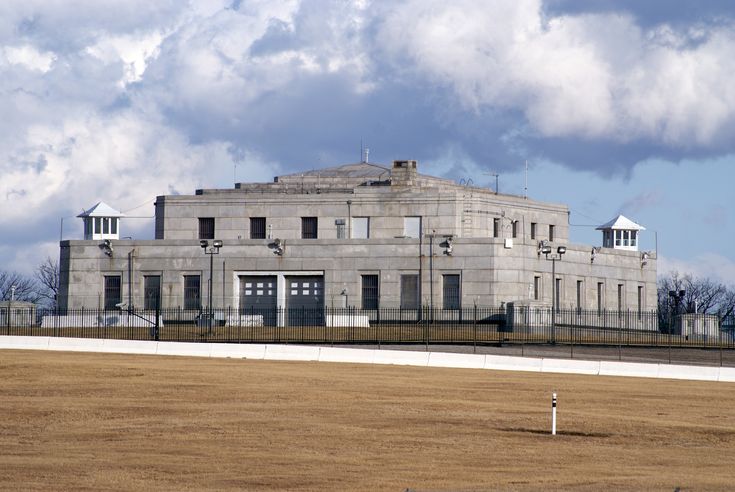
Fort Knox houses a U.S. military installation, which is located next to the United States Bullion Depository.  Nearly 150 million ounces of gold are kept there.  Visitors are not permitted inside the depository.

clockwise from top left:  national corvette museum, mammoth cave, louisville slugger museum, landscape near cumberland gap, muhammad ali center, churchill downs, fort knox, president lincoln’s birthplace, (Images courtesy of Pinterest)

Answer to Brain Teaser Question

Second place

Trivia’s Facts and More (4/6)

Photo by Pixabay on Pexels.com

This informative post will be published on Saturday in place of my regular one.  You are invited to participate with the opening question.

Brain Teaser Question

Take me out and scratch my head.  I am now black but once was red.  What at I?

(answer found at the end of this post)

Featured Facts

As one of the original 13 American colonies under England’s rule, the American state of Pennsylvania has enjoyed a unique and dynamic history.

Here are a few quick facts about the Keystone State:

  • Capital City:  Harrisburg
  • Statehood:  December 12, 1787 (second state after Delaware to join the Union)
  • State Flower:  Mountain Laurel
  • State Bird:  Ruffed Grouse
  • State Motto:  Virtue, Liberty, and Independence

Pennsylvania was named after founder William Penn’s father, Admiral Sir William Penn.  The state’s name honored (Penn) and the Latin word (Sylvania) which means woodlands.

When the colony of Pennsylvania was founded in 1681 by William Penn, he desired a place that offered a fair form of government as well as religious freedom.  Known as the Keystone State, this nickname recognized the central location of Pennsylvania in relation to the rest of the 13 colonies.

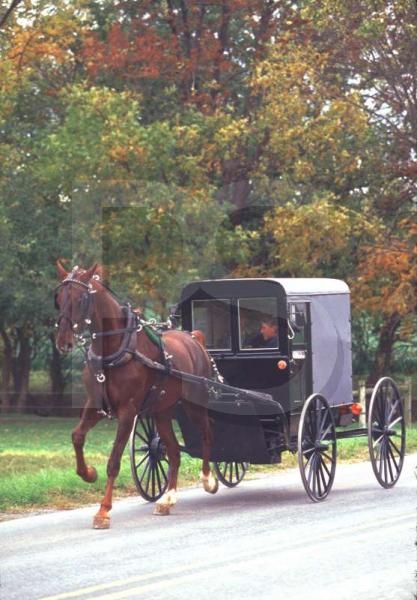
Pennsylvania was the only original colony not bordered by the Atlantic Ocean.  It has provided home for the largest concentration of Amish culture in the United States.  They have accepted a simple way of life which has included plain clothing and a reluctance to use modern technology.  Most of the Amish have lived in the region centered around the city of Lancaster.

In 1900 after selling his Lancaster Caramel Company, businessman Milton Hershey opened his Hershey Chocolate Company in the company town of Hershey, which was located about 30 miles northwest of Lancaster.  

German immigrants arrived in Pennsylvania during the 17th, 18th, and 19th centuries.  They have been commonly called Pennsylvania Dutch.  Most settled before 1800 in order to escape religious persecution.

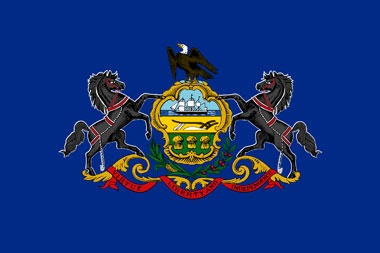
top left and moving clockwise:  Mountain laurel, ruffed grouse, original hershey chocolate factory, amish buggy,  pennsylvania state flag.  (Images courtesy of Pinterest)

Answer to Brain Teaser Question

A match

Trivia’s Facts and More (1/20)

Photo by Pixabay on Pexels.com

This informative post will be published on Saturday in place of my regular one.  You are invited to participate with the opening question.

Brain Teaser Question

No matter how little or how much you use me, you always change my page every month.  What am I?

(answer found at the end of this post)

Featured Facts

Admitted to the American Union on March 15, 1820, as the 23rd state of the United States, Maine offers nearly endless natural treasures.

Here are a few quick facts about the “Pine Tree State” of Maine:

  • Capital City:  Augusta (population 18,899)
  • Largest City:  Portland (population 66,645)
  • State Bird:  Chickadee
  • State Flower:  White pine cone with tassel
  • Motto:  Dirigo (I Direct)

Forested land covers more than 80 percent of Maine’s landscape.  The 12th smallest state in terms of land area (35,385 square miles) is one of the most rural of American states.  

Known for its lobster, the lengthy Atlantic coastline offers seemingly endless miles of ocean views.  The annual lobster harvest fills nearly 90 percent of the nation’s supply.

Maine is unique in a couple of ways compared to the other American states.  Being the only one in the country, its name is one syllable.  It also borders only one other state, New Hampshire.

Founded in 1916, Acadia National Park offers a look at the natural beauty of the region.  Maine is home to numerous lakes and rivers, and its many coastal islands house several lighthouses.  Besides Alaska, Maine provides a home to more moose than any other state.

Wild blueberries reign supreme in Maine.  There are more berries here than in other place on the planet.  Countless blueberry-inspired creations fill restaurant menus.

top left and moving clockwise:  acadia national park, field of wild blueberries, state capitol in augusta, state flower (white pine cone with tassel), cape elizabeth lighthouse.  (photographs courtesy of pinterest.)


Answer to Brain Teaser Question

A calendar

Trivia’s Facts and More (12/9)

Photo by Pixabay on Pexels.com

This informative post will be published on Saturday in place of my regular one.  You are invited to participate with the opening question.

Brain Teaser Question

All five sisters are busy.  Ann is reading a book.  Rose is cooking, Katy is playing chess, and Mary is doing the laundry.  What is the fifth sister doing?

(answer found at the end of this post)

Featured Facts

America’s 50th state of Hawaii was admitted to the union on August 21, 1959.  The Aloha State has many distinctive features that sets it apart from the continental United States.

Here are some interesting facts about Hawaii:

  • State capital:  Honolulu
  • State bird:  Nene (Hawaiian goose)
  • State flower:  Hibiscus
  • Motto:  Va Mau Ke Ea O Ka Aina I Ka Pono (The Lie of the Land is Perpetuated in Righteousness)

Hawaii is made up of eight major islands:  Niihau, Kauai, Oahu, Maui, Molokai, Lanai, Kahoolawe, and Hawaii.  It is the only American state composed entirely of islands.  Each island has a nickname:

  • Niihau:  The Forbidden Isle (population of only about 200 people)
  • Kauai:  The Garden Isle (consists of lush foliage, valleys, and jungles)
  • Oahu:  The Gathering Place (most populated island, home to Honolulu)
  • Maui:  The Valley Isle (second largest island, divided by two mountain ranges)
  • Molokai:  The Enlightening Isle (largest percentage of native Hawaiians)
  • Lanai:  The Pineapple Isle (once produced nearly 75 percent of the world’s pineapples)
  • Kahoolawe:  The Target Isle (smallest island, used by U.S. military during World War II)
  • Hawaii:  The Big Island (largest island, contains five volcanoes)

Hawaii features a very diverse population.  There is no majority racial group.  The Hawaiian alphabet consists of 13 letters:  A, E, I, O, U, H, K, L, M, N, P, W, and ‘ (the okina).

Here’s a quick island hop around to other destinations of the Hawaiian Islands:

Oahu:  Home to the U.S. Navy at Pearl Harbor

Hawaii:  Features the tallest mountain on the islands, Mauna Kea.  This inactive volcano is considered the most sacred in Hawaiian culture.  It also provides a home for the world’s largest astronomical observatory.

Kauai:  One of the wettest locations in the world.  Mount Waialeale receives annual rainfall of 460 inches (nearly 11,700 millimeters).

starting left and clockwise: uss arizona memorial at pearl harbor, rainforest on kauai, royal palace on oahu, snow-capped summit of mauna kea.  (photographs courtesy of pinterest.)


Answer to Brain Teaser Question

She’s playing chess with Katy, of course!

Trivia’s Facts and More (12/2)

Photo by Pixabay on Pexels.com

This informative post will be published on Saturday in place of my regular one.  You are invited to participate with the opening question.

Brain Teaser Question

What bird do you associate with lifting weight?

(answer found at the end of this post)

Featured Facts

Hailing from the state of New Hampshire, America’s 14th President, Franklin Pierce, served his nation from 1853-1857.  

Here are some interesting facts about Franklin Pierce:

  • Party:  Democratic
  • Lifespan:  November 23, 1804 to October 8, 1869
  • College:  Bowdoin College in Brunswick, Maine

Pierce’s nickname was “Young Hickory of Granite Hills.”  This recognized that he was a devoted supporter of President Andrew Jackson (nicknamed “Old Hickory”).

He served the federal government in a number of ways.  During his military service in the Mexican War (1846-1848), he rose to the rank of General.  He also served his state as a member of Congress in the House of Representatives and Senate.

At age 48, Pierce was elected to his nation’s highest office, and he was the youngest ever elected up to that time in American history.  The youngest person ever elected to the Presidency was John F. Kennedy who was 43.

His Presidency was dominated by issues related to the issue of slavery in the United States.  There were extreme sectional tensions over its expansion into new territories and states as America continued to expand westward.

Pierce supported the Kansas-Nebraska Act of 1854.  This bill allowed popular sovereignty (not Congress) to decide the fate of slavery as new territories were recognized by Congress.  The upheaval and civil unrest turned Kansas into “Bloody Kansas.”

Due to his support for this divisive legislation, Pierce’s desire to serve another term as President was squashed when James Buchanan was nominated as the Democratic candidate in the election of 1856.

left:  america’s 14th president (1853-1857)  right:  home of franklin pierce in CONCORD, new hampshire.   (photographs courtesy of pinterest.)


Answer to Brain Teaser Question

A crane

Trivia’s Facts and More (11/11)

Photo by Pixabay on Pexels.com

This informative post will be published on Saturday in place of my regular one.  You are invited to participate with the opening question.

Brain Teaser Question

What can travel all around the world without leaving its corner?

(answer found at the end of this post)

Featured Facts

In the United States, November 11 is set aside to observe Veterans Day.  This time encourages Americans to pause and reflect in honoring all men and women who have served in the armed forces, past and present..

This day was originally designated as Armistice Day, which recognized the end of World War I in 1918.  On the 11th hour, of the 11th day, of the 11th month, war ended between the Allied Powers and the Central Powers.  Sometimes labeled as the Great War, this conflict was the first world-wide war with battlegrounds in Europe, the Middle East, and the Pacific and Asian regions.

The catalyst for the war was seeded in the balance of power in Europe as witnessed by various alliances and nationalistic feelings.  When Archduke Francis Ferdinand and his wife were assassinated in Sarajevo on June 28, 1914, the spark for war was ignited.  The Archduke was heir to the throne of the Austria-Hungary Empire, and the assassin was Serbian.

Immediately, military alliances began mobilizing.  Serbia was aligned with Russia, and Russia was backed by the Allied Powers of France, Great Britain, Italy, Japan, and later the United States.  As the Central Powers, Austria-Hungary was closely tied to Germany, the Ottoman Empire, and later Bulgaria.  Other nations throughout Europe and around the world united with one side or the other.

After more than four years of total warfare and its unprecedented destruction of property and loss of life, peace finally arrived with ratification of the Treaty of Versailles.  The so-called “war to end all wars” would fail in its expectations in about twenty years.

In 1954, Armistice Day was renamed as Veterans Day.  The reason for this change was founded in that the United States had fought in other major wars since the conclusion of World War I–World War II and Korea. 

It should be noted that there is a difference between the purposes behind Veterans Day and Memorial Day.  While Veterans Day honors the sacrifice and service of all veterans, Memorial Day commemorates those who served and gave their lives for a grateful nation.

top left:  world war declared in 1914 (the u.s. would not enter until 1917.  top right: the great war ends in 1918. remaining photos:  various COMMEMORATIONs of veterans for their service.   (photographs courtesy of pinterest.)


Answer to Brain Teaser Question

A stamp

Douglas MacArthur Quotes

Photo by Brett Sayles on Pexels.com

The soldier above all others prays for peace, for it is the soldier who must suffer and bear the deepest wounds and scars of war.

Duty, honor, country.  Those three hallowed words reverently dictate what you ought to be, what you can be, what you will be.

Douglas MacArthur (1880-1964) served in the United States Army in a variety of roles and assignments.  As commanding general, he oversaw the operations in the Pacific theater during World War II.  Later, he served as leader of the United Nations Command during the Korean War.