Trivia’s Facts and More (3/22)

Photo by Pixabay on Pexels.com

This informative post will be published on Saturday in place of my regular one.  You are invited to participate with the opening question.

Brain Teaser Question

George, Helen, and Steve are drinking coffee.  Bert, Karen, and Dave are drinking Pepsi.  Following this pattern, is Elizabeth drinking coffee or Pepsi?

(answer found at the end of this post)

Featured Facts

The Oklahoma Territory of the United States gains statehood on November 16, 1907, as it becomes the 46th state.

Here are a few interesting facts about Oklahoma:

  • Capital City:  Oklahoma City (also the largest city)
  • Nickname:  Sooner State
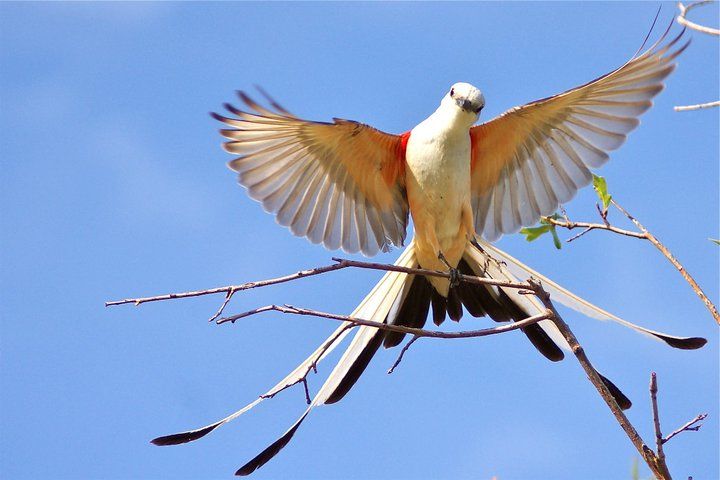
  • State Bird:  Scissor-tailed Flycatcher
  • State Animal:  American Bison
  • State Motto:  Labor Omnia Vincit (Labor Conquers All Things)

The story of Oklahoma’s progression to statehood begins long before 1907.  During the administration of President Andrew Jackson, Congress passes the Indian Removal Act of 1830.  This legislation designates the Oklahoma Territory as Indian Territory, and it authorizes the President to move Native Americans from the lands east of the Mississippi River to those found west of it.

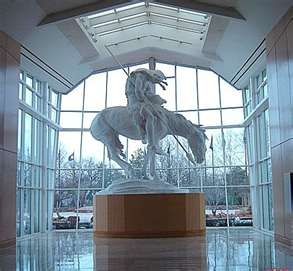
As thousands of Native tribes are displaced from their territorial homes, a “trail of tears” follows their forced migration to lands in the future state of Oklahoma.  These Native Americans include Cherokee, Choctaw, Creek, Chickasaw, and Seminole tribes, along with many others.  These five tribal nations are often called the “Five Civilized Tribes” by historians and others. 
The Dawes Act of 1887 allows further disruption in the Native Americans’ way of life.  Later on March 3, 1889, President Benjamin Harrison opens the unassigned lands of the Indian Territory to white settlement.  On April 22, 1889, the infamous Oklahoma Land Rush begins at 12:00 Noon.  Before the legitimate settlers make any claims, others designated as “Sooners” cross into the territory early.

A total of 38 Native American tribes reside in modern-day Oklahoma.  Only the states of Alaska and California have more.  About 13 percent of the present-day population of the Sooner State is Native American.

One of Oklahoma’s most famous citizens is Will Rogers.  Born on a large ranch in Cherokee Nation territory near the present-day community of Oologah, he goes on to become a cowboy, Broadway star, actor, writer, and humorist.

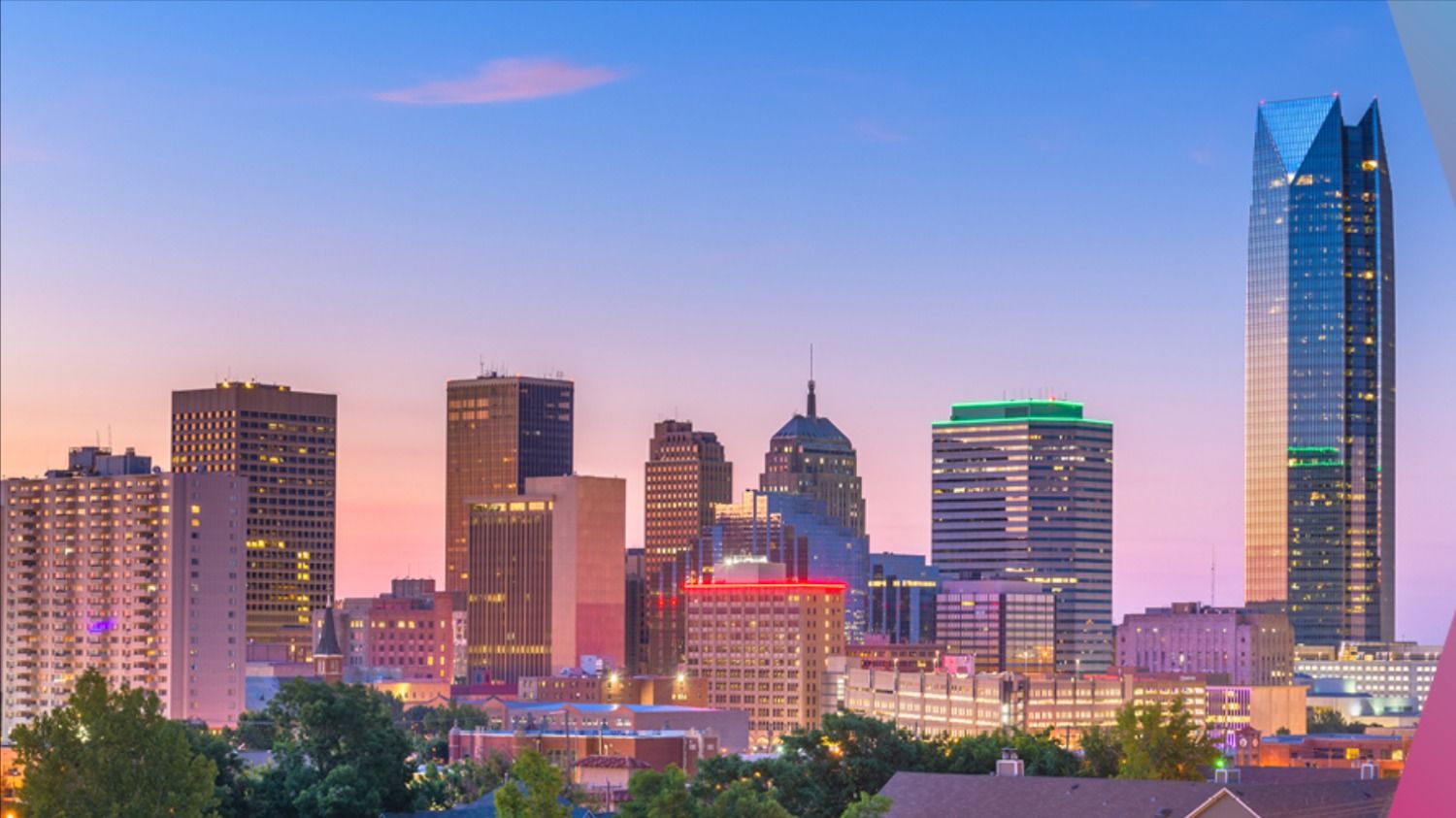
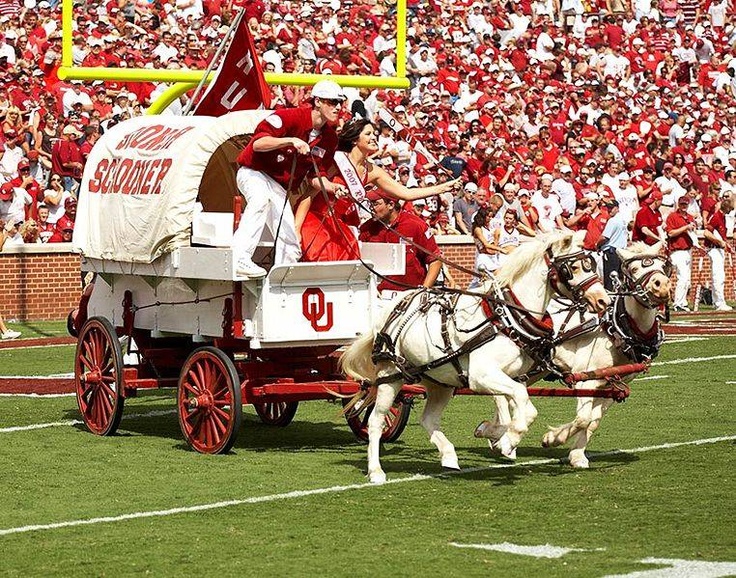
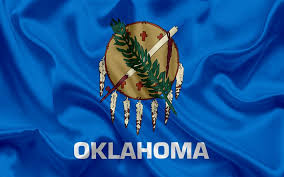
row 1:  state capitol building in oklahoma city, two more photos from Oklahoma city include the national cowboy hall of fame and oklahoma city skyline.  Row 2: “sooner schooner” mascot of the University of Oklahoma football team, scissor-tailed flycatcher, “trail of tears” statue inside the national cowboy hall of fame.  Row 3:  oklahoma state flag and will rogers.   (all images courtesy of PINTEREST)

Answer to Brain Teaser Question

Coffee, just like the other names with two “E’s”.  Those with one “E” drink Pepsi.

Trivia’s Facts and More (3/8)

Photo by Pixabay on Pexels.com

This informative post will be published on Saturday in place of my regular one.  You are invited to participate with the opening question.

Brain Teaser Question

Why is the continent of Europe like a frying pan?

(answer found at the end of this post)

Featured Facts

Ohio-born William Howard Taft becomes the 27th President of the United States following the election of 1908.  He serves one term in office, from 1909-1913.

Here are some interesting facts about William Howard Taft:

  • Political Party:  Republican
  • Birthplace:  Cincinnati, Ohio
  • Colleges Attended:  Yale University, Cincinnati Law School
  • LIfespan:  September 15, 1857 to March 8, 1930

Much of Taft’s pre-Presidency life focuses on being involved in the Ohio courts as a judge.  He serves in the Ohio court system before ascending to the U.S. Court of Appeals.  He becomes the only President to serve as Chief Justice of the United States Supreme Court (1921-1930).

Taft’s other roles embrace being a lawyer as well as a college professor.  From 1900-1903, he serves as the first civilian governor of the Philippines.  This appointment by President William McKinley follows the American acquisition of the Philippines following the Spanish-American War of 1898.

When Theodore Roosevelt is President, Taft serves as his Secretary of War from 1904-1908.  This position serves as a steppingstone for Taft when he runs for President in 1908.  Roosevelt steps aside as President after two terms as he decides to forego a third term.

Taft’s time as President is relatively undistinguished.  He proves to be more conservative than Roosevelt’s expansive view of Presidential power.  In the election of 1912, Roosevelt attempts take the Republican nomination away from Taft, but he is unsuccessful.

Roosevelt bolts away from the Republican Party to lead the Progressive Party, which is nicknamed the “Bull Moose.”  With the Republican Party split, Democratic Party candidate Woodrow Wilson easily wins the election, and he will go on to serve as President for two terms.

In 1921, Taft fulfills a lifetime dream of serving on the United States Supreme Court.  Ohio-born President Warren Harding taps him to serve as Chief Justice, and Taft serves until his death in 1930.

Because of his large size, Taft earns the nickname of “Big Bill.”  His weight of nearly 300 pounds makes him the largest person to ever serve as President.

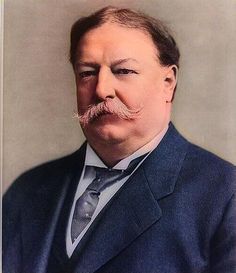
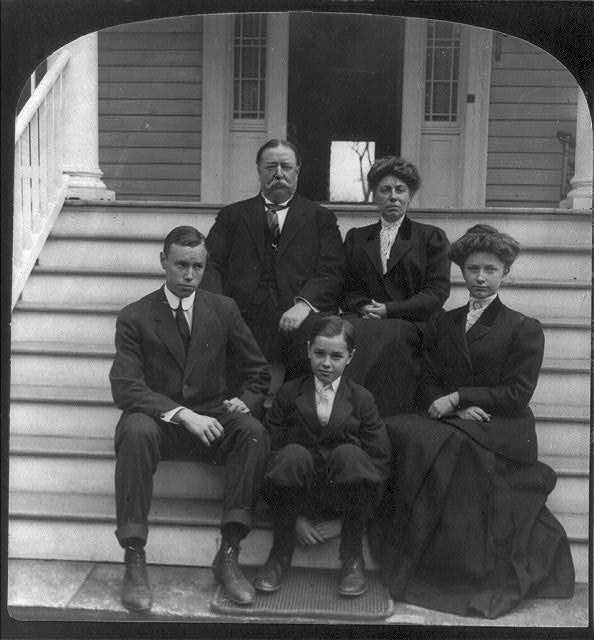
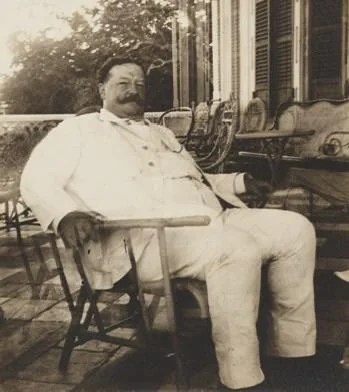
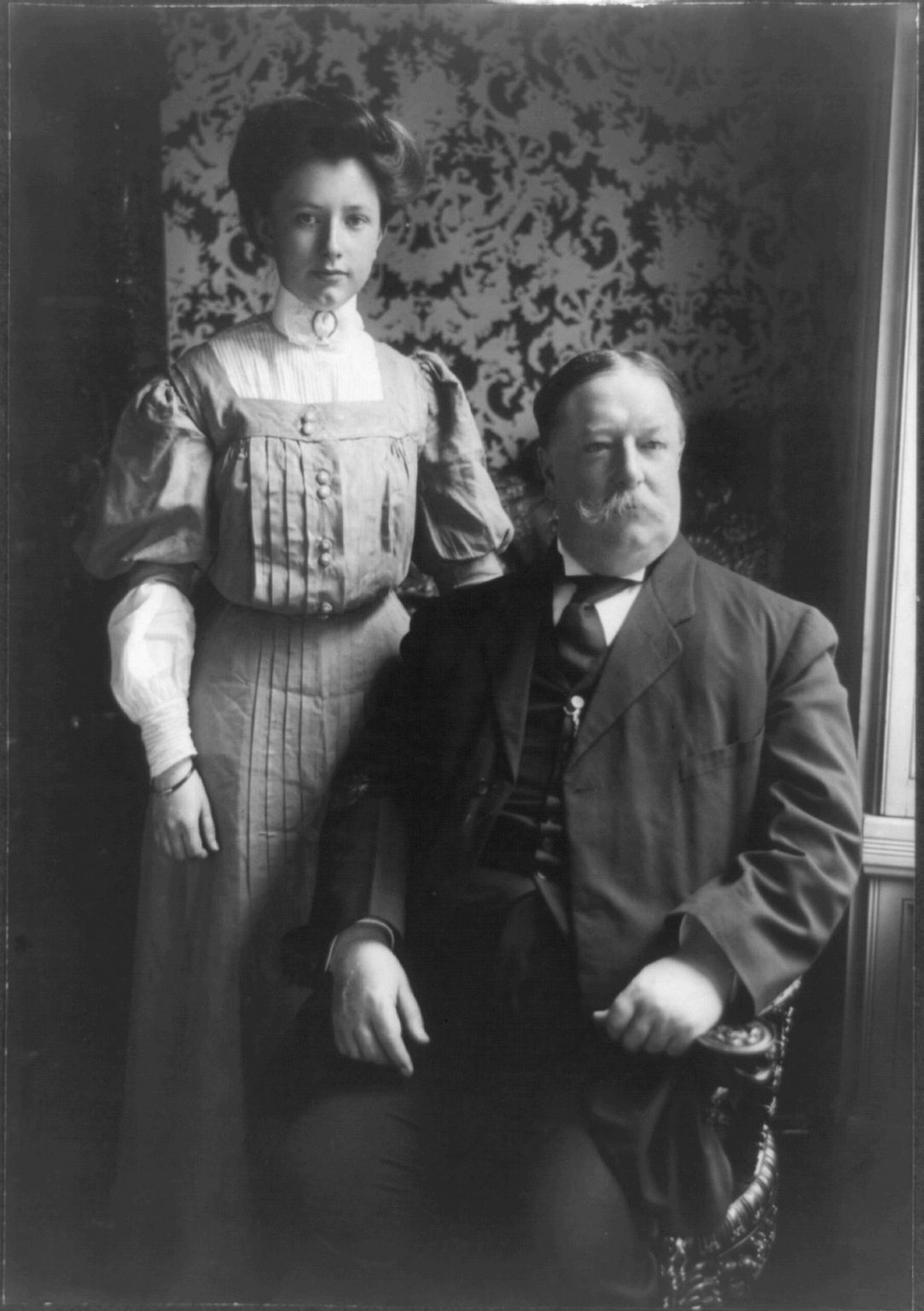
From top left and moving clockwise: portrait of PRESIDENT taft, portrait of chief justice taft, with theodore roosevelt, taft family home in cincinnati, portrait with Helen taft (his wife), governor-general of the philippines, family portrait with helen and children.  (all images courtesy of PINTEREST)

Answer to Brain Teaser Question

Because it has Greece at the bottom.

Trivia’s Facts and More (2/22)

Photo by Pixabay on Pexels.com

This informative post will be published on Saturday in place of my regular one.  You are invited to participate with the opening question.

Brain Teaser Question

Every night I’m told what to do, and each morning I do what I’m told.  But I still don’t escape your scold.  What am I?

(answer found at the end of this post)

Featured Facts

Illinois becomes the 21st state in the American Union on December 3, 1818.  Nicknamed the “Prairie State,” it is also known as the “Land of Lincoln.”

Here are some interesting facts about Illinois:

  • State Capital:  Springfield
  • State Bird:  Cardinal
  • State Flower:  Illinois Violet
  • State Motto:  State Sovereignty, National Union

Much of Illinois’ history is wrapped around the state capital of Springfield where the 16th American President, Abraham Lincoln, spends most of his adult life.  Born in Kentucky, Lincoln arrives from Indiana in 1829.  The birthplace of Ronald Reagan, 40th President, brings interested visitors to Tampico.

Being the third most populated city in the United States, Chicago is home to the first metal-frame design skyscraper in America.  The Home Insurance Building is built in 1885, and it features 10 stories within its height of 138 feet.  Demolished in 1931, the building’s history can be found in numerous photographs.

The city of Ottawa marks the location of the first Lincoln-Douglas debate on August 21, 1858.  Abraham Lincoln and Stephen Douglas conduct a series of seven debates as they duel for one of the U.S. Senate seats from Illinois.    Over 10,000 spectators attend this outdoor event, and Douglas will later be victorious in the election.

The name “Illinois” is derived from the French translation of a Native American word which means warriors.  Three major rivers form much of the state boundary of Illinois:  Wabash, Ohio, and Mississippi.

Chicago becomes the eastern anchor of the famous Route 66 Highway as it journeys toward Los Angeles to the west.  The total distance traveled equals 2,448 miles.

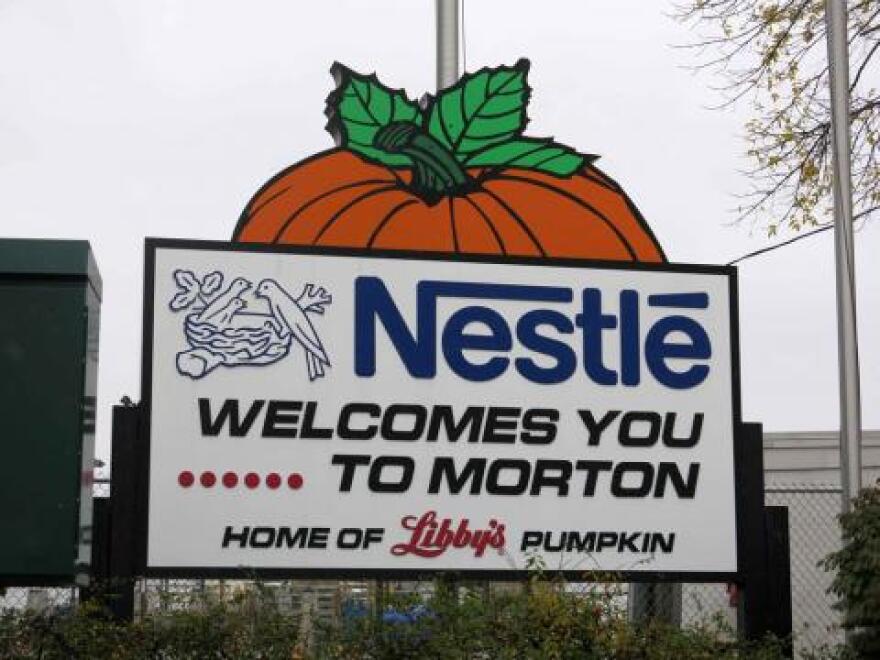
Three-fourths of the state’s territory is farmed.  The rich, black soil is well-suited for corn and soybeans.  The area around the village of Morton is called the “Pumpkin Capital of the World.”  About 85% of the world’s canned pumpkin is harvested and processed at the Nestles/Libby’s plant.

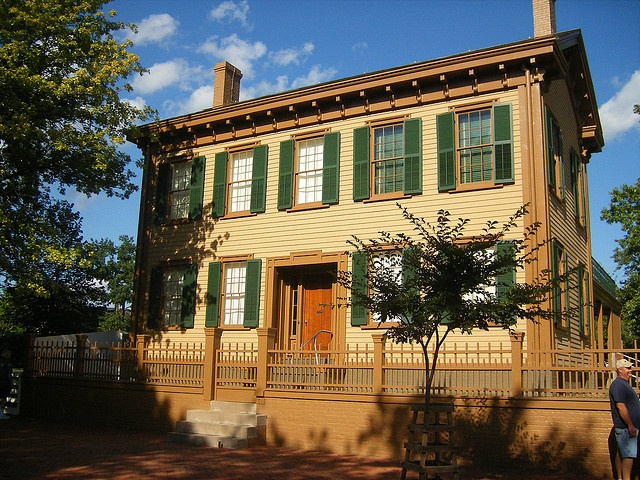
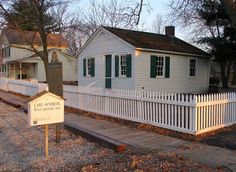
From top left and moving clockwise: capitol building in springfield, abraham Lincoln’s home in springfield, Mcdonald’s first franchise opened in des plaines in 1955, home insurance building in chicago, morton welcomes visitors to its canned pumpkin industry, map with route 66 highway layout from chicago to Los Angeles, Carl Sandburg’s birthplace in galesburg, tampico wall mural celebrates the life of ronald reagan, tomb for abraham lincoln in springfield.  (all images courtesy of PINTEREST)

Answer to Brain Teaser Question

An alarm clock.

Trivia’s Facts and More (1/25)

Photo by Pixabay on Pexels.com

This informative post will be published on Saturday in place of my regular one.  You are invited to participate with the opening question.

Brain Teaser Question

I have four wheels and invite plenty of flies (insects).  What am I?

(answer found at the end of this post)

Featured Facts

Admitted to the American Union on May 29, 1790, Rhode Island is destined to be labeled as the smallest state in terms of land size.  It becomes the final of the original thirteen colonies to enter the United States.

Here are some interesting facts about Rhode Island:

  • Capital city:  Providence (largest city, population of 179,207)
  • Nickname:  Ocean State
  • State bird:  Rhode Island Red Hen
  • State flower:  Violet
  • State Motto:  Hope

With its small land area, Rhode Island is the second most-densely populated American state after New Jersey.  Within its 1,033 square miles of territory, New Jersey provides space for over 1,098,080 inhabitants.  In contrast, the state of Montana houses 1,142,750 people in a land area of 147,040 square miles.  

Tracing its roots back to 1636 as an English colony, Rhode Island is founded by Puritan leader, Roger Williams.  Banished from Massachusetts, he seeks religious freedom for his followers.  He nicknames the Rhode Island colony “Providence Plantations.”

In 1793, America’s first successful cotton mill begins operations.  Founded by Samuel Slater, Slater Mill is located along the Blackstone River in Pawtucket.  The site remains preserved as a living museum.

The city of Newport is known for its sailing history, and it provides a home for the U.S. Navy War College (founded in 1884).  Rhode Island is well-known for its 21 lighthouses, and several are located at Newport.  One of the most famous is the Ida Lewis Rock Lighthouse.

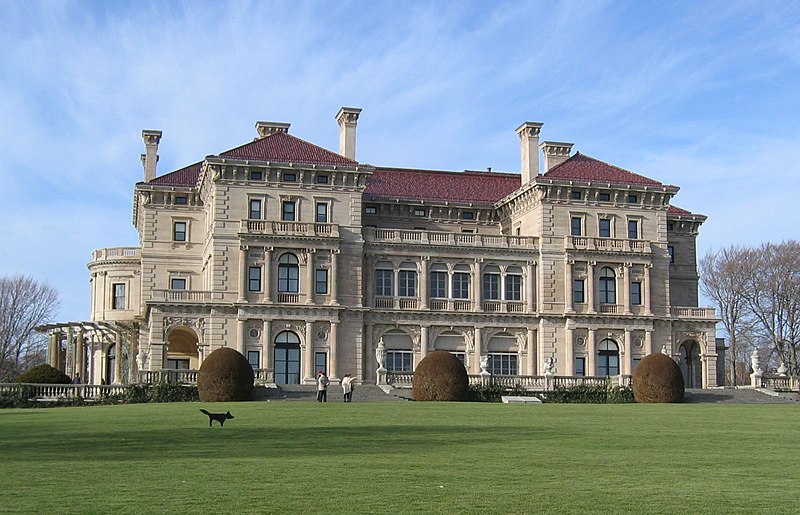
The state capitol in Providence features the world’s fourth largest self-supported marble dome.  Newport is know as the home for “summer cottages” of the rich and famous from years past.  Some of America’s richest families spend fortunes in building mansions of unforgettable splendor.

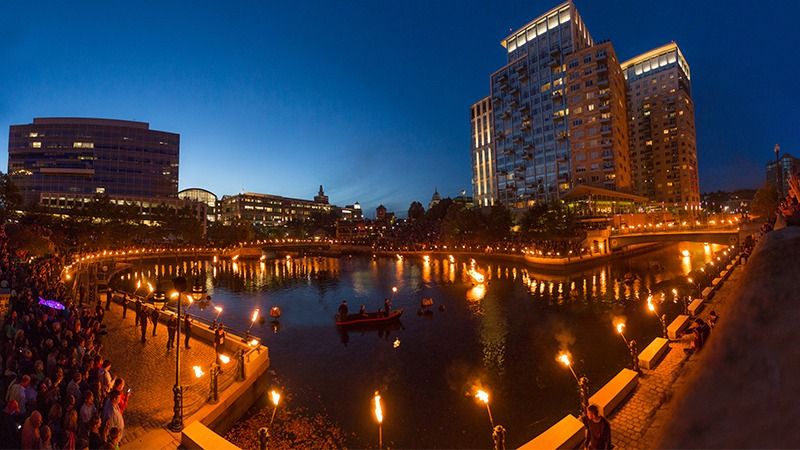
row 1:  one of rhode island’s many lighthouses, u.s. Navy war college, nighttime in providence,  Row 2:  state flag, state bird red hen, summer cottage at newport.  Row 3:  slater mill, state capitol.  (all images courtesy of pinterest)

Answer to Brain Teaser Question

A garbage truck.

Trivia’s Facts and More (1/18)

Photo by Pixabay on Pexels.com

This informative post will be published on Saturday in place of my regular one.  You are invited to participate with the opening question.

Brain Teaser Question

What kind of ship has two mates but no captain?

(answer found at the end of this post)

Featured Facts

At times seeming bigger than life, Theodore Roosevelt ascended to the American Presidency in 1901.  Upon William McKinley’s assassination, Roosevelt became the 26th President of the United States.

Here are some interesting facts about President Roosevelt:

  • Political party:  Republican
  • Home state:  New York
  • Lifespan:  1858-1919
  • Term of office:  1901-1909
  • Notable occupations:  rancher, soldier, author

Roosevelt’s transition into politics was stimulated by personal family loss.  In 1884, he lost both his wife, Alice, as well as his mother, Martha.  Both died on the same night.  A devastated Roosevelt spent two years away from his home state while living on and operating a cattle ranch in the western Badlands of the Dakota Territory, near present-day Medora, North Dakota.  

Upon his return from the West, T. R. (as many called him) followed fresh stepping stones, which would eventually lead him to the White House.  Prior to being elected New York’s Governor in 1898, he also served as President McKinley’s Assistant Secretary of the Navy.  During his tenure with the naval department, the United States entered the Spanish-American War of 1898.

During the Spanish-American War, Roosevelt organized and lead a volunteer cavalry unit, better known as the “Rough Riders.”  Roosevelt and his men served gallantly in the short-lived war’s action in Cuba.  Roosevelt earned another nickname which would follow him for the rest of his life, “The Rough Rider.”

As President, Roosevelt served out McKinley’s term of office as well being elected in his own right in 1904.  A major theme of his domestic agenda revolved around the “Square Deal.”  He supported progressive reforms and promised to battle large industrial combinations (also called trusts).  His foreign policy was built around a philosophy of “speak softly and carry a big stick.”  He modernized and enlarged the American navy.

Roosevelt’s final years as President brought new challenges and achievements.  Known as the conservation President, he doubled the number of America’s national parks.  His administration oversaw construction of the Panama Canal in 1904 (the canal would open in 1914).  In 1906, Roosevelt would receive the Nobel Peace Prize for his help in ending the Russo-Japanese War.

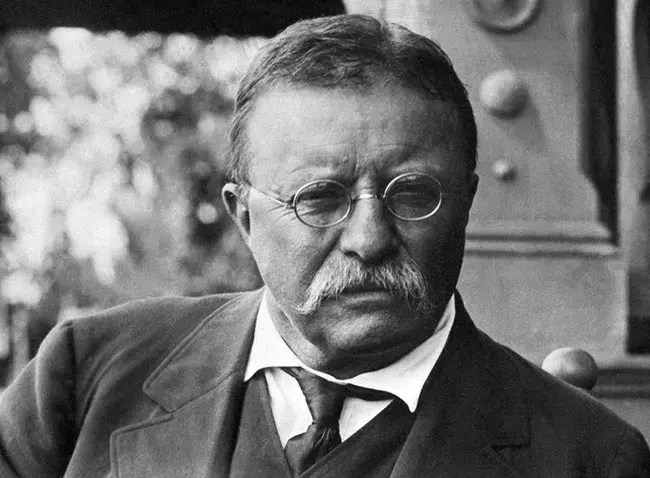
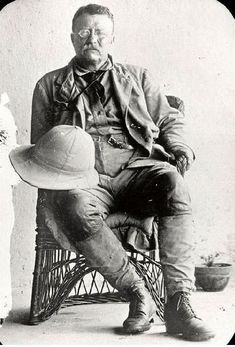
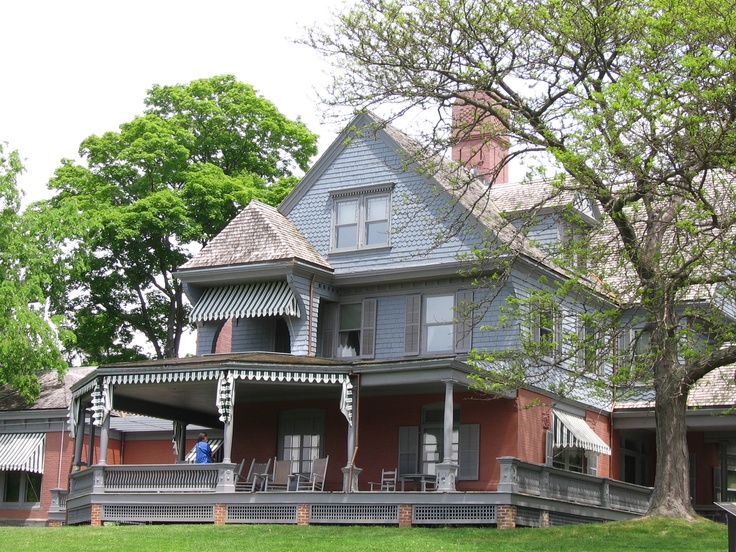
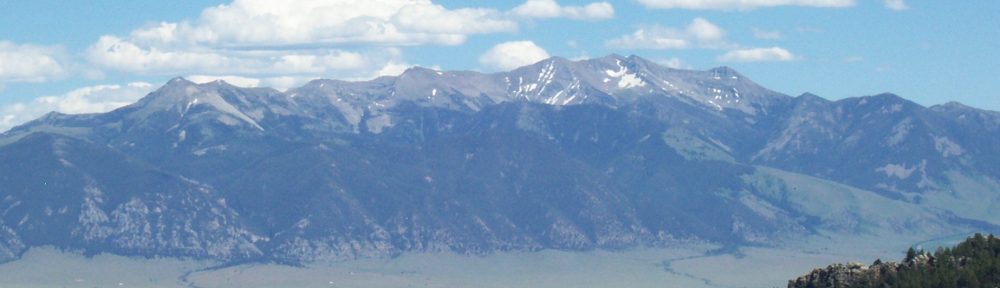
left column:  dual images of older and younger roosevelt, on african safari following his presidency, at the panama canal during construction.  right column:  roosevelt the conservationist traveling out west, on the campaign trail, family home at sagamore hill, lieutenant colonel of the rough riders.

Answer to Brain Teaser Question

A relationship.

Trivia’s Facts and More (11/30)

Photo by Pixabay on Pexels.com

This informative post will be published on Saturday in place of my regular one.  You are invited to participate with the opening question.

Brain Teaser Question

Simon has scored 14, 20, 22, and 16 points in four basketball games.  If his final average will reach 20 points per game, how many points must he score in a fifth game?

(answer found at the end of this post)

Featured Facts

Admitted to the American Union on February 14, 1859, Oregon is the 33rd state of the United States.

Here are a few quick facts about Oregon:

  • Capital city:  Salem
  • Largest city:  Portland (population:  630,498)
  • Nickname:  Beaver State
  • State bird:  Western meadowlark
  • State tree:  Douglas fir
  • State motto:  Alis Volat Propiis (She Flies With Her Own Wings)

Oregon is well-known for its diverse landscape.  The western coastal region features rainforests, mountains, and fertile valleys.  The eastern side of the state offers a more arid and harsh environment with grasslands and deserts.

Oregon’s coastal mountain range is filled with an array of volcanic peaks.  From their ancient activity, numerous lava flows have created volcanic rock formations, which resemble a moon-like terrain.  During the 1960s, America’s space agency, NASA, utilizes this region to prepare Apollo astronauts for eventual travel to the Moon.

Another prominent holdover from these past volcanic times is Crater Lake, which is part of a national park (established in 1902).  America’s fifth oldest national park is home to the deepest lake in the United States, reaching 1,949 feet.  The crater’s basin is all that remains from a collapsed, ancient caldera.

Oregon leads the nation in growing a variety of crops:  peppermint, blackberries, boysenberries, longberries, black raspberries, and hazelnuts.  Wild mushroom hunting is legal, and a harvest of one gallon per day is allowed.  The state is the nation’s leading source of Christmas trees.

Oregon is one of five American states that do not levy a general sales tax (joining with Alaska, Montana, Delaware, and New Hampshire).  Eleven lighthouses provide safety for boats traveling along the state’s Pacific coastline.  

Moving from top left and clockwise:  pacific coast highway runs along the entire oregon coastline,  crater lake, state capitol building in salem, inside sea lion caves near florence, 1960’s nasa’s apollo training in central oregon’s moon country, Yaquina lighthouse near newport.  (Images courtesy of Pinterest)


Answer to Brain Teaser Question

28.  He has currently scored a total of 72 points.  An average of 20 points per game for five games equals 100 total points.  

Trivia’s Facts and More (11/9)

Photo by Pixabay on Pexels.com

This informative post will be published on Saturday in place of my regular one.  You are invited to participate with the opening question.

Brain Teaser Question

In the kitchen, what do you have to break before you can use it?

(answer found at the end of this post)

Featured Facts

Born in North Bend, Ohio, Benjamin Harrison will become the 23rd President of the United States.  He serves a single term (1889-1893).

Here are a few quick facts about President Harrison:

  • Political party:  Republican
  • State represented:  Indiana
  • Occupations:  lawyer, U.S. Senator
  • LIfespan:  1833-1901
  • College attended:  Miami University (Oxford, Ohio)

Harrison spends much of his early life in Ohio where he attends college, becomes a lawyer, and lives in Cincinnati.  He serves in the Union army during the Civil War, and he rises to the rank of general.  Later, he will move to Indiana to further his law career and is elected to the United States Senate for one term.

Harrison’s family roots run deeply through earlier generations of American history.  He is the great-grandson of Benjamin Harrison, who signs the Declaration of Independence.  He is the grandson of American’s ninth President, William Henry Harrison.

Harrison carries two nicknames, which refer to his family lineage as well as his place in Presidential history.  He is sometimes referred to as “Young Tippecanoe.”  His grandfather, William Henry Harrison, is known as “Old Tippecanoe.”  Some historians have labeled him as “The Centennial President.”  His term of office begins 100 years after America’s first President, George Washington.

As President, Harrison signs two significant pieces of legislation in 1890:  Sherman Antitrust Act and McKinley Tariff Act.  Both bills are named after Ohio Senators, their chief sponsors.  Harrison is an ardent protectionist so his support for tariffs is expected. 

He also supports veterans’ benefits (from the Civil War), forest conservation, expansion of the U.S. Navy, and annexation of Hawaii.  Hawaiian annexation is achieved in 1898 under President McKinley’s administration.  Forest conversation and expansion of the navy will become hallmarks of the Theodore Roosevelt administration in the early 1900s.

In Harrison’s first election for the Presidency in 1888, he defeats Democratic incumbent Grover Cleveland.  Despite losing the popular vote, he comes out on top with a majority of electoral votes.  When running for re-election in 1892, Cleveland challenges Harrison and wins decisively.  

from top left and moving clockwise:  white house portrait of harrison, historical marker of harrison’s birthplace in north bend, his home in indianapolis,  from his later years, and during the CIVIL war.  (Images courtesy of Pinterest)


Answer to Brain Teaser Question

Egg

Trivia’s Facts and More (10/26)

Photo by Pixabay on Pexels.com

This informative post will be published on Saturday in place of my regular one.  You are invited to participate with the opening question.

Brain Teaser Question

What is so fragile that saying its name breaks it?

(answer found at the end of this post)

Featured Facts

Being one of the original thirteen English colonies, the state of North Carolina is admitted as the 12th one to the American union on November 21, 1789.

Here are a few quick facts about North Carolina:

  • Capital city:  Raleigh
  • Most populous city:  Charlotte (874,579, based on 2020 census)
  • Bird:  cardinal
  • Flower:  flowering dogwood
  • Motto:  Esse Quam Videri (To Be, Rather Than To Seem)

North Carolina’s nickname of the Tar Heel State refers to its history of ship building.  From the state’s abundant pine forests, a variety of naval stores are extracted from these trees.  These include tar, pitch, and turpentine.

The state’s landscape features three major physiographic regions.  The physical geology includes the Coastal Plain (also called the tidewater), the Piedmont (low, rolling plateau), and the Blue Ridge (Appalachian Mountains).  

Located along the Atlantic coastline, Kitty Hawk is famously remembered as the site of the Wright brothers’ first of  its kind successful airplane flight.  One of the state’s license plate designs features the words, “First in Flight.” 

In 1587, Roanoke Island becomes the first English colony in North America.  The settlement is twenty years ahead of the founding of the Jamestown colony in 1607.  Later, the inhabitants mysteriously disappear.  

The communities of Winston and Salem originally sit about one mile apart.  In 1913, they merge together and become Winston-Salem.  The city claims to be the birthplace of Krispy Kreme donuts when the very first business opens in 1937 to sell them.

North Carolina produces nearly sixty percent of the sweet potato crop in the United States.  The tallest brick lighthouse in the United States is the Cape Hatteras Lighthouse, which stands 210 feet tall after being rebuilt in 1870.

from top left and moving clockwise:  wright brothers making history at kitty hawk, cape hatteras lighthouse, sweet potato crop, flowering dogwood, and state capitol in raleigh.   (Images courtesy of Pinterest)


Answer to Brain Teaser Question

Silence

Trivia’s Facts and More (10/5)

Photo by Pixabay on Pexels.com

This informative post will be published on Saturday in place of my regular one.  You are invited to participate with the opening question.

Brain Teaser Question

How many birthdays does the average person have?

(answer found at the end of this post)

Featured Facts

Grover Cleveland had the distinction of being the only American President elected to this high office for two non-consecutive terms.  He served his country as the 22nd and 24th President.

Here are a few quick facts about President Cleveland:

  • Lifespan:  March 18, 1837 to June 24, 1908
  • Political party:  Democratic
  • Terms of office:  1885-1889, 1893-1897
  • Career outside of politics:  teacher and lawyer

President Cleveland’s full name was Stephen Grover Cleveland, but he dropped the first name in favor of using just his middle name.  Born in the state of New Jersey, Cleveland spent most of his political career in New York state as mayor of Buffalo and governor of New York.

Sometimes nicknamed “The Veto President,” Cleveland earned this distinction during his first term as President.  He used his veto power 414 times, which was more than the combined vetoes of the preceding 21 Presidents.  One significant bill would have provided pensions to Civil War veterans.

Cleveland became known as a political reformer.  He served as the only Democratic President between Abraham Lincoln (elected in 1860) and William Howard Taft (elected in 1908).  Following Cleveland’s two terms as President, the next Democratic occupant of the White House would be Woodrow Wilson, who was elected in 1912..

During Cleveland’s first year of his second term in office, the country faced a severe economic downturn with the Panic of 1893.  Filled with bank failures and railroad bankruptcies, this event would only later be surpassed by the Great Depression era during President Herbert Hoover’s inaugural year of his term in office (elected in 1928).  

Cleveland became the first President to be married in a ceremony held at the White House.  He and his bride, Frances Folsom, were wed in 1886. He also became the first President to father a child (Esther), who was born in the White House.

top left and moving clockwise:  Portrait, standing (notice the top hat), wife frances, princeton home at westand in new jersey, campaign poster from 1888 when cleveland was defeated for re-election (with running mate a. g. thurman)  (Images courtesy of Pinterest)


Answer to Brain Teaser Question

One  [Analyze what a birthday is?  Don’t become lured into the word “average.”  It’s a single day when someone is born.]

Trivia’s Facts and More (9/21)

Photo by Pixabay on Pexels.com

This informative post will be published on Saturday in place of my regular one.  You are invited to participate with the opening question.

Brain Teaser Question

I am nature’s event of early morning light, which sketches another greeting card.  What am I?

(answer found at the end of this post)

Featured Facts

As one of the 13 original English colonies in North America, Connecticut becomes the fifth state in the American Union when it is granted statehood on January 9, 1788.

Here are a few quick facts about Connecticut:

  • Capital city:  Hartford
  • Nickname:  Constitution State
  • Bird:  Robin
  • Flower:  Mountain laurel
  • Motto:  Qui Transtulit Sustinet (He Who Transplanted Still Sustains)

Connecticut offers a variety of places and historical events of interest.  One of the oldest universities in the United States is Yale University, which is located in New Haven.  Founded in 1701, Yale is several years younger than its fellow Ivy League school, Harvard University (founded in 1636).

Connecticut’s namesake is derived from the Native American “Quinnehtukqut,” which means “beside the long tidal river.”  This has long been a reference to the Connecticut River, which flows through the middle of the state from the Canadian border to Long Island Sound (at Old Saybrook).  

The oldest American newspaper in continuous circulation is the Hartford Courant, which is founded in 1764.  In 1878, the citizens of New Haven become the world’s first subscribers to a telephone exchange service.

Connecticut offers plenty of charming locations as epitomized by the seaside village of Mystic.  Along Long Island Sound, Hammonasset Beach State Park occupies a sandy two-mile stretch near the town of Madison.

Two famous American writers reside as neighbors in the Nook Farm area of Hartford.  Connecticut native, Harriet Beecher Stowe, lives there from 1873-1896.  Missouri native, Samuel Clemons, who is better known as Mark Twain, lives next door from 1874-1891.  

top left and moving clockwise:  current state capitol building (built in 1878), home of harriet Beecher Stowe, hammonasset beach state park, former state capitol building (built in 1796), Home of mark Twain, state flower mountain laurel.  (Images courtesy of Pinterest)


Answer to Brain Teaser Question

A sunrise