Trivia’s Facts and More (12/20)

Photo by Pixabay on Pexels.com

This informative post will be published on Saturday in place of my regular one.  You are invited to participate with the opening question.

Brain Teaser Question

How many people is “two pairs of twins twice”?

(answer found at the end of this post)

Featured Facts

Arkansas becomes the 25th state in the American Union on June 15, 1936.  The name “Arkansas” is a name used by French explorers, and it refers to the Quapaw native people.

Here are a few interesting facts about Arkansas:

  • Capital City:  Little Rock
  • State Bird:  Mockingbird
  • State Flower:  Apple Blossom
  • State Motto:  Regnat Populus (The People Rule)
  • Major Rivers:  Arkansas and Red

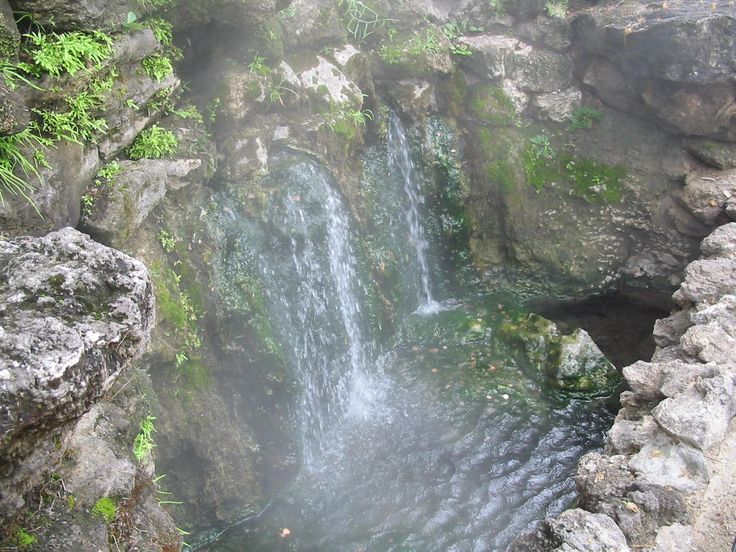
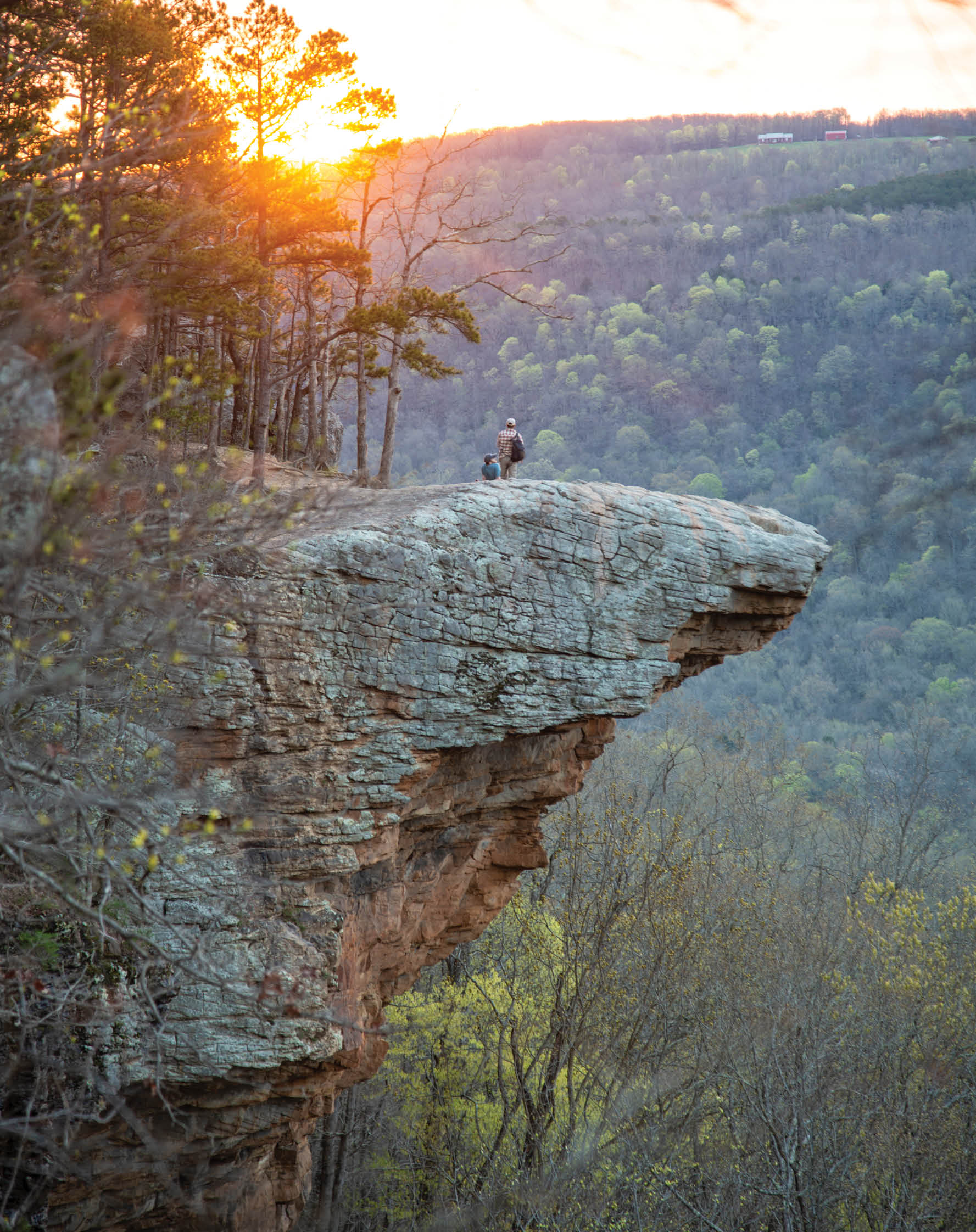
Arkansas uses two different nicknames:  Land of Opportunity and The Natural State.  The Natural State recognizes the state’s diverse landscape of mountains, lakes, hot springs, and forests.  Numerous natural hot springs can be found, and they welcome people who visit with hopes of finding relief from certain illnesses.

In 1803, the United States greatly expands its land size when the Louisiana Purchase is bought with France.  As part of these new lands, Arkansas becomes a territory in 1819.  The state features many key battlefield sites from the American Civil War.

In 1932, Hattie Caraway becomes the first American woman elected to the United States Senate.  The 42nd President of the United States, Bill Clinton, is born in Hope (1946).

The state’s economy has transformed from its reliance on agriculture to a more diversified one.  Corporations founded in Arkansas have led the way, such as Walmart and Tyson Foods.

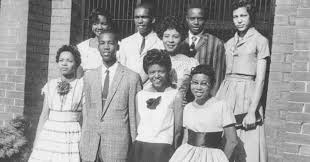
In 1957, landmark school integration is enforced by the federal government.  With a U.S. Army escort, nine courageous African-American students attend a now integrated high school in Little Rock, and become known as the “Little Rock Nine.”

During World War II, two major Japanese internment settlements are established at Rohwer and Jerome.

top left and MOVING clockwise:  little rock nine, hot springs national park, Ozark mountains, apple blossom, mockingbird, state capitol in little rock, Ouachita mountains, japanese internment settlement in rohwer, u.s. senator hattie caraway.   (Courtesy of Pinterest)


Answer to Brain Teaser Question

Eight (2 x 2 x 2)

Trivia’s Facts and More (12/13)

Photo by Pixabay on Pexels.com

This informative post will be published on Saturday in place of my regular one.  You are invited to participate with the opening question.

Brain Teaser Question

I see you, you see me.  I have three eyes.  Whenever I blink, I command you to stop or go.  What am I?

(answer found at the end of this post)

Featured Facts

Dwight D. Eisenhower enters the Presidential Election of 1952 in his very first candidacy for any political office, and he easily earns victory to become America’s 34th President.

Here are a few interesting facts about President Eisenhower:

  • State Represented:  Pennsylvania
  • Political Party:  Republican
  • Birth:  October 14, 1890 (Dennison, Texas)
  • Death:  March 28, 1969 (Washington, DC)
  • Occupation:  Soldier
  • College:  U.S. Military Academy at West Point

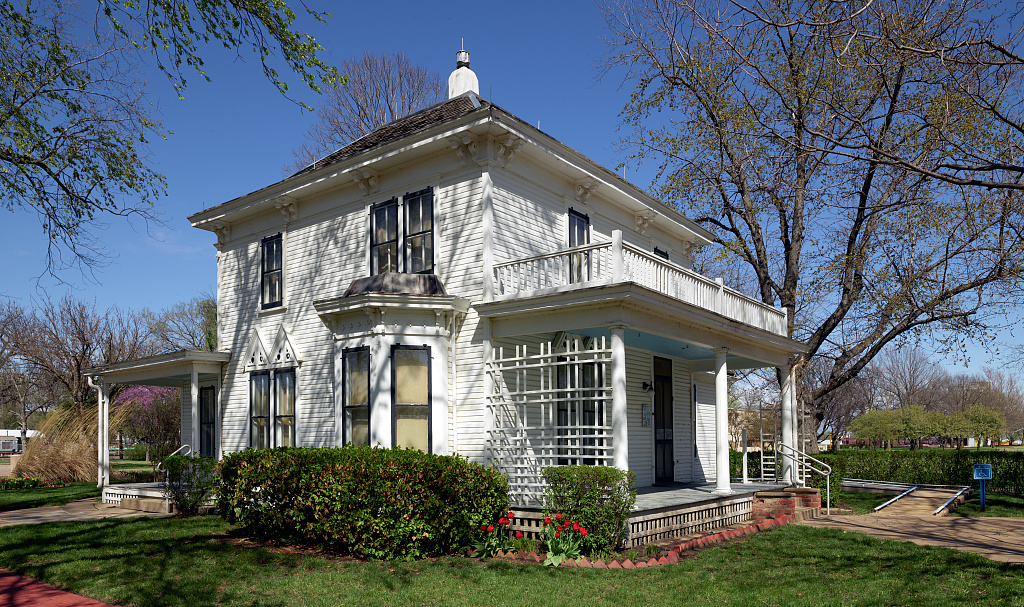
Nicknamed Ike, President Eisenhower spends most of his childhood in Abilene, Kansas.  He learns at a young age the value of hard work and his family’s strong religious traditions.

Eisenhower is re-elected in 1956, and he defeats Democratic candidate Adlai Stevenson just as he did in 1952.  During these two terms of office, Richard M. Nixon serves as the nation’s Vice President.

Eisenhower’s pre-presidential life is filled with several notable achievements:

  • Supreme Commander of the Allied Forces during World War II
  • Commander of NATO forces in Europe following World War II
  • Authors a book in 1948 (Crusade in Europe)
  • President of Columbia University (1948-1953)

During his first term as President, Eisenhower secures an armistice to stop the war between North and South Korea.  Following the darkness of war in Europe and Asia, he presides over a nation which desires more quiet times at home.  His previous military leadership brings strengths to his Presidency in terms of organization and the ability to persuade others to work with him.

Eisenhower’s administration initiates the construction of the Interstate Highway System, which becomes the largest public works project in American history.  The first miles of highway begin to transform the nation’s roads in 1956, while the project continues until completion in 1992. 

He extends the federal government’s power in bringing about school integration in Little Rock, Arkansas in 1957.  The integration of Little Rock Central High School finally occurs when Eisenhower sends the U.S. Army’s 101st Airborne Division to escort nine African-American students (the Little Rock Nine) into the school.

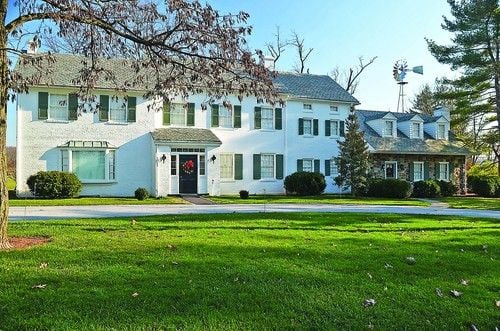
In 1950, Eisenhower purchases a home and farm outside of Gettysburg, Pennsylvania.  The connection between Gettysburg’s place in the history of America’s Civil War complements his military background.

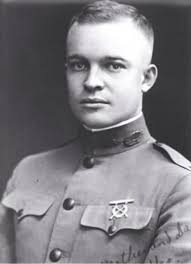
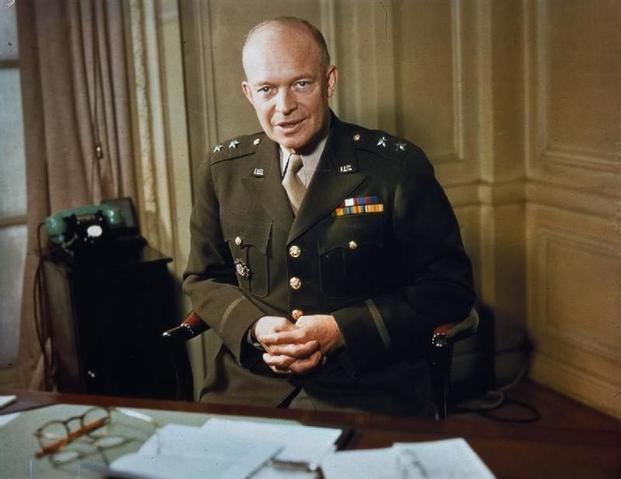
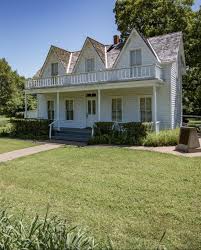
top left and MOVING clockwise: presidential portrait, young officer in the U.s. army, with wife mamie in their early years, childhood home in abilene, birthplace home in dennison, world war ii general, gettysburg farm and home, with president-elect john f. kennedy.  (Courtesy of Pinterest)


Answer to Brain Teaser Question

A traffic light.

Trivia’s Facts and More (11/22)

Photo by Pixabay on Pexels.com

This informative post will be published on Saturday in place of my regular one.  You are invited to participate with the opening question.

Brain Teaser Question

I start with M, and end with X, and have a never-ending amount of letters.  What am I?

(answer found at the end of this post)

Featured Facts

On November 11, 1889, Washington becomes the 42nd American state.  Named for President George Washington, it is the only state named for a former President.

Here are a few interesting facts about Washington:

  • Capital City:  Olympia
  • Largest Cities:  Seattle (755,078), Spokane (229,447), Tacoma (222,906)
  • State Bird:  Willow Goldfinch
  • State Flower:  Coast Rhododendron
  • State Motto:  Alki (By and By)

Nicknamed the “Evergreen State,” Washington’s landscape is nearly 50 percent covered in forests.  Forest climate zones border both the western and eastern boundaries with the Cascade Range and the Rocky Mountains.  The interior region is more arid and better suited for dryland and irrigated agriculture.

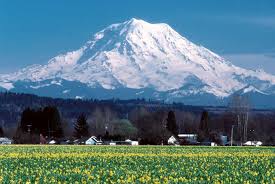
Five active volcanoes are located in the Cascade Range.  The tallest is Mount Rainier at 14,410 feet above sea level.  The peak’s native name is Tahoma, and it is located 59 miles south-southeast of Seattle.

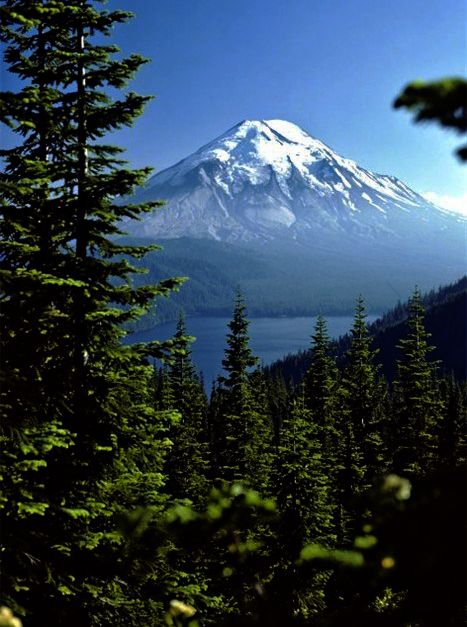
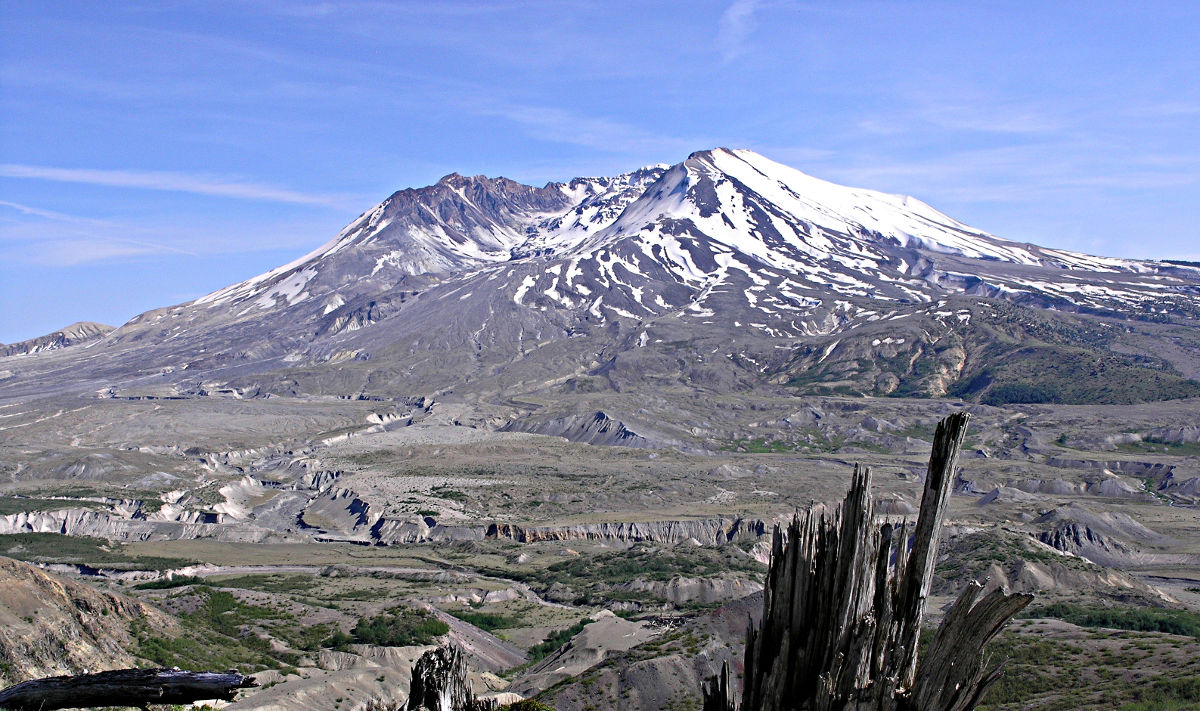
On May 18, 1980, Mount St. Helens collapses from a cataclysmic volcanic eruption.  While Mount St. Helens remains an active volcano, scientists continue to monitor all of the active volcanoes as much of Washington’s population lives within a significant danger zone.  

Washington is well-known for its agricultural produce as it leads the nation in harvested apples, sweet cherries, pears, and red raspberries.  Nearly 8 billion pounds of apples are harvested each year, which is about 60 percent of the annual crop in the United States.

Washington’s topography is filled with many vistas, which welcome countless visitors to the state.  Here is a sample of its natural and manmade wonders:

  • Hoh Rainforest:  Only temperate rainforest located in the continental United States
  • Waterfalls (too numerous to list all):  Colonial Creek, Marymere, Nooksack, and Spokane
  • Grand Coulee Dam:  One of the largest hydroelectric dams in the nation (completed in 1942)

The largest city, Seattle, offers numerous attractions.  The Evergreen Floating Bridge brings vehicles over Lake Washington.  The Space Needle still stands after being built for the 1962 World’s Fair.  Pike Place Market continues to be an attraction for visitors who want to experience its lively atmosphere as well as purchase produce, seafood, and artwork.  

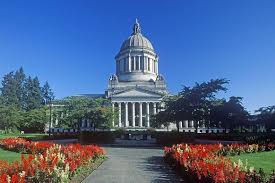
top left and MOVING clockwise: state capitol in olympia, mount st. helens before its eruption, mount st. helens after its eruption, SEATTLE’S evergreen point floating bridge, nooksack falls, seattle’s pike place market, willow goldfinch, spokane falls, seattle’s space needle, mount rainier, hoh rainforest, grand coulee dam, coast rhododendron.  (Courtesy of Pinterest)


Answer to Brain Teaser Question

Mailbox.

Trivia’s Facts and More (11/15)

Photo by Pixabay on Pexels.com

This informative post will be published on Saturday in place of my regular one.  You are invited to participate with the opening question.

Brain Teaser Question

One of these words does not belong:  brawl, carrot, change, clover, proper, sacred, stone, seventy, swing, travel.

(answer found at the end of this post)

Featured Facts

Upon the death of President Franklin D. Roosevelt on April 12, 1945, Harry S. Truman assumes the high office of the United States President.  He becomes the 33rd Chief Executive, and he will serve from 1945 to 1953.

Here are a few interesting facts about President Truman:

  • Political Party:  Democratic
  • State Represented:  Missouri
  • Birth:  May 8, 1884 in Lamar, Missouri
  • Death:  December 26, 1972 in Kansas City, Missouri
  • Other Occupations:  farmer, soldier, businessman

Nicknamed “The Man from Independence,” Truman’s early life exhibits a strong work ethic and a commitment to education.  During World War I, he serves as an army artillery officer in the European theater.  

Truman’s legal name does not include a middle name or initial.  He adds the middle initial “S”.  In 1934, his political career rises in prominence as he is elected to the United States Senate.  He serves in the Senate until the election of 1944 when he is nominated and elected as President Roosevelt’s running mate.

Truman steps into the Presidency at a critical time as World War II is drawing to a close.  He deals with several significant events, such as:

  • As the war enters its final crucial months, he attends the final summit meeting with leaders of the Soviet Union and Great Britain at Potsdam, Germany.
  • Seeking to end the war with Japan, he authorizes the dropping of atomic bombs on the Japanese cities of Hiroshima and Nagasaki.  

Following the conclusion of World War II, Truman supports the Marshall Plan, which  provides American aid for economic recovery in war-torn Europe.  As the beginnings of the Cold War heat up, he encourages American support for nations who are attempting to resist the influence of communist Soviet Union.  This initiative becomes known at the Truman Doctrine.

Facing an uphill campaign in 1948, Truman desires to be elected to his own term as President.  He narrowly defeats the Republican candidate, Thomas E. Dewey.

Much of Truman’s final four years as President are consumed with the Korean War, which begins in 1950.  He leads a coalition of allies who assist South Korea in defending itself from its northern neighbor.

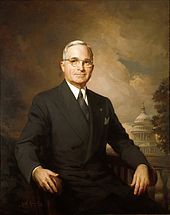
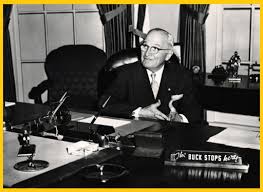
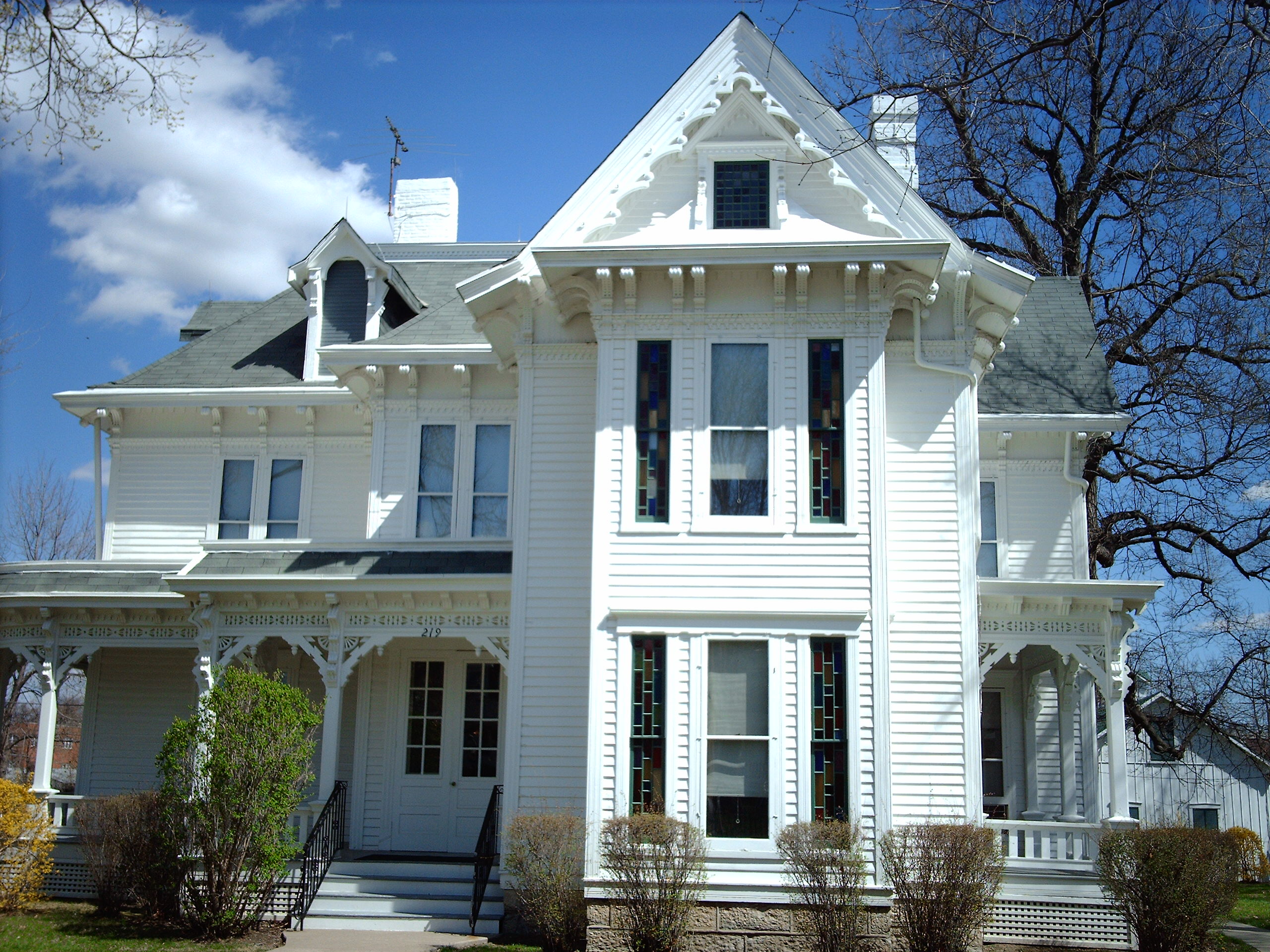
top left and MOVING clockwise: presidential portrait, family portrait with wife bess and daughter margaret, world war I artillery officer, his younger days, home in independence, historic photo when newspaper headline incorrectly declared dewey victorious in election of 1948, famous white house desk sign “the buck stops here.”  (Courtesy of Pinterest)


Answer to Brain Teaser Question

Carrot.  It is the only word that does not become another word when the first and last letters are removed.

Trivia’s Facts and More (10/11)

Photo by Pixabay on Pexels.com

This informative post will be published on Saturday in place of my regular one.  You are invited to participate with the opening question.

Brain Teaser Question

Three different doctors said that Paul is their brother, yet Paul claims he has no brothers.  Who is lying?

(answer found at the end of this post)

Featured Facts

The American state of Arizona is granted statehood as the nation’s 48th on February 14, 1912.  Its admission completes the geographic puzzle with the final piece of the contiguous states.

Here are a few interesting facts about Arizona:

  • Capital City:  Phoenix (most populous state capital in the U.S.)
  • Nickname:  Grand Canyon State 
  • State Bird:  Cactus Wren
  • State Flower:  Saguaro Cactus Blossom
  • State Motto:  Ditat Deus (God Enriches)

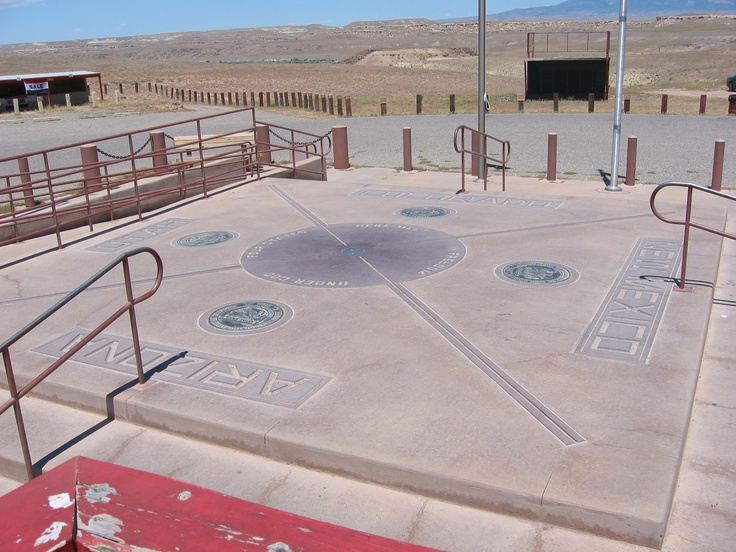
Known for its average of approximately 300 sunny days each year, Arizona is one of the “Four Corner” states.  Arizona is joined by New Mexico, Colorado, and Utah as they share a common point where their borders meet.  

Arizona is well-known for its many natural wonders.  Just a handful of these include the Sonoran Desert, Petrified Forest, Painted Desert, Sunset Crater, Saguaro National Park, Lake Mead, Colorado River, Vermilion Cliffs, and Lake Powell.  The Grand Canyon is listed as one of the Seven Natural Wonders of the World.

Flagstaff, which is located in the mountainous northern region of the state, provides a home for the Lowell Observatory.  In 1930, astronomer Clyde Tombaugh is credited with the discovery of the dwarf planet Pluto.

Arizona remains the home of 23 Native American reservations, which include 21 different tribal groups.  The largest reservation is the home of the Navajo nation.  The Hopi people have lived in the Arizona territory for over 1,000 years.

The state is honored with 22 national parks and monuments.  Over half of Arizona’s landscape is above the elevation of 4,000 feet above sea level.  The state does not observe daylight savings time.

The economy of Arizona is based upon the interaction of the five C’s:  copper, cotton, cattle, citrus, and climate.  It is the largest copper producing state in the U.S., and cotton is one of its leading agricultural crops.  The arid landscape and climate are well-suited for cattle ranching and citrus farming (tangerines and lemons).

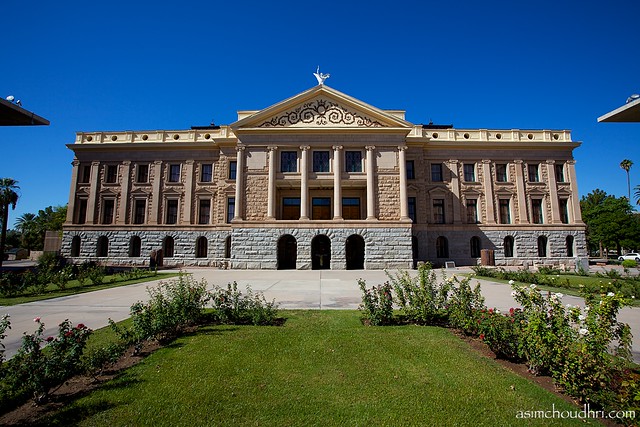
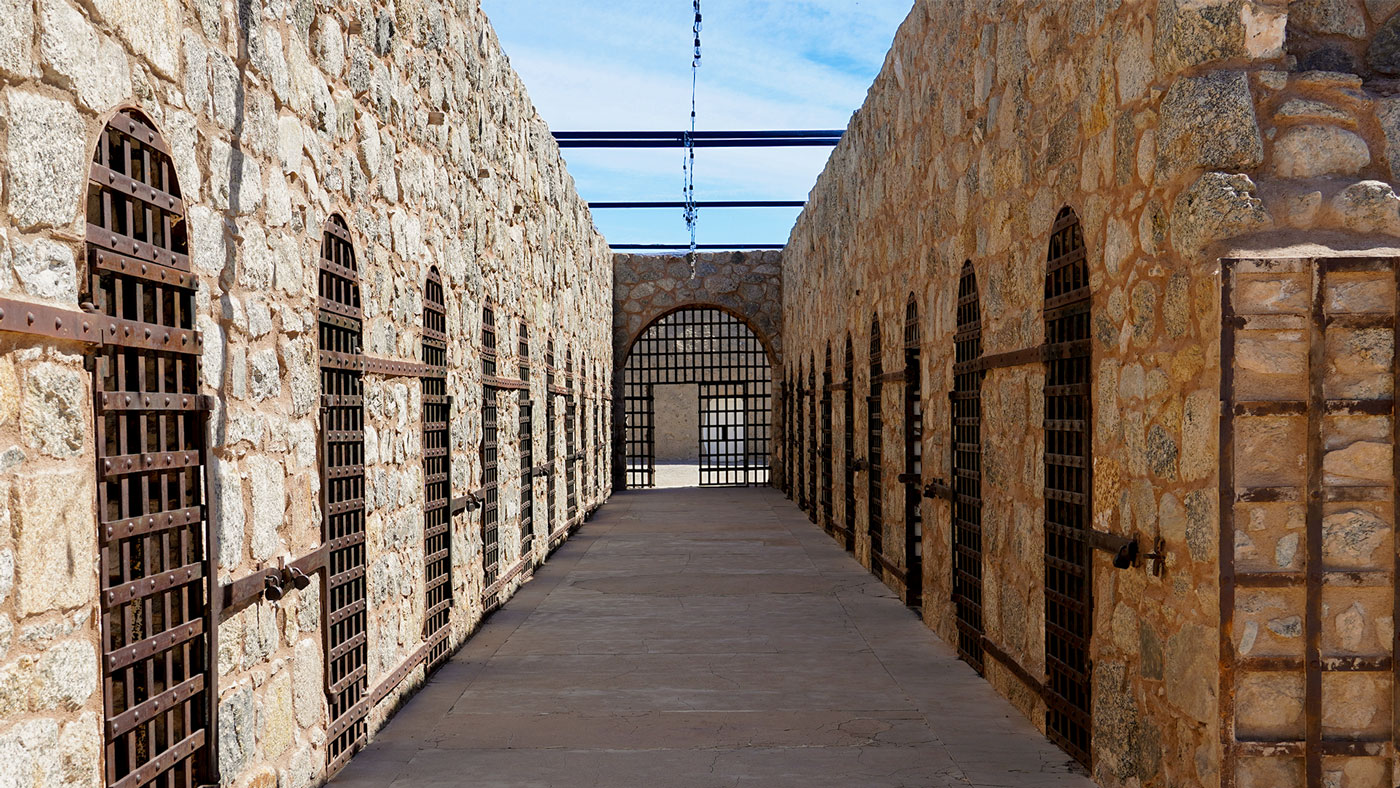
top left and MOVING clockwise: barrington crater was used by nasa for apollo training, state bird cactus wren, geographic marker for the “four corners” where arizona meets three other states, state flower saguaro cactus blossom, yuma territorial prison, state capitol building, prescott’s frontier days is the world’s oldest rodeo, map showing arizona’s native american reservations, and lowell observatory in flagstaff.  (Courtesy of Pinterest)


Answer to Brain Teaser Question

No one is lying because the three doctors are Paul’s sisters.

Trivia’s Facts and More (9/20)

Photo by Pixabay on Pexels.com

This informative post will be published on Saturday in place of my regular one.  You are invited to participate with the opening question.

Brain Teaser Question

What has thirteen hearts but no other organs?

(answer found at the end of this post)

Featured Facts

During America’s challenging years of the Great Depression and World War II, President Franklin D. Roosevelt is elected to an unprecedented four terms of office.

Here are a few interesting facts about President Roosevelt:

  • Political Party:  Democratic
  • State Represented:  New York
  • Birth:  January 30, 1882 in Hyde Park, New York
  • Death:  April 12, 1945 in Warm Springs, Georgia
  • Colleges Attended:  Harvard University, Columbia Law School

Franklin Roosevelt is a fifth cousin to President Theodore Roosevelt.  At the age of 39, he becomes paralyzed from a bout of polio.  He never regains full use of his legs again.

Prior to the Presidency, Roosevelt gains invaluable experience in a number of positions:

  • Elected in 1910 to the New York Senate.
  • Serves as the Assistant Secretary of the Navy during the Wilson administration during World War I.
  • Nominated as the Democratic Party’s candidate for Vice President in the election of 1920, which is won by Republican Warren G. Harding for President.
  • Elected Governor of New York in 1928.

In the Election of 1932, Roosevelt easily defeats the incumbent Republican President Herbert Hoover.  Americans desire a change in their fortunes after being overwhelmed by the arrival of the Great Depression.  Newly elected as the country’s 32nd President, Roosevelt promotes a fresh beginning for the nation through his domestic program, the New Deal.

Despite the country struggling to move forward from the economic woes of the Great Depression, Roosevelt is re-elected in a landslide victory in 1936.  As the European continent again plunges into war, Roosevelt is re-elected in 1940 and later in 1944.

Roosevelt masters his ability to use the radio airwaves to communicate with the nation.  His “Fireside Chats” can be categorized in a series of 31 speeches during his time in office.  

He appoints many women to positions in his administration.  Frances Perkins is appointed as the first woman to serve in any President’s Cabinet.  She serves as Secretary of Labor during Roosevelt’s entire Presidency.  

One of the landmark pieces of legislation passed by Congress and signed by President Roosevelt, is the Social Security Act of 1935.  This action remains a part of America’s commitment to its citizens to this very day.

The wife of the President, Eleanor Roosevelt, redefines the role of First Lady as she becomes his eyes and ears in traveling the country as parts of the New Deal are implemented.  Later, she travels extensively overseas during World War II in offering support to American service men and women.

top left and MOVING clockwise: roosevelt estate at hyde park, presidential portrait, youthful years, big three tehran conference with joseph stalin and Winston churchill, roosevelt enjoys the therapeutic waters of warm springs in georgia, Fireside Chat, with first lady eleanor roosevelt.   (Courtesy of Pinterest)


Answer to Brain Teaser Question

A deck of cards.

Trivia’s Facts and More (9/13)

Photo by Pixabay on Pexels.com

This informative post will be published on Saturday in place of my regular one.  You are invited to participate with the opening question.

Brain Teaser Question

What is always in front of you but cannot be seen?

(answer found at the end of this post)

Featured Facts

Granted statehood on April 30, 1812, Louisiana  becomes the 18th state of the United States.

Here are a few interesting facts about Louisiana:

  • Capital City:  Baton Rouge
  • Most Populous City:  New Orleans (362,701 in 2024)
  • Nickname:  Pelican State
  • State Bird:  Eastern Brown Pelican
  • State Flower:  Magnolia
  • State Motto:  Union, Justice, and Confidence

The origin of Louisiana’s name honors French King Louis XIV.  The city of New Orleans remains the center of Louisiana culture.  It features a richness of French and Spanish heritage along with the influences of Cajun and Creole traditions.  At its heart lies unique cuisine, jazz music, and the annual Mardi Gras.  These contrast with man-made elements of poverty and racial strife; and natural challenges of hurricanes, floods, and a slowly sinking land.

Louisiana offers a rich history to study.  The influence of Spanish and French footprints arrives through the interior waterway of the Mississippi River.  In 1541, Spaniard Hernando de Soto explores the region.  In 1682, Frenchman Rene-Robert Cavelier de La Salle travels into the territory.

Before its statehood, history pivots frequently during the Louisiana’s chapters of time.  In 1755, French Acadians are forced out of Canada by the British.  Known today as Cajuns, they settle in Louisiana.  Throughout the early decades of the 1700s, Native Americans ally with either the French or the British as European military conflicts spill over into North America.

In 1803, the United States purchases the Louisiana Territory from France for $15 million.  America’s land size doubles with this transaction.  During the War of 1812, Andrew Jackson leads a small army to victory at the Battle of New Orleans.  Due to the slow communications of this era, this final battle of the war takes place after a peace treaty is signed.

top left and MOVING clockwise: current state capitol building in baton rouge, french quarter of new orleans, map showing the land size of the louisiana purchase, Magnolia flower, scene from kisatchi national forest, eastern brown pelican, mardi Gras, old state capitol building.  (Courtesy of Pinterest)


Answer to Brain Teaser Question

Your future.

Trivia’s Facts and More (8/23)

Photo by Pixabay on Pexels.com

This informative post will be published on Saturday in place of my regular one.  You are invited to participate with the opening question.

Brain Teaser Question

Name three consecutive days without naming any of the seven days of the week.

(answer found at the end of this post)

Featured Facts

Admitted to the American Union on May 23, 1788, South Carolina exchanges its English colonial roots to become the 8th state of the United States.

Here are a few interesting facts about South Carolina:

  • Capital City:  Columbia
  • Most Populous City:  Charleston
  • Nickname:  Palmetto State
  • State Bird:  Great Carolina Wren
  • State Flower:  Yellow Jessamine (known for its medicinal properties)
  • State Mottoes:  Amis Opibusque (Prepared In Mind And Resources) as well as Dum Spiro Spero (While I Breathe, I Hope)

From its colonial past, South Carolina is named for two English monarchs, Charles I and Charles II. The first battle of the American Civil War occurs at Fort Sumter in the Charleston harbor on April, 12, 1861. The state has proven to be a popular film-making destination for films such as:

  • The Notebook
  • The Patriot
  • Forest Gump
  • Sleeping with the Enemy

South Carolina is the only American state that owns and operates its own fleet of school buses.  Two of its leading industries have been tourism and textile manufacturing.  Sorry state of Georgia, but South Carolina is the largest producer of peaches, east of the Mississippi River.

South Carolina offers numerous attractions, landmarks, and cultural exhibits:

Brookgreen Gardens offers a botanical atmosphere in Georgetown County.  It is honored as America’s first public sculpture garden.

Near Charleston on Johns Island resides the angel oak, which is estimated to be up to 1,500 years old.

Near Cleveland, Raven Cliff Falls is the highest in the state, with a drop of 420 feet.

Every year on Bomb Island on Lake Murray, up to 750,000 purple martins return to roost on the uninhabited island.  The island is off-limits to humans during their stay.

There is a significant West African footprint with descendants of slaves.  The Gullah influence offers distinctive foods and basket-weaving.

Here is a final look at another selection of photographs:

top left and MOVING clockwise: state house in columbia at night, historical area of charleston, fort sumter, yellow jessamine, myrtle beach, and great carolina wren.  (Courtesy of Pinterest)


Answer to Brain Teaser Question

Yesterday, today, and tomorrow.

Trivia’s Facts and More (5/31)

Photo by Pixabay on Pexels.com

This informative post will be published on Saturday in place of my regular one.  You are invited to participate with the opening question.

Brain Teaser Question

A butcher stands six feet and one inch tall and wears size 12 shoes.  What does he weigh?

(answer found at the end of this post)

Featured Facts

Wisconsin enters the American Union as the 30th state on May 29, 1848.  There is much to embrace from the heart of “America’s Dairyland.”

Here are a few interesting facts about Wisconsin:

  • Capital city:  Madison
  • Most populated city:  Milwaukee (550,857)
  • Nickname:  Badger State
  • State flower:  Wood violet
  • State Motto:  Forward

Wisconsin’s nickname is not related to the animal.  Rather, early prospectors find shelter in a mine’s tunnels much like badgers.  The oldest city is Green Bay, which is settled in 1634 by French explorer Jean Nicolet.  He establishes a small trading post along Lake Michigan.

Wisconsin’s land size is similar to the American state of Georgia as well as the country of Tunisia.  As evidence of the most recent period of glacial activity, the state’s land area features over 15,000 lakes.  Lake Winnebago is the largest while the Wisconsin River flows as the state’s longest.  Natural borders include Lake Superior, Lake Michigan, and the Mississippi River.

Visitors to the Badger State have been fascinated with many attractions.  The Wisconsin Dells is a popular themed water park.  Belmount Mound State Park is home to the Council House, which serves as the first territorial capitol in Belmont in 1836.  Baraboo Ridge offers a 25-mile long mountain-like Precambrian rock.  Untouched by the last glacial period, the Driftless Area plateau offers rugged hills and deep river valleys.

The topography of Wisconsin highlights its plains, forested areas, and rolling hills.  With an additional nickname as the “Cheese State,” the state leads the nation in cheese production.  The region exports from its substantial harvests of cranberries, sweet corn, and ginseng.

Many “firsts” have been recorded in Wisconsin’s history over the years.  Here is a quick summary of a few.

  • First commercially viable typewriter is invented by Christopher Latham Sholes in 1868.
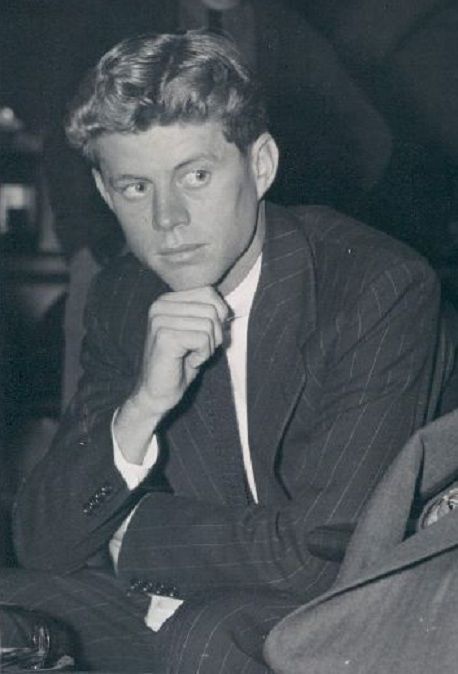
  • Les Paul, nicknamed the “Wizard of Waukesha”, invents the electric guitar.
  • In 1873, Racine’s William and James Horlick invent malted milk.
  • Childhood friends Arthur Davidson and William Harley open up Harley-Davidson motorcycle manufacturing in Milwaukee in 1903.
  • In 1856 the first kindergarten class starts up in Watertown under the supervision of Margarethe Schurz.

top left and moving clockwise:  state capitol building in madison, state flower wood violet, historical marker for first KINDERGARTEN class, milwaukee skyline, christopher latham sholes typewriter, lake winnebago at miller’s bay, wisconsin dells tour boat, driftless area’s scenery.  (Courtesy of Pinterest)


Answer to Brain Teaser Question

Meat.

Trivia’s Facts and More (4/12)

Photo by Pixabay on Pexels.com

This informative post will be published on Saturday in place of my regular one.  You are invited to participate with the opening question.

Brain Teaser Question

What starts with a T, ends with a T, and has T in it?

(answer found at the end of this post)

Featured Facts

The 28th American President, Woodrow Wilson, served two terms (1913-1921).  He was the first President to be from the Democratic Party since Grover Cleveland was elected in 1892.

Here are a few interesting facts about President Wilson:

  • State Represented:  New Jersey
  • Birth:  December 28, 1856 in Staunton, Virginia
  • Death:  February 3, 1924 in Washington, DC
  • Occupations:  Lawyer, author, college professor
  • Achievements:  Princeton University President (1902-1910), New Jersey Governor (elected 1910)

Wilson was elected to the Presidency in 1912, and his campaign benefited greatly from the split in the Republican Party.  Current President William Howard Taft was the Republican candidate, but former President Theodore Roosevelt received the nod as the Progressive candidate.  

As President, Wilson pursued a progressive agenda.  He welcomed legislation which created the Federal Reserve system in 1913 and later the Federal Trade Commission.  One of the major flaws of his administration was returning segregation to many areas of the Federal Government’s workforce.  

In 1920, two dynamic Constitutional amendments were approved during Wilson’s tenure in the White House.  The 18th Amendment prohibited the manufacture, sale, and transportation of alcoholic beverages.  The 19th Amendment granted women the right to vote.

As President, much of Wilson’s time and energy was consumed with the war in Europe.  The Great War (later renamed World War I) began in 1914, and it would not end until the Armistice was signed in November, 1918.  Wilson worked tirelessly to keep the United States on neutral ground in order to stay out of Europe’s conflict.  
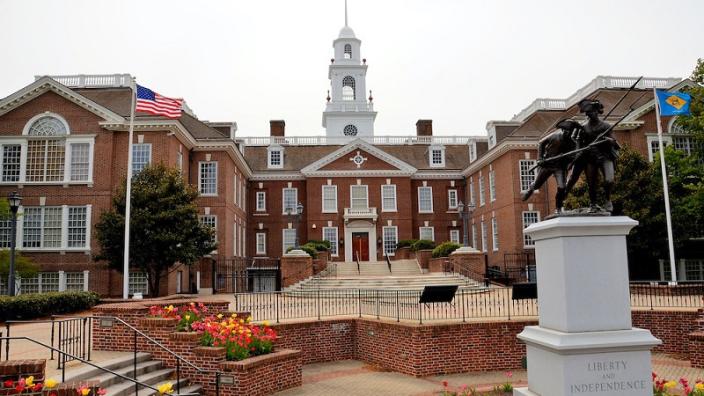
Finally in 1917, the war crept closer to America, and Wilson asked Congress for a resolution to declare war on Germany and its allies.  The Great War now became a legitimate world war.  Wilson had narrowly defeated Republican candidate Charles Evans Hughes for re-election in 1916.  Ironically, Wilson promised to keep the country out of war.

Wilson’s lasting legacy as President was wrapped up in his “Fourteen Points” as the world moved into peacetime at the end of 1918.  Wilson’s framework for the post-war years called for the formation of an international body, the League of Nations, as an early version of a “United Nations” for lasting preservation of world peace. 

As Wilson campaigned across America in the fall of 1919 to bring public pressure upon the United States Senate to ratify the country’s membership in the League, he suffered a stroke. With the President left partially paralyzed, First Lady Edith Wilson acted as the President’s unofficial gatekeeper.  The Senate voted down American membership in the League of Nations.

top left and moving clockwise:  portrait of president wilson, Princeton University where Wilson served as president, wilson (on the right) with other victorious allied leaders in europe, wilson’s burial site at the national cathedral in washington (he is the only american president interred within the boundaries of the nation’s capital city), president wilson with first lady edith wilson.  (All photos courtesy of pinterest)

Answer to Brain Teaser Question

A teapot.