Trivia’s Facts and More (4/26)

Photo by Pixabay on Pexels.com

This informative post will be published on Saturday in place of my regular one.  You are invited to participate with the opening question.

Brain Teaser Question

Mr. and Mrs. Johnson have five daughters.  Each of their daughters has one brother.  How many children do Mr and Mrs. Johnson have.

(answer found at the end of this post)

Featured Facts

Nicknamed the Centennial State, Colorado is admitted to the American Union as the 38th state on August, 1, 1876, one hundred years after the signing of the Declaration of Independence.

Here are a few interesting facts about Colorado:

  • Capital City: Denver (also most populous city)
  • State Bird:  Lark Bunting
  • State Flower:  Rocky Mountain Columbine
  • Motto:  Nil Sine Numine (Nothing Without Providence)

Of America’s 50 states, Colorado is the 8th largest by land size.  Anchored by the Rocky Mountains, its dynamic landscape offers countless landmarks, both natural land man-made. 

Compared to the rest of the country, Colorado contains the most peaks over 14,000 feet (there are 58).  The state offers the highest average elevation of any in the United States.  Nearly 75 percent of Colorado is over 10,000 feet above sea level.

Nicknamed the “Mile High City”, Denver’s elevation is exactly 5,280 feet (one mile) above sea level.  The city enjoys approximately 300 days of sunshine each year.

Established in 1932, the Great Sand Dunes National Park recognizes the tallest sand dune formations in the United States.  Star Dune, the highest in the park, stands nearly 700 feet tall.

Located in Colorado Springs, the United States Air Force Academy has been open since 1954.  It remains one of the top learning institutions for the American military along with those of the Army (West Point), Navy (Annapolis, Maryland), and Coast Guard (London, Connecticut).  

Here are some final notes of interest:

  • At his request, William F. Cody (Buffalo Bill) is buried near the community of Golden, atop Lookout Mountain.
  • Completed in 1929, the Royal Gorge Bridge spans the Arkansas River.  It is one of world’s highest suspension bridges.  Used mostly for pedestrian traffic, the bridge is 1,260 feet long.
  • Denver’s Union Station dates back to 1881.  With recent renovations, it has become one of America’s most modern transportation hubs.

top left and clockwise: State capitol building; state flower, Rocky mountain columbine; state bird, lark bunting; chapel at air force academy; lookout mountain GRAVESITE of buffalo bill; royal gorge bridge; denver’s union station; great sand dunes national park.   (Courtesy of Pinterest)


Answer to Brain Teaser Question

Six children (five daughters and one son).

Trivia’s Facts and More (4/19)

Photo by Pixabay on Pexels.com

This informative post will be published on Saturday in place of my regular one.  You are invited to participate with the opening question.

Brain Teaser Question

What can go through a window without breaking the glass?

(answer found at the end of this post)

Featured Facts

One of the most interesting and important insects in the world is the honeybee.  These dynamic creatures can be found on all continents with the exception of Antarctica.

Here are a few interesting facts about the honeybee:

  • Size:  about one half inch in length
  • Color:  usually black with yellow rings on abdomen (some may appear reddish-brown with orange rings)
  • Diet:  adults, nectar, pollen, honey; larvae, beebread (honey/pollen mixture)
  • Habitat:  hive in hollow tree or man-made beehive; worker bees visit endless flowers in meadows, open woods, and gardens

The honeybee is classified as an eusocial insect.  This social, flying insect features a black-colored head, antennae, and stinger.  Short, pale hair covers the three-segmented thorax and the six-segmented abdomen.  Other characteristics include clear, veined wings and pollen baskets on hind legs.

Farmers, gardeners, and others appreciate the service that honeybees provide for agriculture, gardens, and other flowering regions.  They are prolific pollinators, and many people love the sweetness of their honey.  At the same time, honeybees face increasing peril from climate change, loss of habitat, parasites, invasive plants and bees.

The life cycle of a honeybee colony centers around the queen who rules the hive.  She will generally live for 2-5 years.  In her lifetime, she will produce a colony of 60,000 to 80,000 inhabitants.  Besides laying eggs, she produces chemicals to guide and unify the behavior of the other bees.

Following the queen in the hierarchy of the colony come the female workers.  They are essential to the survival of the hive as they maintain it, collect pollen and nectar, and feed the larvae.  They also clean and circulate the air within the hive with their constantly beating wings.  They generally live about 4-6 weeks during spring and summer, but they will usually survive during the winter months.

The lowest classification of bees in the colony are the males or drones.  They serve only one purpose:  to mate with the queen.  Following this act, they will die.  Remaining drones will be kicked out the colony before winter arrives.

Around the world, honeybees’ behavior varies.  Some are more docile while others can become quite defensive.  When more than one queen resides in a colony, only the strongest one will carry on to guide life in the hive.  The remaining queen will take approximately half of the female workers as they gather in a swarm to travel in order to build a new colony.

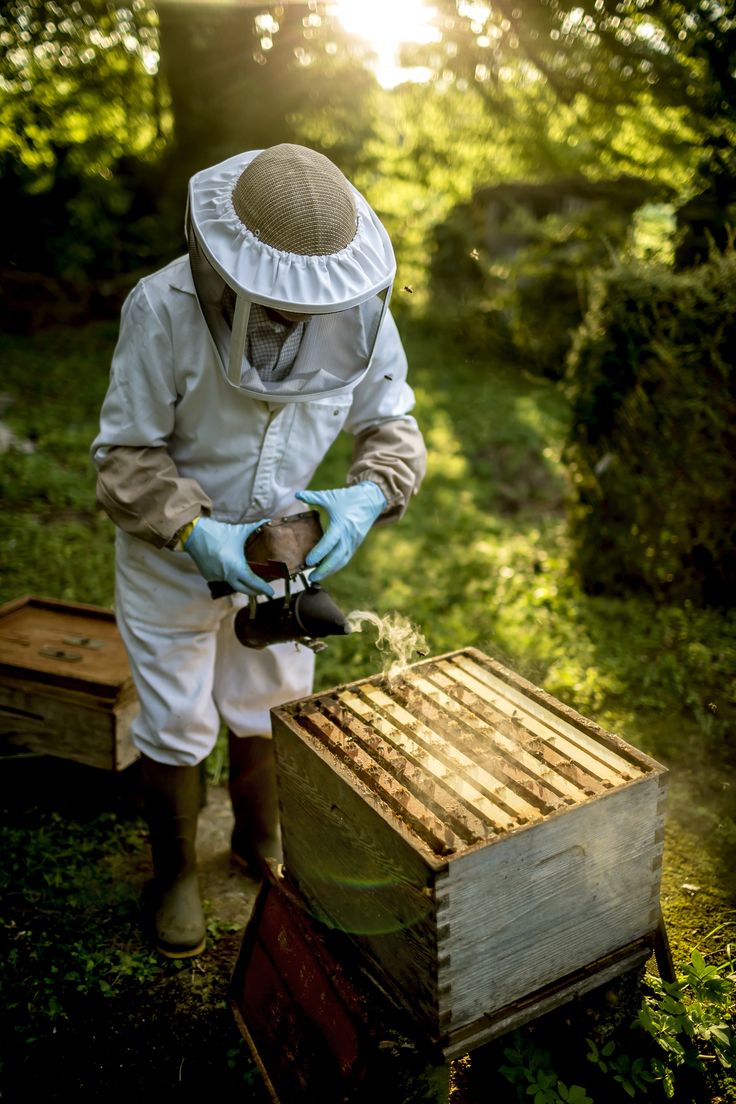
top left and clockwise: bee pollinating flower, bees and honeycomb, types of bees (drone, queen, worker), beekeeper at work, beehive in hollow tree.  (Courtesy of Pinterest)

Answer to Brain Teaser Question

Light.

Trivia’s Facts and More (2/8)

Photo by Pixabay on Pexels.com

This informative post will be published on Saturday in place of my regular one.  You are invited to participate with the opening question.

Brain Teaser Question

What’s always found on the ground, but it never becomes dirty?

(answer found at the end of this post)

Featured Facts

One of the insect world’s most destructive forces can be termites.  Yet, few people really know much about their characteristics and culture.

Here are some interesting facts about termites:

  • Size:  1/4 inch (queens are 4-6 inches in length)
  • Color:  usually white (some may be orange)
  • Diet:  wood, decaying leaf litter
  • Location:  every continent except Antarctica

Termites seek a habitat that will allow their colony to grow and expand.  Some of the best places to discover them will be wooded areas where rotting stumps and fallen trees provide protection as well as food.  Some homeowners discover the presence of termites who have reached the wood framing of the house through mud tunnels.  These tunnels begin underground and continue upward into the foundation of the home and beyond.

Because of their usual white color, termites are sometimes called white ants.  They possess small, yet soft bodies with the ability to bite.  They are wingless except for reproductive males and females.  These members of the colony will emerge in swarms during mating times.  Queens may live up to 10 years.

The life cycle of termites begins when the queen lays thousands of fertilized eggs.  The eggs are tended by worker termites.  These attendants feed hatched nymphs for the first two weeks of their lives.  Their destiny will include being workers, soldiers, fertile males, and females.

Within a colony of termites, their way of life is similar to that of ants.  Termites perform a variety of jobs much like ants do.  Within a colony with its queen, there could be anywhere from 100 to a million workers in a vast network of underground tunnels.  Many of the workers will be white in color due to living far under the ground where they avoid contact with most sunlight.

Termites are important ecosystem engineers, and their decomposing skills are good for soil condition.  They digest cellulose with the help of microorganisms in their gut.  They feed on each other’s feces, and males help raise the young.  Workers and soldiers are nearly blind, and soldiers are slightly larger than workers.  Soldiers are capable lookouts for predators such as mammals, birds, insects, scorpions, lizards, and spiders.

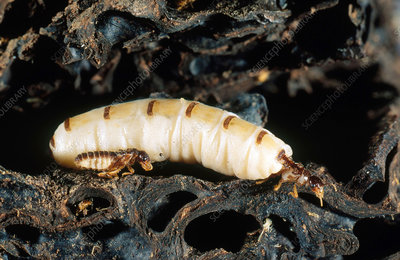
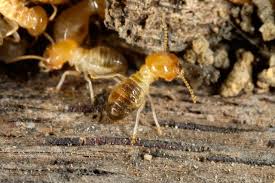
row 1: various members of termite colony, workers building mud tunnels of tubes, queen.   row 2: soldiers, workers.  Row 3:  termite-damaged wood.  row 4:  diagram of colony beneath an unsuspecting house, queen  surrounded by WORKERS.  (all images courtesy of PINTEREST)

Answer to Brain Teaser Question

A shadow.

Trivia’s Facts and More (12/28)

Photo by Pixabay on Pexels.com

This informative post will be published on Saturday in place of my regular one.  You are invited to participate with the opening question.

Brain Teaser Question

How can a person go 25 days without sleep?

(answer found at the end of this post)

Featured Facts

One of nature’s most colorful insects is the dragonfly.  Here are some quick facts about this species:

  • Size:  3/4 to 5 inches in length
  • Color:  Varies, but many are blue, green, or brown with clear wings
  • Habitat:  near ponds and slow-moving streams
  • Diet:  insects, including mosquitoes

As a flying insect, the dragonfly’s body is long and thin.  Two sets of clear, veined wings work together as the dragonfly is constantly in flight. 

The four wings move independently of each other, and this enables the dragonfly to fly forward or backward.  It has the ability to hover much like a helicopter, and it can travel at speeds of up to 35 mph. 

With its large eyes, the dragonfly experiences a nearly 360-degree field of vision.  Its long legs are not designed for walking, but they become useful in holding its captured prey while in flight.

A dragonfly can consumer large numbers of mosquitoes, easily between 30 and 100 per day.  It’s no wonder that dragonfly has been nicknamed the “mosquito hawk.”

The life cycle of the dragonfly begins with a female inserting eggs one-by-one into a cut slit in the stem of a waterplant.  By spring or summer, fully-grown naiads will crawl out of the water habitat to mature as adults.

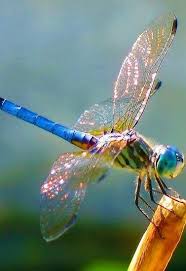
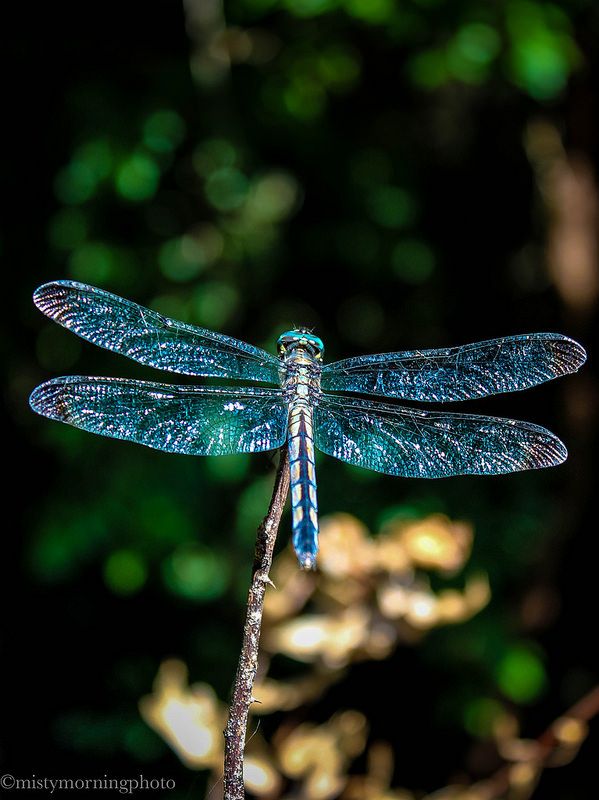
All images courtesy of Pinterest.

Answer to Brain Teaser Question

By sleeping at night.

Trivia’s Facts and More (11/16)

Photo by Pixabay on Pexels.com

This informative post will be published on Saturday in place of my regular one.  You are invited to participate with the opening question.

Brain Teaser Question

Which of the following must will result in a positive answer.

(A)  The product of 2 positive numbers

(B)  The product of a positive and a negative number

(C)  The sum of 2 negative numbers

(D)  The product of 2 negative numbers

(answer found at the end of this post)

Featured Facts

In many parts of North America as well as the rest of the world, the mating sounds of the cicadas fill the air during late spring and early summer.  

Here are a few quick facts about the cicadas in the United States:

  • Body size:  approximately 2 inches
  • Wing span:  approximately 2-3 inches
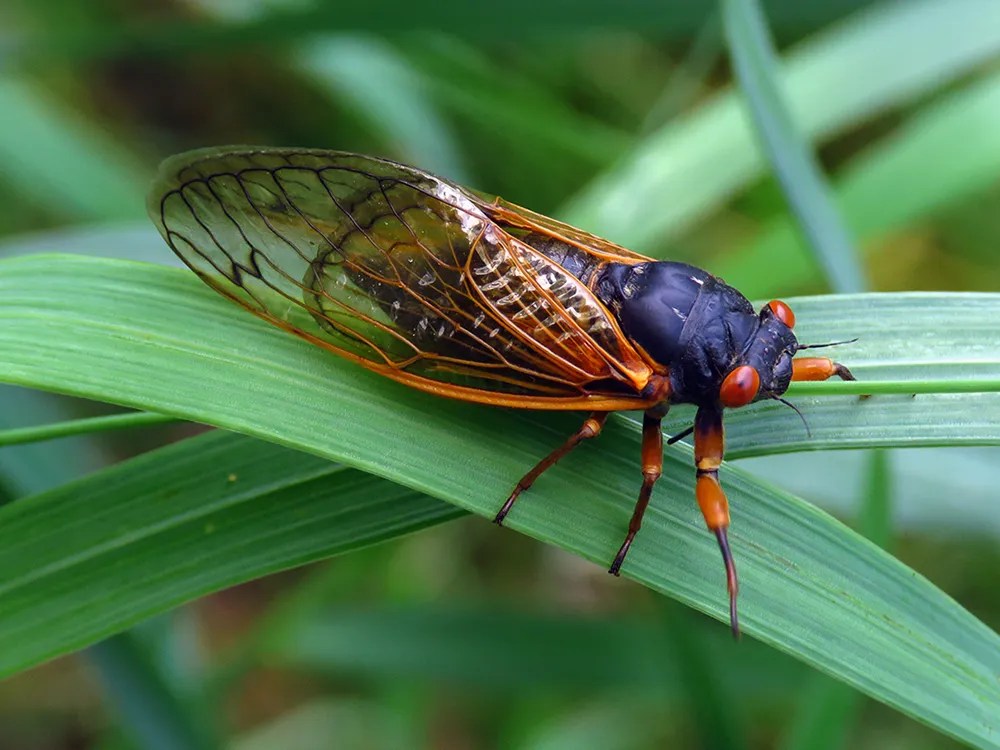
  • Color:  brown, green, or black body with dark head; clear wings with orange or black veins
  • Habitat:  wooded areas, pastures, suburban areas

Two major groups of cicadas are found in the United States.  The annual species is found in much of the world while the periodical species live in the eastern region of the country and parts of the Midwest.

Cicadas resemble beetle-like creatures with very short antennae.  Being herbivores, the nymphs suck on tree-root sap while the adults do not eat.  

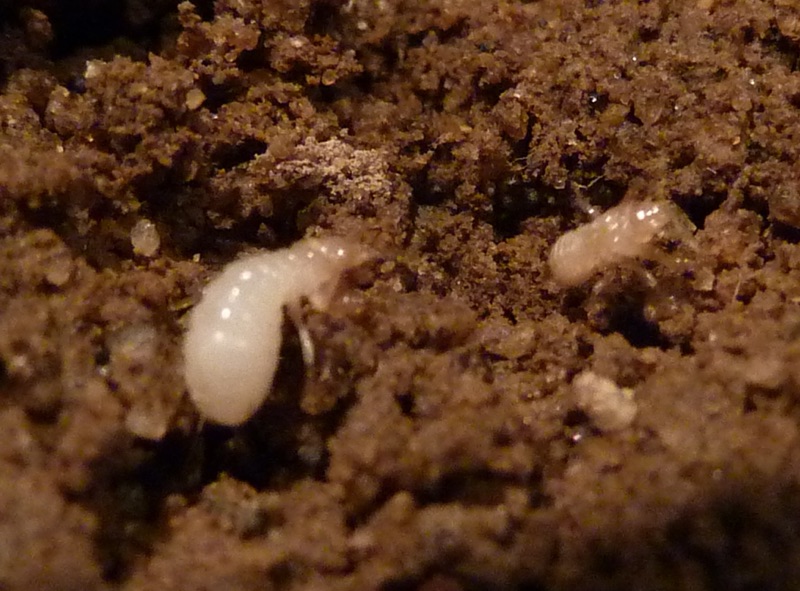
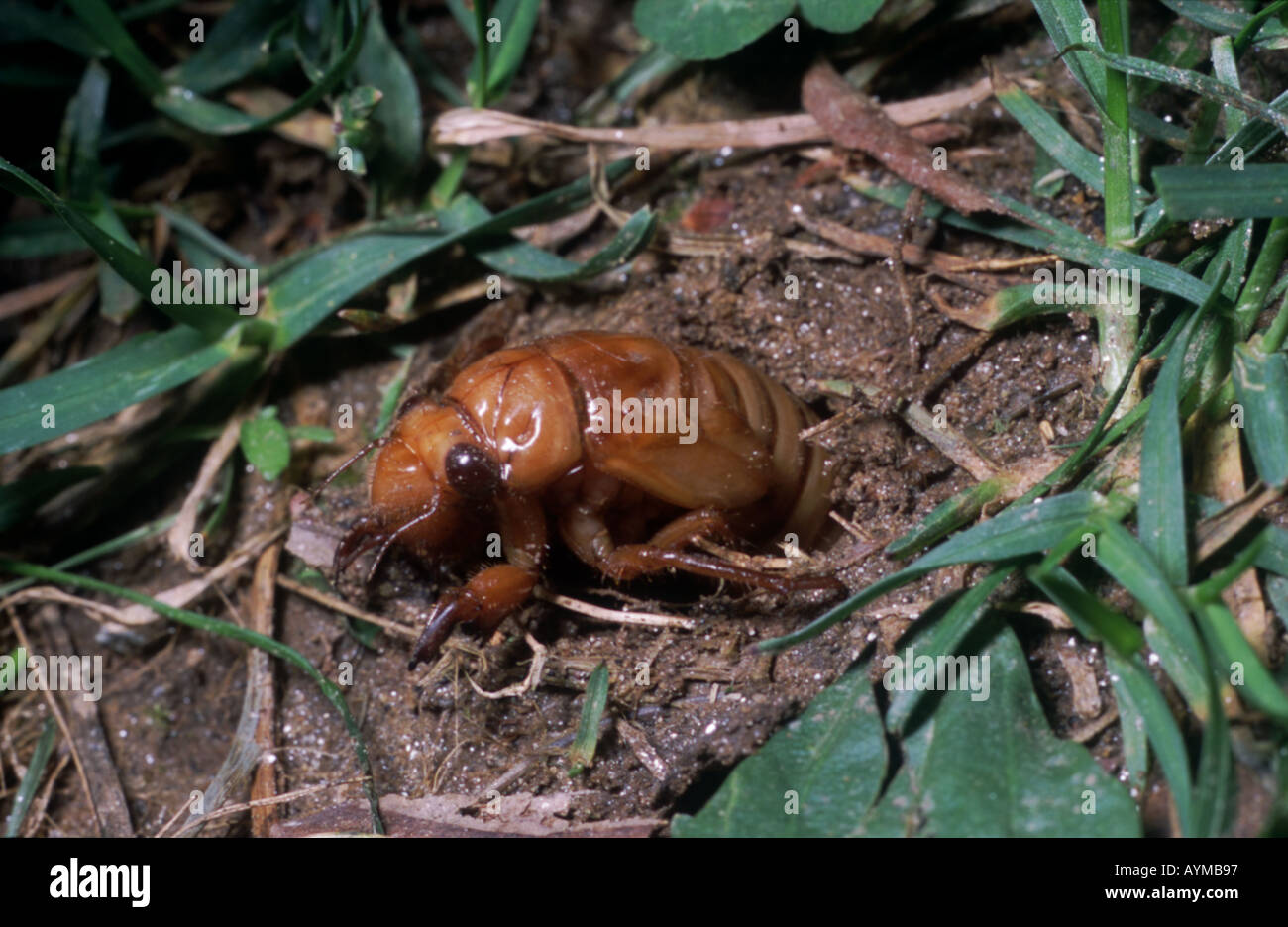
Adult cicadas are large, flying insects with bulging eyes and veined wings.  Nymphs appear as stocky and grublike with legs.  After reaching adulthood, the average lifespan of a cicada is 3-4 weeks.

The life cycle of a cicada begins when a female makes a slit in a tree branch.  She wedges her eggs inside the branch.  Hatched nymphs drop from the branch to the ground where they burrow into soil to reach the juicy, nutritious tree roots.

In late spring and early summer, adult cicadas emerge from the warming soil, which has sustained them as nymphs.  They scale a nearby tree to finish their final transformation.  During the molting stage, they will acquire wings.  Depending upon the species, they may emerge every three years (“dogday” cicadas) or after 13-17 years (periodical cicadas). 

As the mature adults begin their short lifespan, males begin their mating ritual with their loud clacking or buzzing songs.  The life cycle begins all over once again.

top three photos:  adult cicadas.  Bottom two photos:  cicada nymphs.  (Images courtesy of Pinterest)


Answer to Brain Teaser Question

A and D

Trivia’s Facts and More (10/12)

Photo by Pixabay on Pexels.com

This informative post will be published on Saturday in place of my regular one.  You are invited to participate with the opening question.

Brain Teaser Question

There is a house.  A person enters this house blind to most of the world’s knowledge, but exits it seeing so much more of it.  What is it?

(answer found at the end of this post)

Featured Facts

One of the most fascinating insects is the quiet and elusive walking stick, who is one of the largest insects in the world.

Here are a few quick facts about the walking stick:

  • Size:  varies with an average range of 1-12 inches in length
  • Color:  light to dark brown
  • Diet:  primary food is leaves (herbivores)
  • Habitat:  woods, forests, grasslands

Living in temperate and tropical climates, the walking stick is a member of the Phasmida family of insects.  With more than 3,000 species, they live on every continent except Antarctica.  

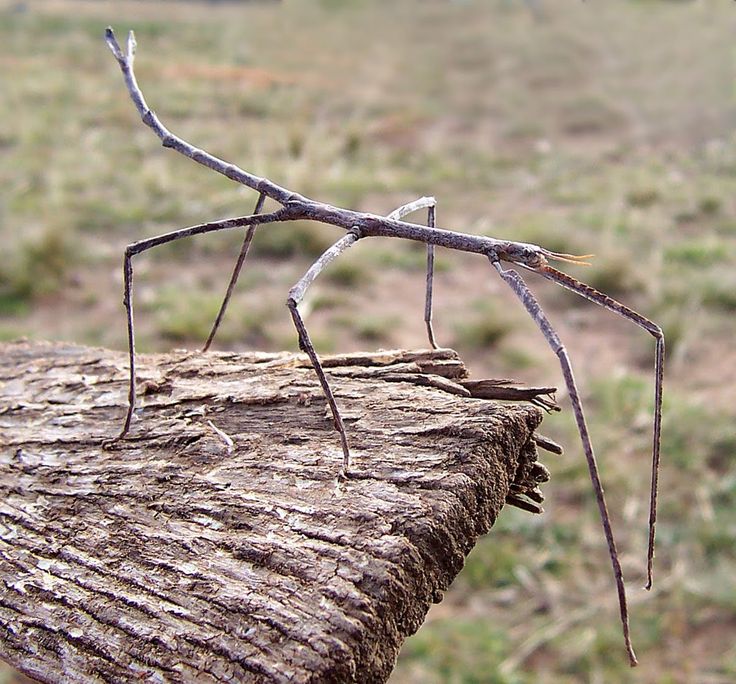
The walking stick’s name is quite descriptive as it looks very much like a thin twig.  This long  insect features slender legs and antennae.  They have the ability to regenerate a lost leg.

Since each resembles a narrow twig, the walking stick is blessed with a well-camouflaged appearance.  They hide in plain sight, and few predators notice them.  One of the most successful predators is the bat, which is equipped to hunt by echolocation.   Bats use a biological sonar system to help locate their prey.

The life cycle of the walking stick begins with a female laying dozens of seed-like eggs.  Eggs are dropped to the ground, one at time.  Some eggs may take up to two years to hatch.  Nymphs look like tiny adults, and they will reach full maturity in about 3-12 months.  The average lifespan of a walking stick is two years.

An unusual trait of walking stick reproduction is what happens when a male is not present to mate.  Females lay their eggs, which will only bear female offspring.  This phenomena is called parthenogenesis.

top left and moving clockwise:  notice the length of a walking stick in contrast with a human hand, movement over a rocky formation, walking upon a piece of wood, can you see the camouflaged walking stick in this final photo?   (Images courtesy of Pinterest)


Answer to Brain Teaser Question

A schoolhouse.

Trivia’s Facts and More (9/7)

Photo by Pixabay on Pexels.com

This informative post will be published on Saturday in place of my regular one.  You are invited to participate with the opening question.

Brain Teaser Question

You measure my life in hours, and I serve you by expiring.  I’m quick when I’m thin, and slow when I’m fat.  The wind is my enemy.

(answer found at the end of this post)

Featured Facts

Nocturnal and related to the cricket, the katydid is a fascinating insect to discover.

Here are a few quick facts about the katydid:

  • Size:  maturing to about 3 inches in length
  • Color:  “leaf” green, brown, pink, tan
  • Habitat:  wooded or shrub areas
  • Diet:  leaves, nectar, and fruit

Sometimes confused with a grasshopper, the katydid’s body features large hind legs and a long, thread-like antennae.  A grasshopper’s antennae is smaller in length.  It’s leaf-like appearance offers camouflage when surrounded by leaves and other plants.  Related to the cricket, they are frequently referred to as bush crickets.

The katydid is found on every continent, except for Antarctica.  They are known for their singing at night where one might hear a trilling, chirping sound of “katy-did-katy-didn’t.”

The life cycle of the katydid begins with the insertion of eggs into plant stems during the fall season.  Over the winter, the eggs wait patiently for late spring when they hatch into nymphs.  After several molts, the nymphs will mature into adults.

Despite its ability to hide among lush vegetation, the katydid is hunted by several predators:  birds, lizards, frogs, bats, and other insects.

worldwide, there are thousands of katydid species.  Here is a sample (note the differences in color).  (Images courtesy of Pinterest)


Answer to Brain Teaser Question

A candle

Trivia’s Facts and More (5/18)

Photo by Pixabay on Pexels.com

This informative post will be published on Saturday in place of my regular one.  You are invited to participate with the opening question.

Brain Teaser Question

Johnny throws a ball as hard as he can.  It comes back to him, even though nothing touches it.  How does this happen?

(answer found at the end of this post)

Featured Facts

The insect world is filled with an endless variety of fascinating creatures.  The soldier beetle is quite unique with its colorful appearance and shape.

Here are a few quick facts about the soldier beetle:

  • Length:  .5 to 1 inch (12-25 mm)
  • Body shape:  elongated and cylinder-like
  • Diet:  aphids, mites, caterpillars
  • Location:  found throughout the world

The soldier beetle’s appearance resembles leather or a soldier’s uniform.  The red soldier beetle appears to be dressed like a British redcoat from the 1700s.  Other beetles may appear more yellow (goldenrod) or yellowish-orange.  Their body’s bright markings are offset by dark markings on the wings and legs.

Soldier beetles are frequently found in and around flower gardens where they mate, hunt, and eat.  Their graceful flight patterns are distinguished with short bursts of flying, followed by gliding.  Without a need to bite or sting, they are harmless to humans.

They contribute in a positive way to the balance of life in any ecosystem.  They do not damage gardens or crops as they provide pest control and serve as agricultural pollinators.  In turn, they are a source of food for birds.

The life cycle of the soldier beetle begins with a female laying her eggs on leaves of a plant stem.  Later, they will hatch into larvae with a worm-like appearance.  Once the larvae are fully grown, the pupae will form a protective cocoon.  After metamorphosis, they will emerge as a transformed adult.  Adults live for a few weeks to several months.

This post is inspired by the nature photography of Linda’s blog at Lagniappe.  Her camera enjoys sharing nature’s treasures along with her insightful narratives.

clockwise from top left:  The goldenrod (yellow) color is quite common for many of the soldier beetles in the United states, a hungry larvae waits for its next life cycle to begin, and a red soldier beetle (REMINISCENT of the british redcoat’s uniforms).  (Images courtesy of Pinterest)

Answer to Brain Teaser Question

Johnny throws the ball straight up in the air.

Trivia’s Facts and More (4/20)

Photo by Pixabay on Pexels.com

This informative post will be published on Saturday in place of my regular one.  You are invited to participate with the opening question.

Brain Teaser Question

If an electric-powered train is traveling south, then which direction is the smoke going?

(answer found at the end of this post)

Featured Facts

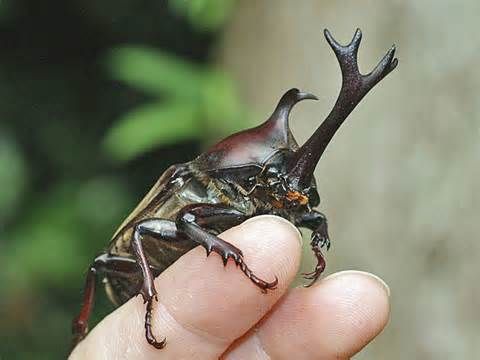
One of the world’s most fierce looking insects is the rhinoceros beetle.  However, it is totally harmless to humans.

Here are a few quick facts about the rhinoceros beetle:

  • Size:  ranging from 1-6 inches
  • Color:  depending on species; dark brown to greenish gray
  • Habitat:  damp woody areas
  • Diet:  (herbivorous) adults eat nectar, plant juices, fruit; larvae eat decaying plant matter

The rhinoceros beetle is found on every continent except Antarctica.  The size varies a great deal, depending upon the climate and environmental factors. 

Compared to most beetles, this species (dynastinae) is huge.  Similar to a rhinoceros male (from the mammal world), males have one to three horns on their head, which gives them quite a frightening look.

The life cycle of this beetle begins with a female laying approximately 50 eggs in moist soil.  When the larvae (grubs) hatch, they will stay underground for about one year.  Then they are ready to pupate (transform from immature to mature) into adults.

Because of its strength, the rhinoceros beetle is sometimes called the Hercules beetle.  A mature beetle is capable of lifting up to 30 times his weight without sacrificing any speed.  If a human possesses this level of strength, he would be able to lift a white rhinoceros (over 5,000 pounds) without losing any speed and quickness.  

In some parts of Asia, rhinoceros beetles find their way into homes as children’s pets.  Their exotic appearance makes them quite popular.

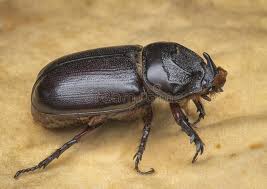
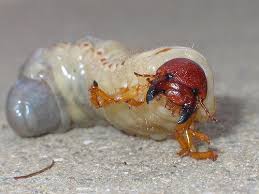
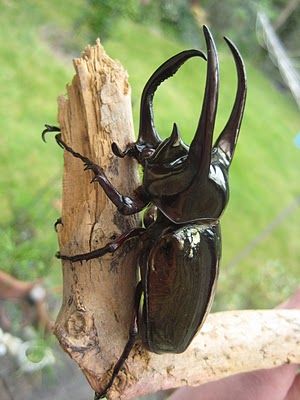
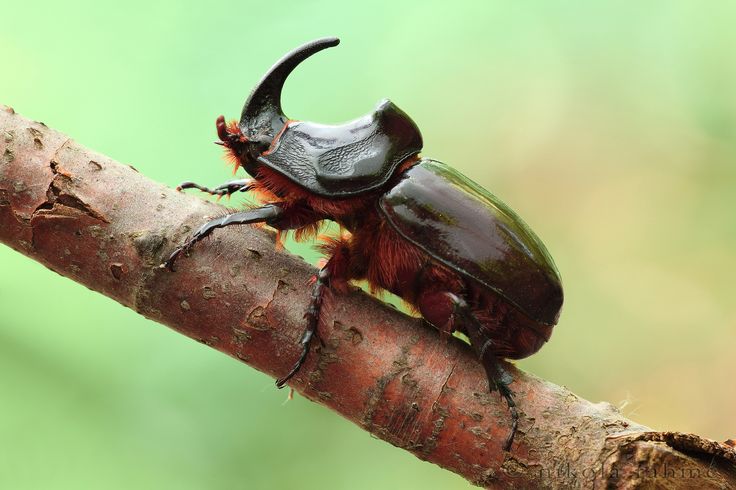
top left and moving clockwise:  female, male (notice the three horns), european male, japanese male, costa rican male, male (note the color), larvae.  (Images courtesy of Pinterest)

Answer to Brain Teaser Question

There is no smoke–it’s an electric train.

Trivia’s Facts and More (2/10)

Photo by Pixabay on Pexels.com

This informative post will be published on Saturday in place of my regular one.  You are invited to participate with the opening question.

Brain Teaser Question

How is “seven” different from the rest of the numbers between one and ten?

(answer found at the end of this post)

Featured Facts

A familiar indoor sound often comes from the tiny cricket.  There are about 900 species worldwide.

Here are a few quick facts about the cricket:

  • Size:  .5 to 1 inch (13-25 mm)
  • Color:  black, brown, reddish-brown, green
  • Diet:  any plant or animal matter
  • Life cycle:  females lay eggs singly in the ground or in rows in plant tissues

Resembling a grasshopper, the cricket possesses powerful hind legs, small wings, and a long, slender antennae.  They are nocturnal creatures, and they are gifted with acute hearing.  This is evident when a human tries to sneak up on a cricket.  Their ears are located on the knee of each front leg.

Crickets are frequently found in plant undergrowth and sheltered areas.  House crickets are found indoors in homes, bakeries, and kitchens.

The pleasant chirp of a cricket comes from the male.  He raises his ribbed left forewing, then rubs it against the scraper on his right forewing.  The male’s calling  serenades an interested female with his courtship song.

Many consider it good luck to have a cricket living in a home near the hearth of the fireplace.

The use of the word “cricket” has found meanings in other parts of the human world.  The game of cricket is the second most popular sport in the world.  It revolves around a bat and ball game played between two teams of 11 players each.

One of American music’s iconic rock and roll bands in the late 1950s was the Crickets.  Buddy Holly was the lead singer with original members:  Jerry Allison, Joe Mauldin, and Niki Sullivan.

vertically on the left:  pair of crickets (notice the difference in color), game of cricket.  right:  buddy holly and the crickets.  (photographs courtesy of pinterest.)


Answer to Brain Teaser Question

Seven has two syllables and the other numbers only have one syllable.