Trivia’s Facts and More (7/13)

Photo by Pixabay on Pexels.com

This informative post will be published on Saturday in place of my regular one.  You are invited to participate with the opening question.

Brain Teaser Question

What runs around the whole yard without moving?

BONUS TEASER:  What flowers are kissable?

(answer found at the end of this post)

Featured Facts

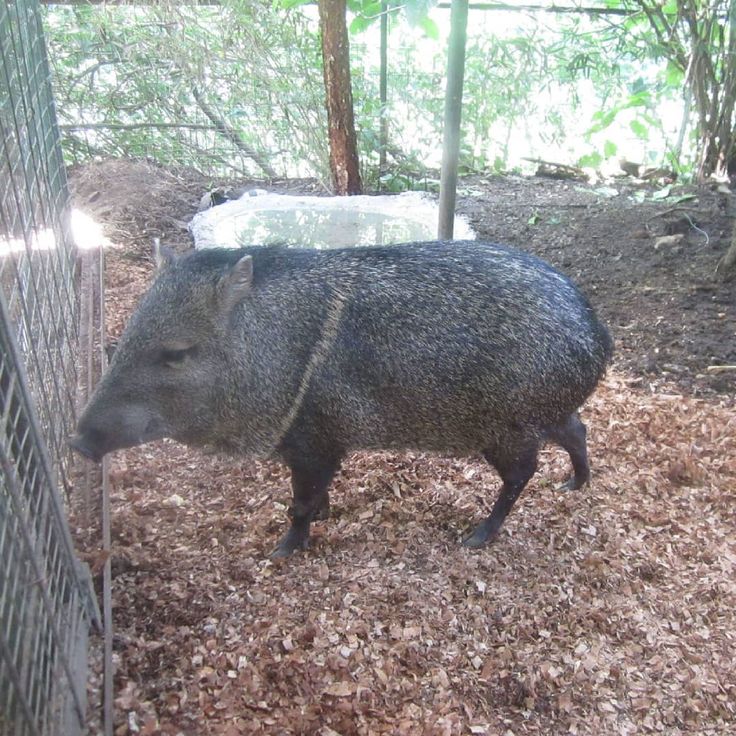
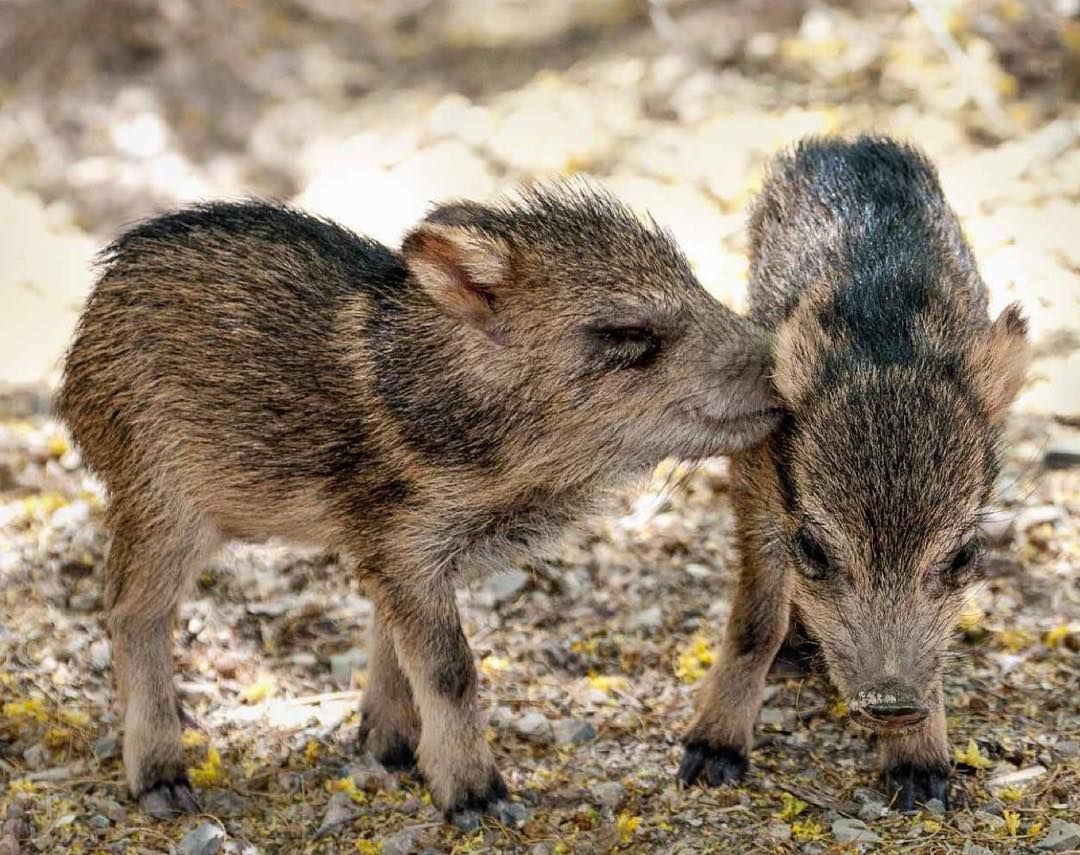
Peccaries or javelinas are one of America’s least-known animals.  With a range found in the southwestern desserts and foothills, these creatures are also found in Central and South America.

Here are a few quick facts about peccaries:

  • Length:  3-4 feet
  • Weight:  35-60 pounds, but some species may approach 90 pounds
  • Sprinting Speed:  25 mph
  • Diet:  (considered omnivores) roots, seeds, grasses, fruits, small animals
  • Lifespan:  8-10 years in the wild (up to 24 years in captivity)

Peccaries resemble domesticated pigs in certain ways with their snorting, woofing, and grunting noises.  They possess a pig-like snout, small eyes, small ears along with a robust body with short legs.  However, their coarse body hair is in contrast to a pig’s exterior, and they are extremely aggressive in the wild.  

Peccaries spend much of their time resting and eating.  They typically forage for food during evenings and early morning hours.  Their poor eyesight (extremely nearsighted) is offset by good hearing.

Their sharp, straight tusks are razor-sharp, and these allow peccaries to rip into roots and aid in their defense against predators.  Common predators include coyotes, mountain lions, and humans.

Peccaries are very social in their structure within each herd.  Some herds may contain up to 100 members, but the usual size is closer to 6 to 12.  In southern Arizona, small herds of peccaries will sometimes cross through front yards.

clockwise from top left:  collared species, white-lipped species, female with piglets, immature duo, herd roaming in arizona.  (Images courtesy of Pinterest)


Answer to Brain Teaser Question

Fence

BONUS:  Tulips

Trivia’s Facts and More (6/22)

Photo by Pixabay on Pexels.com

This informative post will be published on Saturday in place of my regular one.  You are invited to participate with the opening question.

Brain Teaser Question

A plane crashed between the border of France and Belgium.  Where were the survivors buried?

(answer found at the end of this post)

Featured Facts

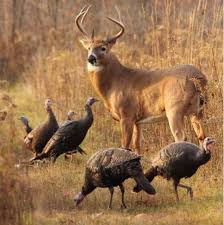
The wild turkey of North America is a wary and magnificent bird.  While domestic turkeys fulfill America’s demand for Thanksgiving dinners, the wild turkey freely intermingles with deer as they frequently share the same habitat.

Here are a few quick facts about the wild turkey:

  • Habitat:  woodlands, grasslands, swamps (prefer mixture of woodlands and open clearings)
  • Wingspan:  4-5 feet
  • Weight:  male, up to 24 pounds; female, up to 12 pounds
  • Diet:  nuts, seeds, fruit, insects, small lizards (omnivorous)
  • Lifespan:  3-5 years

One of the American Founding Fathers, Benjamin Franklin, is said to have preferred the turkey over the bald eagle as the nation’s choice of national bird.  Of course, the eagle’s fortunes have soared while the turkey’s have stayed closer to home.

Turkeys are found in nearly every region of the the lower 48 states of the United States.  Conservation efforts have allowed the turkey population to recover from reduced numbers because of hunting and loss of habitat.  In the early 1900s, roughly 200,000 turkeys roamed America’s woodlands and grasslands.  Today, their number has ballooned to 6-7 million.

Sometimes nicknamed the “bird of courage,” the turkey is a related species to the ring-necked pheasant.  There are five subspecies of turkeys in North America:  Eastern, Osceola, Rio Grande, Merriam’s, and Gould’s.

Turkeys are not migratory, but they may wander during the autumn season.  They are most active in foraging during the early morning and evening.  Their nests consist of shallow dirt depressions, surrounded by vegetation.  Natural predators of the turkey include coyotes, bobcats, mountain lions, Golden Eagles, and Great Horned Owls.  Turkeys must defend their nests from other predators, including raccoons, opossums, skunks, snakes, foxes, and woodchucks.

A male turkey features more colorful and distinctive features than a female.  Their distinctive red wattle hangs from the beak, and a dark tuft of feathers covers the breast.  A female’s colors are more muted, subtle, and duller. 

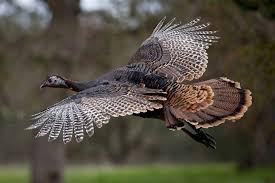
Turkeys will roost overnight in trees, which provide greater protection from predators.  Mature turkeys are capable to running up to 20-25 miles per hour, and they can fly short distances at speeds of 50-55 miles per hour. 

clockwise from top left:  mature male in his colorful attire, female hen (note smaller size and more subtle colors), flock gathering, in flight to escape predator or seek SAFETY in tree, comfortable among deer’s presence, female with her brood.  (Images courtesy of Pinterest)

Answer to Brain Teaser Question

They weren’t buried because survivors don’t need to be buried.

Trivia’s Facts and More (6/1)

Photo by Pixabay on Pexels.com

This informative post will be published on Saturday in place of my regular one.  You are invited to participate with the opening question.

Brain Teaser Question

What ancient invention allows people to see through walls?

(answer found at the end of this post)

Featured Facts

The early morning scent of a skunk reminds anyone nearby to be on the lookout for this black and white scavenger.  The skunk lives throughout the continental United States.

Here are a few quick facts about the skunk:

  • Body length:  for some species, nearly 3 feet (including its bushy tail)
  • Body weight:  as much as 15 pounds
  • Diet:  (omnivores) berries, nuts, eggs, insects, small animals
  • Lifespan:  up to 5 years

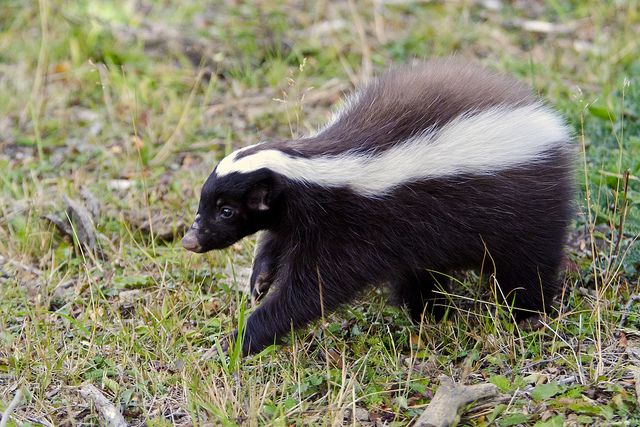
There are several species in the skunk family.  Some of the more common ones include hog-nosed (long, bald snout), hooded (impressive neck ruff), and spotted (much smaller than most).  The most abundant species is the striped skunk, with a black body accented by two white stripes running along the back.

Being nocturnal hunters and food gathers, skunk’s strong sense of smell helps them in their pursuit of food.  However, they possess extremely poor eyesight.

A skunk’s body is designed to assist in the pursuit of another meal.  They possess a stout build with short legs and long bodies.  Their muscular front legs feature long and sharp claws, which allow them to be excellent diggers.

Skunks live in small groups (called surfeits) in underground burrows. and their young are called kits.  Gestation in females usually lasts about two months, though they can delay until more suitable weather for giving birth.  Typically, each liter of kits runs between four and six in number.  Many skunks are carriers of rabies, which is fatal to them.

When threatened, skunks own one of nature’s most effective defense systems.  With scent glands hidden under the tail, a quick elevation of it will spray a victim up to 12 feet away.  A sticky, oily substance with an extreme smell is transmitted as a fine mist.  It immediately causes tearing of eyes and choking.

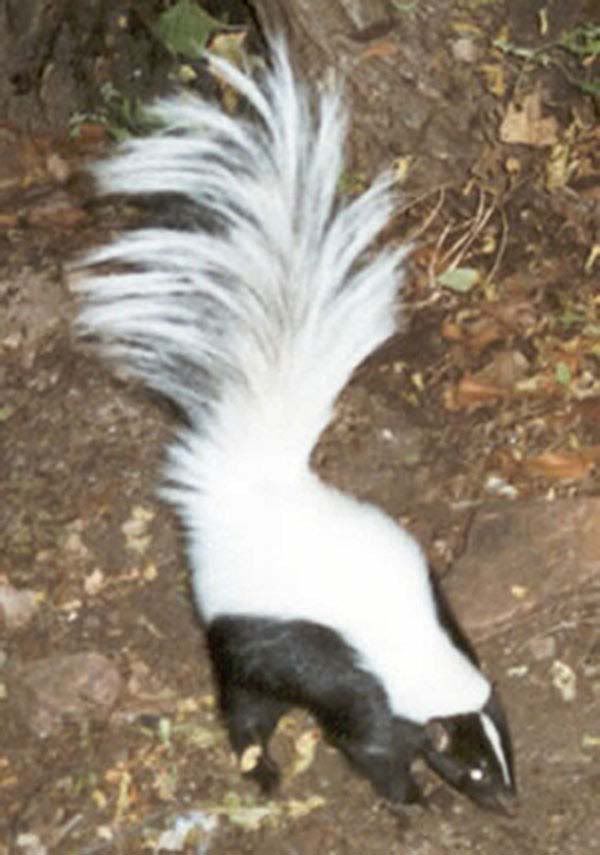
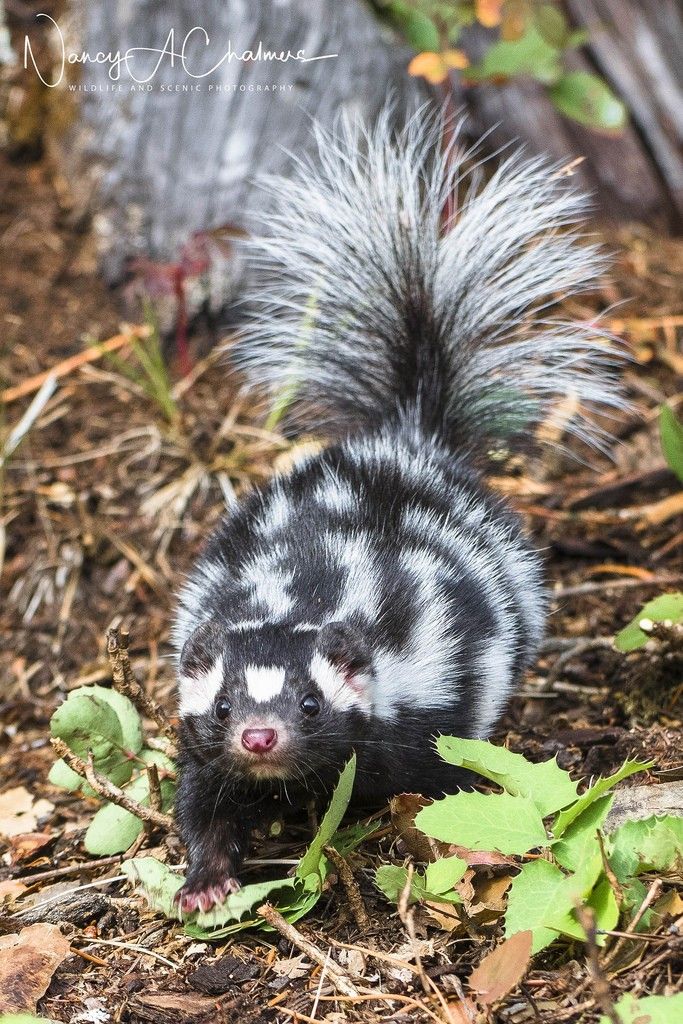
top left: baby skunk called a kit.  going clockwise, The remaining photos show different species:  hooded, spotted, striped, and hog-nosed.  (Images courtesy of Pinterest)

Answer to Brain Teaser Question

Windows.

Trivia’s Facts and More (4/13)

Photo by Pixabay on Pexels.com

This informative post will be published on Saturday in place of my regular one.  You are invited to participate with the opening question.

Brain Teaser Question

Throw away the outside and cook the inside; then eat the outside and throw away the inside.  What is it?  (Hint:  delicious with extra butter)

(answer found at the end of this post)

Featured Facts

The most common of all deer species in the United States is the white-tailed deer.  Sometimes they are referred to as whitetail deer or Virginia deer.

Here are a few quick facts about the white-tailed deer:

  • Height (at shoulder):  2.5 to 3.5 feet
  • Weight:  bucks (males), 200-300 pounds; does (females), 100-200 pounds
  • Average lifespan:  around 10 years

White-tailed deer live throughout the continental United States.  They can be found in a variety of habitats:  open wooded areas, wetlands, meadows, and prairies.  Their diet consists of grasses, leaves, twigs, fruit, flowers, lichen, and legumes (such as alfalfa and clover).  Their four-chamber stomach allows them to eat just about anything.

Throughout most months, white-tailed deer feature a reddish-brown coat.  This changes to grayish-brown during the late fall and winter.  For short distances, they are able to run up to 30 miles per hour, and many can jump fences nearly eight feet tall.

Being one of the smallest deer in the United States, the white-tailed species differs from its larger cousin, the mule deer.  Most mule deer are found in the western United States, and there are slight differences in physical characteristics.  Bucks usually weigh 400 pounds or more.  They also possess larger ears and antlers.

The chief predator of white-tailed deer is man.  However, it is also pursued by natural predators in the wild.  These animals may include the cougar, wolf, bear, mountain lion, and coyote.

Does typically give birth to two or three fawns.  They are easily identified by the spots found on their bodies.  Fawns will usually be nursed for 8-10 weeks.  Young bucks will stay with their mother for about one year while young does will stay for nearly two years.  Most mature bucks live a solitary life, and they will only gather around does during the fall breeding season.
Many people have read Hungarian-born, Austrian writer Felix Salten’s novel from 1922, Bambi, a Life in the Woods.  Salten uses a European setting so the deer in his writings is a roe deer.  This differs from the deer used in the Disney animated film from 1942, “Bambi.”  Here an American white-tailed deer is featured.

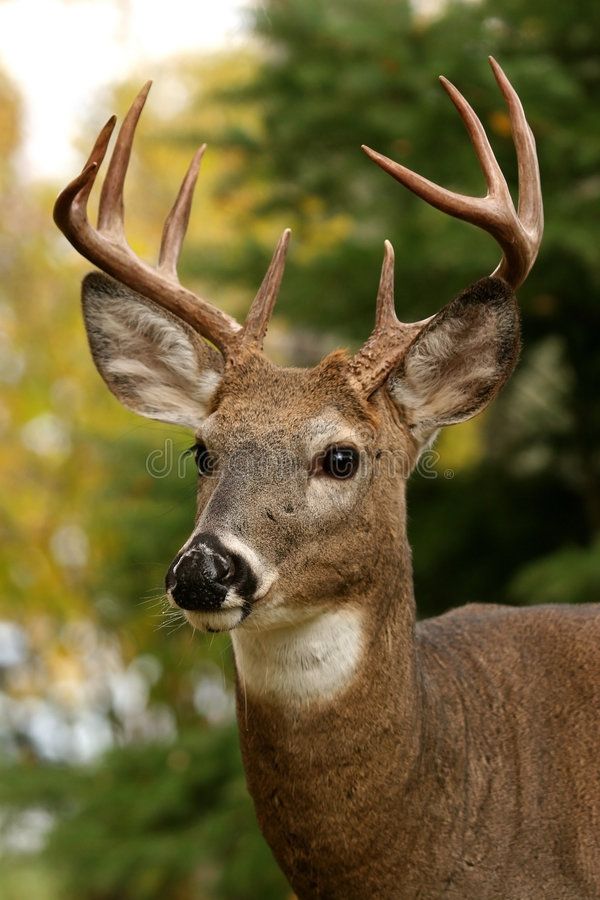
top left and moving clockwise:  mature white-tailed buck, white-tailed fawn, white-tailed doe, roe deer buck (European), another white-tailed buck (notice the smaller size and more narrow spread of the antlers), mule deer buck (notice the larger size and wider spread of the antlers), two white-tailed bucks fighting over a female during the autumn breeding season.  (Images courtesy of Pinterest)

Answer to Brain Teaser Question

Corn on the cob.

Trivia’s Facts and More (3/9)

Photo by Pixabay on Pexels.com

This informative post will be published on Saturday in place of my regular one.  You are invited to participate with the opening question.

Brain Teaser Question

What do Oscar the Grouch, Alexander the Great, and Winnie the Pooh have in common?

(answer found at the end of this post)

Featured Facts

A subspecies of the brown bear, the grizzly bear is one of the largest and most dangerous bears in the United States.

Here are a few quick facts about the grizzly bear:

  • Standing Height:  6-8 feet (1.8-2.4 m)
  • Weight:  Mature male, 700-800 pounds; mature female, 300-400 pounds
  • Top Speed:  Approximately 30 mph
  • Average Lifespan:  25 years
  • Color:  Light tan to dark brown

Predominately living in mountainous and forested areas of the northwest U.S., western Canada, and Alaska, the grizzly bear is more dangerous to humans than sharks.  Since they are labeled as apex predators, they reside at the top of the food chain with no natural enemies.

Grizzly bears are omnivores, so their diet consists of plants and animals.  They eat a variety of berries, roots, fruits, and nuts.  They also feast on grubs, fish, small mammals, and even larger mammals such as bison and deer.

While males are solitary, females will stay with their cubs for 2-3 years.  The young cubs will learn much from their mother:  what berries to eat, how to hunt fish, and how to hunt prey.  Grizzly bears are one of the world’s most intelligent animals with an exceptional memory.

Mature males are easy to distinguish from other bears by their over-sized hump shoulder.  This mass of muscles is attached to the backbone, which gives grizzly bears superior strength for digging.  The strong front legs allow for amazing speed, which allows for catching prey, digging, and foraging.  Powerful front paws can bring down a large mammal with a single swat.

Grizzly bears spend the winter months in hibernation.  This time usually begins in October of November and runs for 4-6 months.  During hibernation, up to 30 percent of weight may be lost, and females will give birth to their cubs at this time.  Prior to hibernation, each adult’s appetite is characterized as a feeding frenzy (called hyperphagia).  During the 2-4 months before hibernation begins, mature bears will add three pounds of weight per day as they gain anywhere from 200-300 pounds.

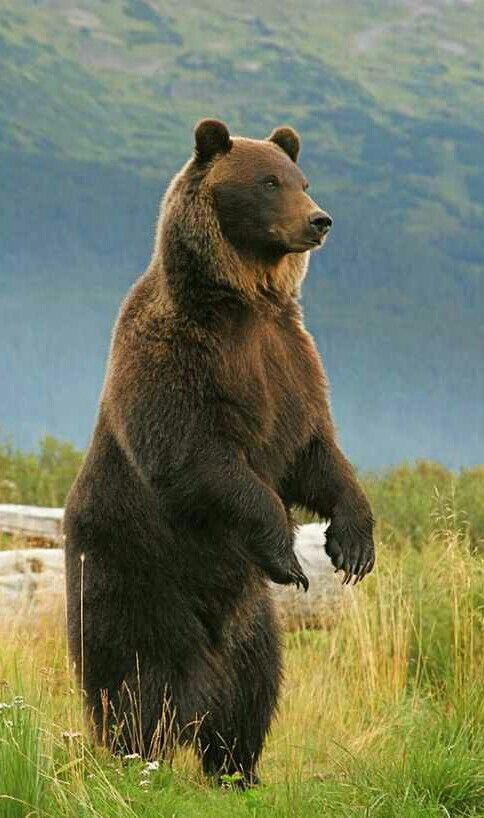
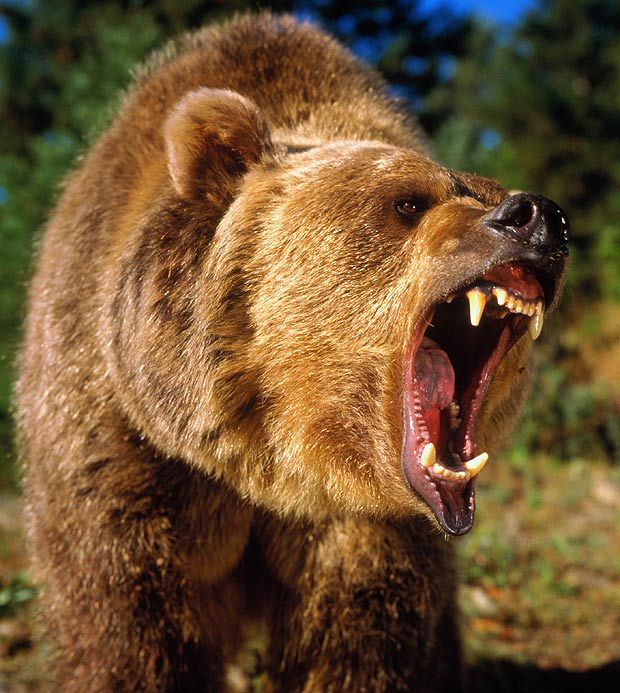
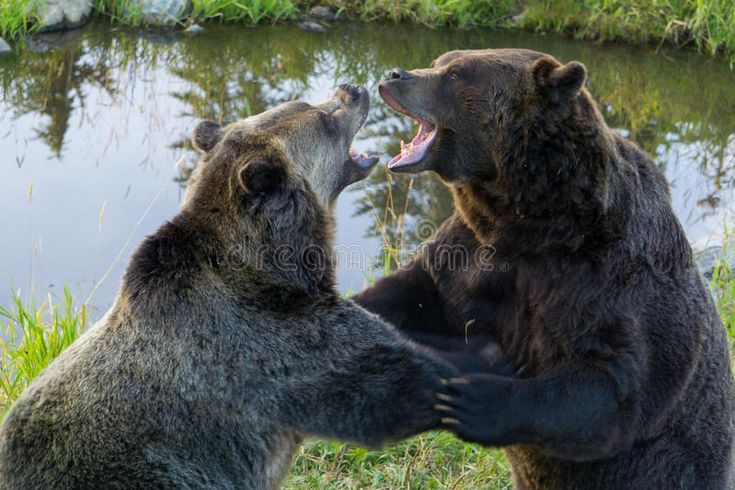
top row:  male (notice the shoulder hump, mother with cubs, male standing.  Bottom row:  ferocious male, pair of males in combat.  (courtesy of pinterest)


Answer to Brain Teaser Question

Their middle names . . . THE

Trivia’s Facts and More (2/3)

Photo by Pixabay on Pexels.com

This informative post will be published on Saturday in place of my regular one.  You are invited to participate with the opening question.

Brain Teaser Question

Put these statements in the correct order.

(A)   Thousands of children receive milk substitutes.

(B)   Milk drivers and plant employees go out on strike.

(C)   The milk workers’ union demands increased wages.

(D)   Milk employees go back to work.

(E)   Union members vote to ratify the new contract.

(answer found at the end of this post)

Featured Facts

One of America’s most frequently spotted animals is the nocturnal bandit, commonly called a raccoon.  Raccoons are native to a large geographical area, which stretches from Canada to Panama.

Here are a few quick facts about the raccoon:

  • Body length:  2-3 feet (.6-.9 m)
  • Tail length:  14-19 inches (35-48 cm)
  • Weight:  approximately 20 pounds for mature adult
  • Diet:  fruit, insects, birds, frogs, small mammals
  • Lifespan:  2-5 years

As raccoons live throughout the United States, they are frequently found in woodlands, wetlands, forest, and towns.  Raccoons are many times considered pests as they search for food in a community’s garbage.

The name raccoon comes from the Algonquian word “aroughcun” which means “he who scratches with his hands.”  They are intelligent and curious; they also adapt well to most any living environment.

Raccoons possess hand-like claws, and they can usually open jars and doors with ease as well as grasping food.  In using their hands, raccoons turn, inspect, and wash food before eating.

The mask-like markings on a raccoon’s face help to reduce glare from light and allow for better night vision.  Their sharp claws and nibble paws allow them to expertly climb trees and other surfaces.  A group of raccoons is called a nursery, and the babies are called kits.

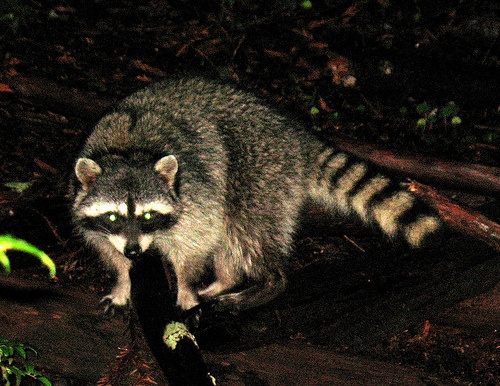
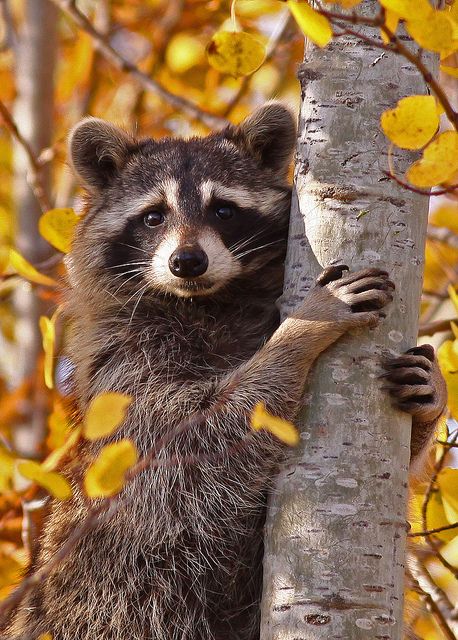
top left and moving clockwise:  pair of adults, CURIOUS babies, adult climbing tree, spotted at night, caught in a garbage dumpster.  (photographs courtesy of pinterest.)


Answer to Brain Teaser Question

C  —  B  —  A  —  E  —  D

Trivia’s Facts and More (12/16)

Photo by Pixabay on Pexels.com

This informative post will be published on Saturday in place of my regular one.  You are invited to participate with the opening question.

Brain Teaser Question

What word contains 26 letters but only has three syllables?

(answer found at the end of this post)

Featured Facts

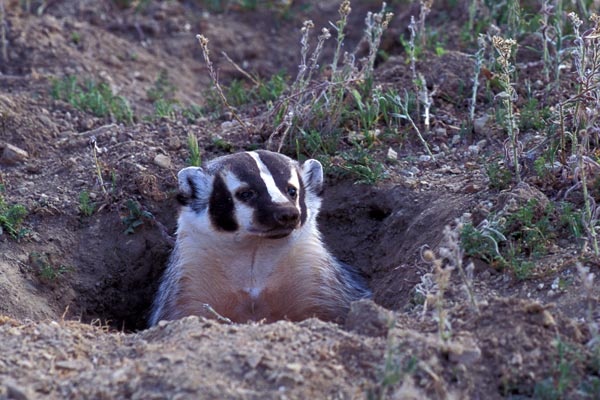
Many of America’s animals have cousins who are found in other parts of the world.  This is the case with the badger.

Here are some interesting facts about the American badger:

  • Height/Weight:  at the shoulder, 12 inches (30 cm), 15-30 pounds
  • Lifespan:  around 10 years
  • Habitat:  open plains, prairies, and grasslands
  • Diet:  small mammals (such as mice, gophers, rabbits), earthworms, insects, roots, grasses, and fruit

A badger’s appearance is characterized by stripped faces and thick bodies.  The length of an adult is usually between 2 and 3 feet (.6 to .9 m).  A group of them is called a clan or cete.  The youngsters are named cubs or pups, while the adult males are called boars and females as sows.

Badgers are known for their fierce bite.  Their lower jaw has the ability to clamp down securely and tightly.  Designed for digging, their front paws feature long, sharp claws, which can dig quickly when searching for prey hiding underground.

A badger’s home consists of underground burrows (called setts or dens).  The tunnels may run up to 10 feet below the ground’s surface, and some may exceed 30 feet in length.  There is room for sleeping, storing food, and giving birth.

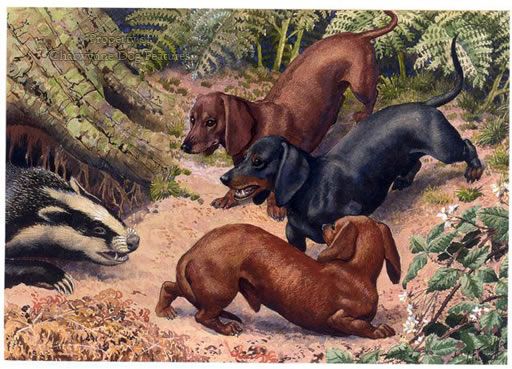
Badgers are nocturnal hunters, and they generally live as solitary creatures.  They face a variety of predators, such as wolves, coyotes, mountain lions, foxes, and even eagles and hawks.  Most will prey upon their small cubs in open areas, away from the much safer den.  In addition, man has bred his own predator–the Dachshund.  Used particularly in Europe, their name translates from the German language as “badger dog.”

starting left and clockwise: at the den’s entrance, a badger defends it against several dachshunds.  a single badger surveying the scene from his den.  a pair of badgers.  (photographs courtesy of pinterest.)


Answer to Brain Teaser Question

The alphabet

Trivia’s Facts and More (11/4)

Photo by Pixabay on Pexels.com

This informative post will be published on Saturday in place of my regular one.  You are invited to participate with the opening question.

Brain Teaser Question

What can we infer from this statement?

“Since every child I know likes ice cream, Mike must also like ice cream.”

A)   The speaker doesn’t know many children.

B)   Mike is a child.

C)   Mike likes anything sweet.

D)   The speaker is a good friend of Mike.

E)   The speaker saw Mike eat ice cream.

(answer found at the end of this post)

Featured Facts

Found along the North American Pacific coastline, the sea otter is the largest member of the weasel family (mustelidae).  Some of their relatives include other carnivorous mammals such as badgers, wolverines, weasels, and river otters.

Here are a few quick facts about the smart and playful sea otter:

  • Length:  4 to 5 feet (1.2 to 1.5 m)
  • Weight:  averages 65 pounds (30 kg)
  • Lifespan:  up to 20 years or more
  • Diet:  carnivore (fish, shellfish, clams, mussels, sea urchins)

While cute and fun-loving, sea otters are fierce fish hunters with a high level of expertise.  Armed with sharp teeth and a powerful bite, they manage to consume the daily equivalent of 25-40 percent of their body weight.  This allows them to stay warm as they live in the cold waters of the ocean’s coastal areas.

Sea otters are effective swimmers, and many can stay submerged underwater for up to five minutes.  Their extra large lung capacity allows for this.  They lack blubber under their fur, but several layers of very dense fur keeps them protected from the harsh elements.

Most sea otters spend their entire lives in the water.  They frequently build floating rafts of kelp and stay together in groups called a romp or a raft.  Wrapping themselves in seaweed helps to keep every member close.  Many will snooze while floating on their backs.

Sea otters are labeled as an endangered species with domestic and international laws protecting them.  There are numerous species of otters found around the globe.

top left:  single sea otter.  top right: pair of sea otters and another sleeping.  bottom:  group of sea otters called a romp or raft.   (photographs courtesy of pinterest.)


Answer to Brain Teaser Question

(B)   Mike is a child.

Trivia’s Facts and More (10/7)

Photo by Pixabay on Pexels.com

This informative post will be published on Saturday in place of my regular one.  You are invited to participate with the opening question.

Brain Teaser Question

Find the next letter in the sequence.

A    B    D    G    K    P    ?

(answer found at the end of this post)

Featured Facts

Sometimes called a timber wolf, the gray wolf’s numbers have declined significantly in the United States.  They are still plentiful in many rural areas around the rest of the world.

Here are a few quick facts about the gray wolf:

  • Habitat:  forests, mountains, grasslands, tundra, and deserts
  • Weight:  males up to 145 lbs or 65 kg, females up to 100 lbs or 45 kg
  • Diet:  small mammals (rats, squirrels, rabbits) and large mammals (deer, elk, caribou, moose, and even bison)
  • Lifespan:  typically 6-8 years

In the United States, the historic range of the gray wolf once covered nearly two-thirds of the country.  Today, wolves are primarily found in Alaska, northern Michigan, northern Wisconsin, western Montana, northern Idaho, northeastern Oregon, and Yellowstone National Park.

Hunted extensively, America’s wolf population plummeted.  In Yellowstone National Park, the last wolf was killed in 1926.  Reintroduced in 1995, the numbers in Yellowstone have grown to approximately 100.

Following a kill, a wolf will eat 20-30 lbs. (10-13 kg) of meat.  They are capable of surviving up to two weeks without eating.  In some areas, they threaten livestock.  In the Yellowstone ecosystem, elf make up nearly 90 percent of the wolves’ diet during the winter months.

Wolves are organized together in packs of 4-7 adults.  They are highly intelligent and hunt as a group.  Being excellent and diligent hunters, they may hunt all night.  They can run long distances, and some hunt in territories up to 1,000 sq. miles (2,600 sq. kg).

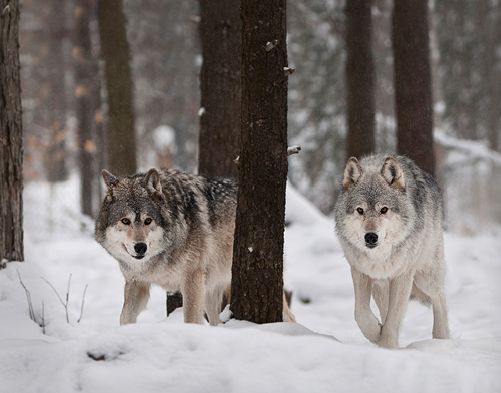
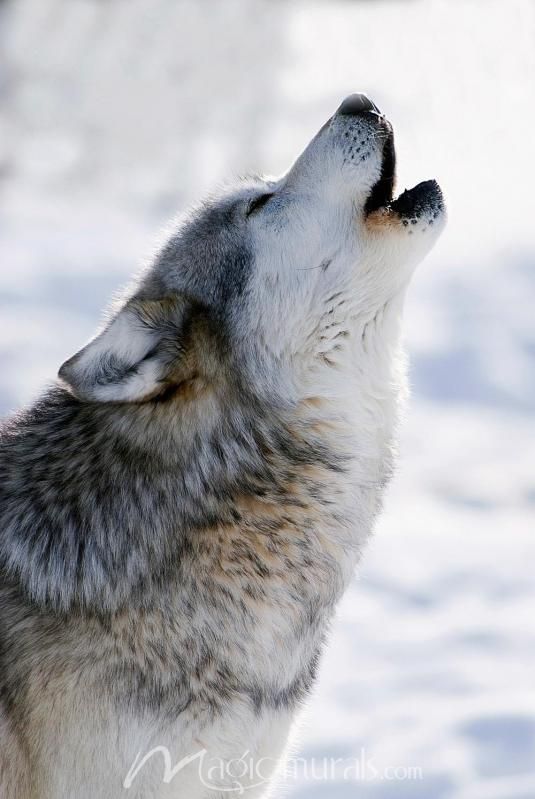
left:  pair of wolves on the prowl.  right:  howling wolf (their own form of gps).  (photographs courtesy of pinterest.)


Answer to Brain Teaser Question

V

Gray Wolf Quotes

Photo by Jonathan lajoie on Pexels.com

Rudyard Kipling

For the strength of the pack is the wolf, and the strength of the wolf is the pack.

Kipling (1865-1936) was an English novelist, short story writer, poet, and journalist.

David Attenborough

Crying wolf is a real danger.

Attenborough (born 1926) is British broadcaster, biologist, natural historian, and author.