

This informative post will be published on Saturday in place of my regular one. You are invited to participate with the opening question.
Brain Teaser Question
What can go through a window without breaking the glass?
(answer found at the end of this post)
Featured Facts
One of the most interesting and important insects in the world is the honeybee. These dynamic creatures can be found on all continents with the exception of Antarctica.
Here are a few interesting facts about the honeybee:
- Size: about one half inch in length
- Color: usually black with yellow rings on abdomen (some may appear reddish-brown with orange rings)
- Diet: adults, nectar, pollen, honey; larvae, beebread (honey/pollen mixture)
- Habitat: hive in hollow tree or man-made beehive; worker bees visit endless flowers in meadows, open woods, and gardens
The honeybee is classified as an eusocial insect. This social, flying insect features a black-colored head, antennae, and stinger. Short, pale hair covers the three-segmented thorax and the six-segmented abdomen. Other characteristics include clear, veined wings and pollen baskets on hind legs.
Farmers, gardeners, and others appreciate the service that honeybees provide for agriculture, gardens, and other flowering regions. They are prolific pollinators, and many people love the sweetness of their honey. At the same time, honeybees face increasing peril from climate change, loss of habitat, parasites, invasive plants and bees.
The life cycle of a honeybee colony centers around the queen who rules the hive. She will generally live for 2-5 years. In her lifetime, she will produce a colony of 60,000 to 80,000 inhabitants. Besides laying eggs, she produces chemicals to guide and unify the behavior of the other bees.
Following the queen in the hierarchy of the colony come the female workers. They are essential to the survival of the hive as they maintain it, collect pollen and nectar, and feed the larvae. They also clean and circulate the air within the hive with their constantly beating wings. They generally live about 4-6 weeks during spring and summer, but they will usually survive during the winter months.
The lowest classification of bees in the colony are the males or drones. They serve only one purpose: to mate with the queen. Following this act, they will die. Remaining drones will be kicked out the colony before winter arrives.
Around the world, honeybees’ behavior varies. Some are more docile while others can become quite defensive. When more than one queen resides in a colony, only the strongest one will carry on to guide life in the hive. The remaining queen will take approximately half of the female workers as they gather in a swarm to travel in order to build a new colony.


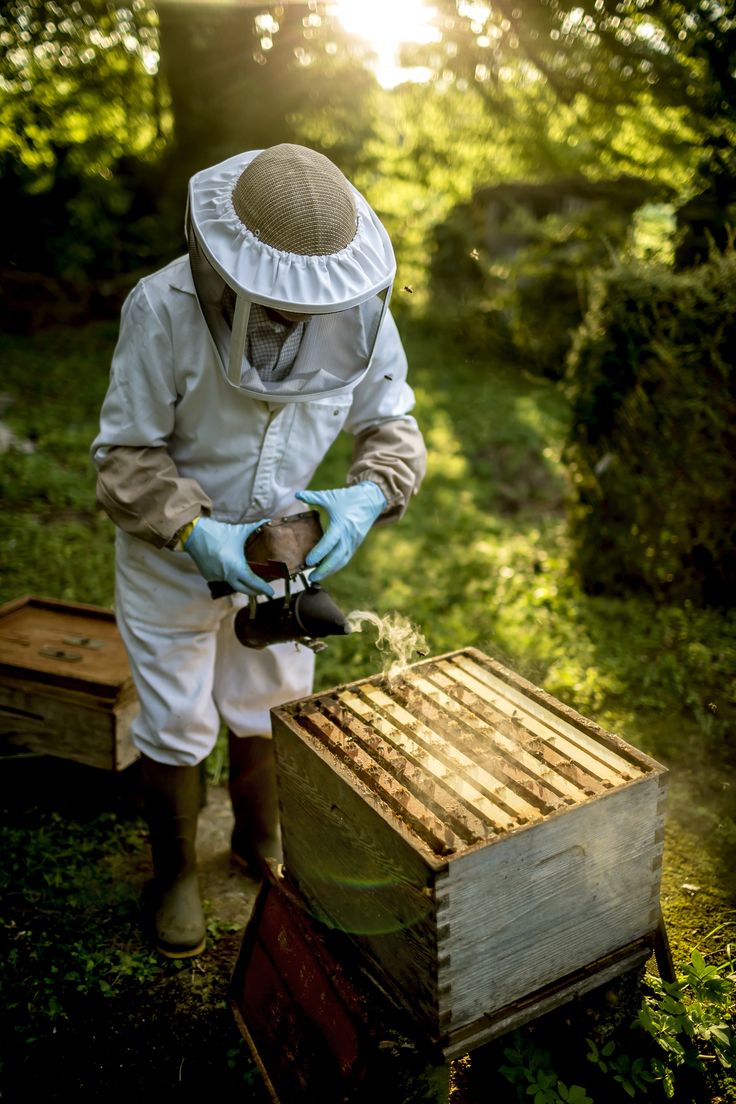
top left and clockwise: bee pollinating flower, bees and honeycomb, types of bees (drone, queen, worker), beekeeper at work, beehive in hollow tree. (Courtesy of Pinterest)
Answer to Brain Teaser Question
Light.
 Big Sky Buckeye
I got the trivia and was very interested in the honey bees. My daughter’s family work together to keep their beehives and they have been called sometimes to get bees that are swarming around houses or schools.
LikeLiked by 1 person
Vickie, I appreciate hearing about your daughter’s family work with bees. I know a retired couple in Montana who were involved in a similar way.
LikeLiked by 1 person
Guessed right. 🙂 I follow the Bartlett Bee Whisperer David Glover on YouTube and FB. Fascinating. Love butter and honey on bread and using honey on cuts and with baking soda as soap and shampoo.
LikeLiked by 1 person
Judy, thank you for sharing your conquest of yet another brain teaser. Indeed, honeybees are fascinating and beneficial.
LikeLiked by 1 person
Ha! I went a different direction with the teaser. I said the answer was “Anything, as long as the window is open!” (And doesn’t have screens, of course.)
Bees are fascinating. I’m just beginning to learn about the native bee species here; there are a lot beyond the bumblebees. I was lucky enough recently to get a great photo of a honeybee with its pollen basket; I’ll have it in my next post on Lagniappe.
LikeLiked by 1 person
Linda, thank you for sharing your perspective with the brain teaser. It’s a joy to embrace what other’s are thinking. As for bees, I will be looking forward to seeing your bee with filled pollen baskets. In eastern Montana, many alfalfa fields are pollinated by cutter bees.
LikeLiked by 1 person
I love honeybees
LikeLiked by 2 people
Awesome. Jim, thank you for reading and sharing.
LikeLiked by 1 person
YW
LikeLiked by 1 person
Honeybees certainly live up to the idiom that they inspired “busy as a bee.” They literally work themselves to death! Thanks for the interesting bee facts. 🙂
LikeLiked by 1 person
Nancy, thank you for sharing these reflections. Thankfully, we can work as “busy as a bee” but we know when to take a break.
LikeLiked by 1 person