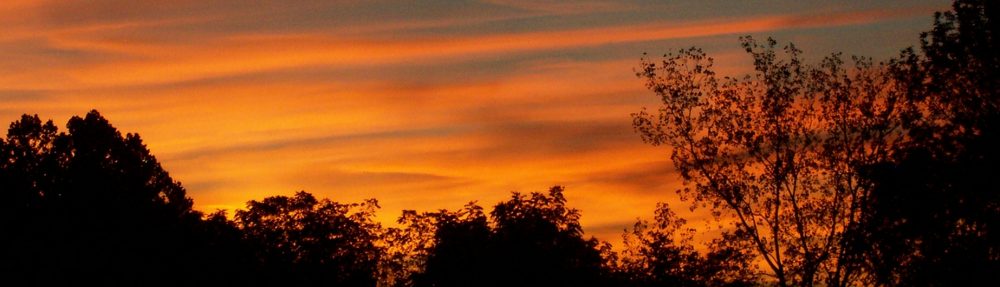

Montana’s land size eclipses every American state except for Alaska, Texas, and California. With a population of just over 1.1 million people, the Big Sky Country is filled with several urban areas. However, the real treasures are found in the small communities that dot the landscape from east to west and north to south.
Brockway
In northeastern Montana sits McCone County. The town of Brockway rests just off of Montana Highway 200 about 13 miles west of Circle, the county seat.
Brockway is founded by three brothers and is named after them. In 1928, the Northern Pacific Railroad connects the town with Circle and the rest of the region. With the arrival of rail transportation, the Brockway area eventually becomes one of the largest grain shipping terminals in the state. Some years, the harvested bushels exceed a million.
For several years, the Pogue family operates the boardinghouse in Brockway. Now the narrative takes a turn into my personal family tree.
My uncle, Omar Pogue, is born in Brockway. When he leaves town to attend business school in Billings, he boards with the family of Herman and Annie Peterson. Eva, their younger daughter (my Dad’s sister), eventually marries Omar during World War II. He serves in the Army while she assists the Navy as a member of the WAVES (Women Accepted for Volunteer Emergency Service).
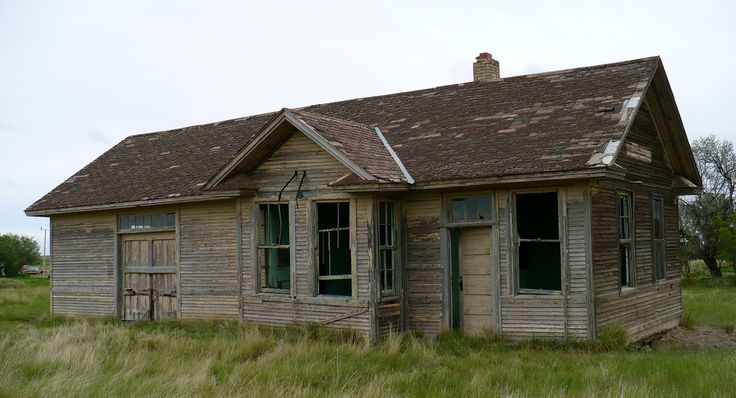
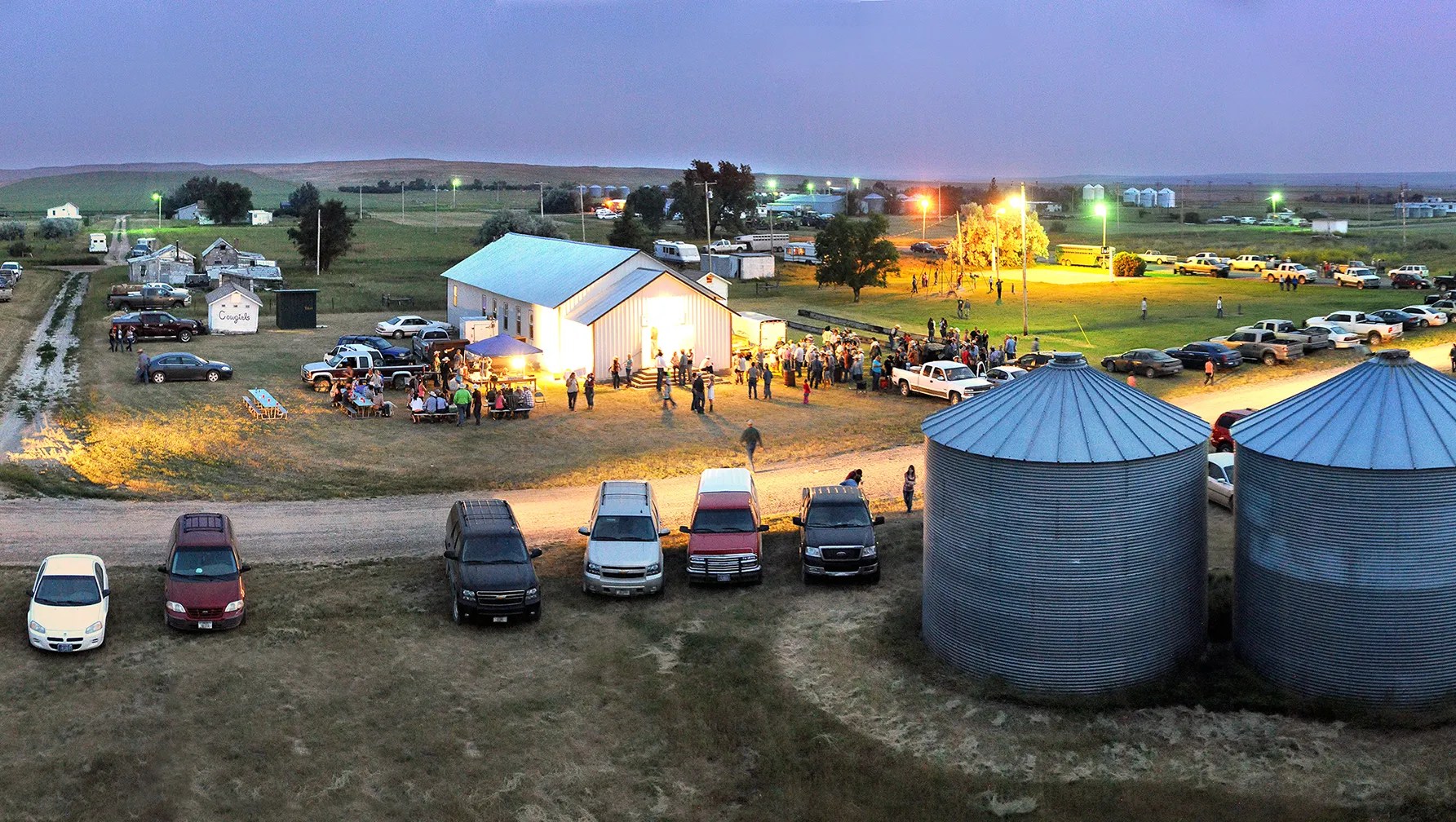
Left: remnants of brockway’s northern pacific railroad depot. Right: action from the brockway dairy day rodeo (started up in 1918). Both photos courtesy of Pinterest.
Oilmont
Montana’s northern Hi-Line region is punctuated with countless small towns. Oilmont, one of the smallest, is found north of Shelby, which today is connected with Great Falls to the south and the Canadian border to the north by Interstate Highway 15.
While little is left of the community in the 21st century, photos and memories still share Oilmont’s history and character.
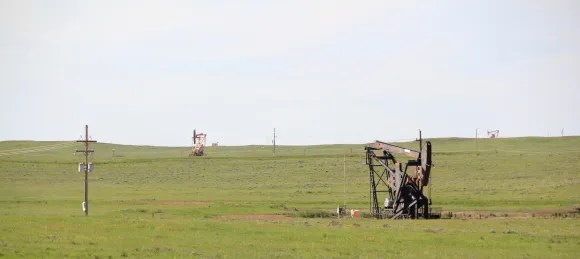
During the 1920s, a wildcat oil well hits a gusher, and both petroleum and natural gas are discovered. Soon small boomtowns, such as Oilmont and Kevin, spring up nearly overnight. Near Kevin, a small refinery is built to process the petroleum.
By the 1980s, the Kevin-Sunburst Field has produced over $200 million of crude, along with an ample supply of natural gas. As the boom silently declines, the town of Oilmont pretty much dries up. The prairie quietly returns to its traditional economy of farming and ranching, which have never really left.
Now the narrative again takes on a more personal family story.
After graduating from Rocky Mountain College in Billings, Jim Peterson, my Dad, takes a teaching and coaching position at the school in Oilmont. Moving in the late summer of 1958, the family of three boys transitions into a new home far different from the much larger city of Billings.
The high school enrollment contains about 30 students, and Jim teaches social studies and science. In addition to his classroom duties, he coaches football (6-man), basketball, and track.
Jim is employed with the school system for two years. By the fall of 1960, he and his family (now including four boys) move across the state to the northeastern region where he teaches and coaches at Poplar.

 Big Sky Buckeye
Montana is so beautiful!
LikeLiked by 1 person
Kymber, your thoughts echo my sentiments as well. Montana just might be the “last best place.”
LikeLiked by 1 person
I agree. I have cousins that have a ranch there and it is so peaceful. I like to visit when I need the pace around me to slow down.
LikeLiked by 1 person
I remember you telling me of family living on a ranch in Montana . . . how cool!
LikeLiked by 1 person
Thanks for sharing the interesting backstory of your family in the magnificent state of Montana. 🙂
LikeLiked by 1 person
Nancy, I appreciate your remarks. It’s always a pleasure to share some family background from Montana. With the Brockway piece, I didn’t add that I taught in Circle, which is 13 miles to the east of the town. I lived there for 22 years.
LikeLiked by 1 person
It must have been difficult to uproot. 🙂
LikeLiked by 1 person
Thank you for the rich history.
LikeLiked by 1 person
Thank you for reading and sharing back.
LikeLike